Help protect Africa's 

Comprehensive Lion Survey Brings Hope for Conservation

Comprehensive Lion Survey Brings Hope for Conservation
 

Comprehensive Lion Survey Brings Hope for Conservation
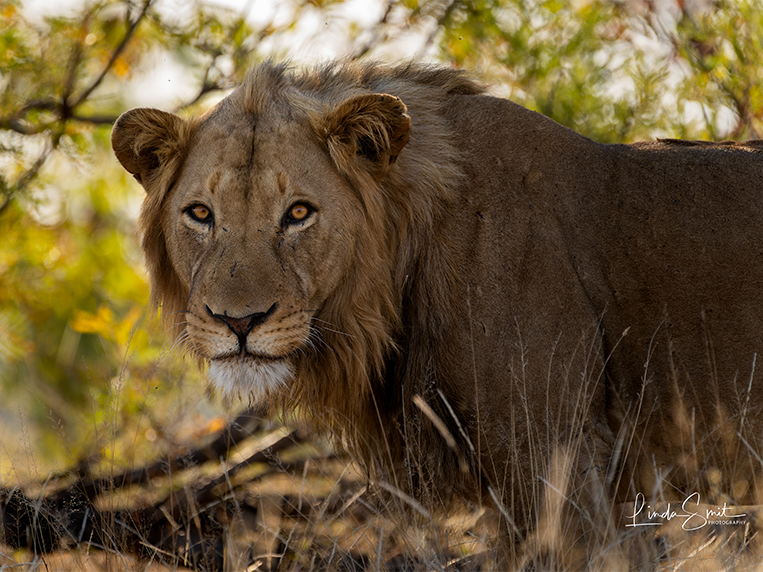


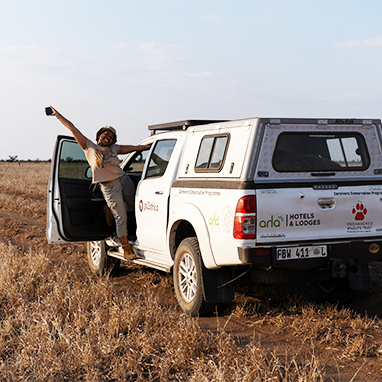
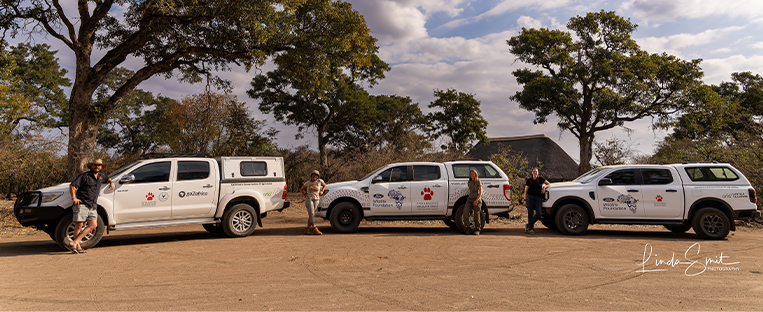
In a significant conservation effort, a dedicated lion survey team, in collaboration with South African National Parks (SANParks) and funded by the Lion Recovery Fund, set out to assess the lion population in Xanatseni South region of the Kruger National Park (KNP). This initiative not only aimed to count these majestic animals but will also contribute to their long-term conservation. Led by Lowveld Project Manager Marnus Roodbol, alongside co-lead PhD student Alison Govaerts and EWT intern Lesego Mthethwa, the team’ s diverse expertise and passion for wildlife conservation provided a strong foundation for the project’ s success.

Over the course of 90 days, the team rotated between three camps: one located outside Phalaborwa Gate, Letaba Rest Camp, and Tsendze Rustic Camp. Their goal was to search for, count, and identify the lions within this vital ecosystem. This strategic approach allowed them to cover a vast area and gain a comprehensive understanding of the lion population dynamics.

 
Methodology: Spatial Capture-Recapture

The survey employed the Spatial Capture-Recapture method, a robust approach for estimating lion density, abundance, sex ratios, and spatial distribution in KNP’ s northern central region. The survey involved extensive fieldwork, where team members employed tracking techniques and observational skills to locate, count, and identify individual lions. This technique combined counts of individually identified lions with thorough search efforts. By utilising both traditional tracking methods and modern technology, the team aimed to gather accurate data to inform future conservation strategies.

To locate lions, team members drove along established transect roads, actively searching the landscape while utilising their knowledge of the area, field skills, and tips from tourists and field guides. Each search encounter was meticulously recorded using a customized Cyber Tracker application that captured GPS points and logged lion numbers and sex ratios upon sighting.


Detailed Documentation

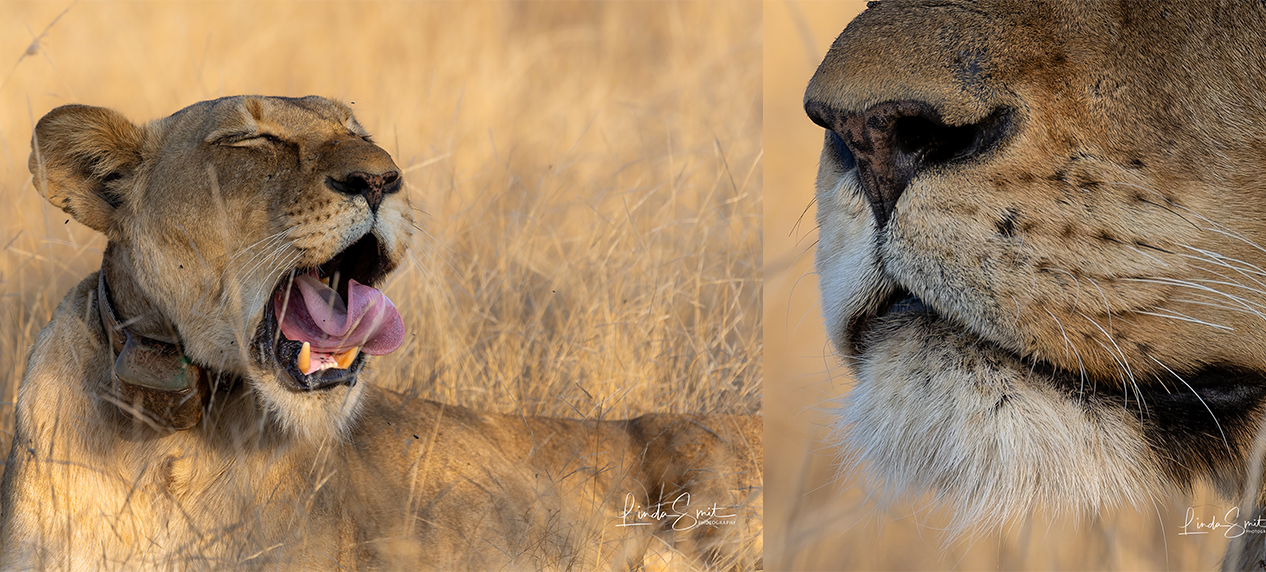
When lions were spotted, the team documented the sighting with specifics including date, time, GPS location, number of lions present, and demographic information. They took individual ID photos, focusing on the unique whisker patterns on the lions’ cheeks (these patterns serve as distinct identifiers, akin to human fingerprints). It was vital to capture clear images of both sides of a lion’ s face, as each side has unique features. Additionally, other characteristics such as the nose, ears, and teeth were noted.

The team compiled the photographs into a comprehensive catalogue, which served multiple purposes: it allowed for comparisons with previous sightings, tracked the health and dynamics of the lion population, and provided insights into each lion’s movements and interactions within the park. By reviewing the catalogue, the team could determine whether a sighting represented a new individual (capture) or a previously catalogued lion (recapture). This approach helped prevent double counting and enhanced the accuracy of population estimates.


Importance of the Survey

Understanding lion populations is crucial for their conservation. With lions facing various threats, accurate population data is essential for developing effective management plans. The information gathered during this survey will contribute to ongoing efforts to protect these iconic animals and their habitats.

Lions are classified as vulnerable by the IUCN Red List due to threats such as human-wildlife conflict, habitat loss, and the impacts of climate change. These factors complicate population recovery efforts. Regular surveys like this one are vital for obtaining up-to-date and robust estimates of lion populations, which are crucial for effective management and conservation strategies. Understanding the current population dynamics helps determine what actions are necessary to protect these magnificent predators, ensuring their survival in Kruger National Park.


Conclusion

The lion survey in Xanatseni represents a critical effort in the on-going mission to conserve one of Africa’s most iconic species. By utilising innovative tracking methods and a collaborative approach, the team contributes invaluable data to lion conservation efforts. With the commitment of dedicated individuals and organisations, there is hope for the future of lions in the wild. As we strive to maintain healthy lion populations and continue to advocate for wildlife conservation, initiatives like this remind us of the importance of collaboration and the need for sustained efforts to protect our planet’ s biodiversity.
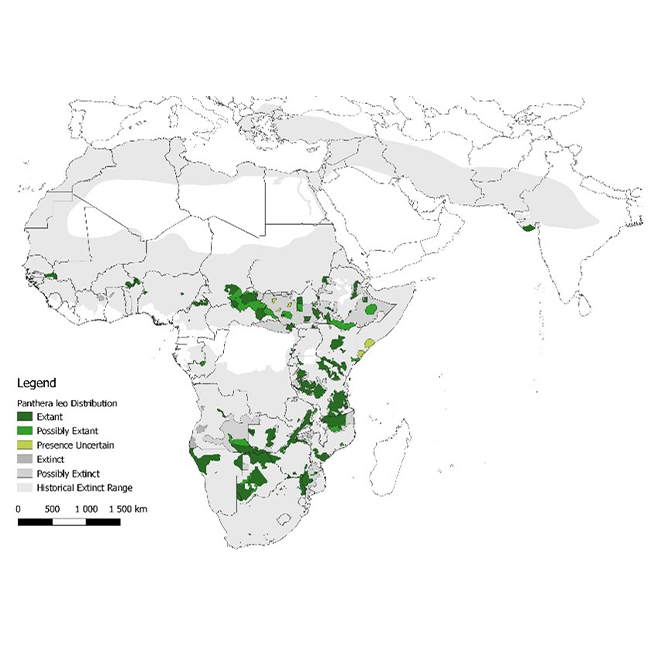
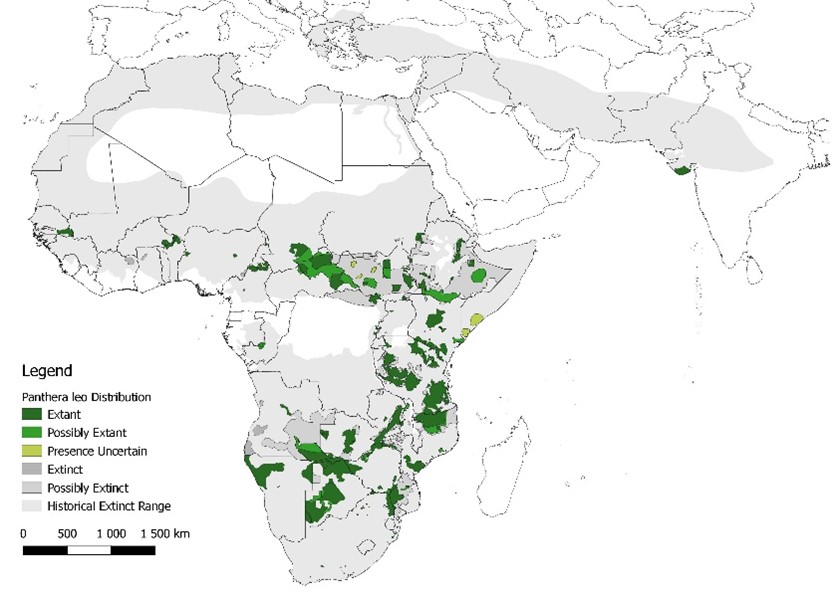
Lions remain listed as Vulnerable in the 2023 Red List Assessment

Lions remain listed as Vulnerable in the 2023 Red List Assessment

Lions remain listed as Vulnerable in the 2023 Red List Assessment

By Dr Samantha Nicholson, Senior Carnivore Scientist & Manager of the African Lion Database

The IUCN Red List of Threatened Species (hereafter the Red List), established in 1964, offers a comprehensive overview of global conservation status, covering plants, animals, and habitats.

With 150,300 species assessed globally, 28% are threatened with extinction, including notable percentages in various taxa. These assessments serve as vital tools for conservation efforts, employing standardised criteria to evaluate extinction risk based on factors such as threats, habitat loss, and population trends. This approach, guided by rigorous standards, provides a clear understanding of species vulnerability and aids in prioritising conservation actions.

The Red List’s systematic approach helps identify species at high risk of extinction, guiding global, regional, and local conservation priorities. While appeals are possible, listings are generally accepted by range states, conservation bodies, and international conventions. Red List assessments inform targeted conservation strategies and resource allocation, guiding conservation action for species and habitats. They foster global commitment and unity among range states in addressing conservation challenges. Additionally, the Red List Index tracks overall trends in extinction risk, serving as a crucial indicator for measuring progress towards reducing biodiversity loss on an international scale.

Determining a species’ listing involves a systematic process conducted by expert assessors following IUCN Red List criteria. Assessments consider factors like population decline, current population size and trends, distribution, and population fragmentation. They also incorporate the probability of extinction over a specified timeframe, often utilising modelling techniques. Data from various sources, including scientific studies and expert assessments, inform these evaluations. Assessors apply strict criteria to determine the species’ conservation status accurately.

Data on the Lion, an omnipresent symbol for Africa, was recently updated by several lion experts led by the Endangered Wildlife Trust’ s Dr Sam Nicholson.

The Lion, once widespread in Africa, has suffered significant declines in population and range in recent decades. These declines, more severe for lions compared to other large carnivores, have led to consistent Vulnerable listings in IUCN assessments since 1996. The team of assessors found that the extant Lion range in 2023 is estimated to be only 6% of its historical range, highlighting the severity of the decline. The current population of adult and subadult Lions in Africa is estimated to be between 22,000 and 25,000, with an additional ~670 Lions in India. These figures represent a decline from previous estimates and underscore the urgency of conservation efforts.

Various factors contribute to the decline of Lion populations. Habitat loss, primarily driven by human activities such as deforestation and land conversion, is identified as the most significant threat. Depletion of prey bases, exacerbated by poaching and the bushmeat trade, further exacerbates the problem.

Human-Lion conflict, often resulting in the killing of Lions to protect human life and livestock, adds to the pressure on populations. Additionally, the trade in Lion body parts for traditional medicine poses a growing threat, as does poorly regulated trophy hunting, which can lead to population declines if not managed effectively. The impact of violent extremism in certain Lion ranges in Africa is also a concern, as it further jeopardises conservation efforts. Instances of poaching for Lion body parts, particularly in Mozambique, highlight the need for increased vigilance and enforcement measures to combat illegal trade.

Despite these challenges, there have been efforts to mitigate threats and conserve Lion populations. Reintroduction programs in certain areas have shown promise (e.g. Zembeze Delta in Mozambique, Akagera National Park in Rwanda), and recommendations for improved management practices in activities such as trophy hunting have been made. However, more comprehensive monitoring and enforcement are necessary to ensure the long-term survival of the species.

Given the ongoing and increasing threats faced by Lions across their fragmented range, it is recommended that the species be closely monitored, with a reassessment of its threat status after a minimum three-year period, or as soon as new information emerges. The decline in both population and range, coupled with the continuation of known threats, justifies its classification as Vulnerable according to the specified criteria. Urgent action is needed to address the complex challenges facing Lion conservation and secure a future for this iconic species.

The Lion’ s Vulnerable status reflects a critical need for long-term survival efforts. The dwindling lion population not only raises ecological concerns, but also has economic and cultural repercussions. As apex predators, lions regulate ecosystems, affecting biodiversity. Economically, reduced lion numbers may impact tourism revenue in countries reliant on lion-based tourism. Culturally, lions hold symbolic importance, and their decline could affect traditions and spiritual beliefs.

The latest Red List assessment provides enhanced knowledge on the status of the species including data gaps, threats, geographic distribution and changes in range. The full assessment is on the IUCN website and can be accessed here