Help protect Africa's 

Fifth National Crane Festival

Fifth National Crane Festival

News From the Field

International Crane Foundation joins Ugandan Government to celebrate Fifth National Crane Festival 

By Barbara Hamoonga (Communications and Marketing Specialist, Africa Programs – ICF and EWT partnership)
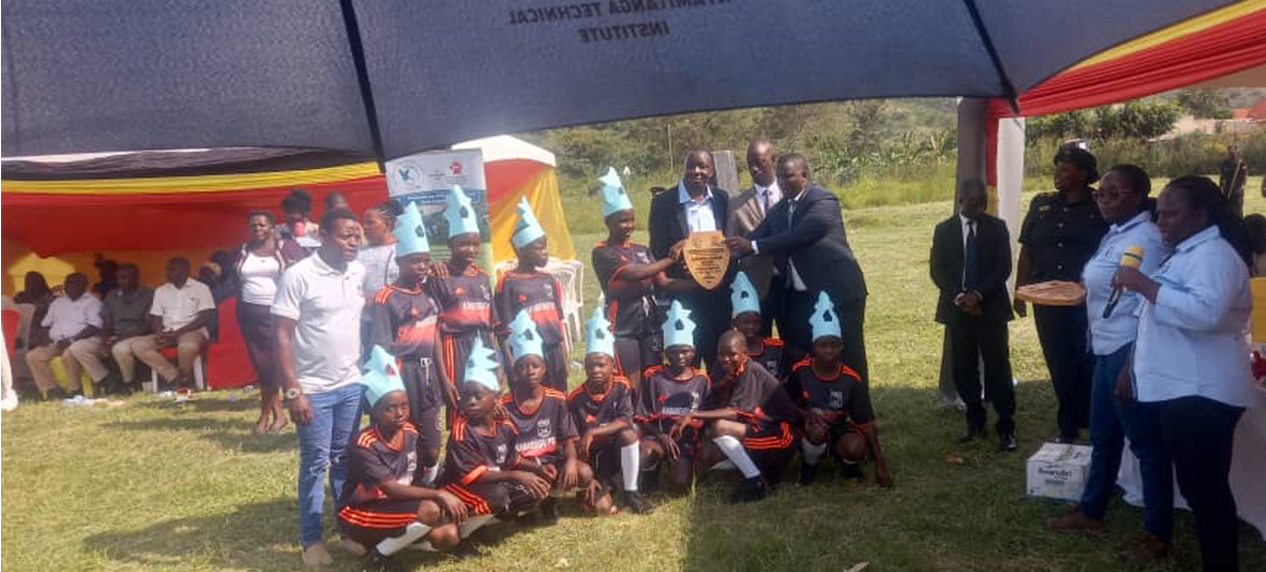


The critical importance of wetlands and sustainable development are among the messages conveyed to community members, conservationists and policymakers at the annual Crane Festival in Uganda at the end of February.  

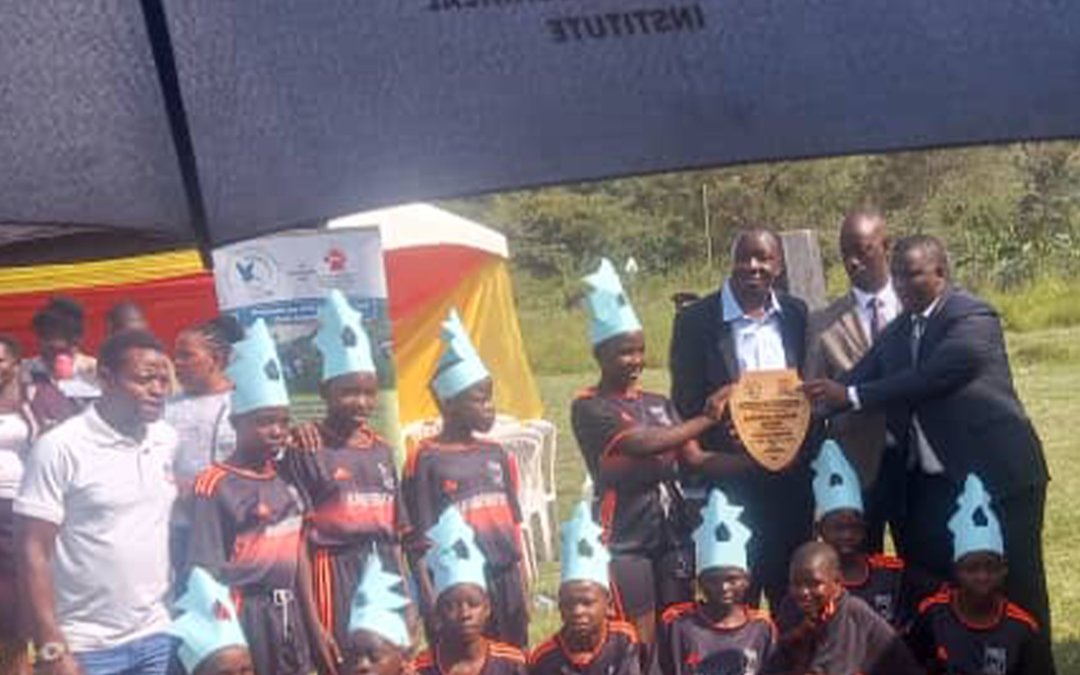
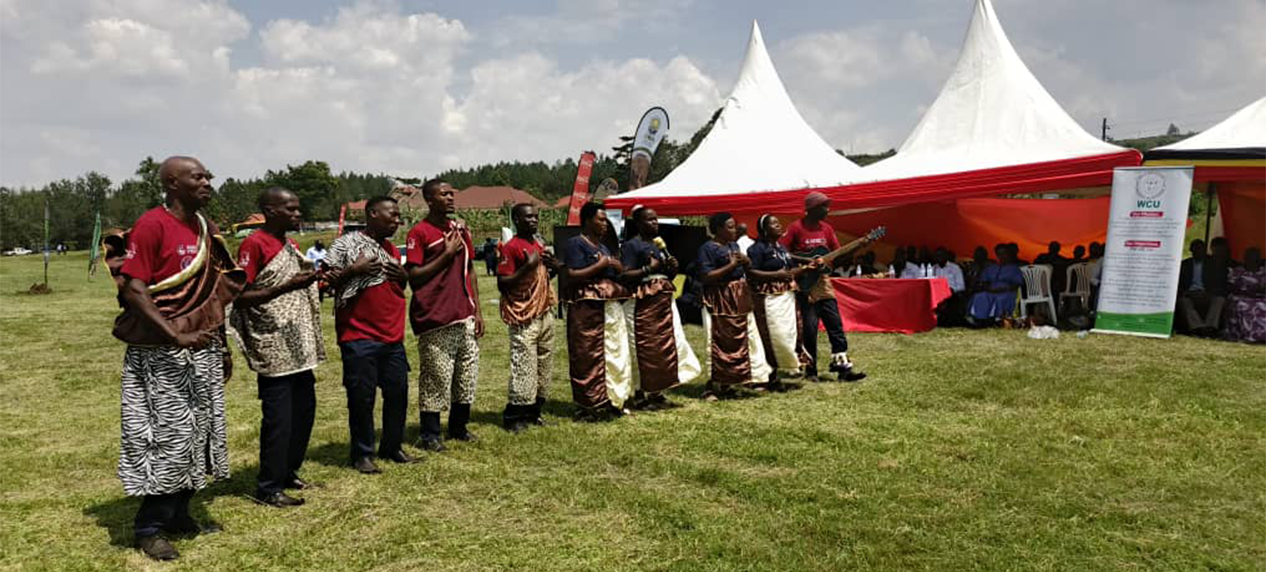
On 28 February, the International Crane Foundation joined the Ministry of Tourism and Wildlife and Antiquities and Isingiro District Local Government, to celebrate the Fifth National Crane Festival under the theme “Investing in wetland conservation for the benefit of people, cranes and other biodiversity.”  

The Endangered Wildlife Trust partners with the International Crane Foundation to conserve cranes across Africa, most notably the Grey Crowned, Blue, Wattled and Black Crowned cranes.   

This year’ s festival was held at Isingiro District Local Government Headquarters, Isozi cell in Rwekubo Ward where the critical importance of wetland conservation was highlighted alongside promoting sustainable development initiatives. 

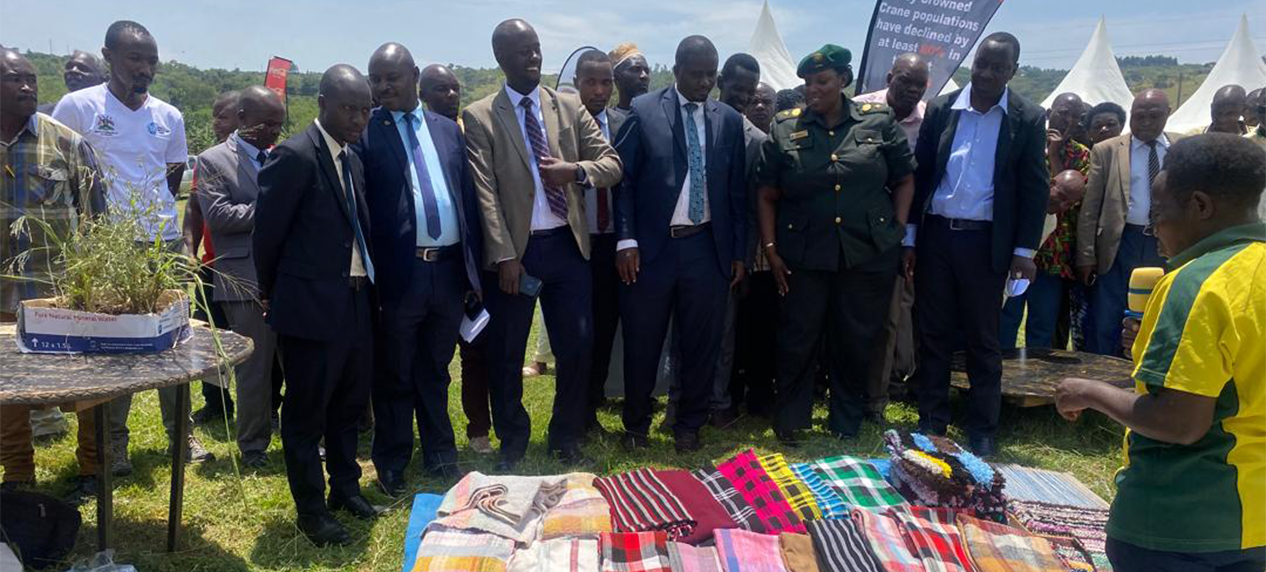
The event served as a platform for raising awareness about crane and wetland conservation while celebrating successful community-based conservation initiatives. The festival featured practical demonstrations of sustainable wetland management practices and created networking opportunities for conservation financing. 

“I am pleased to announce that the Government is working on strengthening policy frameworks to enhance protection of critical wetland habitats, support community-based conservation initiatives, integrate conservation priorities into district development plans and strengthen enforcement of environmental regulations,” revealed the Isingiro District Chairman, Mr. Alone Turahi (LCV) on behalf of the Chief Guest, Hon. Lt. Col (Rtd) Dr. Rwamirama Bright, the Minister of Animal Industry and Fisheries,  as he officiated the event.  “These commitments reflect our understanding that investing in nature is investing in our people and our future.”  

“The Fifth National Crane Festival represents more than just a celebration – it’s a testament to Uganda’s commitment to conservation and sustainable development. As we witness the alarming 80% decline in Grey Crowned Crane populations over the past 25 years, this festival serves as a crucial platform for uniting communities, policymakers, and conservation partners in protecting these magnificent birds and their wetland habitats.  

“Together, we can ensure that future generations will continue to witness the dance of the cranes across Uganda’s landscapes,” stated the ICF’ s Uganda Country Manager, Patrick Engoru. 

Since establishing its presence in Uganda in January 2020, the ICF/EWT partnership has engaged extensively with local communities about sustainable conservation practices, developed partnerships with government institutions, including the Ministry of Tourism, Wildlife and Antiquities, and implemented community-based conservation programs that balance wildlife preservation with human prosperity.  Part of awareness raising included the annual Crane Festival as a flagship event for conservation awareness and community engagement.
 

Creating a Thriving Wetland For All in Zambia

Creating a Thriving Wetland For All in Zambia


Creating a Thriving Wetland For All in Zambia

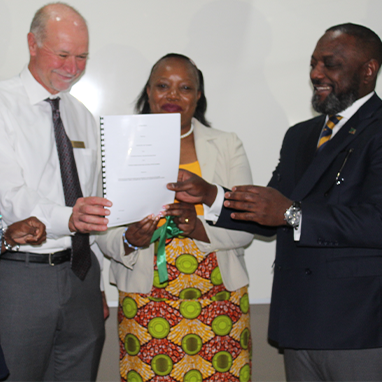
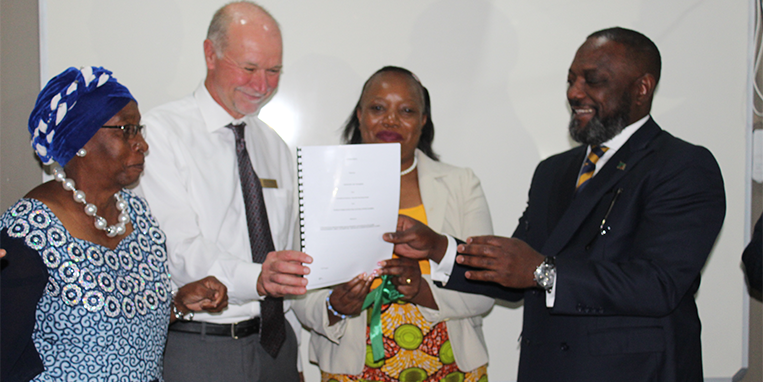
A major conservation milestone was achieved in Zambia on 10th October as the International Crane Foundation, in partnership with the Endangered Wildlife Trust (EWT), officially launched a 20-year collaborative management agreement for the Kafue Flats with the Ministry of Tourism under the Department of National Parks and Wildlife and the World Wide Fund for nature (WWF) Zambia. This groundbreaking initiative, the Kafue Flats Restoration Partnership, aims to create a “thriving wetland for all” by engaging local communities in the conservation and management of this vital ecosystem.

The Kafue Flats includes 6,500 hectares of wetlands, lagoons, grasslands, and floodplains including the Blue Lagoon and Lochinvar National Parks. This region is home to more than 470 bird species, among them the endangered Wattled Crane. Cranes and the lechwe antelope are key indicators of the health of the Kafue Flats ecosystem. More than 1.3 million people live in or around the Kafue Flats, and over 300,000 people rely on this area for freshwater, grazing, livelihoods, and cultural ceremonies.

Sadly, the floodplain is degrading under increasing pressure from unsustainable economic practices, population growth, and climate change. The 20-year agreement will tackle critical problems such as wildlife poaching, poor grazing, unsustainable fishing practices, unplanned settlements, and the impacts of flooding. The partnership will study these issues and manage the region by focusing on finding sustainable solutions that protect both the environment and the livelihoods of the local people.

At the launch, Minister of Tourism Rodney Sikumba emphasised the importance of balancing socio- economic needs with environmental protection of the Kafue Flats. This area is a wetland of international importance under the Convention on Wetlands, a key biodiversity area under Birdlife International, and a Man and Biosphere Reserve under the United Nations Education, Scientific and Cultural Organisation, UNESCO.

Recently, His Excellency, the President of Zambia, Mr. Hakainde Hichilima made a declaration during the Lwanza Traditional Ceremony in Bweengwa, Southern Province, outlining plans to boost cattle production through the establishment of cattle economic zones in the Kafue Flats south and north of the Kafue River. The focus on disease control and improved genetics is seen as a strategic move to enhance the quality of Zambian beef amid climate change challenges.

“We all know that climate change is real, hence the need for adequate adaptation and mitigation,” said Mr Sikumba. “Ecosystem based adaptation is an important option which implies that we manage the Kafue Flats especially in terms of the vegetation, water and fires, because we all know that a well-managed ecosystem is more resilient to the climate shocks such as drought and flood. Therefore, concerted efforts from all partners are needed to manage the Kafue Flats and I wish to reiterate the ministry’ s support on this noble cause,”


“There is urgent need for sustainable solutions in the Kafue Flats for people and wildlife for a brighter future,” said Dr. Rich Beilfuss, President and CEO of the International Crane Foundation. “We must all work together to safeguard the future of the Kafue Flats and its incredible wildlife, including cranes and the endemic Kafue lechwes,”

The Kafue Flats Restoration Partnership will combine the efforts of these three institutions more vigorously with local communities to prevent further degradation in the Kafue Flats. The partnership’ s vision will serve as a model for balancing ecological conservation and economic development in a protected area floodplain ecosystem for the benefit of both people and nature.