Help protect Africa's 

First Conservation Servitude Wholly Initiated by the EWT Registered in the Northern Cape

First Conservation Servitude Wholly Initiated by the EWT Registered in the Northern Cape

First Conservation Servitude Wholly Initiated by the EWT Registered in the Northern Cape

By Zanne Brink, Drylands Strategic Conservation Landscape Manager
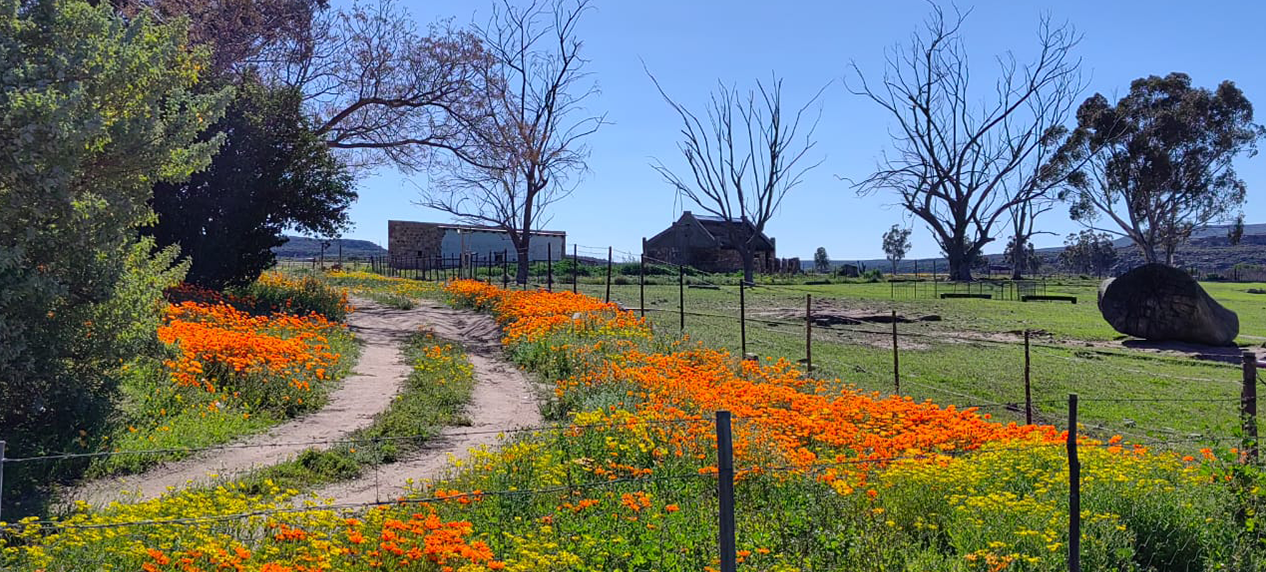
 

Northern Cape biodiversity conservation through Lokenburg Conservation Servitude

The first Conservation Servitude initiated by the Endangered Wildlife Trust has been registered in the Northern Cape.

The registration of the Lokenburg Conservation Servitude is to ensure the long-term protection of, particularly the Speckled Dwarf Tortoise, its habitat and the associated biodiversity on a farm that has been occupied by the same family for six generations.

The protection of dwarf tortoises is critical, especially because they occur in very specific habitat types along the West Coast of South Africa, inland to Namakwaland, and while this is a large area, they actually only occur in a few tiny remnant patches of critical habitat.

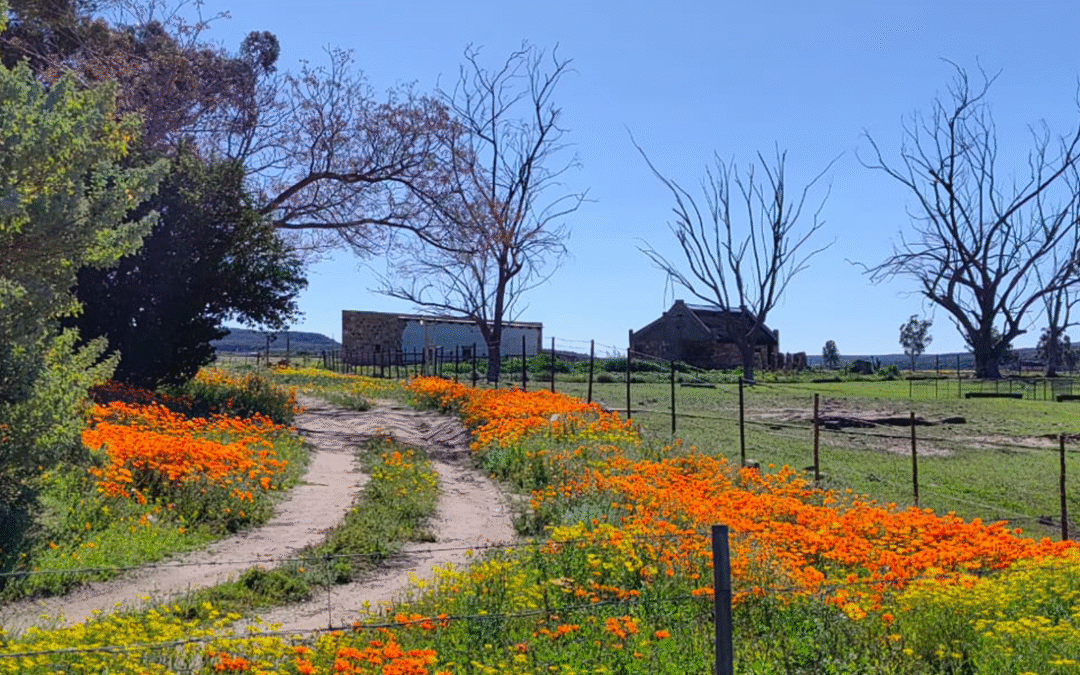
Lokenburg is situated in the district of Nieuwoudtville, widely known for its unique vegetation and springtime floral splendour. The farm is unique in two respects. It was the first farm in the area to receive Title Deeds in 1774, and it is the only farm to host a dwelling built by each one of the six generations that have lived on the property.  Situated in the Bokkeveld, an area previously known for its large Springbok population, the working farm boasts a large variety of plant species.   The owners, Nelmarie and Herman Nel, farm sheep, cattle, and rooibos tea.

It is a farm with a rich history, with numerous explorers traversing the area and documenting the rich soils and the associated fauna and flora since the mid-1700s.  The late Francois Jacobus van der Merwe (the owners’ great-grandfather) was the only one of the four van der Merwe children whose land has remained intact for his descendants. This favoured the family and ensured that the land has been occupied by the same family for six generations, all of whom have always prioritised the conservation and preservation of their area because of their love of the land.

Lokenburg is situated in the winter rainfall region and lies in the transition zone between the Fynbos and Succulent Karoo Biomes.  This makes the farm remarkable from a botanical point of view as it is also straddled by no less than four Bioregions: the North-West Fynbos Bioregion, the Western Fynbos-Renosterveld Bioregion, the Karoo Renosterveld Bioregion and the Trans-escarpment Succulent Bioregion.
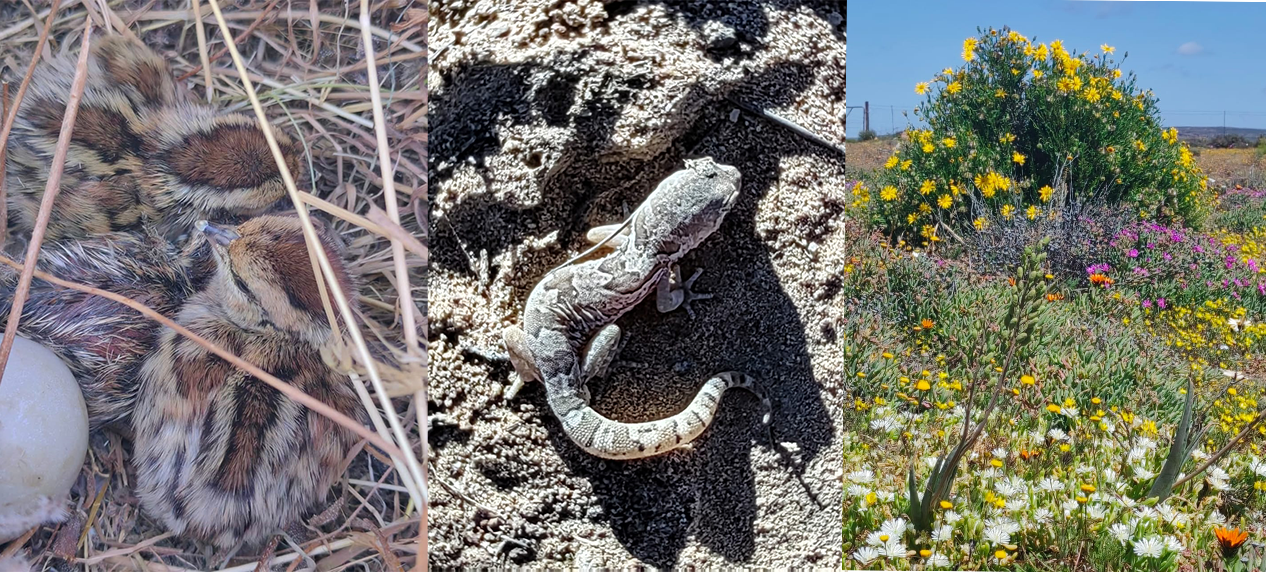
Succulent Karoo Biome biodiversity at Lokenburg Conservation Servitude

The Succulent Karoo Biome, which boasts the richest abundance of succulent flora on earth, is one of only two arid zones that have been declared Biodiversity Hotspots.  The biome is home to over 6,000 plant species, 40% of which are endemic, and another 936 (17%) are listed as Threatened. This biodiversity is due to massive speciation of an arid-adapted biota in response to unique climatic conditions and high environmental heterogeneity. Lokenburg lies on the eastern edge of the Succulent Karoo Biome, within the Hantam-Tankwa-Roggeveld Subregion.

A working farm, it boasts a variety of plant species, including Iris and Ixia, as well as five springs that support the owners,  Nelmarie and Herman Nel and their son, Eduard, who farm sustainably with sheep, cattle, and rooibos tea. A more recent addition to their farming practices has been an entrance to the essential oil industry as a result of their great passion for the medicinal value of our indigenous flora.    In 2023, the owners became members of the South African Essential Oil Producers and offer products in support of indigenous essential oils, some of which are produced on the farm, such as Lavandin. Their vision is to further expand the essential oil enterprise to make it sustainable and economically viable for the benefit of the community and environment.

Over the years, the family has aimed to preserve their land for future generations through sustainable farming practices alongside the preservation of the rich biodiversity found on their land.  This has been enabled through the implementation of a Biodiversity Servitude, which ensures that the owners are not just farmers but also stewards of conservation. Through this, they can make a positive contribution to the community, economy, and environment through this step.
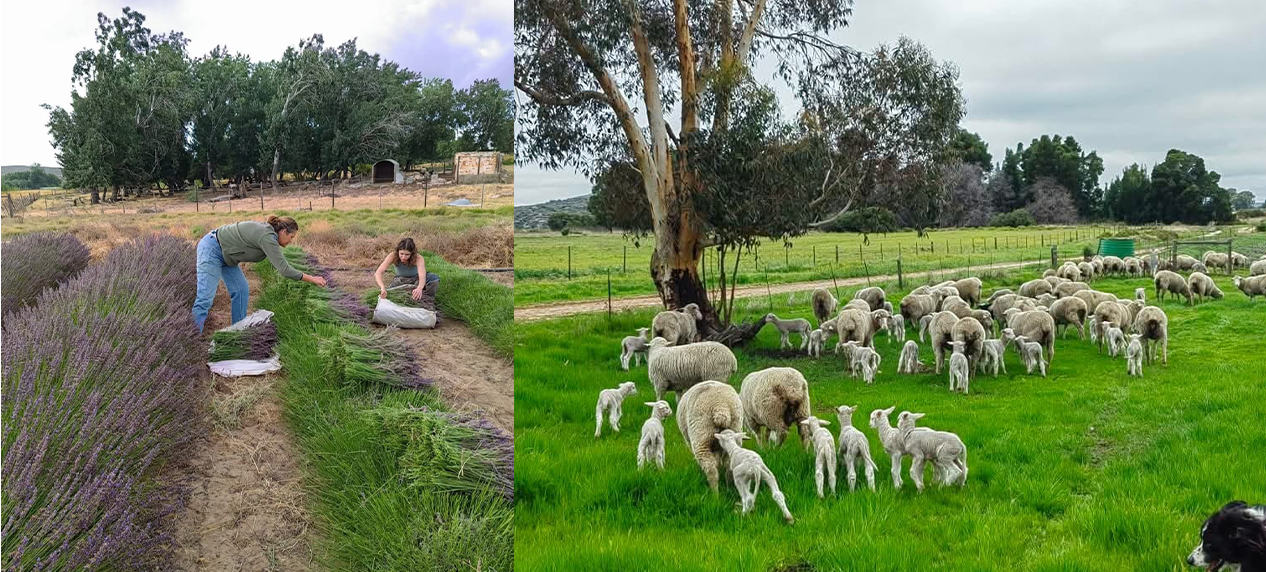
Sustainable farming and biodiversity protection at Lokenburg farm

Left: Lokenburg Lavender Harvest.

This Servitude has been registered across the Lokenburg farm. Specific conservation management areas have been designated within this area—a collaboration between the landowners and the EWT—and where targeted management actions and development restrictions will be in place. Additional, species-focused, conservation actions will also take place across the broader landscape and include management of the Pied Crow (Corvus albus) populations in the area, which are unnaturally high and, through excessive predation, are driving the tortoise populations to extinction.

The primary strategic management taken for the Servitude has been encapsulated in the Lokenburg Biodiversity Management Plan (LBMP).  This plan also informs the need for specific conservation actions and operational procedures, providing for capacity building, future thinking, and continuity of management, enabling the management of the Servitude in a manner that values the purpose for which it has been established. Additionally, it ensures, through collaboration, that no detrimental forms of development or agricultural activities, will take place within the designated focal areas. Key to the management plan is the conservation and protection of Chelonians (includes all tortoise and terrapin species).  These are one of the most imperilled vertebrate groups, with over 60% of the world’ s 357 known species threatened with extinction. Nine of the 13 southern African tortoise species are found in the arid Karoo region where they face multiple threats, including habitat loss and degradation, predation, illegal collection and in fire-prone habits, uncontrolled fires.

This farms rich biodiversity sustains numerous other Species of Conservation Concern (SoCC) including numerous classified as Threatened in the IUCN Red List of Threatened Species.  Among these are a number of bird and plant species, such as the Non-Threatened Tent Tortoise (Psammobates tentorius) and Karoo Korhaan (Eupodotis vigorsii), and Vulnerable Species such as the Secretary bird (Sagittarius serpentarius), Southern Black Korhaan (Afrotis afra) and Verreaux’s Eagle (Aquila verreauxii), as well as the Endangered Ludwig’ s Bustard (Neotis ludwigii) and Martial Eagle (Polemaetus bellicosus).

As stewards of our land, we work together to ensure long term sustainable agricultural conservation to the benefit of humans and species.  We look forward to our path together to conserve ecosystems and landscapes.
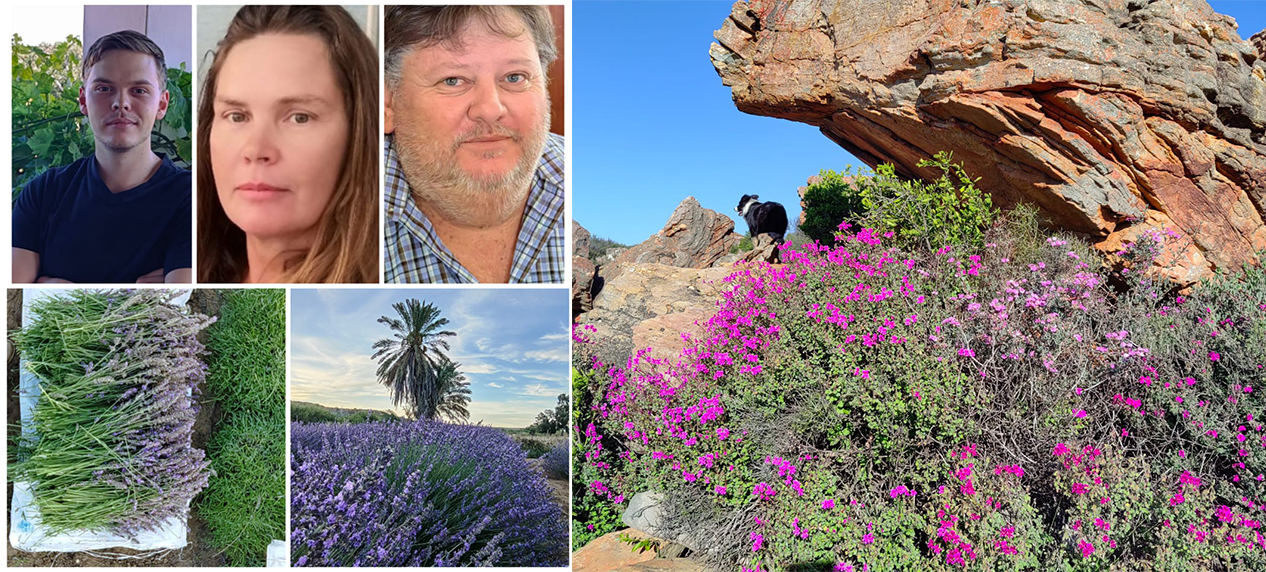
EWT and Nel family collaboration for Lokenburg Conservation Servitude

Top left: Lokenburg Family

**  The EWT’s work to secure the registration of the Lokenburg Conservation Servitude was made possible by IUCN NL, the Ford Wildlife Foundation and the Nel family.  
Going, going… Gone…  EWT working to reverse habitat loss in South Africa’ s drylands

Going, going… Gone… EWT working to reverse habitat loss in South Africa’ s drylands

Going, going… Gone… EWT working to reverse habitat loss in South Africa’ s drylands

By Zanne Brink, Drylands Conservation Programme Manager


“The eye of the beholder” has always been an interesting emotional sense that has dictated a person’ s view or outlook on the Dry Lands of South Africa, and further afield.  Those individuals drawn to vast open spaces with its unique endemic biodiversity and specialist species, versus those individuals who dread the “nothingness”.

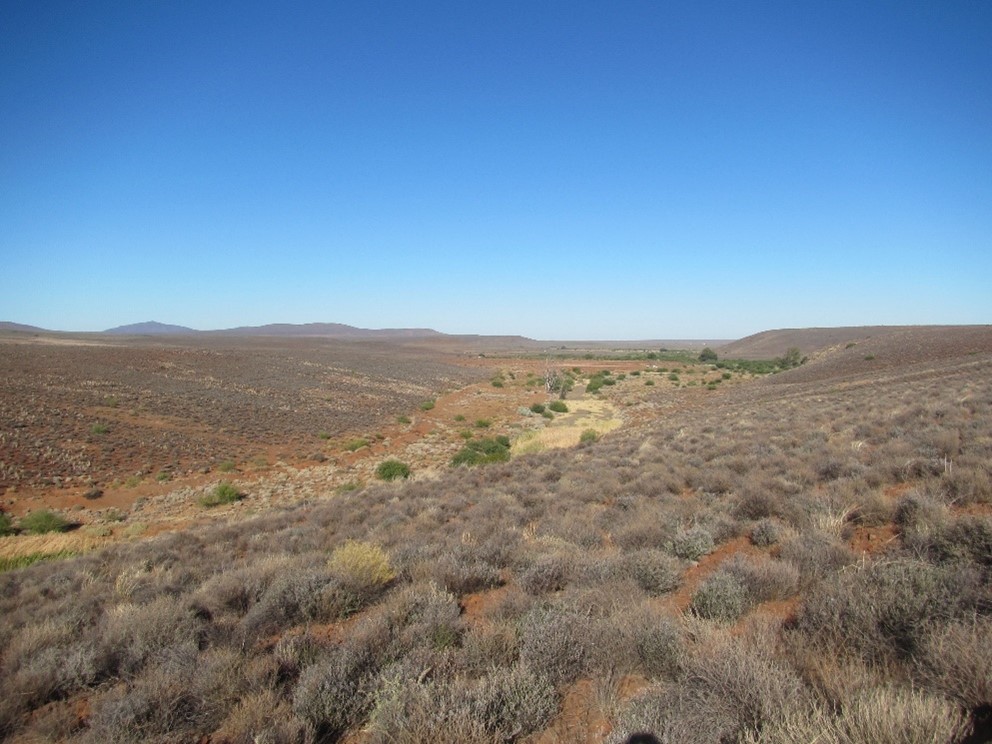
For the most part, “arid”, or “dry” areas are characterised by limited natural water resources and, to the layman, large open areas with plants growing relatively low to the ground, and very little cellphone reception. These arid areas receive on average between 50 to 300 mm of rain per annum, making the arid regions very sensitive to climate variability with big impacts on endemic plants and animals adapted to this environment. Survival is dependant on evading drought or harsh periods through migration or endurance in the form of soil, water and vegetation management.  No matter how you look at it, the arid areas are exposed to extreme weather and climatic occurrences, such as droughts and heatwaves. This results in these landscapes being vulnerable to rapid and devastating environmental change and land degradation.

The vast open landscapes of southern Namibia, the Western and the Northern Cape Provinces of South Africa are home to three significant arid biomes: the Namib Desert, Nama Karoo, and the Succulent Karoo. Despite the harsh conditions experienced in these biomes, it is a fact that not only species, but biodiversity, and dare I say communities living in these biomes, are highly adapted and diverse.

In arid environments, mobility is the most important adaptation to extreme conditions. Animals and people can move from one area to another when plants do not spread fast enough. Increasing temperatures, shifting rainfall patterns, and more frequent extreme weather events are altering ecosystems and placing additional stress on already vulnerable ecosystems and communities. Temperatures in southern Africa are expected to rise at a rate 1.5 to 2 times that of the rest of the world, exacerbating the possibility of biodiversity loss and climate change challenges for communities.  Arid areas are also known as the most sparsely populated areas of South Africa, and in recent years these communities have been shrinking due to socio-economic drivers.

Ongoing research allows us to understand these changes brought on by both short-term droughts and climate-induced shifts. This is very important, as natural and social responses to an ever-increasing changing environment due to increased frequencies in drought occurrences is vital.  South Africa’ s meat and wool ‘breadbasket’ depends on changes implemented at a farm level and through legislation, to include a different style of farming to adapt to less water and increased temperatures over extended periods.

But, it must also be understood that arid regions have a slow response rate, with long-term monitoring over several years needed to understand impacts on fauna, flora, avians and invertebrates.  Even with stringent monitoring, it does not provide answers to feed into the need for livelihood protection for communities and biodiversity.  With growing economic needs, the search for renewable energies have started focussing on areas seen as low productivity areas, and slowly started desertification through development-related damage in a sensitive landscape.


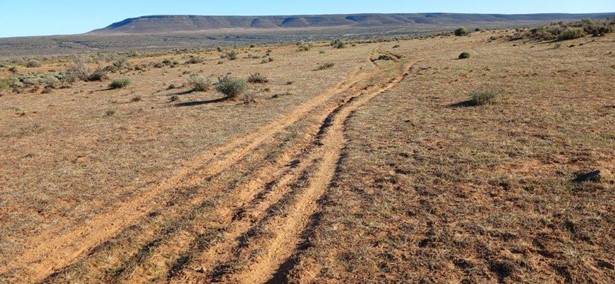
Traditionally, small livestock farming was the most widespread economic opportunity in the arid areas. However, rampant overgrazing in some areas has caused severe land degradation, leading to a compromise in the ecological resilience of the areas. Poor rural communities in these areas have a particularly high dependency on well-functioning ecosystems, and currently, their resilience to climate change impacts is very low. A recent surge in renewable energy production has fuelled development across much of the landscape, which, in most cases, has left a shameful legacy of environmental degradation in the form of vegetation clearing, water abstraction and pollution, soil compaction and road development, all in the name of growth.

There is an urgent need to manage the arid regions of South Africa more effectively, to benefit both the landscape and people living off it. This includes injecting much-needed support for ecologically based adaptation (EbA), sustainable land management (SLM) and climate-smart agricultural practices, while tackling the negative impacts of land degradation.

The EWT Drylands Conservation Programme is working with landowners to champion the conservation of this spectacular landscape. We collaborate with all stakeholders to promote alternative economies and sustainable agriculture over unsustainable developments, such as hydraulic fracturing and uranium mining.  We focus on enhancing habitat protection and improvement, and driving innovative research, to better understand the unique species in the Karoo. This has allowed us to “rediscover” lost species such as De Winton’ s Golden Mole (Cryptochloris wintoni).

Through our work, it allows us to collaborate with the communities within the landscape and to undertake activities that achieve specific conservation goals in each of these. By providing guidance in Sustainable Land Management (SLM), the EWT ensures that communities in landscapes benefit along with the ecosystems and wildlife that share these spaces through the responsible use of the available natural resources.  The Karoo Forever website was developed for the Drylands of South Africa to provide a knowledge-sharing platform with downloadable resources focused on sustainable land management (Welcome to Karoo Forever).

It is not all doom and gloom, but a realistic look at our beloved fragile arid environments is crucial to allow for a united focus on how to balance nature and development.  As financial constraints impede the application and implementation of ecological practices across this arid landscape, industry and conservation along with all communities and stakeholders need to find common ground to benefit man and environment.

The need, and the potential to do things better, must be emphasised.  This can only be done through our own actions and allowing locally led research to show the way to sustainability, allowing nature to benefit, and does not limit people’ s wellbeing.  We, as a community, must make climate change and associated concerns a part of our day to day thinking and planning to build resilience in livelihoods and economies, to reduce our vulnerabilities, and the associated conflict.

Give our arid regions a chance and break the cycle of nature loss. We do have huge potential to enable nature and people to thrive together in a changing climate.