Impending El Nino: Implications similar for Conservation, Agriculture and Water Security in South Africa
Impending El Niño: Implications similar for Conservation, Agriculture and Water Security in South Africa
By Dr Ian Little, head of Conservation
The onset of a very strong El Niño event during the second half of 2026 is expected to hold similar consequences for conservation, agriculture and water security in South Africa.
Climate models are increasingly showing that the conditions arising from El Niño are likely to peak between October and December this year, and persist into early 2027.
The most recent international forecasts indicating one of the highest probabilities yet observed for a strong-to-very-strong El Niño, raise concerns for southern Africa, where El Niño has historically been associated with below-average summer rainfall, elevated temperatures and widespread drought. Although every El Niño differs, the anticipated event warrants immediate planning by farmers, conservation practitioners, water managers and urban residents.
Historically, El Niño years have produced delayed onset of summer rainfall, reduced rainfall across the summer rainfall region, higher daytime temperatures, increased frequency and duration of heatwaves, lower streamflows, lower dam inflows and greater wildfire danger during late winter and spring. The strongest impacts are generally experienced across Limpopo, North West, Free State, Mpumalanga, Gauteng and much of the Eastern Cape interior. The Western Cape, which receives predominantly winter rainfall, is usually less directly affected, although high temperatures and increased evaporation may still place pressure on water resources.
Implications for Agriculture
Agriculture is among the sectors most vulnerable to El Niño. Reduced rainfall during planting seasons can substantially decrease maize, sunflower and soybean production, amongst others. Heat stress during flowering and grain filling further reduces yields while increasing irrigation demand.
Livestock farming faces equally significant risks. Many of these important livestock production areas fall within the grassland biome where the Endangered Wildlife Trust (EWT) works extensively to improve habitat management, declare protected areas and restore transformed ecosystems for the protection of threatened species. Poor rainfall results in reduced grass production, declining veld condition and lower carrying capacity. Water points dry earlier, increasing pressure on remaining resources and accelerating land degradation through overgrazing. Livestock experience reduced fertility, lower weight gain, increased disease susceptibility and greater mortality where supplementary feeding is inadequate. Mitigating these impacts should centre on pro-actively reducing stocking rates to increase resilience in line with reduced carrying capacity of the hydrologically stressed system.
Other key proactive actions could include building fodder reserves while feed remains relatively affordable, repairing water infrastructure and improve storage capacity, rotating grazing to protect veld condition, developing contingency drought budgets and marketing plans and working closely with veterinarians to minimise disease risks associated with nutritional stress.
Conservation implications
The conservation sector faces many of the same challenges as agriculture. Protected areas may experience declining water availability, reduced grazing and browsing availability, increased wildlife concentrations around remaining water sources and heightened competition between herbivores. Smaller wetlands may dry completely, affecting amphibians, waterbirds and aquatic biodiversity. Vegetation under drought stress becomes increasingly susceptible to insect outbreaks, invasive species and wildfire.
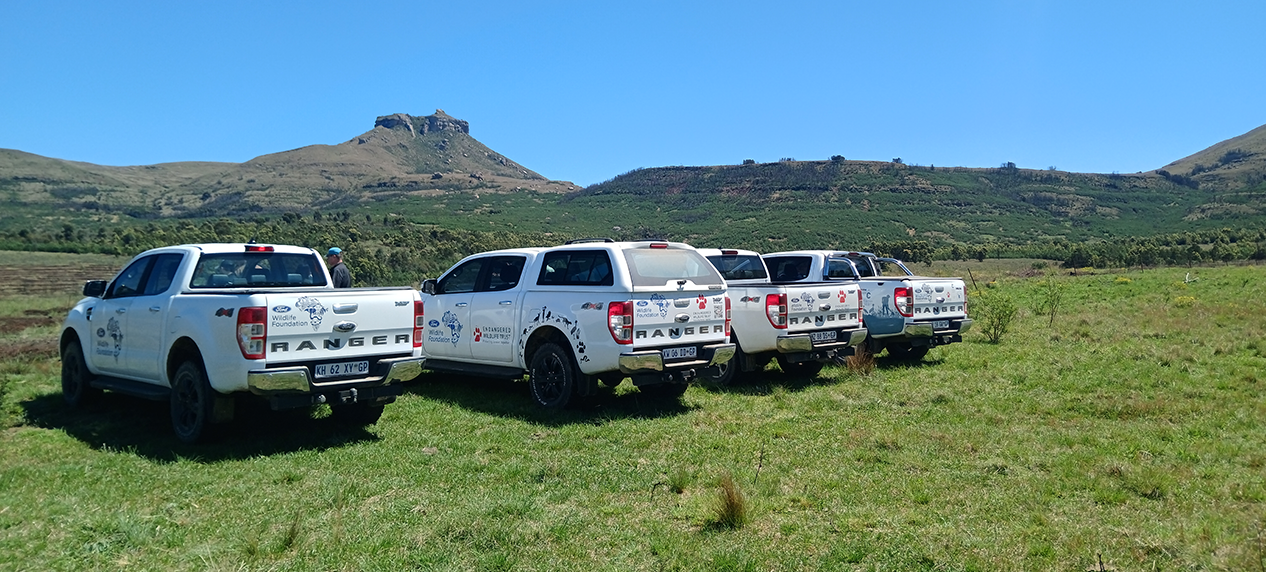
However, well-managed protected areas often demonstrate greater ecological resilience because intact ecosystems retain soil moisture more effectively, support groundwater recharge and maintain healthier ecological processes than degraded landscapes. The EWT has secured over 200,000 hectares of newly declared protected areas with improved habitat management and is working on a further >250,000 hectares of priority area declarations for the protection of key threatened species habitats and climate resilience.
Grassland catchments: South Africa’s natural water infrastructure
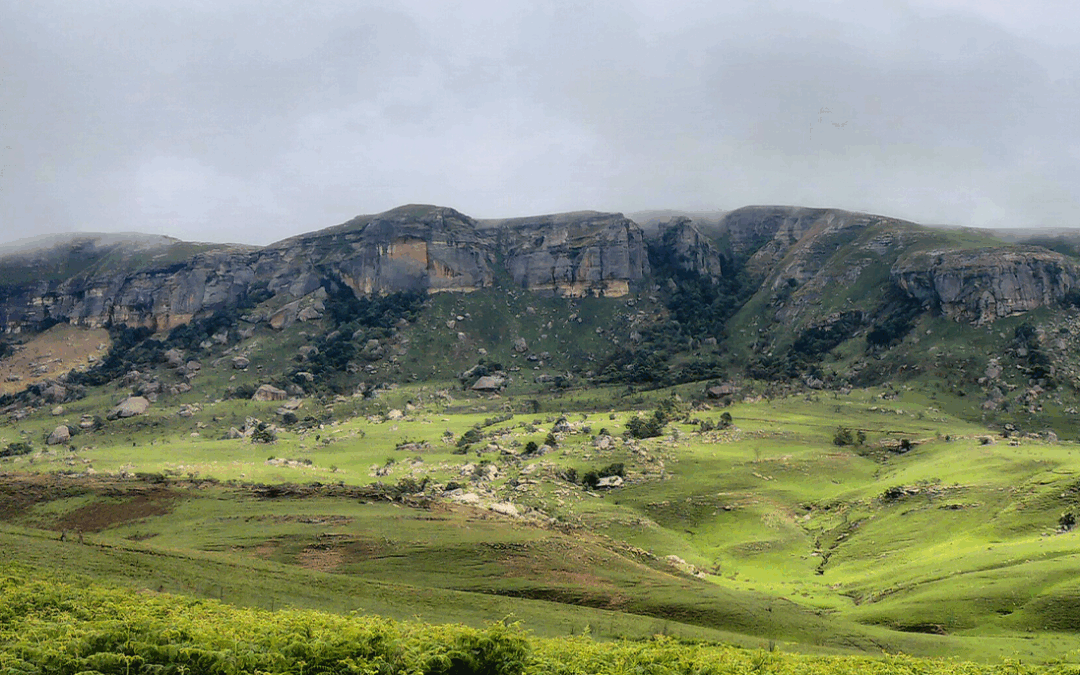
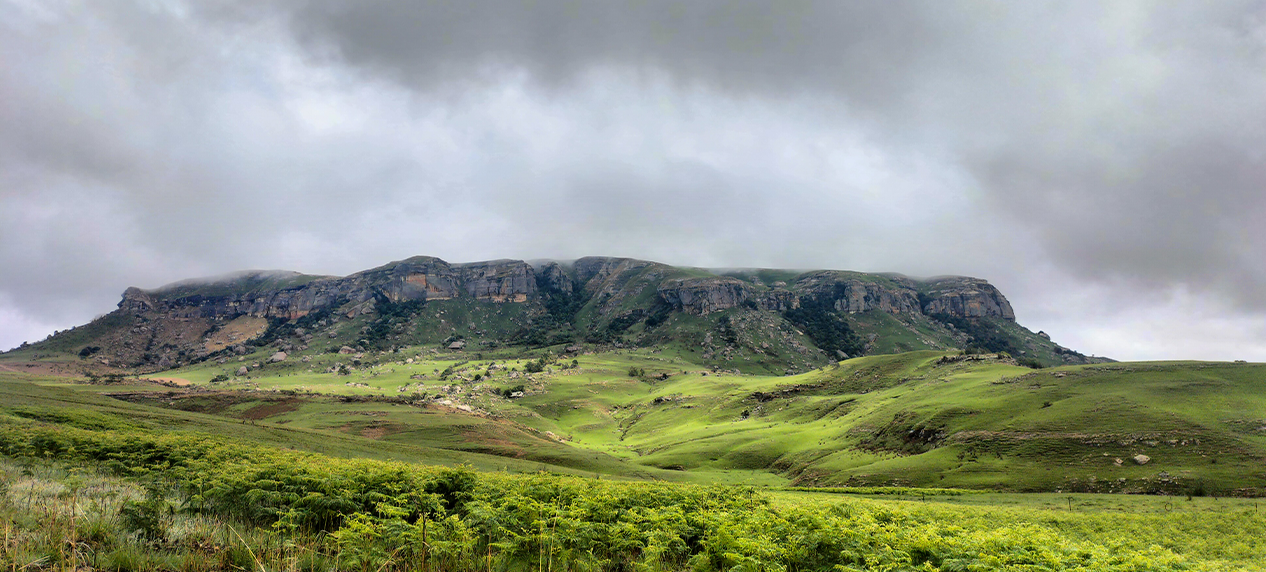
Perhaps the most important long-term climate adaptation strategy is protecting South Africa’s strategic water source areas, particularly the high-altitude grassland catchments that supply much of the country’s surface water. These catchment areas also support a disproportionately high number of South Africa’ s threatened and endemic species, making their long-term preservation critical from a conservation perspective. This is a core focal biome for the EWT with key areas in the Amathole Mountains, near Hogsback in the Eastern Cape, the KZN midlands, the escarpment and plateau of the Northern Drakensberg in the eastern Free State and the Steenkampsberg plateau around the town of Dullstroom in Mpumalanga. Although these catchments occupy a relatively small proportion of South Africa’s land area, they generate a disproportionately large share of river flow supplying major urban centres, industries and agricultural regions.
Healthy grasslands perform several critical ecosystem services, including but not limited to increasing rainfall infiltration, recharging groundwater, reducing soil erosion, moderating flood peaks, sustaining dry-season river flows, improving water quality and increasing resilience during drought. Conversely, degraded grasslands lose their sponge-like capacity to absorb rainfall. Water runs rapidly off compacted soils, causing erosion during storms while leaving rivers with reduced baseflows during dry periods.
Restoration through improved grazing management, erosion control, alien plant clearing, ecologically responsible fire management and wetland protection therefore represents one of the most cost-effective climate adaptation investments available to South Africa.
Healthy catchments function as natural infrastructure, complementing built dams and reservoirs while reducing treatment costs and increasing water security.
Preparing urban South Africa
Urban residents are often insulated from seasonal climate variability until water restrictions become necessary. Nevertheless, prolonged drought can rapidly reduce reservoir storage and increase pressure on municipal water supplies.
Households can improve resilience by:
- Reducing unnecessary water consumption.
- Repairing leaking taps and toilets.
- Installing low-flow fittings.
- Harvesting rainwater where feasible.
- Reusing greywater for gardens.
- Planting indigenous drought-tolerant vegetation.
- Maintaining emergency household water storage.
- Supporting municipal efforts to reduce non-revenue water losses.
Municipalities should simultaneously accelerate leak detection, infrastructure maintenance, groundwater development where appropriate and public awareness campaigns before severe shortages emerge.
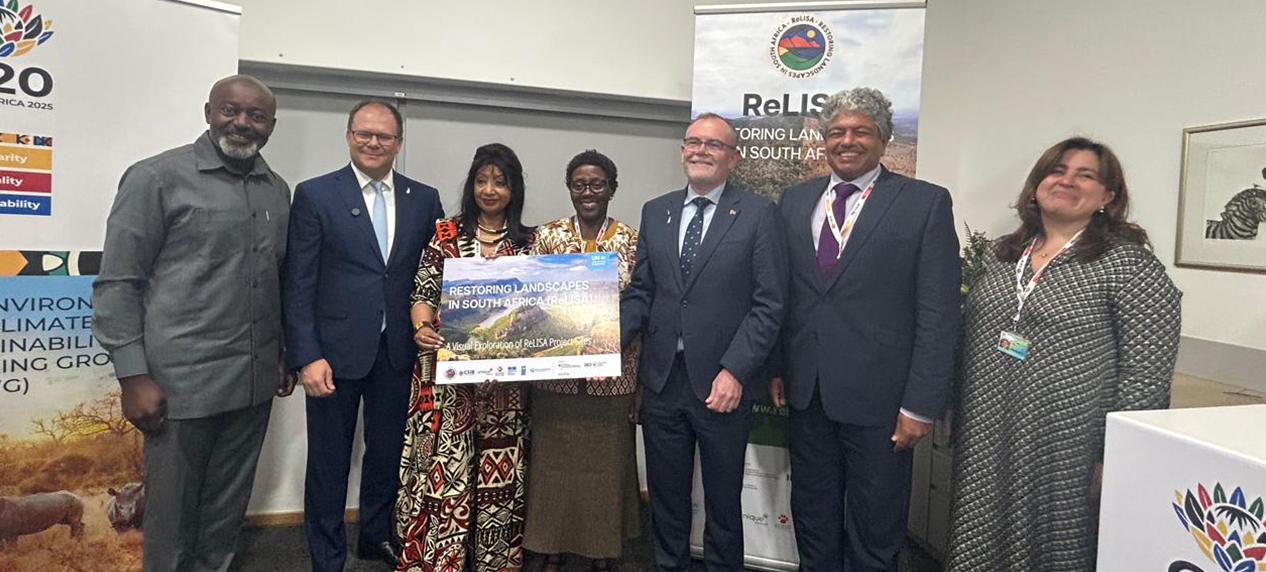
Through the implementation of nature-based solutions, ecosystem restoration, and supporting communities in implementing resilience initiatives, the Restoring South Africa’ s Landscapes for Climate (ReLISA) Project is targeting the restoration of 100,000 of vital biomes in areas such as the Northern Drakensberg and by 2030 to enhance water and climate security. Climate and Carbon Financing initiatives see the EWT partnering with private landowners and rural communities to create viable carbon projects that financially reward sustainable land stewardship and carbon capture, and the Drakensberg Crane Habitat Carbon Project has already seen the successful registration of a 90,000-hectare carbon offsetting project that rewards landowners for sustainable grassland and wetland management, reducing emissions while protecting vulnerable bird species.
Agriculture, biodiversity conservation and water security are closely interconnected, and actions taken during the months preceding drought often determine its ultimate impacts.
Protecting strategic grassland catchments offers perhaps the greatest long-term investment in national climate resilience, especially those catchments that supply our large urban centres Healthy ecosystems support reliable water supplies, sustain biodiversity and buffer communities against increasingly variable climatic conditions. Combined with improved agricultural planning, responsible water use and adaptive management, these natural systems will become increasingly important as climate change amplifies the frequency and severity of extreme weather events.
Rather than responding only after drought develops, South Africa has an opportunity to strengthen resilience before the anticipated impacts of the 2026–2027 El Niño unfold.