Help protect Africa's 

Western Soutpansberg Nature Reserve

Western Soutpansberg Nature Reserve

Western Soutpansberg Nature Reserve: A New Chapter for Conservation

By Catherine Vise – SOUTPANSBERG PROTECTED AREA PROGRAMME Manager, eNDangered wildlife trust

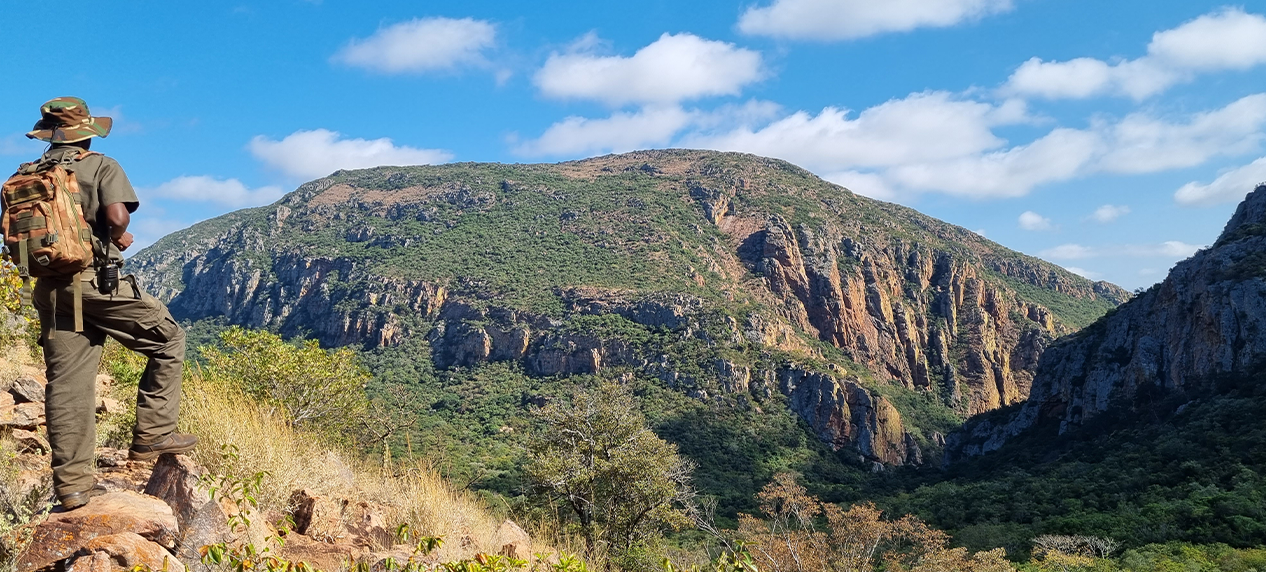
The recent declaration of South Africa’ s newest Nature Reserve, the Western Soutpansberg Nature Reserve (WSNR), in Limpopo province marks a milestone for the conservation of threatened and endemic species and contributes to South Africa’ s international commitment to grow its conservation estate. 
Western Soutpansberg Nature Reserve


Seven years in the making, the WSNR was finally declared in January 2025, including eight landowners, 14 properties of 11  607 hectares in extent. The Soutpansberg boasts the highest plant diversity at the family level in South Africa. Because of its high plant diversity and endemism, coupled with the fact that it hosts at least 16 endemic reptile species and its high variety of other species, such as spiders and butterflies, the conservation of this area is among the most significant conservation steps in recent years.  

This brand-new reserve encompasses a Centre of Endemism, a recognised Key Biodiversity Area, a Strategic Groundwater Source Area, and an expansive Critical Biodiversity Area in the Limpopo Conservation Plan. 

The Soutpansberg Mountains are home to an impressive 593 tree species, five different biomes (wetland, forest, savanna, grassland, thicket) and even have fynbos elements. They also house multiple sacred sites, rock art and other archaeological sites, and are important for cultural heritage, with many communities celebrating their vibrant traditions in the region to this day.   

Also known as the forgotten mountain, the Soutpansberg contains numerous microclimates, ranging from tropical in the east to semi-arid in the northwest, contributing extensively to its varied and unique biodiversity. But it is an area that faces numerous threats ranging from agriculture and urbanisation to other threats such as unsustainable harvesting of species, snaring, poaching and the lack of fire management on the western end of the mountain.    

Amid these challenges, several landowners started working on their own initiative to develop a nature reserve. In 2018, the EWT came on board by purchasing the Medike Reserve with the aim of creating a larger conservation area, and becoming the driver of a project that would ultimately result in the declaration of the Western Soutpansberg Nature Reserve. In partnership with the Limpopo Department of Economic Development, Environment and Tourism (LEDET), Ndlovu de Villiers Attorneys, Conservation Outcomes and ZZ2, the EWT published an Intent to Declare a Nature Reserve in the National Gazette in December 2021. 

The declaration of the Western Soutpansberg Nature Reserve in Limpopo in January contributes towards South Africa’ s commitment to the Convention on Biological Diversity’ s initiative to have 30% of land and 30% of ocean conserved by 2030.  


Management 

The Western Soutpansberg Nature Reserve Association (WSNRA) is the reserve’ s management authority. It is a voluntary association for landowners committed to managing their properties as a nature reserve, as part of a collective. Each landowner is a member of the WSNRA and manages their property/ies within the approved WSNR Framework Management Plan, with activities including the management of invasive alien plants, local community engagement projects, environmental education and women’ s health workshops in local villages. The EWT and WSNRA are undertaking initiatives that include combating bush encroachment, fire management, invasive species management and the development of eco-tourism initiatives, including the Old Salt Trail, which offers hiking enthusiasts one of the best ways to explore the newly declared nature reserve, and showcases why the Soutpansberg is so special. 

The EWT’ s alien invasive species removal project has created 20 job opportunities for members of the local community over the years, who have also been trained in health and safety skills and chainsaw operation. Rangers, who have also been trained as field guides, assist with snare removals, anti-poaching patrols and maintenance at the Medike reserve, while hospitality staff and general workers are employed on other properties. As the nature reserve becomes more popular, more  employment opportunities will be created.

In working with local communities, the EWT is assisting with the conservation education of young people at primary school level, developing learning materials for schools, and is working with local farmers on agricultural projects that are sustainable and environmentally friendly.  Landowners have also become involved in the Sport for Nature initiative in the area, providing equipment where needed.   

Through the nature reserve, the aim is to uplift and involve the community as much as possible, to support the conservation and management of the protected area with inclusion of everybody. This project is just as important for local communities as it is for conservation.  


The future 

Work is underway in collaboration with LEDET to expand the reserve by 20,000 ha this year, as part of the EWT’ s aim to create a protected area in the Soutpansberg Mountains of 50,000 ha by 2030.  

The Western Soutpansberg Nature Reserve fits into a critical corridor that links the Soutpansberg Mountains to the Mapungubwe National Park and the Kruger National Park. This corridor connects high biodiversity areas that, through a declared corridor, can maintain the rich and endemic biodiversity integrity of the region. This longer-term vision fits in with the SANParks Vision 2040 for the Vhembe and Limpopo Valley landscape, creating a lot of room for this area to become a Biodiversity Economy node in South Africa.  


Western Soutpansberg Nature Reserve


** This work would not be possible without the dedication and commitment of the landowners involved, our project partners Conservation Outcomes, ZZ2 and Ndlovu de Villiers Attorneys, our stewardship partners at LEDET, and the generous support of our donors: the Rainforest Trust, the Roberts Family, The Coca-Cola Foundation’ s Replenish Africa Initiative, Fondation Franklinia, Douglas Wilson, the Baker Family, F E van Pletzen/L Steynberg Trust and Taronga Zoo.


Reviving the Soutpansberg: Clearing Alien Species, Restoring Water, and Reclaiming Wetlands

Reviving the Soutpansberg: Clearing Alien Species, Restoring Water, and Reclaiming Wetlands


Reviving the Soutpansberg: Clearing Alien Species, Restoring Water, and Reclaiming Wetlands

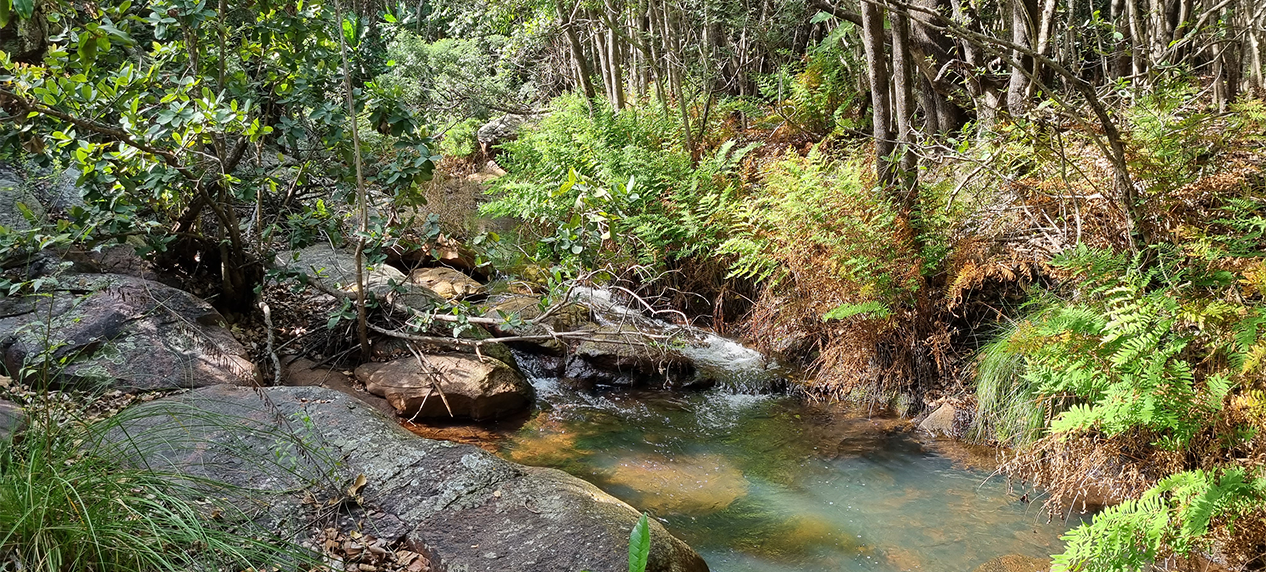
The Soutpansberg is South Africa’ s northernmost mountain range, stretching east-west across Limpopo, from Vivo to Punda Maria in the Kruger National Park. It is recognised as a Centre of Endemism and Key Biodiversity Area due to its rich biodiversity. The range is also identified as a Strategic Water Source Area (for both groundwater and surface water in the east), providing vital water resources to communities and agriculture. However, the range faces several threats, one of the most significant being the spread of invasive alien plants.

Invasive alien plants (IAPs) are plants introduced into an ecosystem from foreign environments. They establish themselves, spread rapidly, and negatively impact the environment by displacing indigenous species, altering habitats, and affecting water resources. Globally, invasive alien species are recognised as one of the major drivers of change in ecosystems, alongside habitat transformation and climate change. IAPs are also referred to as a ‘wicked problem’ because they can be economically valuable for other industries, complicating their removal. In the Soutpansberg, some key culprits include Eucalyptus sp. (Eucalyptus) and Acacia mearnsii (Black Wattle). These trees were originally imported from Australia for their timber value but have since spread and become highly invasive. They are known to consume significantly more water than indigenous species, having a high impact on water resources in the country.

In 2018, shortly after the Soutpansberg Protected Area Programme was initiated, we launched a water conservation project. With initial funding from the Coca-Cola Foundation’ s Replenish Africa Initiative, we brought together a small team of rangers to remove invasive alien trees from wetlands and mountain catchment streams across the western Soutpansberg. This project was further supported by critical funding from Fondation Franklinia, focusing on habitat restoration.

The rangers worked tirelessly to cut down large stands of Eucalyptus and Black Wattle from numerous properties in the western Soutpansberg. This required weeks of work on-site, often camping in remote locations away from their families. Many of these invasive tree strands were in extremely inaccessible areas, making the work even more challenging. Despite these difficulties, our rangers have successfully cleared over 60 hectares of Eucalyptus and Black Wattle from remote mountain areas, resulting in an estimated 30 million litres of water being replenished to the environment annually.

As part of the project, we have also focused on upskilling the rangers. They have gained valuable experience in invasive plant management and received accredited qualifications in First Aid, Herbicide Application, and Intermediate Chainsaw Operation.

After six years of hard work, and in collaboration with landowners on the western Soutpansberg, our efforts are paying off. We conduct annual follow-ups to prevent regrowth, and we are witnessing natural regeneration of wetlands and riverine systems. This includes the natural recruitment of endangered tree species and other forest species. These results show that with continued collective effort, we can restore and protect critical ecosystems.

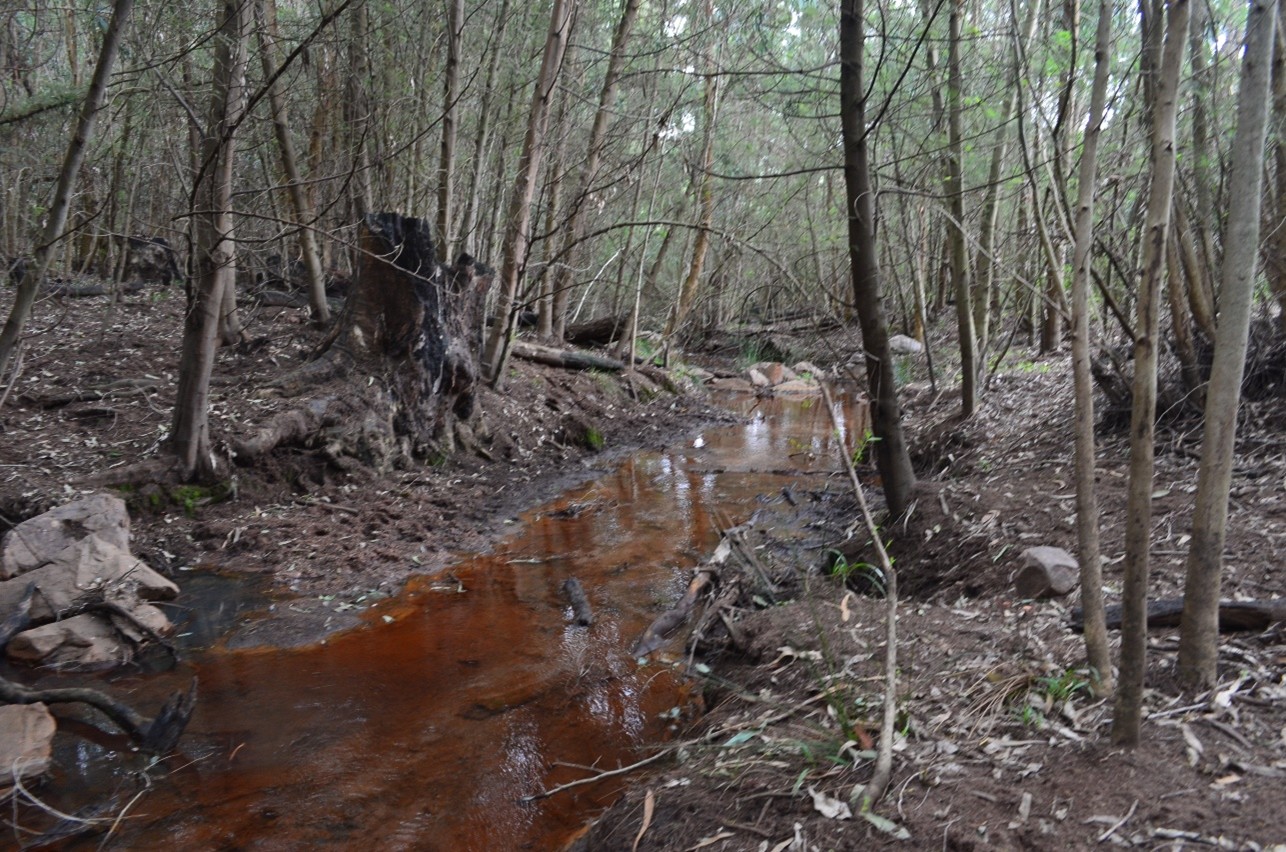
one of the alien clearing sites in 2018, showing a wetland invaded by Black Wattle. It is clearly evident that no other vegetation grows under the stands, displacing biodiversity and heavily impacting wetlands and mountain streams.


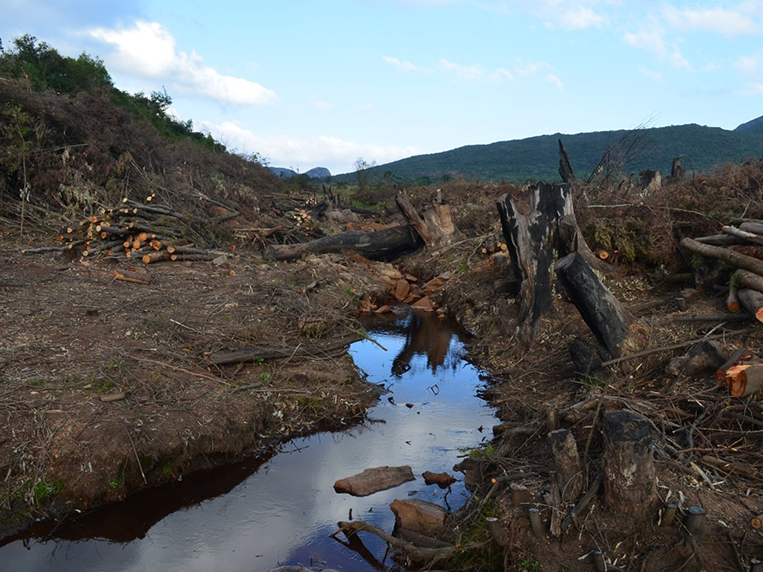
the same alien clearing site after logging in 2019, where felling and control work has been carried out by the rangers. Biomass is left in the field for the use of the landowners and is often recovered for firewood.


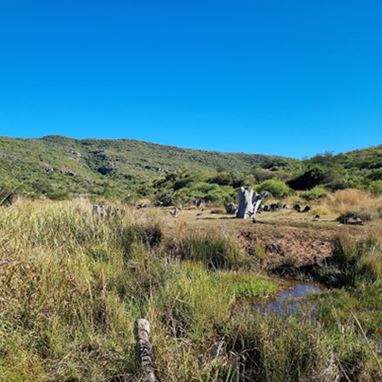
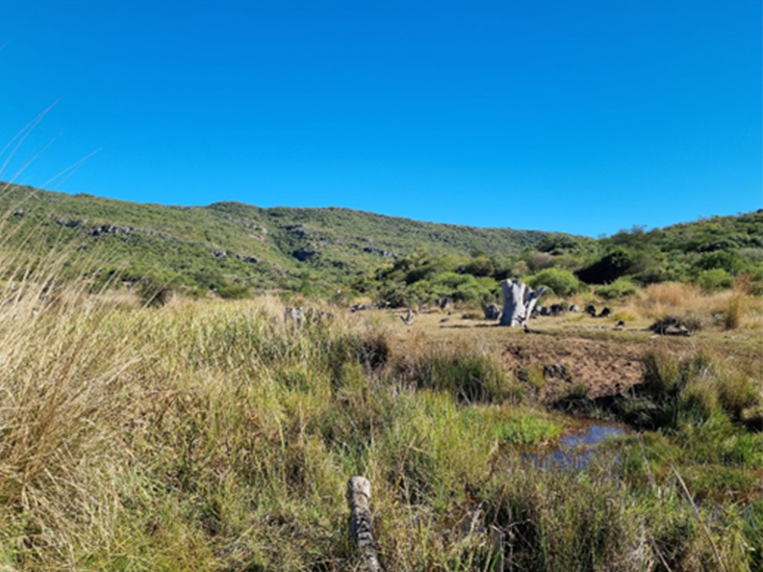
Five years later, the wetlands and mountain streams are recovering well, with sedges and grasses returning, along with other species, and water flowing downstream almost year-round – much more than before the invasions were cleared.


A Snaring Concern

A Snaring Concern


A Snaring Concern

By Lourens Leeuwner, Senior Conservation Manager: Business and Wildlife

Snaring for the bushmeat trade has become one of the most prominent threats to wildlife nationwide and is no longer a low-impact subsistence activity but the most common form of illegal hunting.

In other words, snaring is not necessarily driven by hunger but has evolved into a commercial business. To saturate demand, animals up to the size of an elephant are being poached. Usually set along game trails and around water points, these wire traps are set in areas with bountiful game with the intention to catch animals as they pass by. Snares are the silent drivers of extinction.

On 10 and 11 September, the EWT will be co-hosting the inaugural Snare Mitigation Symposium with the Cape Leopard Trust, the Department of Forestry, Fisheries and the Environment, SA National Parks and the SA National Biodiversity Institute in Pretoria to discuss and seek possible solutions to the pervasive threat to wildlife and the economy caused by illegal hunting with snares.

Snaring, which is essentially the use of a trap, is illegal in South Africa. Because of the nature of snaring, it is challenging trying to catch poachers red-handed and to present adequate evidence to link them to the crime and to successfully prosecute them.
Snares can be made from a variety of materials but fencing wire and cable is usually preferred. The materials are easy to obtain and snares are quick to manufacture, easy to set and difficult to detect. Their effectiveness and secret nature make them the perfect hunting tool.

Animals caught in snares experience great suffering caused by stress, injuries and mutilation, usually leading to their demise. Even when the caught animal manages to escape, the snare usually remains on its body and tightens with time. Being increasingly compromised, the animal’ s condition tends to deteriorate until it can no longer continue.

Looking at the bigger picture, snaring can contribute significantly to changing the demographics and size of animal populations, ultimately contributing to the loss of biodiversity. Although, it is mostly game animals that are targeted by the poachers, the indiscriminatory nature of snares leads to what is known as bycatch: the capture of non-targeted animals such as snakes and other reptiles, mammals including predators, and even birds – many of which are Endangered.

Most conservationists and land managers find snares in the field on a regular basis and have to deal with the consequences of illegal poaching through the loss of not only valuable game, but also domestic animals along the line.

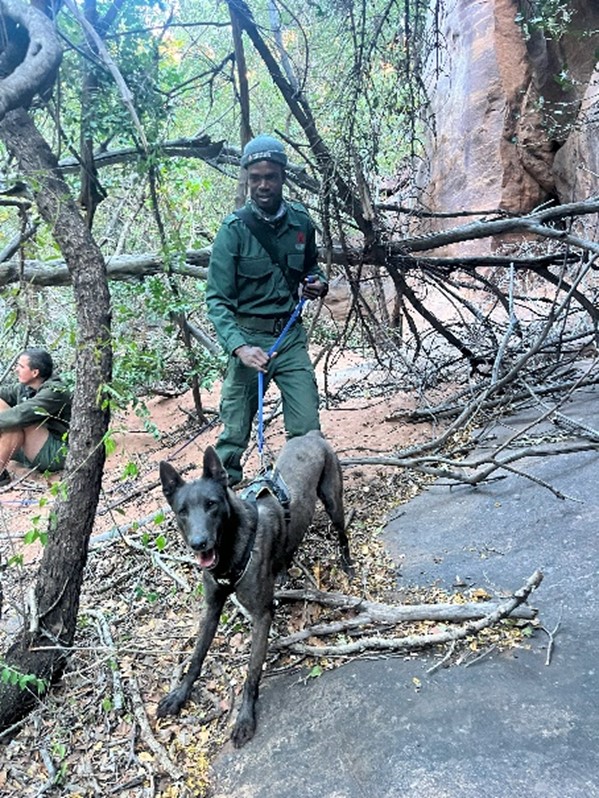
As a means to address snaring, the EWT recently undertook a project and proof of concept to determine to determine whether anti-poaching dogs could be used for snare detection. Thanks to funding from the Taronga Zoological Society in Sydney, Australia, our Canine Conservation Unit spent several days testing techniques to detect snares on Madike nature reserve in Limpopo. Using two EWT anti-poaching canines, Ruger and Kisha, the team set snares in the veld before sending out rangers to find the items. The trial was completed four times in different terrain with rangers only finding some of the snares and items dropped randomly in the veld. To prove this concept works, the rangers were again sent into the veld to find snares and the other items; this time with the dogs. In all cases, the canines successfully tracked the scent of the person who had planted the snares and other items, finding the majority of the snares. As further proof that this technique works, the dogs were taken on a routine patrol of a farm that has problems with poachers using snares to catch wildlife. During this patrol, Ruger discovered a snare that had been planted by a real-life poacher.

While there is a lot more work that needs to be done, this is proof that the concept works – an extra tool in the arsenal to combat poaching.


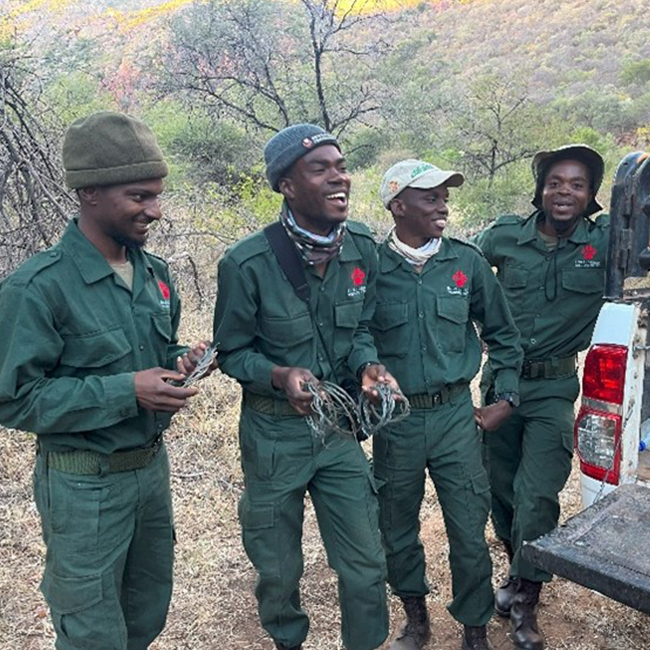
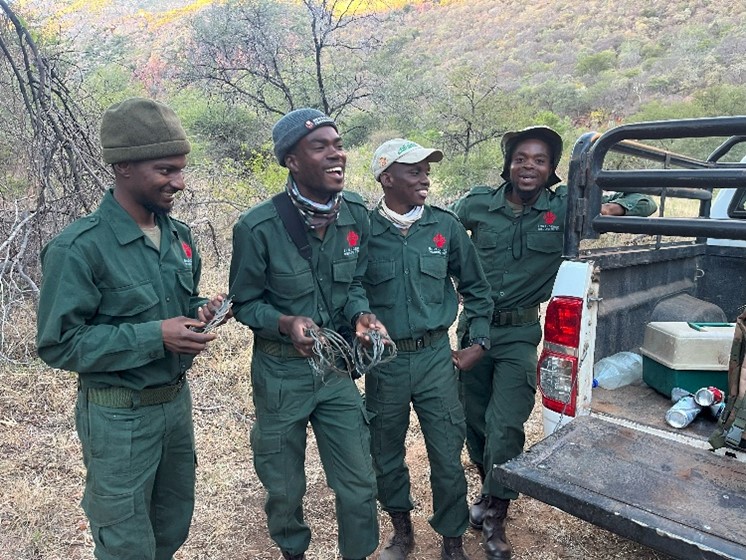
Rangers hold a variety of snares removed from the veld.

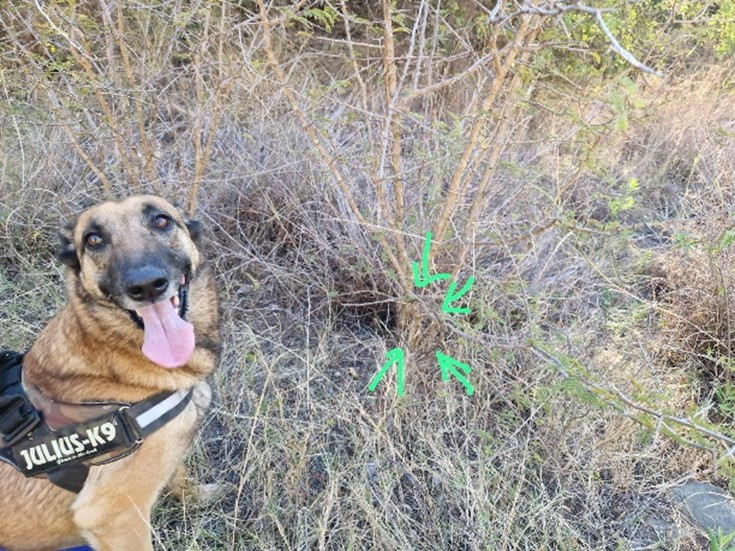
Kisha illustrating just how difficult snares are to see in the field

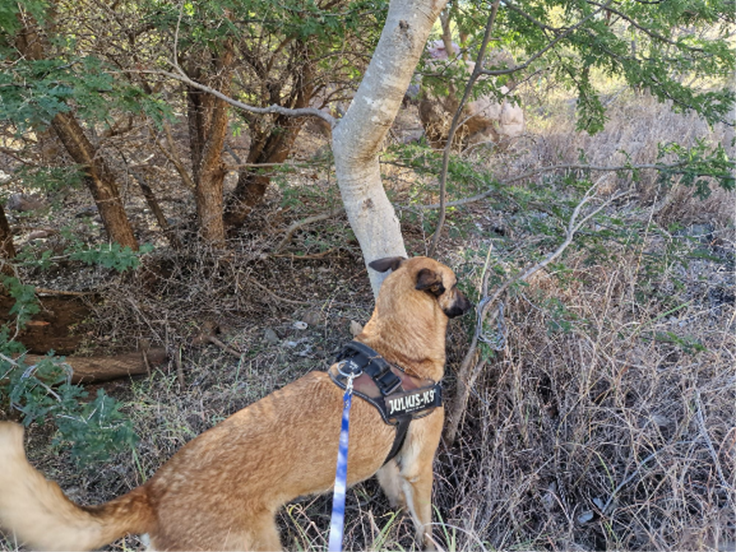
Locating a snare during the test phase of the proof of concept

Ruger and a ranger looking for snares at Medike

Fired up for conservation

Fired up for conservation


News from the field:

Fired up for conservation

By Darren Pietersen, Ecology Manager, Soutpansberg Protected Area

Globally, “wildfires” are seen as terrifying, destructive, unnatural, and something to be stopped at all costs. This sentiment is understandable when the effects of runaway fires are seen – for instance the large-scale fires in Australia, and those in the Northern Cape province in the past few years that resulted in thousands of hectares of grazing being lost, countless livestock burning to death, and infrastructure being lost.

But fire is, in fact, an integral part of the ecosystem. Savannahs and grasslands rely on fire (and herbivory) for their maintenance by preventing bush encroachment, and many plant species, including many fynbos species, rely on fire to germinate their seeds. In his study comparing historical and contemporary photographs of the Soutpansberg, Dr Norbert Hahn established that the Soutpansberg overall has become much denser in the past 150 years, with the loss of most of the Soutpansberg grasslands (and their associated species) through the removal of large grazers and fire from the ecosystem. We cannot reintroduce bulk grazers to the majority of the Soutpansberg (yet), but we can ‘reintroduce’ fire.

The EWT Medike Reserve is in the process of reintroducing fire as a management tool on the Soutpansberg range. Like many properties on the Soutpansberg area, most of Medike Reserve has not burnt in a very long time – in the region of three decades, whereas historically the Soutpansberg would have probably burnt every five to ten years.

This absence of fire has resulted in the build-up of a vast quantity of moribund material such as dead grass and other plant debris, resulting in unnaturally high fuel loads and poor grazing for animals. This build-up of dead plant material can result in intense, difficult to manage wildfires – as we experienced last year when a lightning strike resulted in a fire that burnt for two weeks on farms neighbouring Medike.

In an effort to start restoring natural ecosystem functions, Medike is implementing management burns – purposefully burning a section of veld under appropriate ecological conditions, but also under conditions where the fire can be safely managed. Rangeland burns can legally only be set between September and November in Limpopo province (and only with the necessary permits), whereas all firebreaks need to legally be burnt before the end of June.


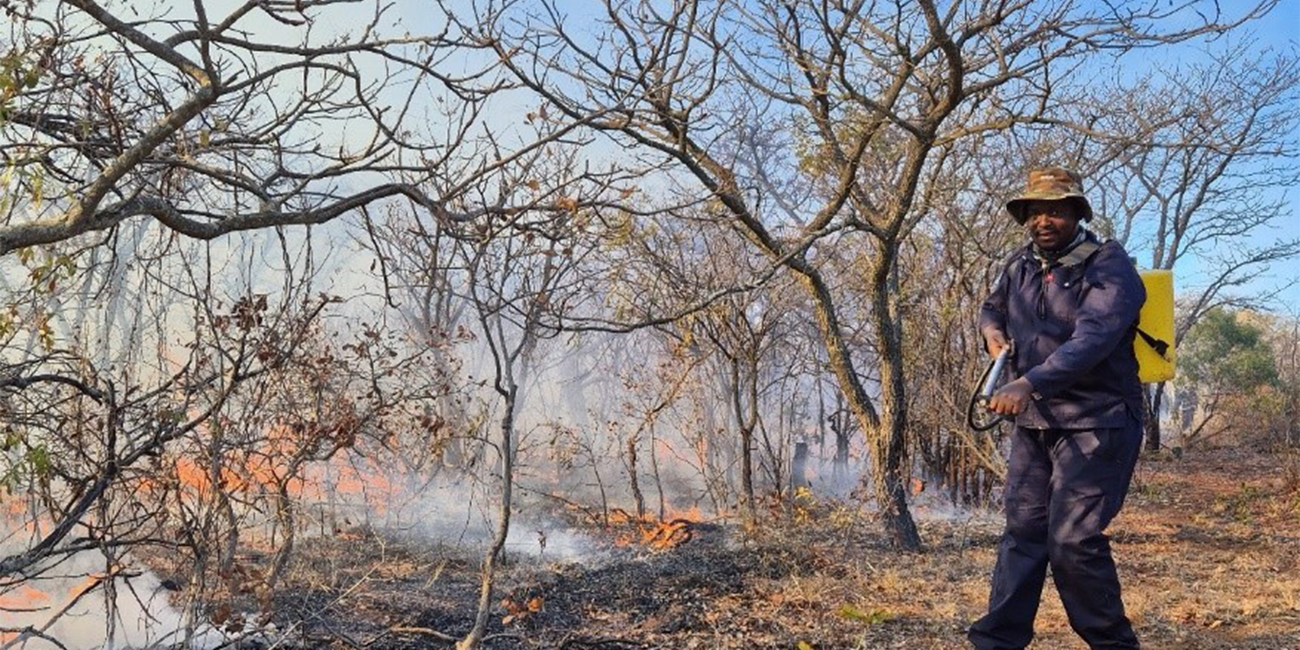
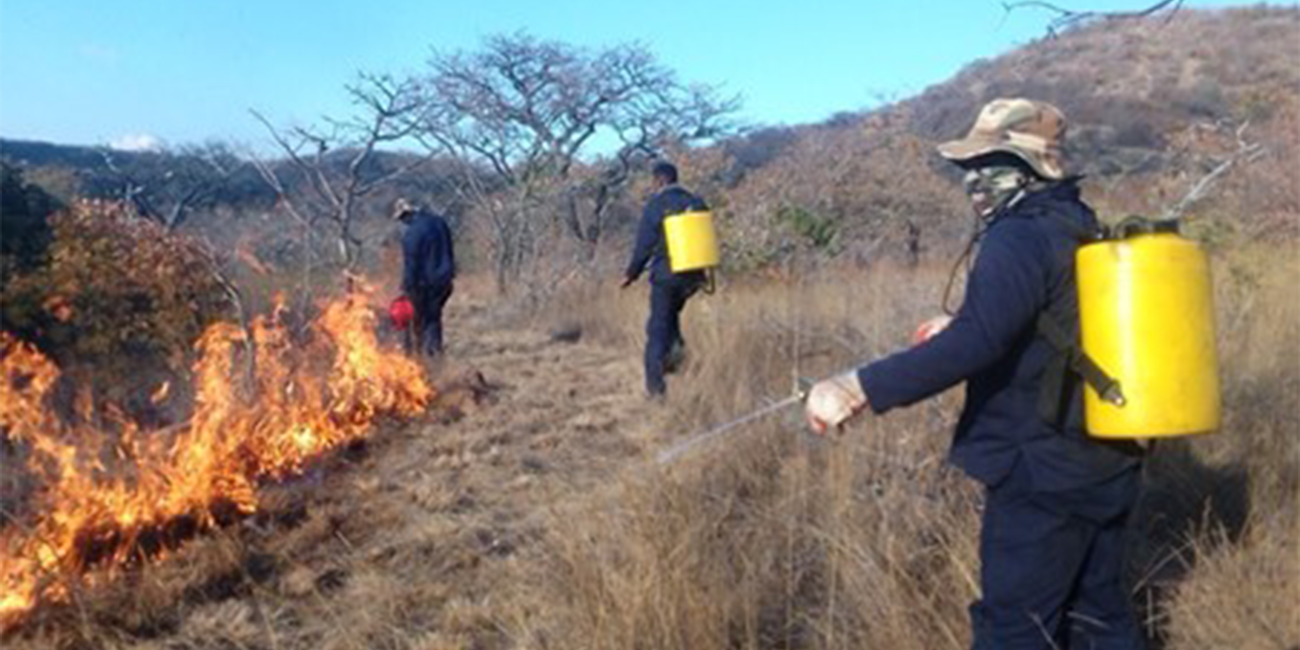
In preparation for a large (~600 ha) management burn planned for September this year, the Medike team burnt a 12 km long firebreak (with an average width of 20 m) around the block earmarked to be burnt. Firebreaks are not only a legal requirement, but will also allow us to burn the main block much more safely, posing a lower risk to the remainder of the reserve and neighbouring properties.

The management burn intends to provide improved grazing, converting the current moribund grass – which is probably about as nutritious as cardboard – into fresh, nutritious grass. In addition, the burn is also intended to open up the vegetation in general, returning its structure to a more natural, more open habitat by the remedying of bush encroachment. This will also provide additional habitat for grazers and a myriad of other species that require more open habitats. The intention is to burn the entire Medike Reserve in sections over the next four to five years, mimicking the natural fire cycle.

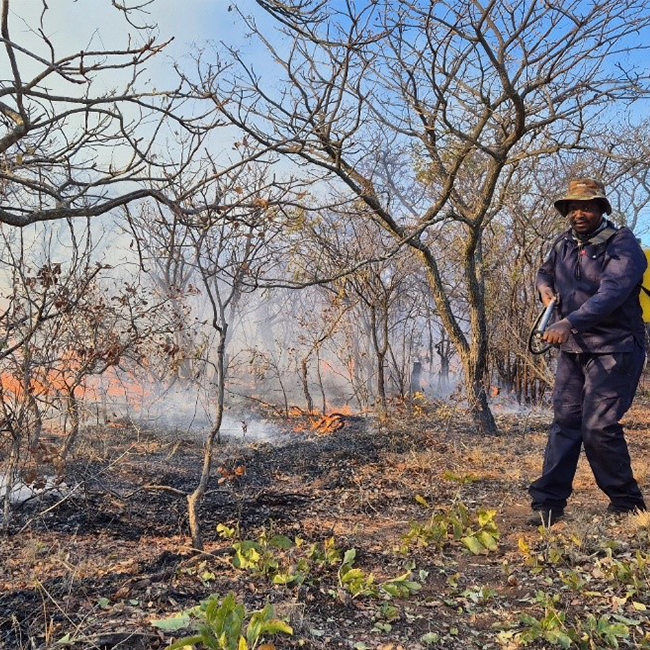
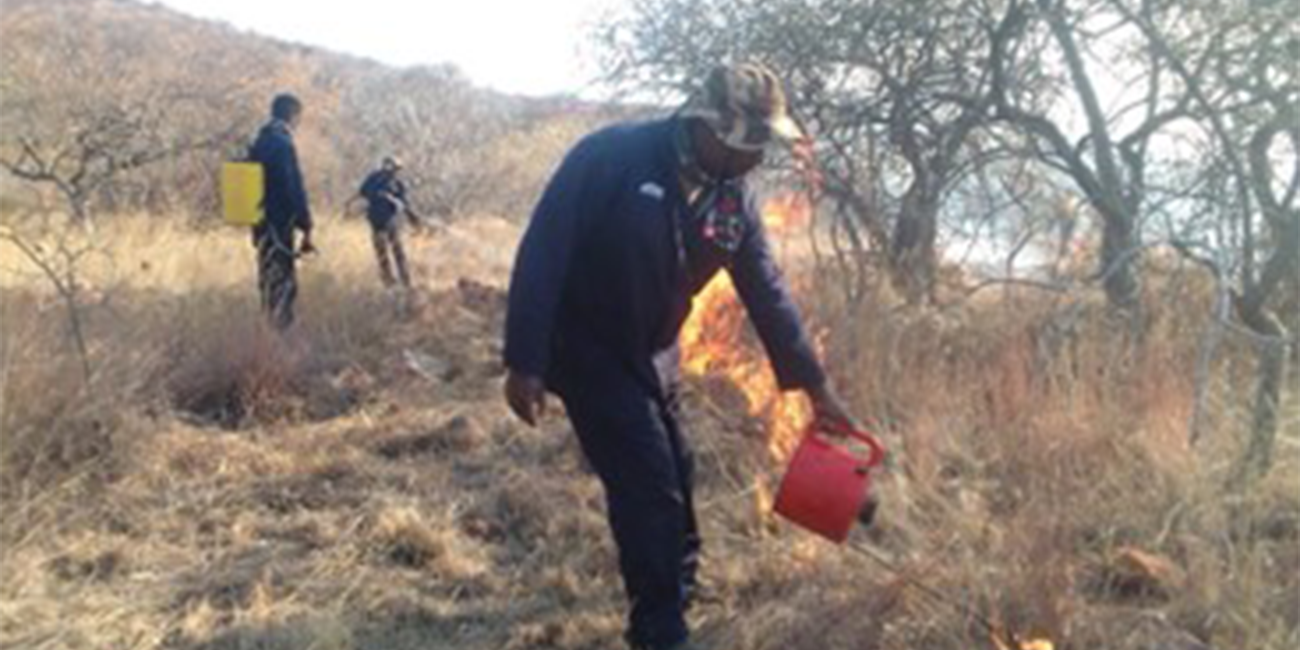
The SPA team burning firebreaks on Medike to safeguard vulnerable infrastructure against potential unplanned fires, and to prepare for a large management burn planned for later this year. The team did exceptionally well under often very difficult circumstances, and are now all accomplished firefighters.

  • We are grateful to Jonsson for sponsoring the fire-resistant overalls, which were tested to their max.
Secrets of the Soutpansberg

Secrets of the Soutpansberg

Secrets of the Soutpansberg

Cyrintha Joubert, the EWT’ s Soutpansberg Protected Area, Water Conservation Project Coordinator


There are 18 recognised centres of endemism in southern Africa – localised areas with high species diversity found nowhere else. The Soutpansberg Mountain Range is one of these and has the highest plant diversity of all these centres. Many of the Soutpansberg endemic species are rare and threatened. Around 3,000 vascular plant species occur in the 6,800 km² Soutpansberg Mountains. Six biomes are found in the mountains: forest, thicket, savannah, grassland, fynbos, and wetland.

Not only are the species living in the mountains of high conservation value, but they also hold cultural value and have medicinal properties that are sought-after for traditional healing practices and mainstream pharmaceuticals. The EWT strives to conserve these plants in collaboration with partners in the Soutpansberg, ensuring that those who depend on them for any purpose can legally access the species they need sustainably. Here are a few secrets of the Soutpansberg that you may come across should you be lucky enough to visit the area or hike the recently established Old Salt Trail.

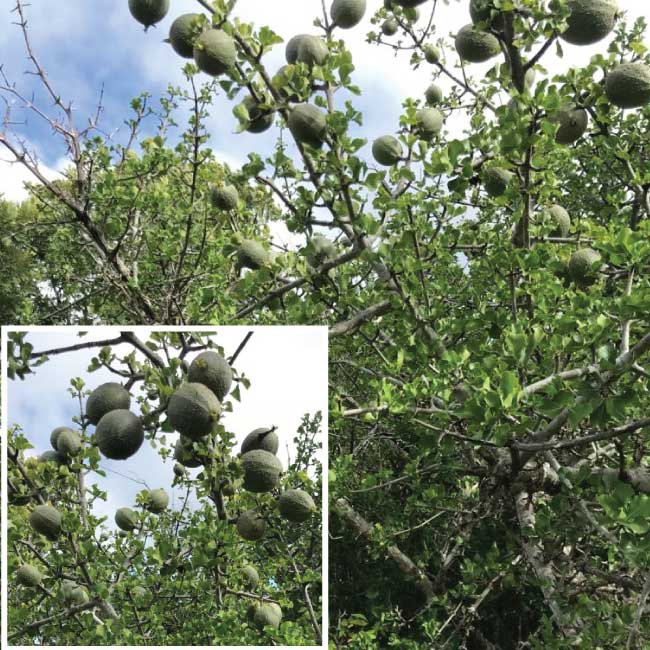
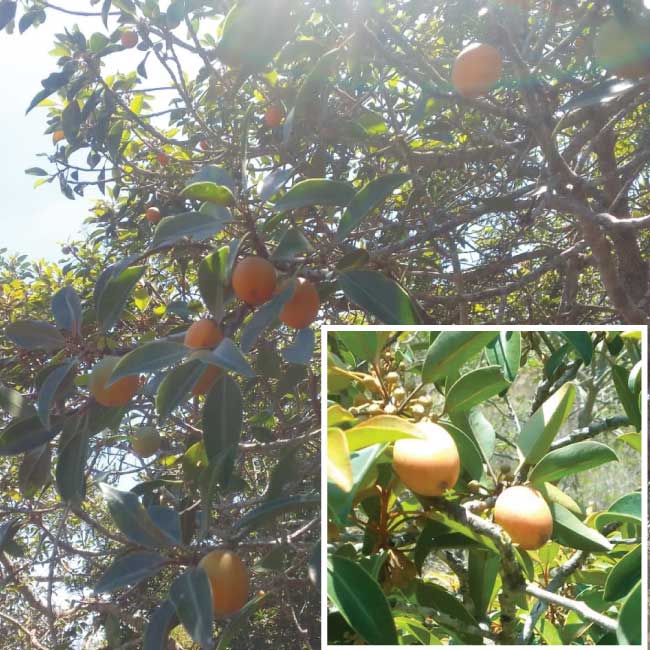
Monkey Orange tree with fruit

Monkey Orange

Strychnos spinosa

The genus name, Strychnos, is taken from the Greek word for deadly, which refers to poisonous alkaloids contained in the seed integuments. “Spinosa” refers to the spines. The poison strychnine is derived from an Asian species of Strychnos. The seeds should be avoided as they are poisonous or could have purgative effects. The fruit only appears after good rains and has a smooth, hard, yellow look when ripe. Inside the outer ‘shell’ is tightly packed seeds surrounded by a fleshy, edible covering. Most of this plant is used medicinally, with the roots and leaves used to treat certain snake bites. After the seeds have been removed, the dried fruits are used as musical instruments.

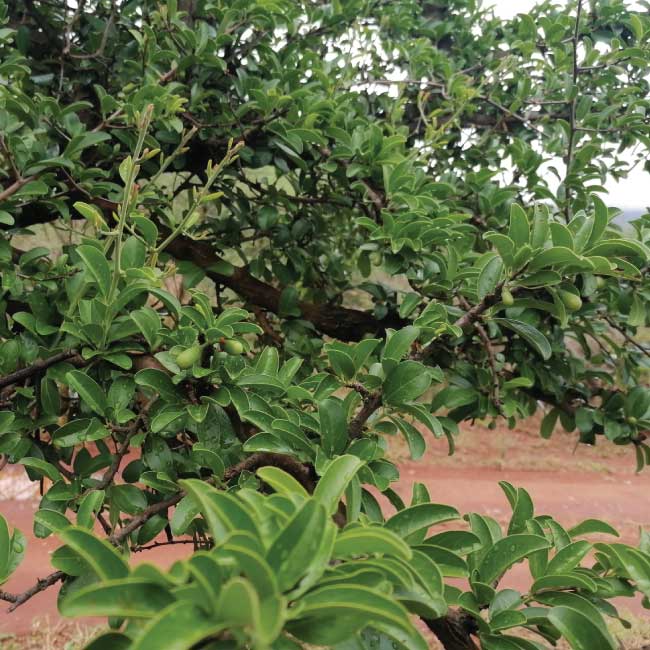
Sour Plum tree

Sour Plum or Monkey Plum

Ximenia caffra

A sour worm with no added sugar! This is an extremely versatile plant, and all parts are used. While the fruit can be eaten fresh, it tastes slightly sour and is often made into jams, desserts, or jellies. As the wood is hard, it is used for making pot handles, firewood, and even for construction purposes. The oil extraction from the seeds has various uses, from cosmetics to the softening of leather. The fruit is high in potassium, and the leaves and roots are used to treat coughs, body pains, and even malaria.

Stem Fruit Tree

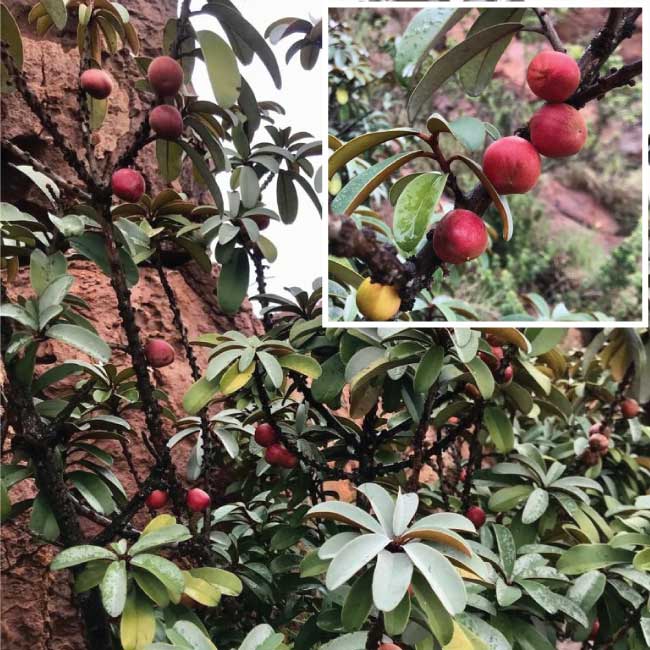
Stem fruit

Englerophytum magalismontanum

This small to medium-sized evergreen tree has delicious fruits which are extremely high in Vitamin C with a content of 40 mg per 100 g. The fruit is fleshy and contains sticky, milky latex when picked and the skin removed. The tree fruits from December to February. When ripe, the fruit is bright red and can be eaten fresh or used to make jam, wine, and even vinegar. These plants’ roots are also used medicinally to treat rheumatism and abdominal pain. They have beautiful silky golden hairs on the back of the leaves, and the tree has a silvery look from afar.

Stem Fruit Tree

Transvaal Red Milkwood

Mimusops zeyheri

The botanical name is derived from the Greek mimo, meaning ape, and ops, meaning resembling an ape. This might reference the flowers’ colour or the corolla’s shape. This tree is fairly popular amongst humans, birds, and various primates as it has tasty ripe yellow fruit with a high Vitamin C content.

Some more mobile endemic species to find in the Soutpansberg Mountains
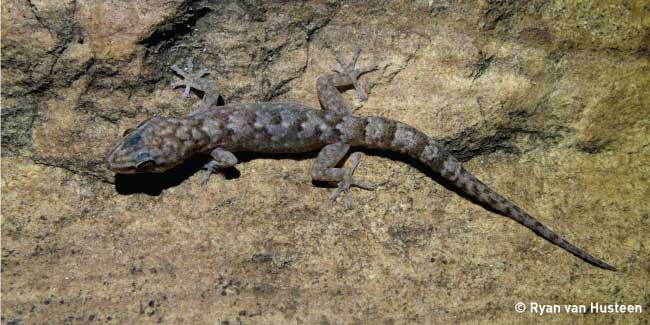
Endemic Pienaar's Flat Gecko

Pienaar's Flat Gecko

Afroedura pienaari

A widespread and abundant gecko that shelters in rock cracks and under loose barks in trees. At night, it forages on rocks, trees, vegetation, and the ground.

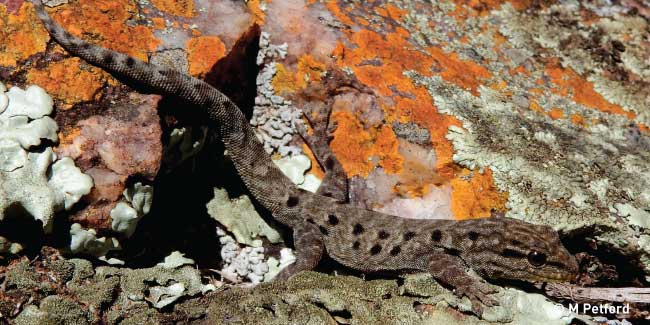
Endemic Cryptic Dwarf Gecko

Cryptic Dwarf Gecko

Lygodactylus incognitus

This shy gecko lives on trees and rocks and is restricted to the higher altitudes in the mist belt.

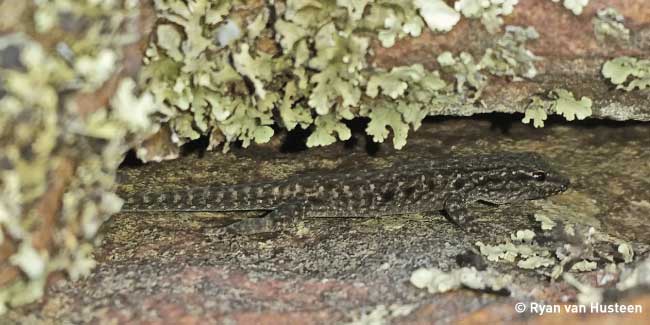
Endemic Soutpansberg Dwarf Gecko

Soutpansberg Dwarf Gecko

Lygodactylus soutpansbergensis

A shy gecko that lives in the rocky areas throughout the Soutpansberg

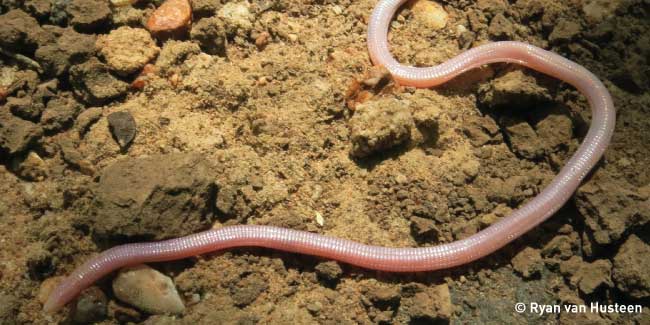
Endemic Soutpansberg Worm Lizard

Soutpansberg Worm Lizard

Chirindia langi occidentalis

This lizard is rarely encountered as it spends its life underground. It is locally common in certain areas and absent in others.

Endemic Soutpansberg Purple-glossed Snake

Soutpansberg Purple-glossed Snake

Amblyodipsas microphthalma ssp. nigra

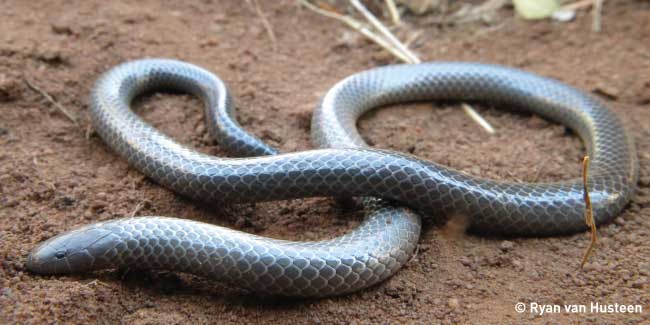
A near-endemic to the Soutpansberg. These snakes spend most of their time underground and occasionally come to the surface to feed and disperse. They can be found in virtually any habitat, from the hot bushveld areas to the montane grassland on top of the Soutpansberg and throughout the mountain range. Limpopo’ s only near-endemic snake!

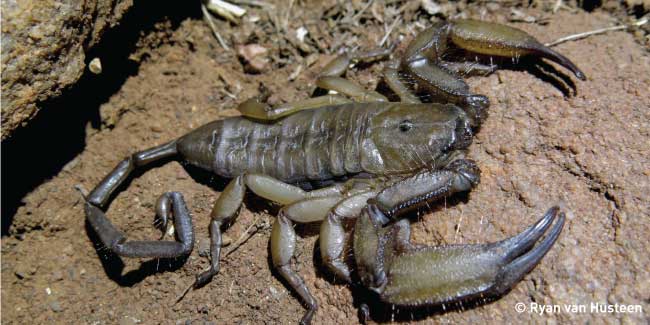
Endemic Soutpansberg-Hadogenes-scorpion

Soutpansberg Hadogenes Scorpion

Hadogenes soutpansbergensis

The only described endemic scorpion in the Soutpansberg. These large flattened scorpions prefer to live in rock cracks and are widespread and abundant in the Western Soutpansberg.

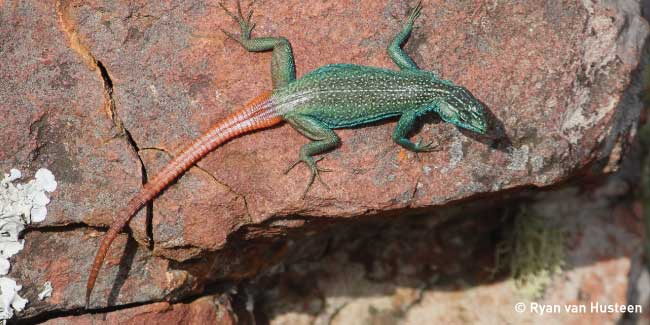
Endemic Soutpansberg Flat Lizard

Soutpansberg Flat Lizard

Platysaurus relictus

Endemic to the western Soutpansberg, these colourful lizards live on rocks in warm and hot areas. They live in small colonies and feed on insects, fruits, and plants.