Rugezi Marsh Report shows importance of scaling up transformational conservation Interventions
Rugezi Marsh Report shows importance of scaling up transformational conservation Interventions
By Eleanor Momberg
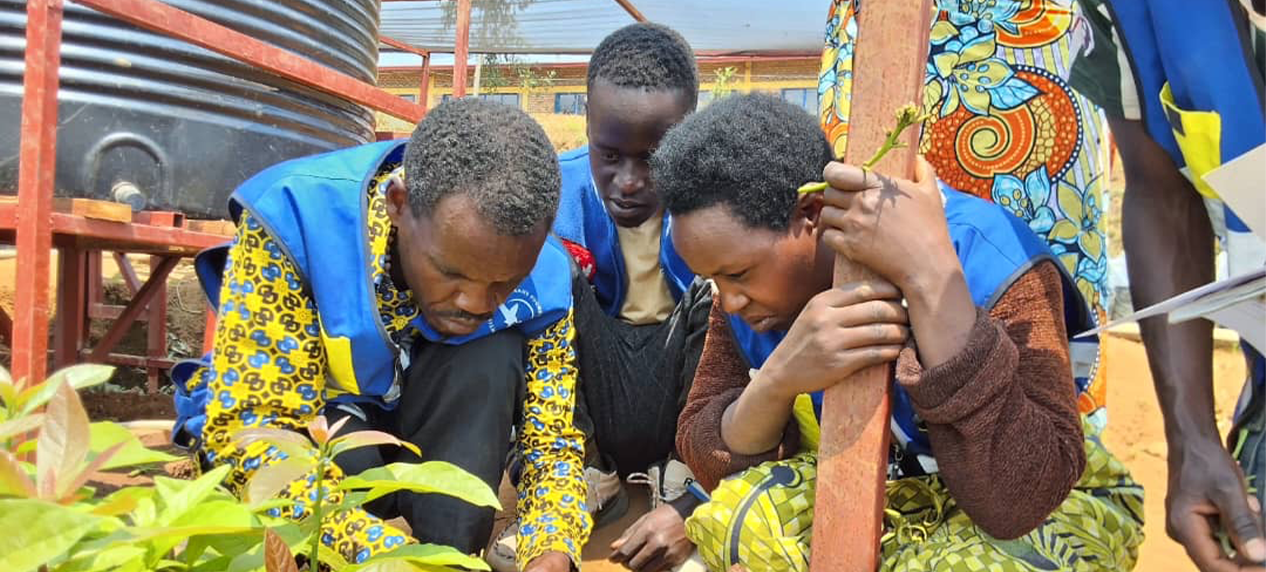
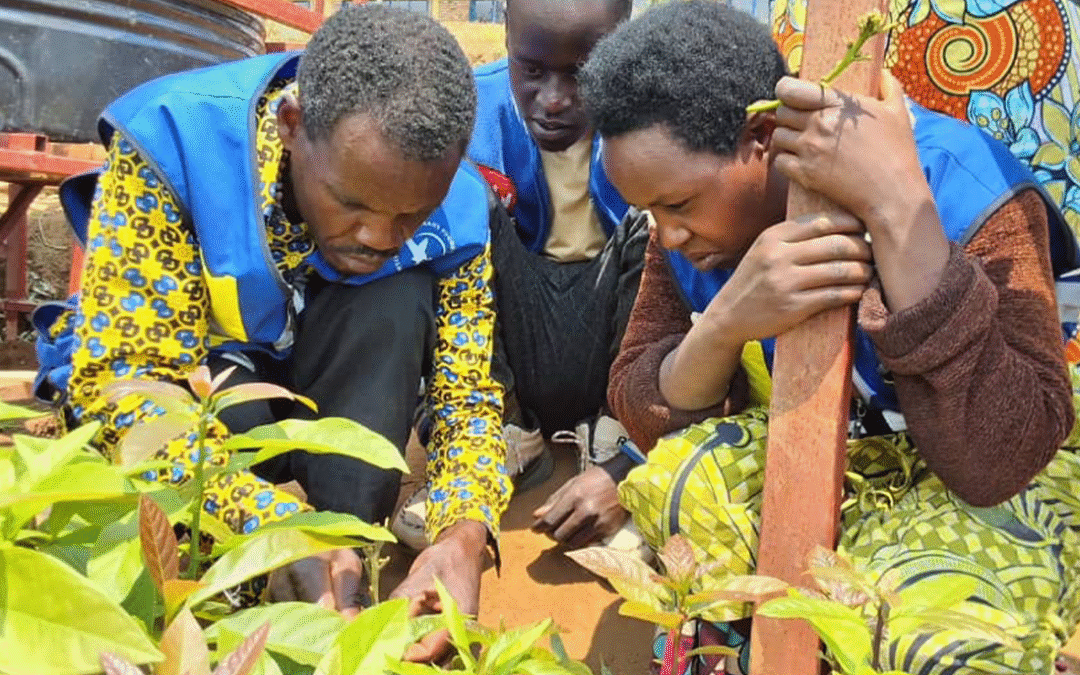
Avocado plants to promote Sustainable Livelihoods
Efforts by the International Crane Foundation, the Endangered Wildlife Trust (ICF/EWT) and Rwanda Polytechnic – Kitabi College (former IPRC Kitabi) to ensure the conservation integrity of the Rugezi marsh in Rwanda have shown the importance of transformational conservation interventions.
The 12-year Report Rugezi Marsh, published by the ICF, has concluded that its future focus will be scaling up transformational conservation interventions to reduce threats to Grey Crowned Cranes, wetlands and catchments, while increasing the resilience of communities and landscapes.
Beginning
In 2012, the ICF/EWT Partnership entered into a hosting agreement with Kitabi College of Conservation and Environment Management (KCCEM)—today known as the Rwanda Polytechnic – Kitabi College (RP Kitabi)—to implement a project titled “Securing and improving the ecological integrity of Rugezi Marsh and other key wetlands under threat in Rwanda, for people, cranes and biodiversity”.
The project stemmed from the realisation that the remaining wetlands in the Central African country were under severe threat of degradation, or being lost, as a result of encroaching agriculture and unsustainable resource use driven by climate change and declining agricultural productivity on hillslopes close by.
The value of the ecosystem services that wetlands provide in this water- and wetland-rich country needed to be understood and managed sustainably by both local communities and national decision makers.
The project had initially covered Rugezi Marsh, Nyabarongo Wetland, and Akanyaru Wetland. The work at Nyabarongo and Akanyaru wetlands was limited to community awareness, youth environmental education, crane monitoring, and generating baseline information through wetland assessments and socio-economic surveys.
In 2017, there was a scaling down in project activities with more targeted attention being turned to Rugezi as a hotbed of biodiversity supporting more than 40 resident bird species, including 20% of the country’ s population of the Endangered Grey Crowned Cranes and 60% of the global population of the Endangered Grauer’ s Swamp Warbler.
Moreover, more than 300,000 people depend on the 6,735-hectare wetland for their livelihoods by providing water, fodder for livestock, and plant materials for crafts and construction. In addition, Rugezi Marsh is a water source for three downstream hydropower stations, which generate 10% of the country’ s energy, making it an integral component of the electricity supply to a developing country.
Despite its biodiversity and socioeconomic importance, Rugezi Marsh had been threatened with both widespread land degradation and loss of natural forest cover due to extensive hillslope cultivation and associated erosion and siltation. Chronic poverty and population growth forced the local communities to utilise wetland resources in an unsound manner, including unsustainable harvesting of wetland products, clearing and drainage for crop production, overgrazing of livestock, and excessive wildlife poaching, among others.
As a result, approximately 56% of the wetland was degraded to some degree with no monitoring system or plan for equitable harvesting of wetland products, despite the wetland’ s role in sustaining the livelihoods of local communities.
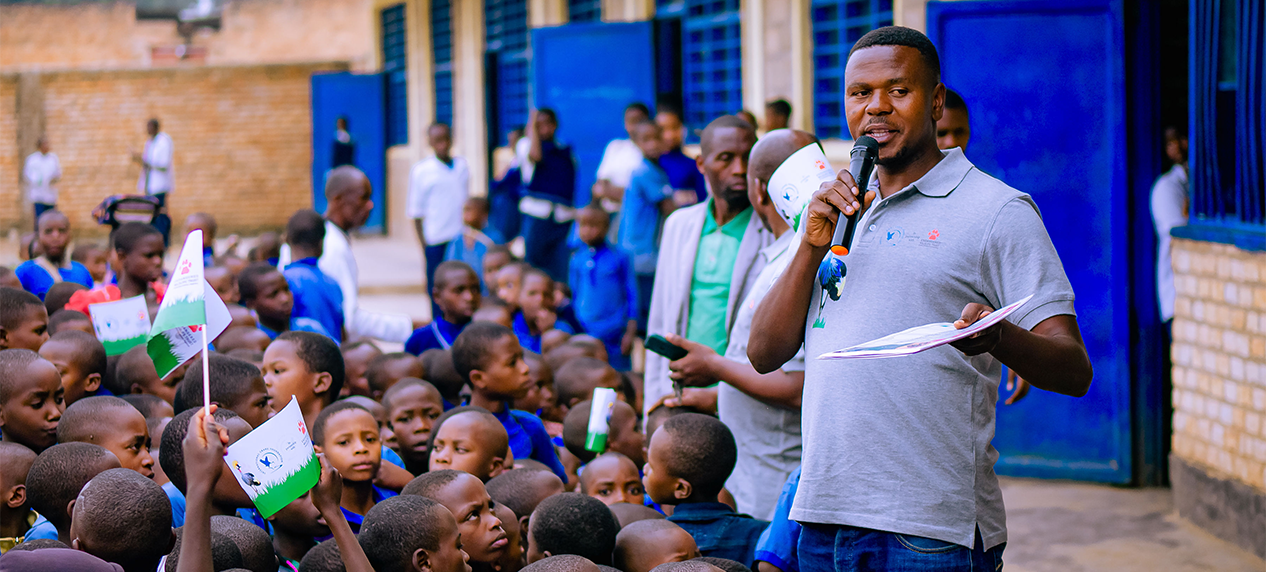
Education & Awareness spreading for World Wetlands Day
Our work
The International Crane Foundation, the Endangered Wildlife Trust and the Rwanda Polytechnic – Kitabi College delivered very successful conservation outputs at Rugezi Marsh, contributing directly to numerous national priorities and global conservation agendas.
Nationally, the project responded to Rwanda’ s 2016 National Biodiversity Strategy and Action Plan (NBSAP), which recognises the connection between wetland biodiversity loss and poverty alleviation. Internationally, the work aligns with that of, amongst others, the Global Biodiversity Framework (GBF), the African-Eurasian Migratory Waterbird Agreement (AEWA), the Ramsar Convention, and the United Nations Framework Convention on Climate Change (UNFCCC).
Generating Scientific data to inform conservation practice and policy
A cornerstone of our work at Rugezi Marsh was to document the plant and animal species inhabiting the wetland and its immediate catchments. This provided information on how best to manage and conserve the area and provided valuable data that could inform future ecotourism projects.
To this end, we conducted rapid biodiversity surveys (bioblitzes) to develop species lists. These revealed a total of 123 bird species, including two species listed as Endangered – Grauer’ s Rush Warbler (Bradypterus graueri) and Grey Crowned Crane (Balearica regulorum) – and three Near-Threatened species – Bateleur (Terathopius ecaudatus), Martial Eagle (Polemaetus bellicosus) and Papyrus Yellow Warbler (Calamonastides gracilirostris). The 13 mammals recorded included the Vulnerable Delany’ s Swamp Mouse (Delanymys brooksi), the Near Threatened African Clawless Otter (Aonyx capensis) and Rahm’ s Brush-furred Rat (Lophuromys rahmi). A total of 13 amphibian and four reptile species were also recorded, as were 91 plant species from 50 families.
Based on its biodiversity value and contribution to hydropower, Rugezi Marsh was declared a RAMSAR Site (or a Wetland of International Importance) in 2005. However, the more than 120,000 people dwelling within its steep catchment historically relied on intensive subsistence agriculture to survive.
Following a series of studies to understand the extent of the human-induced and environmental problems faced by the wetland, a management plan for the area was devised and implemented.
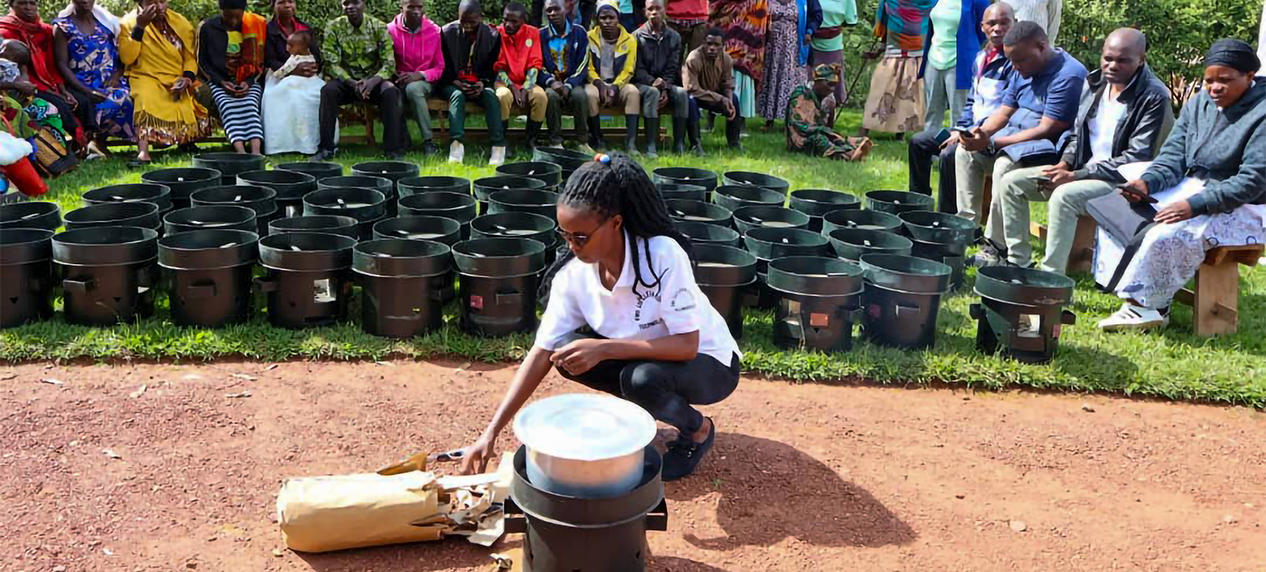
Alternative cooking stoves provided to communities to promote sustainable livelihoods
Among these are:
- Awareness and education in surrounding communities, focusing on the Grey Crowned Cranes and wetlands conservation nationally.
- The Crane Ambassador Programme, where 40 volunteer community members have been trained on how to effectively deliver the crane conservation message in their communities through different platforms, including community meetings, church services, or at schools.
- The development of protocols for monitoring crane population trends, breeding site status, crane sightings, crane incidents and breeding success enabling us to collect long-term data and establish a database from which we can understand these aspects of crane ecology.
Among the most important initiatives has been the work to secure sustainable and resilient livelihoods. These promote alternative livelihood options to those relying on unsustainable resources, and resources and contribute to the improved health and well-being of children and adults.
These include:
- A Beekeeping (Apicilture) project now boasts a beekeeping cooperative of 189 members each with a further 352 extended family members benefiting from the initiative. This addresses youth unemployment and reduces poaching.
- Avocado production, which addresses malnutrition among children and meets the ever-increasing market demand for avocados locally.
- Napier Grass cutting is being supplied to the community to plant on their private land to limit grass harvesting in the marsh for cattle fodder and other uses.
- Supplying 600 mattresses to two women’ s groups to limit grass harvesting to make traditional sleeping mats, which poses a key threat to the Grey Crowned Cranes breeding at Rugezi Marsh. This has also contributed to improved hygiene in beneficiaries’ homes and increased school attendance by children, and contributed to a reduction in gender-based violence
- Energy-Saving Cooking Stoves have been provided to 40 families to reduce the amount of firewood used
- Ecotourism initiatives are being investigated, given the fact that Rugezi Marsh is only 25 km from the Volcanoes National Park, a primary tourist attraction in Rwanda, renowned for its gorilla viewing.
- Climate-Smart Agriculture practices are being promoted to help farmers increase their productivity and incomes sustainably while enhancing their resilience to and protecting against climate-related shocks.
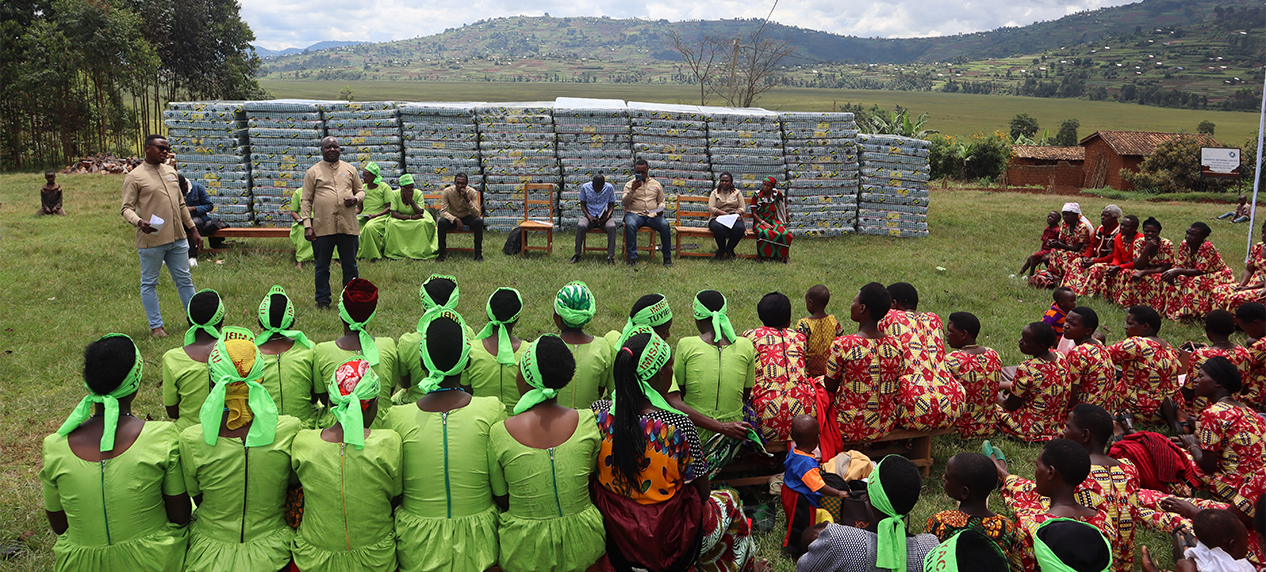
Providing community members with mattresses to promote Sustainable Livelihood
What we have learned
Throughout our projects, we have learned that the success of any livelihood enterprise depends on the degree to which local communities understand, own, and manage that enterprise and incorporate it into their community planning and vision. This has enabled us to focus strongly on strengthening local capacity to develop and manage livelihood options in a sustainable manner through training and mentorship.
Through interaction with community groups, we have learned that gender training and self-esteem training should be essential components of the early stages of any community livelihood intervention. Gender training enhances women’ s participation and induces equal contribution from both women and men. We have also learned that integrating extension services in livelihood programs is paramount. It creates a strong link between communities and local governments that provide extension services.
The Future
Both the Rwanda Environmental Management Authority, the current custodian of the marsh as a Ramsar Site, and the Rwanda Development Board, under whom it would fall once declared a national park, have expressed full commitment to having the Rugezi Marsh declared a national park. Most of the community members around the marsh and catchment also support elevating its status to a protected area. The motivation for this is the anticipated benefits from increased tourism and livelihood opportunities that they believe will result from protecting the marsh and its wildlife.
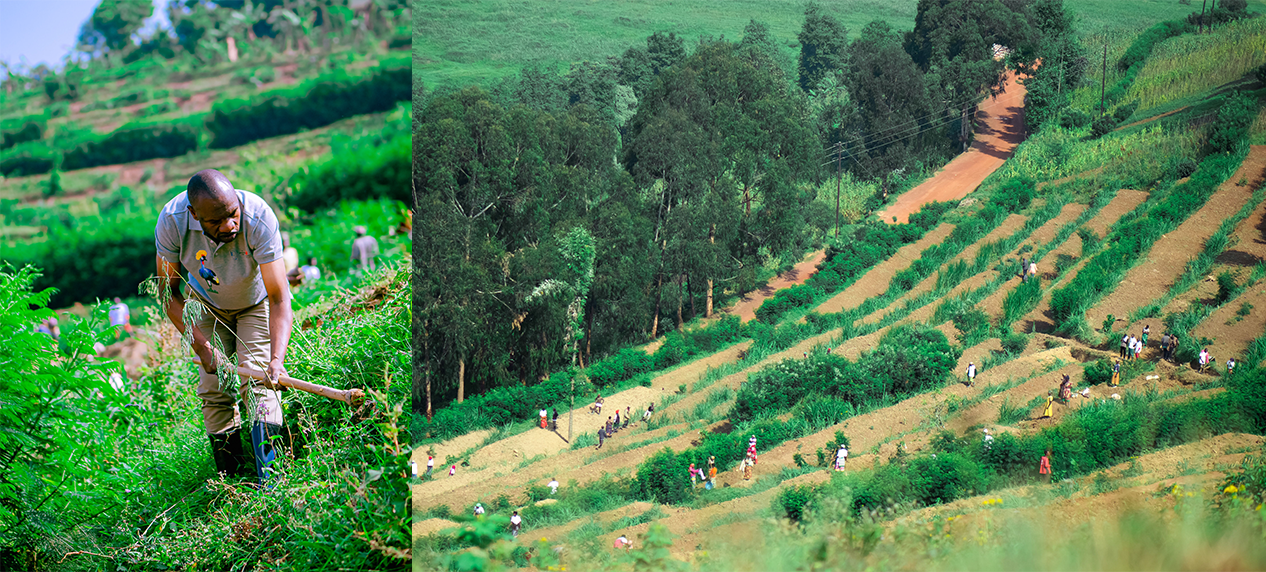
Climate Smart Agriculture around Rugezi Marsh
** The International Crane Foundation and Endangered Wildlife Trust partnership would like to thank the Rwanda Development Board (RDB), Burera and Gicumbi local governments, as well as the Rwanda Wildlife Conservation Association to work with Ecorangers, aerial surveys and trade. We also had additional collaborations with Conservation
International for Conservation Agreements and with the ARCOS Network. The ICF/EWT/RP-Kitabi College acknowledges
the support from Kansas City Zoo and Aquarium, Rainforest Trust, Critical Ecosystem Partnership Fund, Leiden Conservation Foundation, and MacArthur Foundation, among others.