PUSHING THE BOUNDARIES FOR RIVERINE RABBITS IN THE ANYSBERG
Bonnie Schumann, the EWT’ s Drylands Conservation Programme, bonnies@ewt.org.za
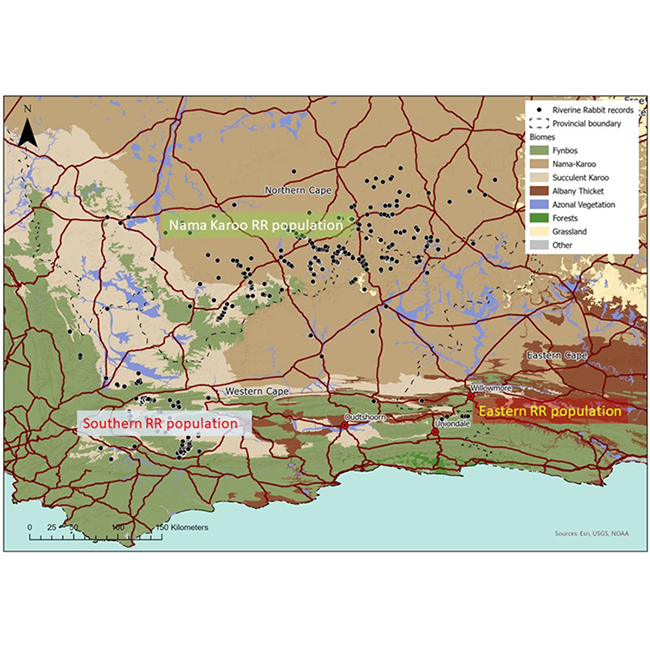
The ancient landscapes of the Karoo are home to one of South Africa’ s most elusive and Critically Endangered species, the Riverine Rabbit. Riverine Rabbits occur in three known populations in three separate regions of the Karoo. Originally thought to only occur in the Nama Karoo, where they were first discovered in 1901, rabbits were later discovered near Touwsriver in the Succulent Karoo in 2003. This discovery completely upended the applecart on what we knew about the distribution and behaviour of this species. However, at least one other surprise was awaiting us when a third population was discovered west of the Baviaanskloof in 2018.

In the 1990s, landowners and conservationists joined forces to create Riverine Rabbit conservancies in the Loxton-Fraserburgh-Beaufort West area of the Nama Karoo to conserve the species. These conservancies still exist today. Even though many of these landowners rarely, or in some cases, have never seen a Riverine Rabbit, they are passionate about conserving them on their properties. While rabbits occur in three different regions of the Karoo, their threats are the same in all three landscapes. The most severe threats are habitat loss and damage to the remaining habitat. The floodplains of the seasonal rivers in the Karoo consist of deep alluvial soil areas that make for fertile agricultural soil in an otherwise arid landscape. These areas are largely transformed into ploughed lands, which in many cases now lie fallow and abandoned. The changing economic situations and erratic rainfall make it risky to depend on rain-fed cropping and flood irrigation. In recent decades, it has not been worthwhile to grow rain-fed crops in many places across the drylands.
 In the past, the riparian areas, often comprising floodplains a few kilometres wide, were densely vegetated and would have provided a unique habitat to a range of species, including the Riverine Rabbit. The loss of over 60% of the riparian vegetation was devastating for the Nama Karoo Riverine Rabbit population. Outside of the riparian zone, the vegetation does not provide enough cover for a species that relies on dense vegetation to avoid detection and capture by predators. Rabbits have disappeared from areas where the vegetation is overgrazed and “opened up” by livestock. They are an indicator species for ecosystem health, and If the riparian vegetation is managed sustainably, rabbits will persist. If not, they will continue to quietly vanish.
Following the initial discovery of rabbits in the Succulent Karoo, surveys for rabbits took place in the riparian areas, based on the assumption that the “southern” rabbits use the landscape similarly to their Nama Karoo counterparts, which are riparian habitat specialists. Here is where it became interesting. What is now clear is that rabbits in the Succulent Karoo can range more widely across the landscape, occurring outside of riparian areas where the vegetation on the gently sloping hills is often quite dense. They occur outside the riparian zones, and their range also extends into a third Biome, the Fynbos Biome, where they primarily favour the Renosterveld vegetation. The fact that the rabbits can persist in vegetation units outside the riparian zones in the Succulent Karoo is very fortunate, given that much of their riparian habitat has been lost to agriculture. This means that the gently sloping areas that are unsuitable for ploughing and are densely vegetated have provided critical refuges for rabbits. It is probably safe to speculate that Riverine Rabbits were once widely distributed along the valleys and hills of the Little Karoo. However, the extensive loss of habitat across this region has resulted in them remaining only in pockets of suitable intact vegetation. Conservationists are researching the genetics of the region’ s rabbit populations – how closely they are related to each other and their overall genetic health – to understand how viable the populations are and if any connectivity (gene-flow) between the three populations still exists.
The spectacular Anysberg Nature Reserve was officially declared in 1990 to formally protect the incredible but highly threatened biodiversity of the Succulent Karoo, an internationally recognised biodiversity “hotspot”. Riverine Rabbits were recorded in the reserve for the first time in 2013. This was the best news of the century for rabbit conservation because the discovery meant that the reserve was the first formally protected area to boast a Riverine Rabbit population. What is doubly exciting is that landowners bordering the reserve had a vision for conservation going back 25 years. Several individuals bought properties in this area to conserve the land and wildlife. Livestock was removed, and the land has been resting and recovering ever since. In 2018, one of the landowners approached the Endangered Wildlife Trust to assist him in taking his conservation efforts to the next level by declaring the property a contractual Nature Reserve. As a result, the Endangered Wildlife Trust, CapeNature (the designated authority with statutory responsibility for biodiversity conservation in the Western Cape) and six landowners are collaborating to declare a cluster of properties as nature reserves. These contractual reserves will be formally protected and attain the same status as the Provincial Reserves, effectively expanding protected areas at a national level. This essentially means that the Anysberg Nature Reserve, also a World Heritage Site, will be buffered by an additional 20,000 hectares of protected landscapes. Several additional vegetation units, each supporting unique and, in many cases, endemic plant and animal species, not yet included in the Anysberg Nature Reserve, will now also be formally protected.This initiative is testimony to what can be achieved when stakeholders combine forces to achieve a shared vision. Many species facing severe persecution outside protected areas, including Leopard, Brown Hyaena and Honey Badger, will now be able to safely roam over an increasingly vast area. And, of course, as the largest formally protected area cluster for Riverine Rabbits, it now represents the single most important stronghold for Riverine Rabbits in South Africa. In this case, size is critical, as only a small portion of the entire area will meet the habitat requirements for rabbits, so the bigger the area, the better.
 Ecotourism, including adventure tourism and, in some cases, limited agricultural activities, provide a diversified income for the landowners around the Anysberg Nature Reserve. This is an extremely marginal area for extensive livestock production, and the reality is that the veld has been utilised to, and in some cases beyond, its limits and can no longer support herds of goats and sheep. Developing a “green” conservation-based economy can breathe new life into this region where poverty and unemployment are rife. Ecotourism provides jobs, supports livelihoods, and can help fund the restoration work that needs to be done in the degraded areas. The Anysberg is only approximately 260 kilometres from Cape Town, making it easily accessible as a weekend getaway. It is also easily accessible to international tourists looking for some peace and quiet in one of the most beautiful and safe regions of South Africa.
There are few undiscovered natural gems left out there. The Anysberg area is truly one of the most exciting and largely undiscovered gems in South Africa. The shared vision for this area is to develop an economy based on what the region has to offer in terms of unspoiled landscapes, wide-open skies, and incredible scenic beauty while conserving the unrivalled unique biodiversity of the Succulent Karoo. The project’ s next phase is supported by IUCN Save Our Species and co-funded by the European Union.
For more information, visit:
www.ewt.org.za
https://www.capenature.co.za/reserves/anysberg-nature-reserve
www.karooforever.co.za
LATEST STORIES
CROUCHING ROCKS, HIDDEN RABBITS
Bonnie Schumann, EWT’ s Drylands Conservation Programme, Senior Field Officer, bonnies@ewt.org.za
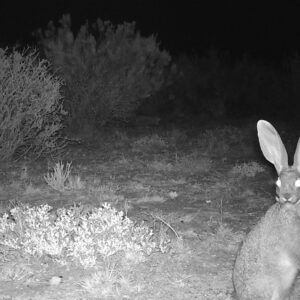
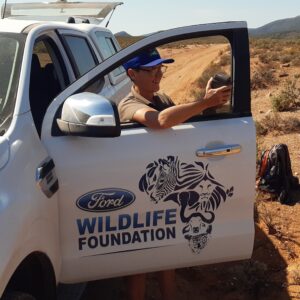
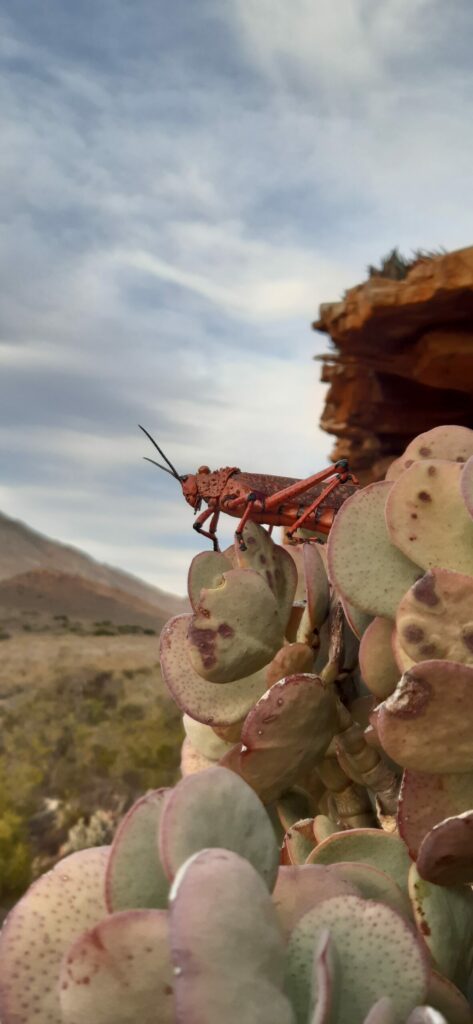
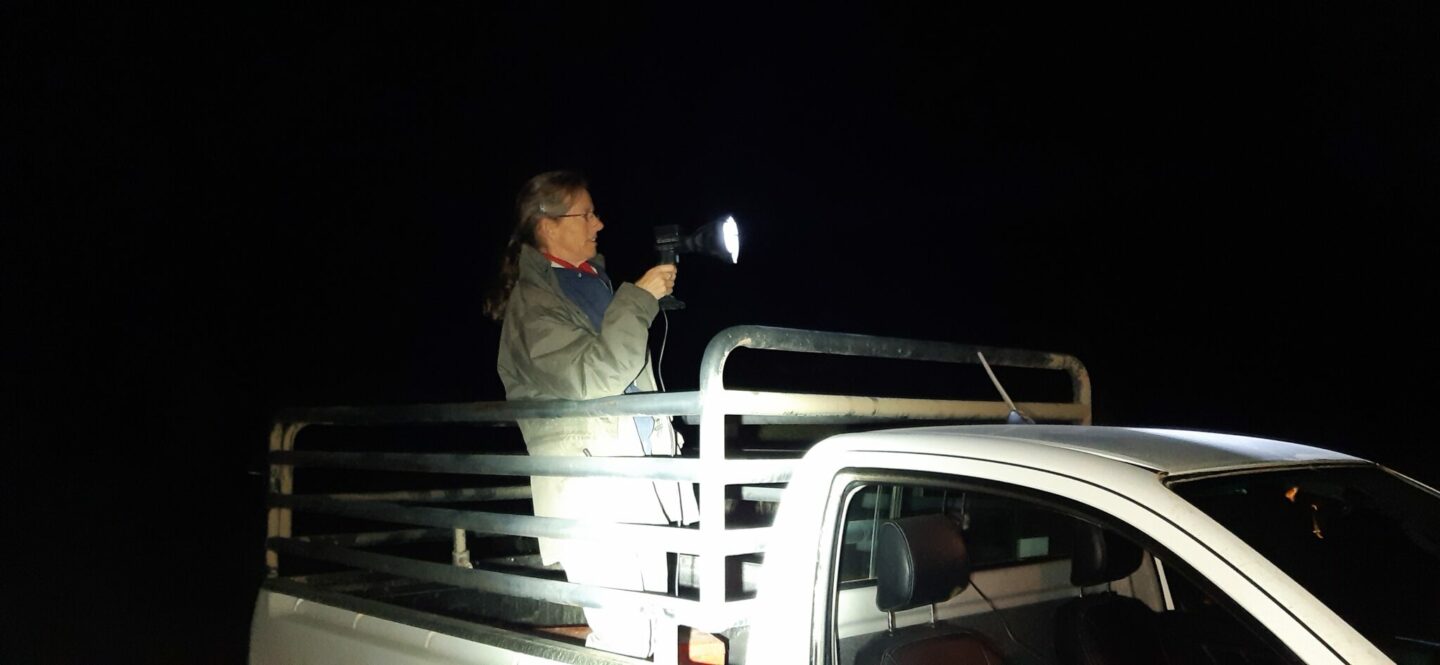
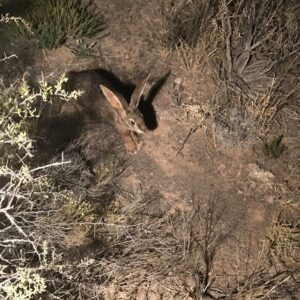
Searching for Critically Endangered Riverine Rabbits (Bunolagus monticularis) in the vast and rugged Karoo landscape is one of the hardest but most rewarding aspects of what we do. Marienne de Villiers, Faunal Ecologist with CapeNature, and I recently spotted a rabbit on a night drive on the Lettas Kraal Private Nature Reserve. This was a first for Marienne, who admitted that she was starting to doubt the existence of this mythical creature! When reflecting on our success, we realised that we had tallied up just over eight hours of searching on two rather freezing cold night drives before we got lucky and laid eyes on a live rabbit between the two of us. After a few hours of searching for all creatures great and small in the beam of a spotlight, from the back of a bakkie bumping along a dusty dirt track, one tends to get a bit cross-eyed. As a result, we had spotted many rabbits along the way, only to discover on closer inspection that they were rabbit-like rocks crouching in the veld, while the real rabbits remained safely hidden!
These bunnies are the ultimate masters of hiding in plain sight, so seeing a live Riverine Rabbit is somewhat of an achievement that few people can lay claim to. Although camera trap surveys in 2019 and 2020 revealed their presence, Riverine Rabbits had never actually been seen on Lettas Kraal. This trend is not unusual, given that the species managed to remain undetected, in two of the three landscapes in which it occurs, for over a hundred years! Following their initial discovery near Deelfontein in the Nama Karoo in 1901, they were only recorded in the Little Karoo, a distinct geographic region lying within the Succulent Karoo, for the first time in 2003. This southern population was in the Touwsriver area, and as recently as 2018, an eastern population was found in the Uniondale area. In both cases, the documenting of roadkill was what finally revealed their presence.
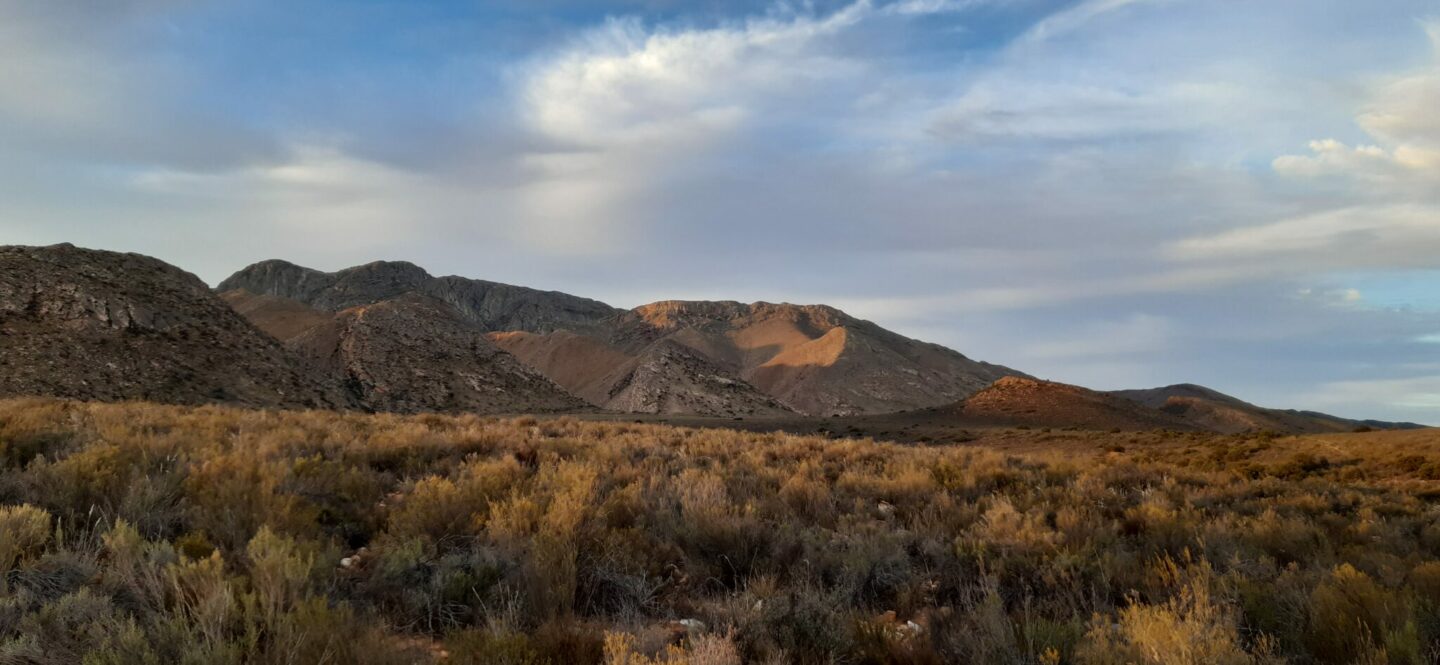
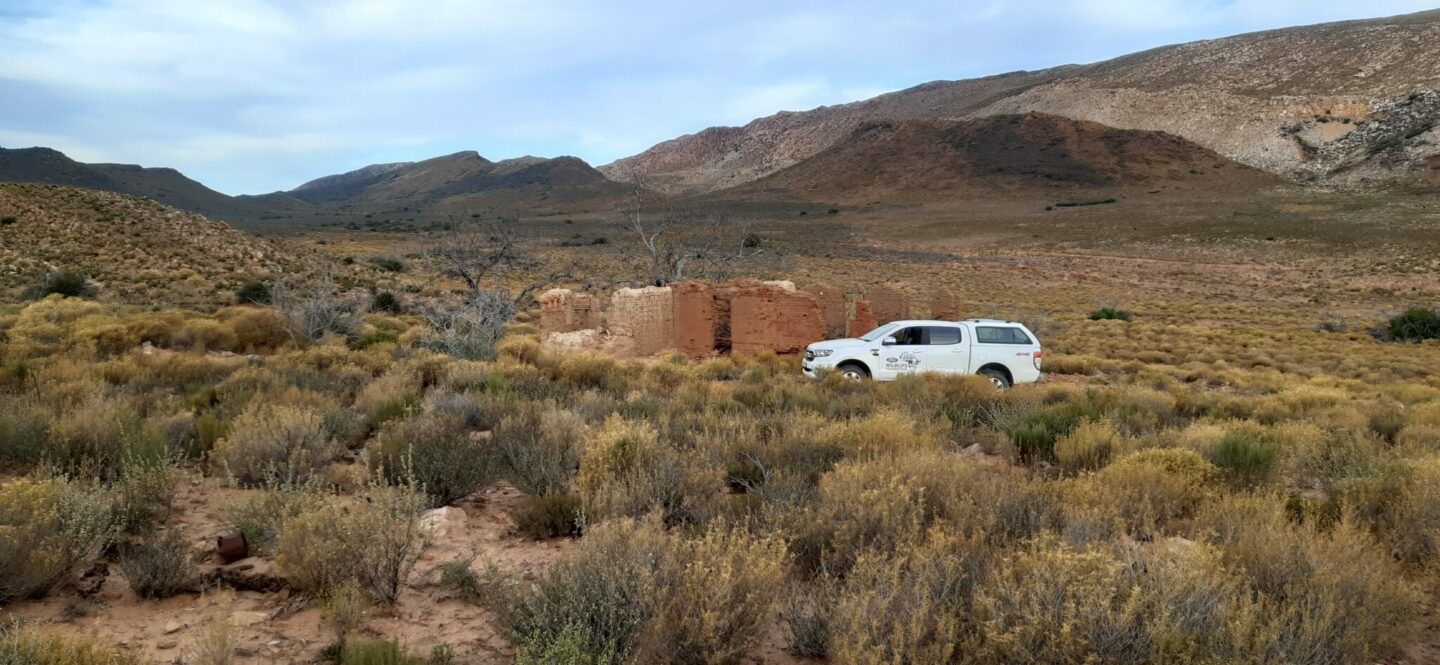
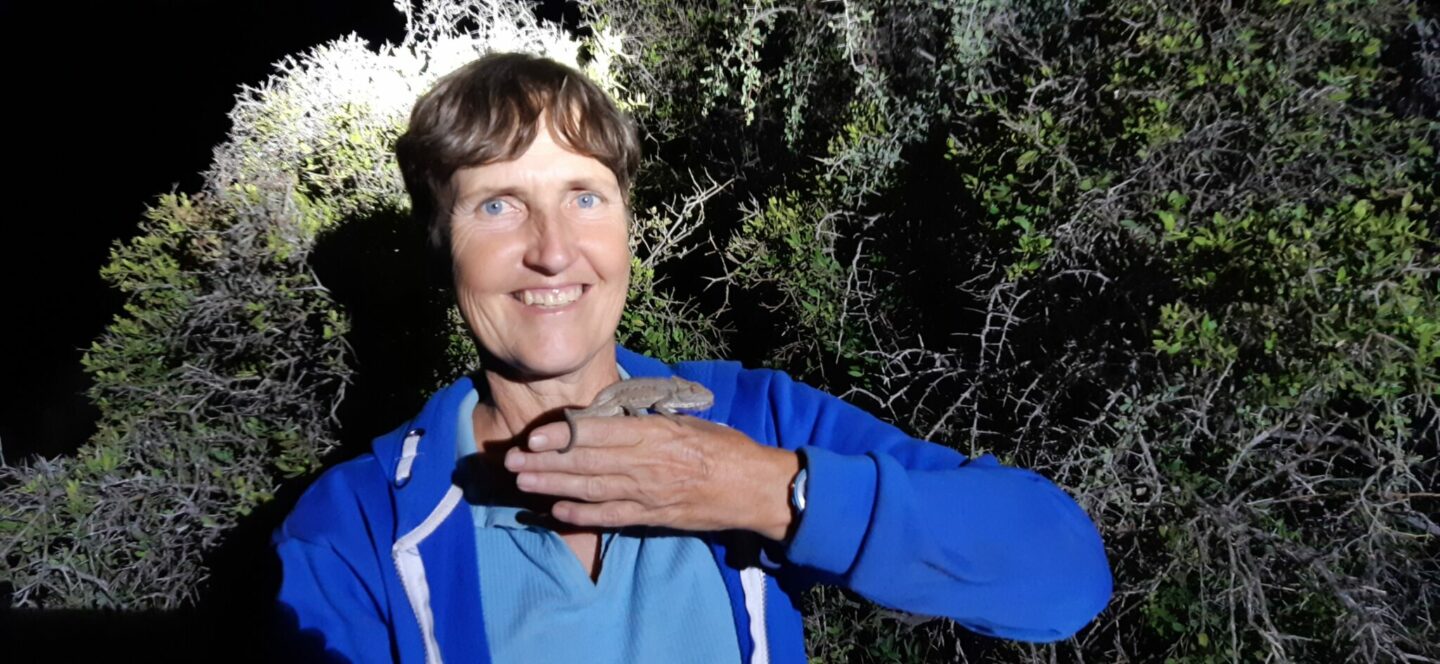
Lettas Kraal, home to many Little Karoo botanical gems, some of which have not even been described yet, is also home to a known population of Riverine Rabbits. This property is in the process of being declared a Contract Nature Reserve, which will ensure the safety and protection of the unique biodiversity there. The night drive was part of the process of documenting the biodiversity on this beautiful property. This process is already well underway, following detailed botanical and camera trap surveys in 2020. Three hours into this particular night drive, our persistence paid off when Marienne spotted a Karoo Chameleon (Bradypodium gutturale). This was an impressive demonstration of her ability to multitask, as between driving and batting (more on this later), she spotted this small creature nestled on its Gwarriebos perch as the beam of the weaving spotlight passed over the bush. Widespread habitat degradation and loss pose a severe risk to these ancient-looking little reptiles. Adding this species to the Lettas Kraal inventory was a rare feel-good moment, knowing that this species, too, is safe on Lettas Kraal, under the protective eye of Johan Roodt, the owner of Lettas Kraal. If you wondered what “batting” mentioned earlier is all about, this entails listening for and recording bat calls. Capturing recordings of bat calls is one of the most effective ways of documenting bat species presence – for which Marienne has quite a knack.
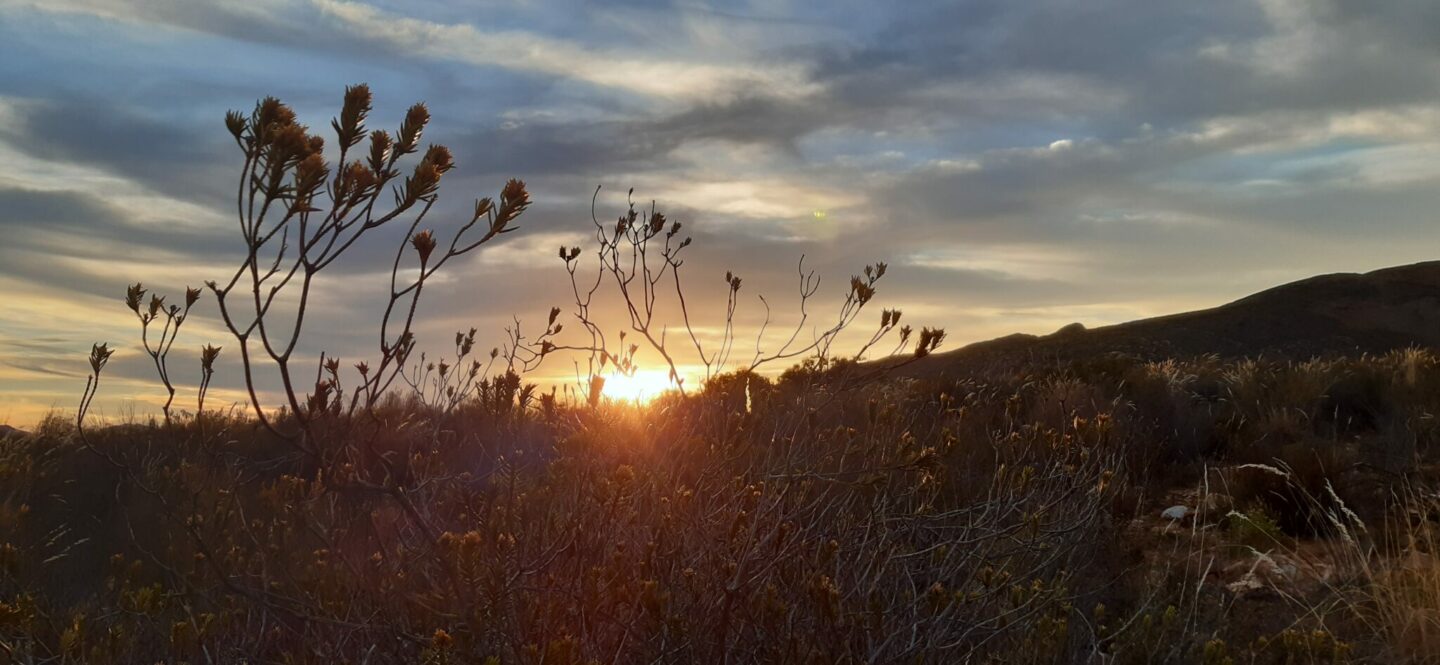
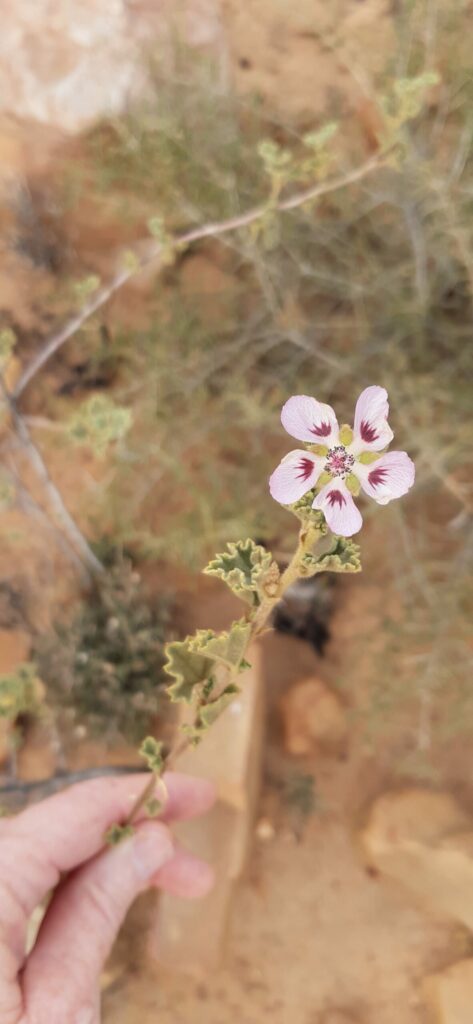
After our exciting rabbit show at the magic hour of midnight, we grabbed a few hours of sleep before we set off early again – this time with Jan Vlok, renowned Succulent Karoo botanist also working on Lettas Kraal. Jan was on a mission to supplement the botanical survey he did in Spring 2020 with what the autumn season had to offer. Despite telling us, “If it doesn’ t photosynthesise, I’ m not interested!” Jan is a veritable encyclopaedia on all things Karoo. Over 20 autumn species were added to the more than 800 species counted in spring.
Many more species await documenting, and getting the full picture will literally take years. Plants need to be particularly picky about when they expose themselves because expending energy and resources, particularly during the flowering and seeding process, is a risky business at the best of times. In a region where the rainfall varies between 100 mm and 450 mm per year, and summer temperatures can exceed 40⁰C, often accompanied by blistering berg winds, the risks are next level. It’ s all about timing, and some species will wait years to put it all out there. It requires a lot of luck to have feet on the ground just when the conditions are, for an all too short time, favourable for plant reproduction. Having flowers and seeds makes the daunting job of identifying species accurately considerably easier. However, with over 3,200 species already recorded in the Little Karoo alone, you need to know your stuff! Jan Vlok, a co-author of “Plants of the Klein Karoo”, is one of the few people up to this task.
To put the value of biodiversity refuges, such as Lettas Kraal, into perspective, less than 0,5% of the Succulent Karoo biome is formally conserved. Under the guardianship of conservation-minded individuals such as Johan Roodt, properties such as this one add much-needed resource capital to the scant inventory of protected areas in this region. Riverine Rabbits find refuge here, in veld that is slowly recovering from over 200 years of being heavily impacted by livestock and ostrich farming. In some areas, diversity is lost forever. Lettas Kraal was lucky that much of its biodiversity has remained, and species very sensitive to grazing can still be found. Once abundant, these species are slowly emerging from the midst of thorny bushes and start to grow in the open again, reclaiming their space in this spectacular landscape, amongst the crouching rocks and hidden rabbits.
The biodiversity survey was funded by the Global Environment Facility and managed by the United Nations Development Programme, in partnership with the Department of Forestry, Fisheries, and Environment, and the Department of Agriculture, Land Reform and Rural Development.
BEGGING FOR BUNNIES
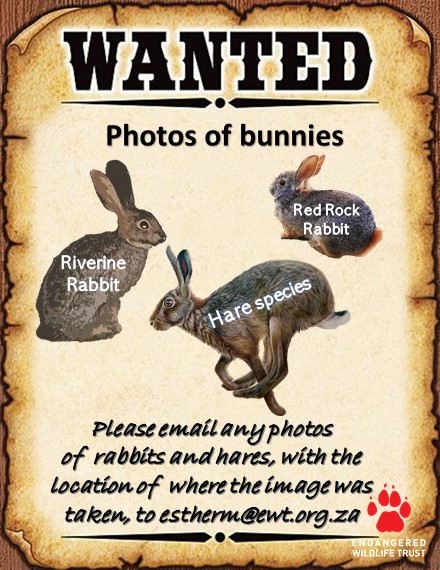
Esther Matthew, Drylands Conservation Programme Specialist Field Officer, estherm@ewt.org.za . With Easter coming up, we know you will be on the hunt for the Easter bunny, and if you see him or anyone resembling him, we want proof! The EWT’s Drylands Conservation Programme is trying to gather more information on all the South African lagomorph species (that’s rabbits and hares!). We are specifically looking at their distributions within the Northern, Western, and Eastern Cape provinces and the potential overlap of different species’ distributions in these areas. Have you seen one of our furry friends? We are looking for photos that you have taken or any camera trap images of rabbits and hares in South Africa. Become a citizen scientist by contributing your images to the study of rabbits and hares in the country. We will happily accept any images, with or without species identification, as long as it is submitted with a location, preferably a GPS point.
In the process, of course, we hope to get a few photos of our elusive Riverine Rabbits in areas where we don’t have recent records. Riverine Rabbits are Critically Endangered and very difficult to find, and we encourage the public to assist us in gathering more information on the distribution of this mysterious species. However, please note, we do not, under any circumstances, encourage the handling or capturing of any wild rabbit or hares. Please send all of your bunny photos and locations to estherm@ewt.org.za. The locations you submit will not be made available to the public to prevent poaching, but the locations will add value to datasets for research and the conservation of the species. We will use the images to identify the species and contribute to updating the distribution maps!This initiative is sponsored by The Mohamed bin Zayed Species Conservation Fund and Rand Merchant Bank.