A WORD FROM THE CEO
Yolan Friedmann, EWT CEO
yolanf@ewt.org.za
A key question we are often asked these days is whether the lockdown has benefitted rhino and reduced poaching in general. With rhino poaching having escalated in recent years, and species like elephant and lions beginning to show worrying poaching trends in South Africa, one would hope that the strict lockdown regulations that crippled our economy and disrupted lives, would have at least benefitted species whose existence is being threatened by the illegal wildlife trade.
The short answer is that yes, to some degree, the poaching of rhino and trade in rhino horn did decrease during the strict lockdown period. According to official figures, rhino poaching in South Africa decreased by around 53% in the first six months of 2020 with only 166 rhino being killed since the beginning of the year, compared to 316 during the first six months of 2019. Minister of Environment, Forestry and Fisheries, Barbara Creecy, noted that “…the decline in rhino poaching … was specifically welcome in the Kruger National Park where, during April, no rhino were killed in the Intensive Protection Zone, for the first time in almost ten years.” The Kruger National Park recorded 88 cases of rhino poaching in the first six months of 2020, compared to 153 in the first six months of 2019.
The lockdown did not, however, spell good news for all wildlife, and incidences of poaching for bushmeat using snares and poisons unfortunately increased. The EWT staff, and our associates working in the field, noted a significant increase in the use of snares to catch species such as various antelope, bushpig and birds. Secondary consequences of this scourge include the increase in snaring of threatened species such as Wild Dogs, who are unfortunately prone to being caught in snares set for other animals. Much of this kind of poaching has been attributed to rapidly escalating levels of starving people, and around the country, we noted an increased reliance by many people on wildlife such as hares, birds and small game for food. If successful, this kind of poaching can also assist with income generation in cash-strapped households, and the lockdown has pushed thousands of people to rely on their natural environment for food, income and even medicinals, with plant harvesting also increasing in some areas. Whether or not the relaxed lockdown regulations will result in a reversal of this trend is yet to be seen, and if not, this could spell disaster for many species who will not withstand the impact of rampant countrywide snaring.
But back to rhino: what is clear is that there are indeed actions that can be taken to reduce rhino poaching in the future, and this does not necessarily have to be another severe national lockdown. Visible policing followed by roadblocks (albeit that police may have been looking for alcohol and cigarettes, some roadblocks in fact identified wildlife products in transit) and strict monitoring of vehicles entering and leaving our parks, definitely played a role in reducing poaching. Whilst we want our borders to remain open, it is also evident that consistent and strict monitoring of what goes out and screening of all baggage and cargo for illicit wildlife products can make a difference. Despite many reserves having fewer ranger patrols and less human activity in their reserves (or because of it) poaching of high value, internationally traded species reduced as markets could not be accessed as easily. This is a clear indication of how, if we can control trade routes and reduce the ease of access to markets, one can reduce the incentive to poach.
Going forward, this is a clear indication of where our priorities need to lie in the future and how we can stay ahead of the poaching and illegal wildlife trade scourge before it gets the better of us again. Let there be these positive take-home lessons for conservation into the future and may our rhino continue to enjoy a little more peace for a little bit longer.
Yolan Friedmann
CEO
RHINO ROUNDUP
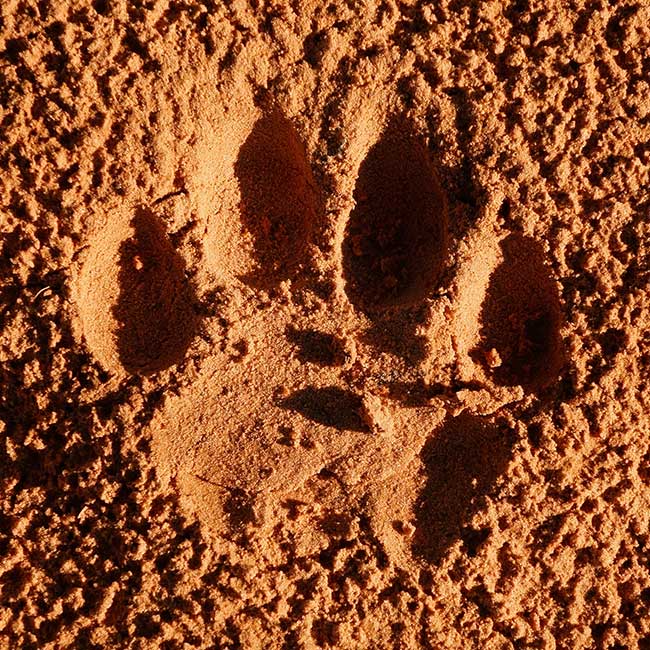
22 September 2020 was World Rhino Day! To celebrate, the EWT hosted a panel discussion to provide an update on the various rhino conservation initiatives we are involved in, to raise awareness about the plight of rhinos, and to encourage people to support the conservation of this iconic species. Yolan Friedmann facilitated the discussion and panellists included Dr. Andrew Taylor, Ashleigh Dore, and Shayen Seebran from the EWT’ s Wildlife in Trade Programme. If you missed this, be sure to watch it on our Youtube below!

SPEAKING UP FOR RHINOS
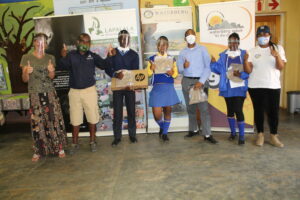
For the fifth year in a row, Lapalala Wilderness School and the EWT hosted a World Rhino Day public speaking competition. Two Grade ten learners from six schools participated, speaking on this year’s topic: “What are the social, political and economic impacts of rhino poaching in South Africa?” The future conservation champions were asked to present their arguments and possible solutions to the impacts and challenges we face in the battle against rhino poaching. The winners were as follows:
1st prize – John Tawanda Chauke from Leseding High School (Vaalwater).
2nd prize – Machuene Sikalo from Lemetja (Dipere village).
3rd prize – Ephraim Ramashita from Nkgoru High (Nkgoru village).
4rth prize – Maphuti Malope from George Langa (Marulaneng village).
Congratulations to all the schools that participated and all of the learners who spoke beautifully.
CELEBRATING WORLD RHINO DAY
Ndifelani Mulaudzi, Trade Officer, EWT Wildlife in Trade Programme
NdifelaniM@ewt.org.za
The EWT and the Lapalala Wilderness School celebrated World Rhino Day earlier this year with Grade 10 learners from 23 high schools, community and NGOs, from the Waterberg region. To date, 104 Grade 10 learners have participated in debates on issues around rhino poaching. This special day provides the opportunity for learners to develop ideas and solutions to address the rhino poaching crisis in South Africa.
For the past four years, we have held our school competition with learners from the different schools in our host regions. In 2015, we held the competition in Mpumalanga (at the Timbavati) where 20 schools participated. Starting in 2016, we moved the competition to Limpopo (Waterberg Area), where over 23 schools have participated. The competition has since grown to become a community event in the Waterberg area.
While this is a one-day event, the preparation and follow-up extend far beyond the day when learners deliver what they have prepared.
This year’ s competition attracted 40 children from 23 schools. Each learner had between three to five minutes to speak on the topic What are the social, political and economic impacts of rhino poaching? Develop an argument and present possible solutions to the impact and challenges.
Considering the age of the competitors, the standard was remarkably high. It was most encouraging to hear the passion and enthusiasm of the speakers for a what is a complex subject. Presentations embraced issues of community involvement, the economic importance of tourism and other values of rhinos, law enforcement (and the efficacy of sentences for poaching), biodiversity conservation, and the general lack of a political commitment to addressing rhino poaching.
While the contest offers valuable prizes in the form of laptops (complete with software and virus protection) for the winning speakers, the real prize is the engagement around these critical conservation topics. The participants go on to become ambassadors for rhinos in their local communities, speaking out against poaching, and acting as eyes and ears on the ground. The contest has a significant impact on the participants as it encourages a perception within local communities that biodiversity can deliver tangible socio-economic benefits. Through this competition, communities see the social upliftment and empowering of the younger generation to attain skills of critical thinking and being involved in solving real issues, including rhino poaching.
The prizes are very helpful to the learners, as they are then equipped with a valuable resource that aids directly with their studies. For example, some, learners have used their laptops for a candidate research project, which is part of the CAPS curriculum to teach the art of research at an early age. The learner who won the competition last year was very grateful to receive the laptop, which we observed on a subsequent school visit. There, we found the learner using the prize to do a project and research for various assignments. She has also used technology that she would have never had at her disposal prior to university. Now, when she goes off to university, she will have a head start in understanding how to use computers to further her education.
The names of the top contestants and the prizes they received are as follows:
- Mmabatho Nkae Mothoa (Ramogabudi Secondary School, Maroteng Village): Laptop, printer, mouse and laptop bag.
- Lebogang Dikgashu (Ebenezer Secondary School, Mahwelereng Township): Laptop, mouse and laptop bag.
- Koketso Augustine Mochoeneng (Ramogabudi Secondary School, Maroteng Village): Camera, 16-GB memory card and printer.
- Isabel Mohumutsi (EDL Rampolo Secondary, Mahwelereng Township): R3,000 voucher for study aid material.
- Tshepang Chauke (EDL Rampolo Secondary, Mahwelereng Township): R3,000 voucher for school uniforms.
- Ted Marothi (Sekoba Secondary School, Mapela Hans Gamasenya Village): R3,000 voucher for school uniforms.
- Marry Nkwana (Nkgoru Secondary School, Nkgoru Village): R2,500 voucher for study aid material.
Thank you to Save the Waterberg Rhino, MyPlantMyRhino Fund, Waterberg Nature Conservancy, Tintswalo Game Lodge, Waterberg Biosphere Reserve, and Waterberg Waves FM for making this competition possible.

FIGHTING FOR OUR RHINOS
Ashleigh Dore, Manager, EWT Wildlife in Trade Programme
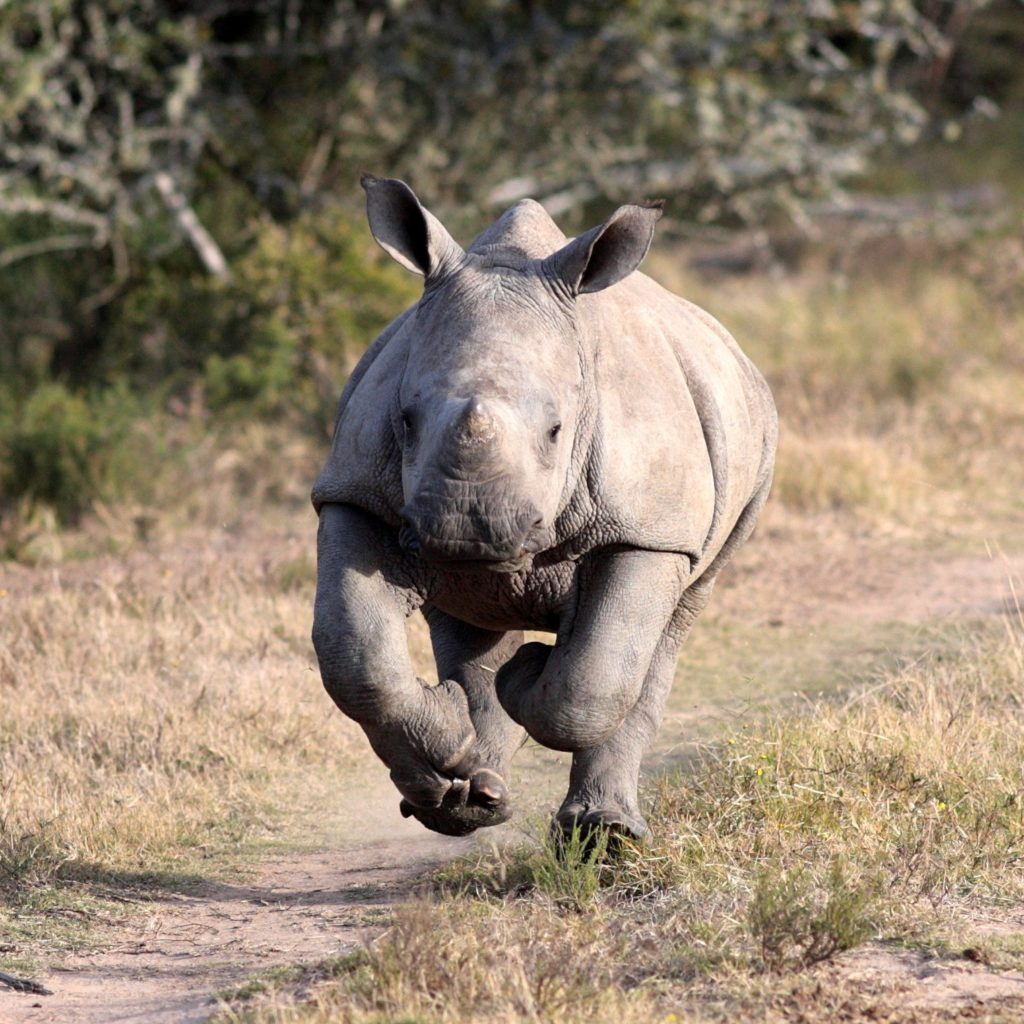
ashleighd@ewt.org.zaFew people are unaware of the rhino poaching crisis which persists in South Africa. 7,900 rhinos have been poached in South Africa since 2008 for their horns. These horns are then smuggled out of South Africa to demand countries, primarily in Asia. In an effort to combat the illegal trade and smuggling of rhino horn, the EWT will be partnering with the Department of Environment, Forestry and Fisheries to enhance detection capabilities at ports of entry and exit through the use of highly trained canines. These canines will screen cargo and luggage for wildlife products like rhino horn.
The EWT has been actively involved in addressing the scourge of rhino poaching since 2010, and this partnership is the latest of these efforts. Others include:
Patrol optimisation
Observations made by patrol teams are pivotal for monitoring poaching trends and identifying patterns. With proper analysis, these data provide enforcement decision makers with invaluable information for patrol deployments or reallocation of other resources. We have undertaken projects to enhance capacity to prevent wildlife crimes within private and state-owned protected areas through the collection of data (using CMore or other relevant platforms) and analysis of the same, thereby generating valuable information and facilitating more intelligence-driven investigations. Further, these projects facilitate the creation of predictive models that will enable law enforcement to take a proactive approach towards targeting illicit networks.
Prevention and detection
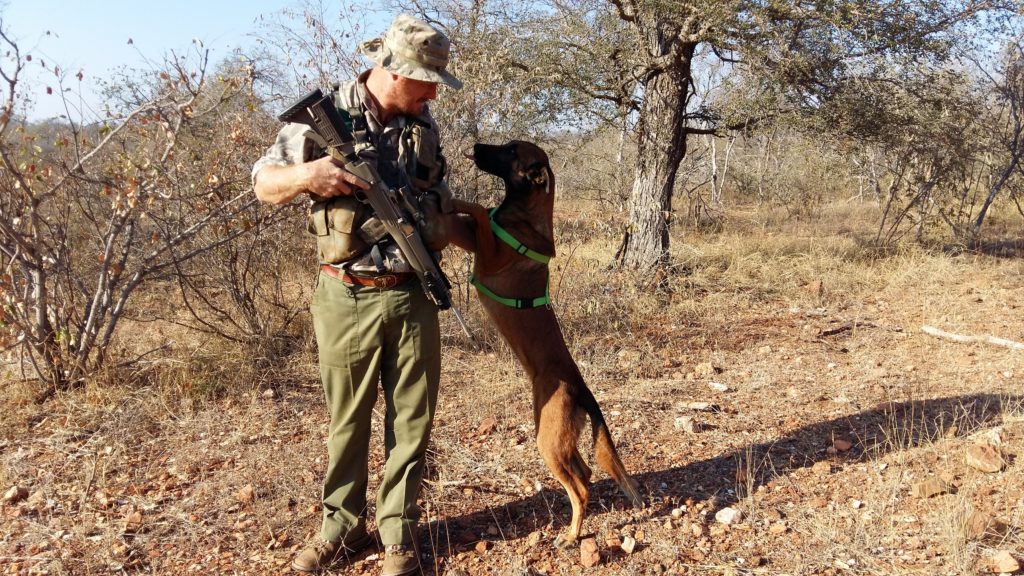
Our Conservation Canine Project continues to grow from strength to strength. Conservation Canines play a vital role in the protection of South Africa’ s wildlife and offer critical support to anti-poaching efforts. The Conservation Canine Project provides three different types of service to combat wildlife crimes involving rhino including poaching and smuggling:
- Tracking Conservation Canines: these Conservation Canines are trained to follow humans through the bush. These dogs follow tracks when breaches in the reserve boundaries have been noticed or to track poachers from poaching scenes to apprehend them. Our trackers include EWT Conservation Canines Annie, Blacky Grizzly, Puk and Basil.
- Detection Conservation Canines: these Conservation Canines are trained to detect and indicate various wildlife contraband such as rhino horn and elephant ivory as well as ammunition. The dogs are used at reserve gates to search vehicles and people, to search luggage and crime scenes. Our detection canines include EWT Conservation Canines Condor, Fury, Hitsch, Heddie, Vito, Bullet, Spike and Fly.
- Conservation Patrol Dogs: The Conservation Patrol Dogs are used to support anti-poaching units such as the Black Mambas with visible policing and as a first alert system to dangerous game in the area. EWT Conservation Canine Alice is currently our only conservation patrol dog.
We have worked closely with law enforcement agencies over many years to build capacity to combat wildlife crimes, including the poaching of rhino and the smuggling of their horns. We also have undertaken dedicated awareness raising with prosecutors from the National Prosecuting Authority as to the seriousness of rhino related crimes.
We are also commencing with a new project, utilising restorative justice approaches. Restorative justice is a holistic approach to justice that aims to involve the parties to a dispute and others affected by the harm (such as the victim, the offender and the community) in collectively identifying harms, needs and obligations through accepting responsibilities, making restitution and taking measures to prevent a recurrence of the incident and promoting reconciliation. Restorative justice is a well-established approach to justice that can and will have very meaningful impacts on rhino related crimes in South Africa. It will promote enhanced community engagement, provide an opportunity to the victim to be properly heard and will contribute to a change in mind-set and reduce recidivism on the part of the offender. The Restorative Justice Pilot Project will facilitate the application of restorative justice processes to inter alia rhino related crimes in key sites in South Africa.
Governance.
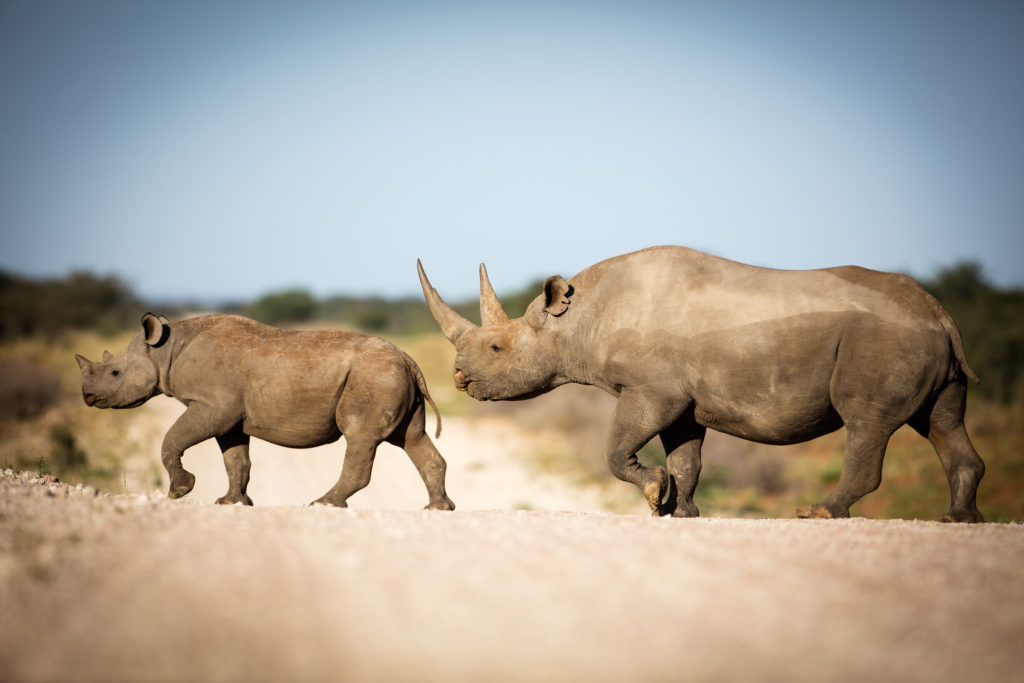
We participated in both the Commission of Inquiry to potentially legalise the trade in rhino horn and the 2016 Rhino Lab. We are also commencing a rhino horn trade analysis project. Continuous analysis of trade trends of rhino horn is vital to ensure compliance with the legal framework. Through improved monitoring of legal domestic trade, illegal trade (both domestic and international) and historic trade in rhino horn, we will be able to ensure that key threats to rhino from trade – both current and emerging –are fully unpacked and reported, thereby facilitating informed decision making and proper accountability.
This work is made possible by US Fish and Wildlife Service, Tourvest, Hans Hoheisen Charitable Trust, Greef Properties, Relate Trust, MyPlanetRhino, Platinum Life, and Royal Canin.
