Help protect Africa's 

Reptile Awareness Day

Reptile Awareness Day

Reptile Awareness Day Shines Spotlight on Western Cape’s Scaled Biodiversity

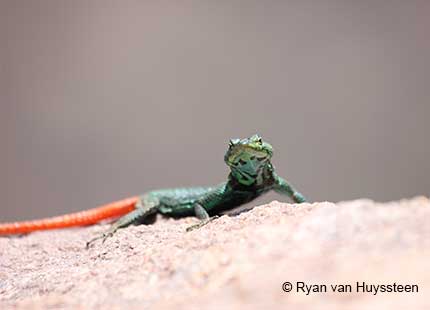
This Reptile Awareness Day, we celebrate the remarkable diversity found at Lettas Kraal Private Nature Reserve in the Anysberg region. The Western Cape boasts 155 reptile species, with 22 found nowhere else on Earth. Situated in the transitional zone between mountain fynbos and Klein Karoo veld, Lettas Kraal’s 7,000 hectares provide critical habitat for 54 reptile species – 31 of which were recorded during a 2020 survey by EWT’s Drylands Conservation Programme.

Notable Species at Lettas Kraal

The reserve protects both common and threatened reptiles including:

  • Endangered Karoo Dwarf Tortoise (Chersobius boulengeri) – IUCN Red Listed
  • Karoo Sand Snake (Psammophis notostictus)
  • Western Sandveld Lizard (Nucras tessellata)
  • Bibron’s Thick-Toed Gecko (Chondrodactylus bibronii)
  • Karoo Dwarf Chameleon (Bradypodion gutturale)

Reptile Awareness Day Initiatives

Our educational event for Anysberg landowners and farmworkers covered:

Identification of local reptile families

  • Venomous snake awareness and bite first aid
  • Myth-busting about snake behaviour
  • Dangerous arachnid recognition (spiders/scorpions)
  • Hands-on encounters with common species

Why This Matters

As former EWT Field Officer Jean-Pierre Le Roux notes, Lettas Kraal’s size makes it invaluable for reptile conservation. The reserve:

  • Protects vulnerable endemic species
  • Provides corridors between habitats
  • Offers research opportunities
  • Educates local communities

This Reptile Awareness Day, we encourage everyone to appreciate these often-misunderstood creatures that play vital roles in our ecosystems.

Learn more:
Lettas Kraal Nature Reserve
EWT Drylands Programme
Herpetological Surveys Limpopo Province

Herpetological Surveys Limpopo Province

Herpetological Surveys Limpopo Province: The Quest for ‘Extinct’ Reptiles

Recent herpetological surveys Limpopo Province conducted by the Endangered Wildlife Trust’s Conservation Science Unit have shed new light on the Woodbush region’s remarkable reptile and amphibian diversity. While the team’s primary goal – rediscovering the officially extinct Eastwood’s Long-tailed Seps (Tetradactylus eastwoodae) – remains unfulfilled, the expedition yielded significant findings that reshape our understanding of this ecological hotspot.

Expedition Highlights

  1. 50 species recorded (10 amphibians, 40 reptiles)
  2. Valuable DNA samples collected for 7 taxonomically uncertain species
  3. 208 new distribution records for the region
  4. Key species documented:
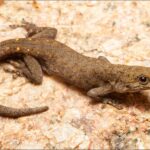
  • Vulnerable Methuen’s Dwarf Gecko (Lygodactylus methueni)

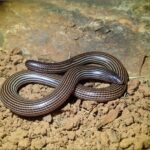
  • Near Threatened Woodbush Legless Skink (Acontias rieppeli)

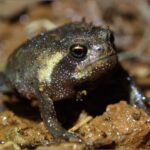
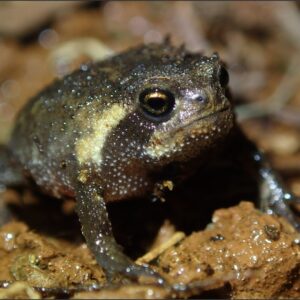
  • Northern Forest Rain Frog

Innovative Survey Methods

The team employed specialised trapping systems featuring:

  • Drift fencing (30m per trap)
  • Pitfall traps (5 per array)
  • Funnel traps (6 per array)
  • Daily monitoring following strict ethical protocols

“While we didn’t find our ‘Holy Grail’,” notes Dr Oliver Cowan, “we’ve significantly advanced knowledge of this understudied region and identified critical conservation priorities.”

Herpetological Surveys Limpopo Province: Conservation Implications

The surveys revealed:

  1. New population data for threatened species

  2. Potential cryptic species awaiting genetic confirmation

  3. Habitat requirements for endemic herpetofauna

Supported by Rand Merchant Bank Foundation, this work underscores the importance of continued herpetological surveys to protect its unique biodiversity.

Herpetological Surveys Limpopo Province

Snake

Herpetological Surveys Limpopo Province

Herpetological Surveys Limpopo Province