Help protect Africa's 

Hearing from our interns

Hearing from our interns

In the Field

Hearing from our interns


Karen Chiro was a Conservation Intern with the Endangered Wildlife Trust (EWT), having recently completed her MSc in Conservation Biology at the University of Cape Town.

As an avid conservationist, I have always admired the Endangered Wildlife Trust through its work on social media, so becoming part of the organisation was a dream come true.

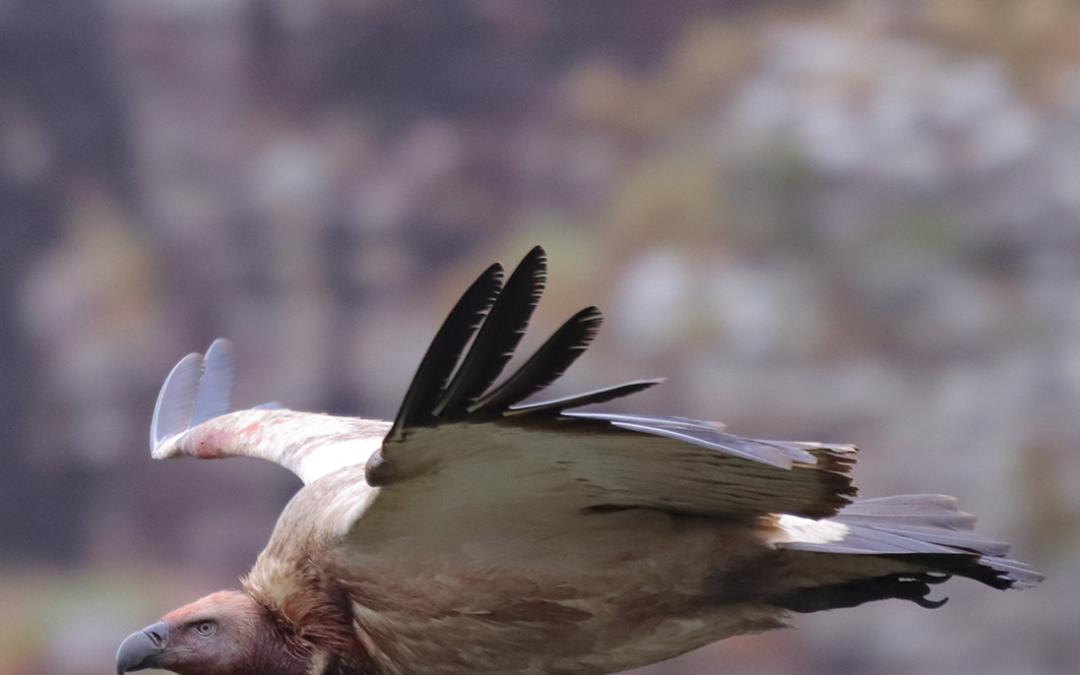
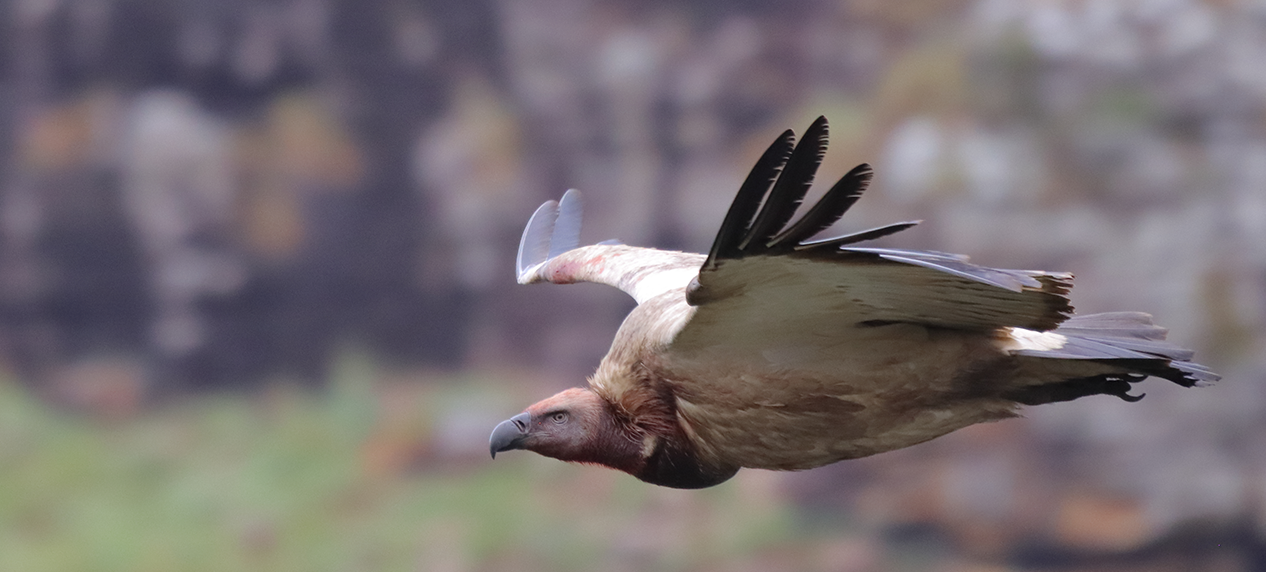
During my internship with EWT’s Birds of Prey Unit, I developed a deep appreciation for vultures and the vital role they play in our ecosystems. I was involved in several activities, including vulture nest checks and monitoring. When I started my internship, I could identify vultures, but I had never really paid attention to their breeding ecology, where they nest, or the factors that influence their populations.

Taking part in nest checks gave me the opportunity to determine whether nests that had previously been detected and recorded were active during the current breeding season. I also gained a greater appreciation for the differences between White-backed and Hooded Vulture nests, particularly in terms of their size and location.

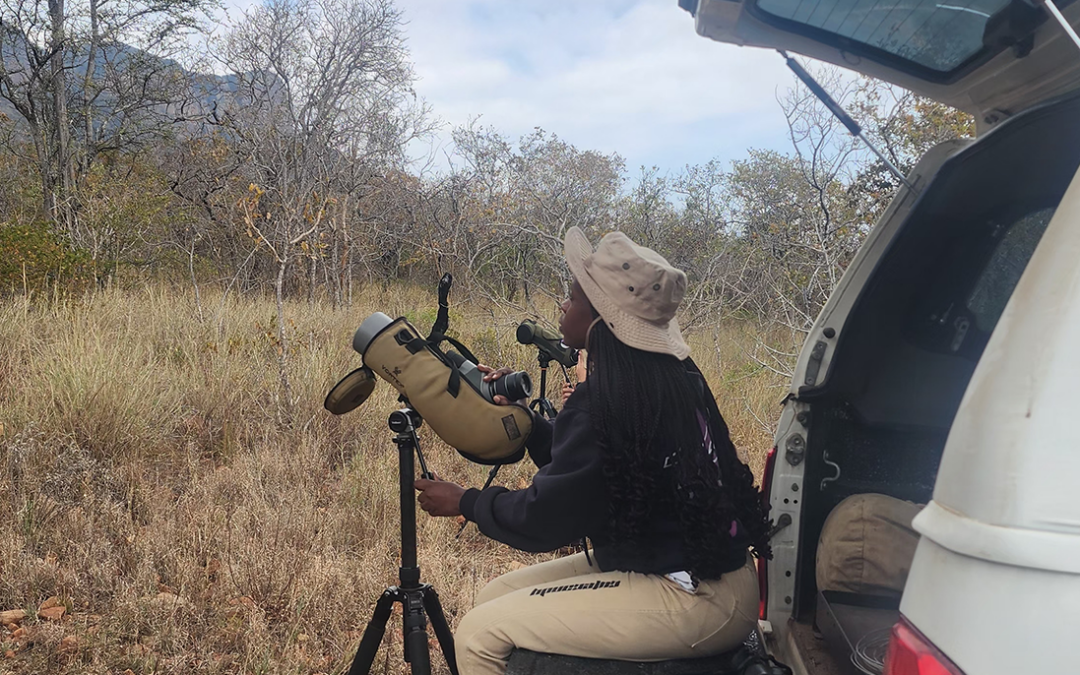
I also joined the Cape Vulture nest monitoring team, where I had the opportunity to use a telescope to observe and count nests on the cliffs. This experience helped me appreciate the scale and challenges involved in monitoring these species in the wild.

The highlight of my internship was undoubtedly vulture trapping. Having the opportunity to hold and release vultures was a truly surreal experience. Holding these magnificent birds made me realise just how large and powerful they are, while also giving me a deeper understanding of the conservation challenges contributing to their declining numbers.

I left the EWT with far more knowledge about vultures than I had when I arrived. More importantly, I left with a renewed appreciation for these remarkable birds and the work required to conserve them.

I am incredibly grateful to the EWT for welcoming me and providing such a wonderful learning experience, and to the Briandez Legacy Trust for making this internship opportunity possible.

“My technical and professional skills have been strengthened”
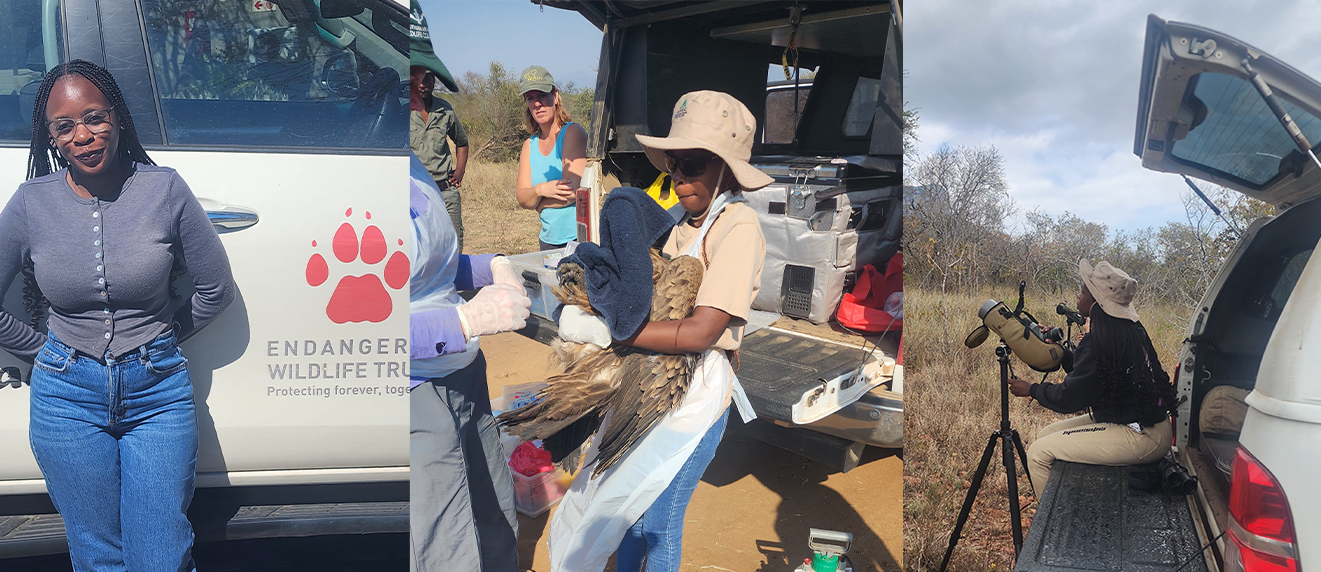
Conservation interns monitoring vulture nests with the EWT Birds of Prey Unit

Yasalde Massingue is a conservation officer for Limpilichi Wilderness, a company that has established a long-term management partnership of the protected areas in Niassa, northern Mozambique.  He recently spent time with the EWT’s Birds of Prey Unit to enhance his skills.

My time with the EWT team in Hoedspruit provided me with an important opportunity to strengthen my technical and professional skills in wildlife monitoring, with a particular focus on vulture conservation. Vultures play an essential role in ecosystem health by removing carcasses and helping to reduce the risk of disease transmission.

During my time in South Africa, I developed skills in identifying and monitoring nests of different raptor species. The work included observing nest structure, their location within tree canopies, preferred tree species for nesting, and the precautions required to minimise disturbance while collecting field data.

We monitored more than 300 raptor nests during field expeditions. I also took part on the patrols aimed at identifying potential snaring areas, checking feeding events, and investigating sites at risk of poisoning, which is one of the main threats facing vultures and other carnivores.

One of the most significant outcomes of my experience was participating in fitting tracking collars to 22 vultures from four species, as well as assembling 29 rings. This work provided me with practical experience in taking biometric measurements, including the foot, head, beak, wing and tail; determining the age of individual birds; and assessing their reproductive condition. The data collected will contribute to a better understanding of vulture movements, behaviour and conservation needs.

The programme  also included the release of 15 vultures that had been rehabilitated following a poisoning incident. More than 250 children from Hoedspruit attended the release, creating an important opportunity for environmental education and encouraging a new generation to value and protect these birds.

During my participation in a training course on vulture poisoning and rapid response, which was attended by conservation managers, veterinarians, researchers and wildlife-crime professionals, I learned about the importance of cooperation among sectors in responding effectively to threats to biodiversity.

The knowledge and experience I gained will be valuable for implementing a biodiversity conservation and monitoring program in Chipanje Chetu, the community where I work in the Limpilichi Wilderness area in Niassa, Mozambique.   There, our goal is to help establish the area as a model for wildlife conservation, scientific research, environmental monitoring and community engagement.
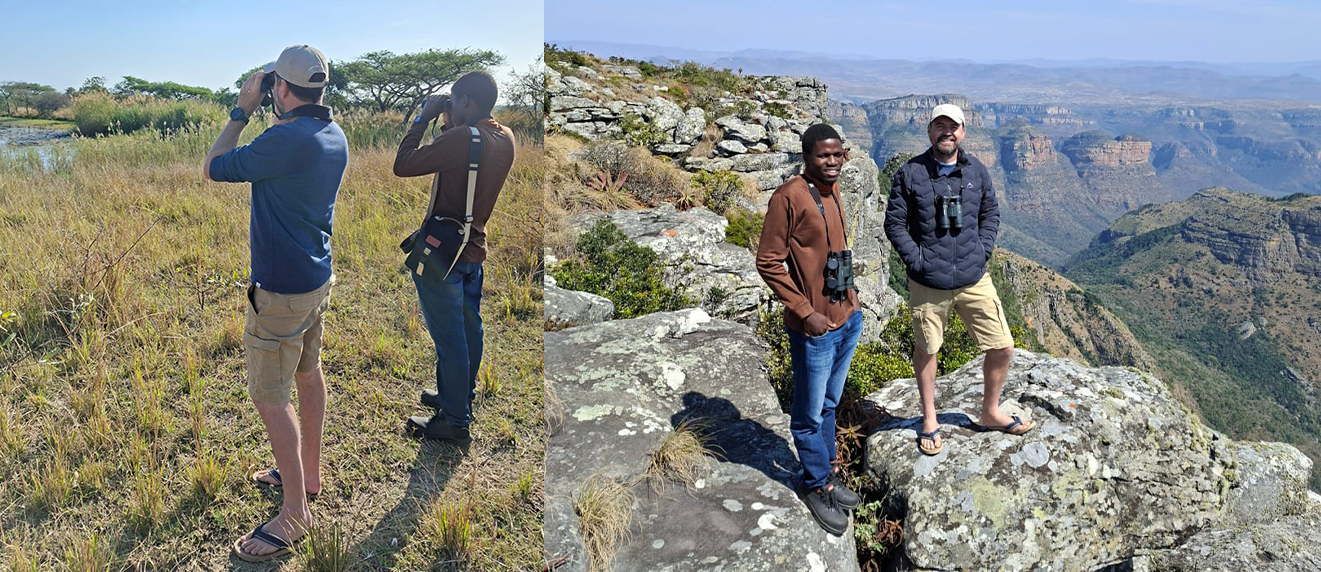
Young conservationists gaining practical experience in vulture conservation and wildlife monitoring

Birds in Decline: Comparing Road Surveys and Citizen Science Data in South Africa

Birds in Decline: Comparing Road Surveys and Citizen Science Data in South Africa

Birds in Decline: Comparing Road Surveys and Citizen Science Data in South Africa

By: Erin Adams and Lizanne Roxburgh, Conservation Planning and Science Unit


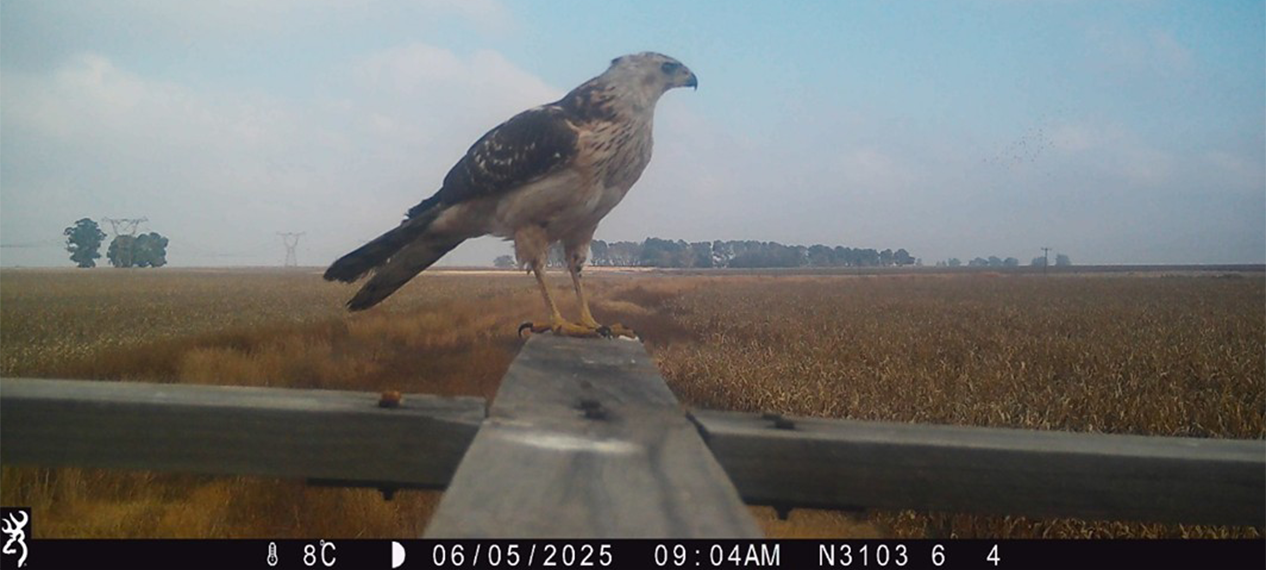
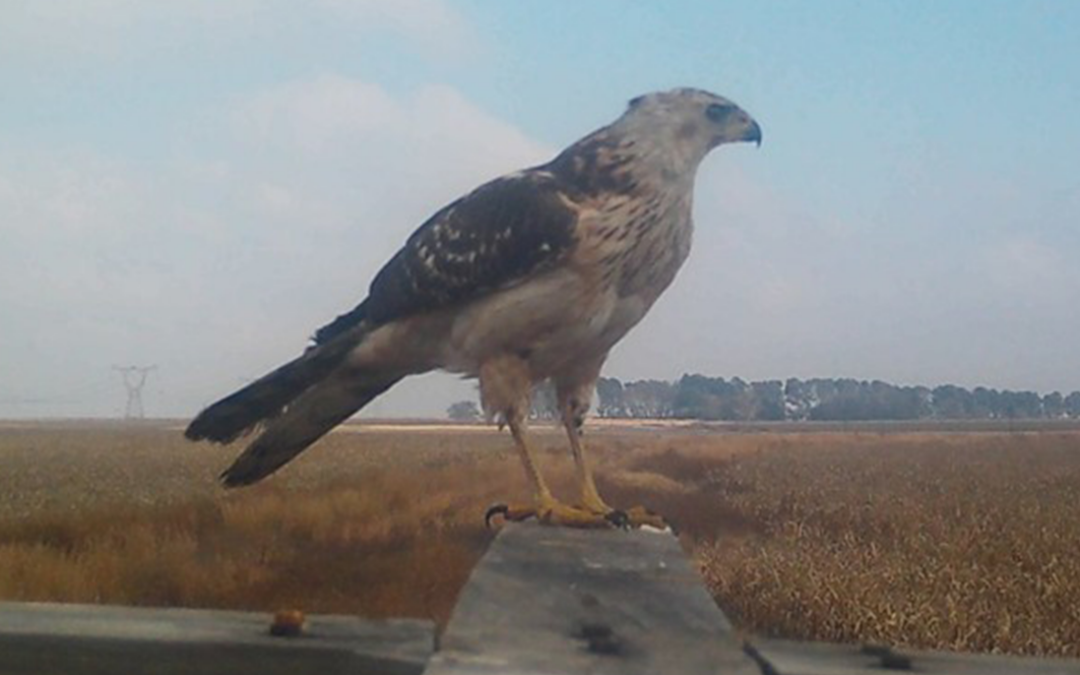
Researchers conducting roadside bird surveys to monitor raptor populations in South Africa.

Monitoring animal populations is a crucial part of conservation, but it can be very expensive and time-consuming. As a result, researchers are increasingly turning to citizen science platforms, which provide valuable data, especially in areas where information is limited.

While well-established citizen science programmes exist in the Global North, many biodiversity-rich regions in the Global South remain underrepresented. South Africa, for example, has some of the highest levels of bird species richness in the world, but it is also experiencing significant declines in bird populations.

To help address this gap, the Southern African Bird Atlas Project 2 (SABAP2) was launched in 2007 and has been running ever since. SABAP2 uses a checklist approach, where participants record whether species are present or absent during surveys. This makes it useful for tracking changes in where species occur. In addition, repeated surveys over time allow researchers to estimate changes in how often species are reported, which can provide insights into their abundance. However, checklist-based data may not always be reliable for measuring changes in population size across large areas or for multiple species. To investigate this further, a recent study co-authored by EWT scientists* tested how accurate this type of citizen science data really is.

The researchers examined population trends for 26 bird species in South Africa, including 18 raptors and eight large terrestrial bird species. They conducted road counts along 752 transects, covering nearly 400,000 km across different biomes (Nama-Karoo, Savanna, and Grassland) in central South Africa between 2009 and 2025. The average transect was 521 km long, with some as short as 80 km and others up to 2,300 km.

During these surveys, one of the researchers drove at 80 km/h on unpaved roads and 120 km/h on paved roads. All raptors and large terrestrial bird species seen (whether flying or perched) were counted along each transect. Birds were identified visually, or, when necessary, by stopping to use binoculars. A GPS device was used to record the exact location of each sighting, along with the number of individuals observed. The data collected from these road counts were then compared with SABAP2 data for 24 of the 26 species, focusing on the same area and time period.

The researchers found that the road count data showed that half of the species (13 out of 26) declined significantly over the study period, while only three species (12%) showed significant increases. The remaining ten species (38%) showed no clear trend.

In contrast, the SABAP2 data suggested a very different picture. Only 3 out of 24 species (13%) showed significant declines, while 11 species (46%) appeared to be increasing. The remaining ten species again showed no clear trend.

When the researchers compared whether trends were increasing or decreasing (regardless of whether they were statistically significant), they found that the two methods agreed only about half the time. In most cases where the results differed, road counts showed declines, while SABAP2 suggested increases.

These findings indicate that many raptors and large terrestrial bird species in South Africa have been declining at worrying rates over the past 16 years, with only a few species showing increases. The exact causes of these declines are not fully understood, but elsewhere in Africa they have been linked to pressures associated with growing human populations, such as expanding agriculture and poaching.

Importantly, this study shows that a checklist-based citizen science programme like SABAP2 may fail to detect population declines in around half of cases. Despite this limitation, SABAP2 and similar atlas projects across Africa remain some of the best tools currently available for monitoring biodiversity.

With some improvements in how the data are collected or analysed, these programmes could become even more accurate and valuable for conservation.

* Zuluaga, S., Murgatroyd, M., Visagie, R., Tate, G., & Amar, A. (2026). Road counts expose widespread declines in South African raptors underestimated by atlas data. Biological Conservation, 111764. https://doi.org/10.1016/j.biocon.2026.111764

Signals from the Skies: What Injured Raptors Tell Us About Our Changing World

Signals from the Skies: What Injured Raptors Tell Us About Our Changing World

Science snippet

Signals from the Skies: What Injured Raptors Tell Us About Our Changing World

By Erin Adams and Lizanne Roxburgh, conservation planning science unit


raptor conservation threats urban expansion

As cities and infrastructure continue to expand, wildlife is increasingly affected by human activities. These impacts can be direct, such as deliberate persecution, or indirect, through the growth of energy networks and transport systems that leads to accidental mortalities on infrastructure. Understanding how and why animals are injured or killed is an essential step in improving conservation efforts.

One group particularly affected by human expansion is raptors. Raptors consist of birds of prey such as hawks, eagles, kites, harriers, vultures, falcons, and owls. Raptors play an important role in ecosystems because their presence reflects environmental health, and many species also provide valuable services, such as removing carcasses through scavenging. In a recent publication co-authored by EWT scientists*, researchers examined data from wildlife rehabilitation centres around the world to better understand the most common causes of raptor injury and death.

The researchers analysed just under 150,000 wildlife rehabilitation admissions recorded globally between 1989 and 2023. These records included 148 raptor species from multiple continents. For each admission, information was collected on the rehabilitation centre, species, age of the animal (adult, non-adult, or unknown), country and continent, and the year of admission.

Each admission was also classified by injury type (human-related, natural, or unknown) and by the specific cause of injury, where possible. Human-related causes included factors such as habitat destruction, poisoning, vehicle collisions, or contact with infrastructure. Natural causes included events like severe weather, disease, or falls from nests. The final outcome, or fate, of each bird was also recorded, including whether it was released back into the wild, died or was euthanised, remained in permanent care, or had an unknown outcome.

The scientists found that owls made up the largest proportion of admissions, accounting for just over 34% of all records, followed by falcons (24%) and Buteo hawks (22%). This pattern may reflect the ability of these groups to live in or near urban environments.

Overall, 41% of admissions were listed as having an unknown cause, while 39% were linked to human activities and 20% to natural causes. Among the human-related cases, the most frequent causes were unspecified trauma, vehicle collisions, and injuries related to electrical infrastructure or gas flaring.

In terms of outcomes, approximately 57% of admitted raptors died or were euthanised. Around 44% were successfully rehabilitated and released back into the wild, while just under 2% remained in permanent care.

This study highlights how vulnerable raptors are to the pressures associated with urban expansion. The high proportion of cases that do not result in release underscores the seriousness of these threats. As human development continues to grow, it is increasingly important to implement effective conservation strategies that reduce risks to raptors and promote safer shared landscapes for both people and wildlife.

* Panter, C. T., Bullock, H. E., Brown, M., Mori, D., & Thompson, L. J. (2026). Taking the pulse of the world’s raptors—A systematic quantitative review of wildlife rehabilitation centre admissions. Biological Conservation, 316, 111746. https://doi.org/10.1016/j.biocon.2026.111746