Cycads: Prehistoric plants in peril
CYCADS: PROTECTING PREHISTORIC PLANTS IN PERIL
Dr Kerushka Pillay, the EWT’ s Wildlife in Trade Programme
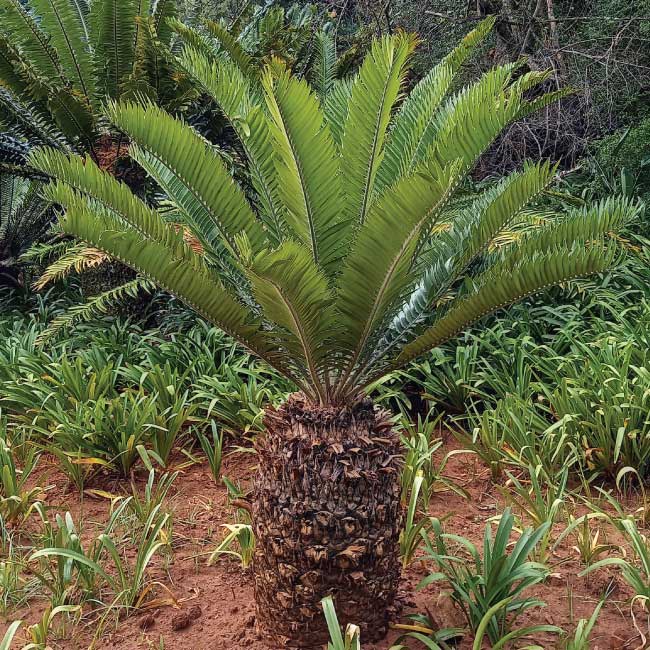
Cycads are ancient seed plants (or gymnosperms) that date back to the Jurassic period. The illegal harvesting of wild plants and habitat destruction severely threaten these prehistoric plants. Worryingly, many cycads are Critically Endangered, and others are extinct in the wild, meaning none are left within their natural range. They only occur when planted in controlled environments like botanical and private gardens. Efforts are underway to protect and conserve these plants, and a significant component of this work focuses on reducing the illegal trade in wild cycads.
Cycads are considered long-lived and slow growing, and these traits make them vulnerable to the impacts of poaching, as adults are not quickly replaced. Cycads are characterised by being dioecious, meaning that different individual plants either have male or female reproductive parts (conspicuous large cones). Cycads are also considered prehistoric because they lack some advanced features modern plants possess, such as flowers and fruits. Cycads reproduce sexually, where a male cone produces pollen, leading to the pollination of fertile seeds produced by female cones. Cycads can also reproduce asexually without pollination by forming “suckers” on the “mother” plant. Cycads display characteristics that resemble palms, with a stout and woody trunk and a crown of large, hard, stiff, evergreen, and usually pinnate leaves. If you are unsure whether you are looking at a cycad or a different plant, here is a poster that will help you identify cycads.
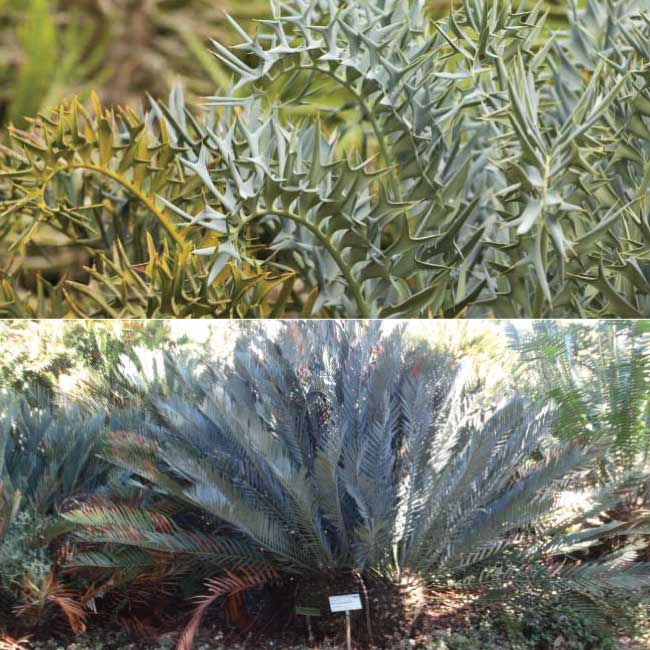
South Africa is a hotspot for cycad diversity with 38 indigenous species (37 species of Encephalartos and one species of Stangeria), which account for over 10% of the world’ s cycads. Encephalartos species, each with distinct characteristics and unique appearances, are often used in landscaping and gardening. Many of these species are endemic to South Africa and play a crucial role in our ecosystems, providing habitat and food for various animals, including insects, birds, and mammals. Moreover, cycads hold cultural and historical value in South Africa, with some species used by indigenous communities for medicinal and spiritual purposes. In some South African cultures, the cycad is also considered a symbol of longevity and strength. One of the most well-known species is Encephalartos lehmannii, known for its large size and striking blue-green colour. Another species, Encephalartos natalensis, is found in the coastal regions of South Africa and is known for its ability to grow in sandy soils. Encephalartos horridus is found in the Eastern Cape and is known for its sharp, spiky leaves. These plants are a unique part of South Africa’ s natural heritage, popular among collectors and enthusiasts. Overall, Encephalartos cycads are fascinating plants for anyone interested in botany or gardening.
-
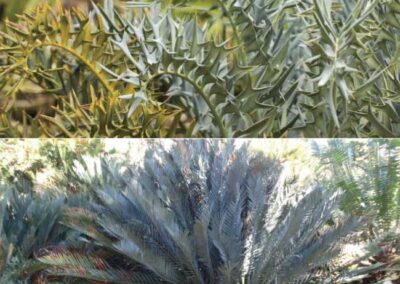
Encephalartos horridus (top) and Encephalartos lehmannii (bottom)
-
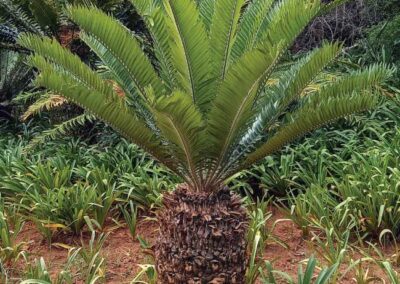
Encephalartos natalensis
Sadly, many cycad species are threatened in South Africa, especially the Encephalartos group, with four being classified as extinct in the wild due to poaching. One such species, Heenan’ s Cycad (Encephalartos heenanii), previously listed as Critically Endangered, was reassessed as extinct in the wild in 2022 due to “persistent pressure from plant collectors”. Criminal syndicates run a highly profitable trade, connecting impoverished and desperate poachers to wealthy private collectors who value cycads as collectables. It seems the rarer the cycad, the more sought after it is.
Because of their rarity and dwindling populations, the legal sale of Encephalartos cycads is regulated nationally and internationally. In South Africa, cycad permits are regulated under the National Environmental Management: Biodiversity Act (NEMBA). Each province also has conservation laws to further protect and regulate the cycad trade. However, there are legal methods of obtaining and keeping artificially propagated cycads. If you own an indigenous cycad or plan to purchase one, you must obtain a permit. You may not need a permit for exotic cycads, but it’ s always best to make sure. To find out the requirements for your area, or if you have any other queries, please visit the EWT’ s cycad page or contact the Endangered Wildlife Trust’ s Wildlife in Trade Programme at witinfo@ewt.org.za. It is crucial to ensure compliance with these regulations to avoid penalties and help to conserve these prehistoric plants in peril.
Thank you to US Fish and Wildlife Services for supporting this project.