Help protect Africa's 

Tales from the Field: Clothes to Good

Tales from the Field: Clothes to Good

Clothes to Good

Dr Jennifer Botha, the EWT’ s People In Conservation
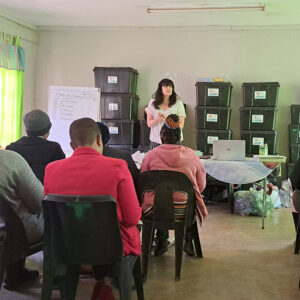
Through this project, educators from ten creches and a facility catering for vulnerable children will have the opportunity to promote Early Childhood Development through a series of fun, interactive activities.
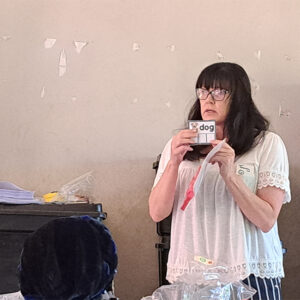
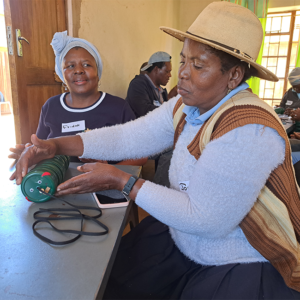
Tammy Greyling from ClothesToGood demonstrates a game to promote literacy.
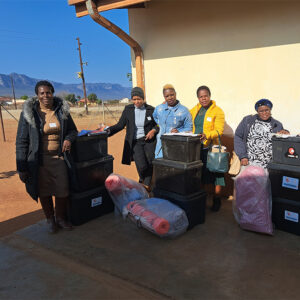
Each group received an Early Childhood Development kit consisting of over 50 activities to stimulate Early Childhood Development

  • Did you know it takes 2,700 litres of water to produce a single cotton tee-shirt?[i]And that the fast fashion most of us depend on is one of the highest polluting industries globally, contributing 2 – 8% (about 1,2 billion tons) of greenhouse gases annually – higher than international flight and maritime shipping emissions combined[ii].

    In addition to the widespread loss of biodiversity and habitats during production of raw materials, the industry:

    • Produces about 20% of the world’ s wastewater[iii],
    • And 24% of insecticides and 11% of pesticides globally[iv],
    • Is a major contributor to plastic pollution in oceans[v]

    At the same time, the average number of times clothes are worn before being thrown away has fallen by 36% over the past 15 years in the United States, China, and other more affluent countries – and only 13% of these largely under-utilised clothes are recycled globally. It has been estimated that 21 billion tonnes of textiles are sent to landfill each year, the bulk of which are under-utilised [vi].

    The fast fashion industry is booming and set to treble in size by 2050. Clearly, we need to rethink the largely “take – make – and waste” linear business model that is currently typical of this and many other industries.

    What are we doing?

    As part of its 50th celebration, the Endangered Wildlife Trust is implementing a series of innovative projects to reduce human impacts on biodiversity and habitats, whilst benefitting people.

    In our most recent endeavour, we teamed up with Clothes to Good to support the circular economy of the fashion industry while contributing to the well-being and development of people with disabilities and young children in Kutama, Limpopo Province. The EWT works extensively with people from Kutama as they live adjacent to the Medike Mountain Reserve, one of our flagship projects in the Western Soutpansberg.

    Through this integrated project, we aim to empower the Muthu Ndi Nyi Centre for people with disabilities by creating an opportunity for staff and parents to raise funds for the centre through the sale of high-quality second-hand clothing. The project also includes a health and well-being component through the provision of training and occupational health support to children and young people with disabilities from the centre and ECD training for ten creches and a facility that provides after-school care for vulnerable children.

    Jesse Naidoo provided business training to enable staff and parents from Muthu Ndi Nnyi to maximise the financial and social returns through the sale of clothes. In addition, Tammy Greyling, an occupational therapist from ClothesToGood met with staff and parents to work with each of them to draw up a personal development plan for each of nine children and young adults who have disabilities to improve the quality of their lives and stimulate their personal development through improved communication, physical exercise, and specific activities tailored to each of their needs and abilities.

Early childhood development

The first three years are one of the most important developmental periods of a child’ s life. In South Africa, there are still wide disparities in the quality of pre-school education provided to young children across socio-economic classes, exacerbating the learning difficulties that children face when they reach school going age.

As part of this project, we held a two-day workshop for over 30 participants from Muthu Ndi Nnyi, ten local creches, and a centre providing after-school care for vulnerable children. On the first day, Tammy Greyling, ClothesToGood’ s occupational therapist, introduced an ECD kit comprising over 50 activities designed to stimulate fine and gross motor skills, perceptual skills, numeracy, and literacy. Each creche and centre received one of these demonstration kits and a training manual which will enable them to reproduce the activities for the 100 – 150 children in each of their care.

On the second day, we held a toy-making workshop to demonstrate making educational toys from recycled materials such as plastic bottle caps, cardboard, old bottles and other containers, old clothes, and other materials. The nursery schools were urged to ‘play-it-forward’ by inviting parents to toy making workshops and ensuring that their colleagues also receive training in the activity kits and toy making.

What can you do?

  • Choose fashion items that will last and ensure that good quality clothes are not thrown away.
  • Care for your clothes so that they last longer.
  • Support fashion brands that are reducing their environmental and social impacts.

For example, Patagonia recently took an almost unprecedented step by committing to channel all its excess profits into a trust dedicated to the protection of the environment and support for communities[vii].

In addition, 200 brands have signed the Fashion Pact, which commits to restoring biodiversity loss, reducing global emissions, and safeguarding oceans[viii].

  • Drop off clothes you no longer wear at H&M, who are supporting ClothesToGood collect clothes to support the above project as well as numerous others.

This project is an exciting start to a creative recycling and environmental awareness initiative in Kutama but also has the potential to contribute to substantially reducing textile waste over time. In addition, people from Kutama will benefit through access to high quality, affordable clothing as well as innovative and affordable ECD strategies that build the capacity of teachers while preparing young children for school.


Making a snake puppet from old bottle lids.
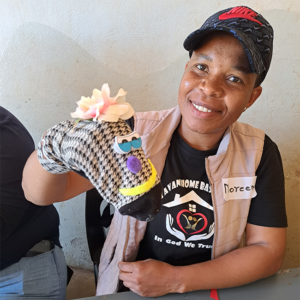
Hand glove puppets easily made from old socks can bring the magic into story telling.
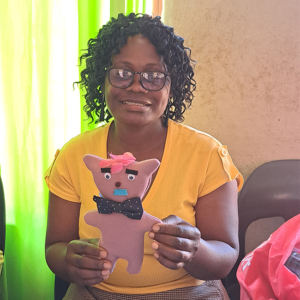
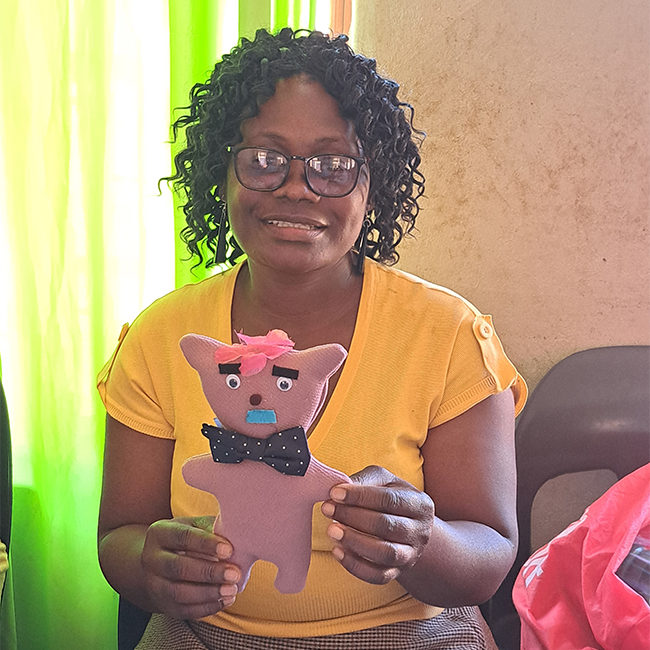
Teddy bears are expensive if you buy them but can be easily made from old fabric and fillers.
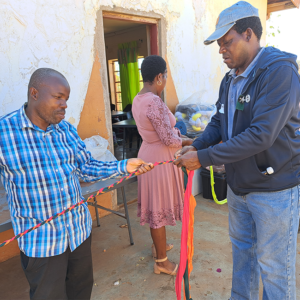
Few of the creches had skipping ropes – each group made a demonstration rope from fabric that they will be able to replicate for the children in the care and demonstrate to the parents of the school.
Period Poverty is real. Period equity should be too

Period Poverty is real. Period equity should be too

Period Poverty is real. Period equity should be too

Dr Jenny Botha, the EWT’s People in Conservation Programme Manager


Despite the progress made in making menstrual products available to school-going girls, approximately seven million girls in South Africa still suffer from what has been coined “period poverty”, as they don’ t have access to enough menstrual products each month, according to Candice Chirwa, a prominent South African gender advisor.

Sanitary pads are expensive and can be difficult to access, particularly in remote rural areas. Under these circumstances, girls often have to make do with pads made from material or cloth, tissues or toilet paper, and other materials, many of which are not hygienic and cause the girls embarrassment and a loss of dignity and confidence. Some girls may avoid attending school on days they have their periods, hampering their education and limiting future economic prospects¹. In addition, despite efforts by educators and the Dept of Basic Education to address this, many girls still also lack access to crucial information about their bodies and women’ s hygiene and health, including the types of menstrual products that they could potentially choose from. Ending period poverty and ensuring girls have access to the information they need is an important step towards achieving gender equity.

Palesa-Pads-Menstruation-Kit

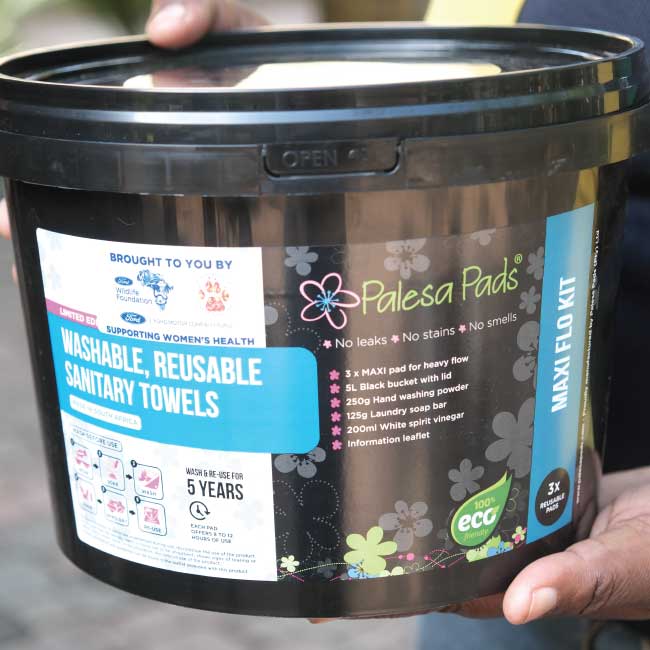
Palesa Pads Menstruation Kit containing three reusable sanitary pads, a bucket, washing powder, and other cleaning materials

In May 2023, the Endangered Wildlife Trust (EWT) held awareness sessions on women’ s health together with educators from two secondary schools in Kutama, Limpopo Province and, through the generous support of the Ford Motor Company Fund and the Ford Wildlife Fund, provided 635 girls with sanitary health kits. Each kit included three reusable sanitary pads, a bucket, washing powder, and other cleaning materials. In addition, thanks to generous sponsors like EMLife and Palesa Pads, we gave twenty women working at the schools packs of three reusable sanitary pads each.

Apart from the emotional and psychological difficulties experienced by girls unable to cope with their periods, the environmental impacts of single-use sanitary products are high. In the United Kingdom, an estimated 3.3 billion single-use sanitary products (pads or tampons) are used each year, resulting in 28,114 tonnes of waste², most of which is disposed of in landfills, with the remainder being flushed into sewage systems, often causing blockages. Although there is a move towards more sustainable multi-use, organic products, most still contain plastic or rayon and use harsh chemicals during manufacturing.

In South Africa, girls often have difficulties disposing of single-use pads, and resource-poor schools frequently struggle with a lack of facilities, particularly in rural areas. If incinerators are provided, learners may be reluctant to use them, or they may not work, particularly during power outages. Disposing of sanitary products such as one-use pads and nappies in the environment has become a major cause for concern in under-served communities across South Africa, potentially increasing risks to human health and undermining the environment and biodiversity. Although the latter risk may appear relatively unimportant in light of the other substantial challenges facing South Africa and the world, the severity and impacts of biodiversity loss and potential ecosystem collapse are high and thankfully becoming increasingly recognised as a global threat. In the World Economic Forum’ s 2023 Global Risk Assessment, biodiversity and ecosystem loss was ranked as the fourth most severe risk facing society over the next ten years.

Specific impacts of our recent Women’ s Health project

The average woman who uses single-use sanitary products will go through between 11,000 and 17,000 sanitary pads or other disposable sanitary products in their lifetime at a cost of between R27,500 and R42,500 at current prices in South Africa. In contrast, reusable sanitary pads last 3-5 years and cost R50 each, depending on the make. The reusable sanitary pads we provided the girls in Kutama can be used up to 200 times if adequately cared for³. This means that the three pads given to each girl replace 600 single-use disposable pads that would otherwise have been disposed of in toilets, domestic waste, or the environment, equating to 471,000 single-use pads (if each of the 785 girls uses them). In addition, the girls from both schools also received two reusable pads in 2021, meaning that the majority received five pads each. In the 2021 women’ s health project, over 90% of the 71 girls who gave us feedback through an anonymous and voluntary survey reported using the pads.

In August 2023, we will be providing an additional 150 girls from a third Kutama school with reusable sanitary pads, and we are going to expand the project to different areas in South Africa, including some of the most remote and under-served communities the EWT works with through our different programmes. More exciting activities are planned for the project, so keep an eye on our platforms for more on how we hope to contribute to period equity.

Thank you to the Ford Motor Company Fund, the Ford Wildlife Foundation, EMLife, and Palesa Pads for supporting the project.

[1] Crankshaw T.L., Strauss M. and Gumede B. 2020. Menstrual health management and schooling experience amongst female learners in Gauteng, South Africa: a mixed method study. Reproductive Health 17:48 p.15.

[2] Panell A.G. Blair, Y. Bajón -fernández, R. Villa. 2022. An exploratory study of the impact and potential of menstrual hygiene management waste in the U.K. Cleaner Engineering and Technology 7: p7.

[3] https://www.iol.co.za/business-report/entrepreneurs/washable-reusable-pads-keep-thousands-of-girls-in-school-14fecafb-fdc3-4ca1-937e-d72e1fcef9d4

Following a stork named Fill

Following a stork named Fill

Following a stork named Fill


Dr Lindy Thompson and John Davies (EWT Birds of Prey Programme) and Jonah Gula (University of KwaZulu-Natal)


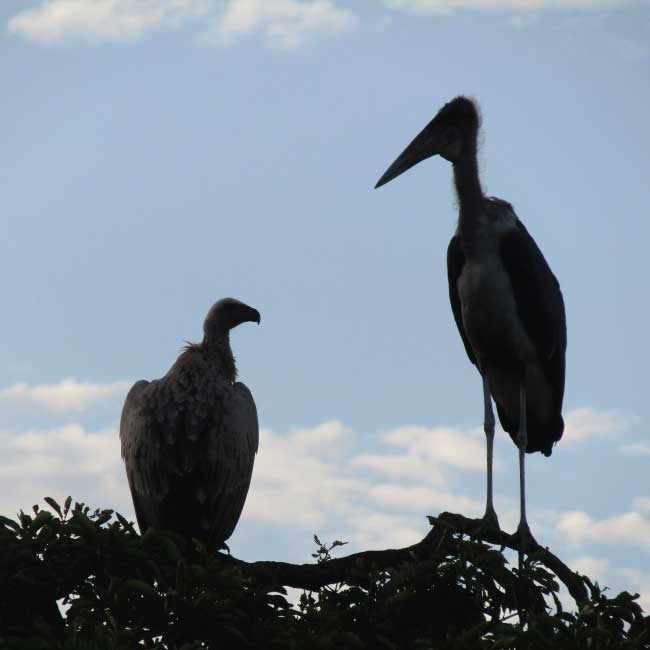
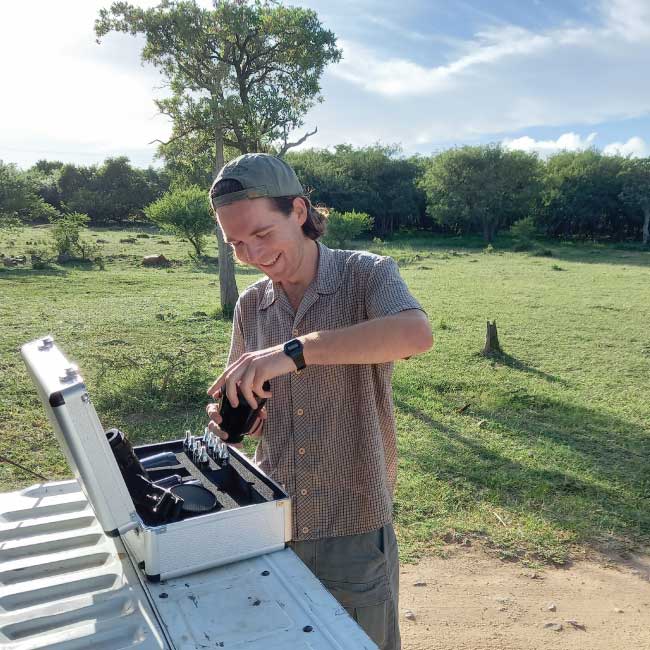
In January 2023, Lindy Thompson and John Davies (from the EWT’ s Birds of Prey Programme) joined UKZN PhD student Jonah Gula for fieldwork in the Lowveld. Jonah aimed to trap four Marabou Storks and fit them with tracking devices as part of his PhD project, but first, he needed to find a site with large numbers of Marabous. We suggested he try the vulture feeding site at Moholoholo Wildlife Rehabilitation Centre, where many Marabous congregate daily. Moholoholo kindly permitted us to work on their land. We arrived early on the first morning and set our traps, with Jonah squeezed into John’ s tiny hide and Lindy and John waiting nearby in a vehicle to assist when needed. And so, we waited. The Marabous proved to be much more wily birds than we initially gave them credit for. They were highly suspicious of our trap, approaching it cautiously, skirting it carefully, and rushing enthusiastically to the food on the other side. This happened repeatedly, and on one occasion, when it seemed like a Marabou might walk unwittingly into our trap, a family of warthogs would suddenly appear walking in the same direction. We could not risk catching a warthog piglet by mistake, so we would have to rush towards the trap to scare away the piglets and, in turn, the Marabous.

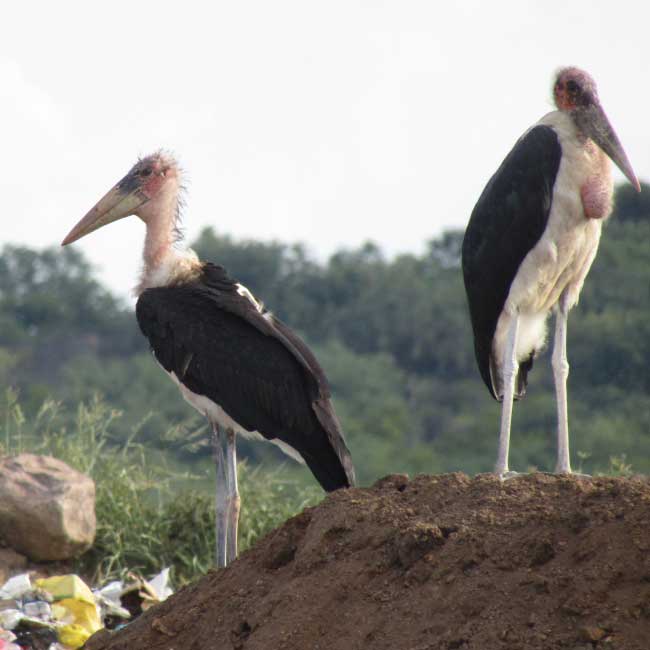
After a few unsuccessful days of trying to trap Marabous at Moholoholo, John suggested we try a different location. So we headed to Phalaborwa to check out a landfill site friends had told us about. We drove in and saw dozens of Marabous standing on the giant mounds of rubbish. The birds were slowly walking in amongst the garbage pickers, and everyone (people and birds alike) was bent over and slowly picking through pieces of trash. We felt the fact that these birds seemed much more tame might help us when trying to trap them. And so we set our trap, and again we waited at a respectful distance, sitting in the vehicle as the temperatures soared into the high thirties, waiting for some Marabous to walk towards our trap. After a few hours in the car, Jonah decided a little more encouragement was needed, and he hopped out of the bakkie and started trying to herd the Marabous towards our trap. Immediately these intelligent birds knew what he was up to, and most of the flock flew up, over the trap, and away. A few hours later, after more waiting and some more of Jonah’ s persistent herding, a few birds flew towards the trap and landed there. I drove closer to Jonah so he could hop into the vehicle, and we edged closer to the trap. After a few minutes, Jonah leapt out and ran towards the trap. After 11 hours of waiting at the landfill that day, we had caught our first Marabou!

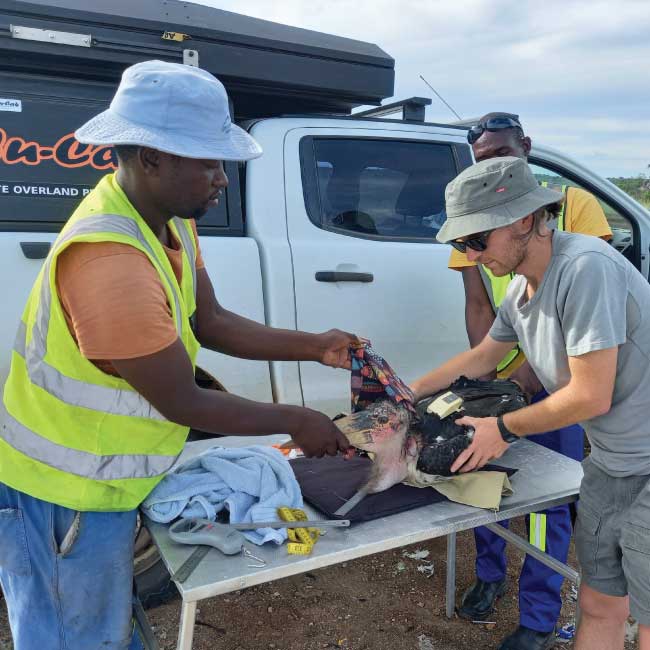
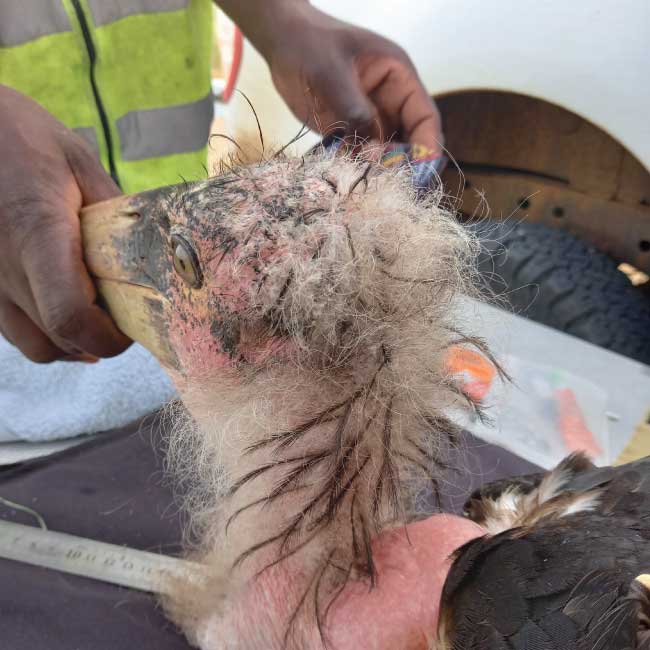
Jonah gently and firmly restrained the bird, and I asked two workers to please come and assist us as Marabous are large birds, and it takes many pairs of hands to hold them. With their help, Jonah calmly fitted the tracking device using a chest harness. A few minutes later, Jonah tucked the bird under his arm, walked a little way away from where we were working, and let the bird go. We were ecstatic to have caught our first Marabou, which Jonah named ‘Fill’ after the landfill site. We stayed at the landfill until dusk to ensure that Fill was looking comfortable and moving normally with his new tracking device, and when everything seemed fine, we finally headed off home.

Since Fill was tagged, we know he has used other waste sites, such as landfills and a slaughterhouse in Polokwane, but we hope to know more about his successes and failures rummaging in the rubbish. We look forward to following his movements and reading about Jonah’ s results in the years to come.

We are extremely grateful to the staff and management of Moholoholo Wildlife Rehabilitation Centre and Phalaborwa Landfill Site for their kind support of Jonah’ s work. We are thankful for our Ford Wildlife Foundation vehicle and Alu-Cab canopy, both essential to this fieldwork. This work was conducted with a Limpopo research permit from LEDET (permit no. ZA/LP/1156110).

Jonah has already published two papers on Marabou Storks, and you can find the details in the Reference List below. You can also find him on Twitter at @JonahGula. We wish him all the best with his studies.

Reference List:

Gula, J. and Barlow, C.R. 2022. Decline of the Marabou Stork (Leptoptilos crumenifer) in West Africa and the need for immediate conservation action. African Journal of Ecology 61:102-117. https://doi.org/10.1111/aje.13087

Gula, J., Clay Green, M., Fritts, S., Dean, W.R.J. and Gopi Sundar, K.S. 2022. Assessments of range-wide distribution of six African storks and their relationships with protected areas. Ostrich 93: 34-52. https://doi.org/10.2989/00306525.2022.2045642