A powerful partnership leading the way for conservation in Gauteng
A POWERFUL PARTNERSHIP LEADING THE WAY FOR CONSERVATION IN GAUTENG
Emily Taylor, Project Coordinator, EWT’ s People in Conservation Programme, emilyt@ewt.org.za
“Stewardship” is the careful and responsible management of something entrusted to one’ s care.
www.merriam-webster.com/dictionary/stewardship
What makes nature so enchanting and why it has us all hooked is that there is always more to learn, discover and benefit from it – we can never know enough! The range of benefits that nature provides to us is not a new discovery. A disconnect between people and the natural chains of production has been created through the rapid growth of cities and infrastructure providing electricity and running water, and the instant availability of food and other necessities. Many people are under the illusion that we do not need nature to provide anything for us in urban areas.
The growth and development of our cities, and the impacts they are having on human and environmental health, have collectively revealed the critical services that green spaces and wildlife provide for humans, even in these transformed landscapes. The towns and cities that we construct, and the preparation of land for agricultural purposes, transform natural landscapes. However, cities and agricultural activities also depend on the ecosystem services provided by natural landscapes to function effectively. It is increasingly clear that natural or semi-natural areas in and around urbanised landscapes need to be conserved, just as we need to conserve the vast and more untransformed rural landscapes.
Located in the Grassland Biome, Gauteng is the smallest and most prosperous province in South Africa with the highest population density, socio-economic pressures, and competition for land use. The rapid transformation of the province’ s Critically Endangered natural grasslands is jeopardising the ecosystem services that they provide.
Grasslands are not often associated with a wealth of wildlife, but they are indeed second only to Fynbos in species richness and play an essential role in the mitigation of climate change through their capacity for carbon sequestration (carbon capture and the long-term storage of atmospheric carbon dioxide). Therefore, they help reduce the effects of climate change.
The wetlands, drainage features, and the groundwater stores associated with grasslands also provide critical services, including water provision, maintaining water quality, and regulating floods. The conservation of Gauteng’ s grasslands and these related services is identified as a high priority in the national and provincial Protected Area Expansion Strategies (NPAES and GPAES).
Unfortunately, the multiple and urgent competing land and resource uses have resulted in limited available options for securing protected area targets. Furthermore, the majority of the land is fragmented into small portions and privately owned. Efforts to conserve threatened grassland areas need to involve private and communal landowners and communities, and the support of provincial conservation officers. In response to this need, the Gauteng Biodiversity Stewardship Programme (GBSP) was established in 2015 as a partnership between an environmental NGO, the Endangered Wildlife Trust (EWT) and the Gauteng Department of Agriculture and Rural Development (GDARD), funded by the WWF Nedbank Green Trust.The success of this conservation Programme can perhaps be measured by what GDARD’ s protect partners and project evaluators say. “It is clear in evaluating the Gauteng Biodiversity Stewardship Programme that biodiversity stewardship has been enthusiastically embraced within GDARD,” said a 2019 GSBP assessment. “The levels of support provided by the GDARD Scientific Services and Legal Services and the apparent value that they have seen in the programme are testament to how it has become entrenched within the organisation.”
External programme evaluation report from Conservation Matters (NGO)
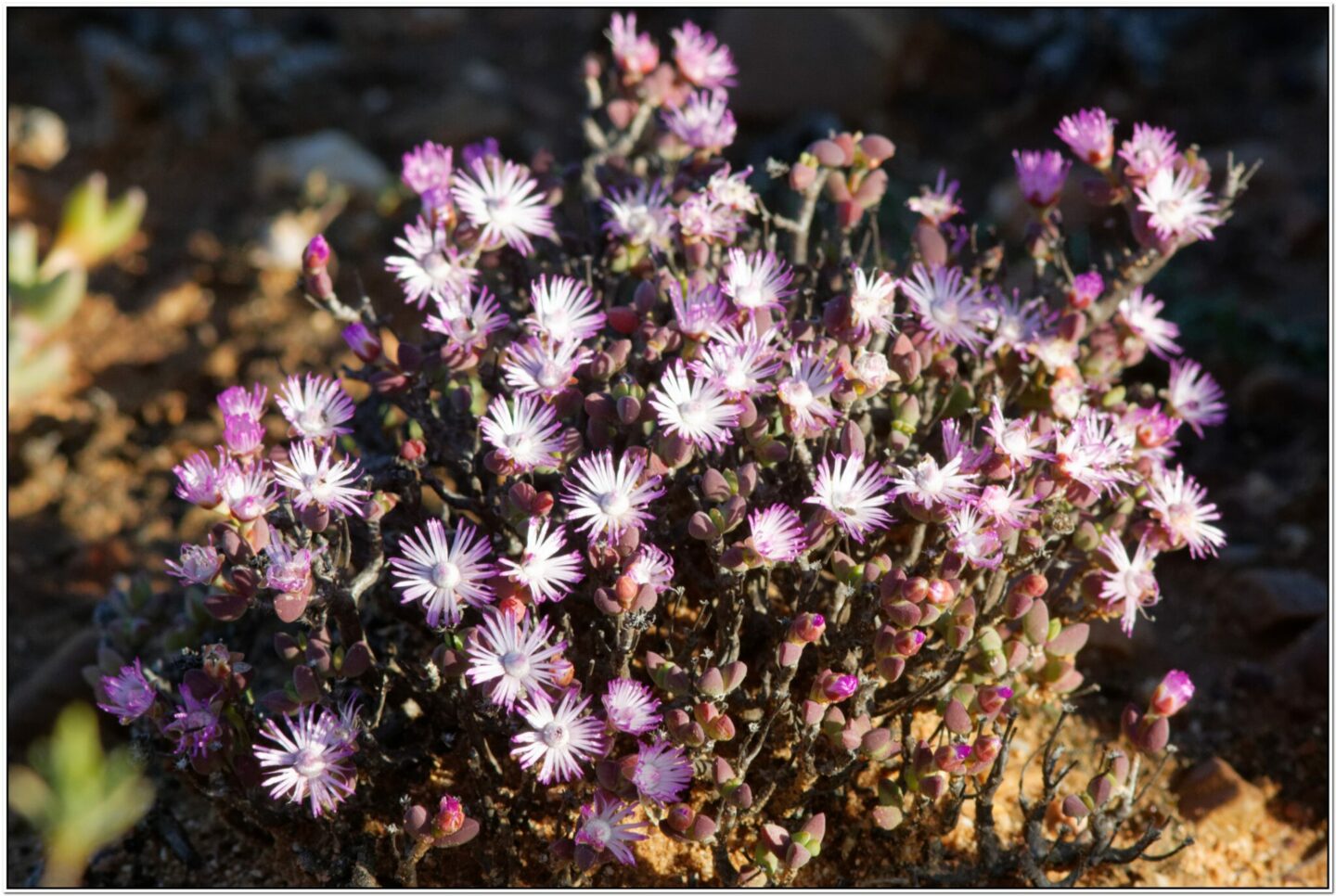
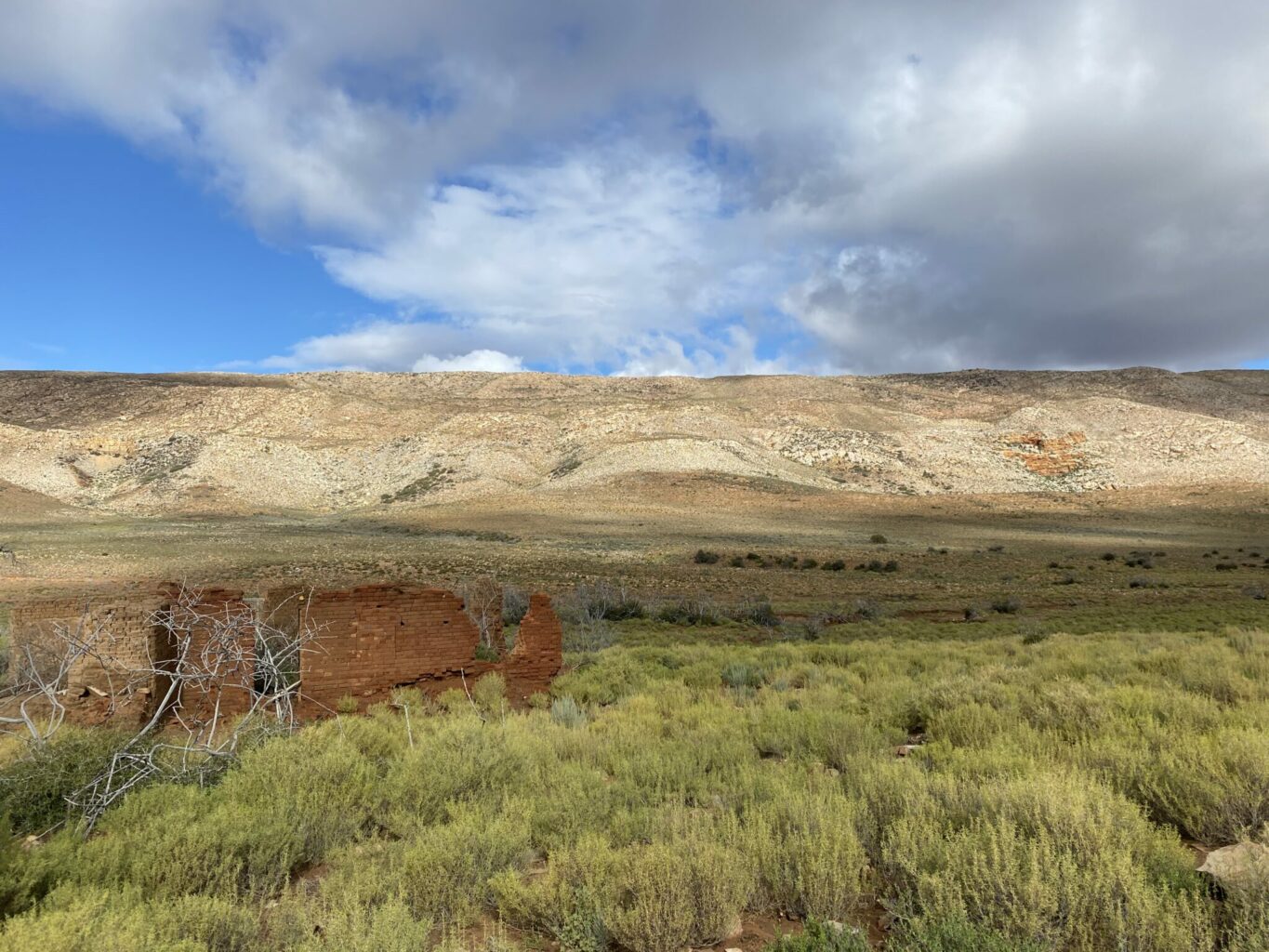
Biodiversity stewardship (BDS) is a landscape approach to conservation that preserves habitats, the wildlife that occupies them, the ecosystem services that they provide, and the livelihoods derived from them by local communities. The approach is truly collaborative. It involves the establishment of positive, proactive partnerships between conservation authorities, municipalities, NGOs, other government entities, and private and communal landowners. These partnerships are forged to support and encourage these landowners as they take on the responsibility of managing and protecting the natural assets that are in their care.]  The EWT works with partners on several BDS projects around the country, determined to preserve and expand areas of conservation priority. BDS projects are intended to increase connectivity between natural spaces to facilitate increased migration of wildlife, and in turn, genetic diversity within populations, and reduce the burden on overpopulated habitats. The GBSP partnership aimed to build on the EWT’ s BDS experience, and that of other partners, to develop the capacity within the GDARD to implement the BDS process in the province in the future and to publish the intent to declare of at least 5,000 hectares of high priority conservation land, as a working case study. On 2 October 2019, after four years of hard work and perseverance, the declaration notices for the Klipkraal Protected Area (KPA), the Devon Protected Environment (DPE), and the Crocodile River Reserve (CRR) were published in the government gazette (no. 302, Notice no. 967 of 2019). This gazette legally declared these sites as protected areas under the National Environmental Management: Protected Areas Act, 57 of 2003 (NEM: PAA), adding 13,256 hectares to South Africa’ s conservation estate. The KPA, situated in the Midvaal Local Municipality, includes 2,656 ha owned by two landowners. Species of conservation concern present on the site include amongst others, Secretarybirds, Caracal, and Khadia beswickii, a plant species classified as vulnerable. The site also features cultural heritage features dating back from the Early to Middle Stone Age, tools from the Late Stone Age, and Late Iron Age ruins. The site offers self-catering accommodation, hiking trails and a wedding venue, and has featured in many outdoor magazines. Please see www.klipskuur.co.za for more information. The Devon Protected Environment (DPE) is situated in the Lesedi Local Municipality and comprises 7,979 ha, owned by seven landowners. This area is ecologically important for its natural grasslands and wetlands and is registered as an Important Bird and Biodiversity Area by BirdLife South Africa. More than 17 bird species of conservation concern occur in the broader area, including the Secretarybird, Blue Crane, Greater Flamingo, Black Harrier and Wattled Crane. The declaration of the DPE also affords legal protection to a portion of one of South Africa’ s 22 identified Strategic Water Source Areas (SWA), as the DPE is situated near to the Upper Vaal Catchment. The properties within the DPE also contain structures of cultural and heritage value such as gravesites dating back to 1919, and old buildings dating back to the 1930s ]
 The Crocodile River Reserve (CRR) contains 2,620 ha of beautiful grassland habitat situated in the City of Tshwane Metropolitan Municipality, in the buffer zone of the Cradle of Humankind World Heritage Site and the Magaliesberg Biosphere Reserve. In addition to providing legal protection to many species of conservation concern, it also preserves threatened ecosystems, vegetation types and the Jukskei, Hennops, and Crocodile rivers. The CRR is also rich in cultural heritage features. These include the stone-walled settlement sites from the Late Iron Age (500–150 years ago) and post-colonial historical sites, including the location in which gold was first discovered in 1853. The CRR conducts regular public information days on topics such as stargazing, geology, and grassland ecology to raise awareness on the conservation value of the area, and local schools are invited to visit the reserve. Don’ t worry if you have not visited Gauteng’ s conservation ‘islands’ because we can now give you a quick online tour of these beautiful lands. Visit the CRR social media for exciting sightings and information about the wildlife occurring on the border of one of the most urbanised areas in Africa. www.crocodileriverreserve.co.za Not only has the GBSP succeeded in its objectives and expanded Gauteng’ s protected area network by over 13,000 hectares, but the Programme has also had further benefits for both landowners and communities, for the government stakeholders involved, and for environmental organisations operating in the landscape. One of the most valuable outcomes of the GBSP has been the increased collaboration between units within the GDARD, particularly between the BDS unit and the Scientific Services officials on the ground. These officials have been essential to the work of the GBSP in the site selection, assessment, and management planning phases. They have, in turn, benefited by increased access to privately owned sites that were previously inaccessible, and therefore excluded, from provincial biodiversity assessments. This access has improved the accuracy of ecological assessments, and in turn conservation planning tools, for the Gauteng Province.
The GDARD Biodiversity Stewardship Unit will continue to build on the tremendous work achieved by the GBSP, supporting the declared sites and engaging landowners of additional priority sites. To maintain the momentum of the GBSP, the GDARD and the EWT are extending our strategic partnership and establishing a Gauteng Biodiversity Stewardship Working Group to continue to support each other, private and communal landowners, and other stakeholders involved in conservation-related activities in Gauteng. It is to this strong partnership and open, consistent, and transparent engagement between the GBSP team and landowners that we attribute the GBSP’ s success Trust, collaboration, and consistency are fundamental to the success of biodiversity stewardship. The GBSP team would like to thank the landowners of the KPA, DPE, and CRR for trusting the team and the process. We thank them also, for their unwavering determination to legally protect the unique biodiversity of the province, for future generations to enjoy. These landowners are true ambassadors for biodiversity stewardship, and champions of conservation. To our partners and the greater BDS community of practice, particularly members of the National Biodiversity Stewardship Technical Working Group, we are sincerely grateful for the support, knowledge sharing, and many capacity-building opportunities provided. “We were impressed with the commitment, enthusiasm and professionalism of the staff involved with the process – this is what brought us on board,”
GBSP Protected Area landowner
The GDARD and the EWT are very grateful to the WWF Nedbank Green Trust for supporting the establishment of the GBSP and catalyse the implementation of biodiversity stewardship in the province, including the facilitating the conservation of irreplaceable natural areas in Gauteng, despite the extreme economic pressures for the rapid development of natural open spaces.
In loving memory of Maurice Leonard and Mercia Komen, two of the first private landowners to trust in the GBSP and champion Biodiversity stewardship in Gauteng. They left a legacy of life that will be preserved into perpetuity. May they rest in peace.