Mission (im)possible: Documenting all the Biodiversity on Papkuilsfontein
Bonnie Schumann, the EWT’s Dryland Conservation Programme Senior Field Officer
The Endangered Wildlife Trust recently conducted a comprehensive biodiversity survey on the Papkuilsfontein proposed Protected Environment. Papkuilsfontein is situated near Nieuwoudtville in the Northern Cape in a region known for its rich and unique biodiversity. However, the official list of species recorded on this property contains less than 300 species, and hence our mission was to rectify this and kick-start building a list that would accurately represent the incredible biodiversity found on this property.
Papkuilsfontein, owned by the Van Wyk family, is currently being declared as a formally Protected Environment in collaboration with the EWT and the Department of Agriculture, Environment, Land Reform, and Rural Development (DAERL). Following the survey, the species list now stands at over 1,300 species, and this is just the beginning!
The Bokkeveld Plateau is an area where three biomes meet, the Fynbos, the Succulent Karoo, and the Hantam Karoo. Combined with the variation in altitude, topography, and geology, this creates ideal conditions for the incredible evolution of species and diversity in the region. Nieuwoudtville is world-famous for its bulb plant diversity and density, with over 20,000 bulbs recorded per square meter. Research on the array of invertebrates associated with plant diversity has only started to scratch the surface. So the task of recording all things great and small over approximately 7,000 ha was a formidable one and will take several years to come close to accomplishing!
The EWT enlisted the help of a group of volunteers passionate about conservation to tackle this enormous task. The Custodians of Rare and Endangered Wildflowers, ably led by Ismail Ibrahim and comprising a team of students from the University of Stellenbosch Botanical Gardens, answered the call. Retired small mammal expert, Dr Guy Palmer, was put back to work, while Handré Basson was persuaded to abandon his studies for a few days and join us, bringing his passion for invertebrates and skill at finding them to the team. We were privileged to have had Dr Michael Kuhlmann, a world-renowned expert on solitary bees, join us for two days. Thanks to Dr Kuhlmann’ s dedicated work on the plateau over the years, we know that Papkuilsfontein alone has an impressive list of over 100 species of solitary bees. Many of these are not yet described, and new species are still waiting to be discovered!
The EWT supplied the transport, and the Papkuilsfontein hospitality staff kept the team well-fed on some of the best hearty farm-style meals in the Karoo. Teams worked from dawn to dusk, scouring the rugged terrain and photographing and recording as much as possible. A camera trap survey was also conducted for six weeks, and tiny amounts of soil were collected for researchers to examine for environmental DNA later. Observation gathered from all three methodologies will contribute to a comprehensive understanding of the biodiversity present on the property.
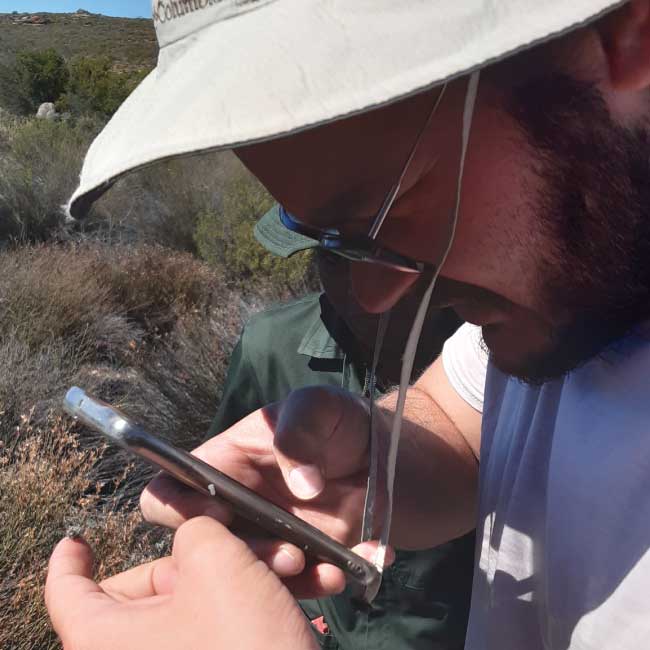
The DAERL Stewardship Unit was instrumental in making the survey a success. A member of the unit, and ex-EWT staff member, JP le Roux, set up an iNaturalist project for the study and continues to work hard in the field to make sure the list of species keeps growing. iNaturalist is an online social network platform where people interested in biodiversity can share information. Anyone who sees an interesting plant or animal can photograph and upload the sighting to the platform, and a range of specialists are available to help identify the sighting. By setting up a project on the platform, all sightings made on the property can be collated, and species lists can be exported. The four-day survey provides just a glimpse of what is on the property. By having visitors and landowners take part in recording biodiversity using iNaturalist, we can ensure that a range of wildlife is captured, including plants and invertebrates, some of which may only make their appearance briefly every few years when conditions are just right for them. This makes recording the full spectrum of biodiversity at any location more achievable.
The region is special in terms of biodiversity and natural beauty. The EWT would like to thank all the landowners on the Bokkeveld Plateau who have a long-term vision to protect these features by declaring their properties as protected areas. This requires a high level of dedication at a very personal level in a day and age where talk is often cheap. Remember that Papkuilsfontein is not just an outstanding guest farm but is also a small commercial stock and rooibos tea producer. This conservation initiative is a great example of what can be achieved when the agricultural sector joins with the conservation sector to protect our natural resources at all levels.

The work on Papkuilsfontein was made possible with generous support from the Table Mountain Fund.
For more information:

FUTURE FIELD GUIDES FOR NIEUWOUDTVILLE
JP le Roux, EWT’ s Drylands Conservation Programme Field Officer, jeanpierrel@ewt.org.za
The town of Nieuwoudtville is situated in South Africa’ s Northern Cape, on the Bokkeveld Plateau. This region is known as the “bulb capital of the world” because it has the highest number of indigenous bulbous flower species on Earth. The Bokkeveld Plateau is also home to Papkuilsfontein, https://papkuilsfontein.com/, a farm in the process of being declared a Protected Environment. This initiative is part of the GEF 5 Sustainable Land Management (SLM) Project.
Although Papkuilsfontein is a commercial sheep and rooibos tea farm, the Van Wyk family farm has always put conservation at the forefront of farming activities. The family also diversified their income by venturing into tourism, renovating several historical buildings into quiet retreats for guests, and more recently developing hiking and mountain bike trails in collaboration with the EWT. While sustainable land management and biodiversity conservation are priorities, providing employment opportunities is also high on Papkuilsfontein’ s agenda, as this is an important function in rural regions such as this, where employment opportunities are limited.
As part of the project, the EWT and Papkuilsfontein are training two local community members, Dustin Gouws and Jeraldo Skippers, as Apprentice Field Guides (NQF2) through FGASA. We have provided them with tablets and guiding books, are mentoring the aspiring guides to get their qualifications, and doing weekly contact sessions to ensure their studies stay on track.
Aside from the theory component, Apprentice Field Guides need to have sound knowledge of the history, geology, plants and animals in the specific area of their guiding operation. To achieve this, we assist the guides with various training events and take them on practical excursions in and around the Nieuwoudtville area. The trainee guides have had an action-packed year and completed a diverse range of training interventions, including their Introduction to Guiding, First Aid (Level 1 and 2), Plant Identification, photography, and planning guided tours.
On 5 August 2021, Bonnie Schumann, EWT’ s Nama Karoo Coordinator, hosted a practical training session for the two trainee guides at Papkuilsfontein. The training focused on using camera traps to assess animal biodiversity in the area so that the aspiring guides can learn which mammals occur there. Camera traps are great as they offer an effective non-invasive monitoring method to assess the species richness of medium to large terrestrial mammals and capture images of elusive nocturnal species. The camera trap survey will be aimed at capturing images of the 36 mammal species that can be found on the farm, which include Leopards, Black-backed Jackals, Silver Foxes, Bat-eared Foxes, Smith’ s Red Rock Rabbits, Porcupines, duikers, Cape-clawless Otters, Pole Cats, baboons, Rock Hyraxes, Klipspringer, and Aardvarks. The training started early at the Papkuilsfontein reception. The large and informative map details the vegetation types, topography found on the farm, points of interest, and the hiking and biking trails. Bonnie used this as an opportunity to discuss where best to place cameras, taking into account what animals might be found in the different habitats. It is important to cover all the different vegetation and habitat types when placing cameras as these determine which species occur where. After a quick cup of Outliers coffee, http://outlierscoffee.co.za/product/endangered/, an introduction to using a GPS and setting up a camera trap followed.
We spent the whole day on the farm placing ten cameras in the different areas. Being out in the field offered great opportunities to explore, interpret what we found, and discuss the patterns and processes such as nutrient cycling and the role of pioneer plants. A lucky sighting of a Black Spitting Cobra opened a great discussion on snakes, their role in the environment and relevant first aid. The cameras will be left for about eight weeks, after which the guides will assess the footage and learn to use Google Pro to plot their discoveries. The camera trap survey will also directly contribute to a better understanding of the biodiversity richness of the area. Stay tuned to find out what we capture. The GEF 5 Sustainable Land Management Project https://karooforever.org.za/ is implemented by the Endangered Wildlife Trust’ s Dryland Conservation Programme (EWT) and is funded by the United Nations Development Programme in partnership with the Department of Environment, Forestry, and Fisheries and Department of Agriculture, Land Reform, and Rural Development. The GEF 5 SLM project promotes innovative approaches to protecting vulnerable ecosystems in dryland areas.
LATEST STORIES
A LEGACY OF LAND: PAPKUILSFONTEIN PROTECTED ENVIRONMENT
JP le Roux, Field Officer , Drylands Conservation Programme, jeanpierrel@ewt.org.za
The proposed Papkuilsfontein Protected Environment is situated in the Northern Cape Province of South Africa. The farm forms part of the Global Environment Facility (GEF) 5 Sustainable Land Management (SLM) initiative implemented by the Endangered Wildlife Trust’ s Dryland Conservation Programme and funded by the United Nations Development Programme and Department of Environment, Forestry, & Fisheries.
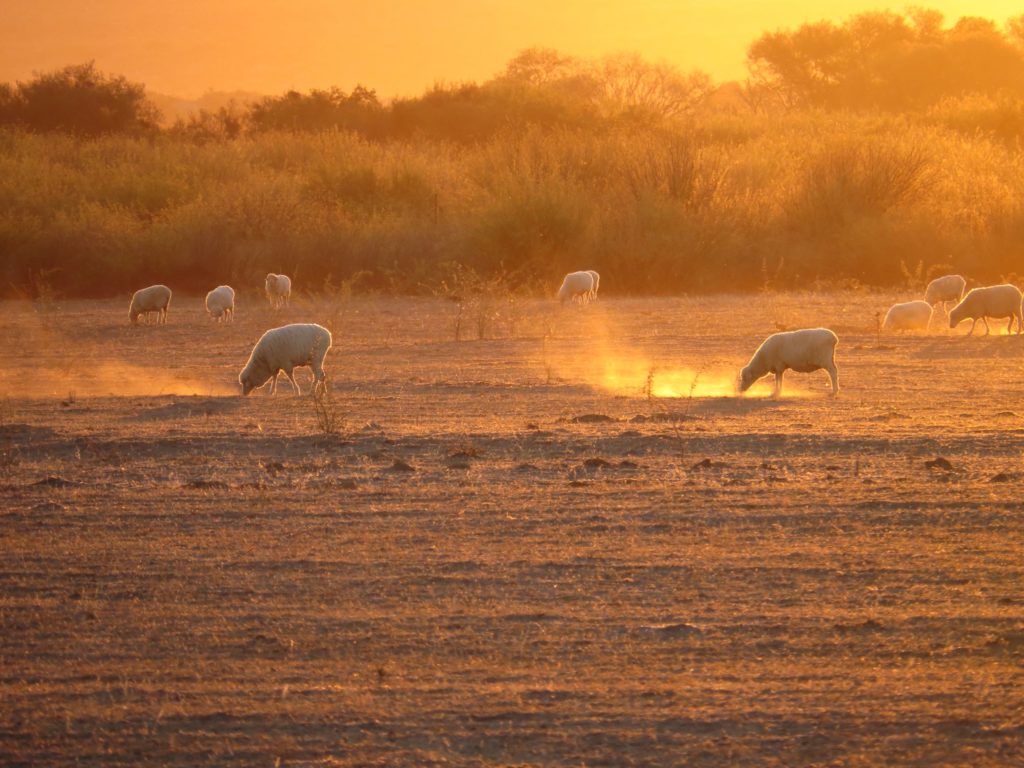
The GEF 5 project promotes innovative approaches to protecting the vulnerable ecosystems in the dryland areas. Most farms in the drylands rely solely on agricultural income, which makes them particularly vulnerable to adverse climatic conditions, such as the current drought. One of the ways the project assists farmers, is through encouraging diversification of farming activities that are not weather dependent and that can help build economic resilience in the face of negative environmental and economic conditions.
An SLM exchange is used as one of the strategies to implement projects. The latter is an arrangement where the EWT offers assistance to the farmer, in exchange for an SLM commitment. A Small Grant (SG) is made available to fund an SLM project that the farmer wishes to implement. In exchange for this, the farmer must actively contribute to the implementation of the project, usually in the form of materials or labour. In addition, the farmer must also make a land management commitment, normally this will entail the implementation of certain practices, management plans or conservation actions on the property.
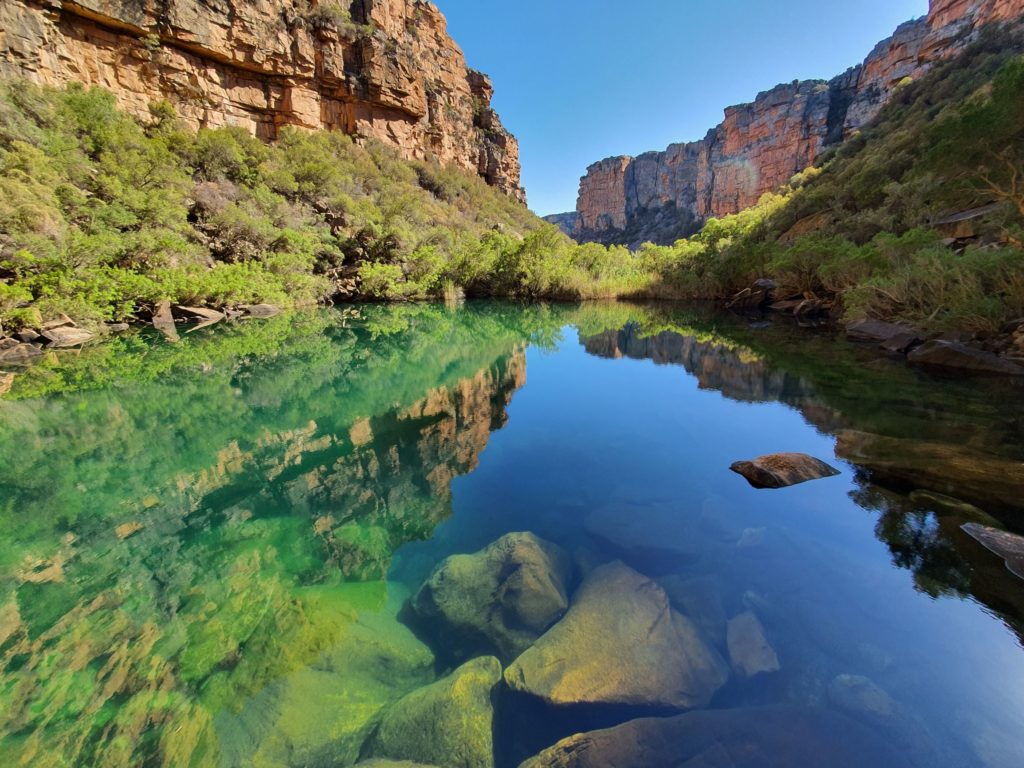
In the case of Papkuilsfontein, the Van Wyk family applied for assistance to develop a network of mountain bike trails on the farm to complement their existing guest farm accommodation. The mountain bike trails will contribute to existing activities and will draw a new tourism segment to the farm. This will bring about more visitors which will translate into economic benefits and jobs. In exchange for this benefit, enabled by the Small Grant, the Van Wyk family has agreed to declare their farm a Protected Environment. The declaration process represents a collaboration between the landowner, the Northern Cape Department of Agriculture, Environmental Affairs, Land Reform and Rural Development’ s Provincial Biodiversity Stewardship Programme, and the Endangered Wildlife Trust.
Papkuilsfontein will serve as a flagship project to demonstrate the effectiveness of diversifying income streams, as well as actively integrating a biodiversity conservation approach in a living working farming landscape. The Van Wyk family has been farming on this farm for more than six generations and this has always been done with the mindset of conserving this biodiversity hotspot.
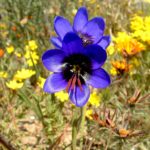
What makes Papkuilsfontein such an important area to conserve, is that it lies on the Bokkeveld Plateau, which is known as the bulb capital of the world. More than 1350 species of flowering bulbs occur here. In some areas the density of bulbs reaches more than 20,000 plant per square meter, more than anywhere else on earth.
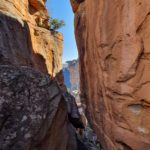
Four main vegetation types can be found on Papkuilsfontein, Bokkeveld Sandstone Fynbos, Nieuwoudtville Shale Renosterveld, Hantam Karoo and a small area of Vanrhynsdorp Shale Renosterveld. Each of these vegetation types contains a myriad unique species. Approximately 3000 species occur on the Bokkeveld plateau, with high levels of species endemism. More than 80 endemic species can be found here, most of the endemics are geophytes, together with a few succulents and shrubs. More than 30% of the endemics are Red Data species threatened with extinction.
The amazing species richness of the area makes it a high priority to conserve. Looking forward, innovative approaches to protect areas like this will become more important for sustaining farming, tourism and conservation. We are proud to work with conservation champions such as the Van Wyk’ s. The success of the project will encourage other farmers to diversify their activities, reduce their risk and conserve biodiversity on their farms. Watch the video of the project here
For more information visit Papkuilsfontein Website

Biodiversity gems on Papkuilsfontein
Besides the incredible botanical biodiversity, Papkuilsfontein is home to 36 mammal species recorded so far, including leopard, black backed jackal, silver fox, bat eared fox, Smith’ s red rock rabbit, porcupines, duiker, Cape Clawless otter, pole cat, baboon, rock hyrax, klipspringer and kudu.
Bird species are well represented, with Blue Crane, Lesser Kestrel, Ludwig’ s Bustard, Martial Eagle, Black Shoulder Kite, Jackal Buzzard, Cape Pheasant, Namaqua Grouse, Egyptian Goose, Spurwing Goose, Namaqua Pigeon, Rock Pigeon, Bokmakierie, Fiscal Shrike, and Cape Sugarbird all occurring here. Breeding pairs of Vereaux’ s Eagles, Blue Cranes and Black Harriers have been recorded on Papkuilsfontein. The Rameron Pigeon, Cape Flycatcher and Southern Water Shrike may also occur along the riverine vegetation. Oorlogskloof Nature Reserve, which borders Papkuilsfontein, has recorded 152 species of birds, most of these probably occur on Papkuilsfontein as well.
Reptiles recorded on the farm include the Angulate Tortoise, Mountain Tortoise, as well as ten lizard, agama and gecko species. The most common snakes in the area include the Black Spitting Cobra, Boomslang, Cape Cobra, Rhombic Egg Eater, Skaapsteker and Whipsnake. Four frog species are found in the adjacent Oorlogskloof River and may occur in the rivers of Papkuilsfontein.
Invertebrates found on the farm include many species of bees, flies, beetles, moths, and butterflies. Many of these are important pollinators and have unique interactions with specific flowering plants. These insects include long-tongued flies that are the important pollinators of species such as Babiana.
