Olifants River Survey Monitors Ecological Threats to the system
In the Field
Olifants River Survey Monitors Ecological Threats to the system
Liam Taylor, field officer in the Birds of Prey Unit
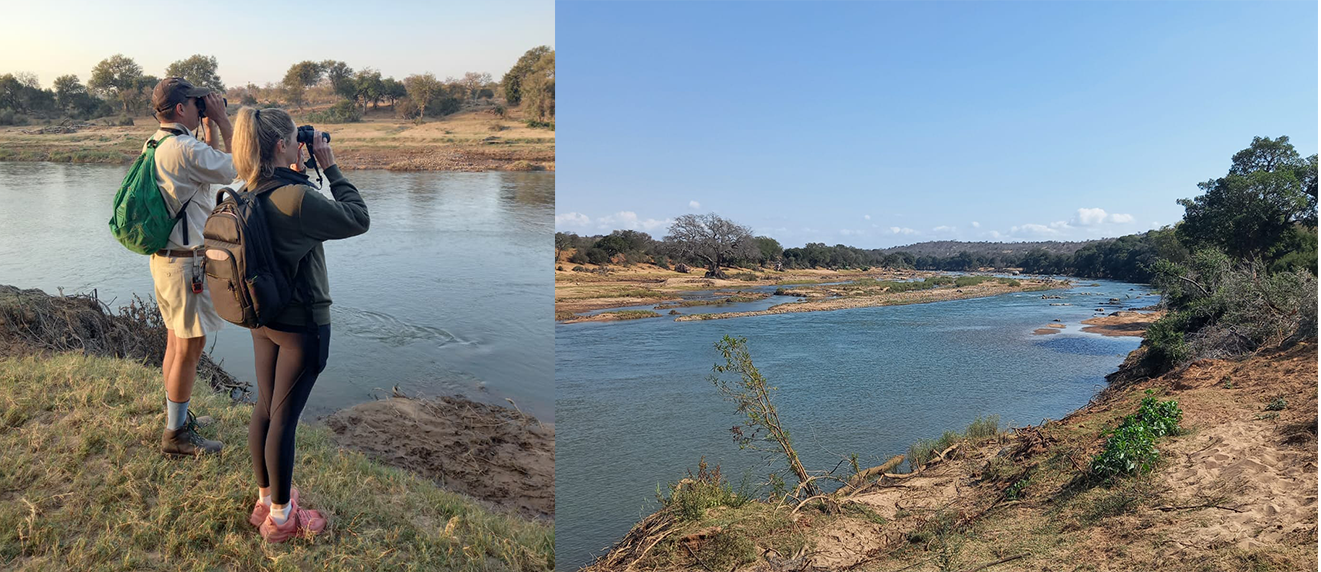
The Olifants River is one of the defining features of the Lowveld. Unfortunately, the last three decades brought with it extensive flood events that have had cataclysmic impacts on the river’s trees.
In addition, opposing drought impacts, flow regime changes from water abstraction and damming, and chemical and pesticide run-off from mining and agriculture, have all threatened the natural functioning of this system.
Recently, EWT researchers and field staff took part in an ongoing survey along the section of the Olifants River inside the Greater Balule Game Reserve region to monitor this vital habitat.
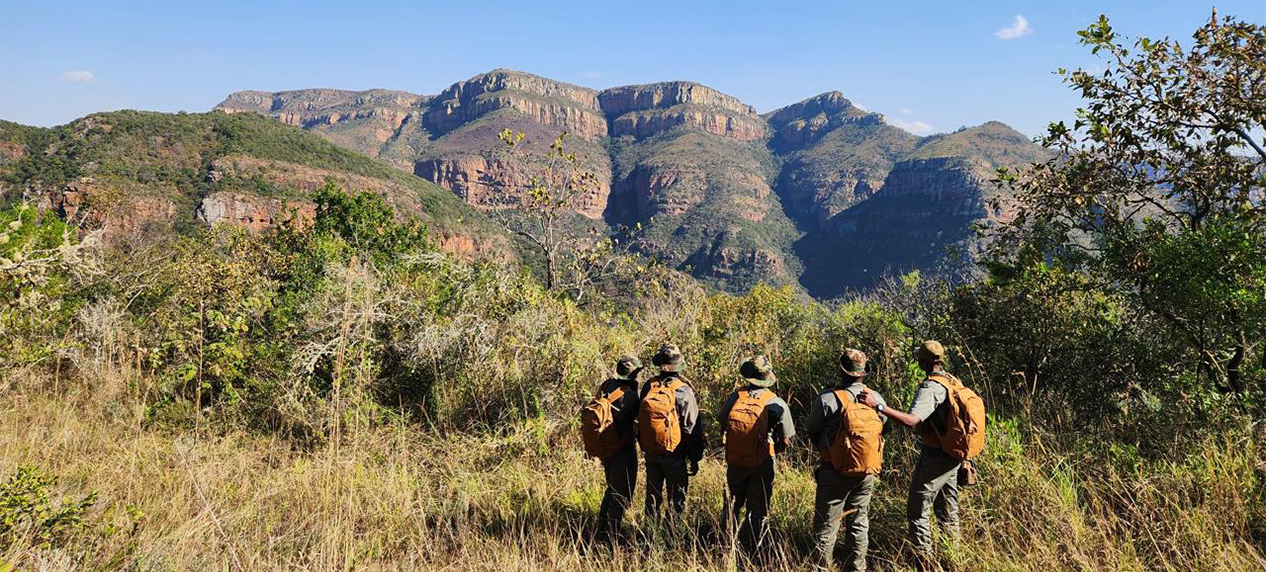
Organised by the EWT’s Birds of Prey Unit research and monitoring coordinator, Dr Lindy Thompson, the team included EWT project manager, Dr Darren Pietersen, field officer Liam Taylor, and Dr Carrie Hickman of the APNR Ground Hornbill Project, as well as numerous wardens and rangers from the various reserves along the river. The team was split into two, and each one walked over 50 km, on opposite banks, counting every single waterbird, crocodile and hippo they saw, allowing numbers and species to be compared to previous years. The trees were also scanned for both White-backed and Hooded Vulture nests, where incubating birds or chicks were recorded. This section is a major breeding stronghold for these Critically Endangered birds. These nests will be monitored until the chicks fledge in October. The search also included looking for the famous and elusive Pel’s Fishing Owl.
The impacts of the January 2026 mega-flood event were clear. Many trees and tracts of habitat were removed. The riparian forest is also classified as Endangered, making the losses extra worrisome. We made other additional ecological observations, including elephant herbivory on riparian trees, Pied Crow interactions with nests, and documented where human activity may jeopardise breeding success.
The survey did not have many challenges, but on one occasion, a pod of hippos came stampeding out of the bush back into the water, crashing through everything in their path. Fortunately, no researchers (or hippos!) were harmed, and we scored an exciting story to tell friends later around the braai.
These surveys are vital for long-term monitoring and identifying threats to ecology and Endangered species. Continued support for this work will help ensure that changes in the Olifants River system are detected early, that conservation responses are guided by reliable field data, and that this remarkable river can continue to sustain its wildlife. By maintaining regular monitoring and acting on what the river is telling us, we can help safeguard one of the Lowveld’s most important ecological areas.