Old Salt Trail Soutpansberg: Experience Nature and Biodiversity
Old Salt Trail Soutpansberg: Experience Nature and Biodiversity
By Eleanor Momberg
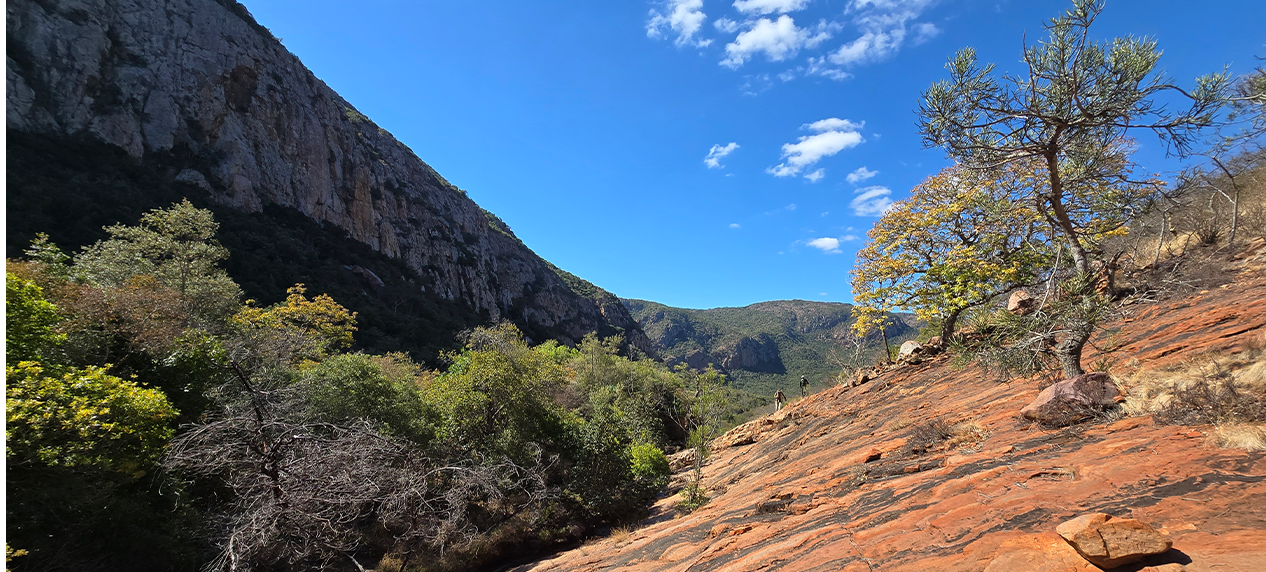
Day 2: Hamasha Gorge
Amazing. Mind-boggling. Beautiful.
These are among the words used by Jo Bert, the Endangered Wildlife Trust’s Senior Graphic Designer, following their five-day hike of the Old Salt Trail in the Soutpansberg.
Jo had joined a group of hikers to experience the Trail that spans the upper reaches of the Soutpansberg Mountains in Limpopo.
“I did not have context of the trail. I had been telling the story for months and all I had to go on was the information that had been supplied and the photos I had seen. A lot of the story so far has been conservation-focused, so going on the trail enables us to tell the story better from a marketing perspective and, through that, get more people to join,” said Jo.
For someone who is largely deskbound at the EWTs Conservation Campus in Midrand, this was an ideal opportunity to get back to nature and to collect photos and video material needed for future projects.
“It was amazing. I honestly love getting out away from my desk. It was so beautiful. I think the best part is that I have looked at those photos so many times, and to actually be in that space, to stand where the photo was shot, puts the whole thing into a different perspective,” they say.
The intrepid team of four hikers were led by the EWT Medike Reserve Rangers Tharollo Mthisi and Khathutshelo Mukhumeni. The Old Salt Trail is a 73km, five-day, four-night slackpacking adventure traversing numerous private properties in an area that now largely comprises the Western Soutpansberg Nature Reserve.
The hike starts at the Medike nature reserve, which is owned and managed by the EWT. On Day One, you climb 11.5km to Leshiba Luvhondo Camp. On the second day, the hikers embark on a 15.5km hike to Sigurwana Lodge, followed on the third day with a trek of about 15km to Lajuma Wilderness Camp. On the fourth day, the hike takes about 19km you back to Leshiba Venda Village Lodge from where you return via an 11km route to Medike on Day Five where the adventure ends.
Before the hikers set off from the bottom of the Sand River Gorge, Tharollo and Khathutshelo give a safety briefing and all luggage is loaded into a vehicle to be taken to the overnight accommodation at Leshiba. All hikers carry with them are a day pack.
“You carry a day pack with you with your lunch in, maybe a spare jersey and your water,” said Jo. “The first day I packed way too much, because I didn’ t realise that we had so much food given to us, so I brought a whole bunch of snacks with me, and a whole lot of clothes because I didn’ t know how wet we were going to get or if it was going to be super hot. I also had a bird book, but then realised that Therollo and Khathu have all the apps on their phones so we just identified with that. So every single night I was taking things out of my bag and by the last day I only had my lunch and my water and a very light jersey”.
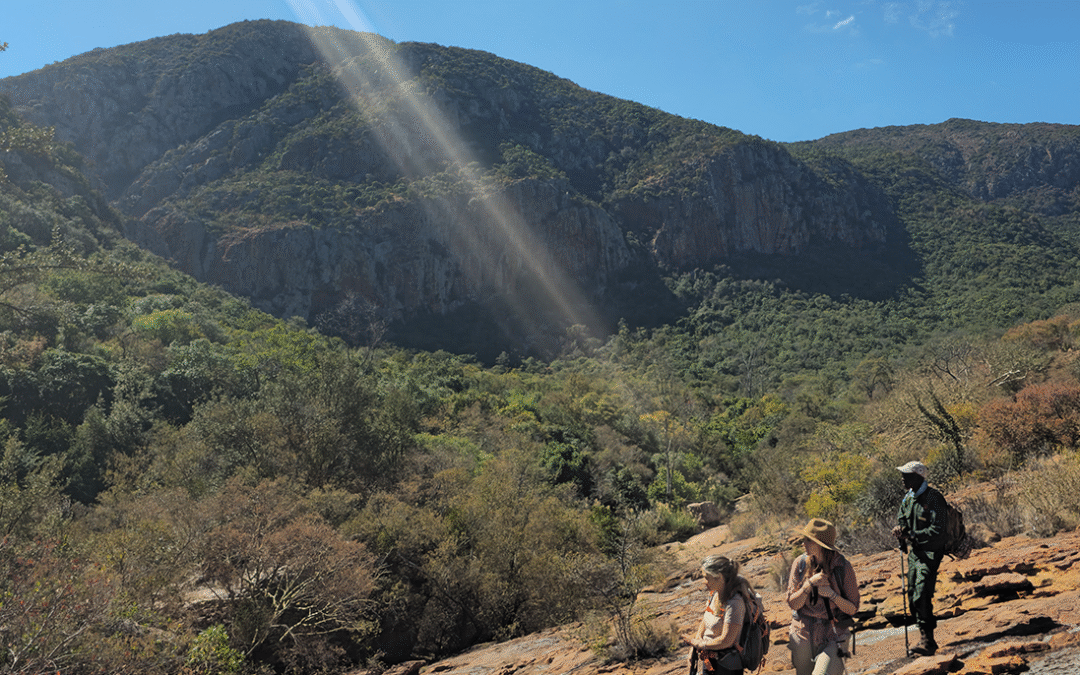
On the first two days of the Old Salt Trail hikers not only have to tend with steep and rocky slopes, but also cross bushveld, forests, grassland and savannah beside enjoying a variety of San and Khoekhoe rock art and ancient artefacts.
“The cultural heritage in that area is so amazing. And there are so many spots where you are in the ruins of an old village where there are bits of clay or you can see the foundations of a house. And the places with the rock paintings are fascinating,” Jo explained.
For paintings that have been damaged by years of weathering, a phone APP was used to highlight the original paintings. “A lot of people thought that the paintings were about daily activities, but they are about special occurrences and a lot of the paintings in that area are about spirits, ancestors and trances; a lot of really spiritual stuff and not just day to day things. And there’ s a lot of giants in there that you can’ t really see with the naked eye, but when put through the APP you can see them and it is amazing,” said Jo.
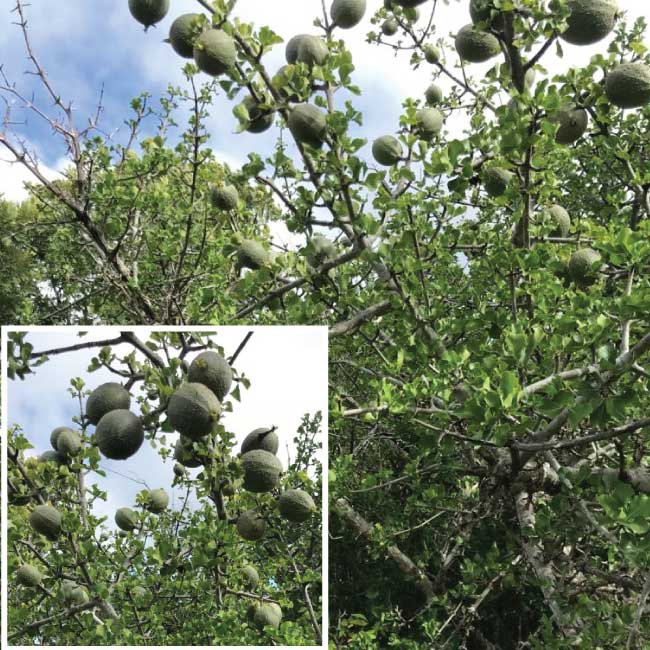
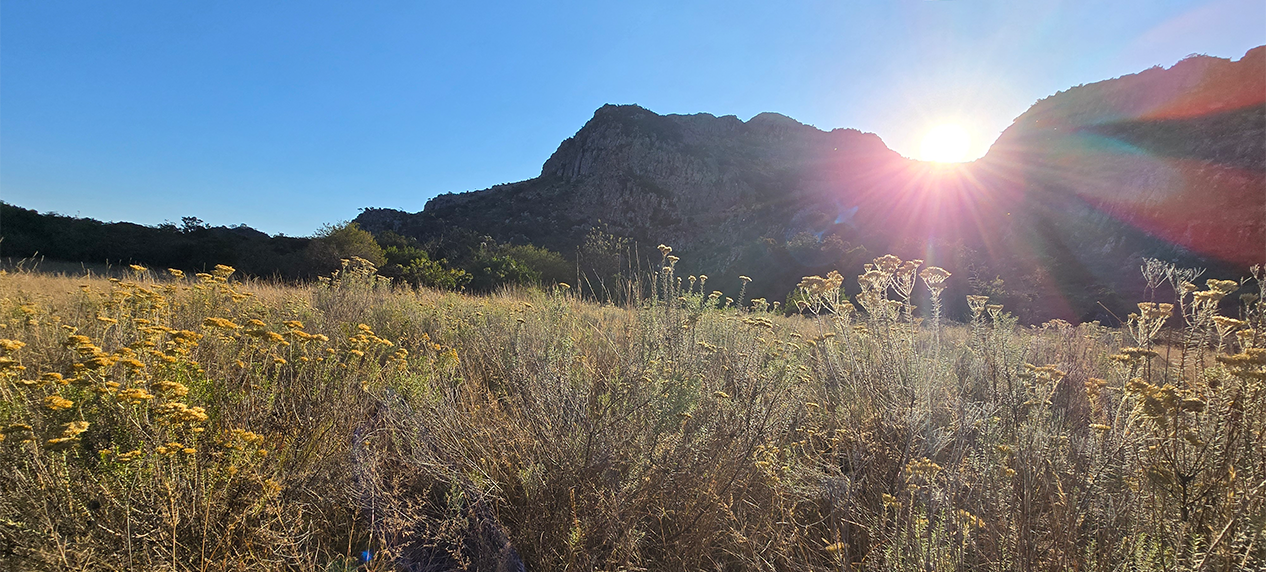
On Day Three hikers head straight towards a rocky cliff and a waterfall into a Fever Tree forest before climbing to the top of Mt Lajuma, the highest point of the Soutpansberg at more than 1,727m above sea level.
“It is crazy. When I got to the top of the mountain, I looked around to see everything below and realised I had forgotten that I was actually on top of the Soutpansberg. I actually only remembered we were up on the mountain when I looked out from on top of Mt Lajuma and I saw how far down everything else was,” said Jo.
For this adventure, hikers need to be reasonably fit.
“On Day Four there is a section where you have to climb up The Chimney as they call it. I do rock climbing and I am ashamed to admit that I needed a hand in some places. It’ s not the most insane climbing, but it is fairly technical,” said Jo. “I think you have to be fairly fit, but I still managed even though I was a bit ill, so it’s not an impossible thing.
Hikers have to be prepared to walk long distances. Although there is a break for lunch and several short stops in between, it is an all-day walk across sometimes flat areas, traversing unsteady and rocky terrain, rivers and other obstacles, and scrambling up some challenging cliffs.
“You do have to be fairly confident in your ability. If you are reasonably fit, you can do it,” they said.
The main calling card for the Soutpansberg and the Old Salt Trail is the variety of ecosystems. Jo points out that the terrain constantly changes.
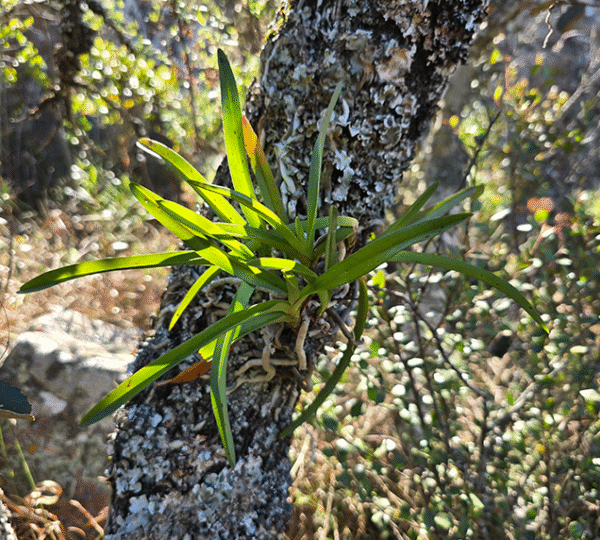
“You start on Medike where it is fairly dry … and by the time you get to Leshiba it is marshy on the side of the mountain, and on the fourth day you’ re in a Yellowwood forest. Even on the first day you start to get up into the mist belt and by Day Two you’ re seeing Old Man’ s Beard lichen everywhere. Some days you’ re walking through grasslands or marsh and then you’ re in Bracken taller than you. It changes within seconds”.
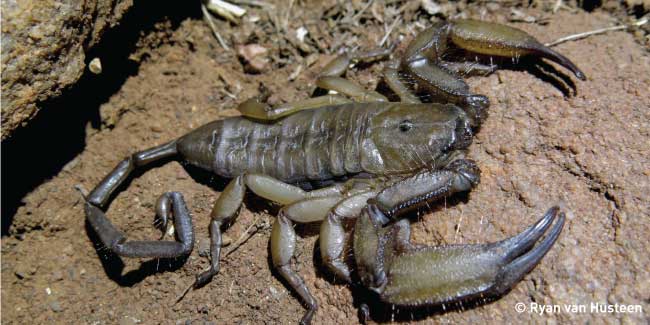
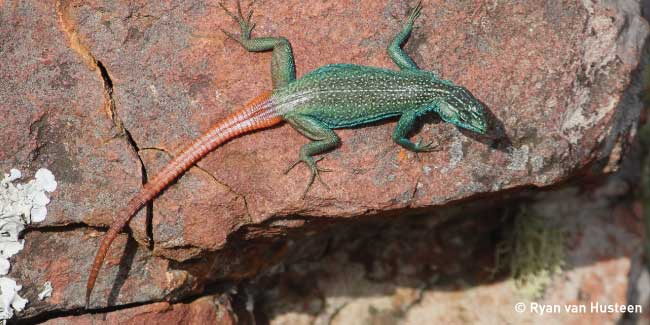
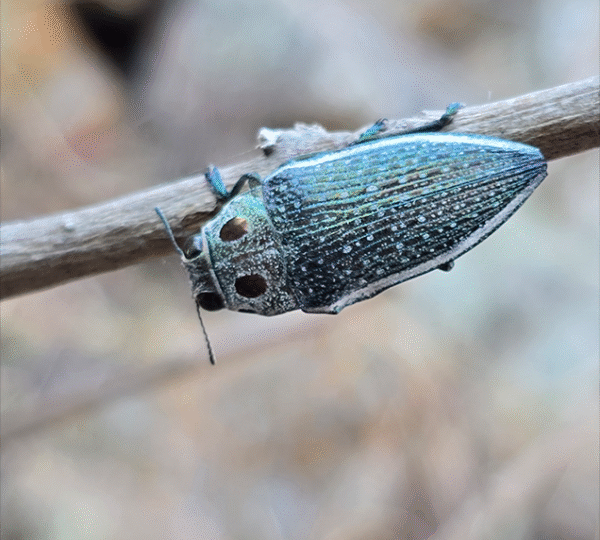
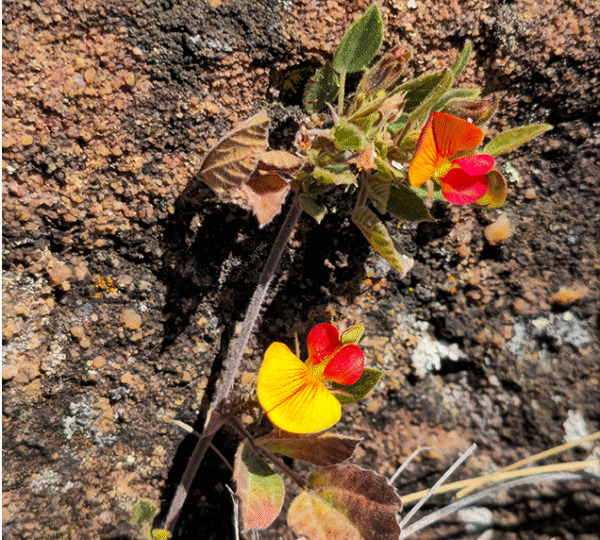
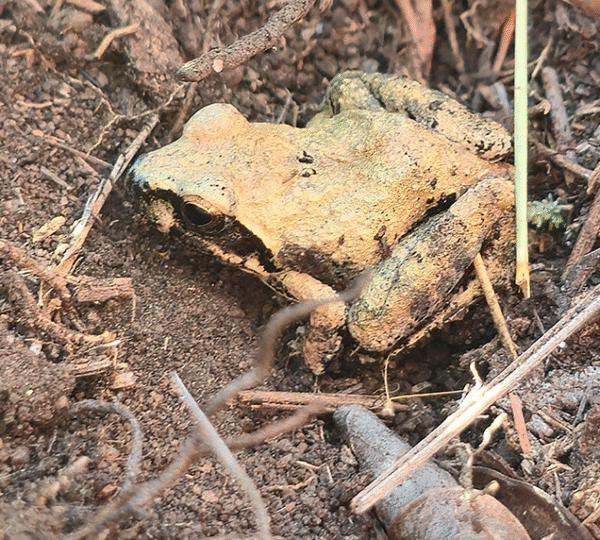
Jo added: “The amount of birds we saw was amazing. We saw and heard birds I had never seen or heard in my life. There are so many mushrooms and there are tiny little frogs and flowers and we saw so many beautiful beetles… So many amazing things that I have never seen before, and I have seen a fair amount, but this was just blowing my mind – the amount of nature and biodiversity that I have never even seen before and it is such a small area”.
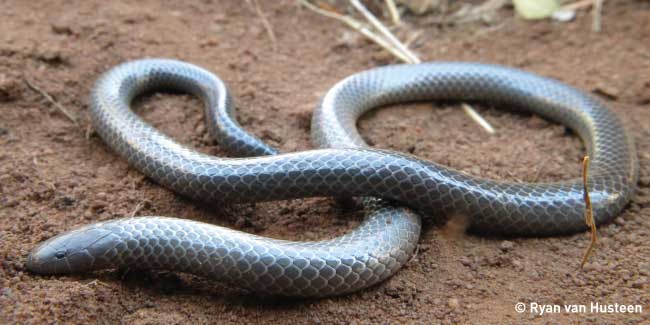
The Soutpansberg is a unique refuge. “If you go to the Kruger National Park, you can drive for hours in the same kind of veld. Go to Soutpansberg and walk around for two hours and you have seen six different biomes, you’ ve climbed a mountain, you have walked across marshy flats and it is a complete variety every five minutes. We saw zebra and quite a couple bushbuck, klispringers, and we found several snake skins,” they said.
Jo said they did not even take much note of the iconic waterfall because there were so many butterflies and River Fever Trees.
“I was just looking at the trees and the mosses and large butterflies and the one lady that was with us knew all the species of butterfly. I learnt quite a lot.”
Accommodation
Jo has nothing but praise for the accommodation at Leshiba Luvhondo Camp and Venda Village and Sigurwana Lodge describing them as beautiful and luxurious. Although the Lajuma Wilderness Camp was more rustic, it was comfortable, they said.
After a day of hiking, the warm facecloth at Leshiba handed to hikers and drinks and snacks served are a blessing. Moreso the food, the comfortable huts, rondawels and tented camps with their welcoming beds—with hot water bottles—and bathrooms at the end of a day-long slog through the bush.
Jo recommends booking accommodation at Medike for the night before the start of the hike, and the last night – if you are not from nearby. This is because of the time it takes to travel there. The hike starts in the morning and ends in the afternoon.
“We stayed at the Stone Cottage at Medike, which was really nice. If someone is coming from Joburg it is worth staying over because it is a long hike”.
Two weeks after completing the hike Jo said they were still trying to process everything seen and experienced.
“It was difficult to process in the moment and the more I think about it, I still can’ t appreciate the amount we actually saw. It was mind boggling,” they said.
Day 3: Mt. Lajuma