Help protect Africa's 

Driving half a million kilometres for EWT

Driving half a million kilometres for EWT


Driving half a million kilometres for EWT

By Ronelle Visagie, Field Officer: Birds of Prey Programme & Wildlife & Energy Programme

During September 2005 I started working for the EWT’ s Birds of Prey Programme in the Karoo. It was in these beginning years that I drove a Nissan 1400 bakkie for nearly 3 years. The main purpose of the Project at that time was to engage with the farmers regarding the raptors at their farms. It was also expected of field officers to do all power line investigations in our area. I used to drive to a farm and then the farmer had to take me to where I had to work.
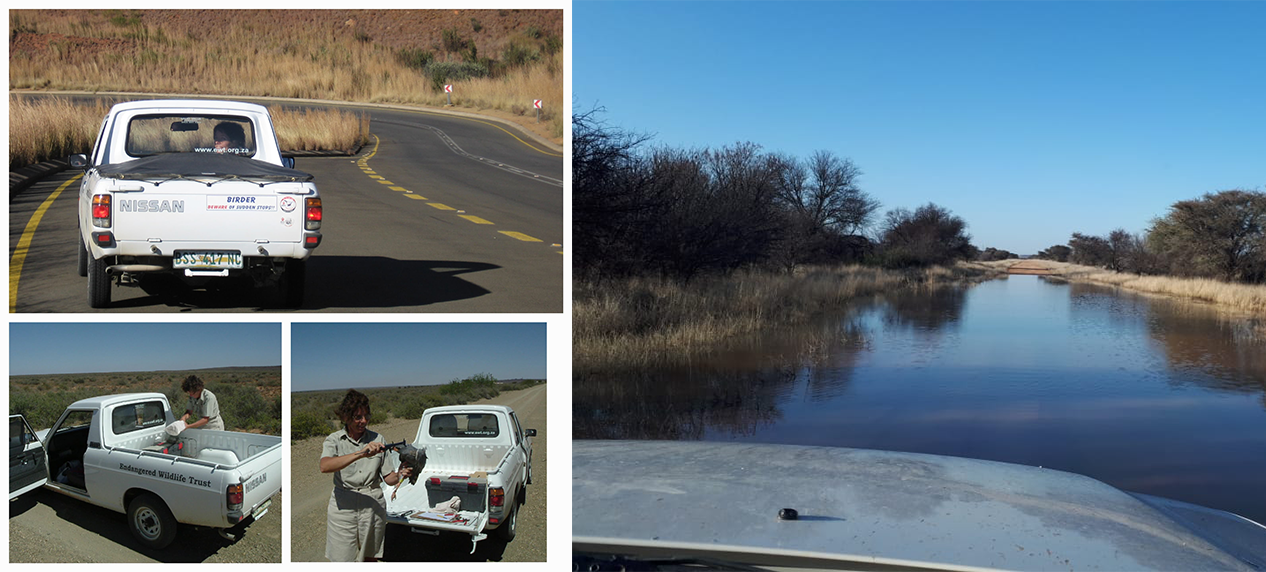
 

During February 2008 I did the first raptor monitoring with the support of the Nissan 1400 in Mokala National Park near Kimberley. The vehicle was too low and too small for driving off-road, but somehow, I managed. Returning from a trip to the Kgalagadi National Park the same month, I collided with a kudu on the gravel road between Prieska and Strydenburg. Fortunately, I sustained no injuries, but there was R22,000 damage to the Nissan. I had driven 27 126 km with the Nissan before the EWT supplied with a Mazda BT50 sponsored by Mazda with 37 805 km on the clock. The very reliable Mazda retired at 431 886 km after many memory-making adventures in the Karoo and Kalahari as we crossed the landscape for 15 years. Just imagine doing vulture nest monitoring in the Kalahari sand with a 2 x 4 and getting stuck on each and every survey.
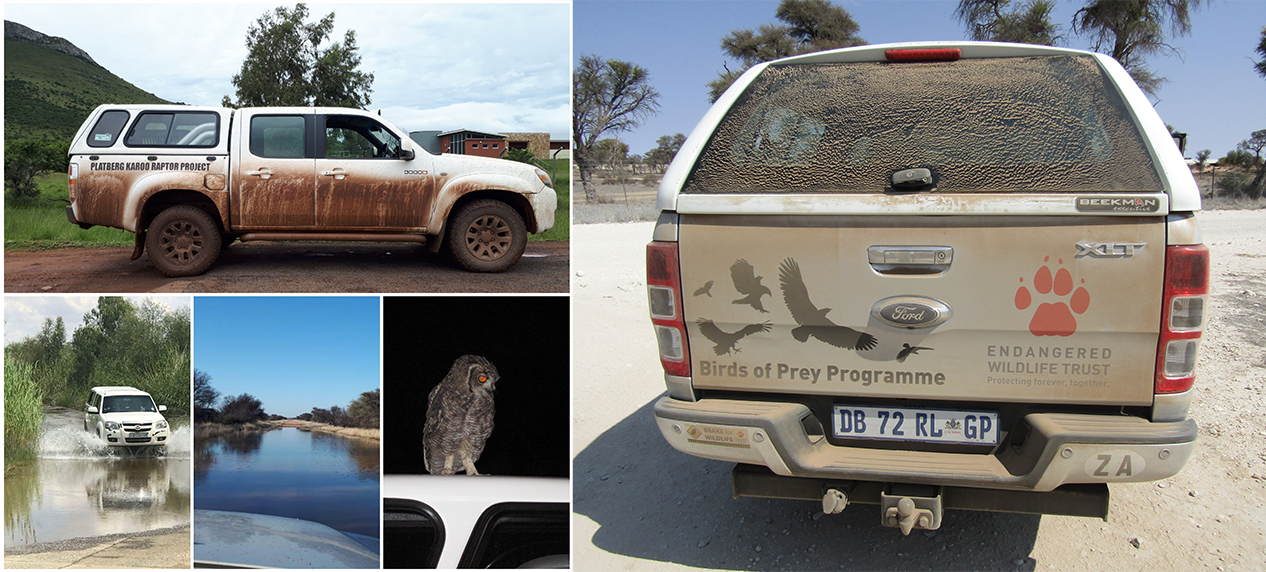
 

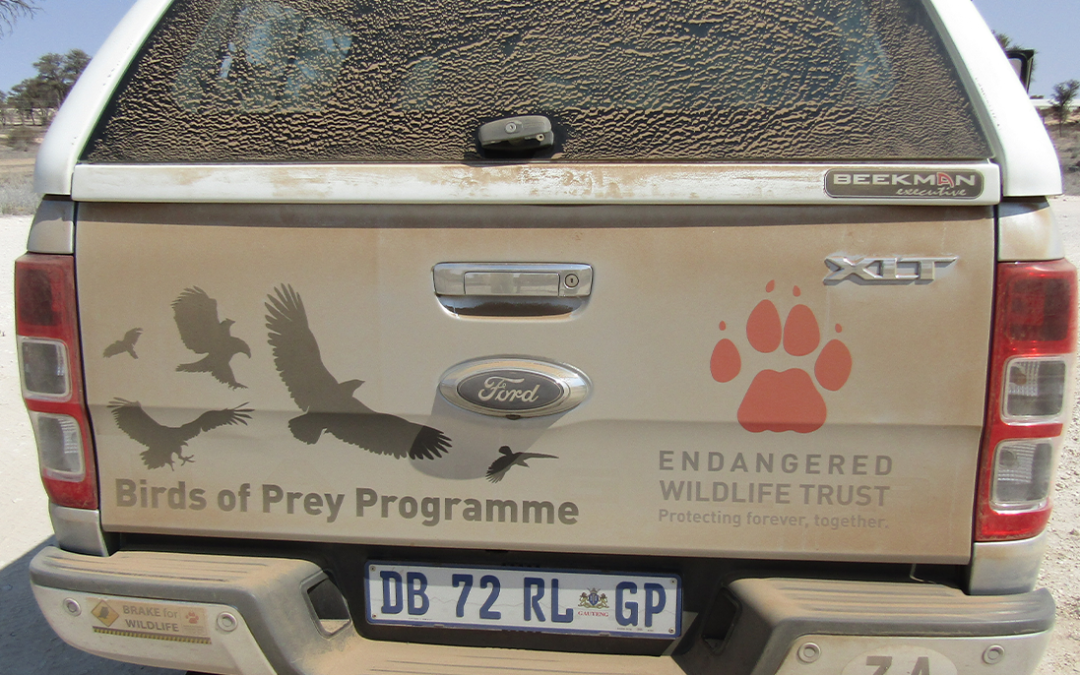
During November 2022 I received the Ford Ranger 4 X 4 and the adventures continued. At least I do not get stuck in the Kalahari sand anymore! During July 2023 a small rhino calf that was deserted by its mother hit the left back door – in case you wondered why there is a picture of a rhino alongside a vulture and an eagle on the left back door.

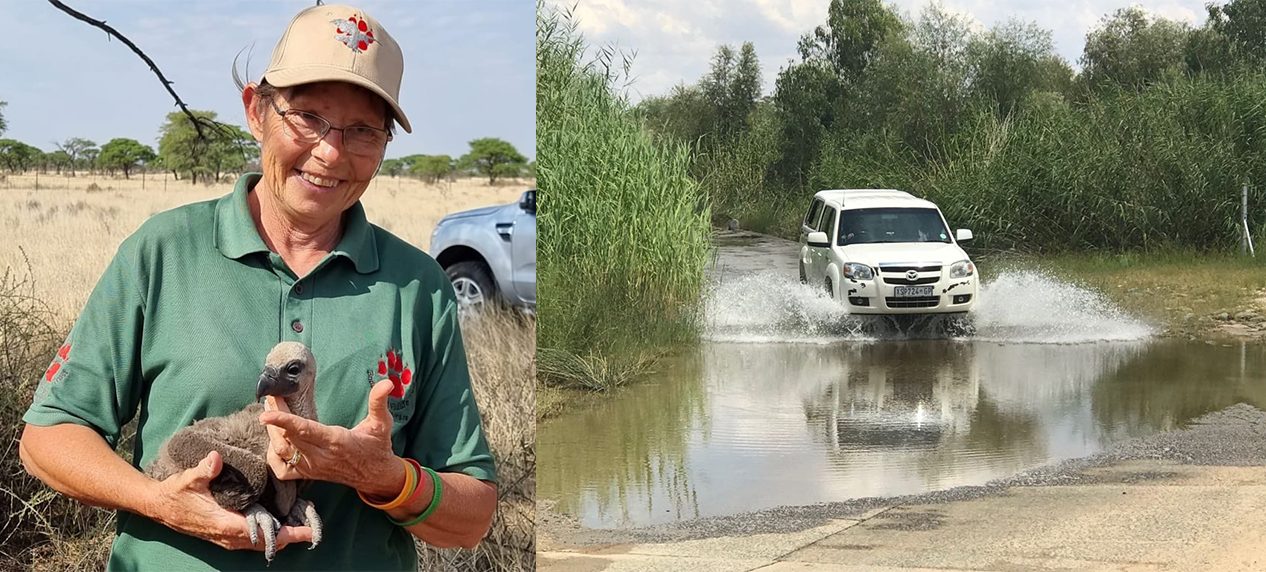
The 500 000 km mark was reached during the vulture ringing week in the larger Kimberley area in October 2024. As I do a lot of field work for the Birds of Prey and Wildlife and Energy Programmes, I do travel a lot in the Northern and Eastern Cape and also in the Orange Free State. Now the challenge is on for one of my colleagues at the EWT to reach half a million km!
 

EWT Exploring Peru

EWT Exploring Peru


EWT Exploring Peru


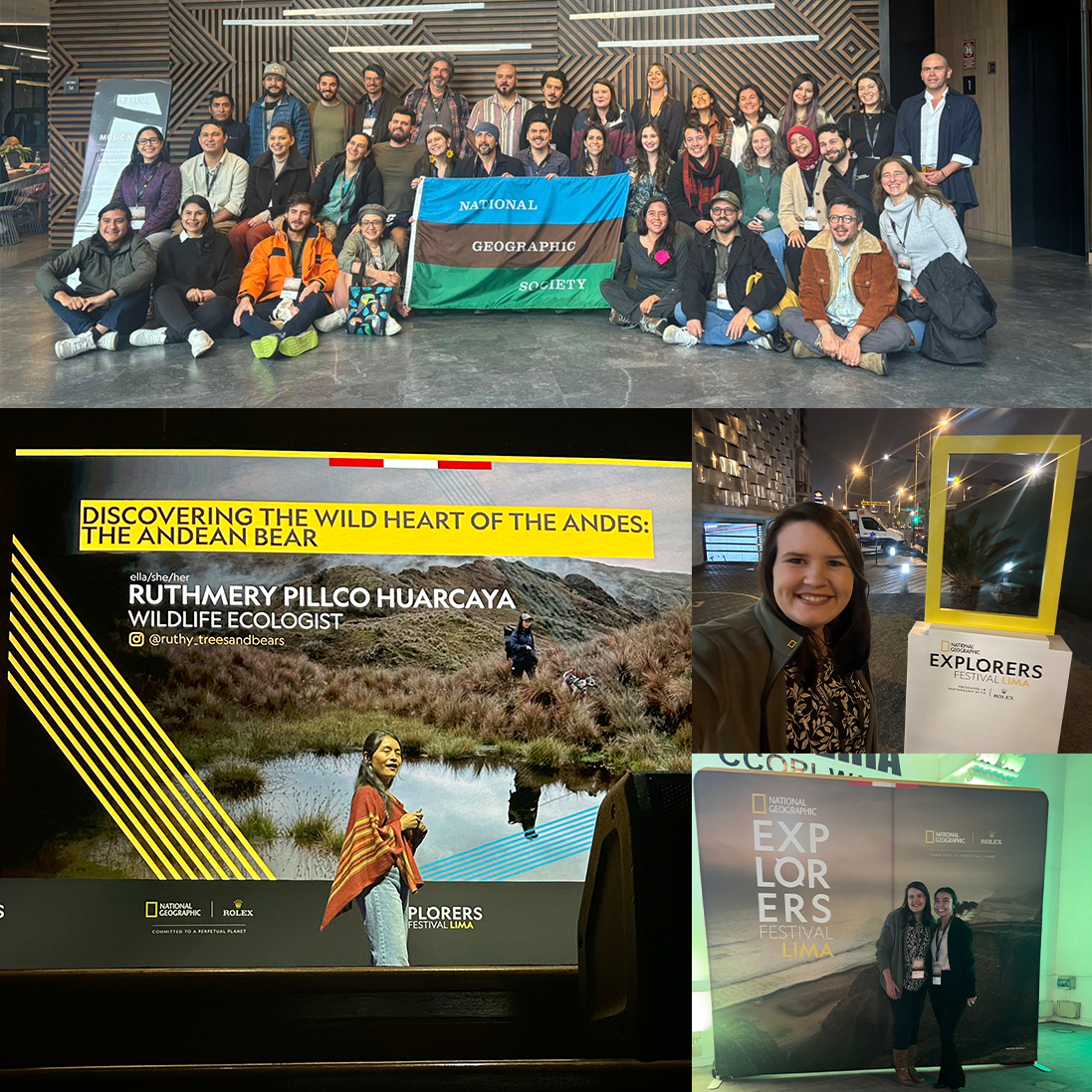
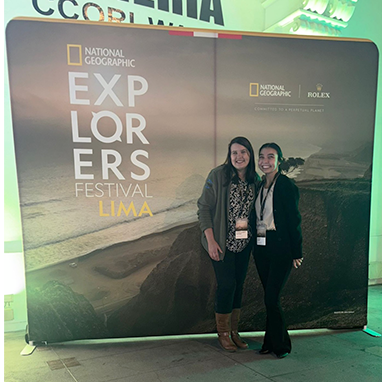
Esther Matthew, the EWT’ s Senior Specialist Conservation Officer, became a National Geographic Society Explorer in 2018 for her work with a scent detection dog to help conserve the Critically Endangered Riverine Rabbit. A few months ago, Esther was selected as one of three explorers to serve as a hub coordinator for the Southern Africa Hub. The hub includes all explorers form South Africa, Lesotho, Eswatini, Mozambique, Namibia, Zimbabwe and Botswana.

As part of her new role, she received the incredible opportunity to attend a hub coordinator training workshop and Explorer Festival in Lima, Peru! Esther expressed her excitement, saying, “It was an amazing opportunity and experience I will never forget!”. This marked her first visit to South America and her attendance at an international Nat Geo Explorer Festival. The festival showcased the remarkable National Geographic explorer project in the Amazon, along with many other fascinating topics. Esther represented EWT and the Southern Africa hub at the event, where she met many explorers from around the world. She returned with more knowledge about coordinating groups and established many valuable networking contacts.
The EWT is proud to have three National Geographic Explorers on our staff. Alongside Esther, the other two explorers are Kulani Nyakane, Field Officer of our Carnivore Conservation Programme and Dr Gareth Tate, Programme Manager of the EWT’ s Birds of Prey Programme.

A word from the CEO July 2024

A word from the CEO July 2024

Word from the CEO

 
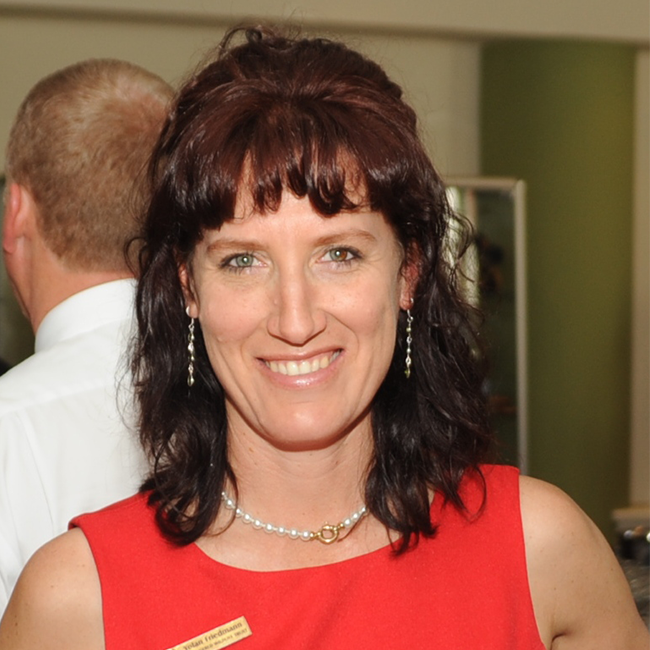
Yolan Friedmann, CEO

The 2024 Summer Olympics kicked off last week with grand fanfare and excitement, with millions of fans globally clenching thumbs and gritting their teeth as they watch their favourite sportsmen and women and wait for records to tumble. With around 300 000 spectators expected to attend the games in person, Paris is buzzing with people from across the globe and from all walks of life. Against the backdrop of political upheaval, unrest, ongoing global conflict in almost all corners of the world, economic uncertainty and a range of other manmade threats to our own futures, it fills me with a sense of hope and excitement to see fans draped in their national flags filling stadiums, and walking the streets of Paris, as they laugh, cheer, applaud and fiercely promote their national pride but all in a safe, harmonious and respectful manner. It makes me wonder why the rest of our lives and the rest of the time people cannot be like this: human beings competing as we love to do, and defending our national positions and ideologies, but in a way that inspires new generations to be better and aim higher, instead of sacrificing their futures. Humans are capable of great achievements and the Olympics is the best celebration of what focus, commitment, hard work and sacrifice can do. In a world that increasingly looks like it will implode due to the devastation of human impact, our planet can also thrive and flourish if people just focused on the RIGHT stuff.

Amidst the celebration of our sporting heroes this week, came the celebration of another group of individuals who can be likened to being environmental Olympians: champions of the earth and guardians of the voiceless. World Ranger Day on the 31st of July is always an opportunity to pause and give thanks to the brave women and men who risk their lives and dedicate their hearts, minds and bodies every day, to protecting the natural world for all of us. With Africa losing more than 64 rangers in the line of duty in the past year and with their work increasingly requiring a range of skills that qualifies them for a pentathlon event of their own, our rangers deserve cheers and glory and podiums every day of their lives. Today’ s rangers need to have environmental knowledge, technical skills, self-defense and paramilitary knowledge and still be educators, community developers, managers and defenders of the weak. The EWT salutes ALL rangers everywhere for protecting our earth.

Our world is full of heroes and focusing on them inspires us all to become better and to do better. I love the Olympics and global celebratory days for this reason, and knowing that the heroes of tomorrow are still in the making, gives me hope for a future where we will all indeed be better humans.

Yolan Friedmann,

CEO, Endangered Wildlife Trust


CAREERS IN CONSERVATION – Caitlin Smith

CAREERS IN CONSERVATION – Caitlin Smith

Caitlin is an Intern with the EWT’s Conservation Planning & Science Unit. Here is a little bit about Caitlin’s journey to a career in conservation.

Job title:  Conservation Planning & Science Intern

What do you do in your day-day work? I will be assisting in the Mammal Red List project

Location: Cape Town

Where did you grow up? Cape Town

What are your hobbies/things you like to do in your spare time? Reading and baking

Any pets? None

Favourite animal and why: Giraffes, they are so beautiful and unique!

Favourite food? Chocolate

Pet peeve? Loud chewing

Why did you want to work for the EWT? Zoology is my first love, and getting a chance to learn more about mammals while assisting with Mammal Red List assessments is something I am very excited about.

What excites you about this new position? Learning how to put together Red List assessments

What are you passionate about? Many things; giraffes, chocolate, reading/watching Harry Potter

What’ s the best advice you’ ve ever received, and who did it come from? Just be yourself, my Mom

What is your go-to feel-good song? Any ABBA song!

CAREERS IN CONSERVATION – Jacquie Van der Westhuizen

CAREERS IN CONSERVATION – Jacquie Van der Westhuizen

CAREERS IN CONSERVATION – Jacquie Van der Westhuizen

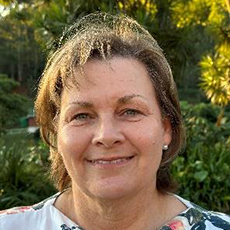
Jacquie is a Field Officer in the Drakensberg. Here is a little bit about Jacquie’s journey to a career in conservation.

Job title: Drakensberg Field Officer

What do you do in your day-day work?  My day to day work takes me to the most beautiful locations looking for cranes, checking on the nests, connecting and building relationships with farmers and creating awareness about the cranes and their habitats

Location: I am based in the KZN Midlands and Drakensberg but I will travel to find cranes anywhere between here and Timbuktooooo.

Where did you grow up? I was born and grew up in Zimbabwe on a cattle ranch, where I had an idyllic childhood and where my love for conservation began.

What are your hobbies/things you like to do in your spare time? I love being outdoors and will take any opportunity to be in a game park or looking for cranes.  I also love taking photos.

Any pets? We have two very needy dogs – a German short haired pointer and a Hungarian Visla.

Favourite animal and why: My favourite animal is an elephant, reminds me of my mom who was the matriarch of our family.

Favourite food? Prawns

Pet peeve? When people put their plates next to the dishwasher instead of inside the dishwasher.

Why did you want to work for the EWT? Because I feel like I could contribute to making the environment a better place.

What excites you about this new position? Making a difference to the environment and being part of a team of like minded people.

What are you passionate about? I love my family!

What’ s the best advice you’ ve ever received, and who did it come from? Whatever you do in life, do it properly, don’t do a half job because life is short and you only live once!

What is your go-to feel-good song? Summer of ’69