
SCIENCE SNIPPETS: AN UPDATE ON THE AFRICAN LION DATABASE
Sam Nicholson, African Lion Database co-ordinator, Conservation Science Unit. samanthan@ewt.org.za
It is generally understood that our knowledge of the status and trends in African Lion (Panthera leo) numbers is relatively poor, and the collective ability of governments and the wider conservation community to identify priorities or to assess the impacts of interventions, is limited. This can largely be attributed to the lack of a single repository of information on Lion abundance, status, trends, and fine-scale distribution. Data that currently exist are often siloed and therefore of limited conservation value. The Endangered Wildlife Trust (EWT) was awarded a grant from the Lion Recovery Fund and National Geographic in 2018 for a project to establish such a database and work began on this in October 2018. The African Lion Database (ALD) Project is endorsed by the IUCN Cat Specialist Group (CatSG) of the Species Survival Commission, and the goal of this project is to create a database that consolidates reliable data on the population and distribution of Lions across the continent. With this database, we aim to provide an essential platform from which to assess priorities, to measure conservation progress, and to monitor trends in Lion populations and their threats in Africa.
The African Lion Database (ALD) has been capturing and recording lion related data for the last 18 months. The distribution mapping component of the project is well underway with ~29% of Lion areas included in the ALD with associated references, meaning that the sources of Lion data are reliable and traceable. In the last quarter, we have more than doubled the number of population records, with ~28% of Lion areas having population estimates in the ALD. This includes 254 protected areas and private reserves across Africa. To collect this data, we have reached out to more than 300 Lion researchers and organisations! In the last year of the ALD, we have received exciting out-of-range records of Lions in areas where they were previously thought to have been extirpated (Figure 2).
- Two male Lions were discovered for the first time at Mpem and Djim National Park in southern Cameroon.
- A male Lion has been resident in Nyika National Park in Malawi and was reported by Central Wilderness Safaris.
- We also received data from Luando Reserve, in Angola, where a small pride of Lions was seen. This is the first evidence in many decades of a successfully breeding resident Lion pride in the area.
To find out more about the African Lion Database, please email samanthan@ewt.org.za
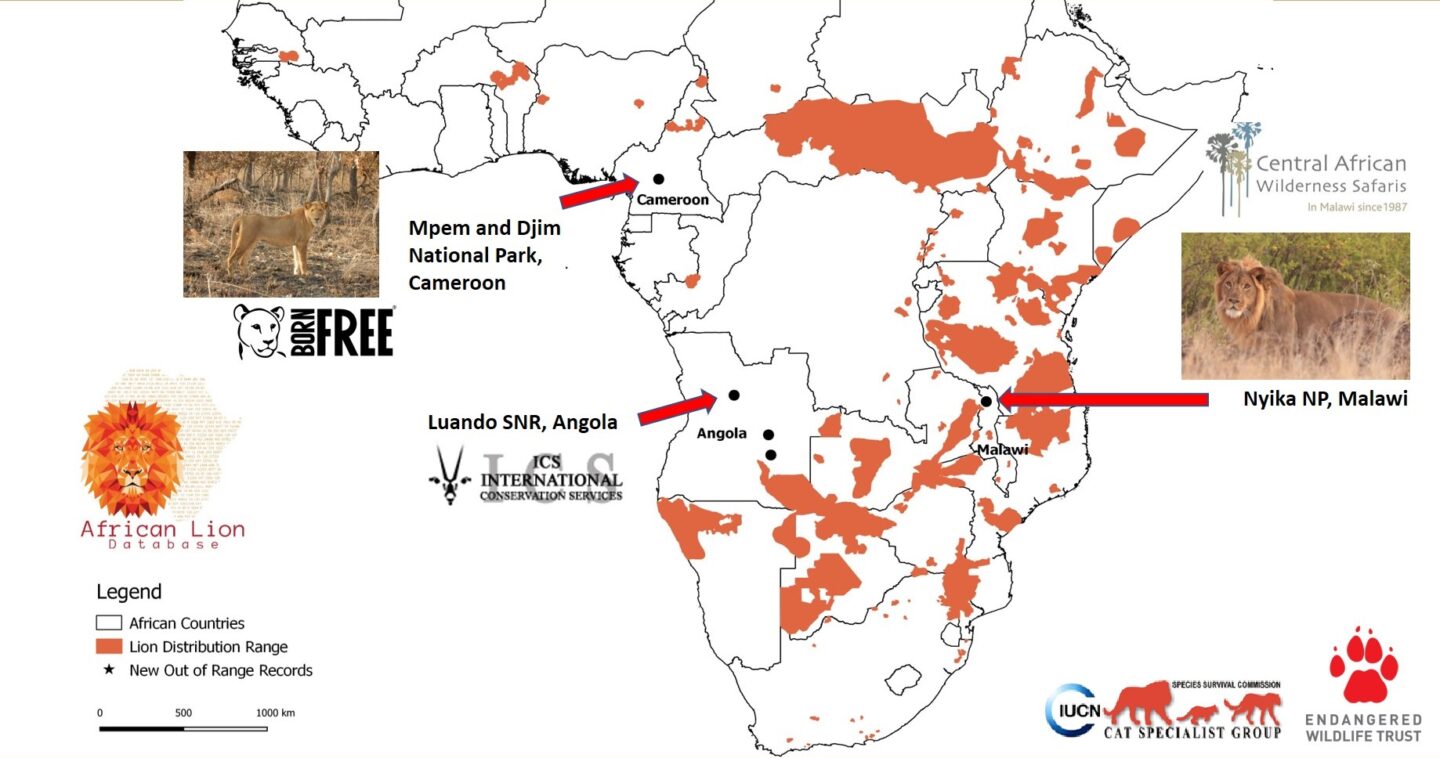
Figure 1: Map of African Lion distribution – 2020
- In the last 25 years alone, Africa has lost almost half its population of wild Lions.
- This iconic African species faces threats such as loss of wild prey, loss of natural habitat, direct persecution and poaching.
- In 2005, it was estimated that there were approximately 33,292 Lions in Africa. That number has shrunk to ~25,105 Lions.
- As many as 5 countries have less than 30 wild Lions within their borders.
- South Africa is one of six countries that has a wild Lion population of more than 1,000 individuals!
- In addition to having a significant population of Lions in large free-roaming systems like the Kruger National Park and the Kgalagadi National Park, South Africa is home to a network of almost 60 reserves that have wild populations of Lions. These populations have resulted in South Africa being home to a healthy population of wild Lions.
- World Lion Day is celebrated annually on 10 August!
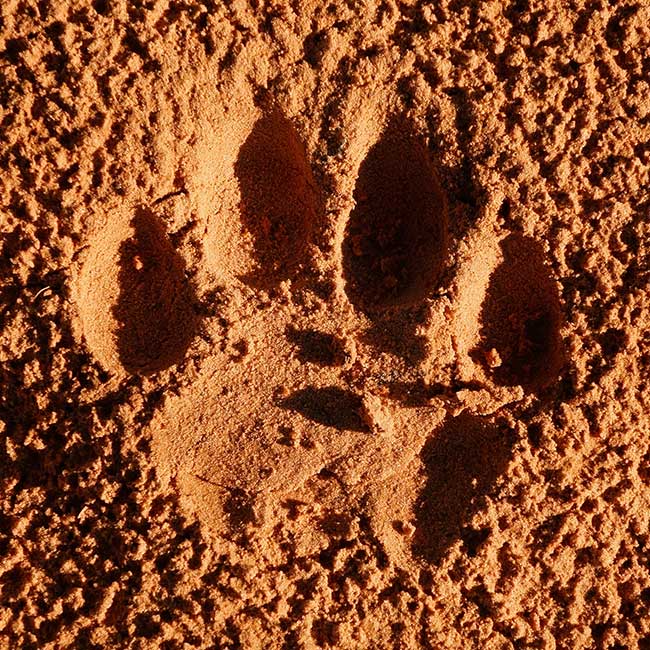
LION CONSERVATION IN THE GREAT LIMPOPO TRANSFRONTIER CONSERVATION AREA
Marnus Roodbol, Lion Conservation Field Officer, EWT Carnivore Conservation Programme
MarnusR@ewt.org.za
The African Lion is an iconic species that represents strength and courage to many cultures around the globe. As a flagship and umbrella species, protecting Lions also protects the millions of animals that share their habitat. Despite their importance as apex predators and cultural significance, they are under threat. An estimated 200,000 lions once roamed across the African continent. Over the last hundred years, Lions have disappeared from 95% of their historic range. This has coincided with a severe decline in population. Only 23,000–39,000 mature individuals remained in Africa in 2015, and some estimates suggest that there may currently be as few as 20,000 individuals remaining. The main cause of this catastrophic decline is the loss of Lion habitat and prey caused by human expansion. Lions pose a risk to human livelihoods, particularly livestock farming, and to human life. This has caused people to kill Lions and other predators in retaliation for loss of property or out of fear. The historical landscapes once belonging to lions have swiftly disappeared into agricultural spaces, which brings forth new human-related conflict issues.
One of the most effective, and most destructive, methods used to kill Lions and other predators is poison. Pesticides such as Temik and carbofuran are freely available in local agricultural stores. They are used in across Africa to combat bacterial, fungal, and insect infestations in their crops. These pesticides don’ t only kill insects. When carnivores kill livestock, farmers lace the livestock carcass with these poisons. While this is often highly effective in killing the offending Lion, it also kills large numbers of scavengers, including Leopards, hyaenas, jackals, and vultures. The impact on vultures and other raptors is particularly severe. According to records maintained by the EWT’ s Vultures for Africa Programme, more than 1,200 vultures were poisoned across southern and East Africa in 2019. In late February 2020, more than 1,000 vultures, mostly the Endangered Hooded Vulture, died in a mass poisoning incident in Guinea-Bissau.
Wild Lion populations have faced numerous challenges during the last two decades. In addition to conflict with humans, Lion body parts have been used for centuries across the African continent to capture the strength and courage of the mighty Lion and cure various human bodily ailments. However, the trade of body parts in east and southern Africa was not as frequent before demand from Asia infiltrated into the local market, thus fuelling the demand and exposing free roaming populations to an increased threat of poaching for body parts. It is believed that this new demand originated as an offshoot of the tiger bone industry in Asia. As tiger populations dwindled, demand for a substitute species increased. The targeted poaching of Lions for their body parts is now on the rise as wildlife markets try to meet the demand for Lion parts from a growing human population in Africa and in the relatively new Asian markets. The pragmatic requirements of survival in rural communities that live in Lion range interact with traditional mythological and ceremonial perceptions of Lions. The desire to protect property and human life, to supplement meagre incomes, and for a rapidly growing population to participate in ancient traditions that use Lion body parts fuel the looming threat of widespread poisoning of Lions and severe impacts on entire ecosystems.
The Great Limpopo Transfrontier Conservation Area (GLTFCA), which includes Kruger National Park, in South Africa, and Limpopo National Park, in Mozambique, is one of the last ten Lion strongholds in Africa. These strongholds occur in formally protected areas and contain a stable or increasing population of at least 500 Lions. Impoverished pastoral communities along the boundaries of this conservation area resort to illegally killing Lions both in retaliation for livestock losses and for the potential income they can earn by selling their body parts. Protecting this population of Lions requires a multi-pronged approach. We have partnered with Peace Parks Foundation (PPF) in Mozambique to address the targeted poisoning of Lions. We will monitor Lion prides across the landscape using GPS satellite collars. By understanding their movements and habitat use, we can inform anti-poaching patrols to better protect areas that are important to these prides. Through our Vultures for Africa Programme, we will also provide Poison Intervention Training for rangers in both South Africa and Mozambique so that first responders are equipped to safely protect evidence and decontaminate sites to reduce the impact of the poison on the ecosystem. Our Wildlife in Trade Programme will provide training to Mozambican customs officials that will enable them to identify the parts of Lions and other priority species and to distinguish them from similar legally graded species. Through PPF and their Herding 4 Health Programme, we will work with local communities to provide an early warning system when collared Lions approach communities. Finally, we are working with Freeland to identify and disrupt Illegal Wildlife Trade routes used to get Lion parts to both local and Asian markets. Protecting this critical and threatened Lion population requires evidence-based and culturally sensitive solutions. Over the next three years, we will work with our partners to develop these solutions and to stop targeted Lion poisoning in the GLTFCA.
This work is funded by the UK Government through the Illegal Wildlife Trade Challenge Fund.
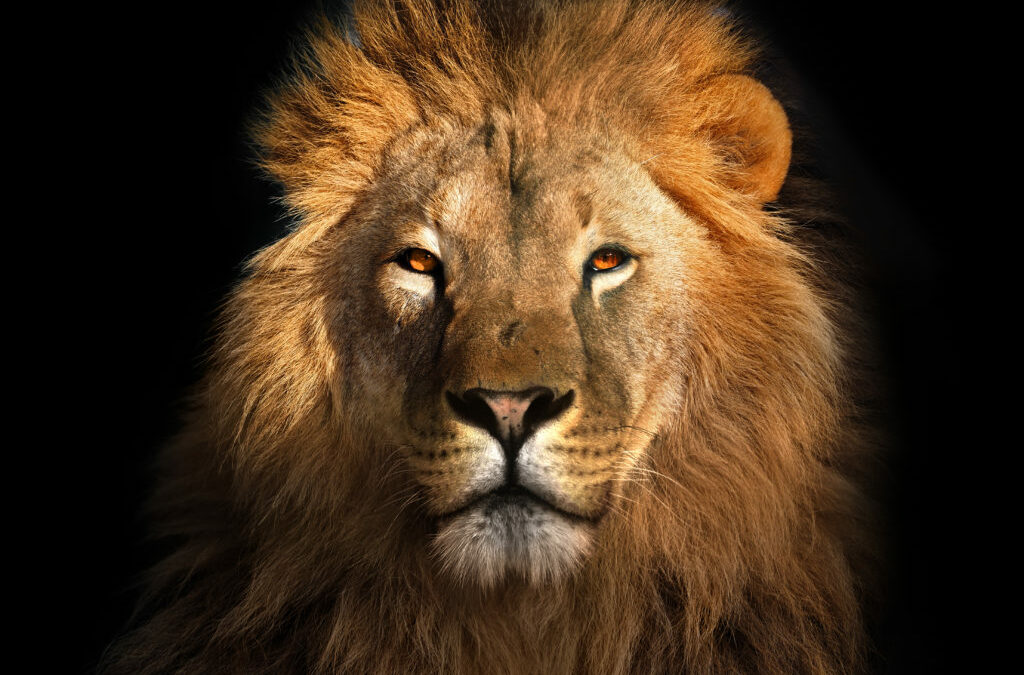
HEAR THEM ROAR!
Belinda Glenn, EWT Marketing and Communications Manager
BelindaG@ewt.org.za World Lion Day is celebrated in August each year, and we’ ve certainly had something to roar about in 2019.
On 6 August, the Pretoria High Court set aside the 2017 and 2018 lion bone quotas, stating that these were both unlawful and unconstitutional, and that due process was not followed in the setting of these quotas. This precedent-setting judgement has much broader implications beyond the lion bone trade, and could have a significant impact on the breeding, slaughter, and selling of parts of all captive wild animals.
The EWT has been vocal in its opposition to the lion bone trade, and the setting of these quotas, as the captive breeding of wild animals for their parts offers no demonstrated conservation value for the species. We do not support the commercial captive breeding of carnivores because it does not contribute to the sustainable, responsible use of our wildlife resources and, in some cases, may have negative impacts on the conservation of these species in the wild.
Instead, we support the conservation of wild and free ranging carnivores, including but not limited to lions, in their natural habitat, where they contribute to biodiversity conservation as keystone and flagship species. The EWT therefore welcomed this landmark judgement, and applauded the NSPCA and all other parties who have persisted in their efforts to secure this victory for lions.
Just a little later that same week, the EWT officially launched its lion conservation knowledge hub, the African Lion Database, with the exciting news that new records of these charismatic cats have been captured in locations where they were previously thought to have gone extinct.
The database is hosted by the EWT on behalf of the broader conservation community, under the auspices of the IUCN’ s Cat Specialist Group, and will be used to compile, analyse, and store data on African Lion distribution, abundance, and population trends, and support the continuous assessment of the status of lions across the continent. This is significant because the more we know about a species the better we can protect it, by guiding conservation action and directing funding resources to where they are most needed.
This project has been collating existing data from reserve management, researchers, existing data platforms, and from governments for the last six months and already offers some exciting new insights into the distribution of lions in Africa. For example, the presence of a resident male lion in Nyika National Park, Malawi, was recently confirmed by Central African Wilderness Safaris. Months after the initial report, the EWT received photos to confirm his presence. Another exciting record comes from Angola, where a sighting of a male and female with their two cubs was recorded in Luando Special Reserve. These are the first female and cubs to be seen in more than a decade in this area and this new information offers hope that lions may be re-establishing a presence where they were thought to have disappeared. A recent Born Free expedition recorded a small pride of lions for the first time at Mpem and Djim National Park in southern Cameroon – again, in an area where lions were considered to be locally extinct. These records provide some hope that lion populations are beginning to establish and increase in areas where hope was lost.
This project is made possible with the financial support of the Lion Recovery Fund and National Geographic Society.
LATEST STORIES
Keep our lions where they belong, in the wild! Take the pledge to keep our lions #wildnfree and join the fight against keeping carnivores in captivity for petting, walking-with, photo-tourism, captive hunting and the trade in their body parts. There is no conservation requirement or recommendation for any captive breeding or keeping of carnivores in South Africa. Captive breeding does not address the key threats faced by carnivores in the wild, and captive bred lions have no role to play in reintroductions and restorations of wild lion populations. The proliferation of captive carnivore facilities in South Africa is primarily for commercial gain, and at significant cost to human safety and animal wellbeing.