Help protect Africa's 

Lion Collaring and Monitoring Update: Northern Kruger National Park

Lion Collaring and Monitoring Update: Northern Kruger National Park

Lion Collaring and Monitoring Update:
Northern Kruger National Park


By Marnus Roodbol, project manager, Carnivore Conservation Unit


The Endangered Wildlife Trust (EWT) conducting a lion collaring and survey operation.

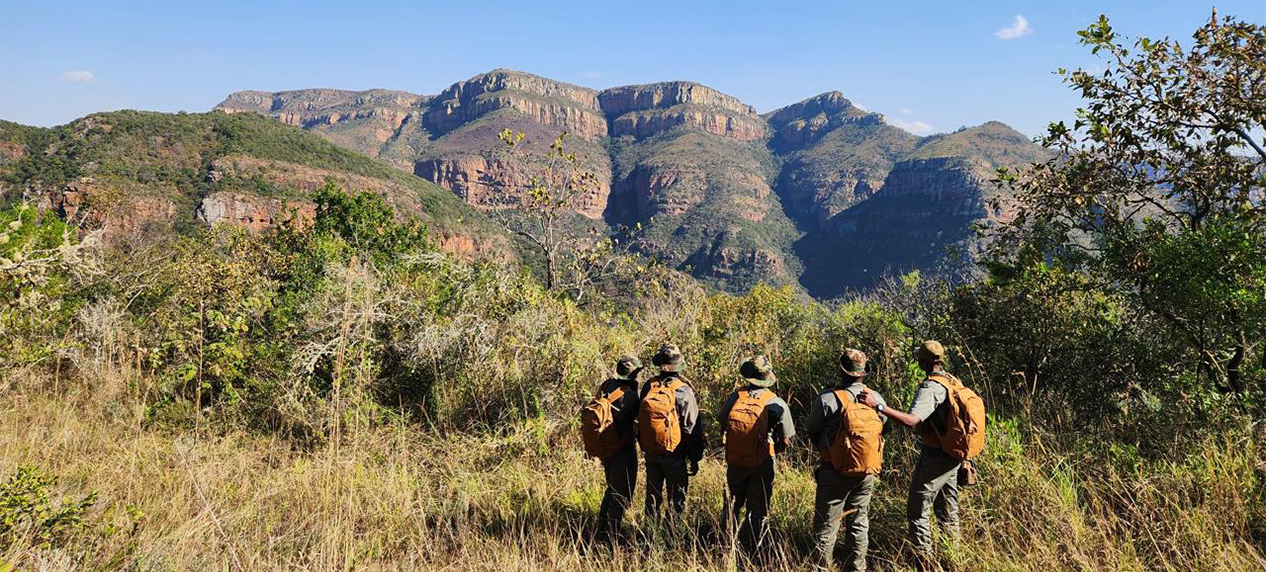
The Endangered Wildlife Trust (EWT), in collaboration with SANParks and Greater Kruger Environmental Protection Foundation (GKEPF), conducted a lion collaring and survey operation in the Nxanatseni North region of northern Kruger National Park from 21–29 September 2026. The operation focused on locating, identifying and monitoring lions in an area where the population faces increasing threats from snaring, poisoning, targeted poaching and human-wildlife conflict. A total of 30 lions were observed, including adult males and females, sub-adults, juveniles and cubs. Selected lions were processed, branded and fitted with GPS collars to strengthen the ongoing monitoring of the population.

The GPS collars provide an important conservation tool by allowing the team to remotely monitor lion movements, survival and behaviour across the large northern Kruger landscape. Collar data can also help identify when lions move into high-risk areas or display unusual movement patterns, supporting more targeted responses by conservation and ranger teams. This information will contribute to a better understanding of pride movements, dispersal, habitat use and the survival of individual lions, including translocated animals.

The EWT would like to sincerely thank Painted Wolf Wines and the Lion Recovery Fund for their generous support towards the provision of GPS collars for the northern Kruger lion monitoring programme. This contribution has increased our capacity to monitor individual lions and respond to potential threats. We also thank SANParks and the veterinary and field teams for their support during the operation.

While not all of the collars deployed during the operation are fully operational yet, the team is completing activation and communication checks to ensure that the remaining units are transmitting correctly. As the collars come online, the resulting data will provide valuable information for the continued monitoring and protection of lions in Nxanatseni North.

Archives

South Africa’s Natural Heritage Needs Support

South Africa’s Natural Heritage Needs Support

South Africa’s Natural Heritage Needs Support

Eleanor Momberg


Threatened African carnivores protected through conservation efforts in South Africa

South Africa’s natural heritage requires a commitment from all to ensure that it is protected for future generations.

Without a healthy environment, neither people, plants or animals would survive.  This includes the protection and conservation of valuable water resources, the air we breathe and the soil required to sustain life.

Key to South Africa’s natural heritage are species under threat of extinction.  African Wild Dogs, Cheetahs and Lions are part of the living heritage that makes Africa unique.

“These species are deeply connected to our identity and to the landscapes for which Africa is internationally recognised. They are also important components of healthy, functioning ecosystems. Protecting them is therefore about much more than saving individual animals – it is about protecting the natural systems and wildlife that future generations should inherit,” says the EWT’s Carnivore Conservation Unit manager, Derek van der Merwe.

The EWT’s work to protect threatened wildlife has carnivore conservation as an important part of our history.

“Through the Carnivore Conservation Unit (CCU), we have spent decades combining science, field conservation, technology and partnerships to understand populations, reduce threats and create safer, connected landscapes for carnivores.

“This long-term investment is now delivering tangible results. As populations of African Wild Dogs and Cheetahs have increased in South Africa, our work has evolved from protecting remaining populations to helping restore species to areas from which they have been lost,” says van der Merwe.

The fenced reserve cheetah population has increased by an average of 8.8% annually since 2012. Last year it increased 19%. There are some great stats in the conservation matters article that Kelsey made in April! But it is important to note that increases has only really occurred in South Africa’s managed fenced reserves (metapopulation) outside of that it has been declining.

The contribution of each of the three species to South Africa’s heritage is evidenced through the presence of lions, Cheetah and African Wild Dog not only folklore and storytelling, or in symbols, but of all three species in art, tourism and in the country’s conservation identity.

While lions are symbols of strength, leadership, courage, and wilderness across Africa,   Cheetahs are Africa’s most iconic speed specialists representing open landscapes and ecological processes that have defined African savannas for thousands of years. African Wild Dogs, as one of Africa’s most unique and Endangered carnivores,  are know for their extraordinary social structure, cooperation, and family bonds making them a distinctive part of Africa’s natural identity.

Lions, Cheetahs and African Wild Dogs belong to our landscapes, our stories, our sense of identity, and our shared responsibility to future generations. Protecting them is about ensuring that the next generation inherits a wild Africa, not just memories of one.

These are species that require support through individual, group and national actions, including awareness, direct conservation and resource allocation.

EWT team returns to Kgalagadi Transfrontier Park to conduct lion research

EWT team returns to Kgalagadi Transfrontier Park to conduct lion research

EWT team returns to Kgalagadi Transfrontier Park to conduct lion research


EWT researchers conducting the Kgalagadi lion population census in South Africa.

An Endangered Wildlife Trust team has returned to the Kgalagadi Transfrontier Park to conduct this year’s lion population census, helping SANParks monitor and better understand the lion population in the park.

The lion monitoring project started on 1 August and ends on 31 October 2026. In 2025, the team had also spent three months in the Kgalagadi Transfrontier Park, which spans South Africa and Botswana, to collected the first tranche of data about the lions living in this desert landscape.

In the next three months, the EWT team, supported by SANParks, will determine how many lions are estimated to live in the South African part of the Transfrontier Conservation Area, their demographics, and their spatial distribution within the park. A team from Kalahari Research and Conservation are undertaking a similar project on the Botswana side of the Transfrontier Conservation Area.

Repeated annual surveys will form the base for subsequent, less frequent long-term monitoring of the Kgalagadi lion population, the second-largest free-roaming lion population in South Africa.

Understanding the status and performance of this population is central to national lion conservation planning and to the long-term management of the broader transboundary ecosystem. It supports SANParks in the effective management of lion populations within its parks.

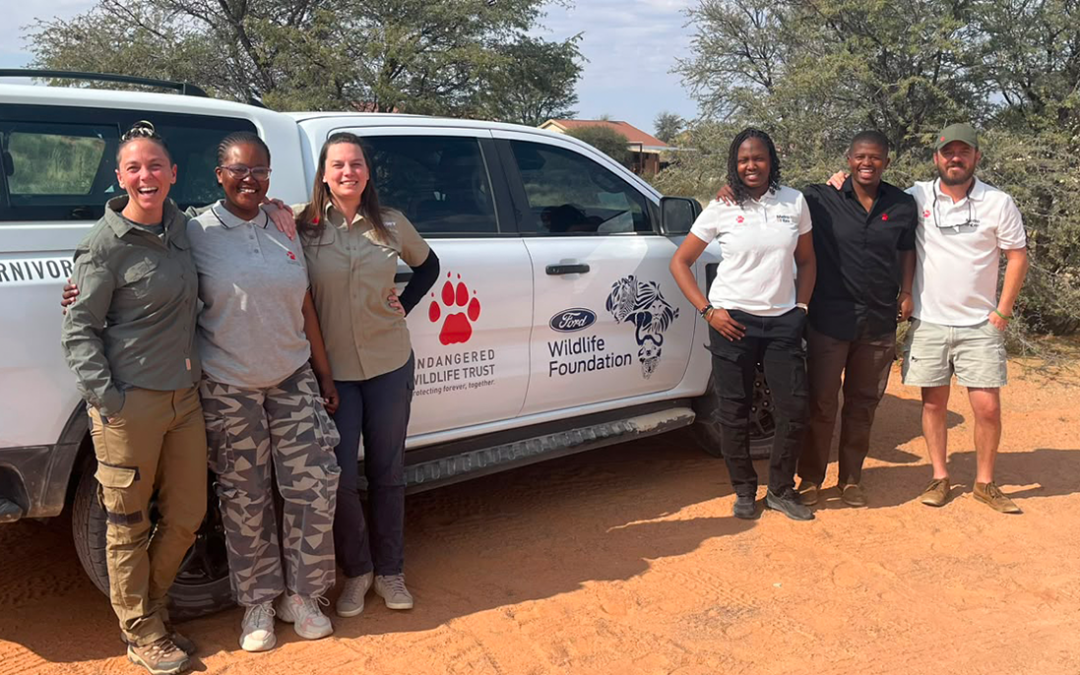
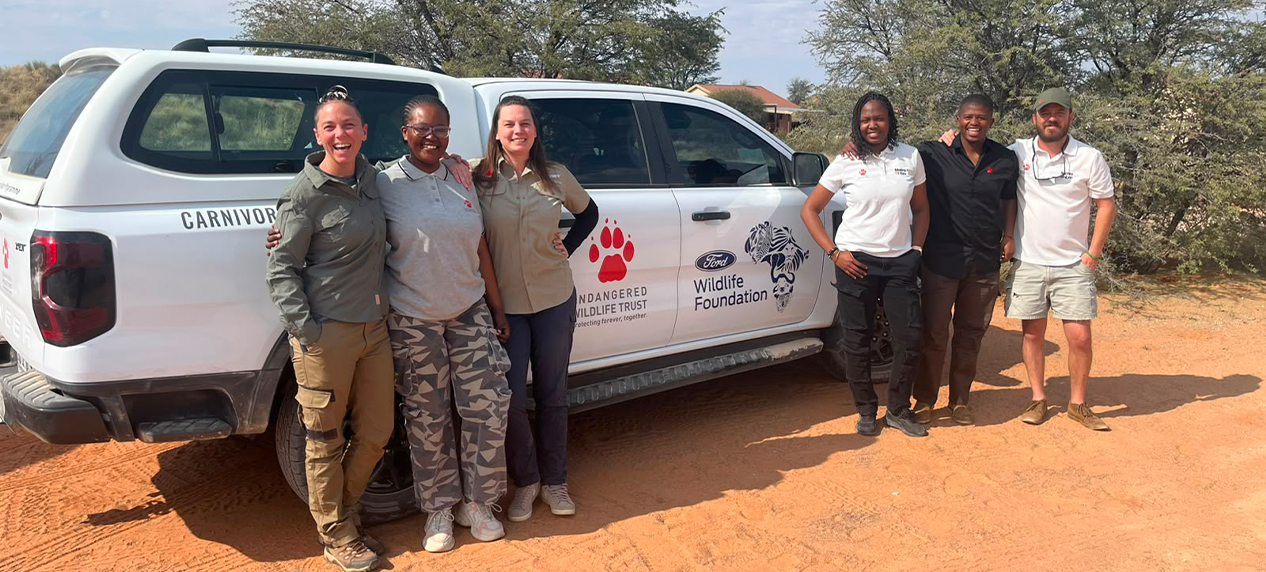
The core team comprises four women and two men. It is led by the EWT Carnivore Conservation Unit’s data analyst, Alison Govaerts, who is supported by EWT project manager Marnus Roodbol. Also on the team are EWT field technicians Nonkuleleko Mokobong, Lesedi Leope, Sabelo Mahlangu and Lizaene Cornwell.

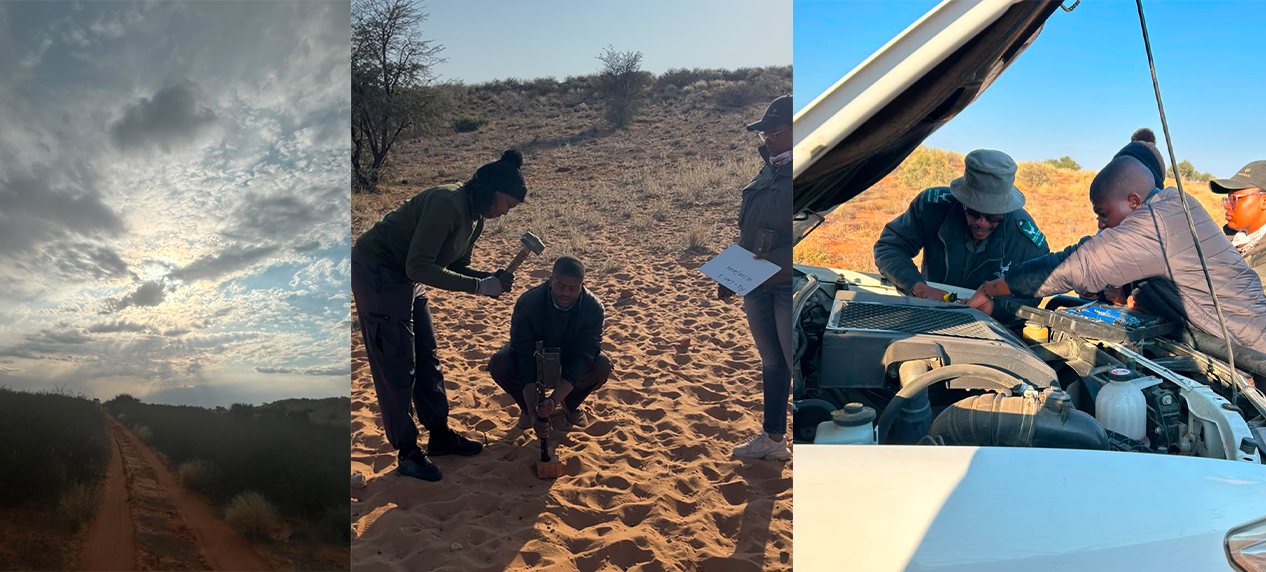
Field researchers monitoring lions across the Kgalagadi Transfrontier Park.

The team are using photographs and camera trap footage to individually identify each encountered lion (excluding lion under one-year-old) using their unique whisker pattern.

At the end of the three-month period, the results and reports of the surveys by the EWT and Kalahari Research and Conservation will be combined to estimate lion numbers across the whole Transfrontier Park. As the lions move freely across borders, some individuals will be identified by both teams. By combining the survey data, possible double counting of these lions will be avoided.

Through the monitoring of existing populations, we are able to keep track of population dynamics, which provides a powerful tool to inform management strategies and to identify potential threats in time. The protection and conservation of lions remains a priority for this apex predator that plays a central role in keeping the balance within ecosystems by maintaining a healthy prey base, and keeping the meso-predator population in check. Without lions, prey populations would risk overgrazing the landscape.

Lions are a flagship species, and are a popular sighting as a key member of the Big Five during safaris. Thus, their economic importance.

Lion are also culturally important as they symbolise power, strength, and leadership, and are embedded in many practices, ranging from representing totems and clans, to being a symbol or name for sports teams, or play a role in spiritual and traditional customs.

In partnership with SANParks, and with the support of the Lion Recovery Fund and private donors, the EWT is taking a important step forward for lion conservation.

EWT Carnivore Conservation Unit carrying out lion population surveys.

In Memorium: Gus Mills leaves an indelible mark on carnivore conservation

In Memorium: Gus Mills leaves an indelible mark on carnivore conservation

In Memorium

Gus Mills leaves an indelible mark on carnivore conservation

By Eleanor Momberg


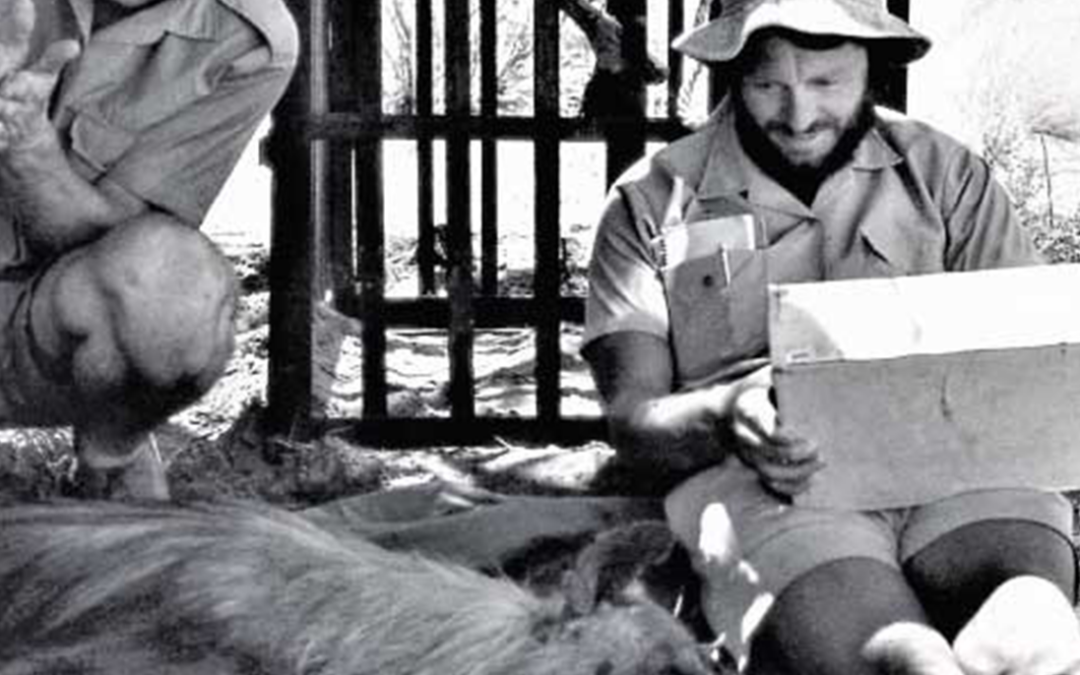
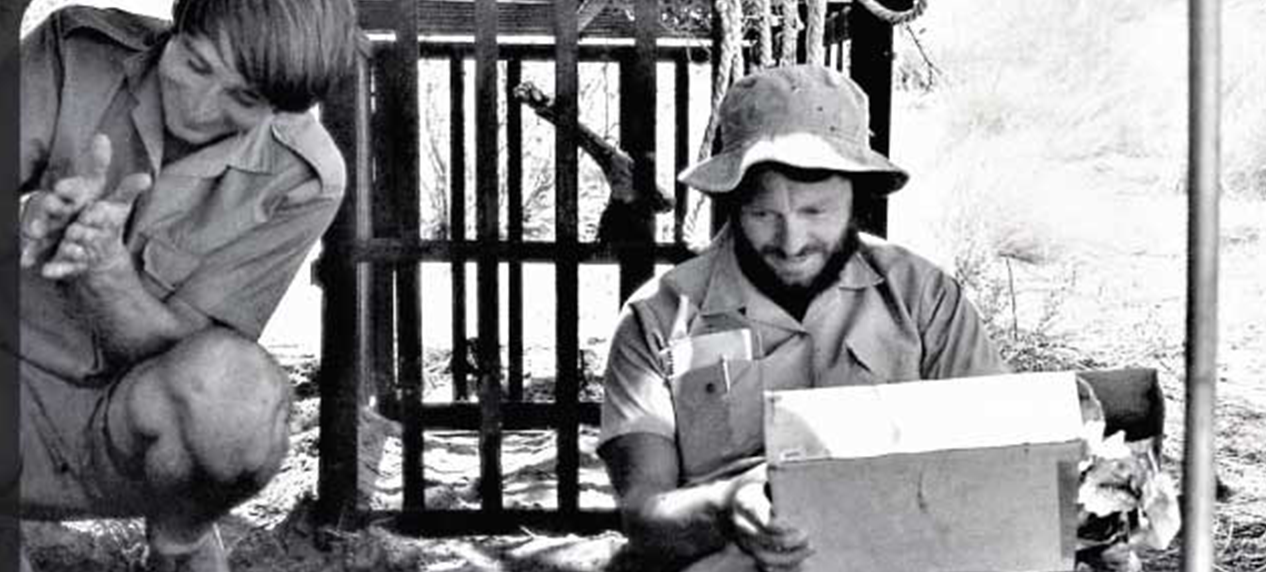
Dr Gus Mills conducting carnivore research in the Kalahari.

In July 2026, the Endangered Wildlife Trust joined conservationists and researchers worldwide in mourning the death of Dr Gus Mills, a renowned Brown Hyaena, Cheetah and African Wild Dog specialist, and author.

Gus left an indelible mark on carnivore conservation in South Africa, and through a variety of international bodies on which he shared his expertise about nature’ s apex predators, including canids and big cats.  This included serving as a senior member of the IUCN Carnivore Specialist Groups. He was a former chair of the Hyaena Specialist Group and member of the steering committees of the Cat Specialist Group and the Canid Specialist Group.  Gus was the founder of the Endangered Wildlife Trust’s Carnivore Conservation Group.

Gus’ s first introduction to the EWT was when he undertook research in the Kalahari into Brown Hyaena in 1973, the year the EWT was established by South African conservationist and artist, Clive Walker, James Clarke and Neville Anderson. A year later, the EWT funded some equipment for the project run by the then MSc student at the University of Pretoria. This was the EWT’ s third sponsorship.

Describing Gus as a “wonderful human being”, Clive Walker, founder of the EWT, said: “He was second researcher the EWT invested in back in the 1970’ s and one of the finest who devoted his life to conservation”.

Gus continued his research about Brown Hyaenas and Spotted Hyaenas for 15 years, publishing Kalahari Hyenas: the comparative behavioural ecology of two species in 1990.

In 1996, he was asked by the then Director of the EWT, Dr John Ledger, to form the EWT’ s Carnivore Conservation Group. This was achieved through a partnership with SANParks which allowed him to work full-time on carnivores while establishing and running the EWT’ s Carnivore Conservation Group and working for SANParks. Funding for this unique arrangement was provided by the Lewis Foundation.

The EWT’ s Carnivore Conservation Unit is today recognised as a leader in lion population research, the metapopulation management of Cheetah and African Wild Dog throughout southern Africa, and addressing threats to carnivores through human-wildlife conflict and the illegal wildlife trade.

During his time at SANParks, Gus researched Cheetah, African Wild Dog, Honey Badgers, Brown Hyena, and lions. He introduced the concept of metapopulation management of wild dogs and with the assistance of the late Pat Fletcher, pulled together numerous agencies and landowners to achieve genetic management of scattered populations through the Wild Dog Advisory Group.

Derek van der Merwe, manager of the EWT’ s Carnivore Conservation Unit, said: “It is remarkable to reflect on how much has changed since those early days, when Gus would fly over the Kruger National Park in a small EWT aircraft equipped with telemetry equipment, tracking African wild dogs from the air. Those pioneering efforts helped establish many of the approaches that underpin carnivore conservation today”.

Cole du Plessis, project manager in the Carnivore Conservation Unit said: “Long before GPS collars and big datasets, there were people like Gus patiently building our understanding of Africa’s carnivores, one observation at a time.  He was also ahead of his time. He encouraged visitors to Kruger National Park to photograph wild dogs and cheetahs because every individual has a unique coat pattern. Those photographs became one of South Africa’s earliest citizen science programmes, and remarkably, that project still contributes to carnivore conservation today”.

Cole believes what made Gus so remarkable was that he fundamentally changed the way we understand Africa’s carnivores. “He wasn’t simply observing animals – he was curious. He spent decades asking and answering the questions that have shaped how we understand Africa’s carnivores today”.

“His work on lions, cheetahs, hyaenas and African wild dogs laid much of the scientific foundation that modern carnivore conservation is built upon. But perhaps just as importantly, Gus had an incredible ability to connect science with the natural world. He showed that good science and a deep appreciation for nature could go hand in hand.”  said Cole who believes his greatest impact was how Gus did his science.

 “I actually think that may be his greatest legacy. Scientific papers are incredibly important, but they only go so far. Gus invested in people. He mentored students, encouraged young researchers, and inspired countless conservationists through his generosity, humility and willingness to share his knowledge. If you look across Africa today, many of the people leading carnivore conservation were either directly mentored by Gus or influenced by his research. His legacy isn’t just in the knowledge he created—it’s in the people who continue that work every single day”  said Cole.

Gus retired from SANParks in 2006 after 40 years of service.  Based in the Kalahari, with his wife, Margie, Gus then embarked on a study of Cheetah that saw the publication of A Natural History Guide to the Arid Kalahari in 2014,  four years after the release of what remains one of his most memorable books Hyena Nights and Kalahari Days.  This book continues to raise awareness about this often misunderstood species.

“Gus was an excellent public speaker and presenter. His talks to EWT members at the Johannesburg Country Club were always ‘full-house’ occasions. His charming personality drew people towards him and his passion for carnivore conservation was admired by many EWT supporters. Some of the latter, like Stuart Bromfield and Norman Stein became generous donors to EWT carnivore projects,”  said John Ledger.

Derek described Gus as a quiet, yet immensely influential presence in conservation.

“There are few people whose authenticity, humility, and dedication matched his. His writings, particularly Cry of the Kalahari, captured not only the science of conservation, but also the wonder and privilege of sharing the landscape with Africa’s wildlife. His contributions to the conservation of lions, Cheetahs, African Wild Dogs, and hyaenas extended far beyond the EWT, influencing generations of researchers and practitioners around the world,” he said.

“For those of us who now have the privilege of carrying this work forward, we do so standing on the shoulders of pioneers like Gus. His legacy lives on not only through his extraordinary scientific contributions, but through the countless people he inspired and the conservation programmes he helped set in motion,”  said Derek.

Yolan Friedmann, CEO of the EWT, described the immense influence Gus had on her career.

“I had the privilege of getting into the field with Gus as an early-stage career conservationist, and to watch with wonder how he tracked Wild Dogs; I remember with fondness bumping around in the back of bakkies as we tore after these extraordinary carnivores in pursuit of their pray. Gus instilled in me a love for Wild Dogs and I worked with Gus to develop the first project to develop a sustainable Wild Dog population outside of the Kruger National Park through range expansion into KwaZulu-Natal, in the early 2000s. I loved our debates about the philosophical lines between animal welfare and conservation and the role of the individual versus the population. Gus taught me so much and made a lasting impression on my conservation career. His legend will live on in the lives he touched wherever he went,” she said.

Gus will be remembered as was a dedicated conservationist who believed that the youth and local communities had an important role to play in the future of all species. His mark on conservation will always be remembered. His wife Margie worked alongside Gus in the field in the Kalahari, enduring hardships in remote areas and contributing to their joint books in a remarkable partnership that endured for more than half a century. We share the grief of losing of this special man with Margie, their biologist son Michael, daughter Debbie and the grandchildren.

Threat Reduction Rangers spring into action to save snared lion

Threat Reduction Rangers spring into action to save snared lion

In the field:

Threat Reduction Rangers spring into action to save snared lion


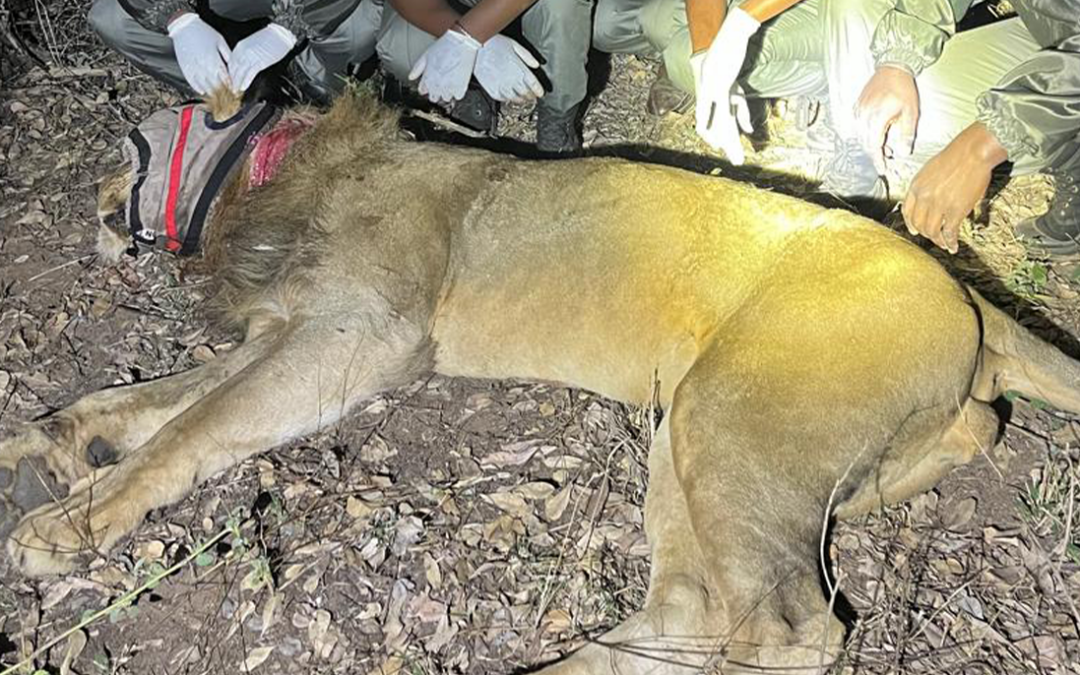
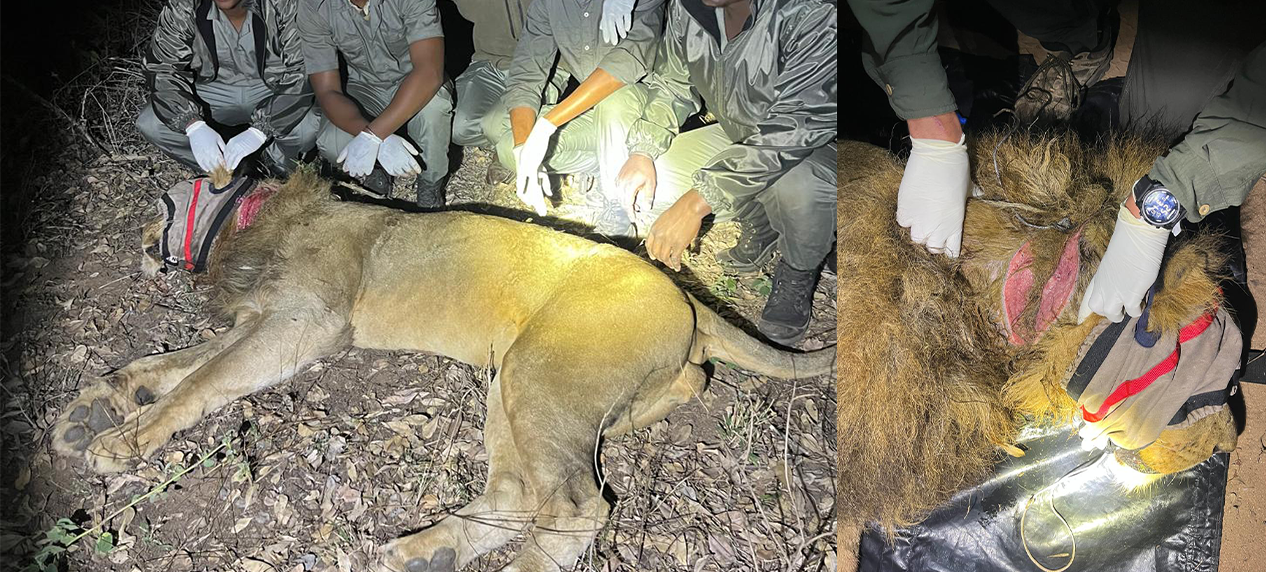
EWT Threat Reduction Rangers assisting a veterinarian during the rescue of a snared male lion.

The EWT’ s new Threat Reduction Team in July spent a Friday night assisting with the rescue and treatment of a male lion caught in a snare.

The lion, from one of neighbouring reserves, had been missing for about a week before reserve staff managed to locate him and noticed the severe snare around his neck. The Threat Reduction Team sprung into action and managed to locate the lion.  Once darted by a vet, the rescue became a team effort with everyone helping to move the lion to a safe area, hold drips, clean and treat the wound, and assist throughout the procedure.

The snare was extremely serious, and the intervention came just in time. Thanks to the team’s efforts, this magnificent lion will be a whole lot more comfortable and should make a full recovery.

“What makes this even more meaningful is that, after spending the last few days learning about wildlife crime and the devastating impacts of snaring, our new Threat Reduction Team witnessed firsthand why their work matters. Experiences like these leave a lasting impression and reinforce the importance of what we do every day to protect South Africa’s wildlife.

“I couldn’t be prouder of this team. They were professional, observant, eager to help, and genuinely engaged throughout the operation. This is exactly the kind of commitment and teamwork that will make a real difference in tackling wildlife crime,”  said Derek van der Merwe, manager of the EWT’ s Carnivore Conservation Unit.