Help protect Africa's 

From Climate Risks to Community Resilience: EWT’s Impactful Action

From Climate Risks to Community Resilience: EWT’s Impactful Action


From Climate Risks to Community Resilience: EWT’s Impactful Action

By Jenny Botha and Eleanor Momberg
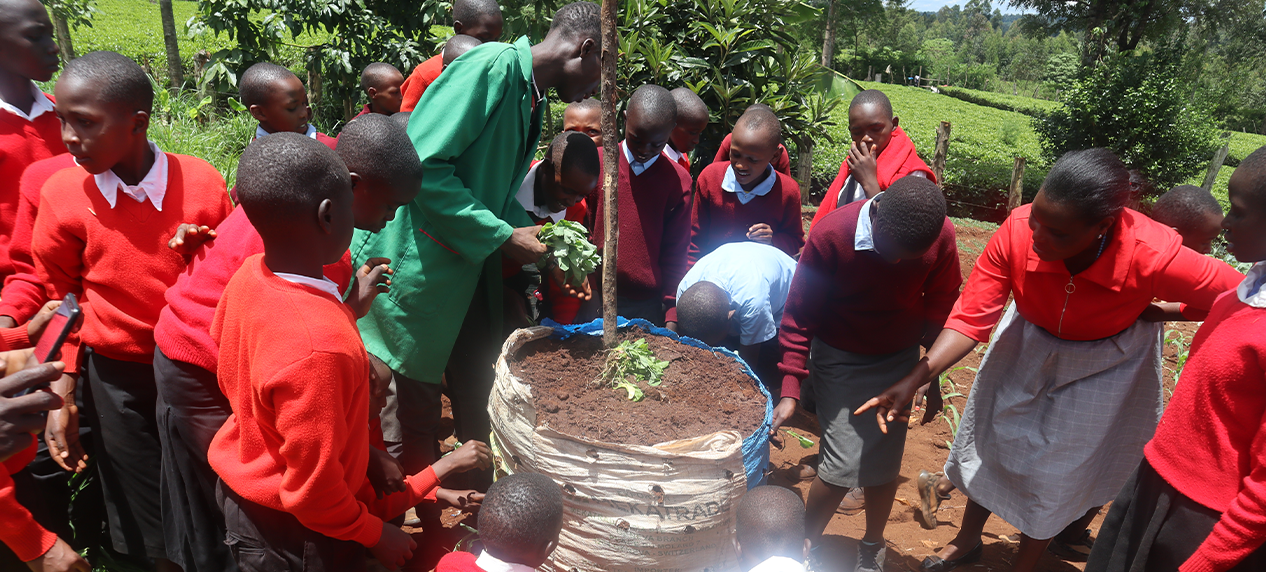
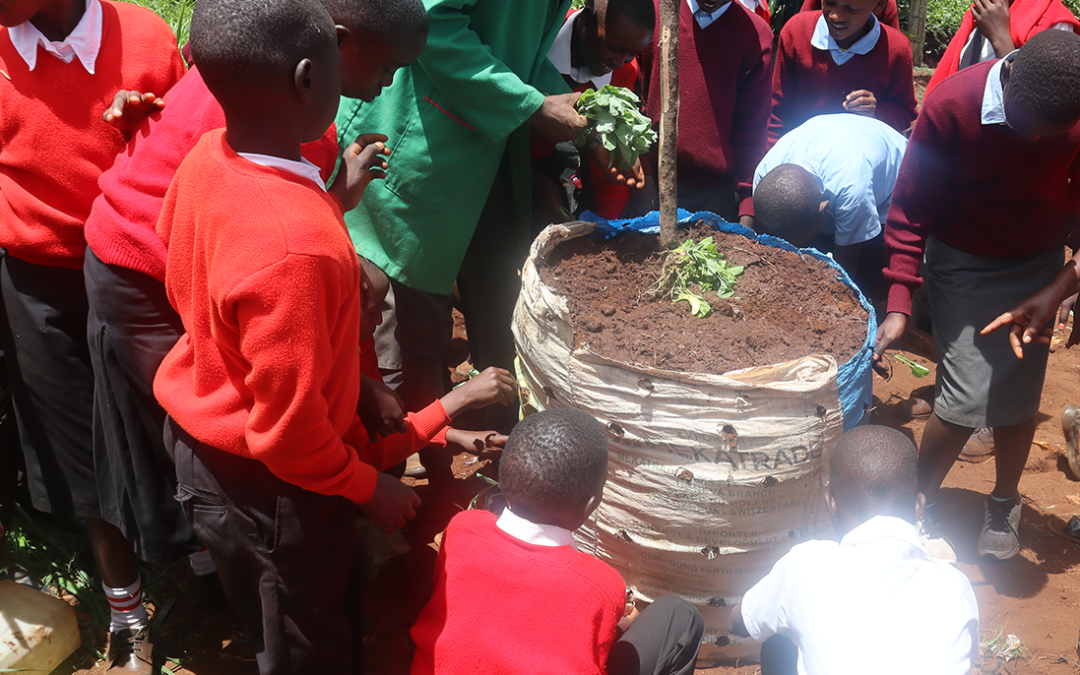
Climate smart agriculture training in schools


The Endangered Wildlife Trust (EWT) implements a range of initiatives that contribute to mitigating and reducing the impacts of climate change through our programmes across southern and East Africa. Among these are projects to address the impact of climate change on the health of communities.

Human health is inextricably linked to biodiversity and environmental health, with the World Health Organisation (WHO) confirming in a report published in October 2024 that climate change presents a fundamental threat to human health.

Climate change not only affects the physical environment and functioning of vital ecosystems that buffer us from extreme weather events and directly contribute to human health, but its effects on social and economic conditions are increasingly undermining human health and well-being. The WHO report states that climate change is a threat multiplier that is reducing and potentially reversing decades of health progress.

Humanitarian emergencies such as drought, heatwaves, wildfires, floods, tropical storms, and hurricanes are increasing in scale, frequency, and intensity. These weather and climate hazards affect health both directly and indirectly, increasing the risk of deaths, non-communicable diseases, the emergence and spread of infectious diseases, and other health emergencies.

In the past decade, extreme weather events have impacted approximately 1.6 billion people and cost the global economy over USD 2 trillion, according to a recent report released by the International Chamber of Commerce. The WHO reports an average of 489,000 heat-related deaths each year between 2000—2019, with these types of deaths having risen by 70% in people over 65 in two decades. The WHO conservatively projects 250,000 additional yearly deaths by the 2030’s due to climate change impacts, including increases in diseases like malaria.

Climate change is also exacerbating water insecurity globally, particularly as increasing populations and high demand are already stretching water allocations in most countries. Similarly, climate change heightens food insecurity, particularly in areas where people depend on dryland agriculture. In 2020, 98 million more people experienced food insecurity compared to the 1981–2010 average, with 770 million facing hunger, predominantly in Africa and Asia, undermining previous progress in addressing this challenge.

The Intergovernmental Panel on Climate Change’s (IPCC) Sixth Assessment Report (AR6) reveals that 3.6 billion people already live in areas highly susceptible to climate change. Despite contributing minimally to global emissions, low-income countries and small island developing states endure the harshest health and livelihood impacts. In vulnerable regions, the death rate from extreme weather events in the last decade was 15 times higher than in less vulnerable ones.

WHO data further indicates that 2 billion people lack safe drinking water and 600 million suffer from foodborne illnesses annually, with children under 5 bearing 30% of foodborne fatalities. Climate stressors heighten waterborne and foodborne disease risks. Temperature and precipitation changes enhance the spread of vector-borne diseases. Without preventive actions, deaths from such diseases, currently over 700,000 annually, may rise.

Climate change also adds to immediate mental health issues such as anxiety, as well as post-traumatic stress and long-term disorders, and compounds social instability, polarisation, and conflict, particularly in cases of human displacement.

Although no-one is safe from these risks, the people whose health is being harmed first and worst by the climate crisis are those who contribute least to its causes, and who are least able to protect themselves and their families against it: people in low-income communities and vulnerable countries and communities. Capturing risks like drought and migration pressures into climate modelling remains challenging, but there is little doubt that urgent, meaningful action is required at national and international level, focusing on the most vulnerable societies while also addressing the root causes of human-induced climate change.

Addressing climate change’s health burden underscores the equity imperative: those most responsible for emissions should bear the highest mitigation and adaptation costs, emphasising health equity and the priorisation of the vulnerable sectors of society.


What are we doing?

The EWT contributes to addressing climate change through multiple integrated strategies starting with the protection of critical landscapes and ecosystems that, in addition to providing habitats for diverse plant and animal species, also act as carbon sinks and contribute to water, air quality, pollination services, and other vital services that we depend on.

Across our programmes in southern and East Africa, we work with landowners and communities to improve the protection and management of their land, water, and other natural resources. These initiatives include expanding formal protection of areas of high conservation value; clearing of alien and bush encroaching plants; improved rangeland management; rehabilitation of degraded ecosystems; and supporting sustainable land use activities. In 2023-24, we supported landowners and communities to secure formal protection of an additional 180,282 hectares of land of strategic conservation importance across diverse landscapes. In many cases, this enables landowners to access carbon and other sustainable financing markets.

The EWT also contributes extensively to policy, planning, and development, including the energy sector, and implements numerous initiatives to strengthen climate resilience and adaptation. This includes partnering with communities to improve human health and resilience to climate change.

In the Western Soutpansberg, Limpopo Province, we collaborate with landowners, communities, and partners to implement diverse projects to strengthen food security and resilience to climate change, improve water management, and reduce the risk of water-borne diseases and contamination of soil and water.

Water, Hygiene and Sanitation (WASH)

The Soutpansberg mountains are highly biodiverse and play an important role in water security in the region. Less than 2% of the mountains were previously formally protected, leading to the EWT establishing the Medike Reserve in the Western Soutpansberg in 2017, and working extensively with landowners to secure protection and improve the integrity of the natural habitats through the removal of alien plants and other measures. To date, the EWT’ s remarkable team of rangers has removed 70 hectares of alien and other encroaching plants from the mountains which, together with ongoing maintenance by the landowners, has led to the improved flow of streams and the restoration of a wetland in the area.

We work with primary and secondary schools to improve sanitation and hygiene through the development of interactive lessons and teaching aids on germ transmission and hand washing. As was instilled in all of us during the Covid-19 pandemic, regular washing with soap prevents diarrhea and the transmission of other diseases. To date, we have reached over 700 learners, but ongoing messaging is vital.

We work with secondary schools to reduce health risks and waste arising through the disposal of one-use sanitary pads. Through our Women’ s Health project, we have provided over 800 girls and women from three schools with kits consisting of reusable sanitary pads and cleaning materials that will last them 3—5 years. Apart from the substantial reduction of these products into the environment, the project contributes to women’ s dignity and helps reduce the costs of basic necessities for girls in communities where unemployment levels are high. Discussions and presentations on menstruation support the girls to gain access to accurate information and open up conversations with their teachers.

In the words of one of the girls who participated in an anonymous, voluntary evaluation of the project,

“They teach that when we going to monthly period, we shall not cry, and is helpful to us, because they teach us about our body and help us to get pads”.
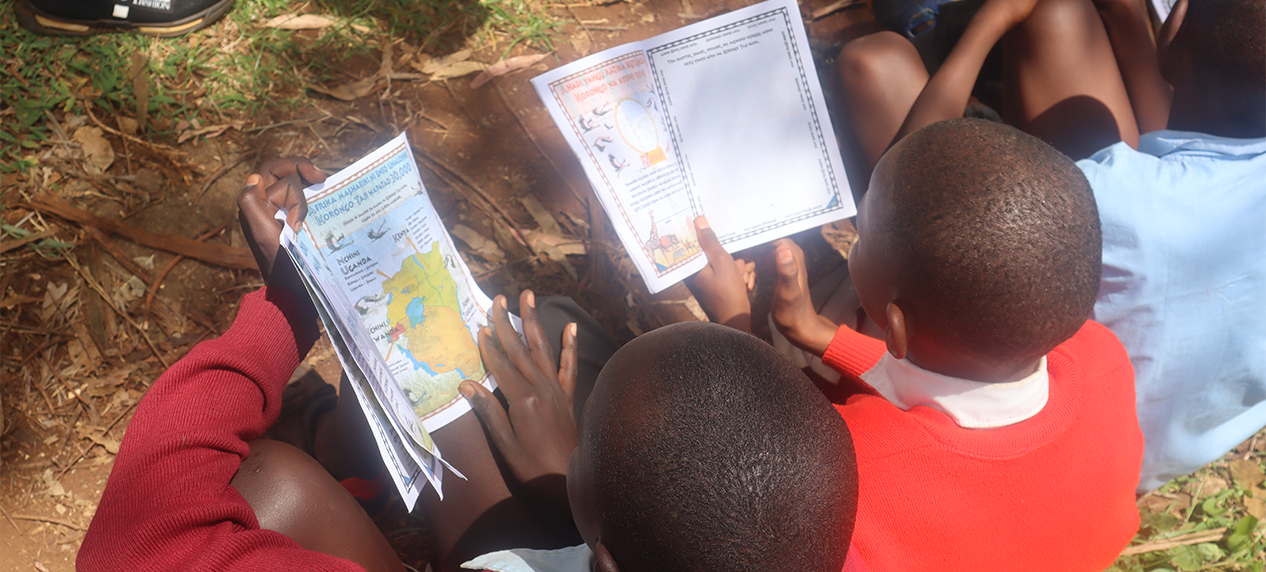
 

Climate smart agriculture training in schools


Climate resilient agriculture

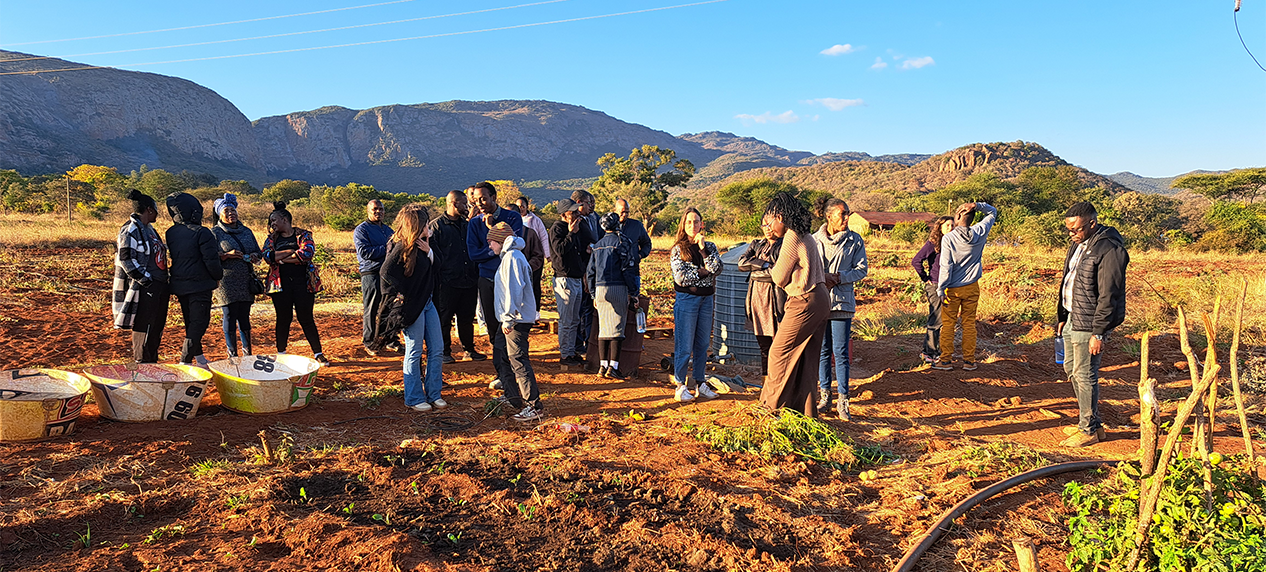
In 2023, the EWT held a five-day climate-resilient agricultural training course attended by 23 farmers from Kutama in the Western Soutpansberg. After the training course, 14 participants established the Ndouvhada Organic Farming Cooperative, and are now producing vegetables on the CPA’ s land. Through this project, the Cooperative received irrigation material and other equipment as well as seeds and other inputs. The Cooperative has also been able to source funding for funding through a state grant facilitated by the Limpopo Department of Agriculture and Rural Development (LEDET).

We are also supporting a second project started by a group of young agriculture graduates in Kutama to provide Agri-Set accredited training to other community members to enable them to cultivate vegetables and improve animal husbandry. The number of participants has far exceeded our expectations, with 100—150 people regularly attending training every weekday morning over the last seven months. The EWT is supporting the group with equipment and seed packs, repair of water tanks, and other inputs, and we are exploring opportunities to strengthen this initiative in the future.

We are also supporting farmers in Buysdorp to improve the sustainability of their agricultural activities. In June 2024, we collaborated with the University of Johannesburg to hold a workshop to assess the extent of existing farming activities in the area and community members’ visions and future plans. Water security and management emerged as a key theme throughout the workshop, together with the need for training to enable farmers and other community members to reduce harmful agricultural impacts through pesticides and fertilisers, and to develop strategies to reduce loss of crops and livestock through human-wildlife conflict. We are now participating in a follow-up project with the University of Johannesburg and other partners to assess and provide recommendations to improve the sustainability and quality of groundwater in Buysdorp, particularly in light of additional demand to meet increasing urbanisation, agriculture, mining, and other human development needs throughout the region.

Working in partnership with organisations and service providers is vital to the success of all our initiatives. In addition to universities and other Not-for-Profit organisations, we collaborate with the Limpopo department of economic development, environment and tourism (LEDET) to enable us synergise resources and strengthen benefits and support to community partners over time. Building climate resilience is a long-term process and it is important to ensure that small-holder farmers are not left behind.
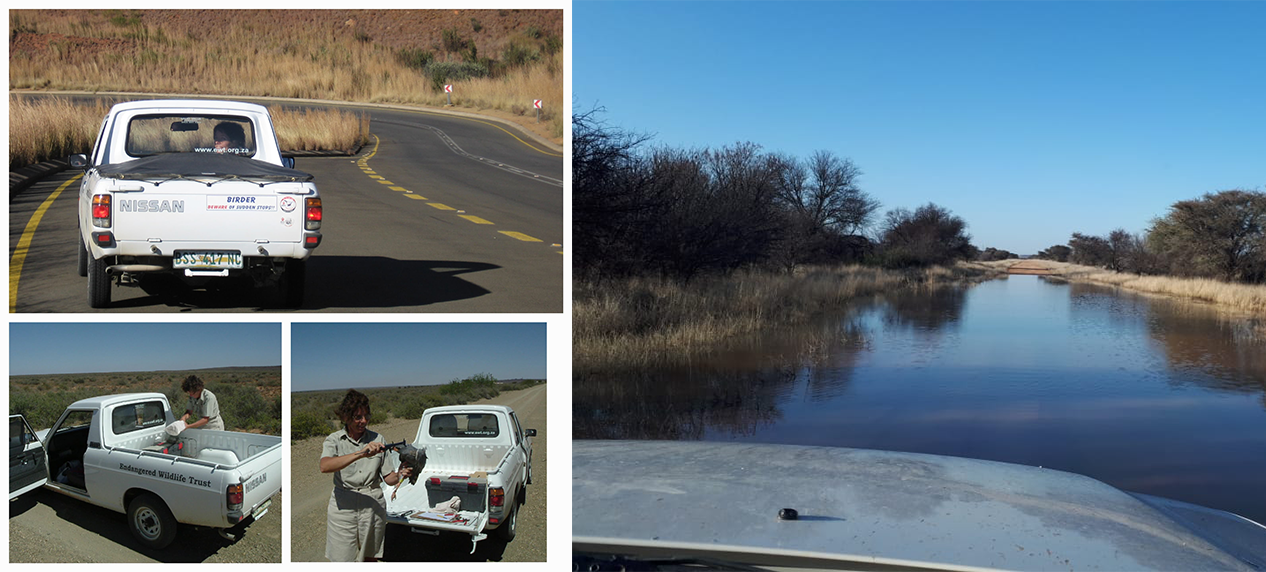
Driving half a million kilometres for EWT

Driving half a million kilometres for EWT


Driving half a million kilometres for EWT

By Ronelle Visagie, Field Officer: Birds of Prey Programme & Wildlife & Energy Programme

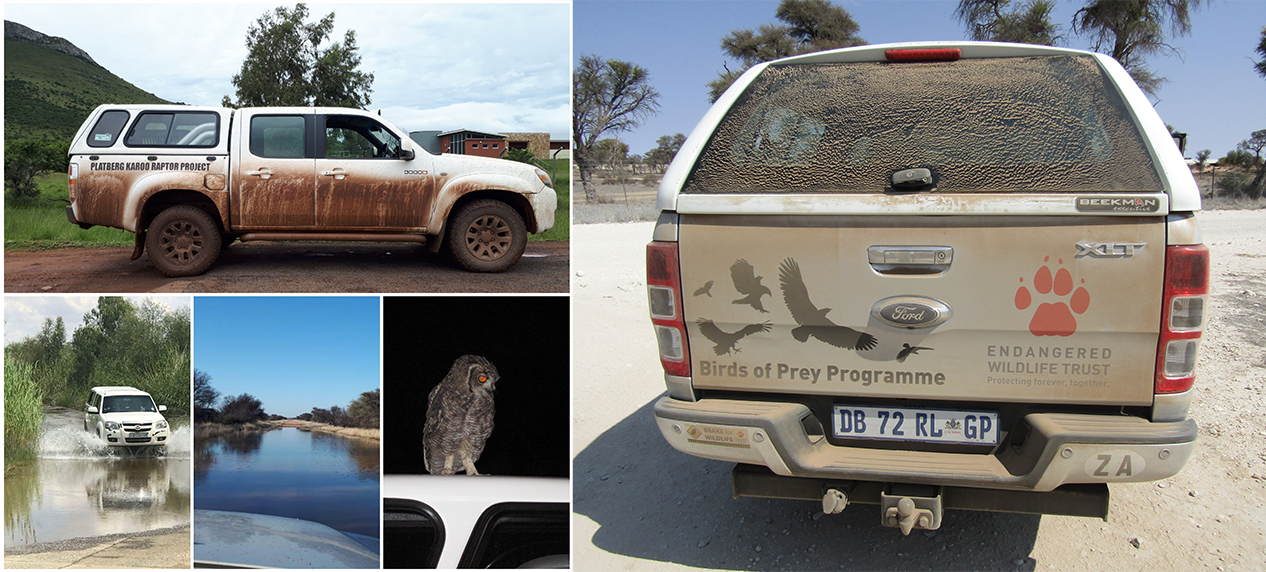
During September 2005 I started working for the EWT’ s Birds of Prey Programme in the Karoo. It was in these beginning years that I drove a Nissan 1400 bakkie for nearly 3 years. The main purpose of the Project at that time was to engage with the farmers regarding the raptors at their farms. It was also expected of field officers to do all power line investigations in our area. I used to drive to a farm and then the farmer had to take me to where I had to work.


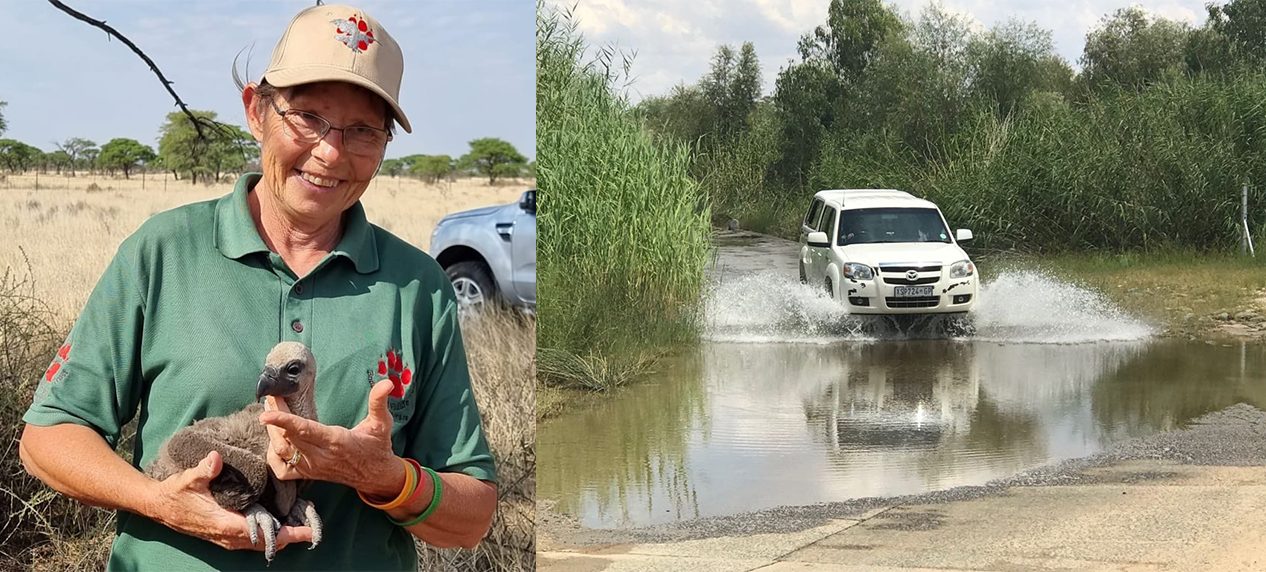
During February 2008 I did the first raptor monitoring with the support of the Nissan 1400 in Mokala National Park near Kimberley. The vehicle was too low and too small for driving off-road, but somehow, I managed. Returning from a trip to the Kgalagadi National Park the same month, I collided with a kudu on the gravel road between Prieska and Strydenburg. Fortunately, I sustained no injuries, but there was R22,000 damage to the Nissan. I had driven 27 126 km with the Nissan before the EWT supplied with a Mazda BT50 sponsored by Mazda with 37 805 km on the clock. The very reliable Mazda retired at 431 886 km after many memory-making adventures in the Karoo and Kalahari as we crossed the landscape for 15 years. Just imagine doing vulture nest monitoring in the Kalahari sand with a 2 x 4 and getting stuck on each and every survey.


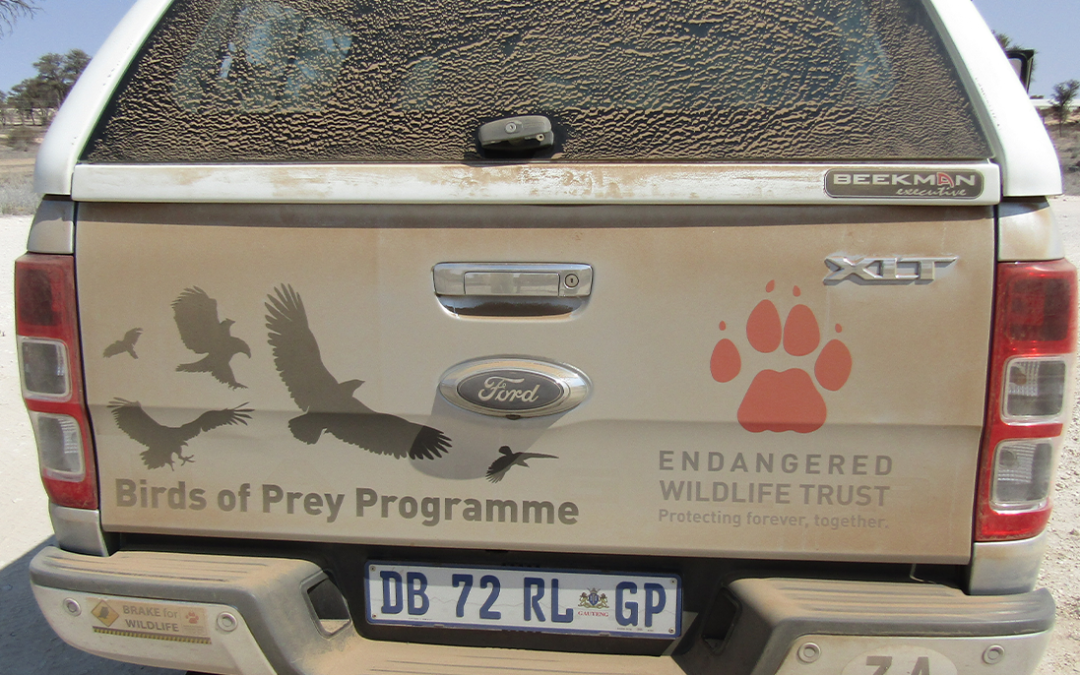
During November 2022 I received the Ford Ranger 4 X 4 and the adventures continued. At least I do not get stuck in the Kalahari sand anymore! During July 2023 a small rhino calf that was deserted by its mother hit the left back door – in case you wondered why there is a picture of a rhino alongside a vulture and an eagle on the left back door.

The 500 000 km mark was reached during the vulture ringing week in the larger Kimberley area in October 2024. As I do a lot of field work for the Birds of Prey and Wildlife and Energy Programmes, I do travel a lot in the Northern and Eastern Cape and also in the Orange Free State. Now the challenge is on for one of my colleagues at the EWT to reach half a million km!


Cheetah repopulation initiative in the Greater Makalali Nature Reserve

Cheetah repopulation initiative in the Greater Makalali Nature Reserve


Cheetah repopulation initiative in the Greater Makalali Nature Reserve

By: Mark Bishop – publisher and editor of Kruger2Canyon News

In a significant conservation effort, the Endangered Wildlife Trust (EWT), a leading conservation NGO with over 50 years of experience in southern Africa, in collaboration with the Greater Makalali Nature Reserve (GMNR), is spearheading a project aimed at revitalising the cheetah population in the GMNR. This initiative is part of the broader Carnivore Range Expansion Project, which focuses on species conservation across South Africa and neighbouring countries.


The EWT’ s Cheetah Range Expansion Project Coordinator and Coordinator of Cheetah Advisory Group, Olivia Sievert says the success of the EWT’ s work involves collaboration with various reserves—both private and governmental—throughout South Africa. These partnerships extend to Mozambique, Zambia, and Malawi.

“Cheetahs are facing a multitude of threats, including habitat loss, conflict with humans, and competition with other predators,” said Olivia. “Relocation efforts are crucial to maintaining genetic diversity and ensuring the species’ viability.”

Discussions began with the Makalali team two years ago, following a dramatic decline in the local cheetah population due to an overabundance of lions in the area, which had led to significant predation on cheetahs and a population crash around 2018.

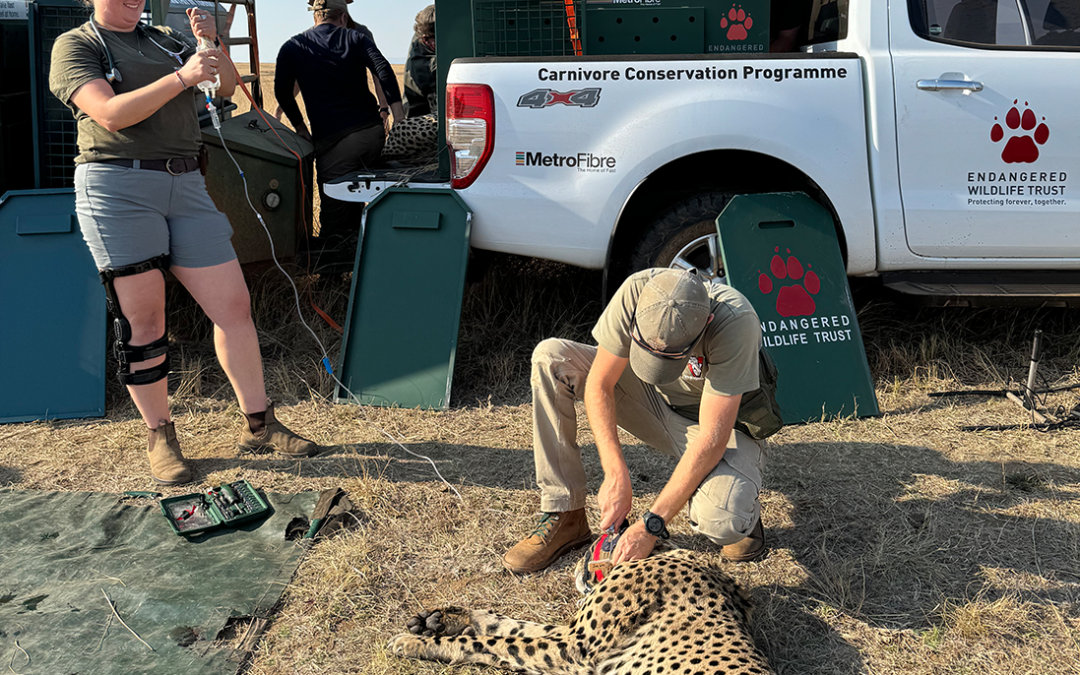
A project like this one, involves carefully selected cheetahs being relocated to reserves where they can thrive and contribute to genetic diversity. There is an immense amount of ecological, habitat, predator and animal population data considered for any cheetah relocation – it’ s not a matter of ‘we don’ t have them, let’ s put them in’ .

As of 2023, with only two cheetahs remaining on the reserve, a new plan had to be developed. Antony Collett, the Warden of GMNR was already in discussion with EWT concerning relocation of cheetah onto the reserve. With only two resident individuals there was little chance that the population would bounce back. GMNR took the decision, in consultation with EWT, to initiate a program to bolster the dwindling cheetah numbers by relocating individuals from larger reserves that had experience with lion interactions.

Four cheetah – a female, her two sub-adult daughters and a male – were identified and successfully relocated from Tswalu Nature Reserve to GMNR. While the male cub tragically fell victim to a leopard, the remaining females have adapted well to their new environment and are now ready to be sired.

To strengthen the population, a coalition of four male cheetahs, led by Stompie (so called because of his short tail), was identified and moved from Inkomazi Game Reserve near Barberton, and recently released onto the GMNR. Stompie joined the coalition of three males – he is unrelated, and formerly a lone male – and they have all been together for the lasty five months. The relocation process involved a meticulous planning and execution phase, with the cheetahs being carefully transported and acclimated to their new surroundings. The hope is that the coalition will successfully integrate into the GMNR ecosystem and contribute to the growth of the cheetah population.

“We are committed to protecting the endangered species that call our reserve home,” stated Antony. “The introduction of these cheetahs is a strategic step towards restoring the balance of the ecosystem and ensuring the long-term sustainability of our wildlife.”

Cheetah cubs typically stay with their mothers for 13 to 16 months, forming strong sibling bonds until they are ready to establish their own territories. This relocation strategy ensures that the males remain a cohesive unit, promoting social stability and survival in their new home.


Collett emphasises the responsibility of reserves as custodians of endangered species, highlighting the need for sustainable land management practices. He noted that in the past the lion population was higher in the GMNR, but that between 22 – 25 lion is considered as the ultimate goal and as a sustainable lion population for the reserve. This change, part of a collaborative effort with the Lion Management Forum, also aims to maintain and contribute to ecological balance and enhance the reserve’s biodiversity.

In addition to managing lion populations, GMNR is implementing a five-year burning protocol and bush clearance program to create more suitable habitats for cheetahs and other plains animals. The long-term vision is to maintain a healthy, sustainable population of big cats, but also to ensure the survival of the cheetahs by opening up more areas, thereby creating more favourable cheetah micro-habitats.

GMNR is presently home to five females (one of which is currently in a large ‘lion-free’ zone’ and which has just given birth to cubs) and the newly introduced coalition of males to add to the one currently on the reserve, which is the father of the newly born cubs. The hope is that the introduced coalition of cheetahs will successfully breed and contribute to broader conservation efforts by helping repopulate other reserves. This marks an ambitious first step toward establishing a self-sustaining cheetah population on the Makalali.

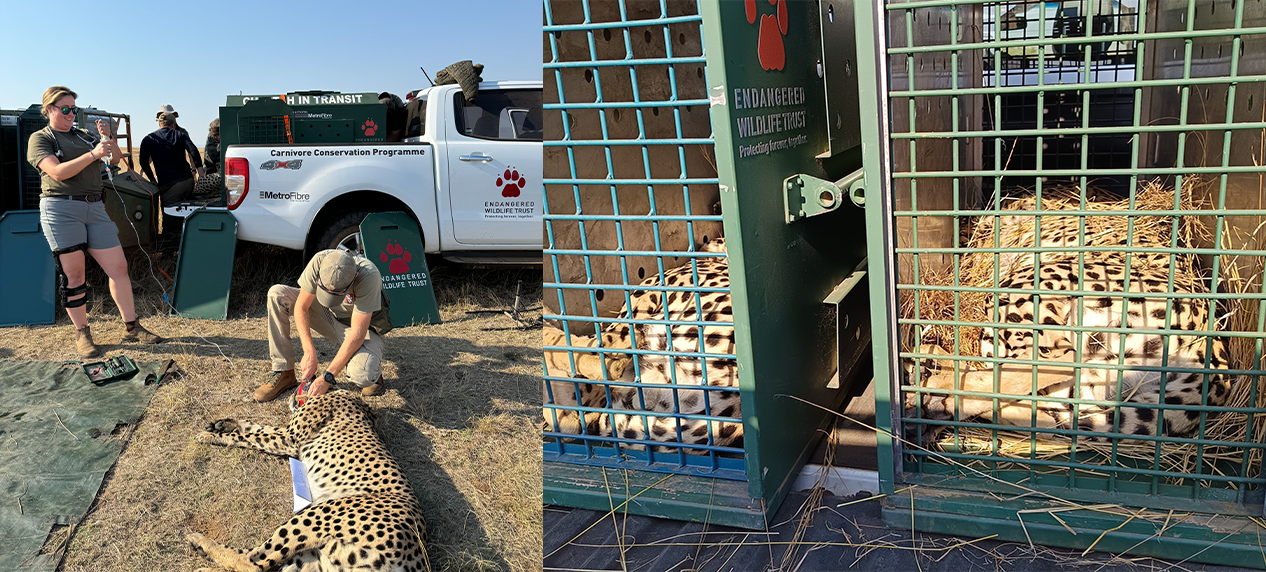
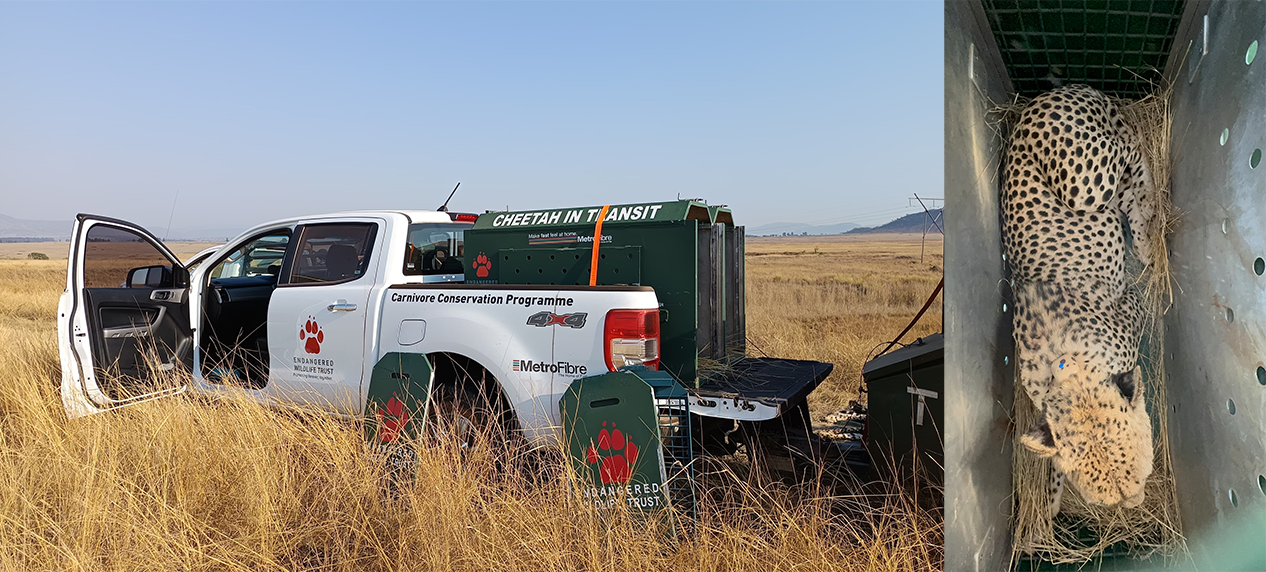
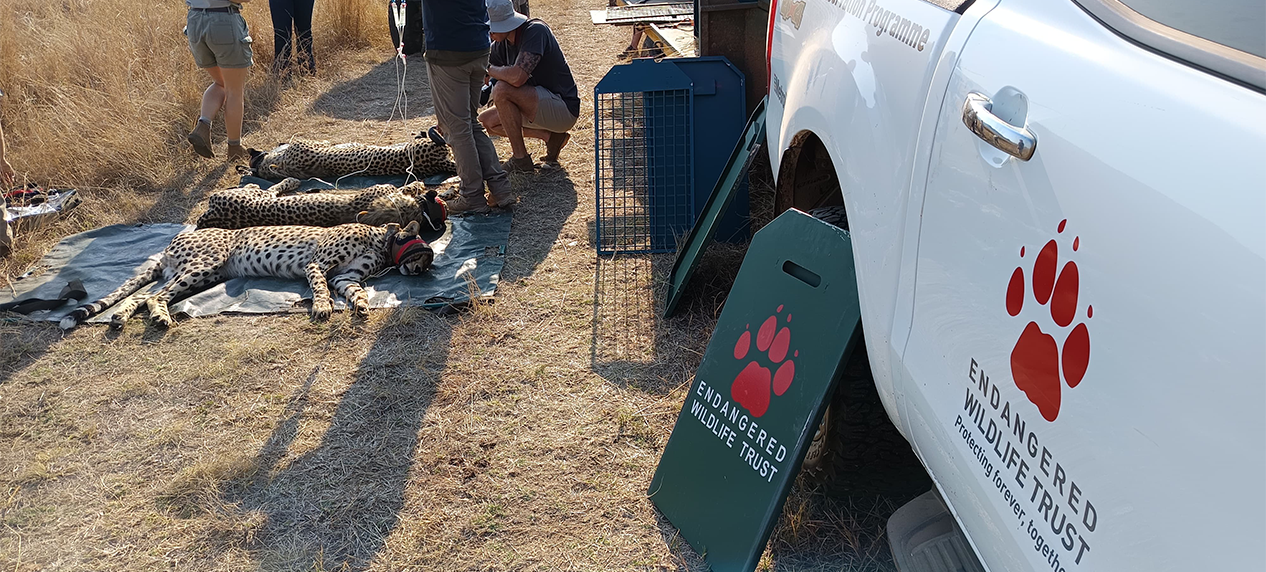
The relocation process involves a short acclimatisation period in a boma, allowing the cheetahs to adapt to their new surroundings before full release. The EWT’s approach ensures that the cheetahs are well-equipped to thrive in their new home.

As the reserve continues to expand – soon to add 6 000 hectares (30 000 hectares in total) including two river systems – the potential for multiple cheetah coalitions becomes increasingly viable. The reserve aims to create a self-regulating population, a rarity in conservation efforts.

Collett is adamant that “as a nature reserve, we need to be protective of the land and the animals in the area.” He emphasised the importance of sustainable wildlife management and habitat preservation in supporting the cheetah population.

The successful introduction of these cheetah will be measured in several phases: their ability to adapt post-release, establish comfortable territories, breed with the existing females, and ultimately, ensure the survival of their cubs. Achieving these milestones would not only signify a triumph for the EWT and the GMNR, but also mark a pivotal moment in the conservation of this iconic species in South Africa.

“We are committed to protecting South Africa’s endangered species and ensuring their long-term survival,” said Olivia Sievert. “The cheetah relocation project is a significant step towards that goal.”


From Kalahari to Malawi: Cheetahs Thrive in New Home

From Kalahari to Malawi: Cheetahs Thrive in New Home


From Kalahari to Malawi: Cheetahs Thrive in New Home

Both females relocated to Liwonde National Park (Malawi) in December are doing exceptionally well. After a brief adjustment period in the boma, they were released into the reserve on December 28th, 2023, at the height of the rainy season.

The rainy season in Liwonde can pose challenges for cheetahs, as large areas of the park occasionally flood, and the game is widespread. However, this appears to have also limited their post-release movements, meaning they had less area to explore and, as a result, settled quickly. We are pleased to report that both females have been thriving since their release. This is especially encouraging for the female who was born and raised in the Kalahari and unfamiliar with this environment – this just shows the adaptability of these remarkable animals!

One of the females exhibited denning behaviour a few months after her release. While we typically encourage den checks to enhance our monitoring and understanding of the population and breeding success, the Liwonde cheetah population has shown successful denning in good habitats over the years. As a result, we recommend minimising disturbances and instead suggest monitors check on this female from a distance using telemetry. Female cheetahs generally den for 50 to 54 days, after which they begin moving with their cubs, often caching them while hunting. By conducting daily monitoring, we can track whether the female remains at the den site, indicating that denning is still ongoing.

Regrettably, the female left the den after approximately 40 days and did not return, suggesting that her denning was unsuccessful. The exact cause of the cubs’ death remains unknown, as is often the case. However, we have recently observed denning behaviour again, and monitors have reported that the female is also showing signs of nursing! While we will watch closely to see if this litter survives the denning period, both females are first-time mothers, which often results in the loss of first litters or lower overall cub survival rates. Nevertheless, the relocation of these females has been a massive success so far, and we look forward to following their progress as they continue to explore this new environment!

We once again thank Manyoni Private Game Reserve and Tswalu Kalahari Reserve for donating these females to this important conservation project. We also thank our partners African Parks for creating a safe haven for this threatened species, and the Lilongwe Wildlife Trust for their diligent monitoring efforts, along with The Bateleurs and Mercy Air Africa for assisting us in transporting these cheetahs to Malawi!

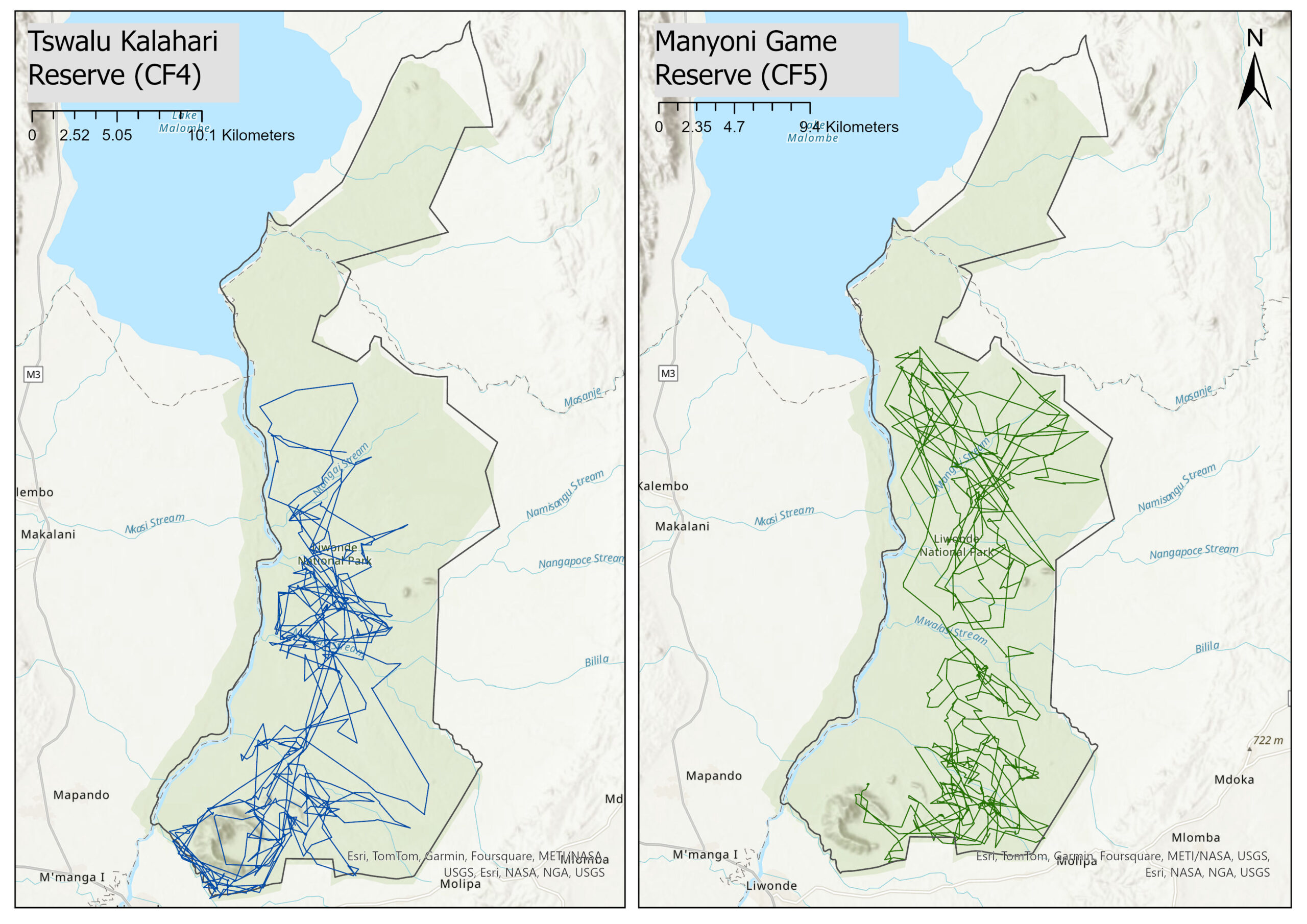
Maps showing the movements of both cheetahs (from Tswalu Kalahari Reserve and Manyoni Game Reserve) after their release into Liwonde National Park. Both females have exhibited extensive exploration behaviour, which is to be expected. Hopefully, this will help them find suitable denning areas going forward.


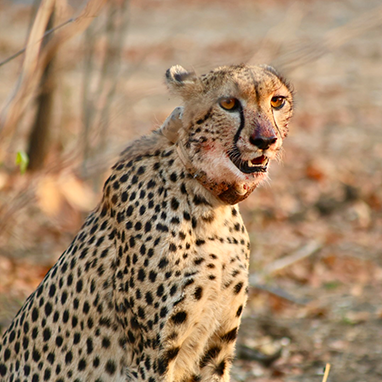
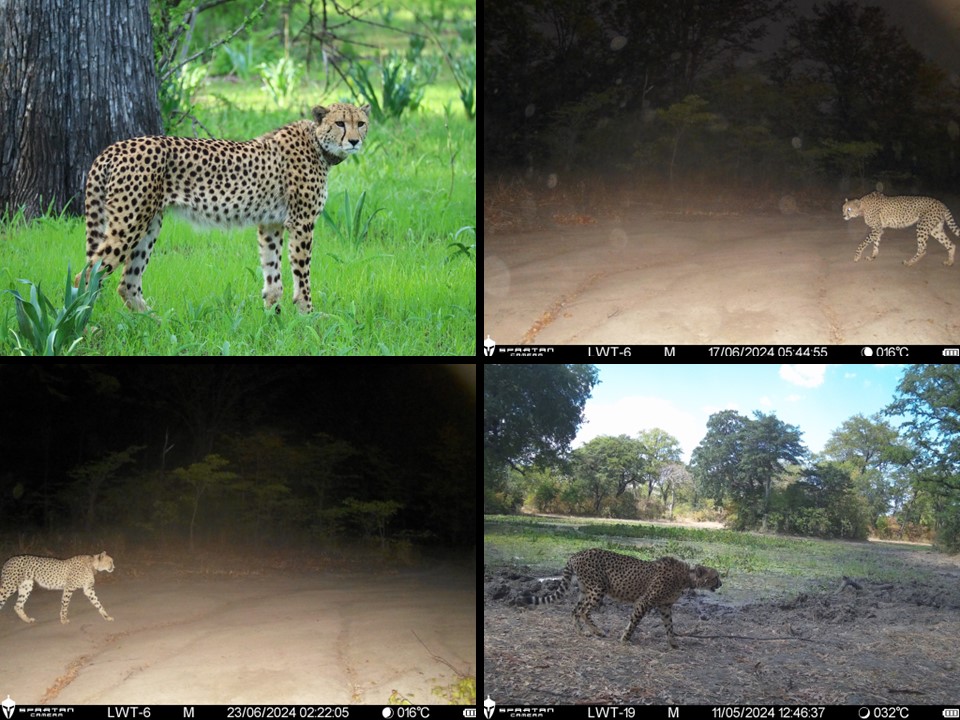
Images of the two females released into Liwonde National Park in December 2023. Due to the limited road network in Liwonde National Park, the vast majority of sightings of these females have been through camera traps placed by Lilongwe Wildlife Trust monitors. However, this can be a fantastic way to remotely monitor their body condition. Thank you to Lilongwe Wildlife Trust for providing us these images!


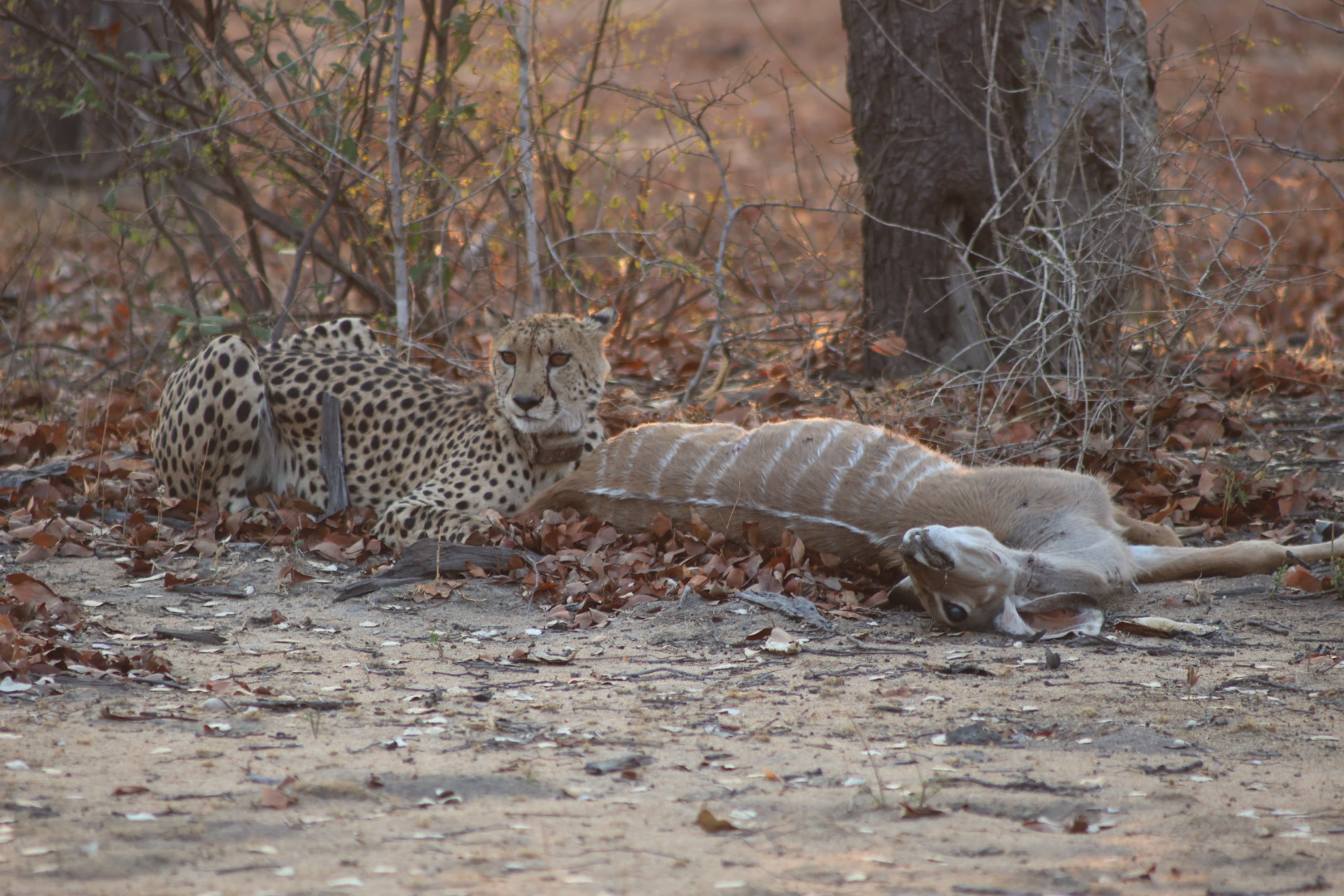
The female from Tswalu Kalahari Reserve after successfully killing of a young kudu. This female has adapted amazingly well, especially considering she was born and raised in the Kalahari. This just shows how adaptable these animals can be! (photo credit: Tilly Sant’Ana)


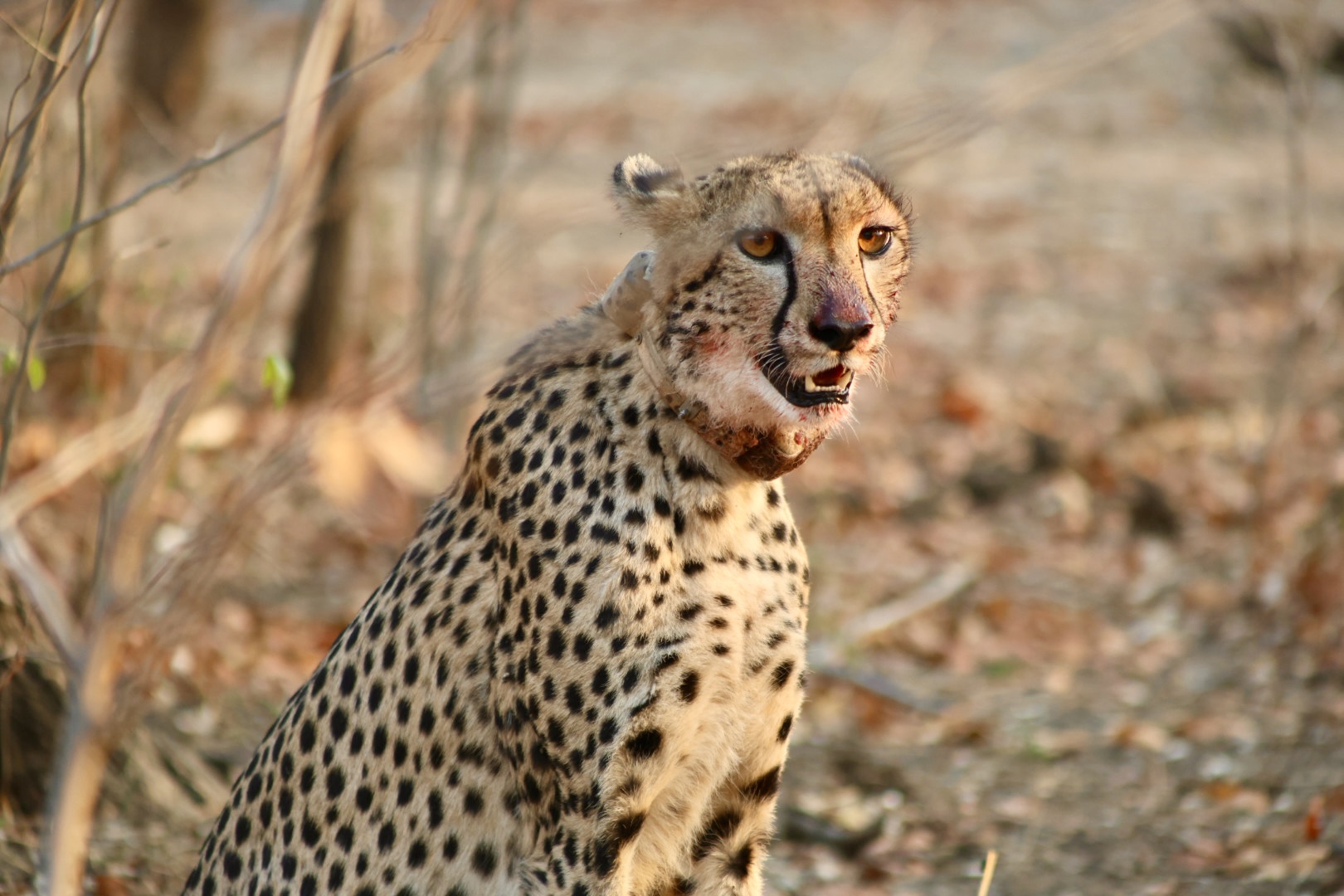
The female from Manyoni Private Game Reserve after tucking into a meal of a male impala (photo credit: Tilly Sant’Ana)


A word from the CEO July 2024

A word from the CEO July 2024

Word from the CEO

 
Yolan Friedmann, CEO

The 2024 Summer Olympics kicked off last week with grand fanfare and excitement, with millions of fans globally clenching thumbs and gritting their teeth as they watch their favourite sportsmen and women and wait for records to tumble. With around 300 000 spectators expected to attend the games in person, Paris is buzzing with people from across the globe and from all walks of life. Against the backdrop of political upheaval, unrest, ongoing global conflict in almost all corners of the world, economic uncertainty and a range of other manmade threats to our own futures, it fills me with a sense of hope and excitement to see fans draped in their national flags filling stadiums, and walking the streets of Paris, as they laugh, cheer, applaud and fiercely promote their national pride but all in a safe, harmonious and respectful manner. It makes me wonder why the rest of our lives and the rest of the time people cannot be like this: human beings competing as we love to do, and defending our national positions and ideologies, but in a way that inspires new generations to be better and aim higher, instead of sacrificing their futures. Humans are capable of great achievements and the Olympics is the best celebration of what focus, commitment, hard work and sacrifice can do. In a world that increasingly looks like it will implode due to the devastation of human impact, our planet can also thrive and flourish if people just focused on the RIGHT stuff.

Amidst the celebration of our sporting heroes this week, came the celebration of another group of individuals who can be likened to being environmental Olympians: champions of the earth and guardians of the voiceless. World Ranger Day on the 31st of July is always an opportunity to pause and give thanks to the brave women and men who risk their lives and dedicate their hearts, minds and bodies every day, to protecting the natural world for all of us. With Africa losing more than 64 rangers in the line of duty in the past year and with their work increasingly requiring a range of skills that qualifies them for a pentathlon event of their own, our rangers deserve cheers and glory and podiums every day of their lives. Today’ s rangers need to have environmental knowledge, technical skills, self-defense and paramilitary knowledge and still be educators, community developers, managers and defenders of the weak. The EWT salutes ALL rangers everywhere for protecting our earth.

Our world is full of heroes and focusing on them inspires us all to become better and to do better. I love the Olympics and global celebratory days for this reason, and knowing that the heroes of tomorrow are still in the making, gives me hope for a future where we will all indeed be better humans.

Yolan Friedmann,

CEO, Endangered Wildlife Trust