Help protect Africa's 

Word from the CEO: Year-End

Word from the CEO: Year-End

Word from the CEO

 
Yolan Friedmann, CEO

It has been a whirlwind year for the EWT and a pretty good one actually. One could lament the fact that year-on-year our planet has smashed all previous records for the hottest year globally on record, as well as the increase in species under thereat of extinction rising form 68% to 73% according to the latest WWF Living Planet Report. But we choose instead, to celebrate the fact that the EWT significantly increased the protection and status of more than 11 populations of threatened wildlife species; whilst discovering populations of other species thought to be extinct. We directly improved the wellbeing of over 6500 people in rural communities; and ensured the formal (declared) protection of nearly 10 000 ha of critical habitat with another 100 000 ha in the process of being declared.

We also reversed the declining state of nearly 4000 ha of critical habitat through rehabilitation efforts that – at the same time – provided livelihood opportunities for vulnerable people. We know that our natural world continues to suffer from the ravages of unsustainable development, increasing resource use and human population growth, and the EWT Strategy 2025-2050 is a bold and ambitious commitment to revere these trends in some of the most important landscapes across southern and East Africa. We are excited to be embarking on this new growth phase in the years ahead, and look forward to sharing the details of the strategy in the new year.

With the tremendous growth in the EWT over the past calendar year, which saw our pack increasing by 50% and our expenditure on projects and conservation activities by a whopping 12%, the EWT attributes this ability to consistently retain, and increase our positive impact on the status of thousands of vulnerable people, wildlife and the environments that they both share, to the loyalty, ongoing support and passion that our partners, donors and colleagues in the sector all share for our work. Over the past 12 months, our web of impactful partnerships has deepened and widened and now reaches across nearly 20 African countries, ensuring that we share our innovation, skills and knowledge with colleagues far and wide, who are also working to save the wildlife and people that are unique to Africa, to mutual benefit.

As we developed our Future Fit Strategy, we took time out this year to reflect on our journey thus far and benefited from the process of considering what worked for us, what challenges we encountered, what relationships were impactful and where resources could be better applied for maximum benefit. Reflection is a powerful tool that ensures continual learning and entrenches a value system that improves understanding and leads to growth. A key aspect of my own reflection when I look back over 2024, is my deep gratitude to the Board of Trustees of the EWT for their unwavering commitment, support and passion for our work. The leadership of our Chairman Muhammad Seedat and his fellow trustees has steered the ship steadfastly in the right direction, ensuring excellence in our governance, strategy and leadership right from the top. Our Executive Leadership team is a powerful, expert coalition of some of the best conservation minds in the region and we are blessed to be lead and served by them. My heartfelt gratitude goes to every one of them for the individual and collective role that they have played in taking the EWT to great heights this year. The EWT staff: the backbone of the Trust and the energy and innovation behind our tireless work that literally saves wildlife and supports people, right across Africa. You are heroes to many and our secret weapon in the race against extinction.

To all our partners and funders: you are the lifeblood that keeps the EWT at the forefront of conservation excellence. Your continued support and faith in our ability to deliver results keeps us doing what we do best, protecting together forever. Thank-you for the support this past year and always.


As we all head off for the much-needed summer holidays – we look back on a year that yielded tremendous results, and forward to a year that kickstarts our most ambitious strategy yet. We are excited about what the next 12 months will bring. We are Future Fit, we are the EWT. Thankyou for being a part of our story.

Wishing all our friends a safe, joyful and peaceful end to 2024 and may 2025 be a prosperous new year for our planet.

Yolan Friedmann,

CEO, Endangered Wildlife Trust
 

EWT Exploring Peru

EWT Exploring Peru


EWT Exploring Peru


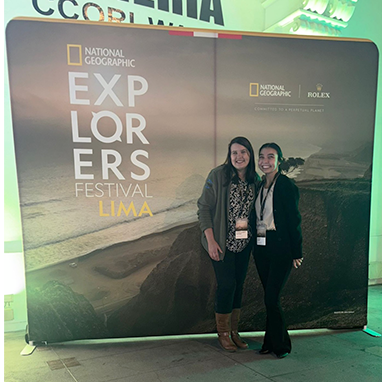
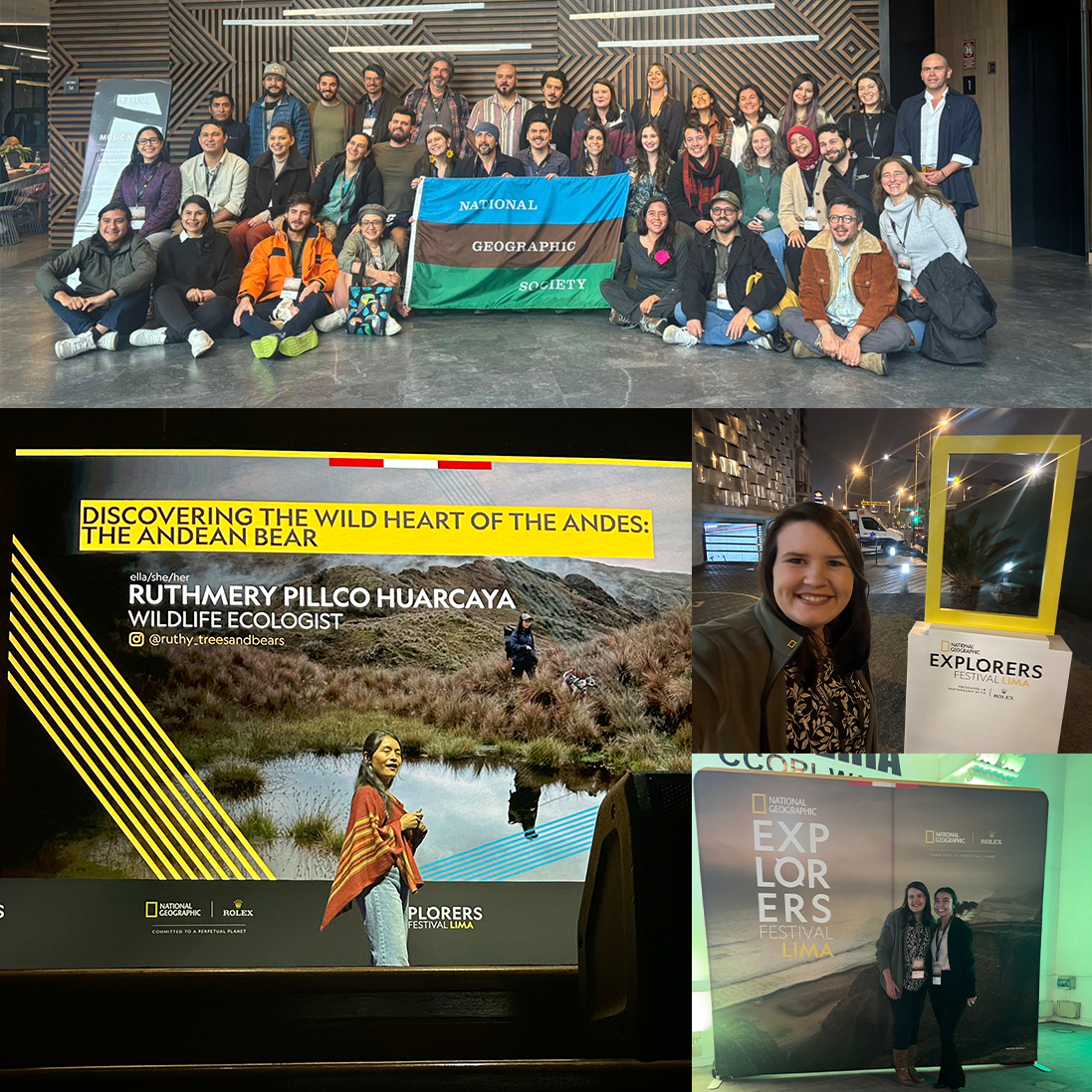
Esther Matthew, the EWT’ s Senior Specialist Conservation Officer, became a National Geographic Society Explorer in 2018 for her work with a scent detection dog to help conserve the Critically Endangered Riverine Rabbit. A few months ago, Esther was selected as one of three explorers to serve as a hub coordinator for the Southern Africa Hub. The hub includes all explorers form South Africa, Lesotho, Eswatini, Mozambique, Namibia, Zimbabwe and Botswana.

As part of her new role, she received the incredible opportunity to attend a hub coordinator training workshop and Explorer Festival in Lima, Peru! Esther expressed her excitement, saying, “It was an amazing opportunity and experience I will never forget!”. This marked her first visit to South America and her attendance at an international Nat Geo Explorer Festival. The festival showcased the remarkable National Geographic explorer project in the Amazon, along with many other fascinating topics. Esther represented EWT and the Southern Africa hub at the event, where she met many explorers from around the world. She returned with more knowledge about coordinating groups and established many valuable networking contacts.
The EWT is proud to have three National Geographic Explorers on our staff. Alongside Esther, the other two explorers are Kulani Nyakane, Field Officer of our Carnivore Conservation Programme and Dr Gareth Tate, Programme Manager of the EWT’ s Birds of Prey Programme.

Collaborative Action to Address South Africa’ s Snaring Crisis

Collaborative Action to Address South Africa’ s Snaring Crisis


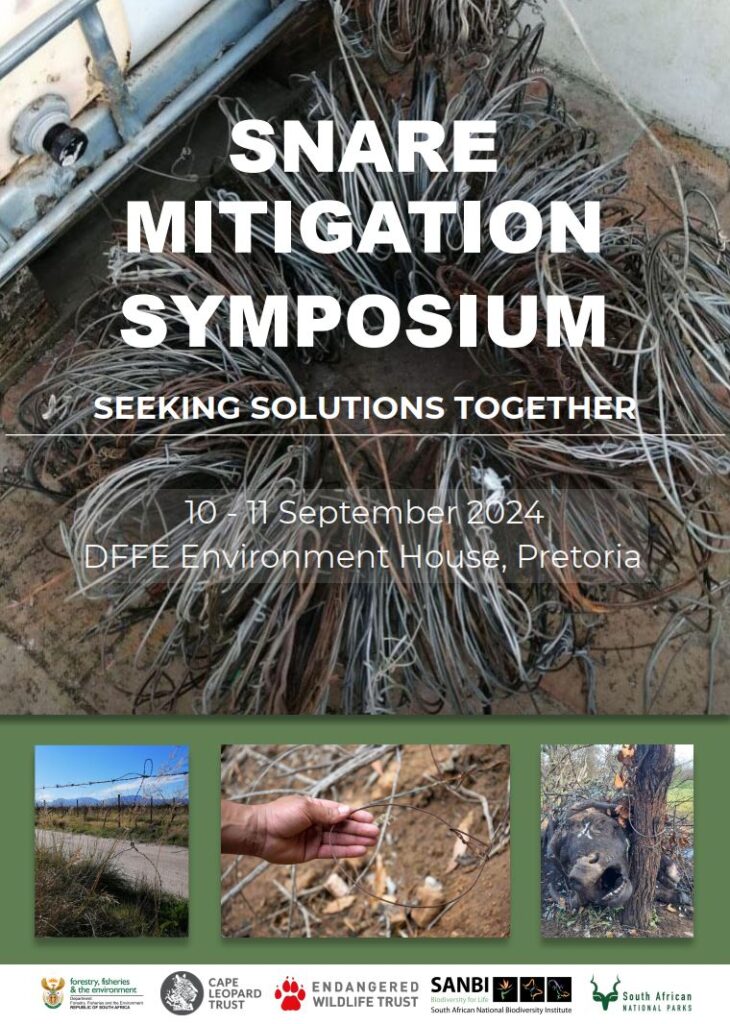
The EWT pledges less talk and more action to address South Africa’ s snaring crisis at the inaugural Snare Mitigation Symposium

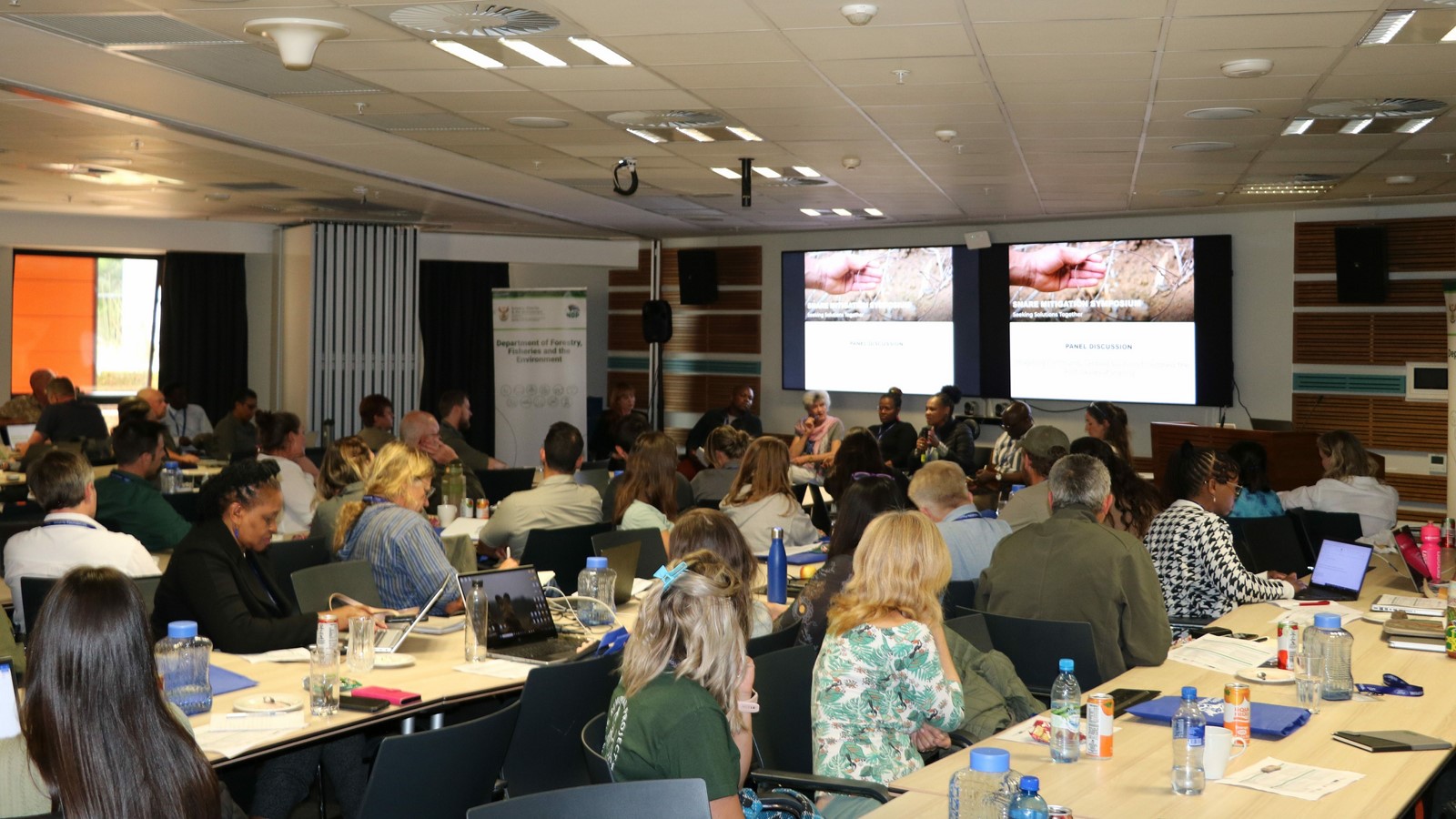
140 delegates attended the inaugural Snare Mitigation Symposium

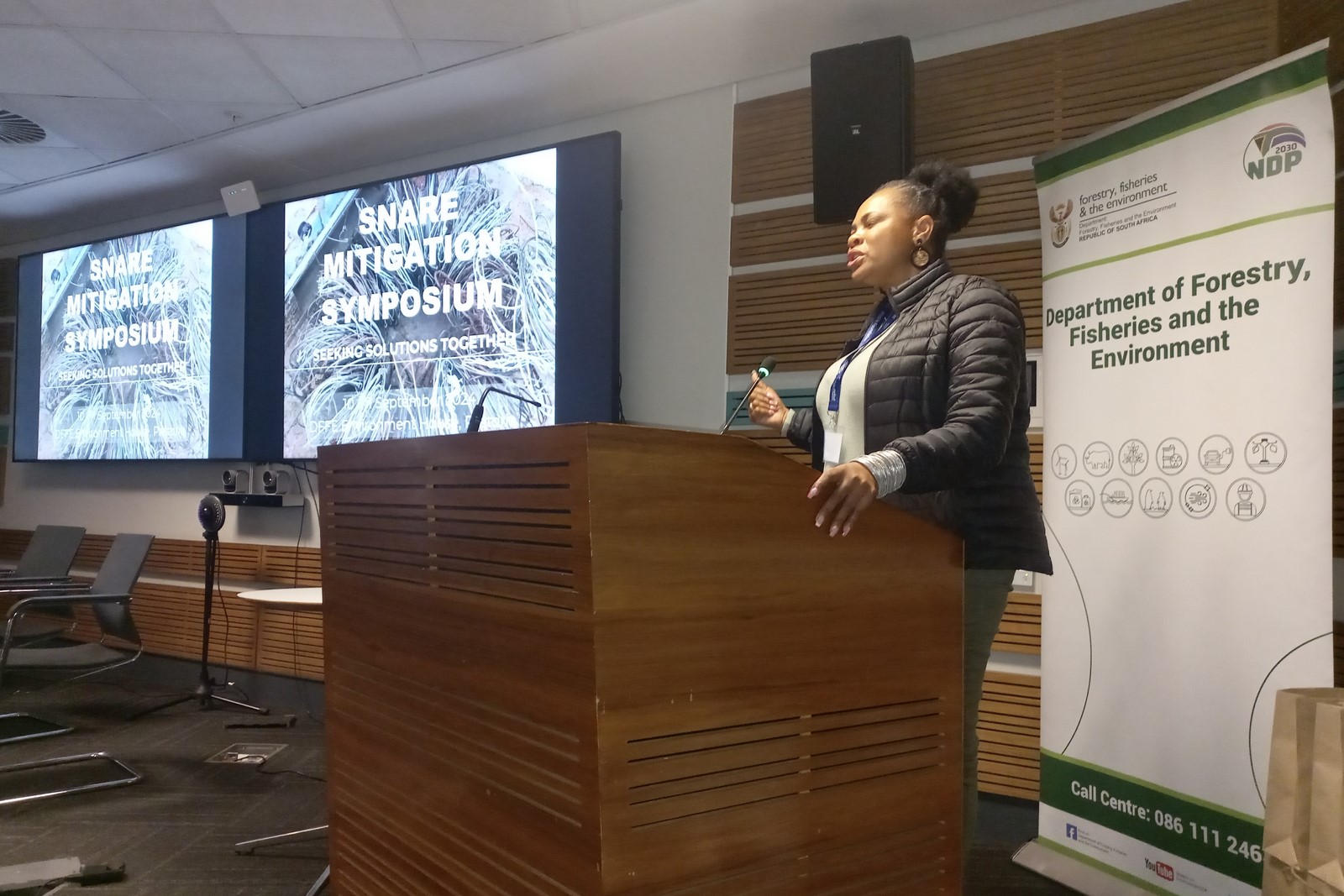
Twenty-two speakers presented at the Snare Mitigtation Symposium

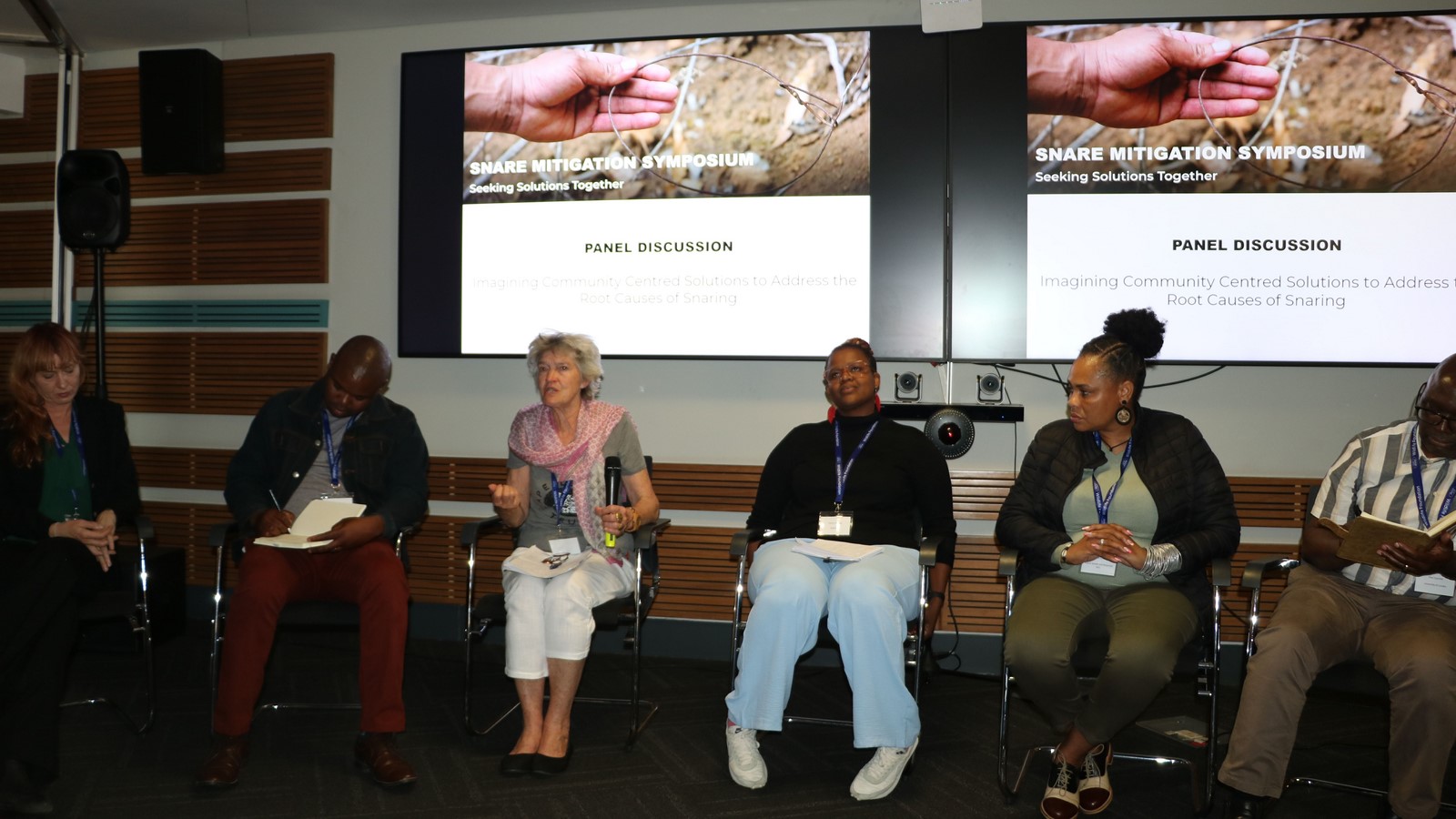
One of the Snare Mitigation Symposium panel discussions

WARNING: SENSITIVE IMAGES BELOW


The importance of less talk and more action to address the snaring crisis in South Africa is key to the conservation of all species.

This, and the need for greater collaboration and partnerships to address the negative impacts from the illegal snaring of wildlife, were among the outcomes of the inaugural two-day national Snare Mitigation Symposium in Pretoria.

The meeting of 140 delegates delved into the impacts, drivers and solutions to this increasing threat to wildlife and the economy. Co-led by the Department of Forestry, Fisheries and the Environment (DFFE), the Cape Leopard Trust (CLT), the Endangered Wildlife Trust (EWT), the South African National Biodiversity Institute (SANBI) and South African National Parks (SANParks), the inaugural Snare Mitigation Symposium was held at Environment House on 10 and 11 September 2024.

It brought together leading experts in wildlife crime, government officials and representatives of numerous stakeholders across the sector to examine the multifaceted aspects of the snaring crisis. The purpose was to understand existing and potential new complexities, and to share experiences and knowledge to reduce the problem both inside and outside conservation areas, in order to identify and co-create workable solutions for the benefit of people and the environment.

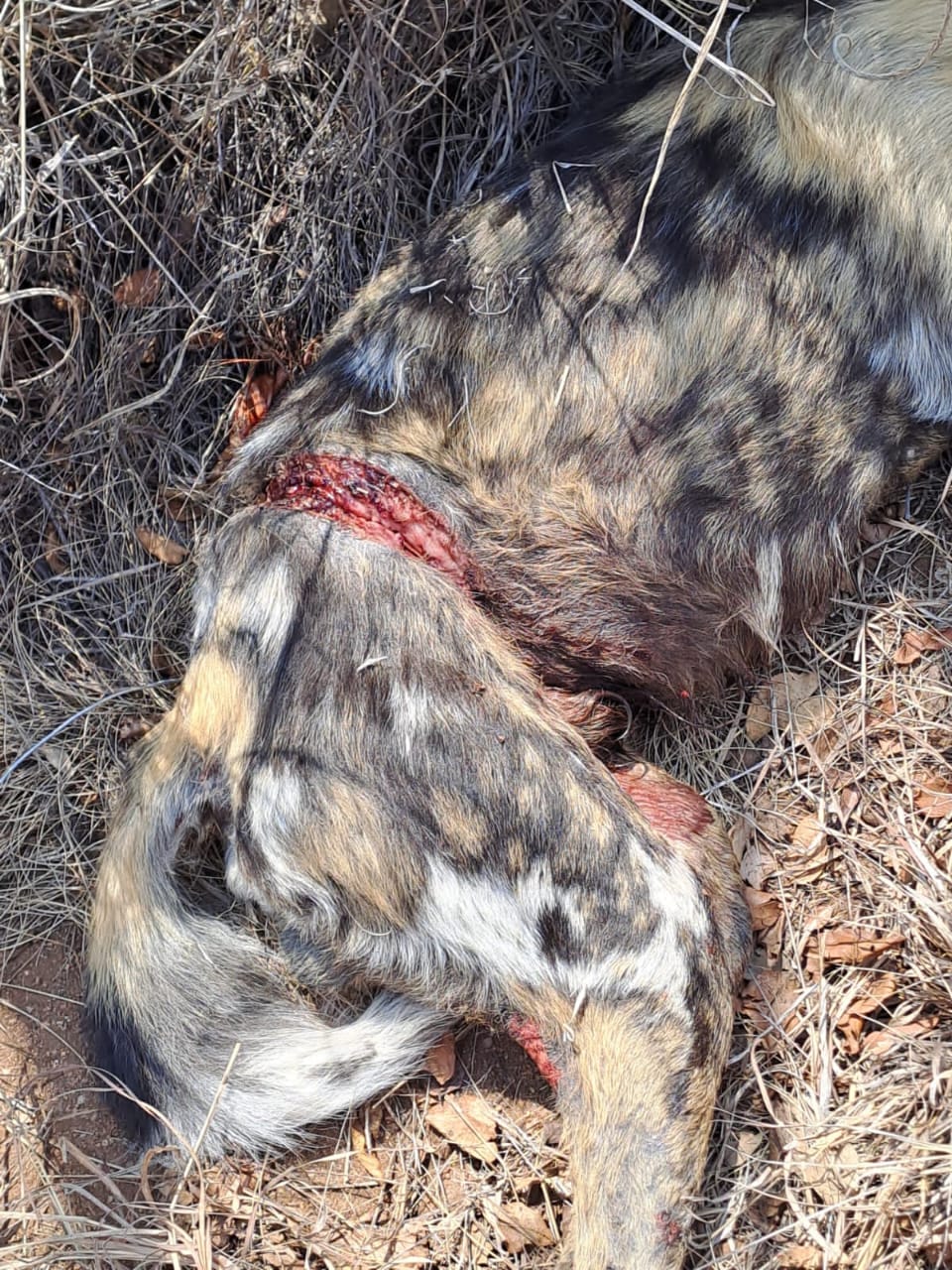
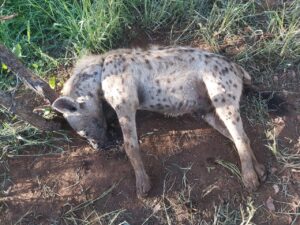
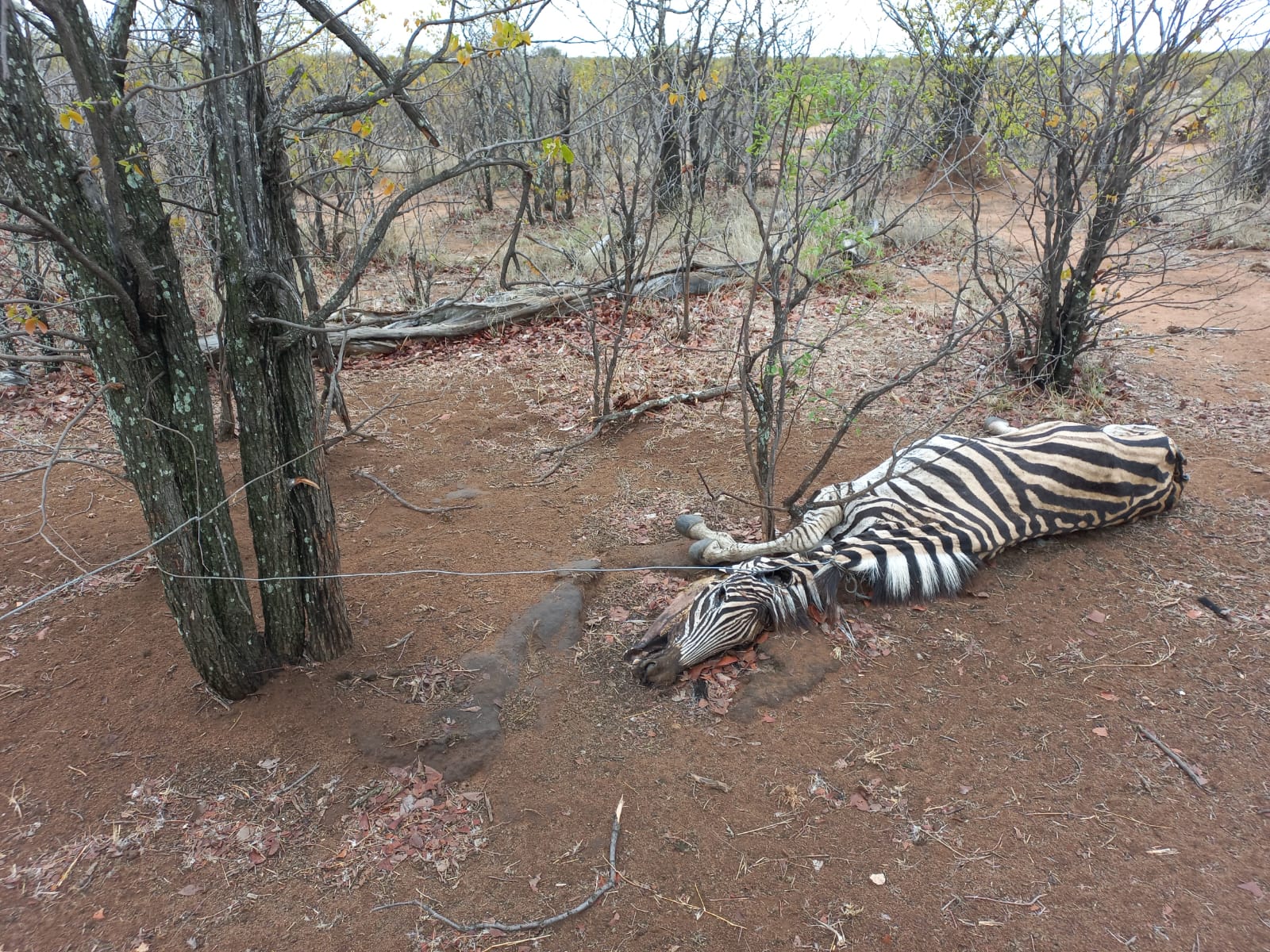
Snaring is motivated by complex socio-economic and cultural drivers and the symposium explored snaring from a myriad of angles and viewpoints. Information gained highlighted that animals are snared largely for personal or commercial use and is occurring at unsustainable rates across all provinces and in diverse landscapes. Sadly, many species including leopard, lion, hyena and other predators are killed as by-catch in snares originally set for bushmeat.

A key insight from the symposium is that we need more community interaction amongst stakeholders towards achieving positive outcomes for this threat to wildlife. Communities living with wildlife, and those linked to snaring, need to form an integral of the solutions being proposed, and to be undertaken, to address snaring.

No solution will be credible without the involvement of the relevant community voices in co-development of solutions. Solutions need to be diverse, purposely inclusive and tailored to, and by, the people living in the affected areas. Technological advances were showcased to improve snare detection and data collection.

Among the legal solutions highlighted by Ashleigh Dore, the EWT’ s Wildlife and Law Project Manager, the need for legal reform to ensure laws applicable to snaring are the same across the country. Ashleigh also introduced a restorative justice approach to respond to snaring. Restorative justice is a holistic, inclusive and problem solving approach to justice that involves all parties involved in or impacted by the crime to (1) identify and respond to harm from the crime and (2) prevent reoffence.

Senior Conservation Manager Lourens Leeuwner, during his presentation on the threats of snaring countrywide, highlighted the results of the EWT’ s recent project and proof of concept to determine whether anti-poaching dogs could be used for snare detection. The Canine Conservation Unit had spent several days testing techniques to detect snares in a farming and conservation area in Limpopo. Using two EWT anti-poaching canines, Ruger and Kisha, the team set snares in the veld before sending out rangers to find the items. While rangers only found some of the snares placed for the test, the canines had, in all cases, successfully tracked the scent of the person who had planted the snares and other items, finding most of the snares. As further proof that this technique works, the dogs were taken on a routine patrol of a farm that has problems with poachers using snares to catch wildlife. During this patrol, Ruger discovered a snare that had been planted by a real-life poacher. While there is a lot more work that needs to be done, this is proof that the concept works – an extra tool in the arsenal to combat poaching.


Among the key decisions adopted as outcomes included further research on the drivers and alternative livelihood solutions, more cohesive legislation to address snaring and other wildlife crimes, more centralised reporting and monitoring to ascertain the extent of the problem, and creating a greater understanding of the impact of snaring not only on biodiversity, but also on the economy and well-being of communities.

At a workshop following the event, the host organisations strategised next steps related to key themes and action points identified during the symposium that will include a wide range of stakeholders. Looking to the future, greater teamwork and communication between State, private sector and civil society will be cultivated to find sustainable long-term solutions for both people and wildlife.


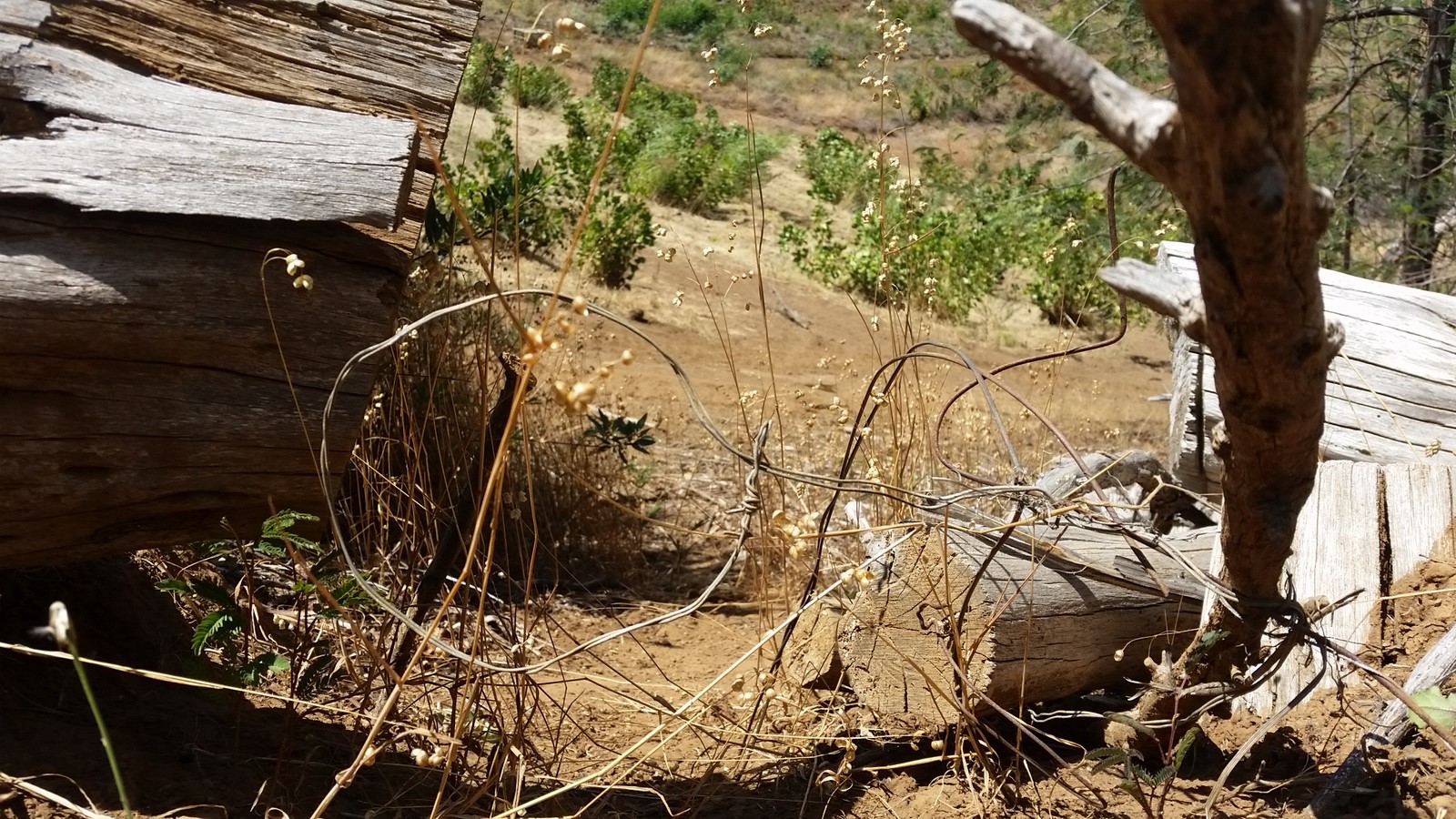
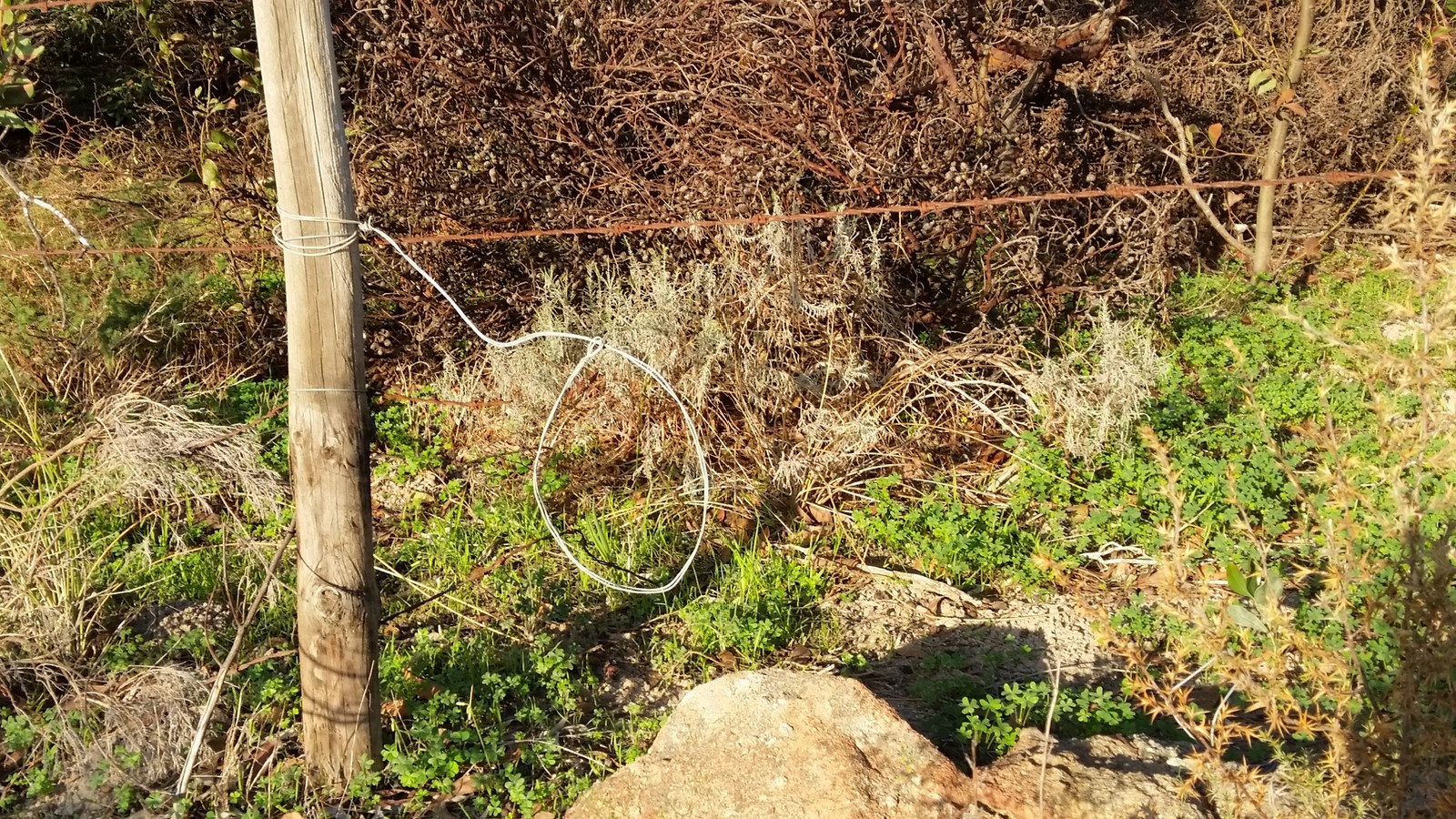
A wire snare set to catch animals by the neck. ©Cape Leopard Trust

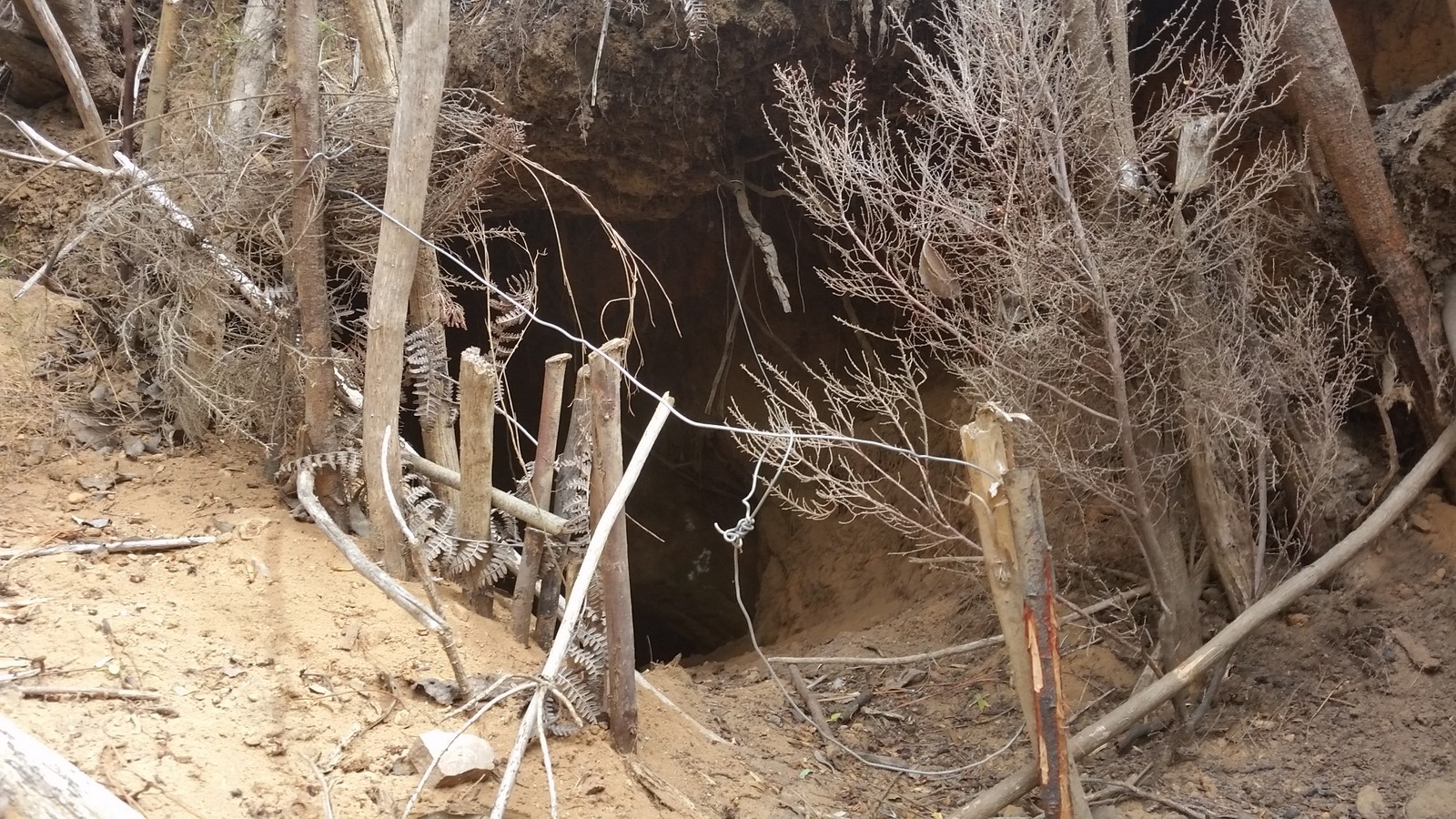
A snare setup in front of an animal burrow. ©Cape Leopard Trust

A wire snare along a fence line where many animals move. ©Cape Leopard Trust

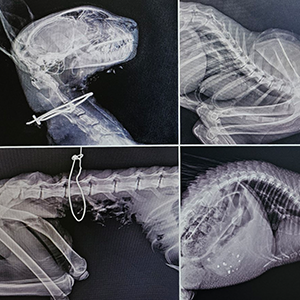
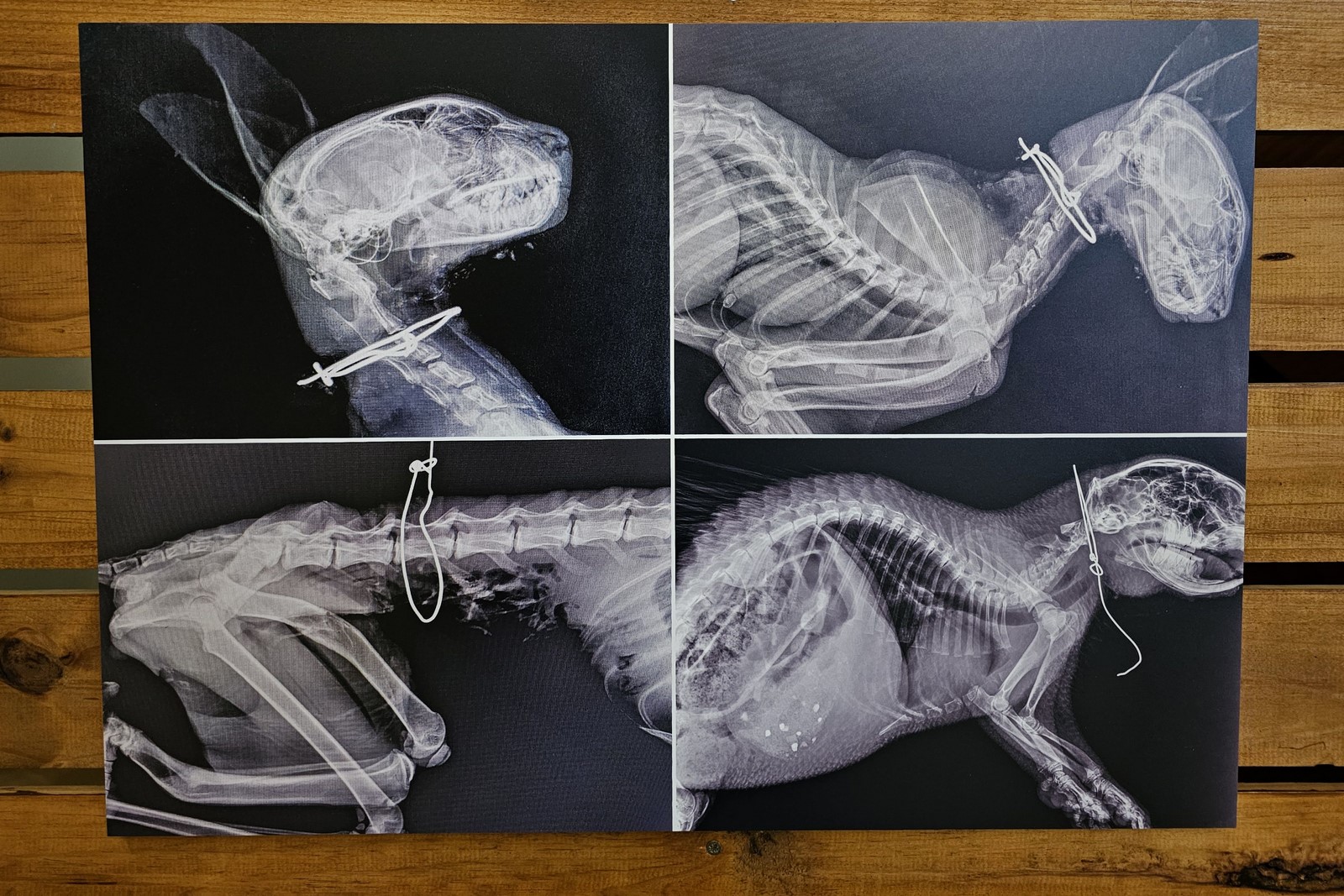
X-ray photos of a caracal and porcupine killed by snares. ©COGH SPCA

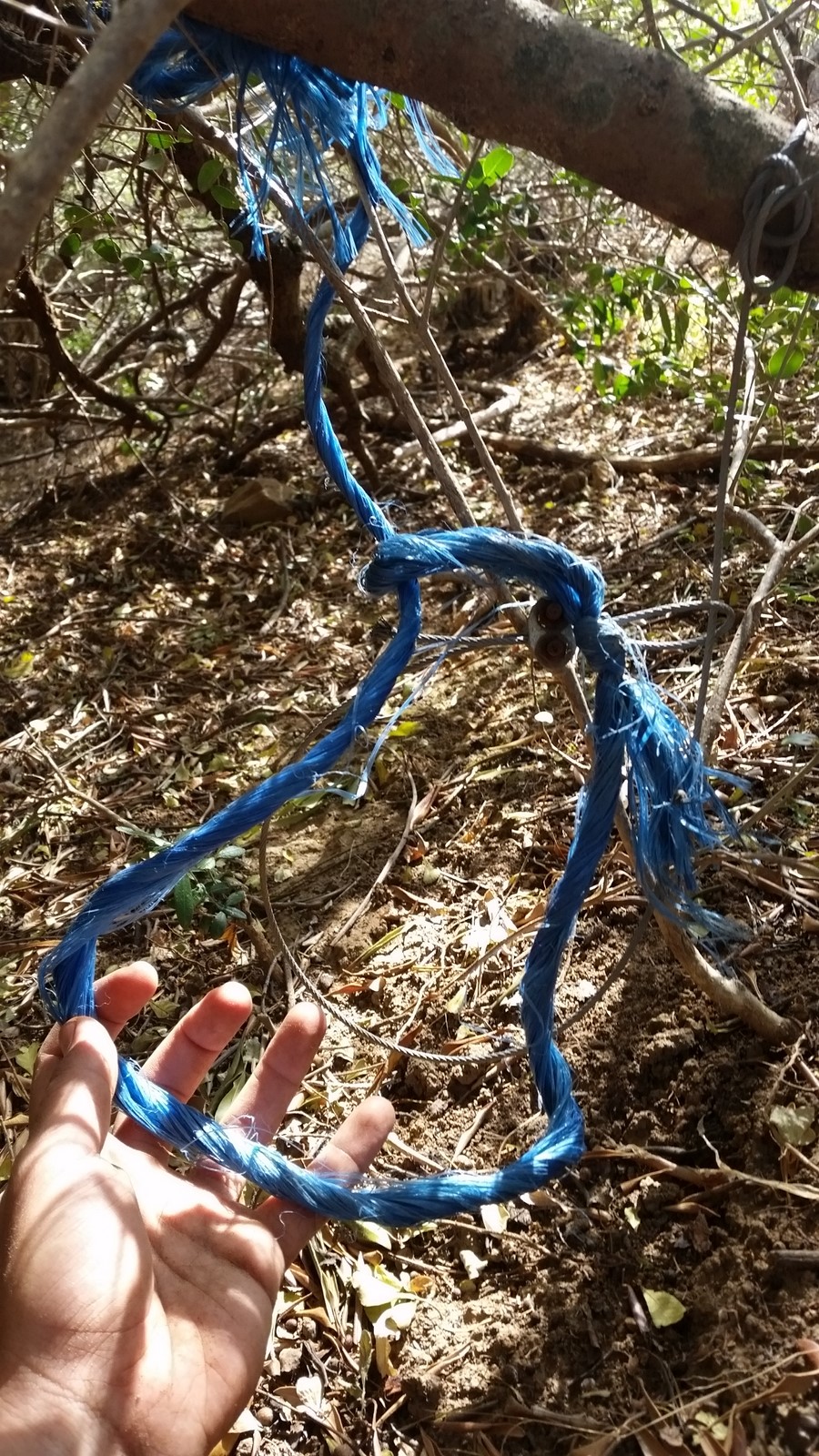
Most snares are made from wire but rope and cable are also used. ©Cape Leopard Trust

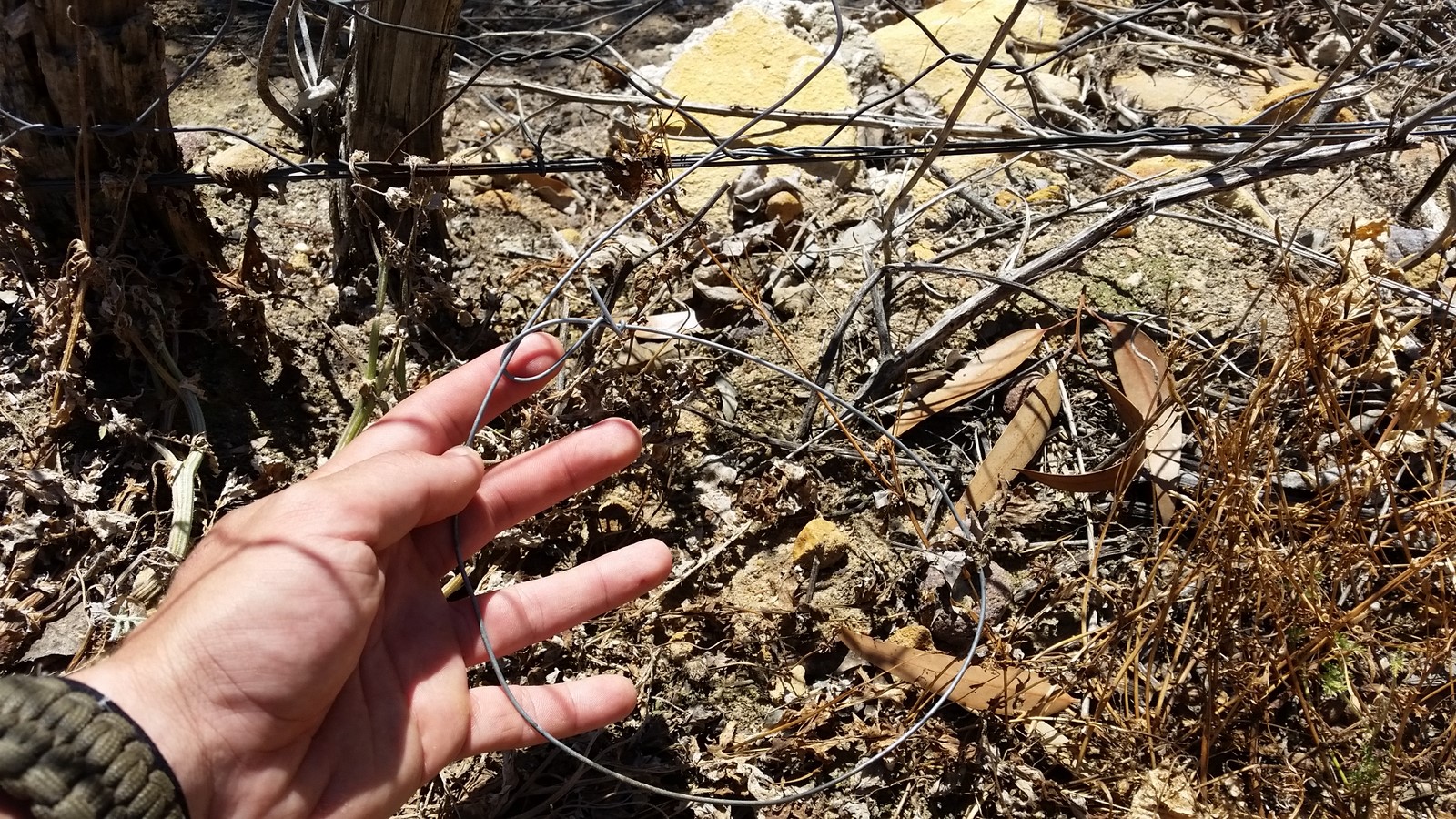
An example of a wire snare. ©Cape Leopard Trust

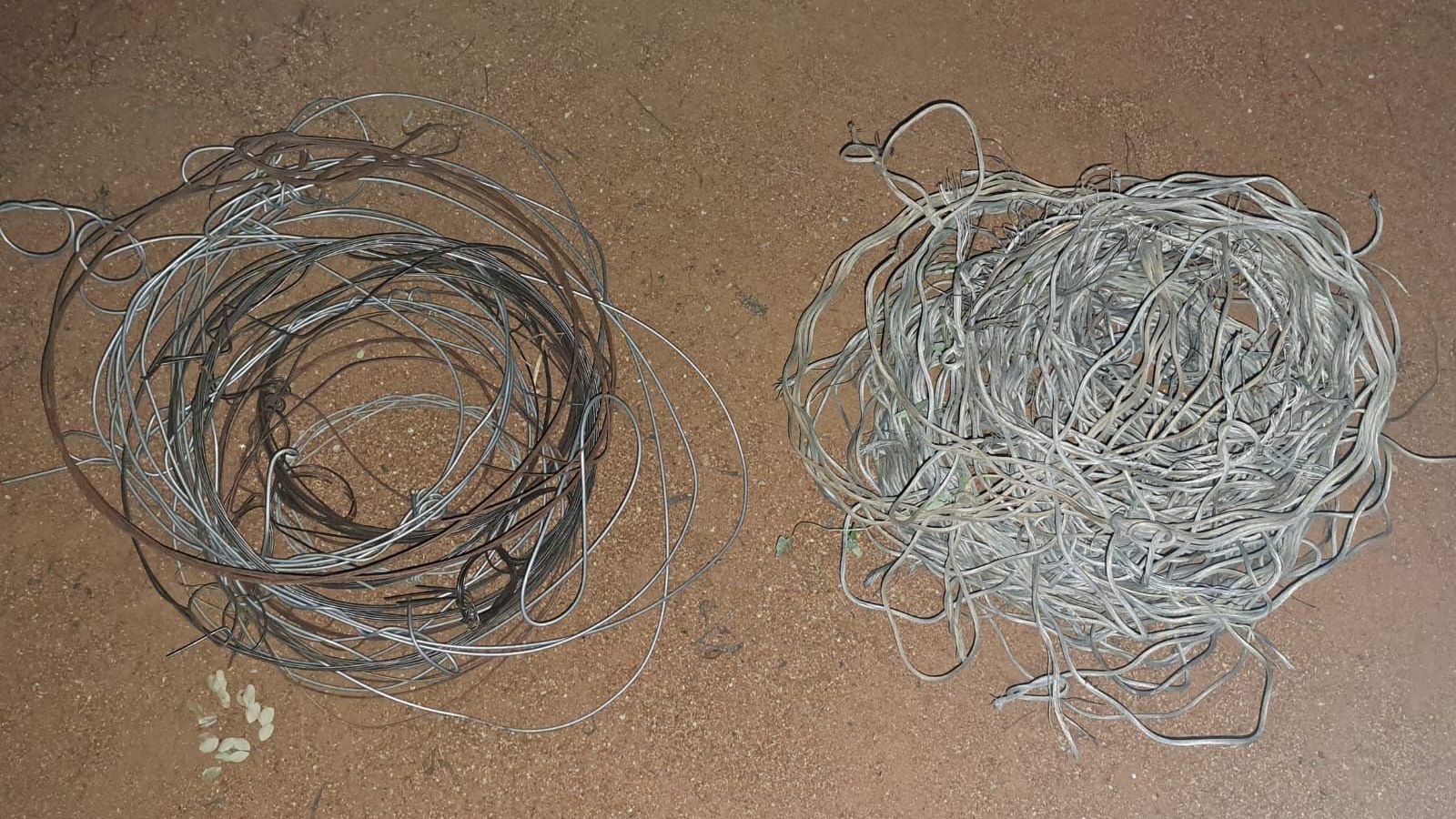
Collected snare material ©Endangered Wildlife Trust

African wild dog found dead in snare ©Endangered Wildlife Trust

Spotted hyena found dead in snare ©Endangered Wildlife Trust

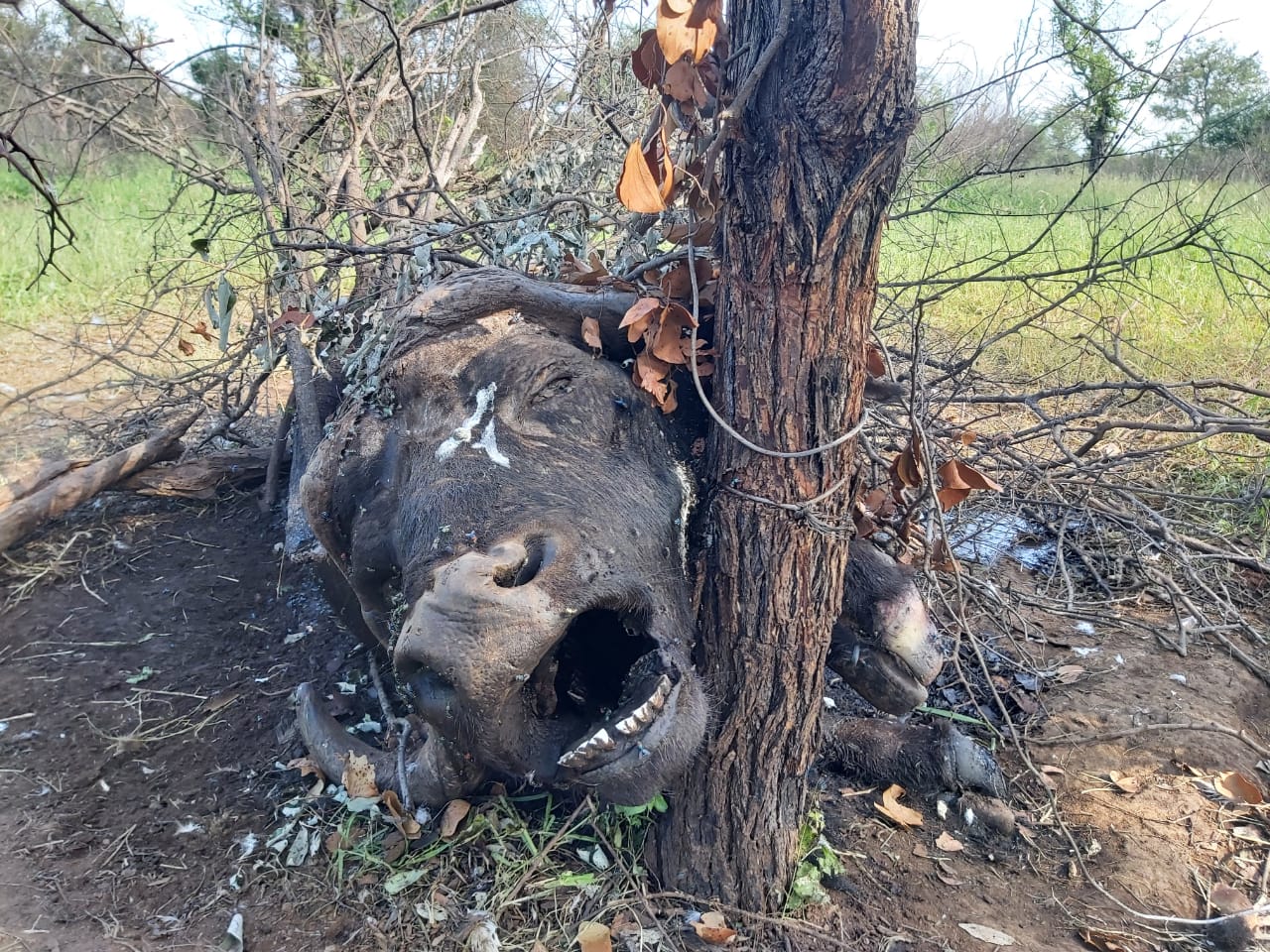
Buffalo found dead in snare ©Endangered Wildlife Trust

A word from the CEO July 2024

A word from the CEO July 2024

Word from the CEO

 
Yolan Friedmann, CEO

The 2024 Summer Olympics kicked off last week with grand fanfare and excitement, with millions of fans globally clenching thumbs and gritting their teeth as they watch their favourite sportsmen and women and wait for records to tumble. With around 300 000 spectators expected to attend the games in person, Paris is buzzing with people from across the globe and from all walks of life. Against the backdrop of political upheaval, unrest, ongoing global conflict in almost all corners of the world, economic uncertainty and a range of other manmade threats to our own futures, it fills me with a sense of hope and excitement to see fans draped in their national flags filling stadiums, and walking the streets of Paris, as they laugh, cheer, applaud and fiercely promote their national pride but all in a safe, harmonious and respectful manner. It makes me wonder why the rest of our lives and the rest of the time people cannot be like this: human beings competing as we love to do, and defending our national positions and ideologies, but in a way that inspires new generations to be better and aim higher, instead of sacrificing their futures. Humans are capable of great achievements and the Olympics is the best celebration of what focus, commitment, hard work and sacrifice can do. In a world that increasingly looks like it will implode due to the devastation of human impact, our planet can also thrive and flourish if people just focused on the RIGHT stuff.

Amidst the celebration of our sporting heroes this week, came the celebration of another group of individuals who can be likened to being environmental Olympians: champions of the earth and guardians of the voiceless. World Ranger Day on the 31st of July is always an opportunity to pause and give thanks to the brave women and men who risk their lives and dedicate their hearts, minds and bodies every day, to protecting the natural world for all of us. With Africa losing more than 64 rangers in the line of duty in the past year and with their work increasingly requiring a range of skills that qualifies them for a pentathlon event of their own, our rangers deserve cheers and glory and podiums every day of their lives. Today’ s rangers need to have environmental knowledge, technical skills, self-defense and paramilitary knowledge and still be educators, community developers, managers and defenders of the weak. The EWT salutes ALL rangers everywhere for protecting our earth.

Our world is full of heroes and focusing on them inspires us all to become better and to do better. I love the Olympics and global celebratory days for this reason, and knowing that the heroes of tomorrow are still in the making, gives me hope for a future where we will all indeed be better humans.

Yolan Friedmann,

CEO, Endangered Wildlife Trust
 

African Conservation Forum in Kenya an ideal opportunity to visit EWT projects

African Conservation Forum in Kenya an ideal opportunity to visit EWT projects


News from the field: 

African Conservation Forum in Kenya an ideal opportunity to visit EWT projects


The hosting of the African Conservation Forum in Kenya at the end of June provided the ideal opportunity for the Endangered Wildlife Trust’ s CEO, Yolan Friedmann, and senior officials based outside the East African country to visit some of the projects being undertaken under the banner of the International Crane Foundation / EWT Partnership.

Yolan was accompanied by head of the EWT’ s African Crane Conservation Programme Kerryn Morrison and Head of Conservation for the EWT, Dr Ian Little, Charles Kayijamahe, Rwanda country manager and East Africa regional Director, Dr Adalbert Aine-omucunguzi.

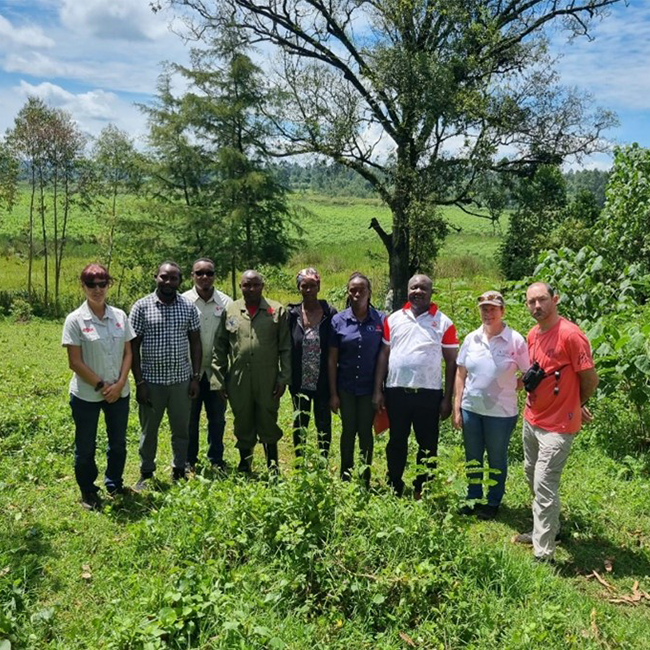
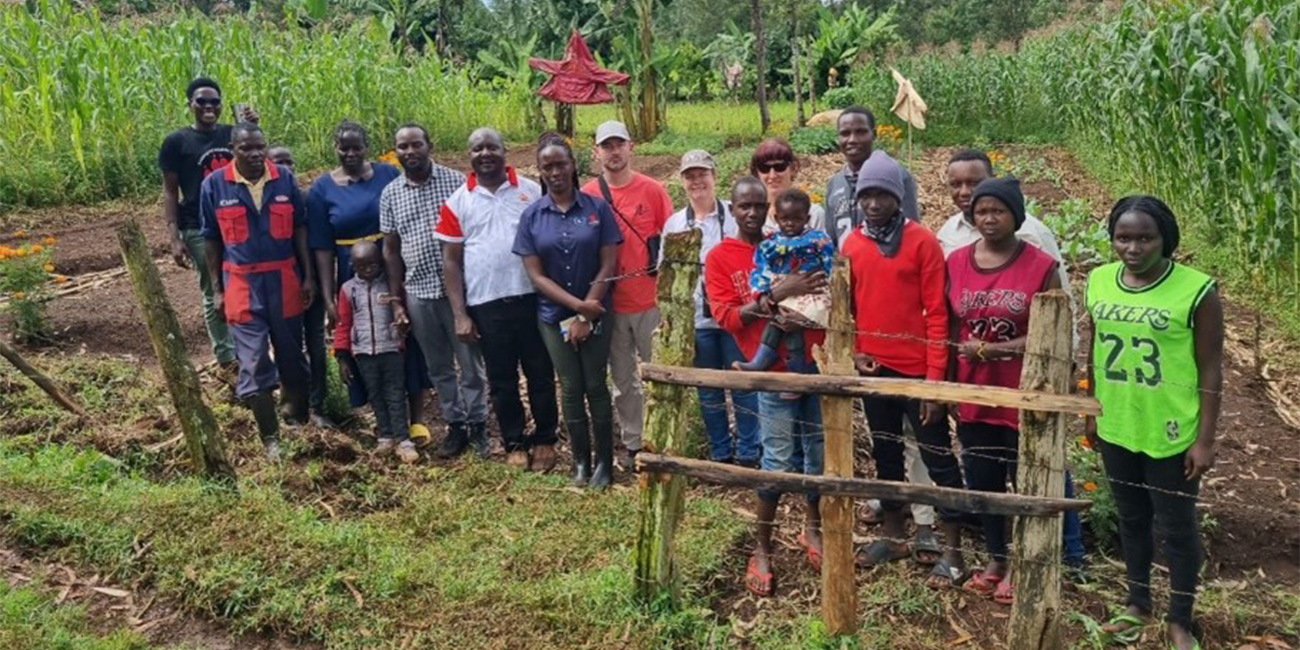
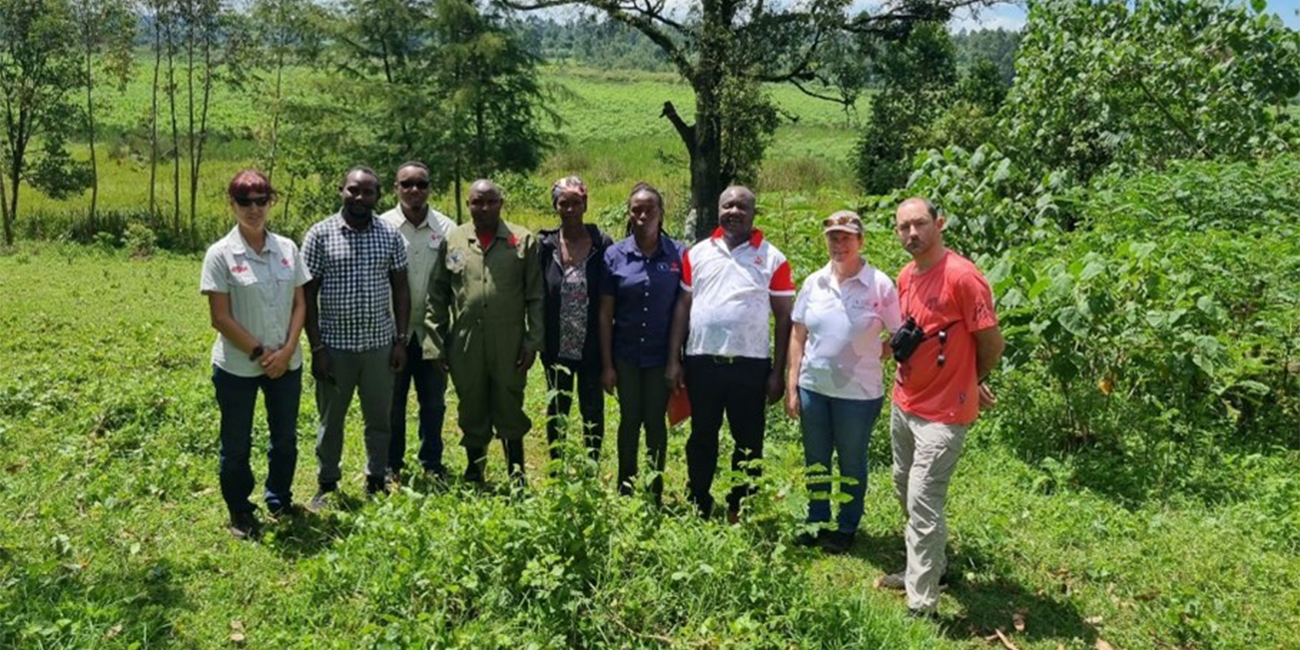
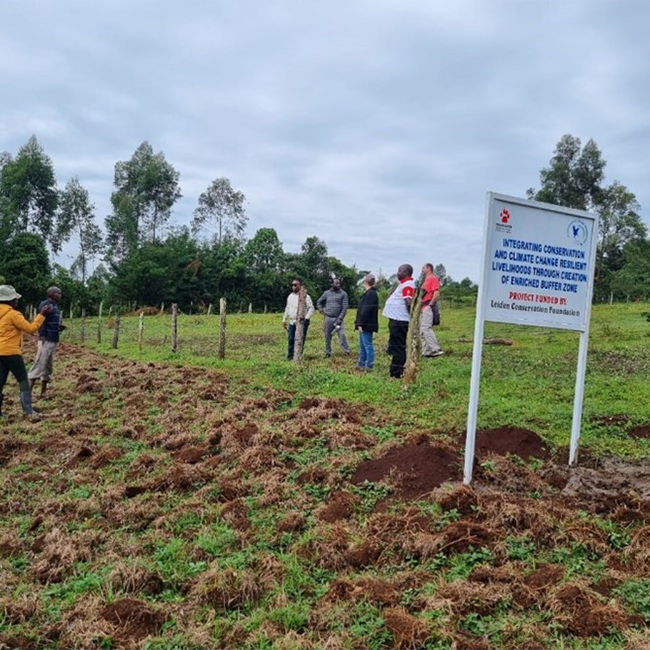
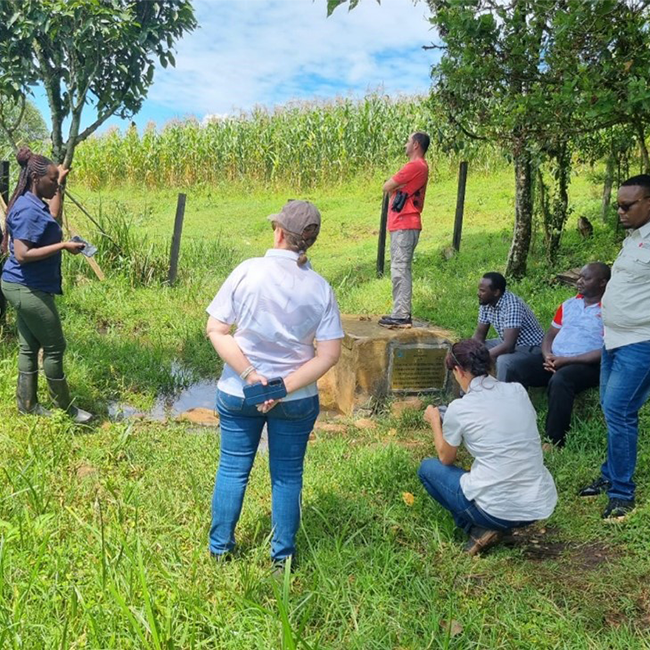
Despite the chilly Sunday morning, Yolan, Ian, Kerryn, Charles and Adalbert visited our intervention sites in Nandi County, Kenya. It was amazing to host them as they walked through the Enriched Buffer Zone, Climate Smart Agriculture and Spring Protection Sites.

They unknowingly interacted with 28 community members and 6 young kids who were excited to see them. We almost had a community Baraza quorum.

ICF/EWT is a movement that is well known in that area of Nandi,and visitors are greatly welcomed with a glass of ‘Mursik’ (fermented milk).

The team also visited Homa Bay on Lake Victoria and landscapes in and around the city of Kisumu.

It was impressive to see the work being done on the ground and to speak to the teams working in these areas. It is nice to see our strategies being implemented and coming into place. The scale of work does have a massive impact on communities who are benefiting in various ways. Recent reports show that farming productivity is now seven times more productive than mono-culture and farming within the wetlands. Because it is now easier for communities to farm, they are earning an income and are healthier because of improved nutrition.

One of our meetings with community members was at the Manor House Agricultural Centre which specialises in regenerative agriculture and they have offered free slots for community members to be trained. One of the members we visited graduated last year and is now training other farmers in his community.

On a conservation note: Kerryn managed to spot a pair of Banded Cranes booming in a flock in Baratton University. This is the first record we have in Nandi and possibly in Kenya.


Following the African Conservation Forum, senior EWT and ACCP not based in Kenya were shown several projects by in-country managers and teams to highlight the work being done to enhance sustainable agriculture, conserve water resources and restore buffer zones and, ultimately, save threatened crane populations.

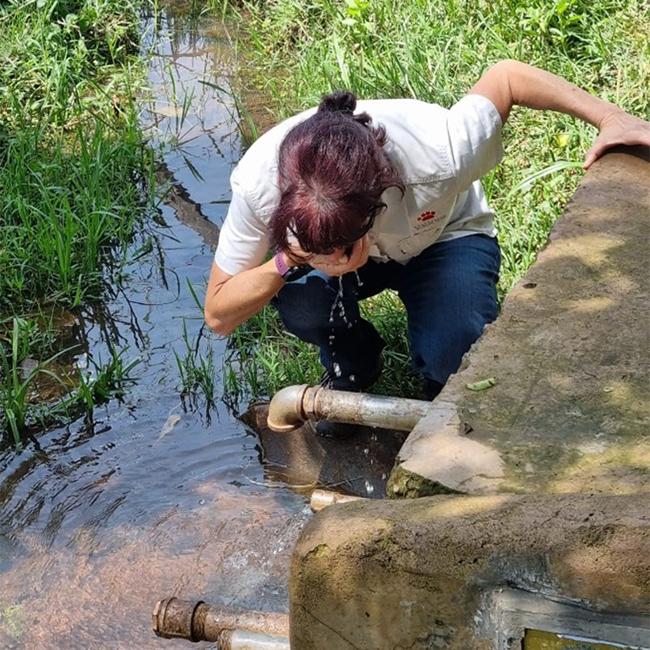
EWT CEO Yolan Friedmann quenches her thirst at a Spring Protection Site

Buffer zone being created by the EWT/ICF

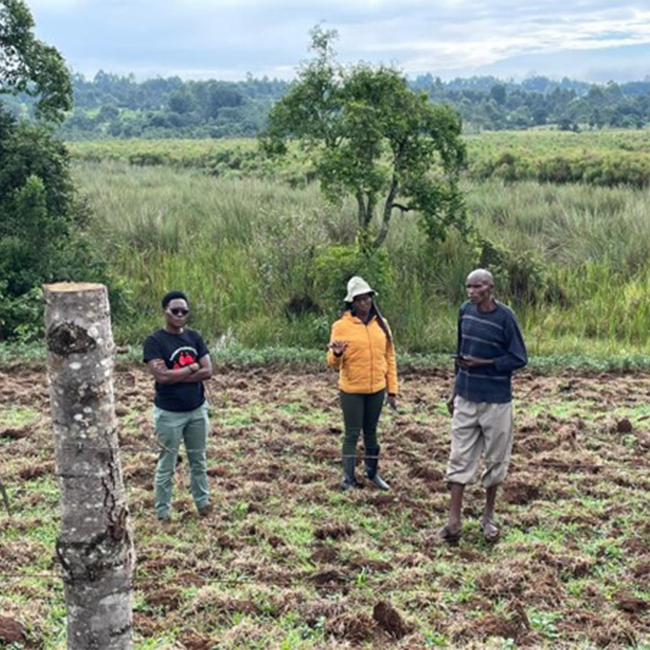
Fantastic work being done by the ICF-EWT team in Nandi county, western Kenya. Restoring wetlands for cranes and the environment

Visiting protected protected sites