Help protect Africa's 

Driving half a million kilometres for EWT

Driving half a million kilometres for EWT


Driving half a million kilometres for EWT

By Ronelle Visagie, Field Officer: Birds of Prey Programme & Wildlife & Energy Programme

During September 2005 I started working for the EWT’ s Birds of Prey Programme in the Karoo. It was in these beginning years that I drove a Nissan 1400 bakkie for nearly 3 years. The main purpose of the Project at that time was to engage with the farmers regarding the raptors at their farms. It was also expected of field officers to do all power line investigations in our area. I used to drive to a farm and then the farmer had to take me to where I had to work.
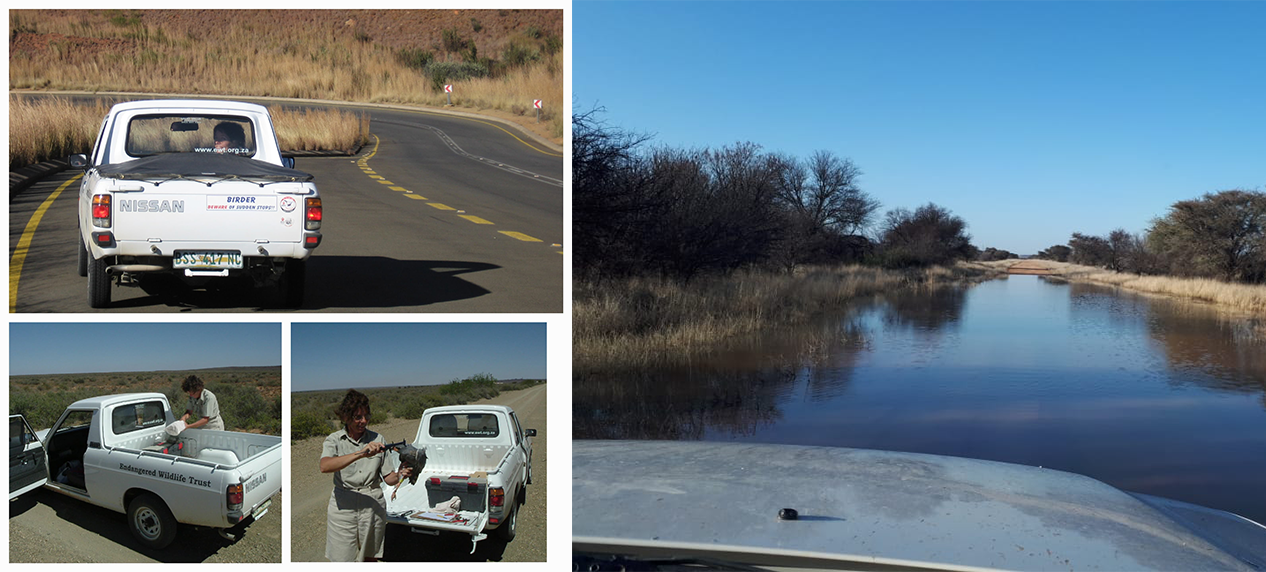
 

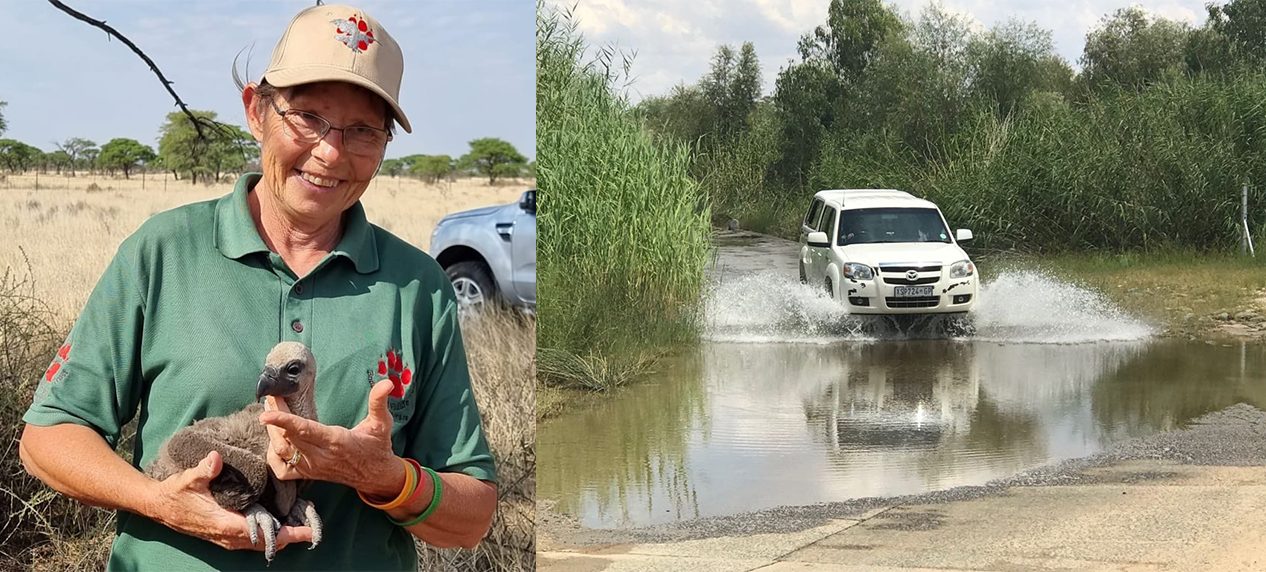
During February 2008 I did the first raptor monitoring with the support of the Nissan 1400 in Mokala National Park near Kimberley. The vehicle was too low and too small for driving off-road, but somehow, I managed. Returning from a trip to the Kgalagadi National Park the same month, I collided with a kudu on the gravel road between Prieska and Strydenburg. Fortunately, I sustained no injuries, but there was R22,000 damage to the Nissan. I had driven 27 126 km with the Nissan before the EWT supplied with a Mazda BT50 sponsored by Mazda with 37 805 km on the clock. The very reliable Mazda retired at 431 886 km after many memory-making adventures in the Karoo and Kalahari as we crossed the landscape for 15 years. Just imagine doing vulture nest monitoring in the Kalahari sand with a 2 x 4 and getting stuck on each and every survey.
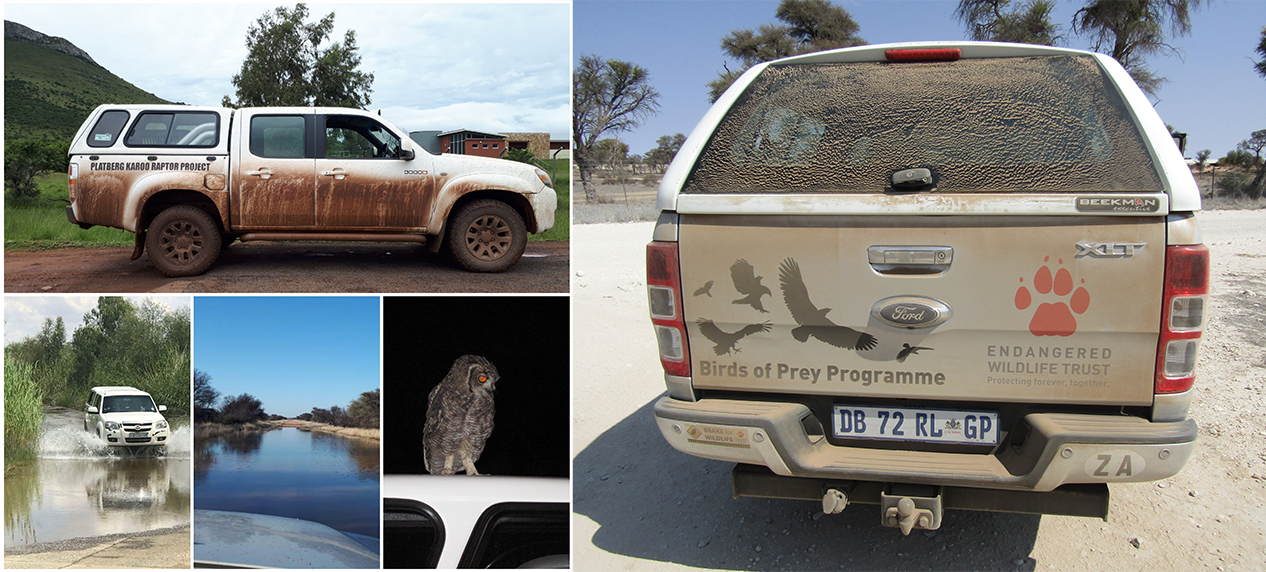
 

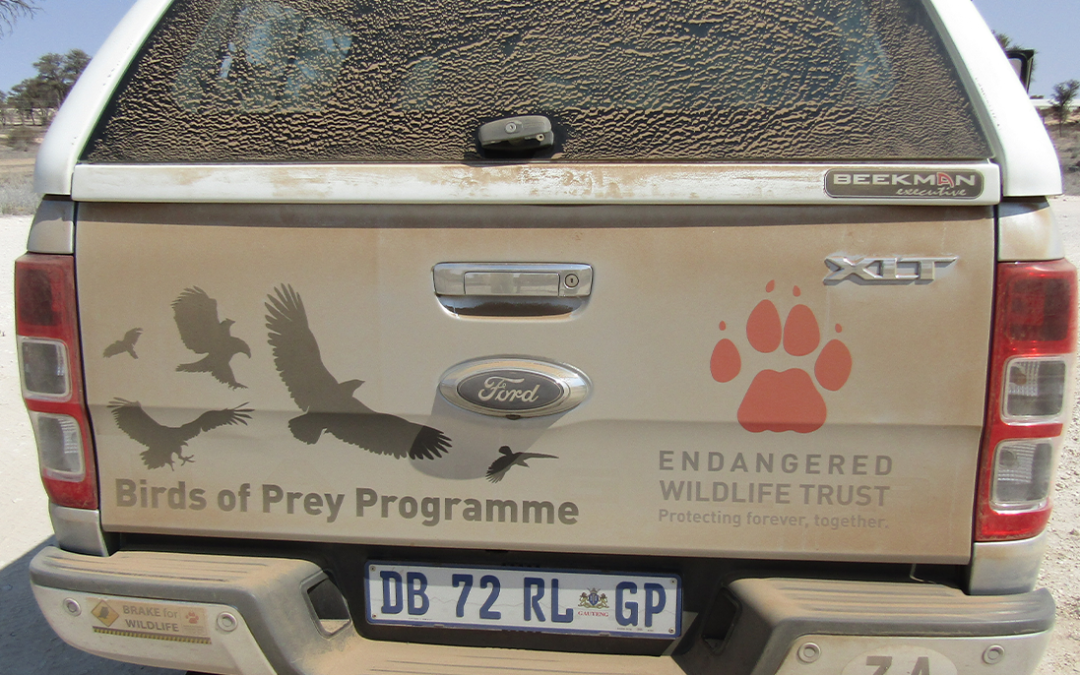
During November 2022 I received the Ford Ranger 4 X 4 and the adventures continued. At least I do not get stuck in the Kalahari sand anymore! During July 2023 a small rhino calf that was deserted by its mother hit the left back door – in case you wondered why there is a picture of a rhino alongside a vulture and an eagle on the left back door.

The 500 000 km mark was reached during the vulture ringing week in the larger Kimberley area in October 2024. As I do a lot of field work for the Birds of Prey and Wildlife and Energy Programmes, I do travel a lot in the Northern and Eastern Cape and also in the Orange Free State. Now the challenge is on for one of my colleagues at the EWT to reach half a million km!
 

EWT Exploring Peru

EWT Exploring Peru


EWT Exploring Peru


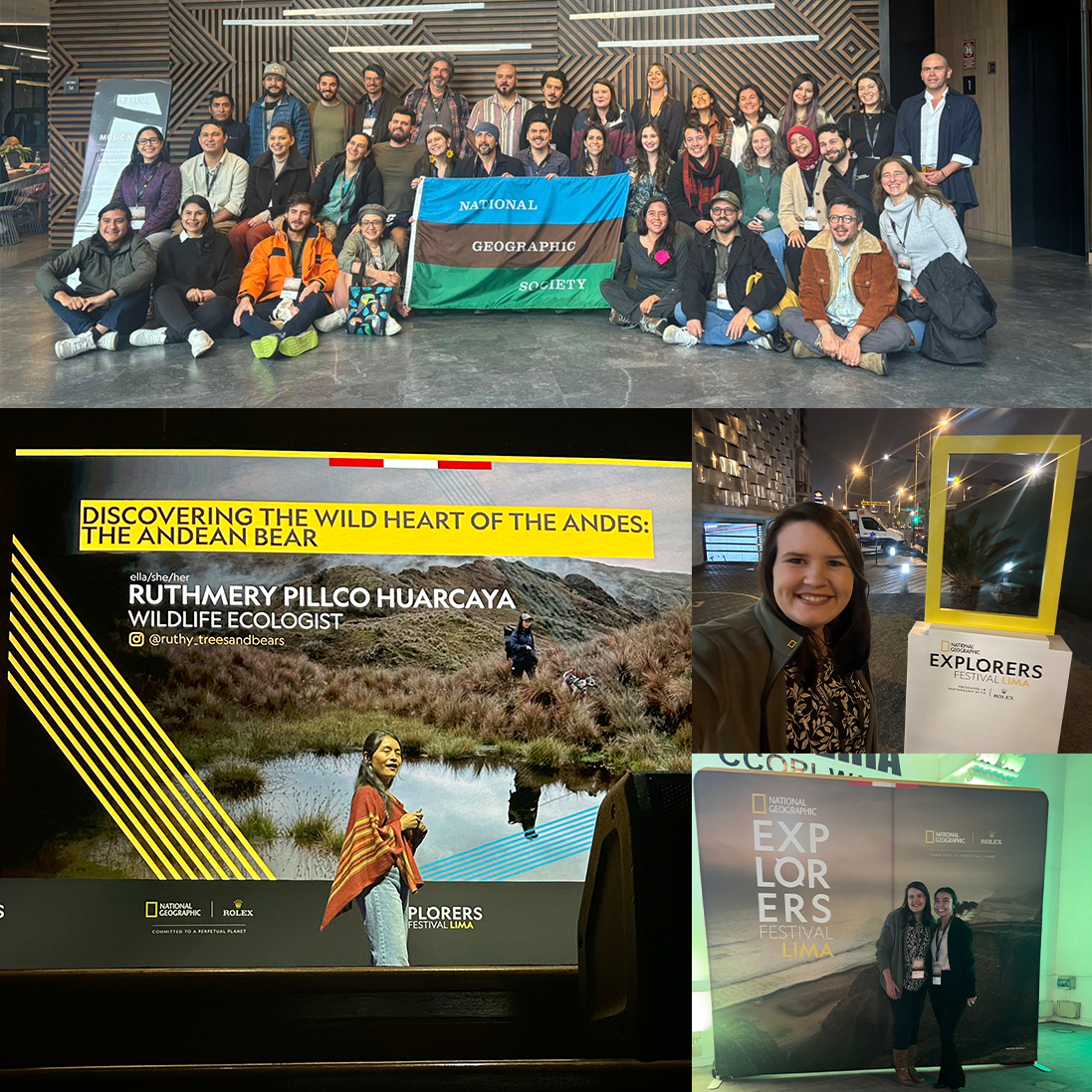
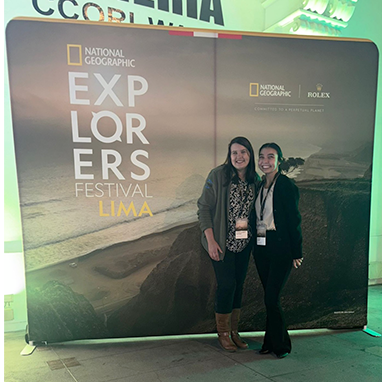
Esther Matthew, the EWT’ s Senior Specialist Conservation Officer, became a National Geographic Society Explorer in 2018 for her work with a scent detection dog to help conserve the Critically Endangered Riverine Rabbit. A few months ago, Esther was selected as one of three explorers to serve as a hub coordinator for the Southern Africa Hub. The hub includes all explorers form South Africa, Lesotho, Eswatini, Mozambique, Namibia, Zimbabwe and Botswana.

As part of her new role, she received the incredible opportunity to attend a hub coordinator training workshop and Explorer Festival in Lima, Peru! Esther expressed her excitement, saying, “It was an amazing opportunity and experience I will never forget!”. This marked her first visit to South America and her attendance at an international Nat Geo Explorer Festival. The festival showcased the remarkable National Geographic explorer project in the Amazon, along with many other fascinating topics. Esther represented EWT and the Southern Africa hub at the event, where she met many explorers from around the world. She returned with more knowledge about coordinating groups and established many valuable networking contacts.
The EWT is proud to have three National Geographic Explorers on our staff. Alongside Esther, the other two explorers are Kulani Nyakane, Field Officer of our Carnivore Conservation Programme and Dr Gareth Tate, Programme Manager of the EWT’ s Birds of Prey Programme.

DCP showcasing Projects and “furries” with Funders

DCP showcasing Projects and “furries” with Funders


DCP showcasing Projects and “furries” with Funders.


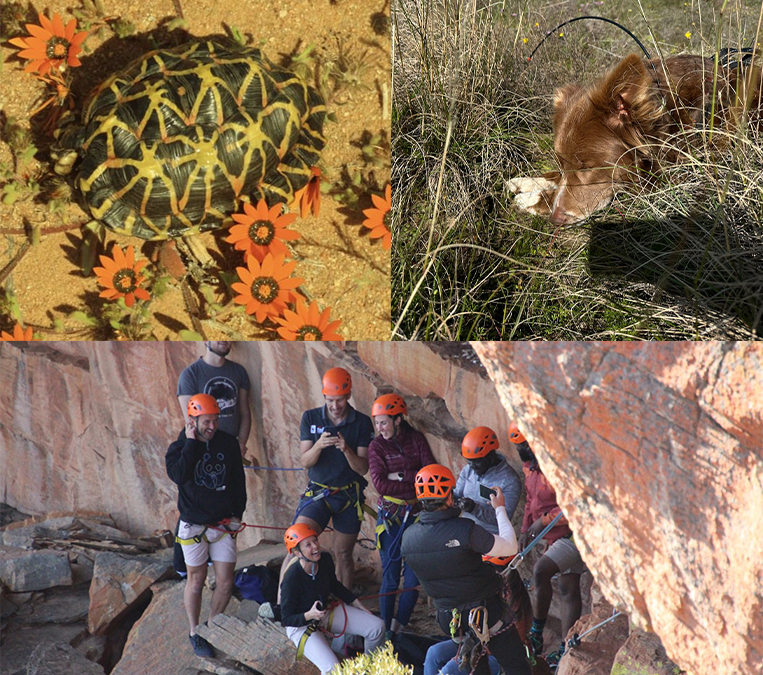
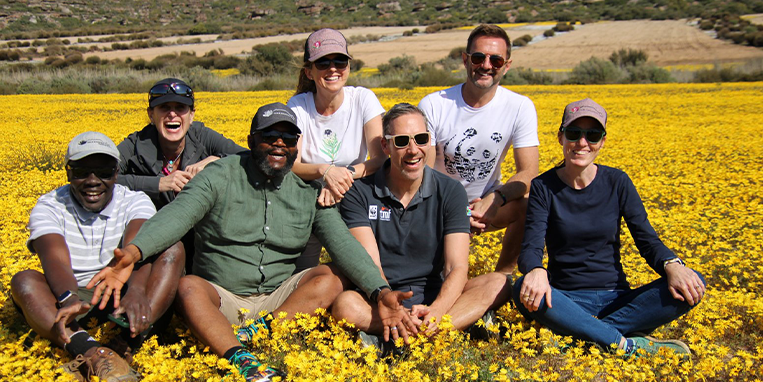
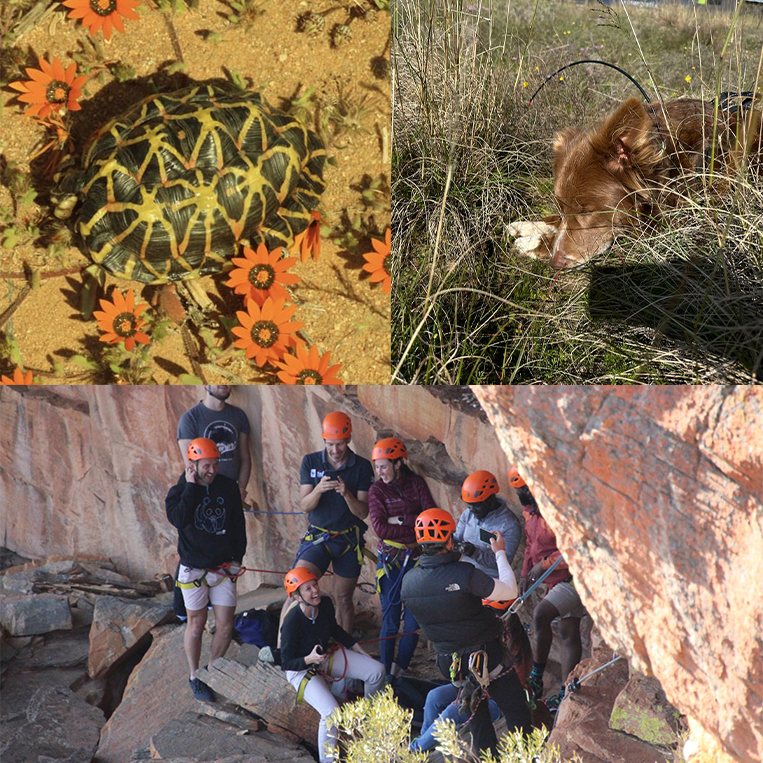
On the weekend of 31 August and 1 September, the DCP team enjoyed the company of the Table Mountain Fund (TMF) Board and officials at Papkuilsfontein Farm in the Northern Cape. TMF is funding the project: Fynbos on the Edge, which is aimed at exploring and developing opportunities to diversify the farming income, through making the overall business model more sustainable from a financial, agricultural, and ecological perspective. Diversifying and growing income from a single agricultural income to a tourism income targeting a range of visitor profiles is aimed at taking pressure off the natural resources, particularly the natural rangeland. The Papkuilsfontein Farm is located on the Bokkeveld Plateau and is the stage for a phenomenal flower display during August and September. On arrival on the farm, the Board members were introduced to the Van Wyk family, who are the 6th generation who bravely took the step to sign a Protected Environment Stewardship Agreement and enter into diversifying their agricultural income through developing remarkable eco-tourism products such as mountain biking, hiking routes and the Via Ferrata on the farm. The group enjoyed hikes, the Via Ferrata and sundowners on the cliffs before returning to their respective destinations.

Esté and Delta mesmerized the Rainforest Trust Board on 8 September on the Worcester Geometric Reserve. Delta, being the star of the day, ensured that her nose and loving persona captured the imagination of the group of Board members before she was put to work to locate, and indicate, live geometric tortoises. This range restricted species is endemic to the winter rainfall region of the south-western Cape and is listed as one of the top 25 most endangered tortoises (and turtles) in the world. The species face threats such as habitat loss due to urban and agricultural expansion, fragmentation of existing habitat leading to isolated populations, invasive alien vegetation and animals, such as feral pigs, and too frequent fires. The risk of poaching of specimens from the wild is also a significant potential threat. Delta ensured that some of the guests on the day saw a Geometric tortoise for the first time in their lives.

Projects made possible by Table Mountain Fund and Rainforest Trust.


Field work for the Wildlife and Energy Programme

Field work for the Wildlife and Energy Programme


Field work for the Wildlife and Energy Programme

 One of the field officers of the Endangered Wildlife Trusts’ Wildlife and Energy Programme, Ronelle Visagie, travels a lot through the Northern Cape, Eastern Cape and the western and southern Free State to investigate powerline incidents. 

Ronelle recently travelled to a powerline 100 km southwest of Kakamas for an investigation, and also surveyed  seven powerlines in the Eastern Cape and one in the southern Free State.  Driving around our beautiful country does have its advantages and grants us as EWTers an opportunity to visit and experience different parts of our beautiful country.  

This month we share with you a few photographs of Ronelle’ s recent journey to investigate powerlines.


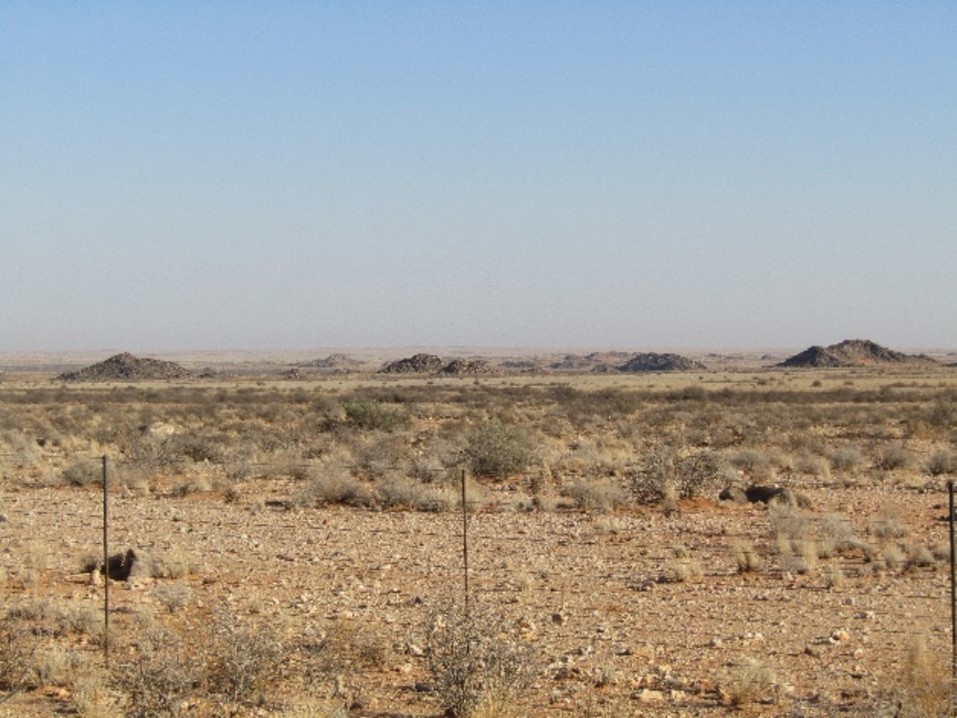
Kakamas is in Namaqualand, a desolate part of the Northern Cape. Despite being situated on the banks of the Orange River, this area is typically very dry. Most people only ever pass this area en route to Namibia or the Kgalagadi Transfrontier Park.

Believe it or not, there are White-Backed vultures in Namaqualand. This picture of three vultures sitting on an electricity pylon was taken 100 km southwest of Kakamas.

Ronelle also passed two Cape Griffon Vulture roosting sites on her journey through the Eastern Cape and Free State. The one is near Zastron in the Free State. The other was seen between Burgersdorp and Jamestown.

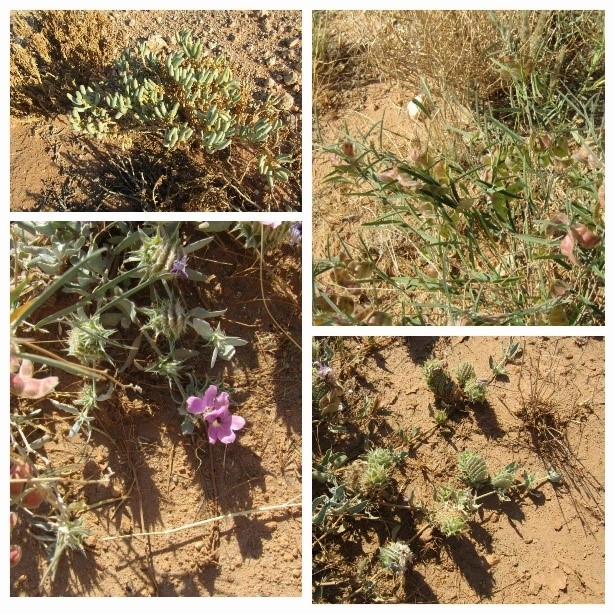
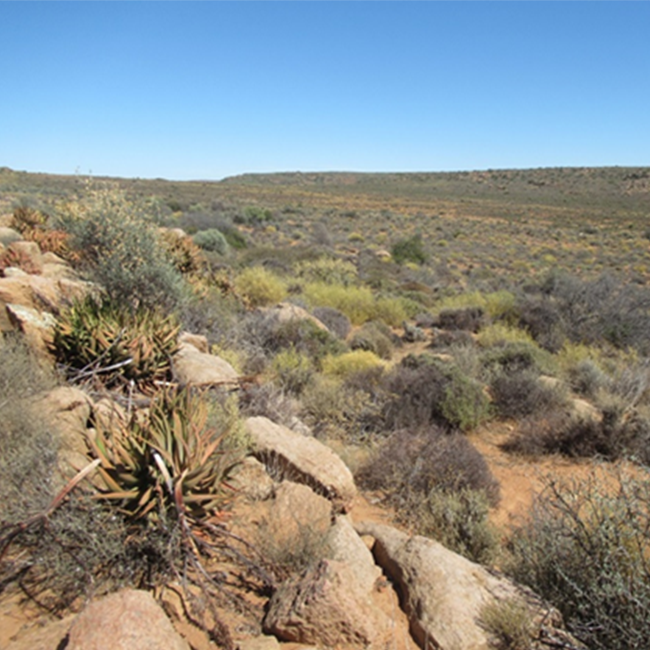
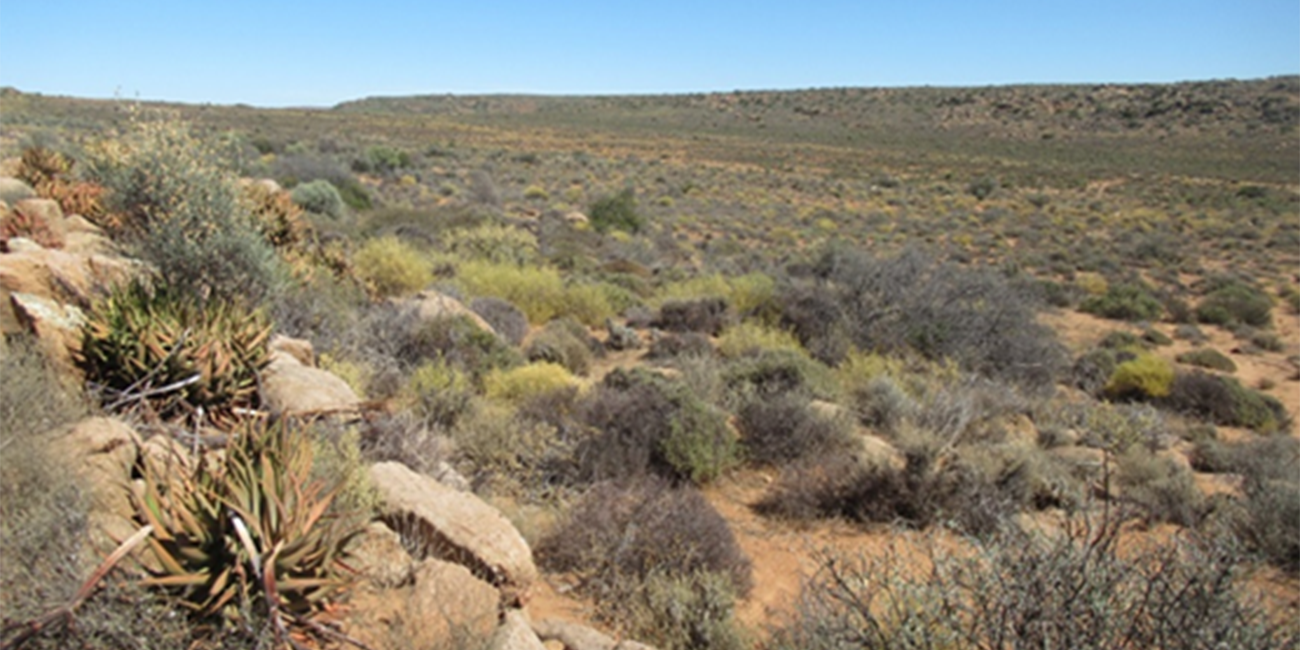
The plants in this region are something special, especially because most are unique to this part of our coutry. Even though winter was approaching, some of the veld plants in this dry habitat were flowering making this visit colourful.

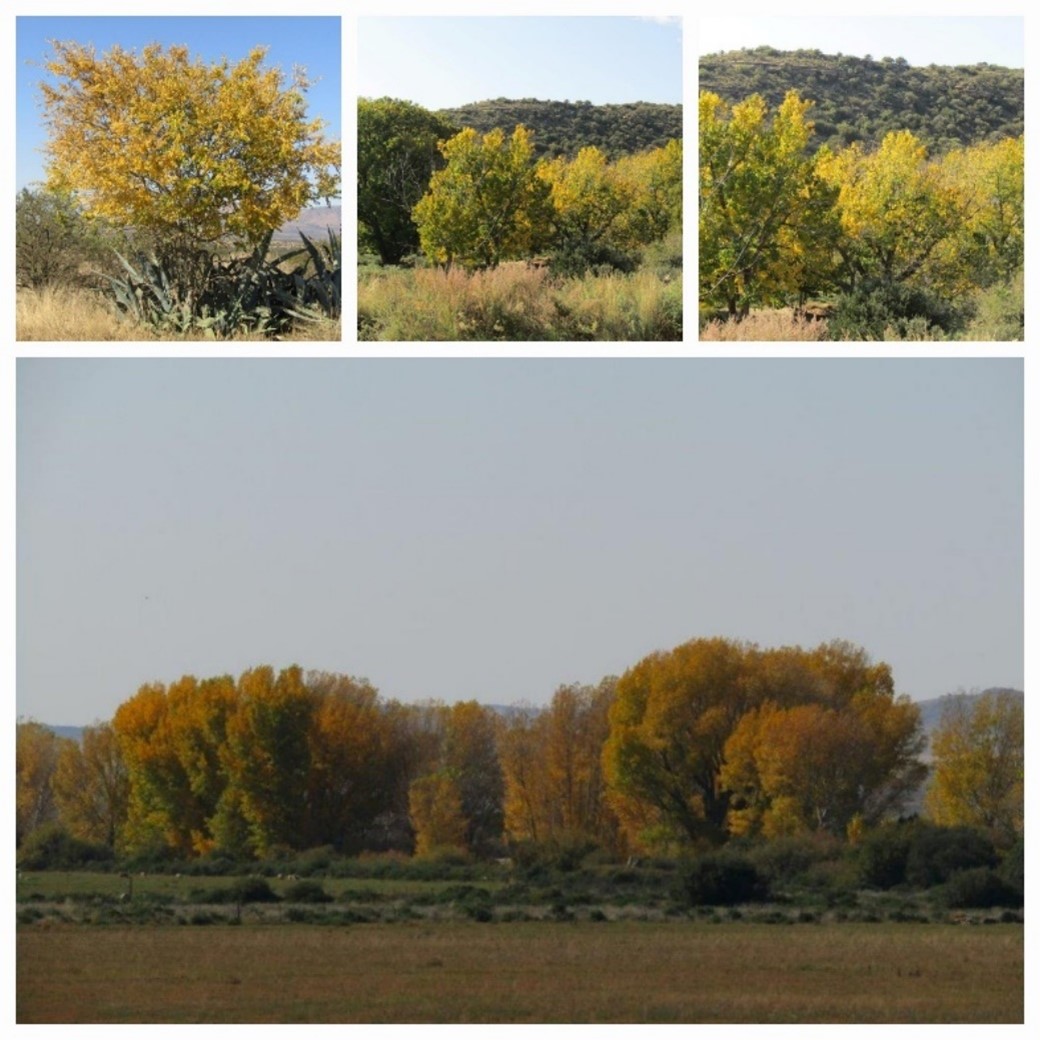
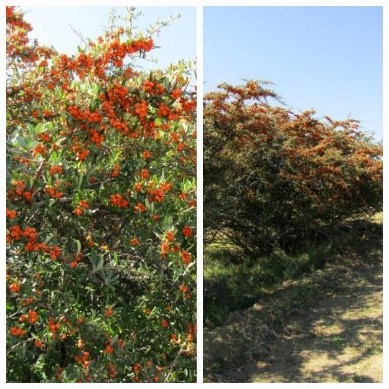
Because it was late in autumn, the Eastern Cape and Free State were beautiful. All the trees were showing off their autumn leaves, and the Orange Charmer shrubs (Pyracantha coccinia or Fire Thorn) were covered in berries. Unfortunately, the Orange Charmers are an exotic species.

A picture can tell a thousand words. Even though it was not very hot, this picture shows the importance of one tree. A flock of sheep gathered under it in the midday Sun for some shade

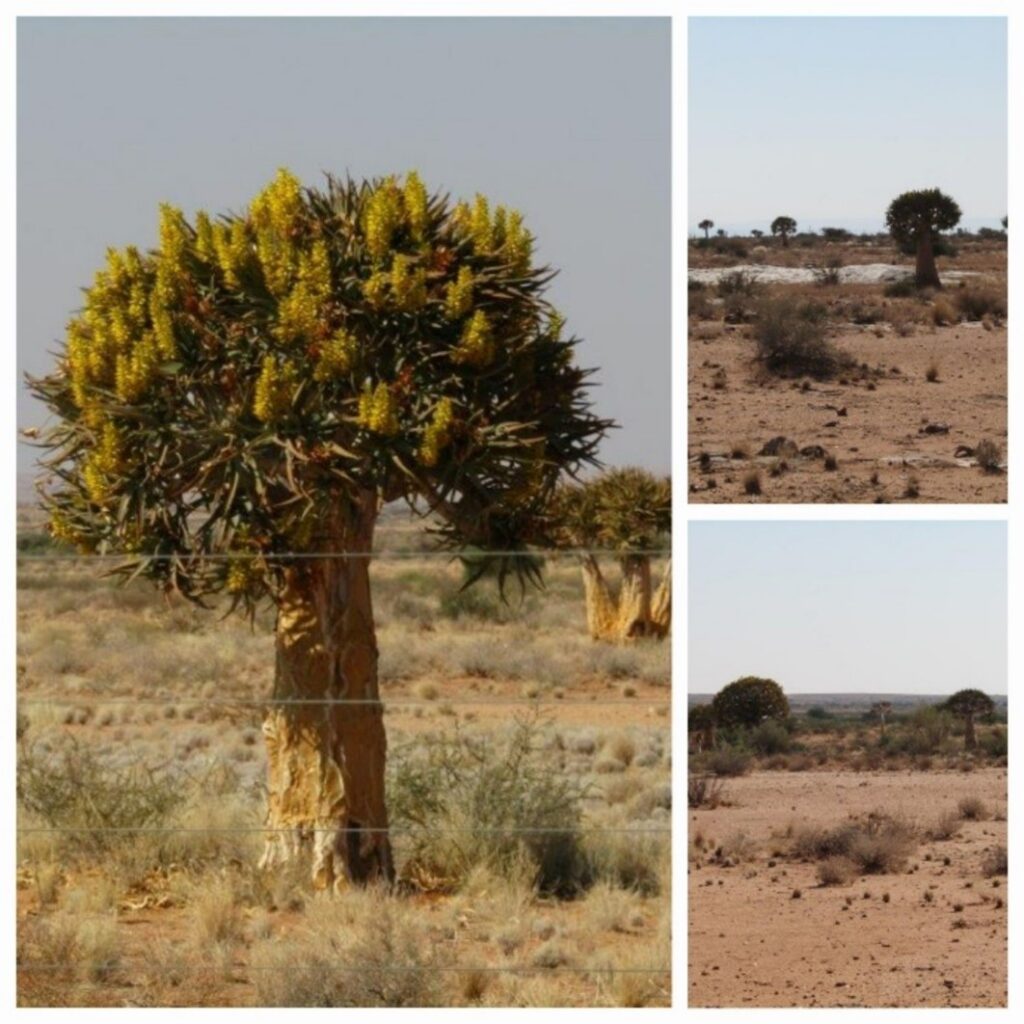
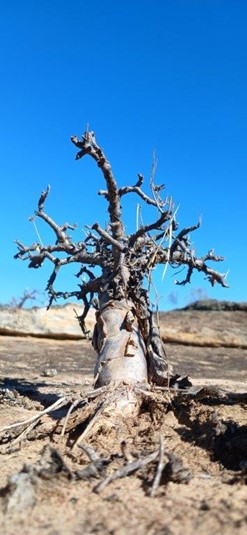
Namaqualand is well known for its Quiver Trees, which had started their annual bloom. Seeing these critically endangered giant trees flowering is a special experience, especially because they are one of South Africa’ s most spectacular and rare aloe species.

The Orange Charmers were spread out in the Free State and Eastern Cape.

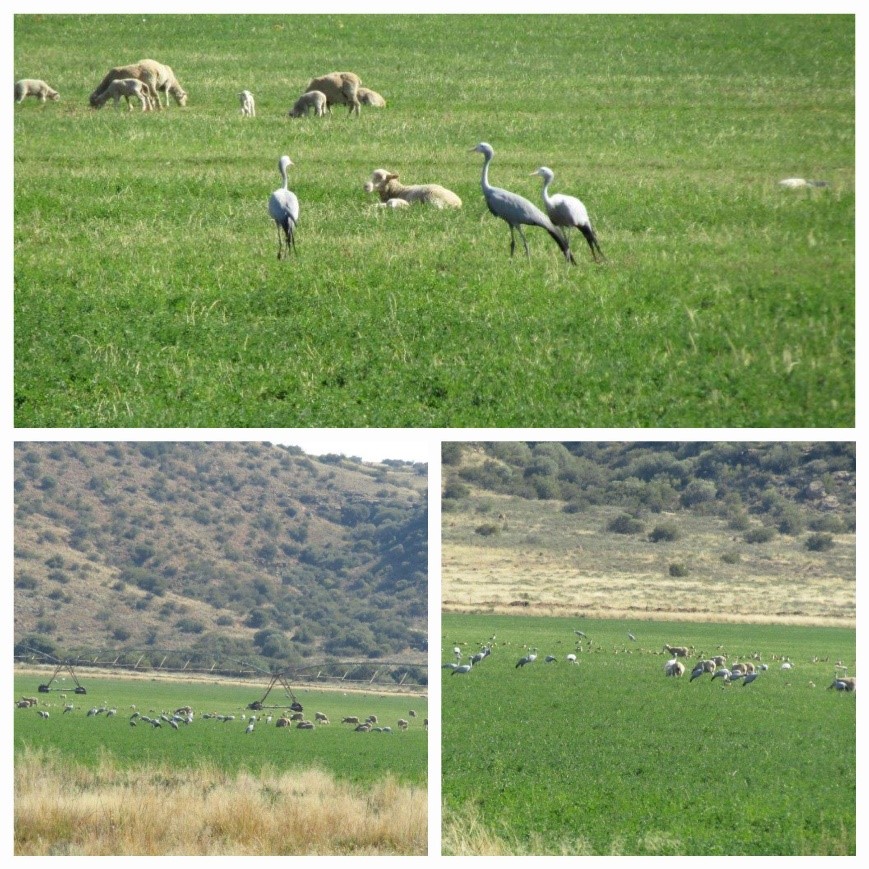
South Africa’ s national bird, the Blue Crane, is the world’ s most range-restricted crane. Although Ronelle did not see many Blue or Grey Crowned Cranes during her survey of the powerlines, she did come across this flock of more than 330 Blue Cranes on agricultural land near Venterstad in the Eastern Cape on her trip home.

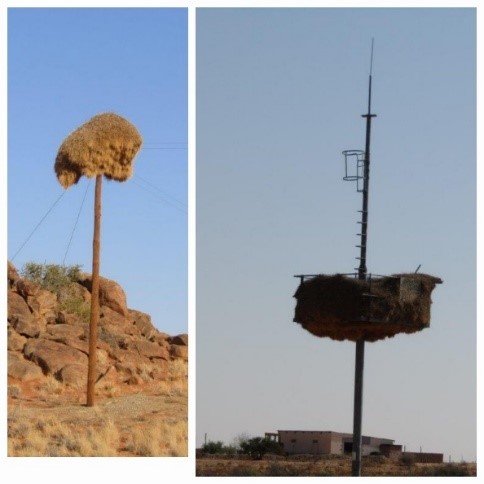
The drier western part of the Northern Cape is also very well known for its characteristic Sociable Weaver nests. Social Weavers typically build their nests in Camel Thorn trees, but also have a preference for bare manmade structures, such as telephone and electric poles. These huge nests of straw and grass can be seen for miles and are often home to colonies of more than 100 birds.

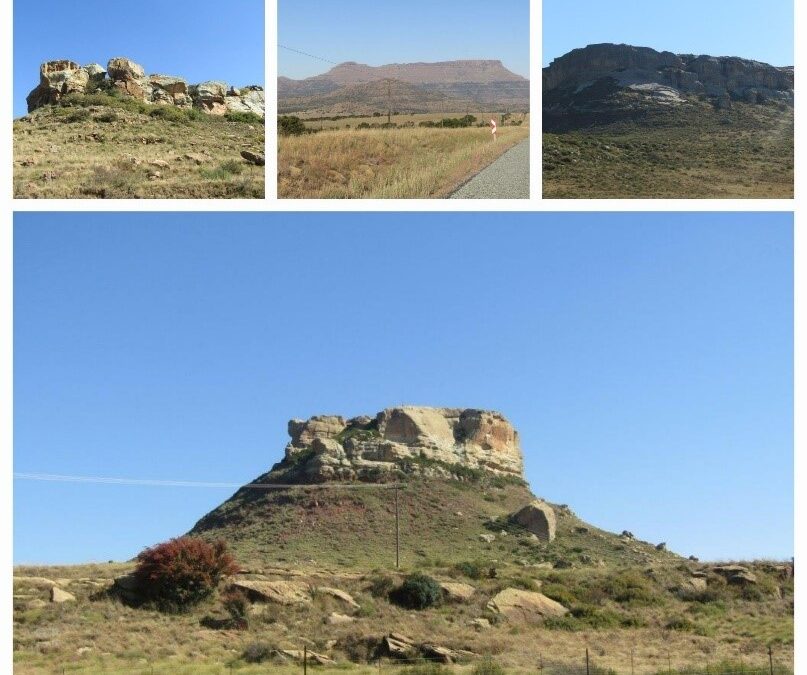
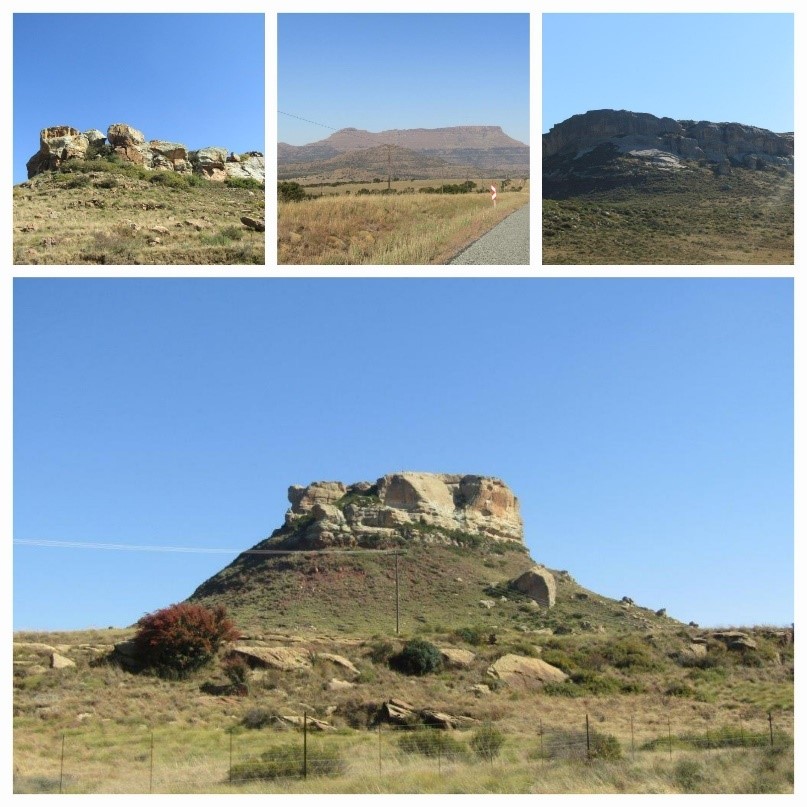
Travelling through the Eastern Cape you are able to view beautiful mountains and rock formations.

World Environment Day 2024

World Environment Day 2024

World Environment Day 2024: Restoring Land and Securing Our Future

World Environment Day 2024 marks a pivotal moment to reflect on the urgent need for ecosystem restoration. On 5 June, the Endangered Wildlife Trust (EWT) joined millions worldwide in raising awareness about land rehabilitation, desertification prevention, and drought resilience.

This year’ s theme, “Our Land. Our Future,” highlights the critical role of conservation. Moreover, it aligns with the United Nations Decade on Ecosystem Restoration’ s #GenerationRestoration movement, which seeks to reverse environmental damage by 2030.

The Global Crisis of Land Degradation

Recent findings from the United Nations’  Global Land Outlook Thematic Report on Rangelands and Pastoralists reveal alarming statistics—nearly 50% of the world’ s rangelands face degradation due to overuse, climate change, and biodiversity loss. In South Africa, afforestation, mining, and land conversion contribute significantly to this crisis.

The EWT has taken proactive steps, establishing over 100,000 hectares of protected areas and clearing invasive species to restore vital water catchment zones. These efforts improve ecosystem services, particularly in climate-sensitive regions. However, a nationwide shift in natural resource management is essential to meet Sustainable Development Goals on land degradation neutrality.

The Human and Economic Impact of Environmental Decline

According to the United Nations Environment Programme (UNEP), over two billion hectares of land—more than 20% of the Earth’ s surface—are degraded. This affects 3.2 billion people, disproportionately harming Indigenous communities, small-scale farmers, and rural populations. Droughts alone impact 55 million people annually, threatening food security and livelihoods.

If left unchecked, land degradation could reduce global food productivity by 12%, driving food prices up by 30% by 2040. Africa holds significant restoration potential, with over 720 million hectares that could be rehabilitated. The Pan-African Ecosystem Restoration Action Agenda aims to restore 200 million hectares by 2030.

World Environment Day 2024

World Environment Day 2024

Innovative Solutions for a Sustainable Future

The EWT’ s Drylands Conservation Programme addresses climate change and unsustainable land use in southern Africa. By promoting eco-tourism and supporting local enterprises, the initiative fosters economic resilience while preserving ecosystems.

Governments and financial institutions must also play a role. Redirecting agricultural subsidies towards regenerative farming and small-scale producers can enhance food security without compromising ecosystems. UNEP estimates that investments in nature-based solutions must double to $542 billion by 2030 to meet global climate and biodiversity targets.

The Path Forward: Policy and Collaboration

With the Convention on Biological Diversity’ s 16th Conference of the Parties (COP16) approaching in October 2024, nations must reaffirm their commitments under the Kunming-Montreal Global Biodiversity Framework. Adequate funding, particularly for developing nations, is critical to implementing National Biodiversity Strategies and Action Plans (NBSAPs).

In South Africa, collaboration between government, businesses, and communities is vital. The EWT’ s carbon trading agreements in the Free State grasslands demonstrate how sustainable practices can generate revenue while protecting biodiversity.

A Call to Action for World Environment Day 2024

World Environment Day 2024 reminds us that healthy land is as vital as clean air and water. By restoring degraded ecosystems, we safeguard food security, biodiversity, and human well-being. Every stakeholder—from policymakers to private citizens—must contribute to this collective mission.

The time to act is now. Together, we can secure a sustainable future for generations to come.