Help protect Africa's 

From Red Lists to real action: How science shapes conservation

From Red Lists to real action: How science shapes conservation

From Red Lists to real action: How science shapes conservation

By Dr Tamanna Patel and Dr Lizanne Roxburgh, Conservation Planning and Science Unit
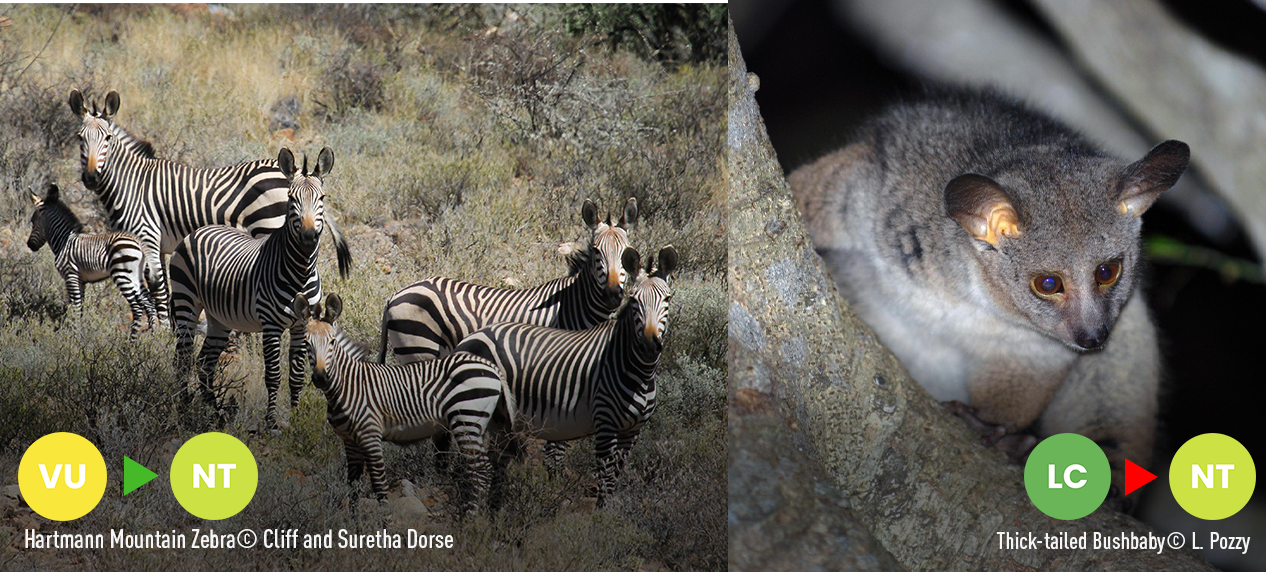
 

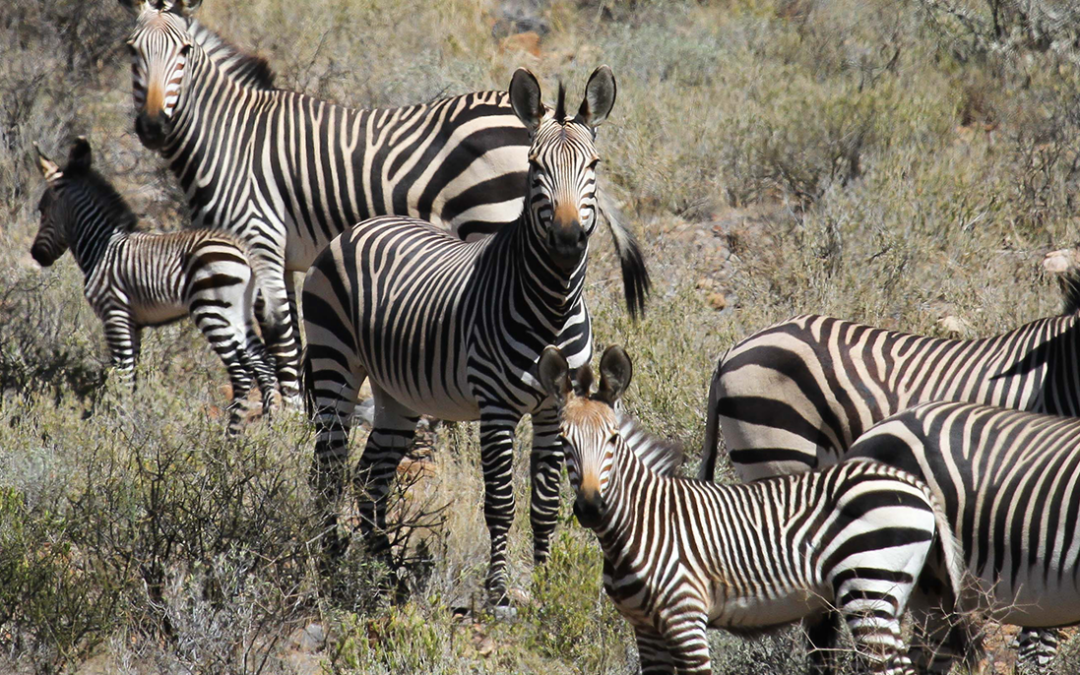
Hartmann’ s Mountain Zebra conservation success, Thick-tailed Bushbaby in fragmented habitat

Conservation does not happen in isolation. Every decision about which species to protect, where to invest limited resources, and how to balance development with biodiversity rests on one critical foundation: evidence. When that evidence is outdated or incomplete, conservation action risks becoming ineffective, or worse, misdirected. In the face of an accelerating biodiversity crisis, acting on yesterday’ s data can mean losing species forever.

This is why scientific assessments of species’ statuses, are not merely academic exercises, but essential tools for species survival. The IUCN Red List of Threatened Species remains the world’ s most authoritative system for assessing extinction risk of animals, fungi, and plants at either a global, regional or a national scale. It classifies species into nine categories, from Least Concern to Extinct, using objective criteria. Beyond labels, Red List assessments provide vital information on threats, habitats, population trends, and conservation needs, shaping policy, land-use planning, environmental impact assessments, and research priorities.

While global assessments provide a big-picture view, conservation action happens locally. This is why national and regional Red Lists are also important. National assessments identify species at risk within a country’ s borders, guiding conservation policy, informing development decisions, allocating resources, tracking progress on international biodiversity commitments, and raising public awareness.

But Red Lists are only as powerful as they are current. When assessments lag behind reality, conservation resources, already stretched thin, may fail to reach the species that need urgent intervention. In conservation, timing matters.

This is why the release of the revised 2025 Mammal Red List of South Africa, Eswatini, and Lesotho in mid-January is so significant. Coordinated by the Endangered Wildlife Trust (EWT) and the South African National Biodiversity Institute (SANBI), and informed by the knowledge of 150 mammal experts, the assessments reveal trends that demand attention from policymakers, researchers, and the public alike. They form part of a broader suite of National Red Lists, covering everything from birds and amphibians to spiders and freshwater fishes, which fed into the 2025 National Biodiversity Assessment launched by SANBI in December 2025 – demonstrating how Red Lists translate science into national planning.

The findings are sobering. Of the 336 mammal species assessed, 20% are now threatened with extinction, while a further 12% are classified as Near Threatened, meaning that they are close to meeting the criteria for threatened, and should be monitored closely. Eleven species were uplisted to a higher risk category, signalling declining conservation status, while only three species showed sufficient improvement to be downlisted. The Thick-tailed Bushbaby, once considered secure, has been uplisted from Least Concern to Near Threatened as agriculture, urban expansion, infrastructure development, and climate change increasingly fragment its habitat. In contrast, Hartmann’ s Mountain Zebra offers a rare conservation success story, having been downlisted from Vulnerable to Near Threatened thanks to a real increase in population numbers – clear evidence that well-directed conservation can deliver results.
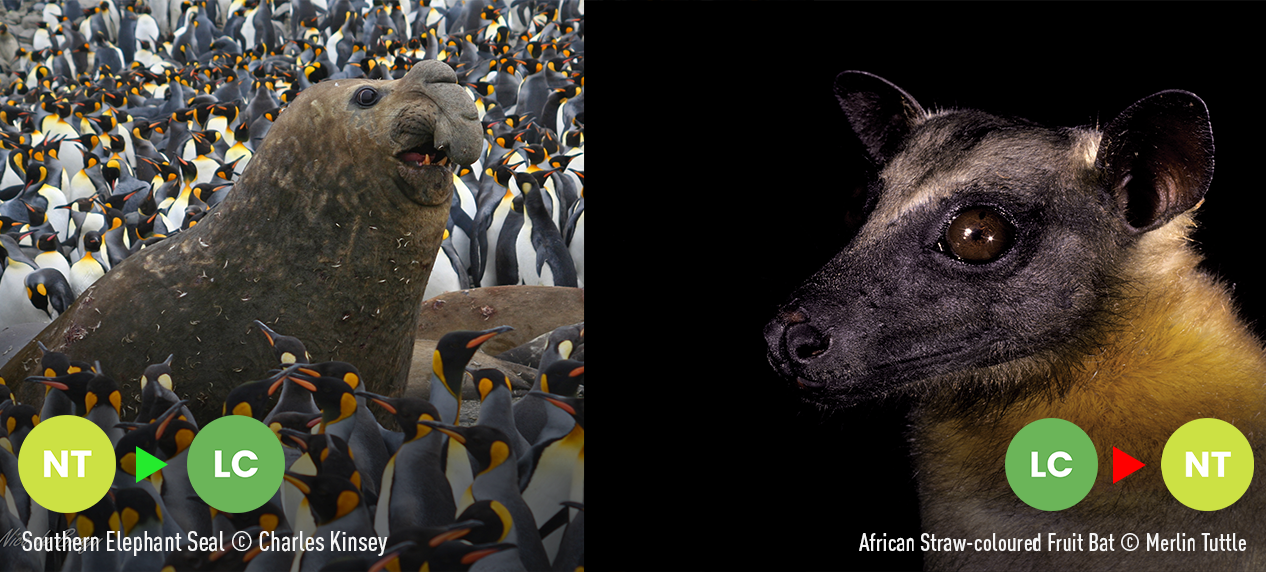
Southern Elephant seal downlisted from Near Threatened to Least Concern, African Straw-coloured Fruit Bat Uplisted from Least Concern to Near Threatened

The region’ s responsibility is particularly stark when it comes to endemic species. Sixty-seven mammal species occur nowhere else on Earth, and 42% of them are threatened with extinction. If these species are lost here, they are lost forever. Yet protection remains uneven: while around 76% of mammal species are considered well or moderately protected, nearly a quarter are poorly protected or not protected at all. Habitat loss from agriculture and urban expansion remains the dominant threat, compounded by climate change, extreme weather events, over-exploitation, and poaching.

Importantly, this Red List also marks a step forward in how we assess species. For the first time, genetic health and climate change vulnerability were incorporated into all mammal assessments. Climate modelling was conducted for species already flagged as climate-sensitive in the previous assessment, and genetic indicators were evaluated across all mammals. These advances are critical, but they also expose how much we still do not know. Without targeted research on climate vulnerability and stronger genetic data, conservation planning risks being reactive rather than proactive.

The most significant gap remains basic population data, particularly for small mammals and species within protected areas. Many species continue to be under-studied, limiting our understanding of population size, trends, and genetic diversity. Seven percent of assessed species were classified as Data Deficient, meaning that experts were unable to assign them a Red List status due to insufficient information. Dolphins and whales dominate this group, highlighting an urgent need for baseline surveys and long-term monitoring of these marine species.

The IUCN recommends reassessing species every five to ten years. South Africa’ s mammal Red List, first published in 1986, revised in 2004, expanded regionally in 2016, and now updated in 2025, shows the value of this commitment. Each revision not only tracks declines and recoveries but also refines the questions we must ask next.

Red Lists do more than tell us which species are in trouble. They reveal where our knowledge is weakest, where research investment is most urgently needed, and where conservation action can make the biggest difference. In a world of limited resources and growing environmental pressures, evidence-based decision-making is not optional, it is the difference between recovery and irreversible loss.
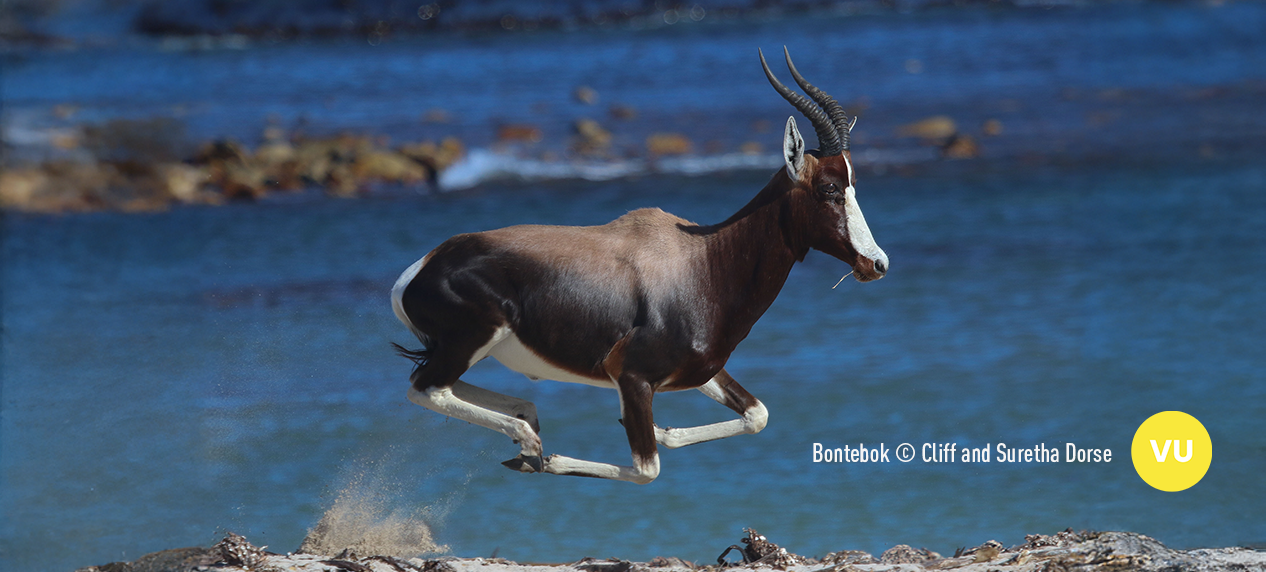
Mammal species featured in 2025 Mammal Red List South Africa

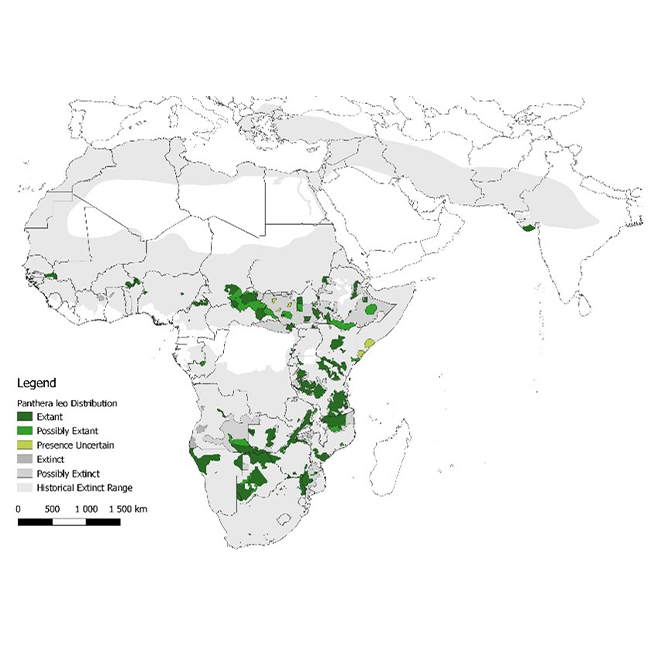
Lions remain listed as Vulnerable in the 2023 Red List Assessment

Lions remain listed as Vulnerable in the 2023 Red List Assessment

Lions remain listed as Vulnerable in the 2023 Red List Assessment

By Dr Samantha Nicholson, Senior Carnivore Scientist & Manager of the African Lion Database

The IUCN Red List of Threatened Species (hereafter the Red List), established in 1964, offers a comprehensive overview of global conservation status, covering plants, animals, and habitats.

With 150,300 species assessed globally, 28% are threatened with extinction, including notable percentages in various taxa. These assessments serve as vital tools for conservation efforts, employing standardised criteria to evaluate extinction risk based on factors such as threats, habitat loss, and population trends. This approach, guided by rigorous standards, provides a clear understanding of species vulnerability and aids in prioritising conservation actions.

The Red List’s systematic approach helps identify species at high risk of extinction, guiding global, regional, and local conservation priorities. While appeals are possible, listings are generally accepted by range states, conservation bodies, and international conventions. Red List assessments inform targeted conservation strategies and resource allocation, guiding conservation action for species and habitats. They foster global commitment and unity among range states in addressing conservation challenges. Additionally, the Red List Index tracks overall trends in extinction risk, serving as a crucial indicator for measuring progress towards reducing biodiversity loss on an international scale.

Determining a species’ listing involves a systematic process conducted by expert assessors following IUCN Red List criteria. Assessments consider factors like population decline, current population size and trends, distribution, and population fragmentation. They also incorporate the probability of extinction over a specified timeframe, often utilising modelling techniques. Data from various sources, including scientific studies and expert assessments, inform these evaluations. Assessors apply strict criteria to determine the species’ conservation status accurately.

Data on the Lion, an omnipresent symbol for Africa, was recently updated by several lion experts led by the Endangered Wildlife Trust’ s Dr Sam Nicholson.

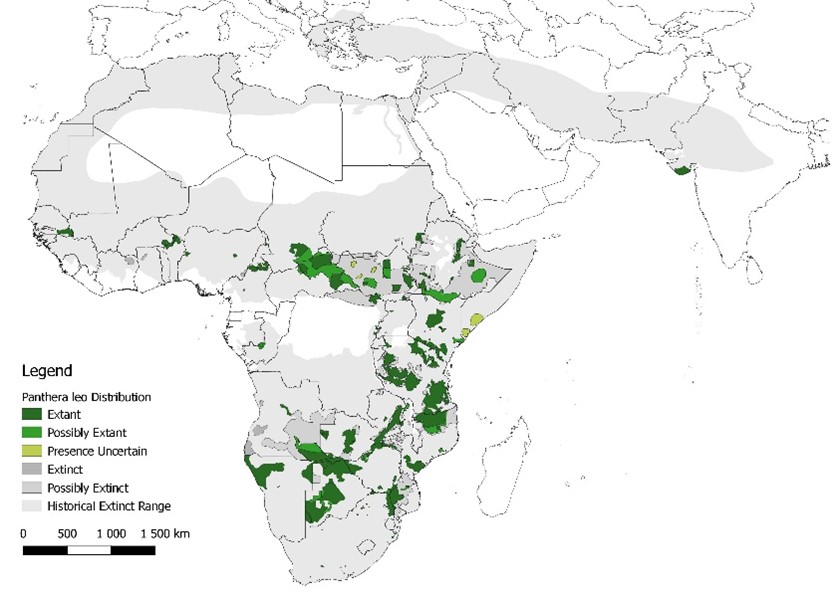
The Lion, once widespread in Africa, has suffered significant declines in population and range in recent decades. These declines, more severe for lions compared to other large carnivores, have led to consistent Vulnerable listings in IUCN assessments since 1996. The team of assessors found that the extant Lion range in 2023 is estimated to be only 6% of its historical range, highlighting the severity of the decline. The current population of adult and subadult Lions in Africa is estimated to be between 22,000 and 25,000, with an additional ~670 Lions in India. These figures represent a decline from previous estimates and underscore the urgency of conservation efforts.

Various factors contribute to the decline of Lion populations. Habitat loss, primarily driven by human activities such as deforestation and land conversion, is identified as the most significant threat. Depletion of prey bases, exacerbated by poaching and the bushmeat trade, further exacerbates the problem.

Human-Lion conflict, often resulting in the killing of Lions to protect human life and livestock, adds to the pressure on populations. Additionally, the trade in Lion body parts for traditional medicine poses a growing threat, as does poorly regulated trophy hunting, which can lead to population declines if not managed effectively. The impact of violent extremism in certain Lion ranges in Africa is also a concern, as it further jeopardises conservation efforts. Instances of poaching for Lion body parts, particularly in Mozambique, highlight the need for increased vigilance and enforcement measures to combat illegal trade.

Despite these challenges, there have been efforts to mitigate threats and conserve Lion populations. Reintroduction programs in certain areas have shown promise (e.g. Zembeze Delta in Mozambique, Akagera National Park in Rwanda), and recommendations for improved management practices in activities such as trophy hunting have been made. However, more comprehensive monitoring and enforcement are necessary to ensure the long-term survival of the species.

Given the ongoing and increasing threats faced by Lions across their fragmented range, it is recommended that the species be closely monitored, with a reassessment of its threat status after a minimum three-year period, or as soon as new information emerges. The decline in both population and range, coupled with the continuation of known threats, justifies its classification as Vulnerable according to the specified criteria. Urgent action is needed to address the complex challenges facing Lion conservation and secure a future for this iconic species.

The Lion’ s Vulnerable status reflects a critical need for long-term survival efforts. The dwindling lion population not only raises ecological concerns, but also has economic and cultural repercussions. As apex predators, lions regulate ecosystems, affecting biodiversity. Economically, reduced lion numbers may impact tourism revenue in countries reliant on lion-based tourism. Culturally, lions hold symbolic importance, and their decline could affect traditions and spiritual beliefs.

The latest Red List assessment provides enhanced knowledge on the status of the species including data gaps, threats, geographic distribution and changes in range. The full assessment is on the IUCN website and can be accessed here