Help protect Africa's 

Protecting South Africa’s unique Lizard species from human-induced threats

Protecting South Africa’s unique Lizard species from human-induced threats

Protecting South Africa’s unique Lizard species from human-induced threats

Carina Bruwer, manager of the EWT Wildlife in Trade Unit


South Africa is a megadiverse country, with many of our species occurring nowhere else on Earth. It is also home to many weird and wonderful reptile species, including snakes, lizards and tortoises. These species have evolved to adapt to their unique habitats, with many occurring in only small pockets within the country.

These include the Armadillo Girdled Lizard (Ouroborus cataphractus) and the Giant Girdled Lizard, commonly known as the Sungazer Lizard (Smaug giganteus).
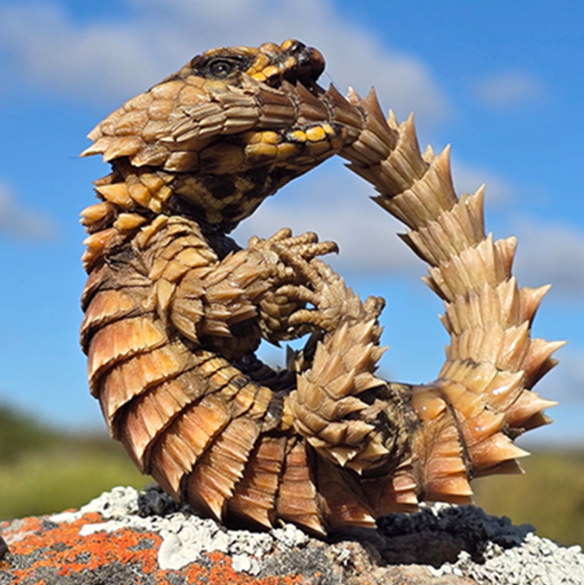
Armadillo Girdled Lizard, one of South Africa’s unique threatened reptile species

Figure 1: Source: EWT

Both members of the Cordylidae family, these lookalike, social lizards resemble little dragons and are covered in hard spiny scales, acting as armour against natural predators. The Armadillo Girdled Lizard is listed as Near Threatened by the International Union for the Conservation of Nature (IUCN), which assesses species based on their risk of extinction. Sungazers are listed as vulnerable, with the population currently decreasing. It is therefore imperative that we protect them and their precious habitats.

Armadillo Girdled Lizard

Armadillo Girdled lizards are social animals, living together in family groups in rocky outcrops in the Western and Northern Cape provinces. They feast primarily on insects, communicate through body language and can reach up to 16 cm in length. They can live up to 25 years and have low fecundity (a low reproduction rate). Females give birth to one or two offspring, which she may even feed, a behaviour quite uncommon for lizards. When threatened, they curl up into a ball, biting their tail to protect their soft bellies. This behaviour inspired their scientific name, which refers to the devouring of their tail. They can also drop their tails to distract predators, just like the geckos with whom many of us share our homes.

Sungazer Lizard

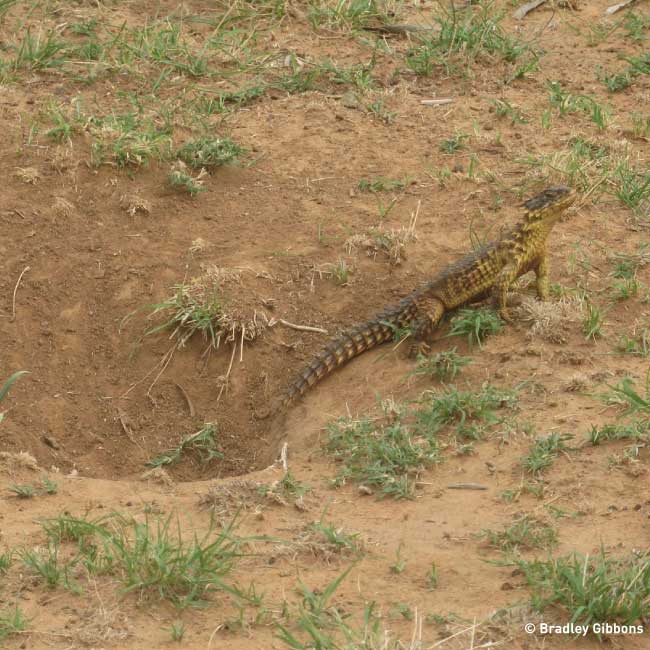
Sungazer lizards occupy the highveld grasslands of Mpumalanga and the Free State, with some recorded in KwaZulu-Natal. Unlike most other reptiles, they are oviparous. They reproduce only every second or third year and give birth to one to three live young. Averaging a length of about 22cm, they are the largest of the girdled lizard species in the Cordylidae family. They can live up to about 21 years of age in the wild. Their common name is derived from their basking behaviour with their heads turned to the sky. Like Armadillo Girdled Lizards, Sungazers are also social animals, living in groups in their underground burrows.
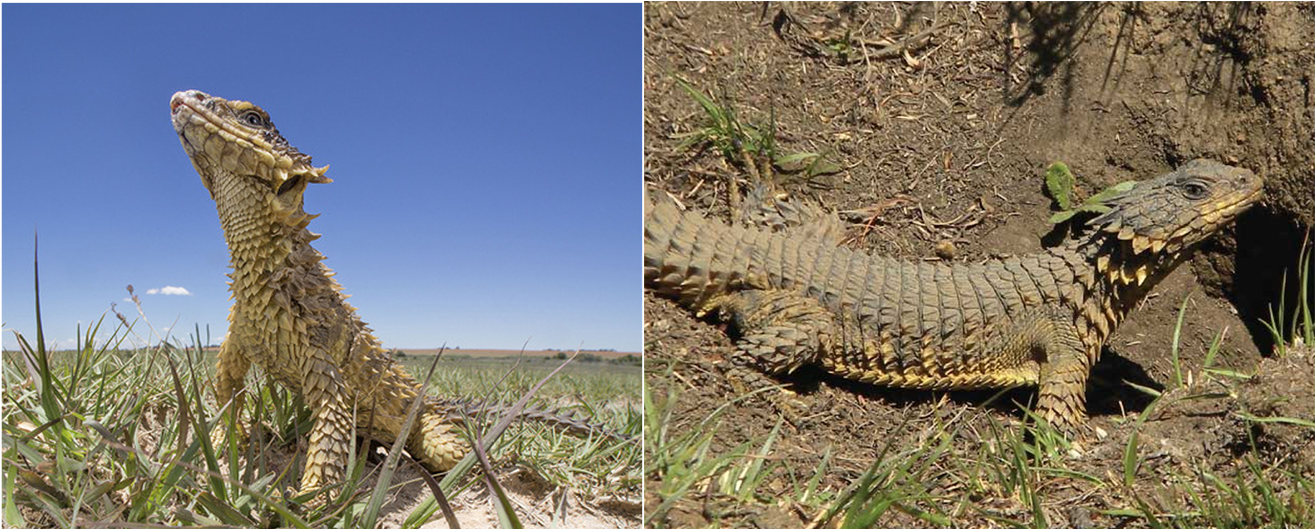
Sungazer Lizard in its natural South African grassland habitat

Left: Figure 2: Source: Shivan Parusnath. Right: Figure 3: Source: EWT

National and international legal protection

Based on their unique contribution to the biodiversity of South Africa and their precarious conservation status, both species are listed on the National Environmental Management: Biodiversity Act (NEMBA) Threatened or Protected Species (ToPS) List. Activities like harvesting, killing, buying, selling or exporting of the species are therefore strictly regulated nationally and require a permit. Violating NEMBA can result in a R10 million fine, 10 years imprisonment, or both. The species are also protected in provincial legislation. Because both species occur in the international pet trade, they are also listed on Appendix II of the Convention on International Trade in Endangered Species of Wild Fauna and Flora (CITES), requiring strict controls and export permits before the species can be traded internationally.

Their natural armour cannot withstand human threats

Most reptiles are shy creatures, and this is no different for Armadillo Girdled and Sungazer lizards. Unlike agama lizards who happily illustrate their push-up abilities to appreciative human observers, Armadillo Girdled Lizards and Sungazer Lizards keep to themselves, sheltering in rock crevices and burrows out of harm’s way. While startled Sungazers make a beeline to their underground burrows, making you question whether you ever truly saw them, Armadillo Girdled Lizards curl up into a tight ball when feeling threatened, attempting to protect their soft bellies. Unfortunately, these defences against their natural predators have not kept them safe from human interference.

Both species face significant threat from the illegal harvesting of wild individuals for the international pet trade, while Sungazers are also harvested for traditional use. Sungazers’ grassland habitats are also shrinking at worrying speed as a result of agricultural practices, mining and development. This habitat transformation has caused the Sungazer population to decline by an estimated 48%.

Because of their slow reproduction rates, both species struggle to recover from these human impacts. Bar a handful of exceptions, Sungazers are also not known to breed in captivity.  Coupled with their weak ability to adapt to new environments after being removed from illegal trade or translocated due to development,  their capacity to recover population losses is weak.
Sungazer Lizard threatened by habitat loss and illegal wildlife trade in South Africa

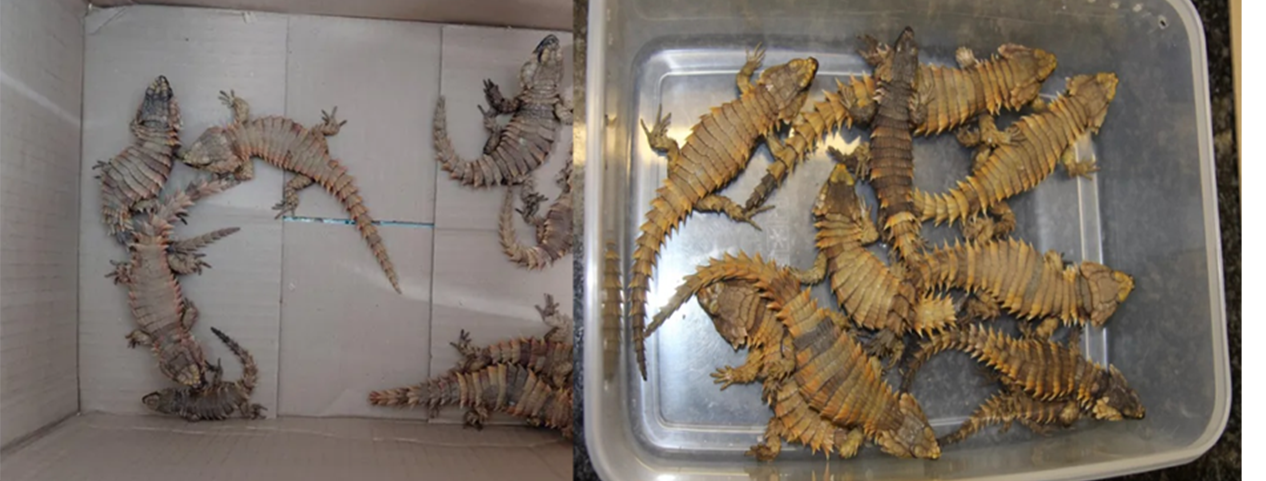
Left: Figure 4: Armadillo Girdled lizards seized from a Spanish citizen in Vredendal in 2025. Source: Cape Argus. Right: Figure 5: Armadillo Girdled Lizards intercepted by CapeNature (source CapeNature)

Illegal harvesting and trade

Their unique characteristics make both the Armadillo Girdled Lizards and Sungazer Lizards a sought after species in the international reptile market, with reptile enthusiasts vying to own them as pets or for display purposes. Only legally obtained individuals may be traded internationally and only if authorised after a finding that trade in the species will not be detrimental. The harvesting and trade of wild individuals is therefore prohibited. Because of the negative impact of illegal trade on Sungazers, and the fact that successful breeding in captivity remains to be proven, no trade in Sungazers, wild or captive-bred, is currently allowed.

While legal wildlife trade is regulated by permits, illegal trade takes place outside formal structures and is intentionally obscured. Quantifying illegal trade is therefore more challenging, but is anecdotally assumed when colonies disappear from previously recorded locations without any other known reason or proven mortality,  or when lizards are offered for sale at reptile fairs or online marketplaces, with no evidence of being captive-bred. The legal trade has also been used to launder wild-harvested specimens under the guise of being captive-bred. This is why proving parentage in captive-bred specimens is vital to prove that an animal was not wild-harvested.

Both Sungazer and Armadillo Girdled Lizards are included in the South African Sensitive Species List, highlighting the need to restrict access to species data and information on wild populations that could cause them to be removed from the wild.

Habitat transformation

Armadillo Girdled Lizards’ rocky habitats are not currently considered under significant threat, although challenges like climate change, habitat fragmentation and invasive alien plants do negatively impact them. The situation is much more dire for the Sungazer, as 50% of its grassland habitat has  been transformed and continues to shrink due to agricultural development, urbanisation and surging mining.
South African girdled lizards protected from illegal trade and human-induced threats

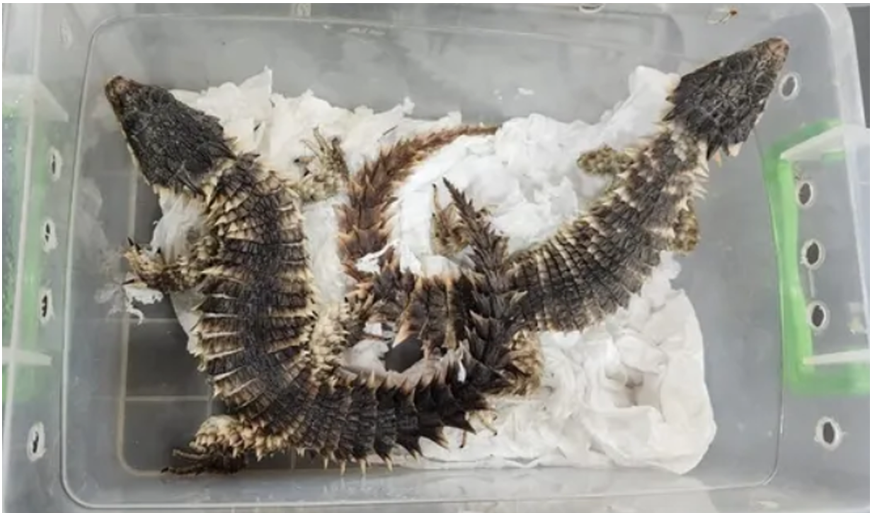
Figure 6: Sungazer lizards seized at a PostNet. Source: IOL

Traditional use

Sungazers are also used in Africa Traditional Medicine. This use is regulated through permits, but if harvesting takes place illegally or unsustainably, the impact of this use will further contribute to the species’ decline.  

Looking ahead at species conservation goals

A Biodiversity Management Plan is currently being drafted for Sungazers. It is hoped that once this plan is finalised and approved, it will act as the guideline for conservation of the species to ensure their longterm survival in the wild. But urgent funding is needed to improve our understanding of both species, including how to increase their chance of survival when human interference has already removed them from their habitats. Whether this is translocation to a new grassland due to a mining application being granted in prime Sungazer habitat, or finding a new rocky home for illegally harvested Armadillo Girdled Lizards seized from the trade. Funding is also needed to care for seized individuals, allowing them the best possible opportunity to be returned to their wild habitats. Imagine the impact of a dedicated reptile refuge where seized or injured individuals can recover before going back home!

What can you do to protect South Africa’s unique reptiles? 

  • Educate yourself and teach others about South Africa’s wild and wonderful reptiles.
  • Appreciate reptiles in their natural habitat and do not post their exact locations online.
  • Wild reptiles are not pets. Never buy a reptile unless you can establish its legal origin, and even then, consider if it is in the best interest of the animal to be kept in captivity.
  • Protect their habitats by participating in land use applications during public participation processes.
  • Report any suspicious activity to the police, provincial conservation authorities or the EWT.
Looking beyond the poacher: Are South Africa’s courts recognising the true nature of wildlife crime?

Looking beyond the poacher: Are South Africa’s courts recognising the true nature of wildlife crime?

Looking beyond the poacher: Are South Africa’s courts recognising the true nature of wildlife crime?

By Lindy Thompson, Research and Monitoring Coordinator, Birds of Prey Unit


Illegal wildlife trade investigation and prosecution

When we think about wildlife crime, we often picture individual poachers operating alone. But a new study suggests that the reality is far more complex, and that South Africa’s courts may not always be recognising the full picture.

The study, entitled “Missed signals? Are South African high courts undervaluing corruption risks and syndicate involvement in wildlife crime?” published by the British Journal of Criminology delves into this question by examining decisions by South African courts in wildlife crime-related cases.

The report highlights the importance of green and conservation criminology frameworks for addressing the complexity of environmental harms, their perpetrators and societal consequences. Both are grounded in the concept of harm, which includes illegal wildlife trade (IWT).

Researchers examined 61 illegal wildlife trade cases heard by South Africa’s High Courts and Supreme Court of Appeal between 2000 and 2024. Their goal was to understand whether judges considered the roles of organised crime and corruption when dealing with wildlife trafficking cases.

The cases involved a variety of threatened species, including cheetah, lion, Temminck’ s pangolin, elephants and vultures, but abalone and rhinos dominated the records. Surprisingly, despite the widespread recognition that criminal syndicates play a major role in wildlife trafficking, fewer than half of the cases even mentioned organised crime. Of those that did, judges formally confirmed syndicate involvement in only six cases.

This finding was particularly striking for rhino-related cases. Previous research has repeatedly shown that rhino horn trafficking is often linked to sophisticated criminal networks, yet many rhino cases reviewed in the study were not analysed through an organised crime lens.

The researchers also looked for signs of corruption. Although no case included formal corruption charges, almost one-third contained indicators that corruption may have played a role. These warning signs included the involvement of public officials, members of the wildlife industry, questionable permits and documents, and the misuse of public resources.

The study highlights an important gap between what conservation scientists know about wildlife crime and how these crimes are handled within the justice system. While stronger legislation has been introduced internationally to combat wildlife trafficking, the authors argue that laws alone are not enough. Effective investigations, improved prosecution strategies and greater awareness of the organised nature of wildlife crime are equally important.

The findings also remind us that conservation is about more than protecting species in the field. Success depends on the strength of institutions, law enforcement and judicial systems that hold offenders accountable.

By examining what happens after an arrest is made, this research provides valuable insights into an often-overlooked part of conservation. Understanding how courts respond to wildlife crime could help ensure that the scale and complexity of these offences are properly recognised, and ultimately improve protection for South Africa’s wildlife.

The article can be accessed here: https://doi.org/10.1093/bjc/azag050

Cycads: Prehistoric plants in peril

Cycads: Prehistoric plants in peril

CYCADS: PROTECTING PREHISTORIC PLANTS IN PERIL


Dr Kerushka Pillay, the EWT’ s Wildlife in Trade Programme


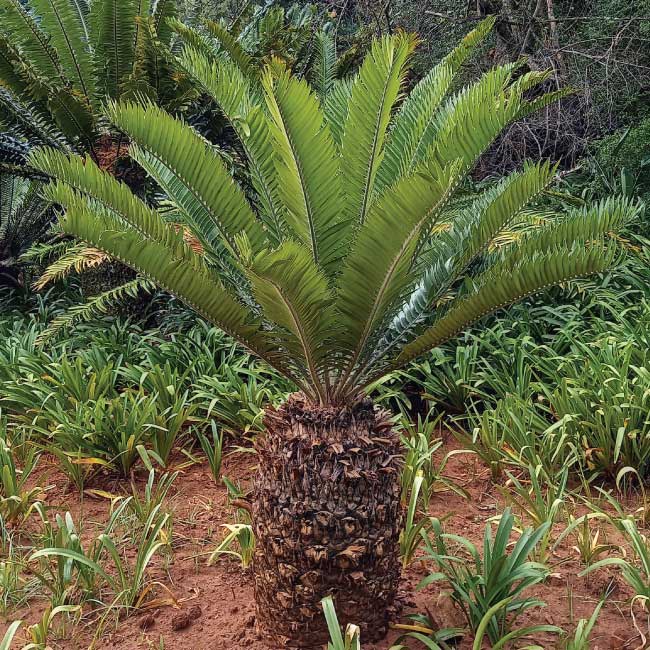
Cycads are ancient seed plants (or gymnosperms) that date back to the Jurassic period. The illegal harvesting of wild plants and habitat destruction severely threaten these prehistoric plants. Worryingly, many cycads are Critically Endangered, and others are extinct in the wild, meaning none are left within their natural range. They only occur when planted in controlled environments like botanical and private gardens. Efforts are underway to protect and conserve these plants, and a significant component of this work focuses on reducing the illegal trade in wild cycads.

Cycads are considered long-lived and slow growing, and these traits make them vulnerable to the impacts of poaching, as adults are not quickly replaced. Cycads are characterised by being dioecious, meaning that different individual plants either have male or female reproductive parts (conspicuous large cones). Cycads are also considered prehistoric because they lack some advanced features modern plants possess, such as flowers and fruits. Cycads reproduce sexually, where a male cone produces pollen, leading to the pollination of fertile seeds produced by female cones. Cycads can also reproduce asexually without pollination by forming “suckers” on the “mother” plant. Cycads display characteristics that resemble palms, with a stout and woody trunk and a crown of large, hard, stiff, evergreen, and usually pinnate leaves. If you are unsure whether you are looking at a cycad or a different plant, here is a poster that will help you identify cycads.

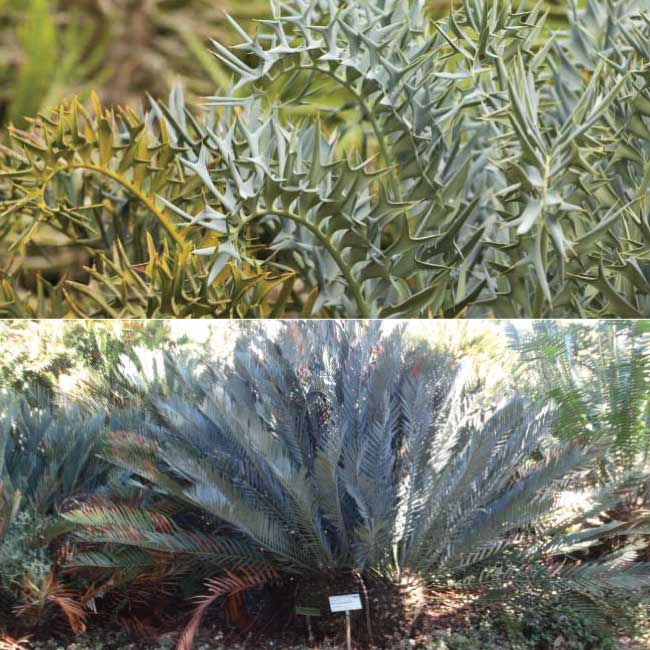
South Africa is a hotspot for cycad diversity with 38 indigenous species (37 species of Encephalartos and one species of Stangeria), which account for over 10% of the world’ s cycads. Encephalartos species, each with distinct characteristics and unique appearances, are often used in landscaping and gardening. Many of these species are endemic to South Africa and play a crucial role in our ecosystems, providing habitat and food for various animals, including insects, birds, and mammals. Moreover, cycads hold cultural and historical value in South Africa, with some species used by indigenous communities for medicinal and spiritual purposes. In some South African cultures, the cycad is also considered a symbol of longevity and strength. One of the most well-known species is Encephalartos lehmannii, known for its large size and striking blue-green colour. Another species, Encephalartos natalensis, is found in the coastal regions of South Africa and is known for its ability to grow in sandy soils. Encephalartos horridus is found in the Eastern Cape and is known for its sharp, spiky leaves. These plants are a unique part of South Africa’ s natural heritage, popular among collectors and enthusiasts. Overall, Encephalartos cycads are fascinating plants for anyone interested in botany or gardening.


Sadly, many cycad species are threatened in South Africa, especially the Encephalartos group, with four being classified as extinct in the wild due to poaching. One such species, Heenan’ s Cycad (Encephalartos heenanii), previously listed as Critically Endangered, was reassessed as extinct in the wild in 2022 due to “persistent pressure from plant collectors”. Criminal syndicates run a highly profitable trade, connecting impoverished and desperate poachers to wealthy private collectors who value cycads as collectables. It seems the rarer the cycad, the more sought after it is.

Because of their rarity and dwindling populations, the legal sale of Encephalartos cycads is regulated nationally and internationally. In South Africa, cycad permits are regulated under the National Environmental Management: Biodiversity Act (NEMBA). Each province also has conservation laws to further protect and regulate the cycad trade. However, there are legal methods of obtaining and keeping artificially propagated cycads. If you own an indigenous cycad or plan to purchase one, you must obtain a permit. You may not need a permit for exotic cycads, but it’ s always best to make sure. To find out the requirements for your area, or if you have any other queries, please visit the EWT’ s cycad page or contact the Endangered Wildlife Trust’ s Wildlife in Trade Programme at witinfo@ewt.org.za. It is crucial to ensure compliance with these regulations to avoid penalties and help to conserve these prehistoric plants in peril.

Thank you to US Fish and Wildlife Services for supporting this project.


Transporting wildlife? Here’ s what you need to know!

Transporting wildlife? Here’ s what you need to know!

Transporting wildlife? Here’ s what you need to know!

Obeid Katumba, the EWT Wildlife in Trade Programme, Wildlife and Law Project Officer


Wildlife (including plants) faces many threats driven by human activities, including habitat loss, degradation, fragmentation, pollution, and the emerging threat posed by climate change. However, Illegal Wildlife Trade (IWT) remains one of the primary drivers of species decline. The consequences of IWT include the following:

  • The decline in species populations and species extinctions, as often rare, Endangered, threatened, and protected species are targeted and exploited, pushing them closer to extinction.
  • The spread of alien and invasive species (AIS) introduces species into habitats in which they do not naturally occur, and they threaten native species as they encroach on habitat and compete for resources.
  • Security concerns and wildlife trafficking have increasingly been linked to organised crime, corruption, money laundering activities, and the general undermining of the legal system.
  • Animal welfare concerns as the animals are often kept and transported in conditions that threaten their welfare.
  • The spread of Zoonosis, diseases that can be transmitted from animal to human, affects humans, wildlife, and agriculture.

IWT is an international concern and is known to be among the most lucrative criminal operations globally, alongside drug trafficking and human trafficking. As with other organised crime, IWT uses transport networks, both legal and illegal, for the movement of commodities, in this instance, wildlife.

Domestic pet transporters are increasingly used to transport wildlife illegally within South Africa. Sometimes these transporters do this unknowingly without understanding the relevant laws around transporting wildlife. In addition, these transporters might not verify the species of animal being transported, cannot accurately identify species, or might not know whether permits are required for possessing and transporting such species.

The Endangered Wildlife Trust’ s Wildlife in Trade Programme aims to raise awareness of wildlife laws in the domestic pet transporting industry and ensure that domestic pet transporters and other operators across South Africa understand the legal requirements for transporting wildlife. To achieve this, we are launching a comprehensive online and social media awareness-raising campaign that will present quick reference guides demonstrating the legal requirements for possessing and transporting wildlife. The campaign will also provide information on the consequences of non-compliance with applicable laws and contact information for the relevant authorities for obtaining permits to possess and transport wildlife. Key information presented through the campaign will include:

  1. What are the relevant laws to become familiar with?
  2. How do you know what you are transporting?
  3. Do you need a permit to transport it?
  4. How can you get a permit?
  5. What if you don’ t have a permit?

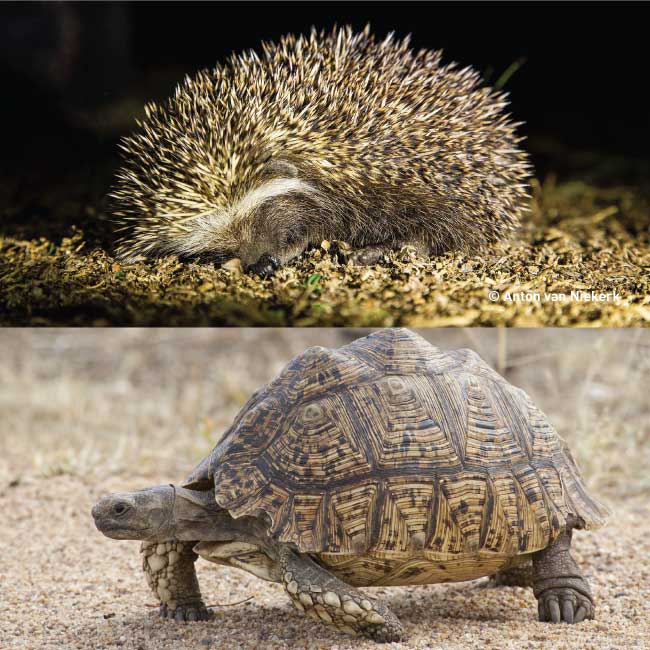
As a starting point, it is important for everyone to know that permits are needed for restricted activities involving living or dead, part or whole, legally protected indigenous species (species that occur naturally in South Africa). Examples of indigenous species include South African Hedgehogs, Leopard Tortoises, African Rock Pythons, Sungazers, and the Cape Parrot.

Examples of restricted activities involving protected species include:

  • Moving or translocating such species
  • Selling, buying, or otherwise trading in these species
  • Receiving, giving, donating, or accepting such species
  • Having in possession or exercising physical control over such species.

Permits are also required for restricted activities involving listed alien and invasive species (AIS). Examples of AIS include Burmese Python, Mallard Duck, and Rose-ringed Parakeet.

Examples of restricted activities involving Alien and Invasive species include:

  • Possessing or exercising physical control over AIS
  • Moving or otherwise translocating AIS
  • Selling, buying, or otherwise trading in AIS
  • Acquiring, receiving, giving, donating, or accepting AIS

Being involved in a restricted activity without a permit means that you have committed an offence, and if found guilty, the penalties can be up to ten years imprisonment, a fine not exceeding 10 million rand, or both per charge. In addition to fines and imprisonment, the guilty person can be held liable for costs associated with any rehabilitation and restoration of the damage to the habitat caused by the release of the AIS.

Permits can be applied for in each of the nine provinces, at designated offices or through the national office for AIS species. If you would like more information on this issue, please contact the EWT, for attention Obeid Katumba.

This campaign is made possible through the generous support of the Lewis Foundation.

Conservation Canines to Save our Species from illegal wildlife trade

Conservation Canines to Save our Species from illegal wildlife trade

So far, we have deployed two tracking dogs in reserves and will soon be deploying a further four, including both tracking and detection dogs. We have also supported the full training of two new handlers and partial training for a third handler through our relationship with Genesis K9 Group. Furthermore, we provide ongoing support to these deployed dogs and the handlers who have recently completed their training to reinforce what they have learned.

This project is supported by IUCN Save Our Species and co-funded by the European Union. The contents of this publication are the sole responsibility of the Endangered Wildlife Trust and do not necessarily reflect the views of IUCN or the European Union.

LATEST STORIES

Thanks to this grant, the EWT supports seven reserves that have many ecologically and economically important species threatened by poaching. We are taking a three-pronged approach that includes deploying freshly trained young Conservation Canines (trained in detection or tracking), training dog handlers who will be responsible for working with and looking after these dogs and supporting these dog-handler teams in these reserves to ensure they have what they need to work effectively.

Black Rhino (Diceros bicornis) in the Eastern Cape, South Africa. The Black Rhino is threatened by the illegal trade in rhino horn products. Photo credit: the african eye

The reserves we are assisting suffered income losses during the COVID-19 pandemic due to tourist travel bans, and we aim to support them through these hard economic times. Many reserves at risk of poaching use a variety of approaches to combat it, with anti-poaching field rangers commonly the first line of defence. Certified dog-handler teams can provide invaluable support to these teams on the ground in several ways. Our dogs either track poacher incursion routes within a reserve or provide a quick and reliable method for screening vehicles for concealed firearms or wildlife contraband.

So far, we have deployed two tracking dogs in reserves and will soon be deploying a further four, including both tracking and detection dogs. We have also supported the full training of two new handlers and partial training for a third handler through our relationship with Genesis K9 Group. Furthermore, we provide ongoing support to these deployed dogs and the handlers who have recently completed their training to reinforce what they have learned.

Conservation Canine Nala, a three-year old Belgian Malinois recently deployed in the Eastern Cape. Nala is a tracking dog and works with anti-poaching teams to protect threatened species.

This project is supported by IUCN Save Our Species and co-funded by the European Union. The contents of this publication are the sole responsibility of the Endangered Wildlife Trust and do not necessarily reflect the views of IUCN or the European Union.

LATEST STORIES

Conservation Canines to Save our Species from illegal wildlife trade

Dr Andrew Taylor, EWT’s Wildlife in Trade Programme Manager, andrewt@ewt.org.za 

South Africa is blessed with exceptional wildlife and landscapes that attract tourists and boost our economy. Some of our country’ s biggest drawcards, such as White and Black rhinos (which are Near Threatened and Critically Endangered, respectively on the IUCN Red List of Threatened Species), the African Savannah Elephant (Endangered), and the African Lion (Vulnerable), play vital roles in our ecosystems while also bringing in valuable ecotourism income. However, these species are threatened by the global illegal wildlife trade (IWT), which is a major cause of population declines in some countries. With funding from the IUCN Save Our Species Rapid Action Grant and the European Union, the Endangered Wildlife Trust (EWT) aims to reduce IWT by preventing wildlife poaching. We use our Conservation Canines to achieve this by training and deploying them to detect wildlife products and track poachers.

Newly qualified dog handler trained at Genesis K9 Newly qualified dog handler trained to reduce poaching as part of the project funded by the IUCN Save Our Species Rapid Action Grant and the European Union.

Thanks to this grant, the EWT supports seven reserves that have many ecologically and economically important species threatened by poaching. We are taking a three-pronged approach that includes deploying freshly trained young Conservation Canines (trained in detection or tracking), training dog handlers who will be responsible for working with and looking after these dogs and supporting these dog-handler teams in these reserves to ensure they have what they need to work effectively.

Black Rhino (Diceros bicornis) in the Eastern Cape, South Africa. The Black Rhino is threatened by the illegal trade in rhino horn products. Photo credit: the african eye

The reserves we are assisting suffered income losses during the COVID-19 pandemic due to tourist travel bans, and we aim to support them through these hard economic times. Many reserves at risk of poaching use a variety of approaches to combat it, with anti-poaching field rangers commonly the first line of defence. Certified dog-handler teams can provide invaluable support to these teams on the ground in several ways. Our dogs either track poacher incursion routes within a reserve or provide a quick and reliable method for screening vehicles for concealed firearms or wildlife contraband.

So far, we have deployed two tracking dogs in reserves and will soon be deploying a further four, including both tracking and detection dogs. We have also supported the full training of two new handlers and partial training for a third handler through our relationship with Genesis K9 Group. Furthermore, we provide ongoing support to these deployed dogs and the handlers who have recently completed their training to reinforce what they have learned.

Conservation Canine Nala, a three-year old Belgian Malinois recently deployed in the Eastern Cape. Nala is a tracking dog and works with anti-poaching teams to protect threatened species.

This project is supported by IUCN Save Our Species and co-funded by the European Union. The contents of this publication are the sole responsibility of the Endangered Wildlife Trust and do not necessarily reflect the views of IUCN or the European Union.

LATEST STORIES