Help protect Africa's 

Silent Threats: The Fight Against Wildlife Crime in Medike Reserve

Silent Threats: The Fight Against Wildlife Crime in Medike Reserve

Silent Threats: The Fight Against Wildlife Crime in Medike Reserve

By Joseph Razwinani, Medike Reserve manager
 

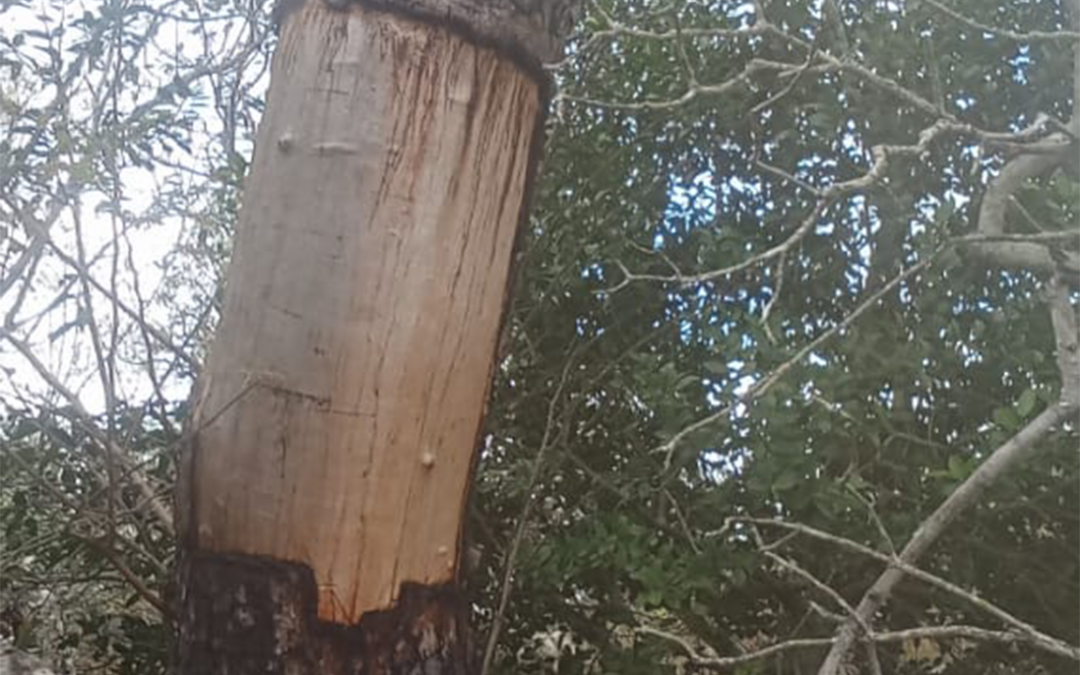
wildlife crime prevention Soutpansberg workshop SAPS conservation teams

Conservation teams, member of the SA Police Service and local community policing forums are working together to address poaching, snaring, illegal fishing, and other wildlife offences in the Soutpansberg area of Limpopo.

Wildlife crime remains one of the greatest threats facing protected areas across southern Africa, and the Medike Reserve is no exception.

While visitors experience the reserve as a place of beauty, biodiversity, and tranquillity, there is an ongoing battle behind the scenes to protect wildlife and natural resources from illegal activities, such as poaching, snaring, and unlawful fishing.

These crimes not only threaten individual animals, but also damage ecosystems, local livelihoods, tourism, and the long-term sustainability of conservation efforts in the region. Illegal resource use can reduce water quality, affect biodiversity, and weaken the natural systems that communities depend on, and, in some cases, wildlife crime also contributes to the decline and possible extinction of vulnerable species.

The Wildlife Offences Workshop

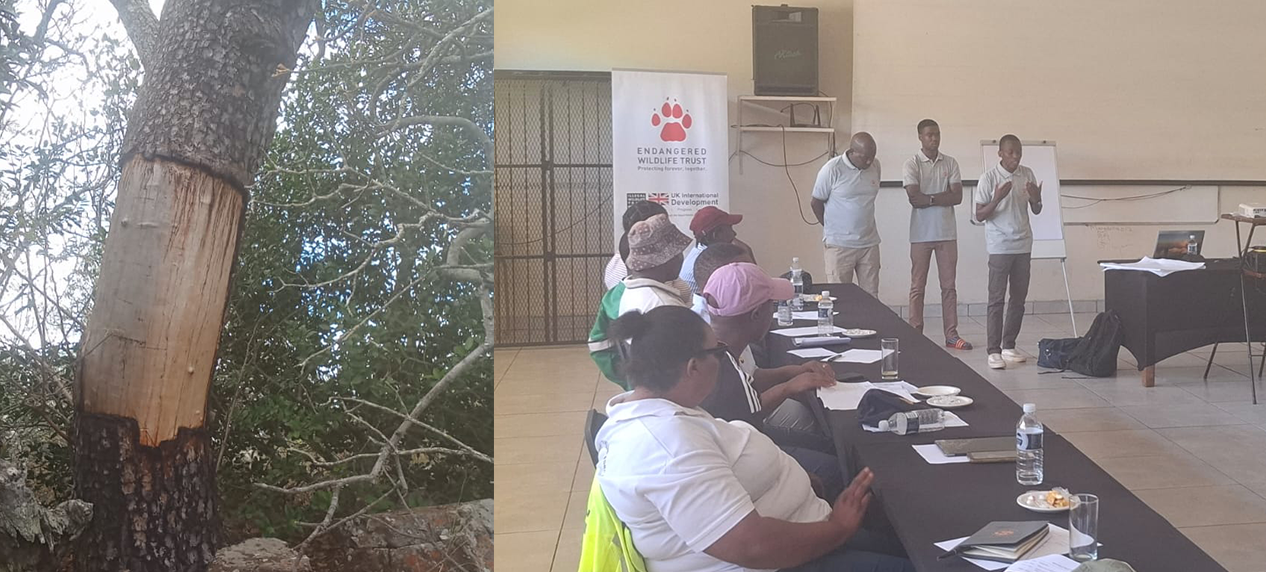
On 18 February, the Endangered Wildlife Trust (EWT), together with the Soutpansberg Protected Area/Medike Reserve (SPA/Medike), hosted a Wildlife Offences workshop at Schoemandale with members of SAPS and the Community Policing Forum (CPF).

The aim was to better understand the types of wildlife offences taking place around the Soutpansberg area and to create a platform where police, CPF representatives, and Medike field rangers could share their experiences and challenges when dealing with wildlife crime on the ground. It was also aimed at finding common ground and strengthen cooperation between all stakeholders.

SAPS and Community challenges

During the discussions, the SAPS explained that they regularly worked with landowners often receiving reports relating to stock theft, vandalism, illegal bushmeat trade and poached animals. They also dealt with cases related to the illegal transportation of wild meat during roadblocks.

Police members noted that some organised stock theft syndicates operated from as far afield as Johannesburg and worked with local individuals in the Soutpansberg area. They also reported that during roadblocks wildlife species often confiscated while being transported illegally included tortoises, snakes, and small rodents.

Although the SAPS previously worked closely with veterinary services and environmental authorities, such as the Limpopo department of economic development, environment and tourism (LEDET), they explained that limited manpower and resources had made it difficult to effectively deal with wildlife crime, especially since many officers are not wildlife crime specialists.

Members of the Community Policing Forum (CPF) acknowledged that some local community members trespassed on private game reserves and participated in poaching activities. However, they also highlighted the significant knowledge gaps related to environmental laws and protected species.

CPF members explained that tortoises sometimes entered villages, snakes were often killed unnecessarily, and owls were misunderstood due to cultural beliefs. They said many community members did not know which species were protected by law, making it difficult to report offences or prevent illegal activities.

Turning to firewood collection and fishing, CPF members admitted that many people were unaware of the laws regulating these activities, making what they were doing illegal.

Medike field rangers experience

Field rangers working in and around Medike Reserve shared the many forms of wildlife crime they have experienced.

They spoke about illegal fishing along river systems in the area which removed important aquatic species and damaged sensitive freshwater ecosystems.

Snaring remained one of the most destructive threats faced by wildlife in the area. Wire snares injured and killed a wide range of animals, including antelope, predators, birds, and smaller mammals. Rangers also raised concerns about infrastructure damage caused by trespassers and poachers entering protected areas.  In some cases, the same offenders were repeatedly caught committing similar offences.

Poaching for bushmeat, trade, or opportunistic hunting continued to place pressure on already vulnerable wildlife populations.

Illegal medicinal plant harvesting and firewood targeting threatened species were also a major  concern.

Conservation Awareness programme

A key outcomes of the workshop was the recognition if the continued lack of awareness within some communities regarding environmental legislation and the impact of wildlife crime on conservation and local livelihoods.

For example, many community members remained unaware of protected tree species or endangered animals, making it difficult for them to identify and report environmental crimes.

Highlighting the importance of increased conservation awareness, education programmes, and stronger cooperation between conservation authorities, SAPS, and local communities set the agenda for the way forward.  Key to this is community engagement.

The future

Medike Reserve has been working closely with traditional leadership structures and community organisations, including Cricket SA beneficiaries, through awareness campaigns and outreach programmes to highlight the importance of protecting natural resources.

The reserve also provides employment opportunities and internships linked to conservation work, helping create alternatives to illegal activities. Local community members continue to play an important role in reporting suspicious activities and supporting conservation efforts on the ground.

Building trust and strong relationships takes time, but positive progress is being made.

When communities see conservation as something that benefits them directly, they become our strongest partners in protecting wildlife.

As part of strengthening cooperation, SAPS and CPF members have invited Medike field rangers and conservation representatives to participate in future community imbizos and outreach programmes to speak about environmental issues and the importance of protecting the environment.

These ongoing partnerships will build stronger relationships between conservation authorities and local communities, creating a more united approach to protecting wildlife and preserving the biodiversity of the Soutpansberg area for future generations.
Cash, Corruption, and Creatures: The Hidden Economy of Wildlife Crime in South Africa

Cash, Corruption, and Creatures: The Hidden Economy of Wildlife Crime in South Africa

Cash, Corruption, and Creatures: The Hidden Economy of Wildlife Crime in South Africa

By Gerald Byleveld, Volunteer at the Endangered Wildlife Trust’s Wildlife in Trade Unit


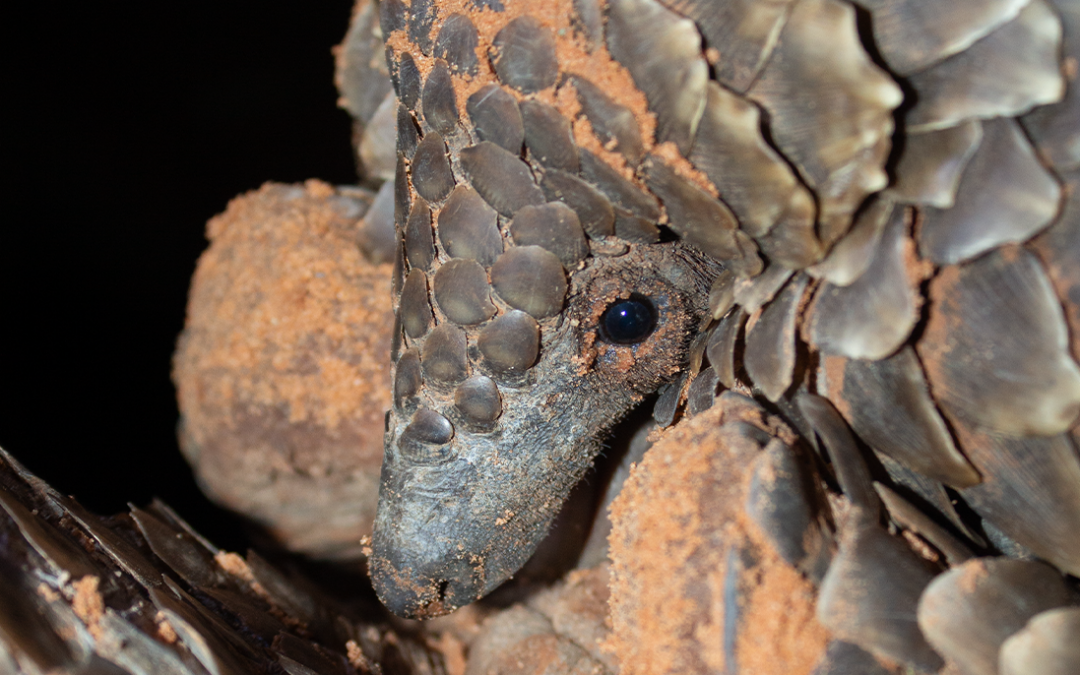
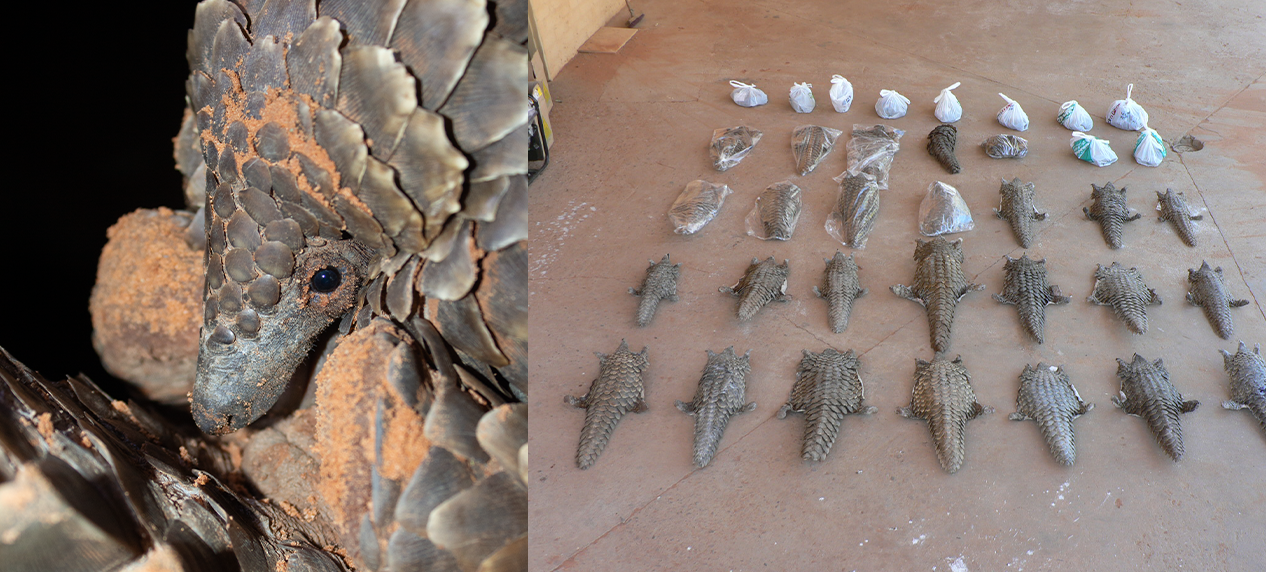
Confiscated wildlife products in South Africa

South Africa’ s developed transport infrastructure, sophisticated financial system, and extensive wildlife resources make it both a prime source and a transit point for illegal wildlife trade (IWT).  But poachers and smugglers are only one layer of a multi-billion-rand enterprise.  Behind them are financiers, exporters, lawyers and money managers who ensure that illicit proceeds can circulate undetected through the legitimate economy.  These financial facilitators are the invisible scaffolding of the IWT industry.  Yet only a fraction of such cases result in charges being brought against  financial facilitators.  A 2023 UNODC/Asia–Pacific study found that only 1% of wildlife crime cases involved a money laundering investigation, and only 7% led to prison sentences.

Money laundering – the process of disguising the origins of illegally obtained funds – enables traffickers to convert cash from wildlife products into what appears to be legitimate income.  In wildlife crime, laundering typically occurs through several overlapping techniques.

Cash smuggling and layering are the simplest and most common methods.  Syndicates collect large amounts of physical cash from buyers in Asia or local intermediaries and move it across borders in small increments, often through informal financial systems.  Once split and layered through multiple transactions, the trail becomes difficult to trace.

Front companies and shell businesses also play a central role.  Entities registered as export firms, tourism operators, or hunting outfitters can easily disguise illicit transactions as part of ordinary business operations.  A legitimate game farm, for example, can hide illegal horn sales within a web of legal animal product exports.  Legitimate cash-intensive businesses, such as casinos, knowingly or unknowingly, allow syndicates to launder their ill-got cash into apparently legitimate “winnings” – often in large quantities.

Trade-based money laundering – the manipulation of invoices to hide value transfers – is another favoured method.  A company may overstate or understate the value of goods shipped abroad, effectively moving money under the guise of trade.  This technique exploits weaknesses in customs oversight and is especially effective in sectors such as seafood, leather, and curios, which overlap with wildlife products.

Finally, traffickers invest laundered profits in tangible assets such as real estate, luxury vehicles, or guest lodges.  Once the money is tied to visible property, it appears legitimate.  The result is a criminal economy that seeps into the formal one, distorting local markets and shielding offenders behind layers of ownership and paperwork.

If money laundering cleans dirty profits, bribery ensures the system continues undisturbed.  Bribes lubricate nearly every stage of the wildlife trafficking chain – from poaching in source countries to import into destination countries.

At the source, game and field rangers are often bribed or coerced into turning a blind eye.  Syndicates may offer payment or protection in exchange for information on patrol routes, security gaps, or the locations of high-value animals.  The same pattern extends to customs and border officials, who can falsify documentation or permit consignments to pass unchecked.

Corruption also infects investigative and judicial processes.  There have been repeated instances where charges against traffickers are delayed, evidence is misplaced, or penalties are reduced due to alleged bribery or political interference.  Such manipulation erodes public confidence and signals to criminal groups that enforcement can be negotiated.

Bribery is not limited to the public sector.  Private-sector enablers – freight companies, shipping agents, and financial intermediaries – may also accept payment to mislabel goods or overlook suspicious transactions.  This blend of private complicity and public corruption creates a powerful shield of impunity.

The costs of money laundering and bribery extend well beyond biodiversity loss.  Financially, laundered wildlife proceeds are often reinvested into other illicit markets, including narcotics and human trafficking.  Organised crime groups exploit wildlife trafficking networks as low-risk, high-reward ventures that diversify their revenue streams.

Institutionally, corruption undermines governance.  When the officials tasked with protecting wildlife or enforcing the law are compromised, public trust collapses.  Communities dependent on tourism or sustainable wildlife use lose confidence in the government, while honest businesses face unfair competition from actors funded by criminal capital.

Economically, the influx of illicit money can inflate property prices and distort local economies, particularly in regions adjacent to parks or coastal areas.  The environmental, social, and fiscal consequences are interlinked — weakening the state’s ability to deliver services, conserve biodiversity, and attract ethical investment.

In response to the massive scale of the challenge, South Africa now explicitly recognises wildlife crime as a form of organised financial crime.  The Financial Intelligence Centre Act (FICA) provides a framework for tracking suspicious financial transactions, and inter-agency cooperation between the Financial Intelligence Centre, SARS, DFFE and the Hawks has improved.  The National Integrated Strategy to Combat Wildlife Trafficking (2022–2030) (NISCWT) explicitly calls for the “follow-the-money” approach.

The arrest of Francis Kimpampa in 2023 and subsequent convictions for rhino trafficking and money laundering showcase what can be achieved through inter-agency and private-public collaboration. Internationally, the USA’ s Operation Apex dismantled a decade-long wildlife and drug money laundering operation. In Malawi, the Lin-Zang network was convicted in April 2023 for money laundering derived from trafficking rhino horn, ivory and pangolin scales.

Yet formidable challenges remain. Many wildlife transactions occur in cash-heavy rural areas, beyond the reach of formal banking oversight.  Investigations into financial flows require specialised skills and coordination across agencies that often operate in silos.  Prosecutorial capacity to investigate complex financial crimes is limited, and asset forfeiture proceedings can be lengthy and contested.

To dismantle trafficking networks, enforcement must pivot from catching foot soldiers like poachers to targeting financial and institutional enablers.  Priority reforms include strengthening financial-intelligence sharing among banks, regulators, and conservation agencies; building asset-tracing and recovery expertise; improving transparency around company ownership; and investing in communities to reduce the allure of IWT and corruption by creating viable livelihoods and equitable conservation benefits.  Because trafficking is inherently transnational, regional and global collaboration is essential – from harmonising regulations to tracing cross-border financial flows.

The illegal wildlife trade is not only an ecological crisis but a financial and governance one.  Every seized horn or intercepted wildlife shipment represents only a tactical win.  Lasting success depends on making wildlife crime unprofitable by exposing financial trails, prosecuting facilitators, and restoring integrity to the institutions designed to protect society and the natural world.

Until the money stops flowing, the killing will not stop.

Turning around the threat of extinction, one species at a time

Turning around the threat of extinction, one species at a time

Turning around the threat of extinction, one species at a time

By Yolan Friedmann – CEO, Endangered Wildlife Trust


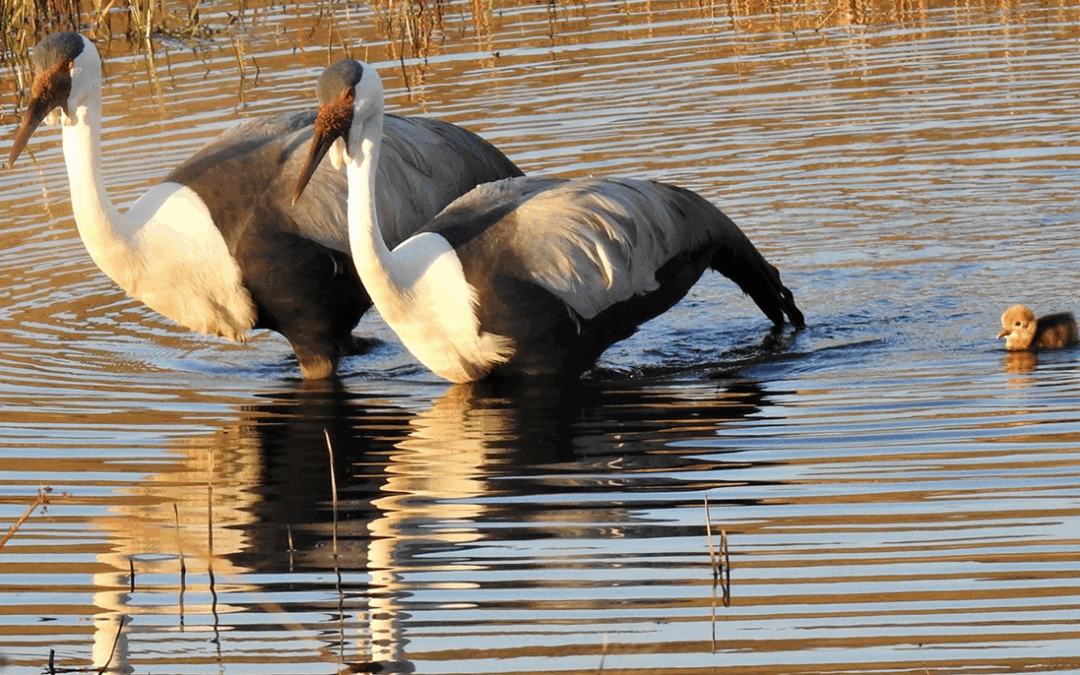
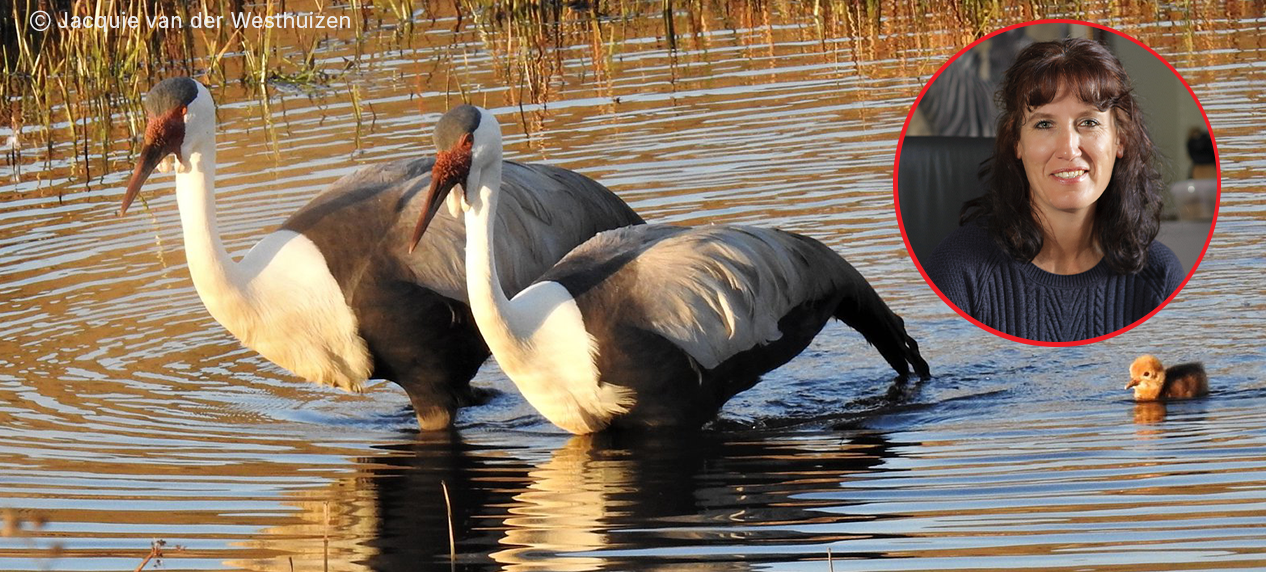
EWT field team monitoring endangered species (Wattled Cranes)  in South African wetlands

Since our founding in 1973, the Endangered Wildlife Trust (EWT) has established itself as a leader in wildlife conservation, focusing on the African species under greatest risk of extinction. Over the decades, so-called “species conservation” became frowned upon, with a view that only ecosystem and large habitat conservation is worth the funding, focus and energy. This view is not incorrect, and the EWT has spent considerable recourse successfully conserving large tracts of grasslands, mountains, wetlands, riparian systems and drylands.

The value of this work cannot be understated, as space, intact biodiversity and ecosystem function forms the basis of all life on earth. However, there is no doubt that a strong focus on saving species, with research, monitoring and specific activities focussing on the needs to individual species or their families is just as important if we are to stem the tide of extinction that threatens to overtake numerous species whose future survival requires more than just saving their habitat.

The threats facing the survival of individual species have amplified in recent years and include targeted removal from the wild for illegal trade (dead, alive or in parts), poisoning (direct or indirect), snaring, infrastructural impacts, alien invasive species, unsustainable use, and today, more than 48,600 species face the risk of extinction at varying levels. In response, the EWT has broadened our focus and our expert teams of specialists to ensure that we cover lesser-known, but equally important and often more at-risk species that include insects, reptiles, amphibians, trees and succulent plants. This makes the EWT the most diverse and extensive biodiversity conservation organisation in the region. And, if too little is known about the species in a particular area or what may be at risk, we have a specialist team that undertakes rapid biodiversity assessment, or bioblitzes, to quickly reveal the natural secrets that may be hiding in understudied areas, but may be facing a great risk of being lost to this generation or the next.

The IUCN’ s Species Survival Commission issued the Abu Dhabi Declaration in 2024, emphasising the critical importance of saving species to save all life, calling on “… diverse sectors – including governments, businesses, Indigenous peoples and local communities, religious groups, and individuals – to prioritise species conservation within their actions, strategies, and giving, recognising that protecting animals, fungi, and plants is fundamental to sustaining life on earth.”

In October 2025, as nearly 10,000 members of the world’ s conservation community gathered again in Abu Dhabi for the 5th IUCN World Conservation Congress, the message was clear: Save Species, Save Life. The congress featured very powerful calls for more urgent work to be done to stem the illegal wildlife trade, halt unsustainable use and prioritise funding, research and action in order to prevent mass extinction rates. Of the 148 motions that were adopted by the IUCN Members’ Assembly, a large number focussed on the need for intensified action and policy to address the issues facing species such as:

  • Holistically conserving forests, grasslands, freshwater ecosystems and coral reefs and other marine ecosystems
  • Species recovery for threatened taxa
  • Sustainable use and exploitation of wild species
  • Invasive alien species prevention
  • Combatting crimes like wildlife trafficking and illegal fisheries
  • One Health

Species can only survive and thrive within larger, functioning and healthy ecosystems, and more space is desperately needed for our ailing planet to retain its viability as a healthy host for all life. But the life that exists in micro-habitats, and those that face ongoing persecution which threatens to decimate all chances of survival, needs rapid and targeted interventions now.

The EWT remains at the forefront of this work, having rediscovered populations of species thought to have gone extinct such as the De Winton’ s Golden Mole, the Pennington’ s Blue Butterfly, the Orange-tailed Sandveld Lizard, Branch’ s Rain Frog and the Blyde Rondawel Flat Gecko, and effectively turning around the fate of others, such as the Cheetah, Wattled Cranes and the Pickersgill’ s Reed Frog – once facing imminent risk of extinction, but now heading back to survival and expansion. Our work to discover, save, monitor and protect the most threatened, whether visible or not and whether charismatic or not, is unwavering. Together, we can turn the tide on extinction, on species at a time.