From Climate Risks to Community Resilience: EWT’s Impactful Action
From Climate Risks to Community Resilience: EWT’s Impactful Action
By Jenny Botha and Eleanor Momberg
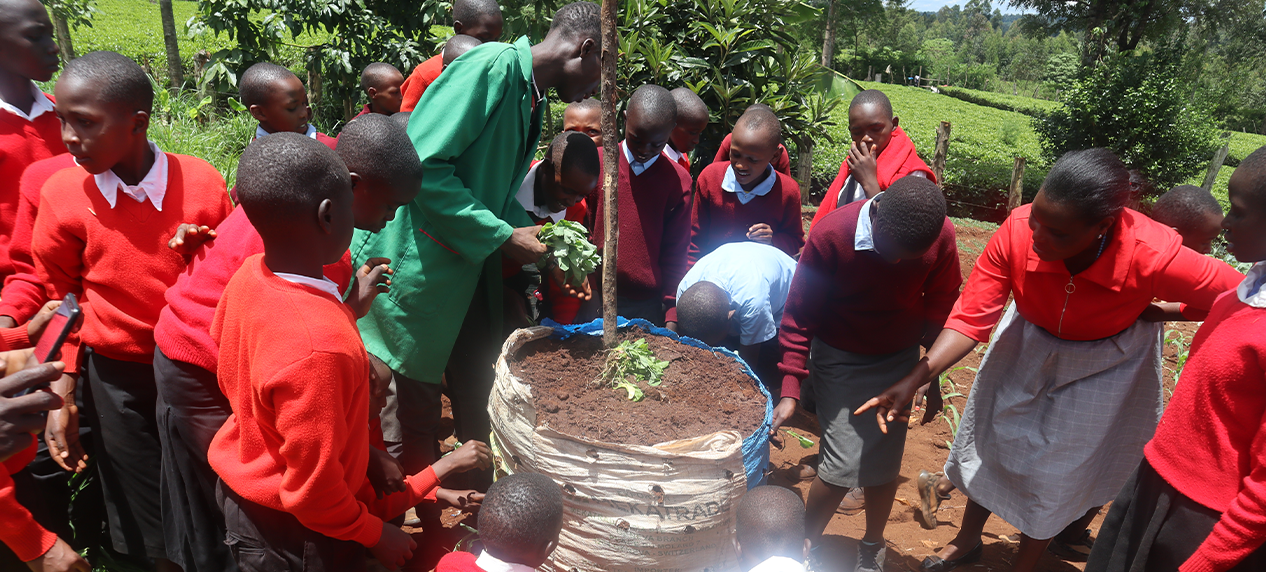
Climate smart agriculture training in schools
The Endangered Wildlife Trust (EWT) implements a range of initiatives that contribute to mitigating and reducing the impacts of climate change through our programmes across southern and East Africa. Among these are projects to address the impact of climate change on the health of communities.
Human health is inextricably linked to biodiversity and environmental health, with the World Health Organisation (WHO) confirming in a report published in October 2024 that climate change presents a fundamental threat to human health.
Climate change not only affects the physical environment and functioning of vital ecosystems that buffer us from extreme weather events and directly contribute to human health, but its effects on social and economic conditions are increasingly undermining human health and well-being. The WHO report states that climate change is a threat multiplier that is reducing and potentially reversing decades of health progress.
Humanitarian emergencies such as drought, heatwaves, wildfires, floods, tropical storms, and hurricanes are increasing in scale, frequency, and intensity. These weather and climate hazards affect health both directly and indirectly, increasing the risk of deaths, non-communicable diseases, the emergence and spread of infectious diseases, and other health emergencies.
In the past decade, extreme weather events have impacted approximately 1.6 billion people and cost the global economy over USD 2 trillion, according to a recent report released by the International Chamber of Commerce. The WHO reports an average of 489,000 heat-related deaths each year between 2000—2019, with these types of deaths having risen by 70% in people over 65 in two decades. The WHO conservatively projects 250,000 additional yearly deaths by the 2030’s due to climate change impacts, including increases in diseases like malaria.
Climate change is also exacerbating water insecurity globally, particularly as increasing populations and high demand are already stretching water allocations in most countries. Similarly, climate change heightens food insecurity, particularly in areas where people depend on dryland agriculture. In 2020, 98 million more people experienced food insecurity compared to the 1981–2010 average, with 770 million facing hunger, predominantly in Africa and Asia, undermining previous progress in addressing this challenge.
The Intergovernmental Panel on Climate Change’s (IPCC) Sixth Assessment Report (AR6) reveals that 3.6 billion people already live in areas highly susceptible to climate change. Despite contributing minimally to global emissions, low-income countries and small island developing states endure the harshest health and livelihood impacts. In vulnerable regions, the death rate from extreme weather events in the last decade was 15 times higher than in less vulnerable ones.
WHO data further indicates that 2 billion people lack safe drinking water and 600 million suffer from foodborne illnesses annually, with children under 5 bearing 30% of foodborne fatalities. Climate stressors heighten waterborne and foodborne disease risks. Temperature and precipitation changes enhance the spread of vector-borne diseases. Without preventive actions, deaths from such diseases, currently over 700,000 annually, may rise.
Climate change also adds to immediate mental health issues such as anxiety, as well as post-traumatic stress and long-term disorders, and compounds social instability, polarisation, and conflict, particularly in cases of human displacement.
Although no-one is safe from these risks, the people whose health is being harmed first and worst by the climate crisis are those who contribute least to its causes, and who are least able to protect themselves and their families against it: people in low-income communities and vulnerable countries and communities. Capturing risks like drought and migration pressures into climate modelling remains challenging, but there is little doubt that urgent, meaningful action is required at national and international level, focusing on the most vulnerable societies while also addressing the root causes of human-induced climate change.
Addressing climate change’s health burden underscores the equity imperative: those most responsible for emissions should bear the highest mitigation and adaptation costs, emphasising health equity and the priorisation of the vulnerable sectors of society.
What are we doing?
The EWT contributes to addressing climate change through multiple integrated strategies starting with the protection of critical landscapes and ecosystems that, in addition to providing habitats for diverse plant and animal species, also act as carbon sinks and contribute to water, air quality, pollination services, and other vital services that we depend on.
Across our programmes in southern and East Africa, we work with landowners and communities to improve the protection and management of their land, water, and other natural resources. These initiatives include expanding formal protection of areas of high conservation value; clearing of alien and bush encroaching plants; improved rangeland management; rehabilitation of degraded ecosystems; and supporting sustainable land use activities. In 2023-24, we supported landowners and communities to secure formal protection of an additional 180,282 hectares of land of strategic conservation importance across diverse landscapes. In many cases, this enables landowners to access carbon and other sustainable financing markets.
The EWT also contributes extensively to policy, planning, and development, including the energy sector, and implements numerous initiatives to strengthen climate resilience and adaptation. This includes partnering with communities to improve human health and resilience to climate change.
In the Western Soutpansberg, Limpopo Province, we collaborate with landowners, communities, and partners to implement diverse projects to strengthen food security and resilience to climate change, improve water management, and reduce the risk of water-borne diseases and contamination of soil and water.
Water, Hygiene and Sanitation (WASH)
The Soutpansberg mountains are highly biodiverse and play an important role in water security in the region. Less than 2% of the mountains were previously formally protected, leading to the EWT establishing the Medike Reserve in the Western Soutpansberg in 2017, and working extensively with landowners to secure protection and improve the integrity of the natural habitats through the removal of alien plants and other measures. To date, the EWT’ s remarkable team of rangers has removed 70 hectares of alien and other encroaching plants from the mountains which, together with ongoing maintenance by the landowners, has led to the improved flow of streams and the restoration of a wetland in the area.
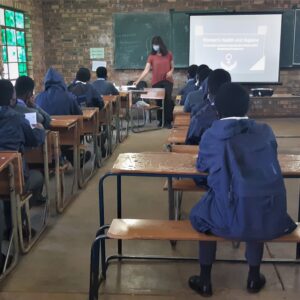
We work with primary and secondary schools to improve sanitation and hygiene through the development of interactive lessons and teaching aids on germ transmission and hand washing. As was instilled in all of us during the Covid-19 pandemic, regular washing with soap prevents diarrhea and the transmission of other diseases. To date, we have reached over 700 learners, but ongoing messaging is vital.
We work with secondary schools to reduce health risks and waste arising through the disposal of one-use sanitary pads. Through our Women’ s Health project, we have provided over 800 girls and women from three schools with kits consisting of reusable sanitary pads and cleaning materials that will last them 3—5 years. Apart from the substantial reduction of these products into the environment, the project contributes to women’ s dignity and helps reduce the costs of basic necessities for girls in communities where unemployment levels are high. Discussions and presentations on menstruation support the girls to gain access to accurate information and open up conversations with their teachers.
In the words of one of the girls who participated in an anonymous, voluntary evaluation of the project,
“They teach that when we going to monthly period, we shall not cry, and is helpful to us, because they teach us about our body and help us to get pads”.
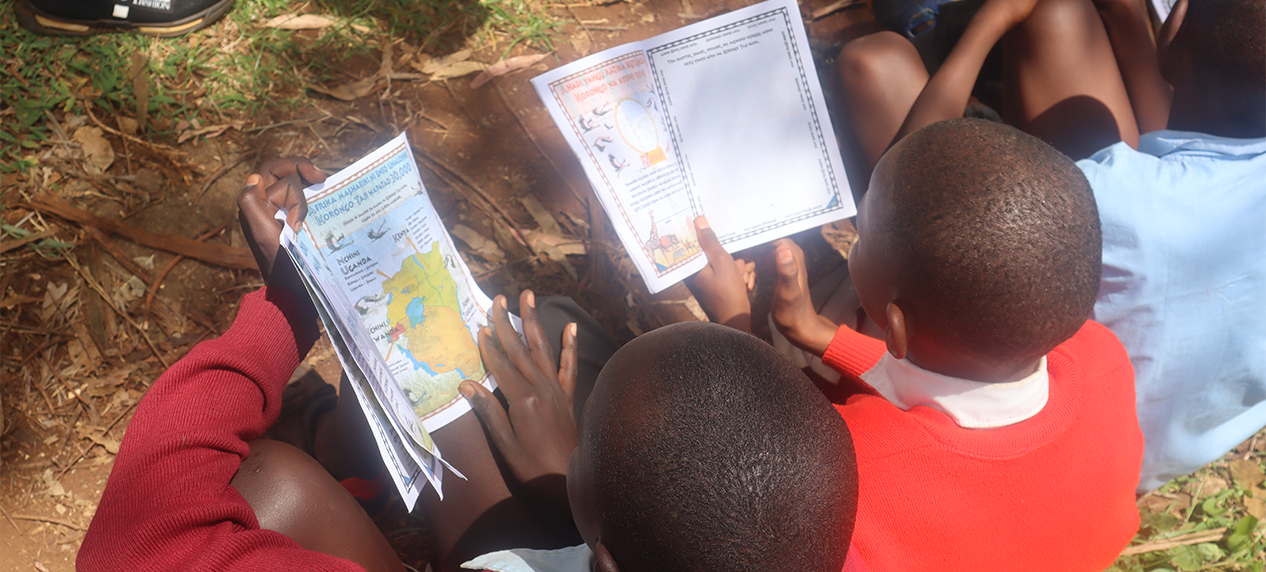
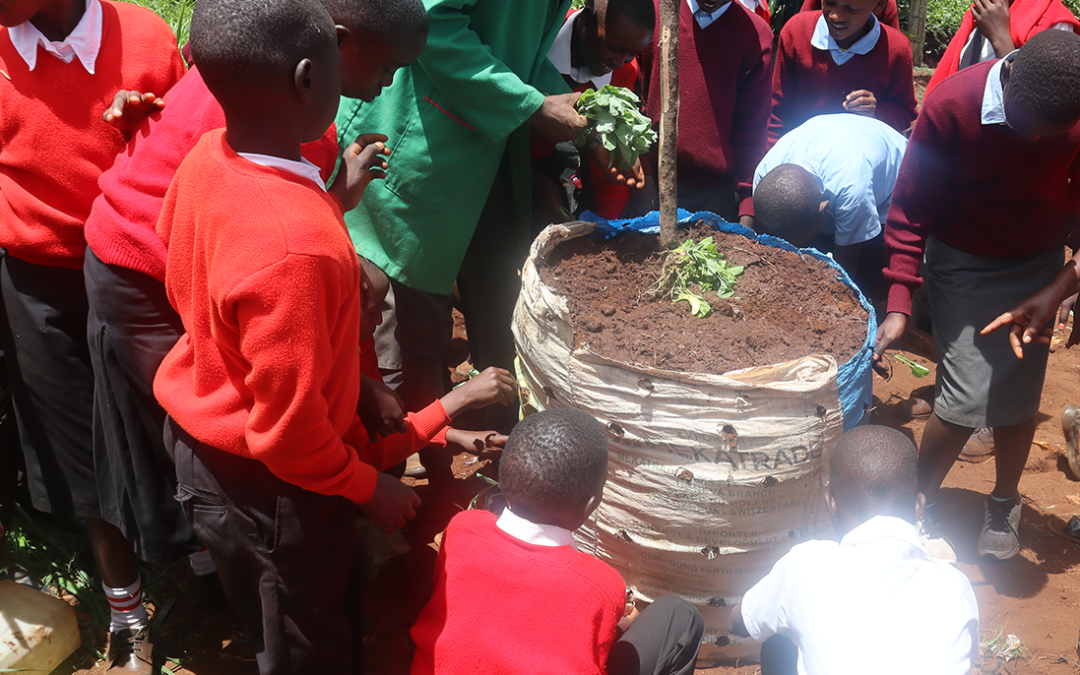
Climate smart agriculture training in schools
Climate resilient agriculture
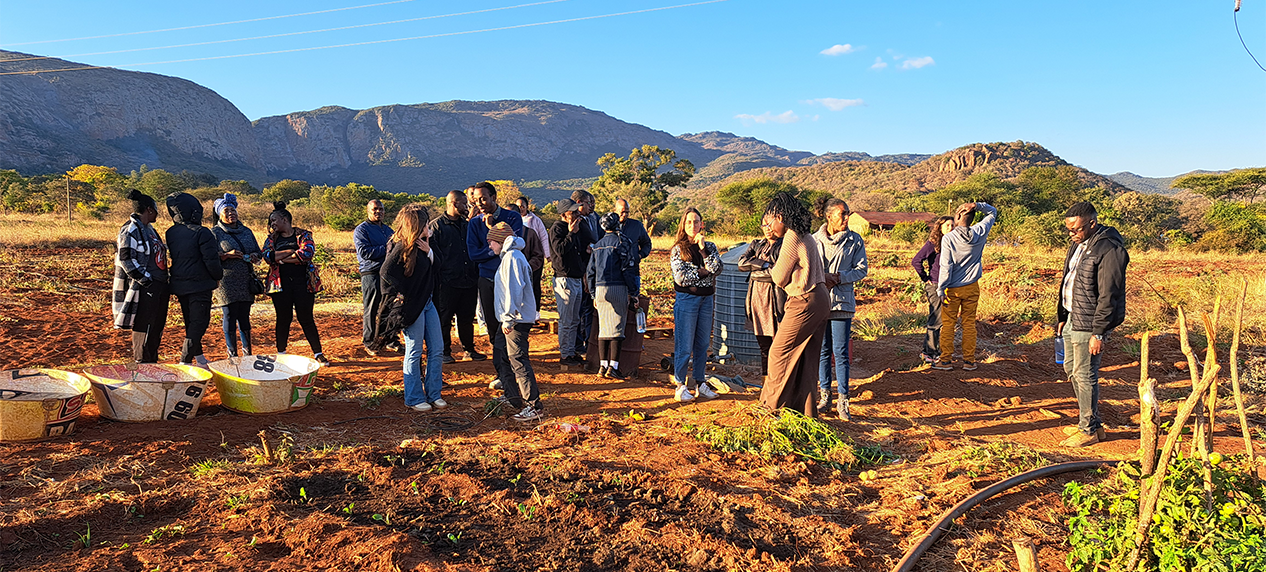
In 2023, the EWT held a five-day climate-resilient agricultural training course attended by 23 farmers from Kutama in the Western Soutpansberg. After the training course, 14 participants established the Ndouvhada Organic Farming Cooperative, and are now producing vegetables on the CPA’ s land. Through this project, the Cooperative received irrigation material and other equipment as well as seeds and other inputs. The Cooperative has also been able to source funding for funding through a state grant facilitated by the Limpopo Department of Agriculture and Rural Development (LEDET).
We are also supporting a second project started by a group of young agriculture graduates in Kutama to provide Agri-Set accredited training to other community members to enable them to cultivate vegetables and improve animal husbandry. The number of participants has far exceeded our expectations, with 100—150 people regularly attending training every weekday morning over the last seven months. The EWT is supporting the group with equipment and seed packs, repair of water tanks, and other inputs, and we are exploring opportunities to strengthen this initiative in the future.
We are also supporting farmers in Buysdorp to improve the sustainability of their agricultural activities. In June 2024, we collaborated with the University of Johannesburg to hold a workshop to assess the extent of existing farming activities in the area and community members’ visions and future plans. Water security and management emerged as a key theme throughout the workshop, together with the need for training to enable farmers and other community members to reduce harmful agricultural impacts through pesticides and fertilisers, and to develop strategies to reduce loss of crops and livestock through human-wildlife conflict. We are now participating in a follow-up project with the University of Johannesburg and other partners to assess and provide recommendations to improve the sustainability and quality of groundwater in Buysdorp, particularly in light of additional demand to meet increasing urbanisation, agriculture, mining, and other human development needs throughout the region.
Working in partnership with organisations and service providers is vital to the success of all our initiatives. In addition to universities and other Not-for-Profit organisations, we collaborate with the Limpopo department of economic development, environment and tourism (LEDET) to enable us synergise resources and strengthen benefits and support to community partners over time. Building climate resilience is a long-term process and it is important to ensure that small-holder farmers are not left behind.