Help protect Africa's 

The Quiet Rise of Trade-Driven Poaching of Africa’ s Lions

The Quiet Rise of Trade-Driven Poaching of Africa’ s Lions

The Quiet Rise of Trade-Driven Poaching of Africa’ s Lions

Dr Samantha Nicholson, EWT Senior Carnivore Scientist,  & Dr Peter Lindsey, CEO of the African Lion Recovery Fund
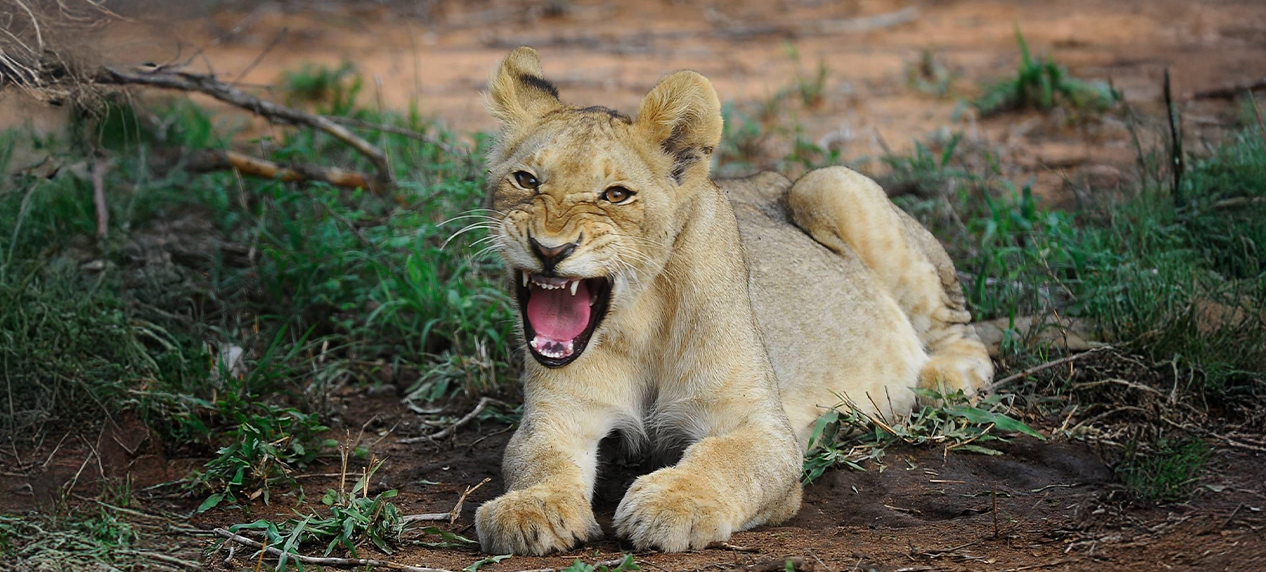
 

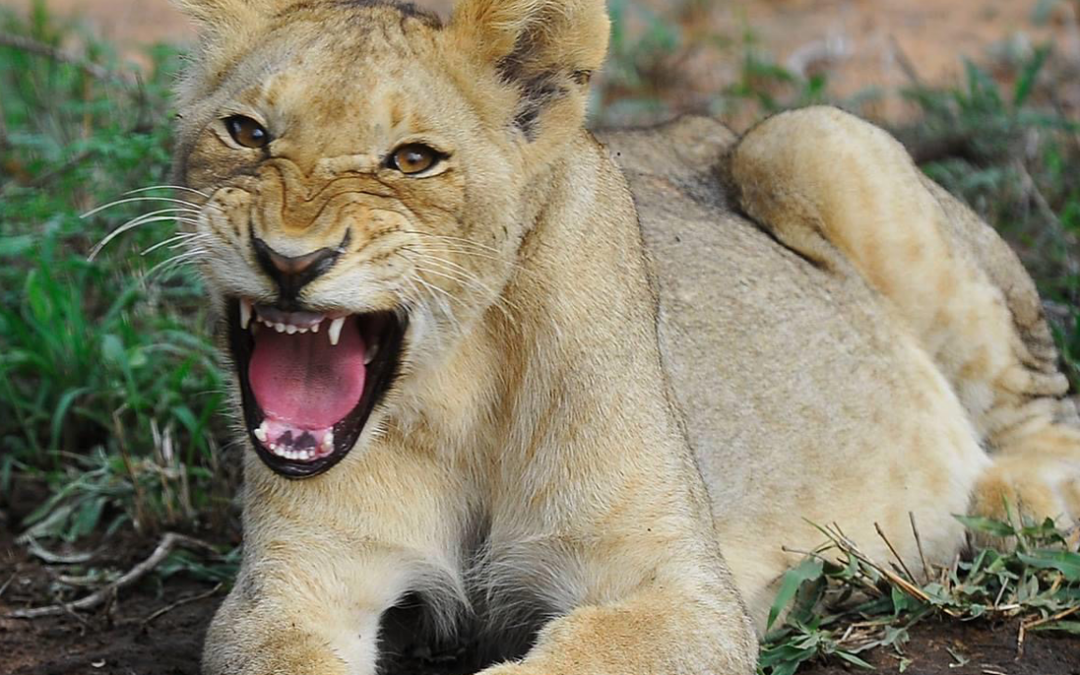
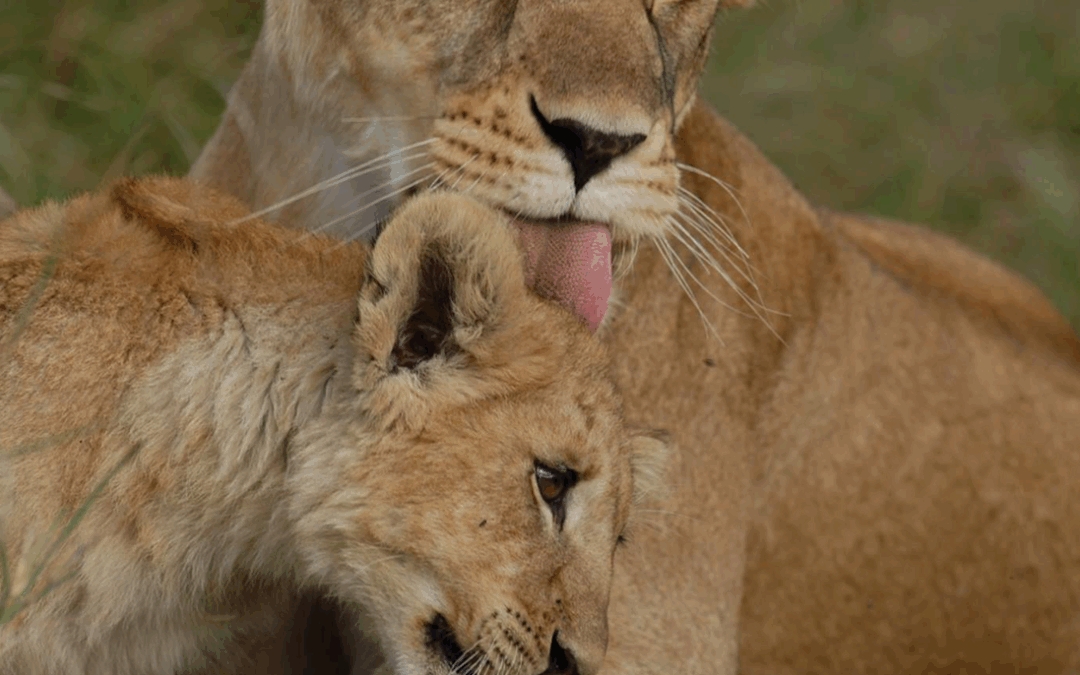
Young in the  Timbavati

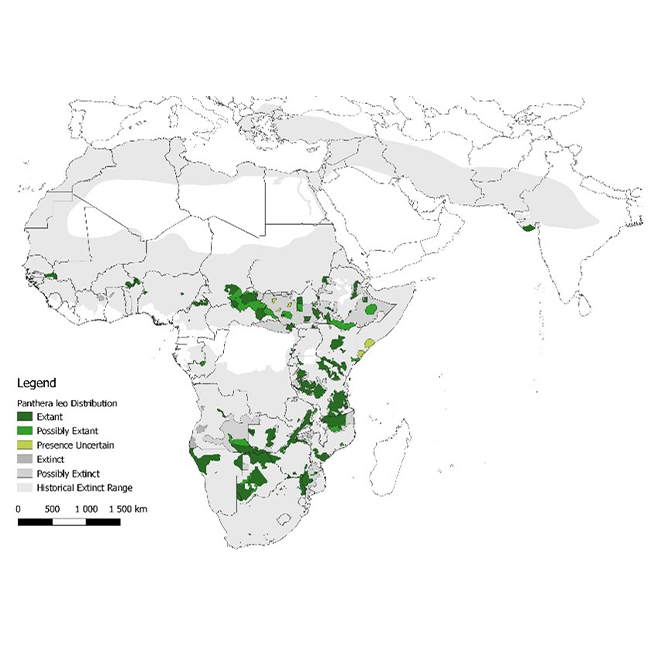
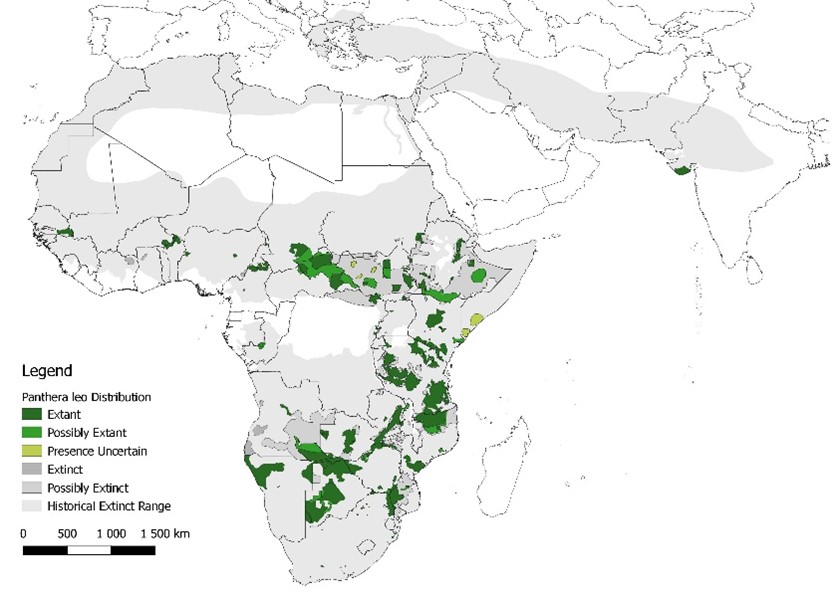
Despite their iconic status, lions are threatened across much of their African range. Today, they occupy only a fraction of their historical distribution, and many populations are in decline. The continuing reduction in both lion numbers and range reflects a combination of recent losses and improved understanding of their status and has been severe enough for lions to be listed as Vulnerable on the IUCN Red List of Threatened Species.

Expanding human populations have transformed much of Africa’ s savannah into farmland, settlements, and infrastructure, shrinking and fragmenting wildlife habitat. As a result, lions increasingly come into contact with people and livestock, heightening the risk of conflict. This is further compounded by prey depletion, as widespread bushmeat hunting reduces the availability of wild prey and pushes lions to target livestock. In response, lions are often killed in retaliation, while many others are inadvertently caught in snares set for other species. These combined pressures continue to threaten populations and remain as key challenges for lion conservation.

In recent years, however, researchers and practitioners have become increasingly concerned about another, less visible threat; one that has the potential to undermine conservation gains if left unaddressed.

An Emerging Threat: Targeted Poaching for Body Parts

Alongside these long-standing pressures, a more targeted form of poaching has begun to occur with increasing frequency in several parts of Africa: the deliberate killing of lions for their body parts for the illegal wildlife trade.

Unlike conflict-related killings or accidental snaring, targeted poaching involves lions being intentionally killed to harvest specific body parts (such as bones, teeth, claws, skins, or fat) for the illegal wildlife trade. These parts are used for a range of purposes, including traditional medicine, spiritual practices, cultural rituals, and, in some cases, personal adornment. Demand originates both within Africa and from international markets, particularly in parts of Asia.

The use of lion body parts is not new. For centuries, lions have held cultural and spiritual significance in many societies. Historically, however, most use relied on opportunistic sources, such as lions that died naturally or were killed during conflict incidents. What is changing is the scale, organisation, and intent behind the trade.

In several countries, lions are now being actively targeted. Poachers may use poisoned carcasses to attract entire prides, killing multiple lions in a single event. In other cases, lions are caught in strategically placed snares or lured to baited sites.

There is also growing evidence that some of this trade is becoming more organised. Seizures of large quantities of lion body parts, sometimes alongside products from other trafficked species such as elephants or pangolins, suggest involvement by criminal networks operating across borders. These networks are often difficult to detect and disrupt, particularly in regions with limited law enforcement capacity.

Importantly, this threat does not replace existing pressures on lions – it compounds them. If targeted poaching becomes entrenched before effective responses are in place, it could spread rapidly across the species’ range and reverse recent conservation gains.

The threat is widespread

Mozambique has emerged as the epicentre of targeted lion poaching in southern Africa, with 426 human-related lion mortalities recorded between 2010 and 2023. Notably, incidents of targeted poaching for body parts increased sharply after 2017, rising from approximately one documented case per year to around seven annually. The involvement of organised criminal networks is underscored by large-scale seizures, including the interception of 300 kg of lion parts in Maputo in 2023 alongside other illicit wildlife products.

This pressure is now spilling across borders, with severe consequences for neighbouring populations. In South Africa’ s Kruger National Park, lion numbers in the northern 20% of the park have declined by up to 63% over the past 18 years, largely attributed to targeted poaching for body parts and incidental snaring. Reports describe increasingly sophisticated methods, including the use of meat lures and poisoned carcasses to kill and harvest parts from multiple lions simultaneously.

Similarly, in Gonarezhou National Park, targeted lion poaching has become an escalating threat, characterised by poisoning and the selective removal of body parts rather than opportunistic killing. These incidents are particularly alarming because they are occurring within a well-managed transboundary conservation landscape, demonstrating that even flagship protected areas are vulnerable to organised, trade-driven poaching.

Reports of incidents where lions have been targeted for parts are now being shared from across the species African range.
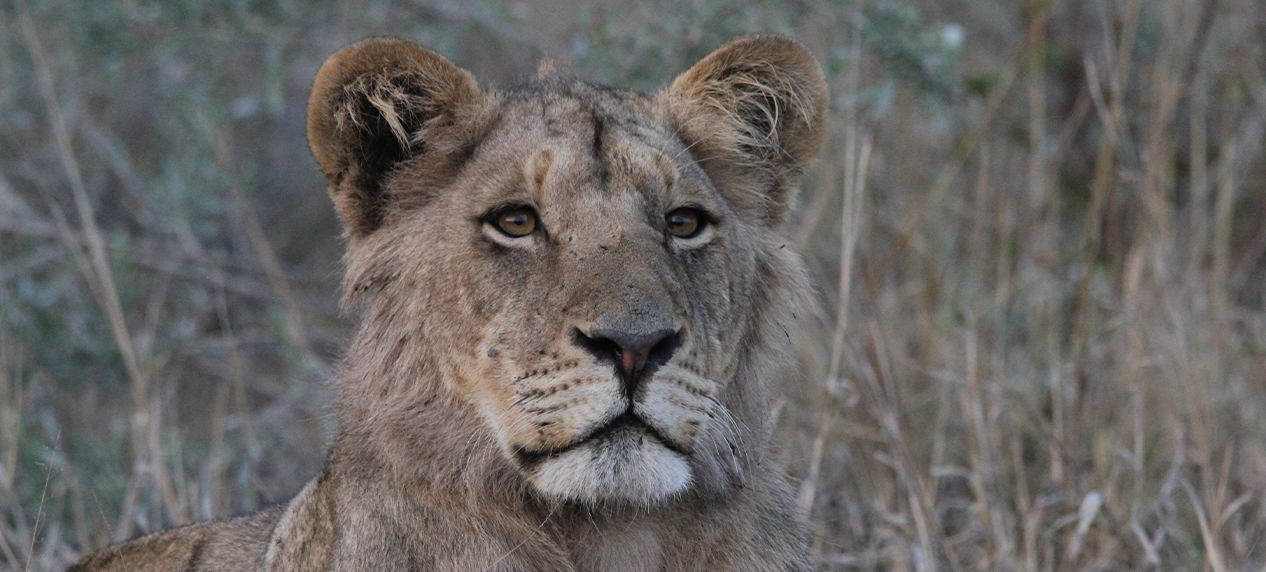
Young male African lion in savannah habitat

Preventing Entrenchment: Proposed Responses

Recognising the seriousness of this emerging threat, several priority areas for action have been identified. Together, these complementary strategies aim to reduce targeted poaching of lions for body parts and disrupt trade networks along the entire supply chain, from poaching to consumption.

  1. Strengthening Protection and Monitoring on the Ground

Effective lion conservation depends on well-managed, adequately resourced protected areas that can prevent poaching and respond rapidly to emerging threats. Focused monitoring of lion populations, combined with systematic recording of mortalities, enables early detection of emerging hotspots and supports proactive rather than reactive responses. A centralised database, such as the IUCN SSC Cat Specialist Group’ s African Lion Database (an initiative funded by the Lion Recovery Fund), allows trends to be tracked across landscapes and support evidence-based conservation action.

  1. Working More Closely with Local Communities

Communities living alongside lions play a decisive role in conservation outcomes, particularly where livestock losses and safety concerns are high. Addressing human–lion conflict, sharing benefits, and directly involving communities in conservation efforts reduces incentives for poaching and builds long-term support for lion persistence.

  1. Improving Understanding of the Trade

The trade in lion body parts remains poorly understood, limiting the effectiveness of interventions. Targeted research, including the use of genetic and forensic tools, can help clarify supply chains, identify source populations, and inform more strategic enforcement responses.

  1. Disrupting Trafficking Networks

Intelligence-led law enforcement and improved coordination among agencies are essential for interrupting trafficking routes. Targeting intermediaries and higher-level traffickers reduces profitability and weakens organised trade networks.

  1. Strengthening Legal Frameworks and Justice Systems

Robust legal frameworks, consistently applied, are critical for deterring wildlife crime. Effective investigations, well-prepared prosecutions, and the use of forensic evidence increase the likelihood of successful convictions and meaningful penalties.

  1. Reducing Demand for Lion Body Parts

Ultimately, poaching persists because demand exists. Carefully designed, culturally sensitive demand-reduction initiatives are essential to reduce pressure on wild lion populations and complement enforcement efforts.
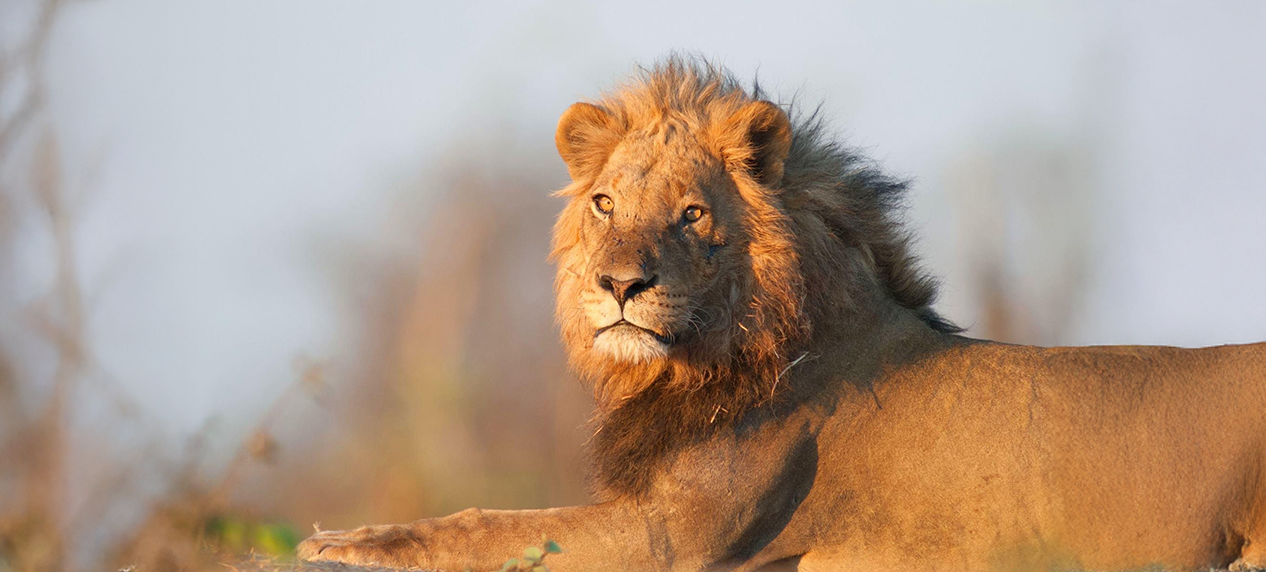
Male Lion in Botswana

Cautious Optimism

Lion conservation has never been simple, and the emergence of targeted poaching for body parts adds another layer of complexity. Yet there are reasons for cautious optimism.

Across Africa, governments, conservation organisations, researchers, and communities have demonstrated that lions can recover when threats are addressed and resources are invested strategically. Large areas of suitable habitat remain, and many protected areas could support substantially larger lion populations than they currently do.

It is imperative to act early and decisively. If targeted poaching is recognised as a serious, yet manageable threat and addressed through coordinated, evidence-based action, there remains a realistic opportunity to prevent it from becoming entrenched. Lions have coexisted with people for millennia, and with informed, collaborative action they can continue to do so, thus securing a resilient future for the species across much of its remaining range.

Lindsey P, Nicholson SK, Coals PG, Taylor WA, Becker MS, Rademeyer K, Briers‐Louw WD, Almeida J, Chase M, Dore A, Henschel P. Increasing Targeted Poaching of Lions for Trade Has the Potential to Pose an Existential Threat to the Species in Africa. Conservation Letters. 2026 Jan;19(1):e70014.Available at: https://conbio.onlinelibrary.wiley.com/doi/pdf/10.1111/con4.70014
Lions: a year of success, collaboration and testing new ideas

Lions: a year of success, collaboration and testing new ideas

Lions: a year of success, collaboration and testing new ideas

By Marnus Roodbol, project manager: Carnivore Conservation Unit


human-lion conflict mitigation technology in lion conservation efforts 2025

Three hundred and sixty five days may sound like a long time, but when you’ re driven by purpose, the year passes quickly.

Throughout 2025, our lion conservation work expanded significantly across South Africa and Mozambique as the Endangered Wildlife Trust (EWT) also embarked on an exciting new initiative in the Kgalagadi Transfrontier Park between South Africa and Botswana. Read: Pride & Progress: Inside the Kgalagadi’ s Desert Lion Survey

Kruger National Park

During 2024, SANParks, the EWT, the Greater Kruger Environmental Protection Foundation (GKEPF), and the Lion Recovery Fund (LRF) joined forces to discuss the future of lions in the northern Kruger National Park. Since beginning our work in this region in 2020, our population surveys have revealed a concerning decline in lion numbers, highlighting the urgent need for targeted conservation action.

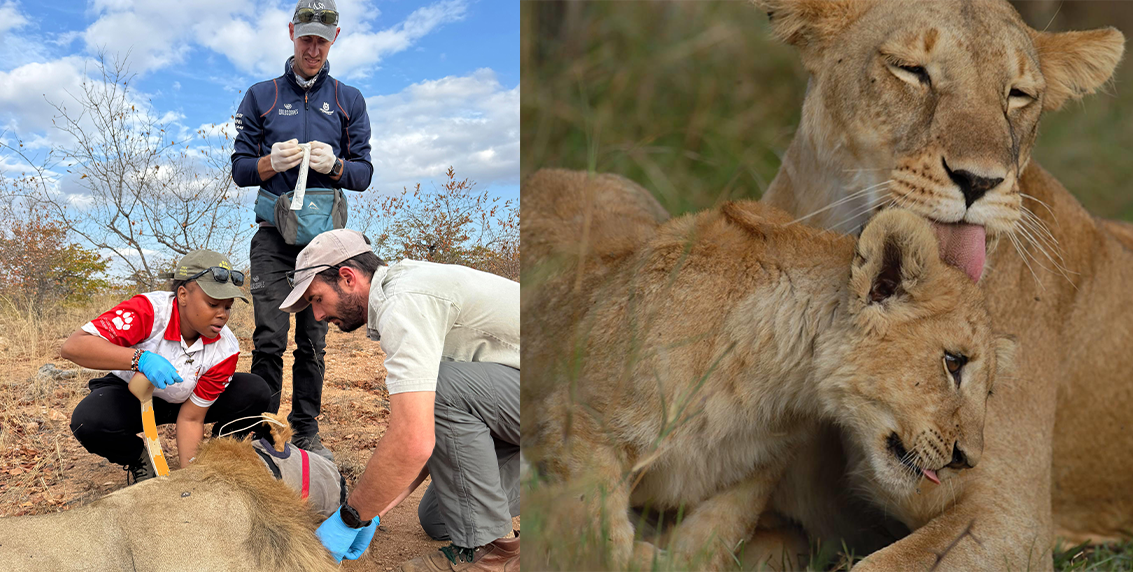
To better understand population dynamics, several lions have been fitted with GPS collars allowing our team to track movement patterns, identify stable prides, and monitor areas frequented by nomadic males. The data we are gathering will guide long-term conservation planning aimed at restoring lion populations to their historic strength within the park.

Limpopo National Park

Limpopo National Park in Mozambique has been severely affected by the civil wars spanning almost two decades. Recovery has been slow, and today, the park remains vulnerable to poaching, particularly the targeting of lions for their body parts.

The park functions as a “sink area”, meaning that it does not yet sustain resident prides but instead receives dispersing lions from the adjacent Kruger National Park. Females often cross the border with their cubs when prides are taken over by new males, while younger males move through during their nomadic phase.

Our current efforts in Limpopo focus on two key activities:

  • Camera trap surveys in a pre-selected grid to assess biodiversity.
  • Supporting lion rangers with essential field equipment to enhance their ability to patrol, track, and monitor lions on foot.

Data collection continues, with analysis scheduled to begin in January 2026.

Testing the Waters: Livestock Conflict Mitigation

An exciting project embarked on has been our collaboration to rest innovative solutions for human-lion conflict with the global company CLS.  This has included the development of a proof-of-concept project where cattle are fitted with GPS ear tags to monitor their movements and detect when they enter known lion territories.

Although still in its early stages, the project has already recorded several instances of livestock predation in adjacent municipal parks. With continued support, we aim to scale up this initiative in 2026, offering practical tools to help communities coexist safely with wildlife.

Together, these projects represent EWT’ s commitment to securing a future where lions — and the people who share their landscapes — can thrive side by side.

Lions remain listed as Vulnerable in the 2023 Red List Assessment

Lions remain listed as Vulnerable in the 2023 Red List Assessment

Lions remain listed as Vulnerable in the 2023 Red List Assessment

By Dr Samantha Nicholson, Senior Carnivore Scientist & Manager of the African Lion Database

The IUCN Red List of Threatened Species (hereafter the Red List), established in 1964, offers a comprehensive overview of global conservation status, covering plants, animals, and habitats.

With 150,300 species assessed globally, 28% are threatened with extinction, including notable percentages in various taxa. These assessments serve as vital tools for conservation efforts, employing standardised criteria to evaluate extinction risk based on factors such as threats, habitat loss, and population trends. This approach, guided by rigorous standards, provides a clear understanding of species vulnerability and aids in prioritising conservation actions.

The Red List’s systematic approach helps identify species at high risk of extinction, guiding global, regional, and local conservation priorities. While appeals are possible, listings are generally accepted by range states, conservation bodies, and international conventions. Red List assessments inform targeted conservation strategies and resource allocation, guiding conservation action for species and habitats. They foster global commitment and unity among range states in addressing conservation challenges. Additionally, the Red List Index tracks overall trends in extinction risk, serving as a crucial indicator for measuring progress towards reducing biodiversity loss on an international scale.

Determining a species’ listing involves a systematic process conducted by expert assessors following IUCN Red List criteria. Assessments consider factors like population decline, current population size and trends, distribution, and population fragmentation. They also incorporate the probability of extinction over a specified timeframe, often utilising modelling techniques. Data from various sources, including scientific studies and expert assessments, inform these evaluations. Assessors apply strict criteria to determine the species’ conservation status accurately.

Data on the Lion, an omnipresent symbol for Africa, was recently updated by several lion experts led by the Endangered Wildlife Trust’ s Dr Sam Nicholson.

The Lion, once widespread in Africa, has suffered significant declines in population and range in recent decades. These declines, more severe for lions compared to other large carnivores, have led to consistent Vulnerable listings in IUCN assessments since 1996. The team of assessors found that the extant Lion range in 2023 is estimated to be only 6% of its historical range, highlighting the severity of the decline. The current population of adult and subadult Lions in Africa is estimated to be between 22,000 and 25,000, with an additional ~670 Lions in India. These figures represent a decline from previous estimates and underscore the urgency of conservation efforts.

Various factors contribute to the decline of Lion populations. Habitat loss, primarily driven by human activities such as deforestation and land conversion, is identified as the most significant threat. Depletion of prey bases, exacerbated by poaching and the bushmeat trade, further exacerbates the problem.

Human-Lion conflict, often resulting in the killing of Lions to protect human life and livestock, adds to the pressure on populations. Additionally, the trade in Lion body parts for traditional medicine poses a growing threat, as does poorly regulated trophy hunting, which can lead to population declines if not managed effectively. The impact of violent extremism in certain Lion ranges in Africa is also a concern, as it further jeopardises conservation efforts. Instances of poaching for Lion body parts, particularly in Mozambique, highlight the need for increased vigilance and enforcement measures to combat illegal trade.

Despite these challenges, there have been efforts to mitigate threats and conserve Lion populations. Reintroduction programs in certain areas have shown promise (e.g. Zembeze Delta in Mozambique, Akagera National Park in Rwanda), and recommendations for improved management practices in activities such as trophy hunting have been made. However, more comprehensive monitoring and enforcement are necessary to ensure the long-term survival of the species.

Given the ongoing and increasing threats faced by Lions across their fragmented range, it is recommended that the species be closely monitored, with a reassessment of its threat status after a minimum three-year period, or as soon as new information emerges. The decline in both population and range, coupled with the continuation of known threats, justifies its classification as Vulnerable according to the specified criteria. Urgent action is needed to address the complex challenges facing Lion conservation and secure a future for this iconic species.

The Lion’ s Vulnerable status reflects a critical need for long-term survival efforts. The dwindling lion population not only raises ecological concerns, but also has economic and cultural repercussions. As apex predators, lions regulate ecosystems, affecting biodiversity. Economically, reduced lion numbers may impact tourism revenue in countries reliant on lion-based tourism. Culturally, lions hold symbolic importance, and their decline could affect traditions and spiritual beliefs.

The latest Red List assessment provides enhanced knowledge on the status of the species including data gaps, threats, geographic distribution and changes in range. The full assessment is on the IUCN website and can be accessed here