Grass Owls – a story of hope
On any given day, one can read the news or articles on the state of the environment and the sheer enormity of the threats, challenges, and losses can be overwhelming. For those of us working in conservation, it can be even harder. The species we have dedicated our lives to protect face extinction, and we see the very worst that humans can do to wildlife. I have often been asked how I work in conservation, “isn’ t it depressing” people ask? On some days, yes, but others keep our hope alive, and on 10 May 2022, I had a day of hope.I joined a colleague, Rebo Rachuene from our Birds of Prey Programme, in the field to monitor a grass owl site. Rebo and his colleagues have been monitoring this site for over ten years. We arrived at a farm situated in the Highveld region of Mpumalanga, the area recently the focus of the deadly air case. The short drive from Johannesburg to the farm showed the severity of air pollution in the area, and while the deadly air case was focused on human health and wellbeing, I couldn’ t help but wonder about the effect the air pollution was having on wildlife in the area. The farm is a mix of land uses with agriculture, virgin grasslands, and a new coal mine on its border. The threats associated with human activities began to feel overwhelming.

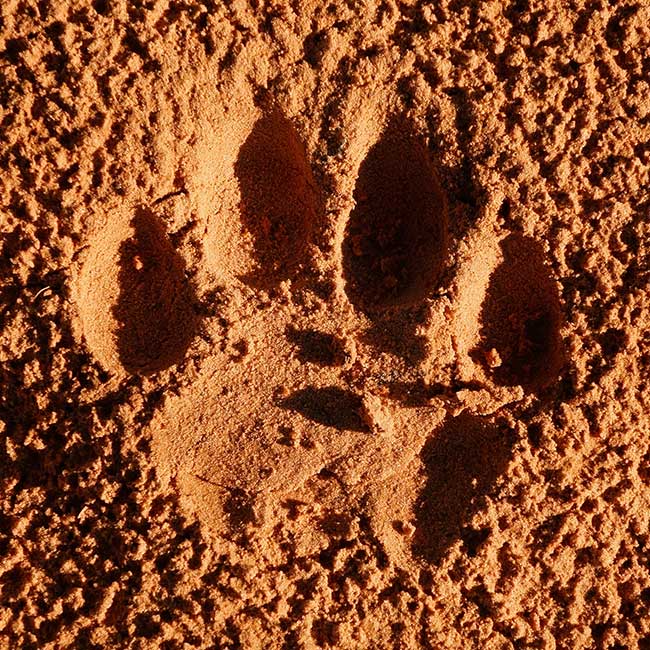
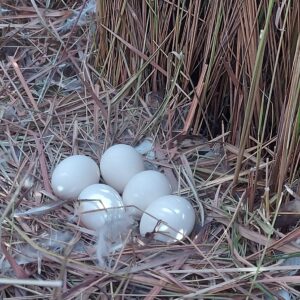
As we were approaching the nest, two birds took off – each on different sides of the wetland area the nest is in. One was a Marsh Owl, and the other, an adult Grass Owl. We found the Grass Owl nest, and instead of the fledglings we expected, we found eggs. Rebo explained that the previous eggs had probably been predated, and the Grass Owls had then laid more. In addition to natural and expected threats like predation, Grass Owls need to contend with human-related threats such as pollution, the threat of invasive species, disturbance and trampling by livestock, and habitat loss. Despite these ever-increasing threats, this species and so many others in South Africa continue to persevere. On our short walk back to the car, we came across a Brown House Snake, Serval footprints, and a Black Winged Kite – all indicators of a functional ecosystem – a safe space made possible through the incredible work of my colleagues and the conservation efforts of landowners. This is how hope is kept alive and how we can continue to promote conservation in South Africa and chip away and reduce threats from human activities. I walked away from that nest excited for the next 35 days when hopefully, the Grass Owl population will increase by five when the eggs hatch. I walked away with hope, committed to doing what I can to protect this safe space and others like it, and more committed than ever to promoting conservation in South Africa.

Grass Owls – a story of hope
Ashleigh Dore, the EWT’ s Wildlife and Law Project Manager, ashleighd@ewt.org.za
On any given day, one can read the news or articles on the state of the environment and the sheer enormity of the threats, challenges, and losses can be overwhelming. For those of us working in conservation, it can be even harder. The species we have dedicated our lives to protect face extinction, and we see the very worst that humans can do to wildlife. I have often been asked how I work in conservation, “isn’ t it depressing” people ask? On some days, yes, but others keep our hope alive, and on 10 May 2022, I had a day of hope.
I joined a colleague, Rebo Rachuene from our Birds of Prey Programme, in the field to monitor a grass owl site. Rebo and his colleagues have been monitoring this site for over ten years. We arrived at a farm situated in the Highveld region of Mpumalanga, the area recently the focus of the deadly air case. The short drive from Johannesburg to the farm showed the severity of air pollution in the area, and while the deadly air case was focused on human health and wellbeing, I couldn’ t help but wonder about the effect the air pollution was having on wildlife in the area. The farm is a mix of land uses with agriculture, virgin grasslands, and a new coal mine on its border. The threats associated with human activities began to feel overwhelming.
As we were approaching the nest, two birds took off – each on different sides of the wetland area the nest is in. One was a Marsh Owl, and the other, an adult Grass Owl. We found the Grass Owl nest, and instead of the fledglings we expected, we found eggs. Rebo explained that the previous eggs had probably been predated, and the Grass Owls had then laid more. In addition to natural and expected threats like predation, Grass Owls need to contend with human-related threats such as pollution, the threat of invasive species, disturbance and trampling by livestock, and habitat loss. Despite these ever-increasing threats, this species and so many others in South Africa continue to persevere. On our short walk back to the car, we came across a Brown House Snake, Serval footprints, and a Black Winged Kite – all indicators of a functional ecosystem – a safe space made possible through the incredible work of my colleagues and the conservation efforts of landowners. This is how hope is kept alive and how we can continue to promote conservation in South Africa and chip away and reduce threats from human activities. I walked away from that nest excited for the next 35 days when hopefully, the Grass Owl population will increase by five when the eggs hatch. I walked away with hope, committed to doing what I can to protect this safe space and others like it, and more committed than ever to promoting conservation in South Africa.