Catchments: where communities and biodiversity meet
CATCHMENTS: WHERE COMMUNITIES AND BIODIVERSITY MEET
Nkosinathi Nama
Nkosinathin@ewt.org.za
Water is a precious resource and as a water scarce country, South Africa needs to protect and manage its limited water resources, for the benefit of both people and the environment. With a rapidly growing population, emerging economy, and climate change challenges, a holistic approach to the management of our water resources is needed, encompassing social, ecological, and built infrastructure interventions to improve water availability to communities. At the same time, we need to maintain the critical services provided by rivers, wetlands and other aquatic ecosystems as well as biodiversity. These services include the mitigation of drought and floods, which can cost the country billions of Rands and lead to individual hardship and loss of life; reducing soil erosion; keeping our wetlands healthy; mitigating the impacts of pollution; and provision of food, medicine, fibre, building materials, and economic opportunities, including tourism.
Biodiversity is under threat globally with the rate of species loss higher than ever recorded before. Freshwater ecosystems, home to about 40% of fish species globally, are under threat and 20% of freshwater fish species have already gone extinct as a result of pressures such as over-extraction of water from rivers, pollution, overfishing, and climate change. In South Africa, more than 90% of our surface water is depleted or degraded by development or agriculture.
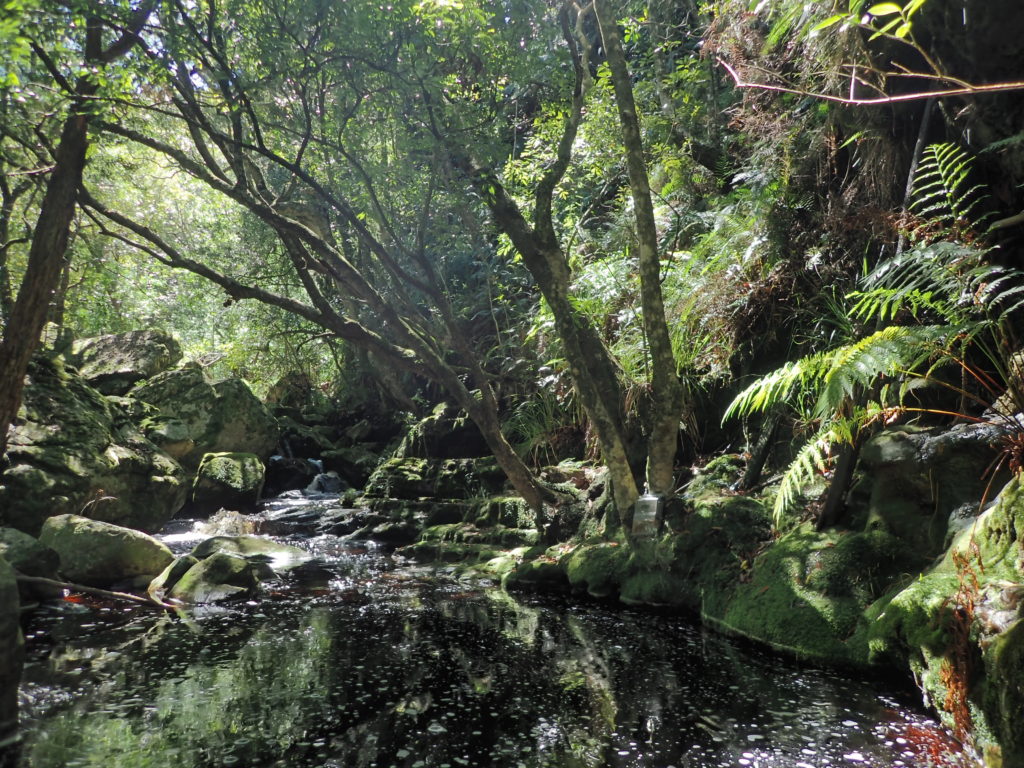
Catchment areas encompass land that is drained by a river and its tributaries, as well as other water runoff. They usually include areas with hills or mountain ranges such as the Drakensberg in KwaZulu-Natal and the Amathole Mountains in the Eastern Cape. Catchments are critical for biodiversity conservation and human survival, but are often severely impacted by mining, agriculture, forestry, and other human activities. To balance competing human needs, catchment management strategies need to take a multi-pronged and holistic approach, as mentioned above, considering both socio-economic and ecological objectives, and ensuring that the needs of communities living within the catchments are met. This approach, putting communities at the centre of biodiversity conservation within catchments, gives these ecosystems their best chance at survival, particularly if people are included in management strategies. Recognising that communities are important custodians of catchment areas, and ultimately of the biodiversity in these areas, the Endangered Wildlife Trust (EWT) has applied this approach in its projects in the Amathole (Eastern Cape Province) and Groot Marico (North West Province) water catchments, as well as through partnerships in the Mzimvubu catchment in KwaZulu-Natal.
The Amathole mountains in the Eastern Cape are recognised as a strategic water source area. Invasive alien vegetation is a significant threat to many of these ecosystems, including the Amathole, where widespread stands of species such as the Black Wattle occur. Indigenous to Australia, and without any natural control agents in South Africa, the Black Wattle is a prominent invader that is costly to manage and poses a serious threat to biodiversity and water provision. The species consumes a substantial amount of water and can alter flow rates of a river. Dense stands growing along river systems can change the ecology of the systems. For example, both water temperature and water chemistry can be altered by the shade of the trees, which in turn affects the diversity of aquatic species.
To address the impacts of Black Wattle and create much needed employment opportunities for people living in the area, the EWT collaborated with the then Department of Environment Affairs (DEA) to train and employ 150 contract workers to clear Black Wattle. The EWT also trained five local entrepreneurs as qualified Natural Resource Management contractors. They received training in computer skills, business management, plant identification, chainsaw operations, basic rangeland management, as well as health and safety, and basic first aid. Through this initiative, the EWT and the then DEA cleared 1,250 hectares of Black Wattle stands in the catchment.
To monitor the impact of alien clearing on the river health in the Amathole Catchment, the EWT implemented a biomonitoring programme in the Tyume River, one of the main rivers in the catchment. Water quality and flow rates are measured throughout the year, together with the status of indigenous and alien fish species.
Indigenous aquatic species act as good indicators of aquatic health, but many are under pressure through human activities. In the Amathole, the introduction of alien fish species such as the rainbow trout has significantly impacted indigenous fish species that they prey on. Biomonitoring has however shown early signs of improvement in the population status of two Endangered freshwater fish species, the Border Barb and the Eastern Cape Rocky, both of which only occur in this region. Local community members have also been trained in ecological monitoring techniques, equipping them to become citizen scientists. Through this and additional training, members of Tyume communities have gained insights into the dynamics of rangelands and aquatic ecosystems, as well as the need to maintain biological diversity.
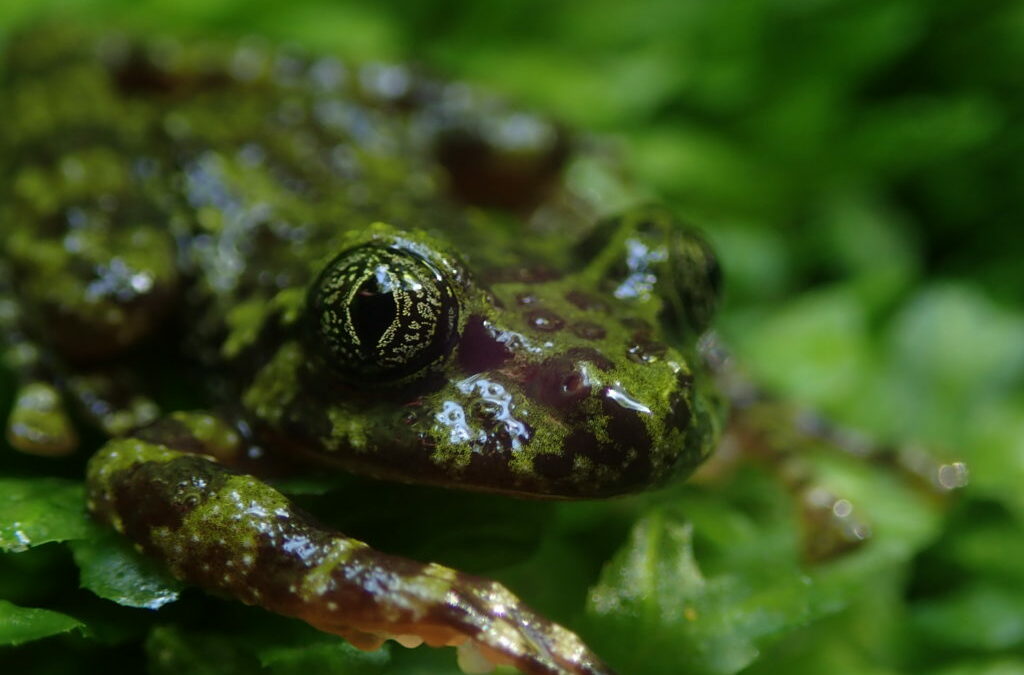
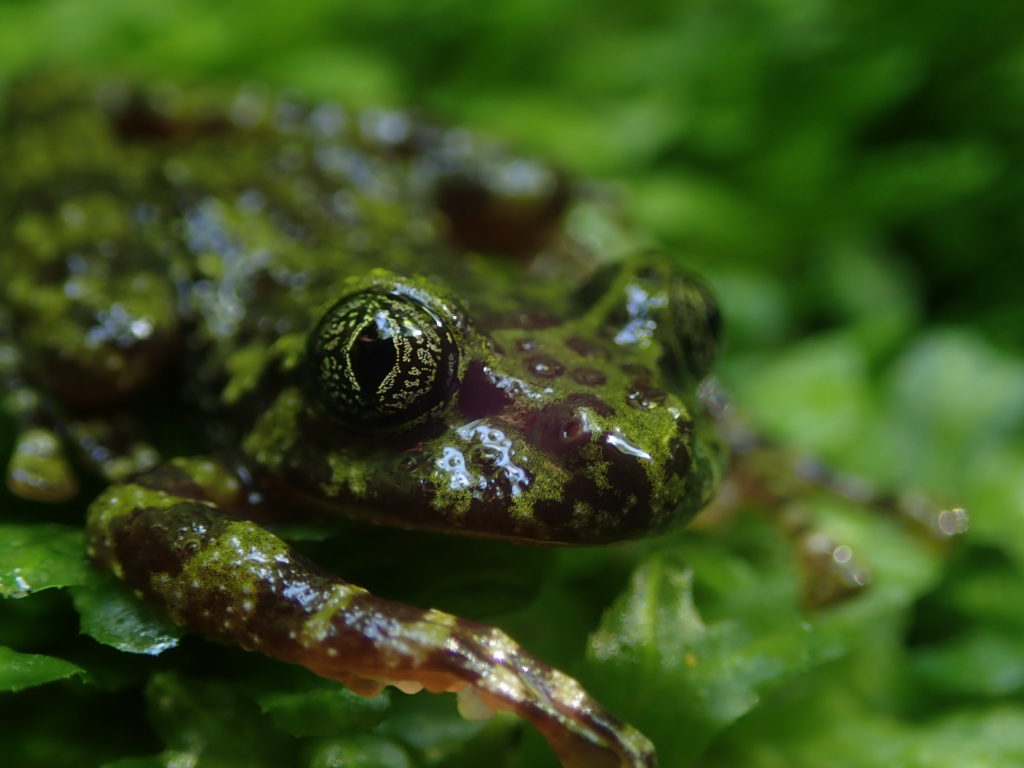
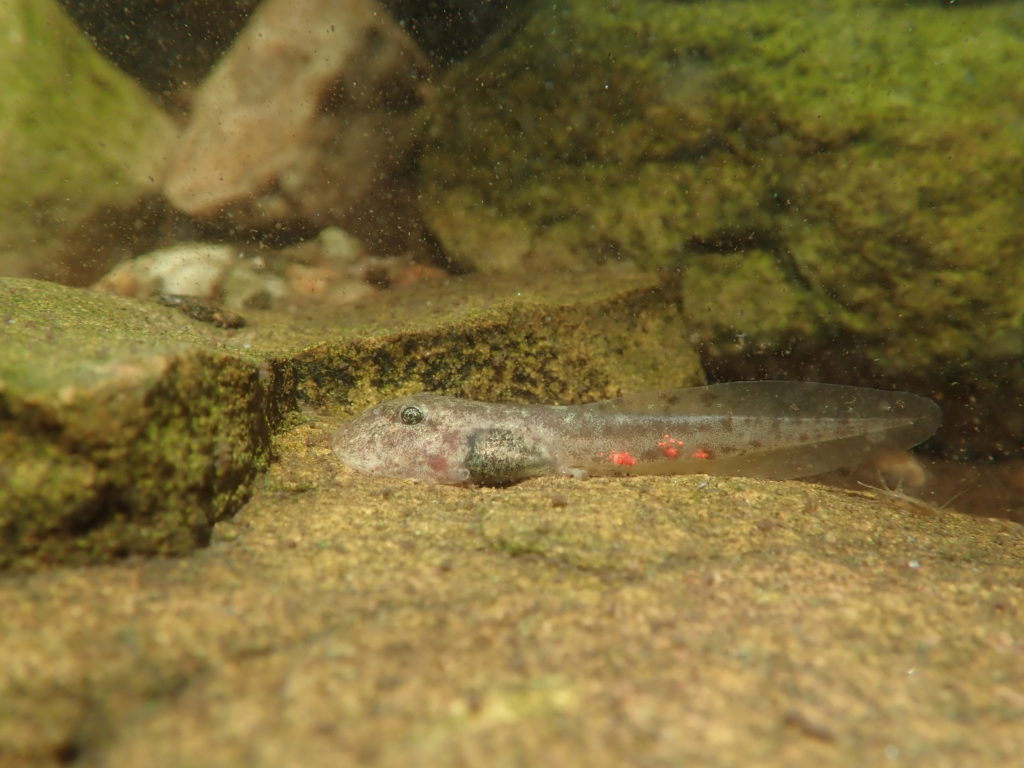
As with the Border Barb and Eastern Cape Rocky, the Critically Endangered Amathole Toad is endemic, occurring only in the region. The habitat of the Amathole Toad includes Amathole Montane Grassland and Amathole Mistbelt Grassland, both of which are vegetation types that only occur in the Eastern Cape and are classified as ‘Poorly Protected’ . The site also supports Drakensberg-Amathole Afromontane Fynbos, which includes patches of unique Fynbos that have not yet been mapped in the Amathole Mountains. The EWT is working with private landowners towards obtaining formal protection of this important habitat and its unique species, which also contributes to securing reliable water provision for the Eastern Cape.
To further support local livelihoods in the Amathole water catchment, the EWT also provides training on climate smart agriculture, soil erosion management, and improved management of livestock. Climate smart agriculture enables farmers to adapt to drought, seasonal fluctuations, and weather patterns, and mitigate risks to their incomes. In the Tyume valley, farmers identified improved husbandry as a critical need to build the resilience and production capacity of their herds, particularly during times of drought. These efforts all contribute to improved natural resource management.
The EWT has also trained former contract workers in beekeeping. The Tyume Valley Beekeepers Association have had four harvests to-date and are collaborating with private landowners in Hogsback to increase the amount of fodder available to the bees. Through this type of valuable local support, the beekeepers will be able to grow a much-needed micro-enterprise and provide quality honey to residents, tourist lodges and other outlets in the Amathole.
By recognising community needs and involving people who live in the Amathole Catchment in conservation management strategies, as well as sharing skills, scientific feedback, and management experiences, the EWT and its partners have developed strategic interventions for improved water and biodiversity management in the region. This critical work cannot be implemented by one organisation alone. We are grateful to the Rand Merchant Bank for financial support of the project, and extend our appreciation for our ongoing partnerships to members of the Amathole Catchment Forum, the Department of Forestry Fisheries and Environment (DFFE, formerly DEA), the Department of Water, Sanitation and Housing, the Dept of Rural Development and Agrarian Reform, and the Amathole Forestry Company, amongst many others.