Help protect Africa's 

Farming for the future

Farming for the future


FARMING FOR THE FUTURE

Bonnie Schumann, Nama Karoo Coordinator, Drylands Conservation Programme, bonnies@ewt.org.za
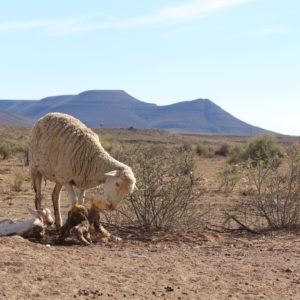
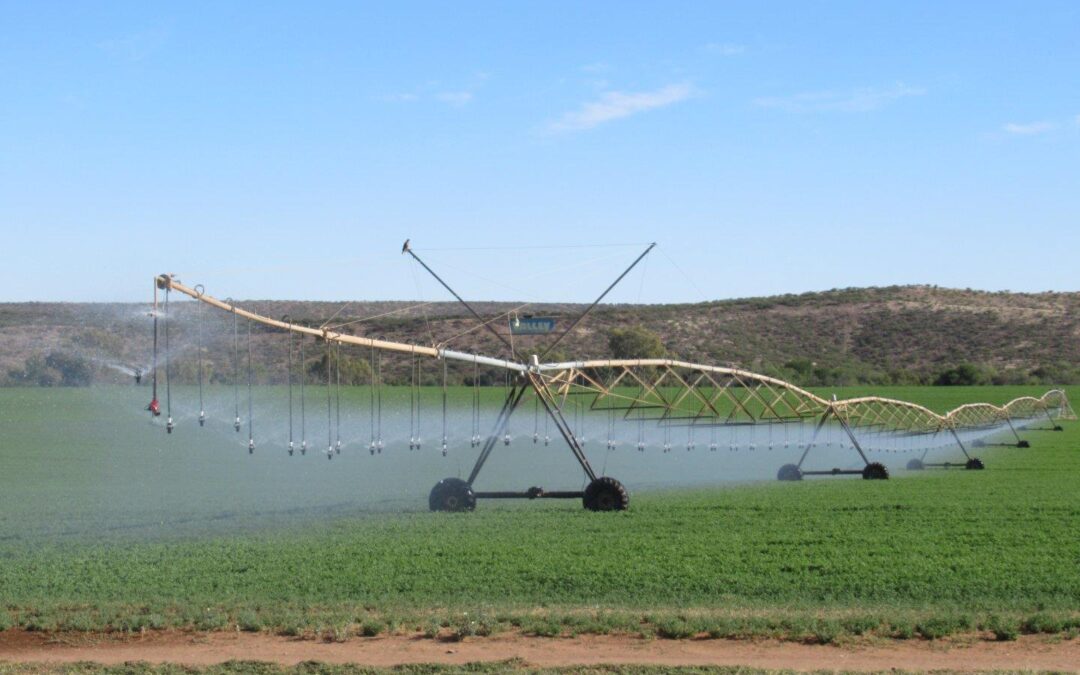
The Karoo is an iconic and timeless landscape that has been farmed for large-scale small stock production for almost 400 years. The question is, will the Karoo be able to support agriculture for the next 400 years, given the extraordinary current economic and environmental conditions? The Karoo landscape is largely intact, with natural rangeland forming the foundation for its world class small stock meat and wool production systems. However, it bears the scars of the learning curve that farmers went through to learn how best to manage this rugged but fragile ecosystem, with a loss of species diversity and soil erosion evident across the landscape.

Hard lessons have been learned. Karoo farmers are some of the most resilient, adaptable and resourceful land users in the world. The Endangered Wildlife Trust’s Drylands Conservation Programme (EWT-DCP) launched the Karoo Forever project two years ago. The project aims to capture lessons learned, spark future farming innovation, and share this knowledge far and wide. This year we launched a project specific website to make this information accessible to the broader farming community.

Both the EWT and the farmers with which we are working, believe that the Karoo can be farmed forever, and that sustainable land management and farming efficiency, including the diversification of income streams, are key to ensuring that this happens. The Karoo has the potential to sustain livelihoods in this arid ecosystem indefinitely; unlike alternative unsustainable land uses such as fracking or uranium mining – which are “flash in the pan” sources of income for a limited few, and which invariably leave devastated landscapes and impoverished communities in their wake.

With this in mind, the EWT-DCP embarked on the Karoo Forever project funded by the Global Environment Facility (GEF), and supported by the United Nations Development Programme (UNDP) and the Department of Forestry, Fisheries, and Environment (DFFE), to promote sustainable land management (SLM) in the Karoo.

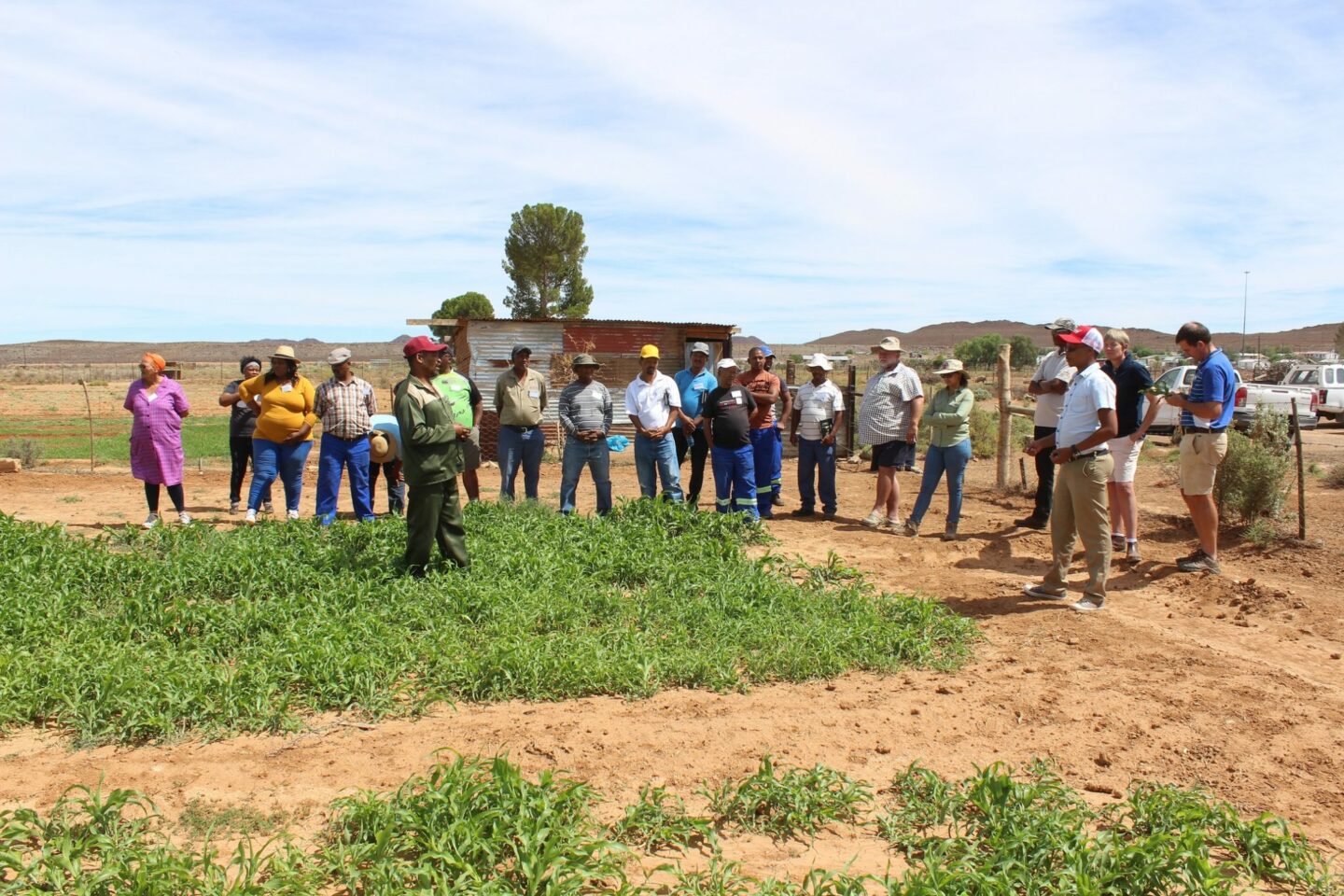
The project website has links to sustainable land management resources, which include a number of topic-specific webinars. Manie Grobler, Agricultural Advisor for the Department of Agriculture (Western Cape) and Dr Louis du Pisani (all-round karoo farming expert and consultant) have each conducted a webinar series.  Manie has been integrally involved in the project from the outset, helping to design the Integrated Farm Planning and Management (IFP) training course which we conducted twice for emerging farmer groups last year. The course is now also freely available online through the Karoo Forever website.  The webinars form the advanced content component for the basic IFP course.
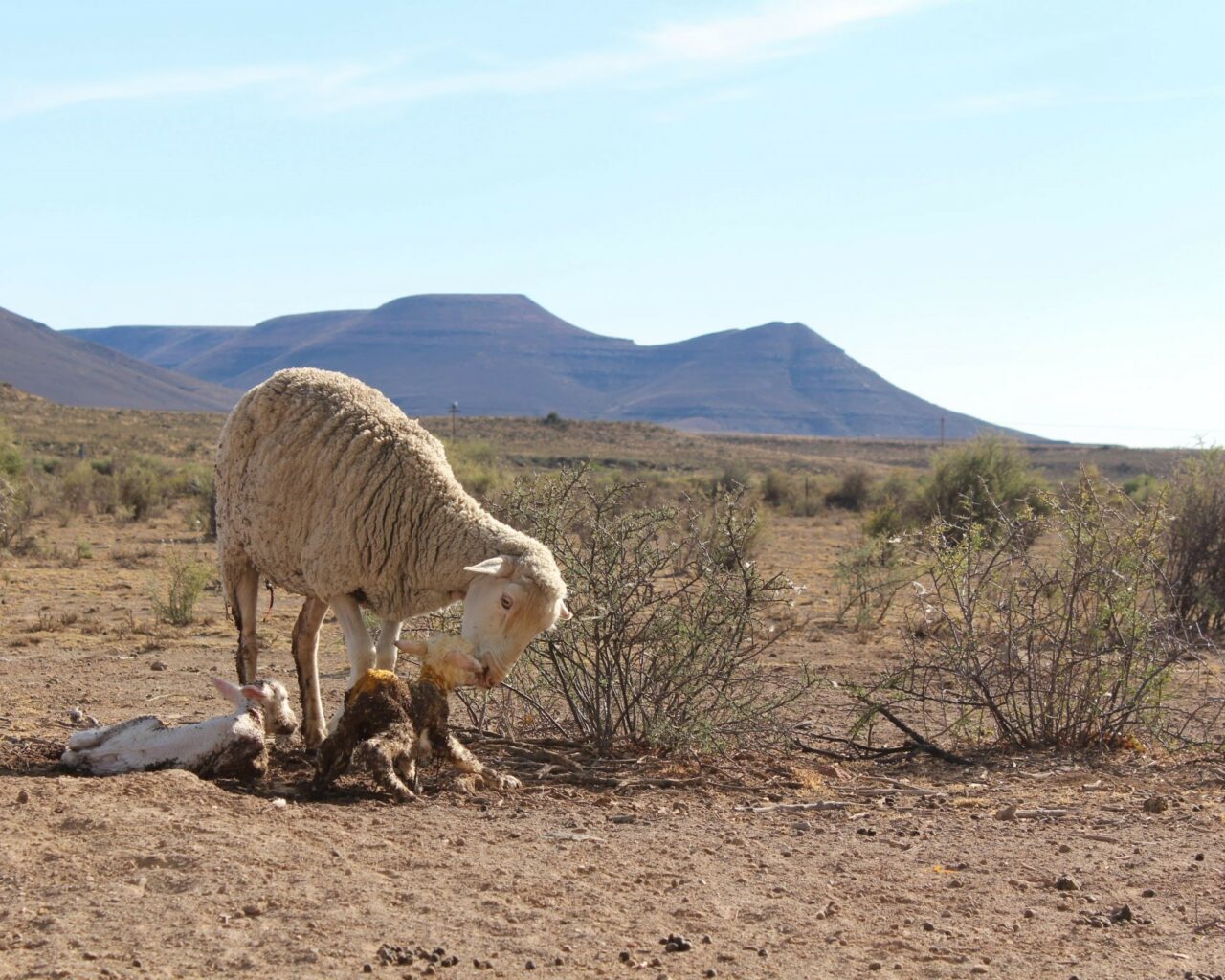
The first webinar series was conducted by Manie and focused on the Intensification of sheep production. Dr Bennie Grobler, veterinarian in Beaufort West, shared his expertise on some of the livestock health aspects as well. Intensification of sheep production has some great ecological spin-offs, in that while livestock are kraaled (periods vary according to the production system), the veld gains valuable extra rest days, and ewes lamb safely under supervision, avoiding predation during this critical period. The second webinar series focused on the Recovery of veld following drought in light of climate change. Dr Louis du Pisani, through the National Wool Growers Association, hosted this webinar series. Louis recently published a book titled Smart Drought Management for Livestock Farmers (available here). This is definitely a must-have resource for every farmer.  Both Louis and Manie have a lifetime of valuable knowledge gained in the field. Their passion for all things farming is evident, and both have a great way of communicating this knowledge, which is inspiring as well as educational. Henk Cerfonteyn guided viewers through a very insightful webinar on accessing seasonal weather forecasts for South Africa, as well as understanding and interpreting these forecasts. His presentation also helped viewers obtain a perspective on the current climatic and vegetation conditions. Henk, a risk assessment scientist, worked for the Department of Agriculture (Western Cape) for many years. Although Henk has since retired, he is still sharing his passion for weather with farmers.
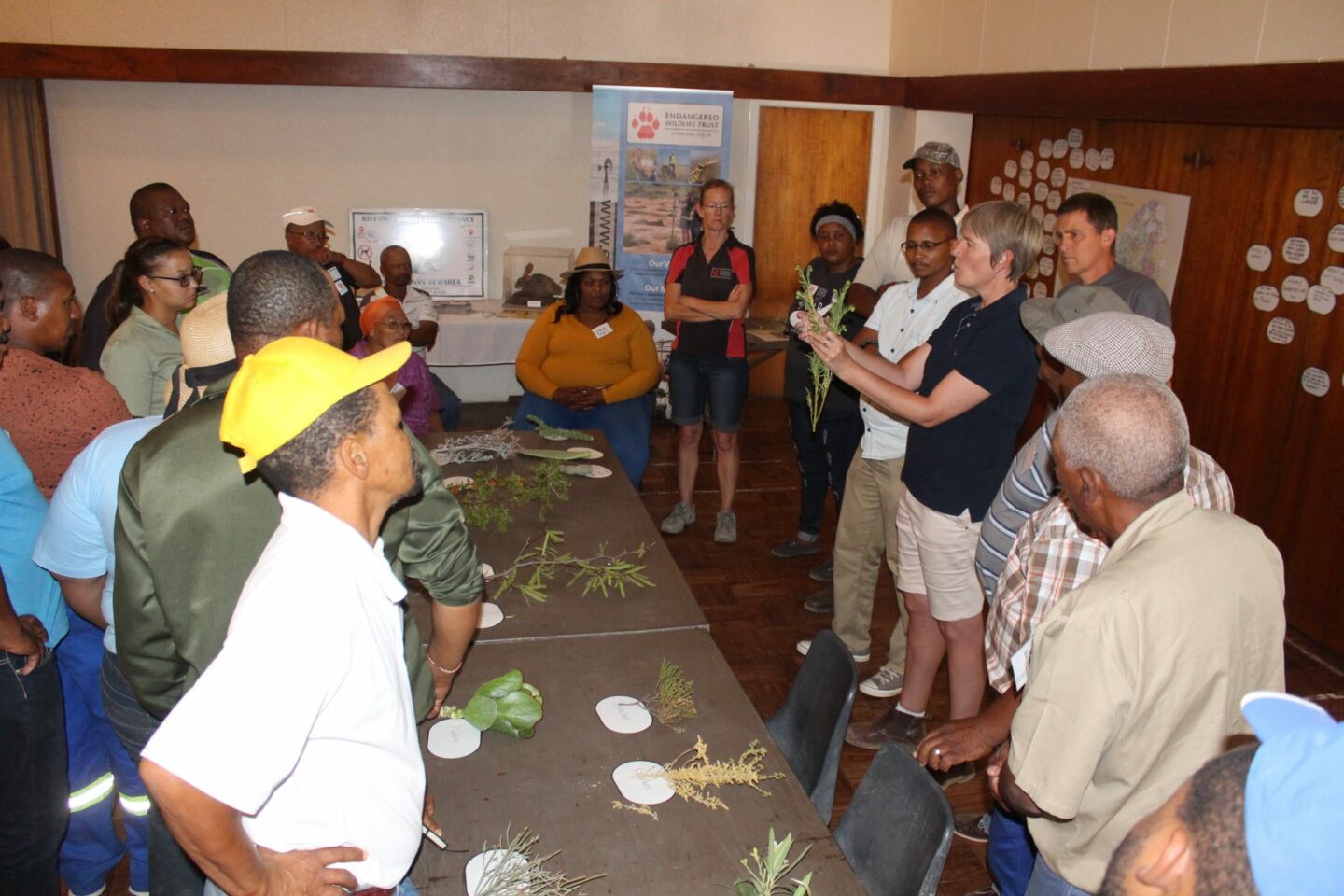
This digital approach to sharing knowledge not only reduces the carbon footprint of travel, but at this critical time in our country, allows participants to stay safe and maintain social distancing, as farmers can join in the discussions from the comfort of their homes. Fortunately, the Drylands Conservation Programme has a strong focus on technology in its approach to conservation, so we were inadvertently ready for the impact of Covid-19, with an already well-developed online platform to reach even the most remote farmers.


Thank you to the Global Environment Facility (GEF), the United Nations Development Programme (UNDP), and the Department of Environment, Forestry, and Fisheries (DFFE) for making this project possible.

Whether you have a passion for the Karoo, conservation, agriculture, or all three, please visit the Karooforever website to learn more about the exciting partnerships and project activities happening now.
Farm planning prioritised in Prieska

Farm planning prioritised in Prieska

FARM PLANNING PRIORITISED IN PRIESKA

Bonnie Schumann, Nama Karoo Coordinator, EWT Drylands Conservation Programme

BonnieS@ewt.org.za

The EWT and the Department of Agriculture, Land Reform and Rural Development (DALRRD) combined forces to bring Integrated Farm Planning and Management training to emerging farmers in the Prieska area. This is the second time the course is being presented in the Northern Cape; the first one was held in Loxton in February this year.

Sedrick Visser, Agricultural Advisor with the DALRRD, was instrumental in bringing the course to Prieska. “Sedrick is dynamic, energetic and very passionate about the work he does, this was clearly demonstrated as Sedrick shouldered the majority of the presentations in Prieska,” said the EWT’ s Bonnie Schumann. This is a great example of the train the trainers concept bearing fruit given that Visser and three other advisors attended the first course as part of the EWT’ s train the trainer approach. “Sedrick has set a very high benchmark for his fellow advisors to follow”, said Loraine van den Berg, from the Grootfontein Agricultural College, who played a mentoring role and also lectured during the course.

Altogether 17 participants attended the course, including four agricultural advisors. Farmers who attended the course provided very positive feedback regarding the contents and value of the course to their farming moving forward. Several farmers who attended the course have undertaken to work closely with Visser to complete their farm plan and implement key objectives they identified during the week to address sustainable land management issues on their farms.

The course focus is on key principles of sustainable land management and is a great example of how collaboration between agriculture and conservation can help achieve common goals by combining resources and knowledge, with farmers, and ultimately the Karoo environment benefitting.

This initiative forms part of the EWT’ s Karoo Forever project and is funded by the Global Environment Facility through the Department of Environmental Affairs and the United Nations Development Programme.

Farming for the future

Farming for the future

FARMING FOR THE FUTURE

Bonnie Schumann, Nama Karoo Coordinator, EWT Drylands Conservation Programme

Tourism in the Bokkeveld Plateau, near Nieuwoudtville in the Northern Cape, is currently almost exclusively confined to the spring flower season. This incredible floral display is largely attributed to the flowering of geophytes, which has resulted in the area claiming the as yet undisputed title of “bulb capital of the world”. There are, however, untapped opportunities to attract a year-round flow of visitors to enjoy nature-based activities in this unique part of the Northern Cape. This could help stabilise the tourism-centred economy and could lead to some great conservation spin-offs.

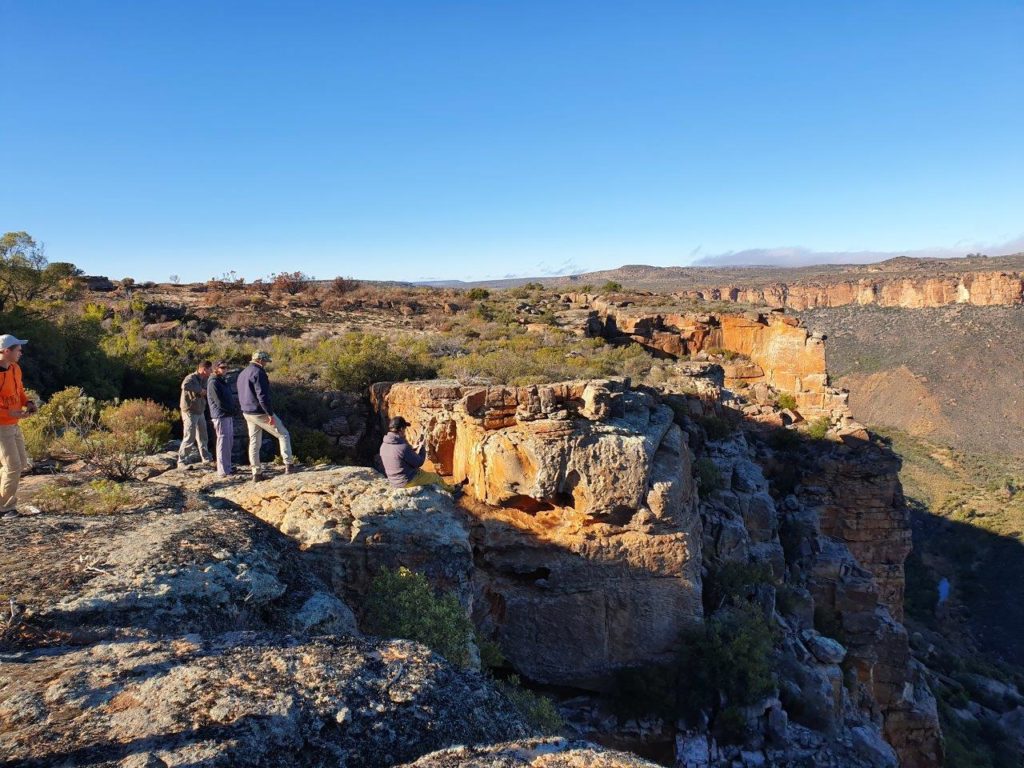
The EWT’ s Drylands Conservation Programme team recently visited this biodiversity hotspot, with the aim of exploring some innovative ideas for expanding nature-based tourism with local landowners and the Oorlogskloof Nature Reserve staff.

We spent time with the Van Wyk family, owners of the farm Papkuilsfontein, who have, for the past ten years, partnered with the Northern Cape Department of Environment and Nature Conservation as part of the Department’ s Biodiversity Stewardship Programme.

This programme has a unique connection to their farm as their vision is for each generation to leave the property in a better condition than what it was when they started farming. Willem van Wyk and his wife Mariette practiced this ethos, and their son Jaco and his wife Alrie are following in their footsteps.

This is a commercial sheep farm with conservation being part of this living working landscape, an approach which lies at the heart of the Stewardship Programme. Besides the incredible plant biodiversity, for which the region is famous, Papkuilsfontein is truly a birder’s paradise with 145 species encountered here at various times throughout the year. Raptors include the Martial and Verreauxs’ Eagles, kestrels, and the rare and Endangered Black Harrier, which nests on the property. The property is spectacular both in and out of the flowering season.

In recognition of the commitment of the Van Wyks to conservation, the EWT’ s Drylands Conservation Programme has selected Jaco and Alrie as Sustainable Land Management Champions. These champions form part of the EWT’ s Karoo Forever Project which promotes sustainable land management (SLM) in drylands. Our aim is to identify champions who are flying the SLM flag in their communities and work with them to promote sustainable land management.

By identifying and harnessing champions’ “institutional knowledge” and encouraging peer-to-peer learning, the project promotes dialogue and action to improve sustainable land management in drylands. This is especially critical as these arid landscapes are typically vulnerable to degradation, especially in the face of the predicted detrimental impacts of climate change.

On Papkuilsfontein, farming income and activities are complemented through successful diversification into tourism. Diversification into non-agricultural activities can build resilience and reduce risk by developing alternative income streams. The tourism infrastructure on Papkuilsfontein incorporates guest accommodation, a restaurant and hiking trails.

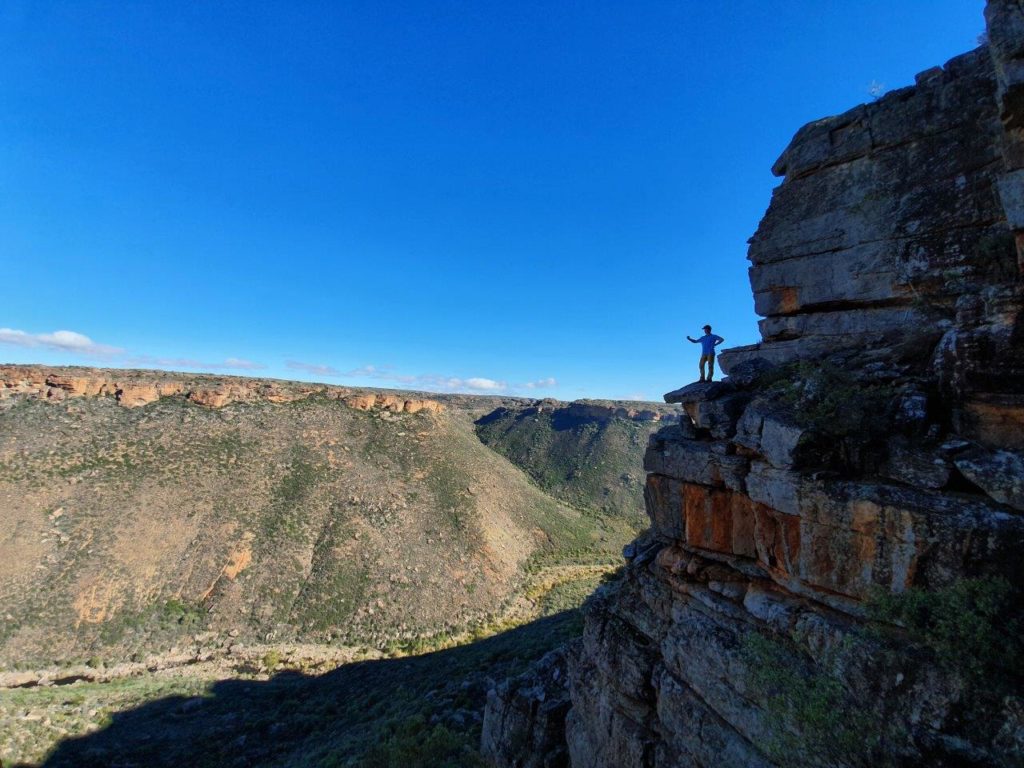
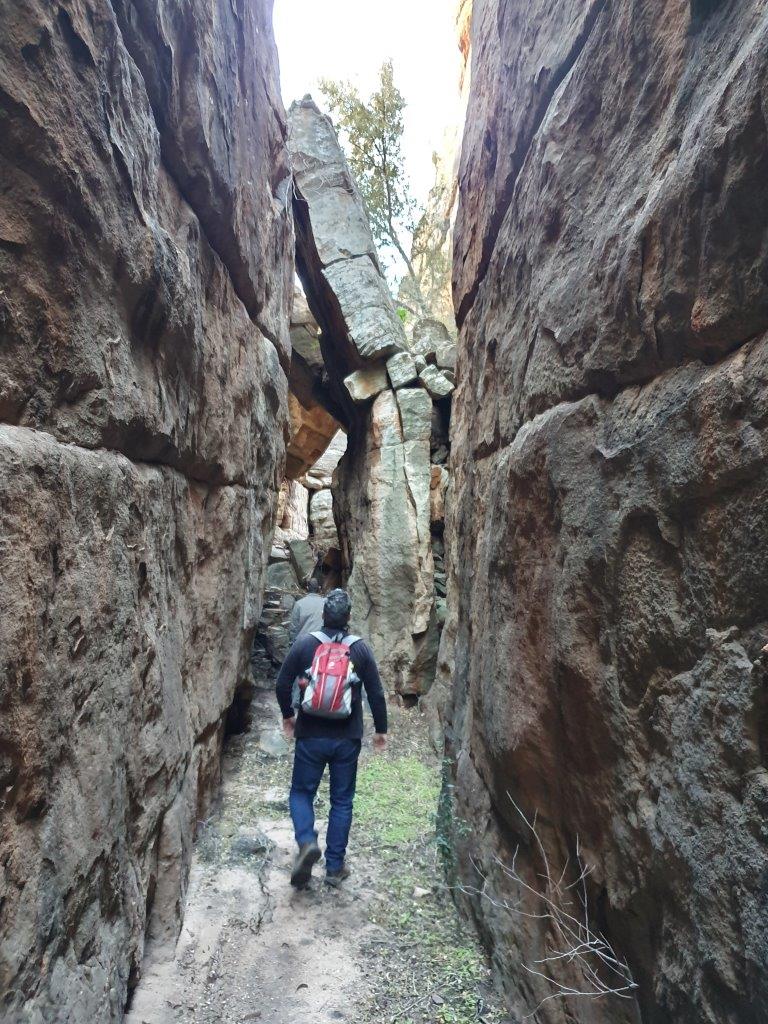
Plans are afoot to repurpose the old 4×4 route into a mountain bike route, an activity which has less impact on the environment and gets people out of their vehicles to enjoy the spectacular surroundings. Visitors to this unique area have the opportunity to learn about rock art, view the Oorlogskloof canyon, the waterfall and its geology, birds, the diversity of veld types, farming and conservation, and, of course, flowers during the spring season. Biodiversity, conservation and the integration of conservation into a farming landscape are discussed with visitors; this is a suite of topics that makes for lively discussion and highlights the critical role of conservation of natural resources outside formally protected areas. The landscape is truly unique and inspiring.

Our plans with the Van Wyk family are centred around options for the expansion of nature-based activities offered at Papkuilsfontein, as well as options for linking tourism initiatives with surrounding land owners and the nearby Oorlogskloof Nature Reserve.

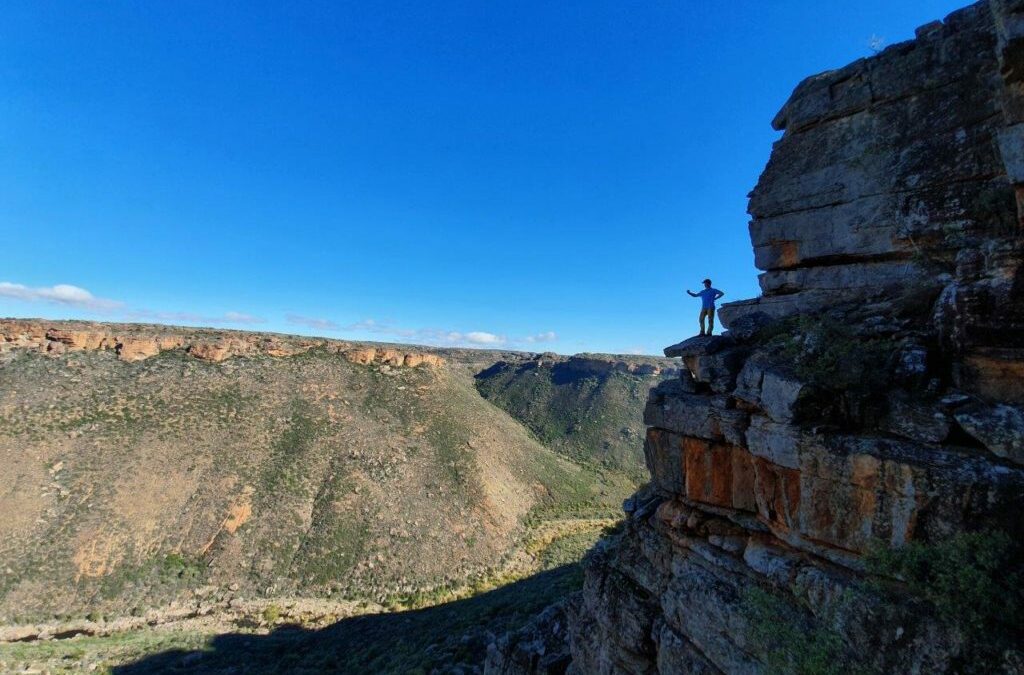
“One product idea being explored, is the creation of a Via Ferrata (a way of softening technical rock climbs through the introduction of safety points and rails) from Papkuilsfontein’ s magnificent sandstone cliff-tops down onto the steep, densely vegetated slopes which lead to the Oorlogskloof River some 200 metres below. And if this is possible, it would create a link to existing trails on neighbouring properties, thus opening up an important eco-tourism corridor and boosting the Green Economy in the region,” noted Nick Yell (a journalist who joined us on our visit to Papkuilsfontein) in his recent article that appeared in Sunday Times Travel Weekly.

With this in mind, the EWT’ s Cobus Theron invited seasoned rock-climbing guide, Justin Lawson, (ClimbZA) along to assess the property to explore this as a novel tourism option and search for possible routes. The entire plateau, from individual properties to activities linked across the landscape from the North to the South Bokkeveld, offers exciting options for expanding nature-based and adventure tourism; low-impact, high income activities that can operate independently of the temperamental flower season. Besides the spectacular biodiversity, a great deal of the appeal of the Bokkeveld is to be found in its remoteness and tranquil environment. Expansion of nature-based tourism will be based on maintaining the integrity of these qualities, in addition to creating a greater awareness and appreciation of the biodiversity of this unique area.

This initiative forms part of the EWT’ s Karoo Forever project and is funded by the Global Environment Facility through the Department of Environmental Affairs and the United Nations Development Programme.

For more information on the Karoo Forever project, contact:

Bonnie Schumann, Endangered Wildlife Trust, Drylands Conservation Programme, Cell: 072 122 4232, email: bonnies@ewt.org.za