Help protect Africa's 

Listening for the Voices: Connecting Traditional Knowledge and Conservation in South Africa

Listening for the Voices: Connecting Traditional Knowledge and Conservation in South Africa

Listening for the Voices: Connecting Traditional Knowledge and Conservation in South Africa

By Kutlwano Mokgoro, Legal Officer in the Wildlife in Trade Unit

 

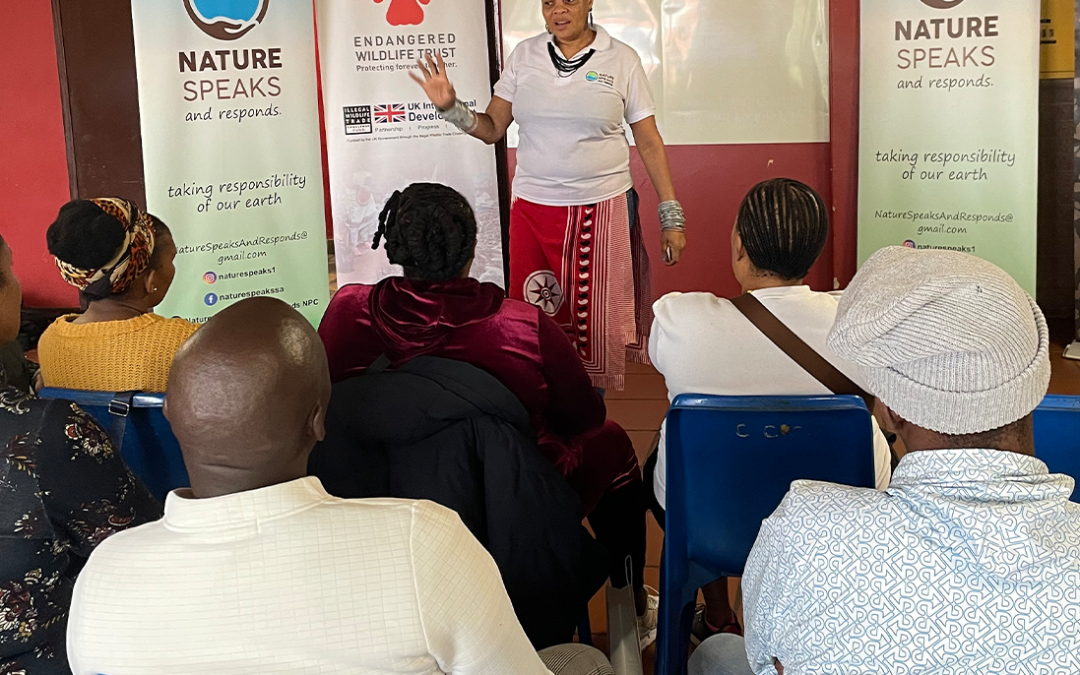
traditional knowledge conservation South Africa workshop healers discussion

Across the country, an important journey is unfolding – one centred not on wildlife sightings or field surveys, but on listening.

Through the Voices of Indigenous Communities on Environmental Sustainability (VOICES) Project, Gogo Nomsa Sibeko of Nature Speaks and Responds and I have been travelling to communities across the country in search of voices – voices of knowledge, experience, and wisdom rooted in traditional healing practices.

What is the Voices Project?

The VOICES Project seeks to better understand the realities faced by traditional healers in South Africa when accessing and using natural resources for traditional medicine. At its core, the project creates a respectful and safe space for healers to speak about their work, their knowledge systems, and the challenges they face in continuing practices that have been part of African healing traditions for generations.

These conversations provide valuable insights into the intersection between cultural heritage, community health, and environmental governance.

Traditional medicine remains a crucial part of healthcare for many communities. Central to its healing properties, however, is access to the natural resources used in Muthi. These include both plants and wildlife derivatives that have long held cultural and medicinal significance.

Through VOICES, we will host workshops across all 9 provinces, bringing together traditional healers eager to have their voices heard. In Tshwane, 15 traditional healers joined the discussion, sharing their experiences and perspectives. In Brakpan, the conversation expanded further with 19 participants, and in Soweto, 10 traditional healers gathered to contribute their voices to the project. Our conversation is continuing in Limpopo.

In each location, traditional healers have welcomed the project team with open arms, eager not only to share their knowledge, but also to listen, learn, and engage in dialogue about conservation and environmental governance.

Healing Resources and Conservation Challenges

Many of the species used in traditional medicine are listed under international and national conservation frameworks, including the Convention on International Trade in Endangered Species of Wild Fauna and Flora (CITES) and South Africa’ s Threatened or Protected Species (TOPS) Regulations.

Traditional healing practices rely on derivatives from animals such as lions, leopards, rhinos, and elephants, as well as plants widely used in traditional medicine. These include species such as the African Potato, African Ginger, and Pineapple Lily.

Because many of these resources fall under conservation regulations, healers often feel vulnerable and excluded from the systems that govern the very resources they rely on to treat and heal their communities.
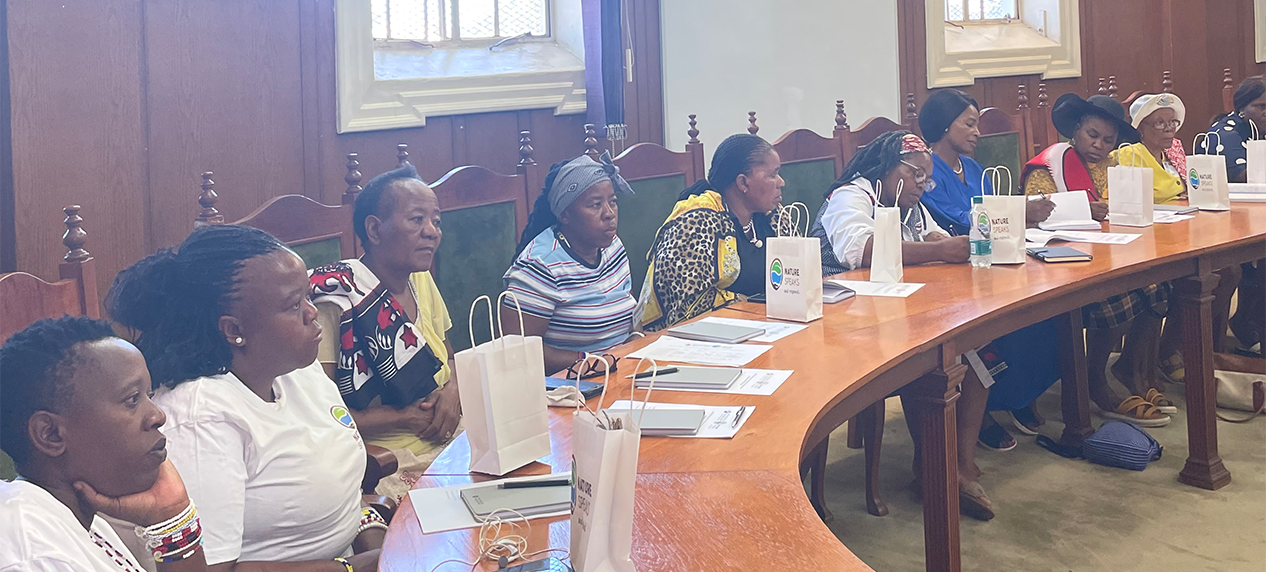
indigenous knowledge biodiversity conservation South Africa meeting

Bridging the Gap Through Dialogue

One of the most revealing preliminary findings from the VOICES Project has been that traditional healers are eager to engage with environmental governance systems, even when they feel those systems have historically excluded them.

Workshops have shown a genuine willingness among healers to learn about conservation laws, protected species regulations, and the frameworks that govern harvesting and trade.

Yet one issue consistently emerges as a major concern: permits.

Permits are crucial for healers, as they allow the lawful harvesting and use of certain species without fear of penalties or discrimination. However, through discussions in communities across Gauteng, the project team has learned that many healers simply do not know where or how to obtain these permits.

This knowledge gap highlights a significant disconnect between environmental governance systems and the communities affected by them.

The Importance of Listening

By travelling to communities and listening directly to healers, the VOICES Project is helping to illuminate these challenges while fostering mutual understanding between conservation actors and traditional healers.

Importantly, the project does not position healers as passive recipients of information, but as knowledge holders and partners in conversations about sustainability, heritage, and community wellbeing.

As the Project continues its journey across South Africa, its mission remains simple but powerful: to listen, to learn, and to ensure that the voices of traditional healers are heard in conversations about conservation and environmental governance. The insights gathered through the project will be consolidated into a report to be published on the EWT’ s LAWS (Land, Air, Water and Species) platform and formally shared with the Department of Forestry, Fisheries and the Environment. In doing so, the project aims to inform more inclusive, practical, and culturally responsive policy and regulatory approaches – particularly in relation to permitting systems and access to medicinal resources – while recognising traditional healers as key stakeholders in the sustainable use and conservation of biodiversity.
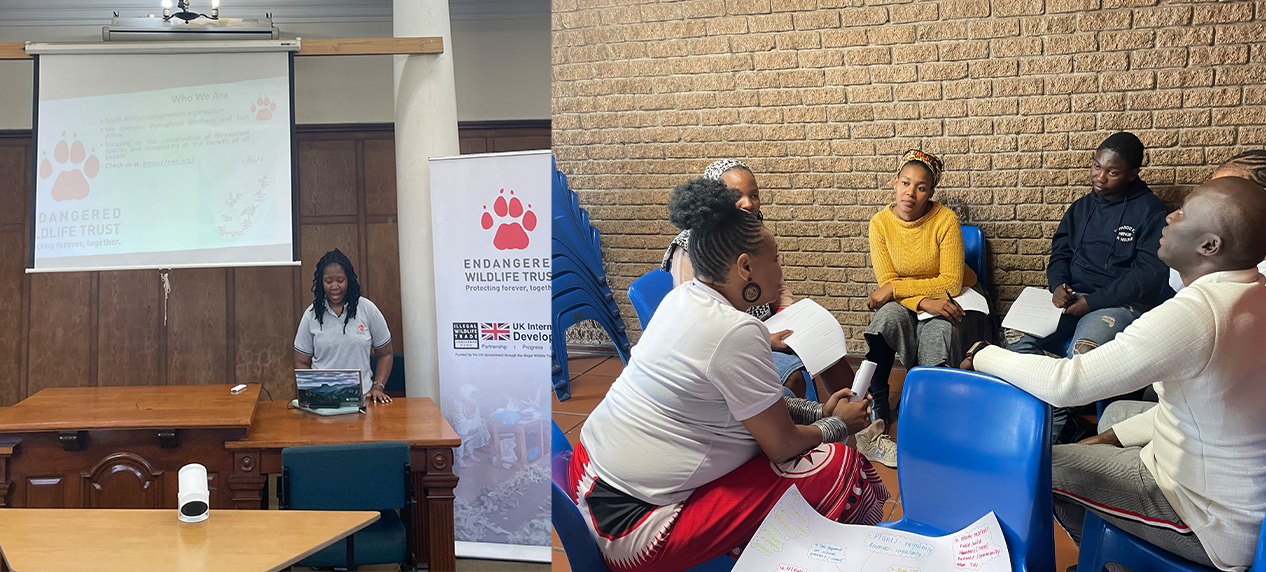
VOICES Project traditional healers community engagement Gauteng

Beyond compliance: rethinking biodiversity offsets as catalysts for conservation

Beyond compliance: rethinking biodiversity offsets as catalysts for conservation

Beyond compliance: rethinking biodiversity offsets as catalysts for conservation

By Kishaylin Chetty – Executive: Head of Sustainability, Endangered Wildlife Trust


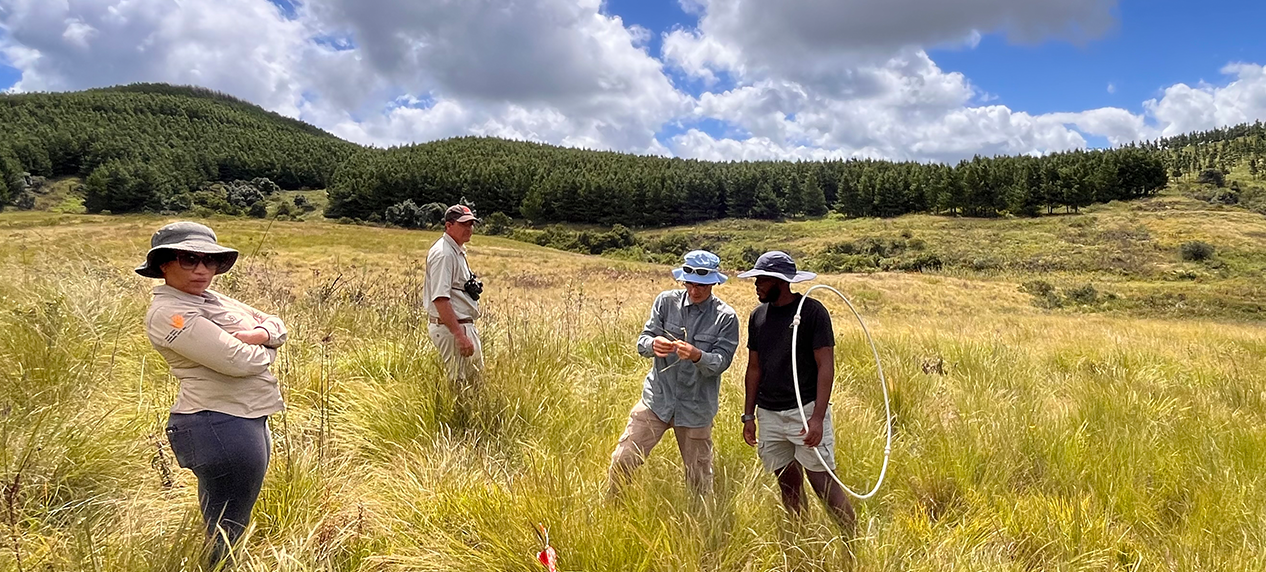
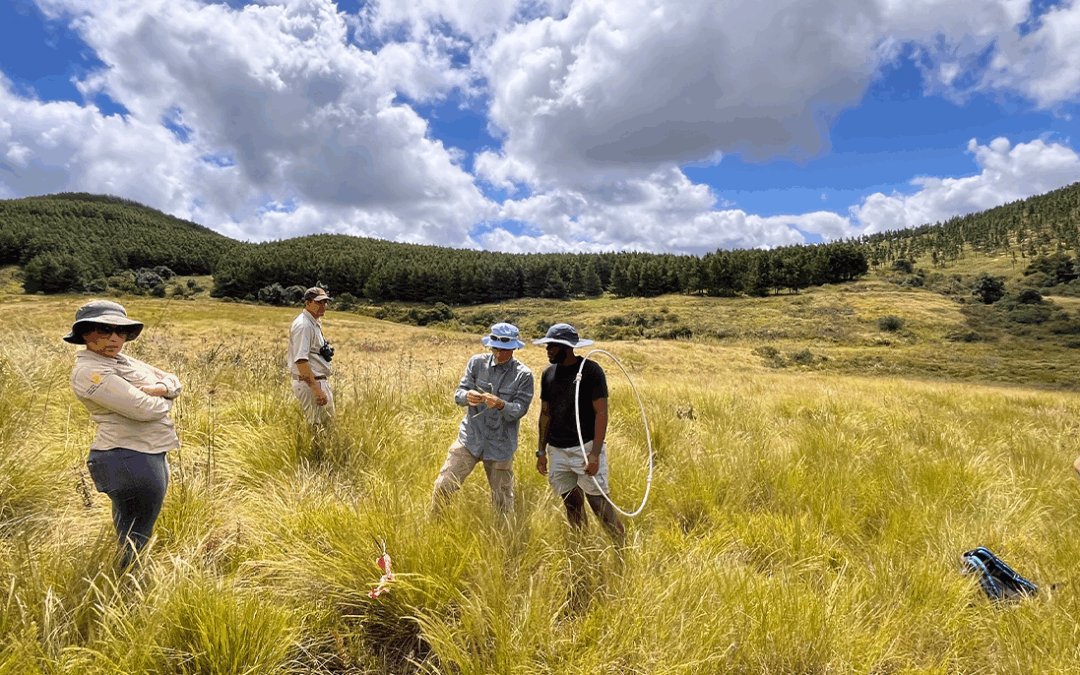
EWT ecologist conducting habitat assessment for offset planning

Biodiversity offsets have become an increasingly important tool in environmental governance in South Africa. They are often required in Environmental Authorisations or Water Use Licenses, when residual impacts on ecosystems cannot be avoided, minimised, or rehabilitated.

But as with any tool, the design and application of offsets can either add genuine value to conservation or, if poorly managed, undermine the very systems they are meant to protect.

At the heart of responsible environmental management lies the mitigation hierarchy: avoid, minimise, rehabilitate, and only then, as a last resort, offset.

Offsets are a form of compensation for biodiversity losses that remain after every possible effort has been made to avoid and reduce harm. Too often, this hierarchy is inverted in practice, with offsets presented as a bargaining chip to justify destructive projects. This approach risks weakening conservation outcomes. Getting this right means ensuring that offsets never replace avoidance, minimisation, or rehabilitation. Instead, they should only apply to residual impacts that are truly unavoidable. Anchoring offsets within the mitigation hierarchy ensures that conservation is not treated as an afterthought, but as an integral part of development planning.

Globally, there is consensus on core principles that should guide biodiversity offsets, and the Endangered Wildlife Trust (EWT) has long championed their application in South Africa. These include:

Like-for-like or better: Offsets must conserve or restore ecosystems of the same type and ecological value as those lost or achieve a demonstrably greater gain in ecological terms.

Additionally, where offsets must deliver conservation outcomes that would not have occurred without them, they must achieve beyond what is already required under law or existing commitments.  There needs to be permanence where offset sites are secured for the long term to ensure they are legally protected and financially resourced to prevent future degradation. Measurability is required where outcomes must be quantifiable, independently verified, and reported transparently,  and Equity is vital where offsets should align with local community needs, ensuring benefits flow to those living alongside conserved landscapes.

The credibility of offsets hinges on these principles. Anything less risks “paper offsets” that look good in authorisations, but fail in practice.

At the EWT, we believe that offsets must add genuine value to conservation, not simply “greenwash” development. We play a critical role in ensuring:

  • Offsets are aligned with national and provincial biodiversity priorities, designed for measurable outcomes, and developed transparently.
  • That offsets are costed and financially modelled to calculate the realistic, long-term costs of securing and managing offset sites, avoiding the collapse of initiatives once short-term project funding ends.
  • Offset projects bring together ecologists, ESG specialists, lawyers, community specialists, and financial modelers to ensure commitments on paper translate into long-term conservation in practice.
  • That we work with government and private sector partners to strengthen guidelines, ensuring biodiversity offsets are consistent, enforceable, and credible.

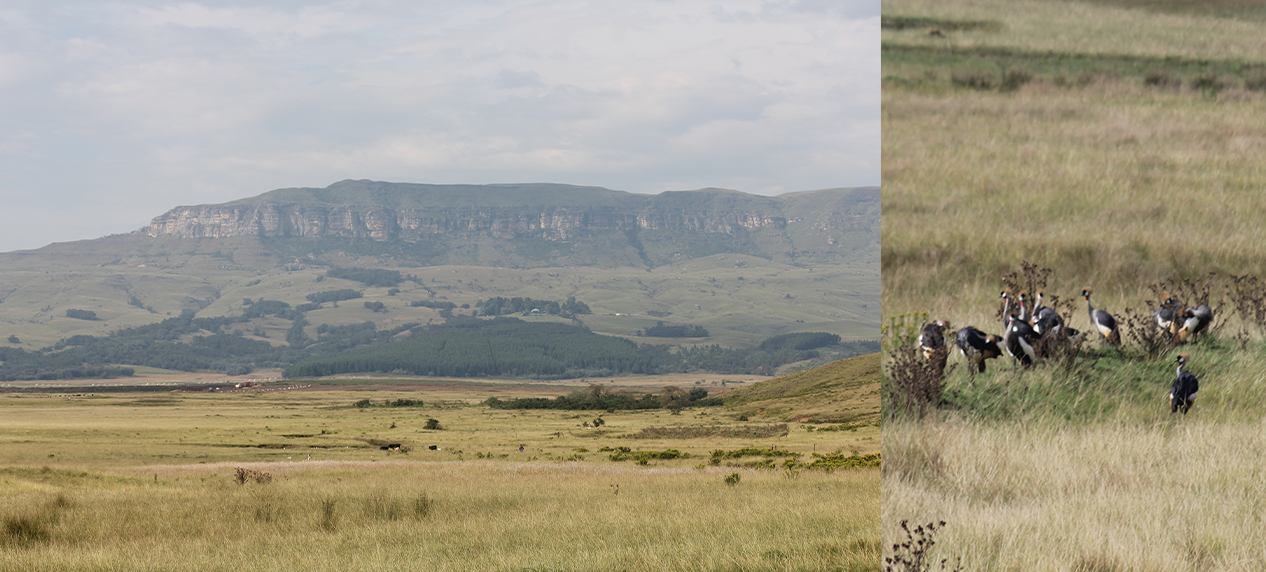
Wetland restoration project site representing biodiversity offset success in South Africa

Wetland restoration project site representing biodiversity offset success in South Africa

Importantly, biodiversity offsets should never be seen as a license to destroy. They are a last resort within the mitigation hierarchy. But equally, the legal requirement to implement offsets should not discourage developers from investing in positive conservation projects outside of regulatory obligations. This is where true leadership lies. Companies can and should go beyond compliance by voluntarily supporting conservation action, even when not mandated.

Such investments can strengthen landscape resilience and water security against climate change; build trust with communities and regulators; demonstrate genuine corporate responsibility to shareholders and society; and leave a legacy of ecological and social benefits that extend beyond the life of a development project.

Positive conservation action does not only mitigate harm, but it also actively enriches the landscapes in which businesses operate.

Offsets, when poorly designed, risk becoming tick-box exercises that fail biodiversity. But when guided by science, aligned with conservation priorities, and implemented with rigour, they can secure ecologically critical habitats, mobilise private capital for conservation, and help achieve global biodiversity goals, such as protecting 30% of land and sea by 2030. The challenge now is to shift from vague conditions and under-enforced authorisations toward a system of accountable, bankable, and conservation-driven offsets. If South Africa gets this right, biodiversity offsets will not just compensate for damage, they will leave our landscapes richer, more resilient, and better prepared for the challenges of the future.

Ultimately, legal compliance should be the minimum. The real opportunity is for developers to embrace conservation as a shared responsibility, going beyond what the law requires, and becoming true partners in safeguarding Africa’ s natural heritage.