Help protect Africa's 

The Environment’s Hide and Seek Champions

The Environment’s Hide and Seek Champions

The Environment’s Hide and Seek Champions

Finding what was once lost – Why does it matter?

By Dr Darren Pietersen, project Manager,  and Dr Samantha Theron,  conservation researcher


Blyde River Flat Geckos

Left: Blyde River Flat Geckos (Afroedura rondavelica)

In a world that is increasingly, and sometimes irreparably, being impacted by human development, it is inevitable that we will lose species forever through extinction. But,  luckily, some species are lost for other reasons and can, in a manner of speaking, be ‘brought back from the dead’. These are termed ‘Lost species’.

What are ‘Lost species’?

Re:wild and the International Union for the Conservation of Nature Species Survival Commission (IUCN SSC) designate a species as being lost for a number of reasons.   These are:

  • if it has not been scientifically documented in at least 10 years – there have been no formal reports of this species in at least a decade ),
  • it is not formally listed as Extinct on the IUCN Red List of Threatened SpeciesTM (the global barometer of how life on Earth is faring, and which guides conservation efforts), and
  • there is no captive population being held in any zoological garden or similar ex-situ

Lost species often share characteristics such as being secretive. occurring at low densities and being found in areas that are difficult to access. Additionally, these species are difficult to detect, or are only known from a type specimen or a handful of specimens.  The type specimen is the specimen that the species’ name is attached to, and which is often the first specimen that was collected of that species.  or a handful of specimens.

Why do we look for lost species?

For one, the quest to rediscover a lost species often takes the searchers into areas that few other scientists have visited, This  sometimes leads to additional discoveries of species that are new to science.

These species also sometimes inhabit areas of such high biodiversity and endemism that these areas warrant formal recognition and protection, and the ancillary species diversity and distribution data that are gathered during the search for a lost species helps support this decision-making process. But, more importantly, finding lost species sheds light on the conservation status of these species,  allowing us to assign them to the most appropriate threat category on the IUCN Red List. This in turn guides what conservation measures are required to protect the species, and what resources, if any,  should be dedicated to these species’ conservation.

Under the Kunming-Montreal Global Biodiversity Framework (KMGBF), signatories are required to halt the loss of biodiversity by 2030, and rediscovering ‘Lost’ species directly supports this ambitious goal. Sometimes a species is considered lost simply because it occurs in an inaccessible area where the population is actually thriving and not in need of immediate conservation attention. In such cases, limited conservation resources can rather be diverted to another species that is in greater need of immediate protection.

In other instances, lost species have are deemed absent as a result of  changes in land use or other anthropogenic activities. In these instances, the species are often in urgent need of targeted conservation action, sometimes to the extreme where a captive population needs to be established to conserve the species until suitable habitat is either secured or restored, and the animals or plants can be returned to the wild.

How does one go about finding a ‘Lost’ species?

Re:wild hosts a list of currently recognised lost species on their website. Therefore, rediscovering thse species involves first identifying which one you are setting out to find. This is followed by extensive research, learning all there is to know about your species of interest, as well as any closely related species. It provides the necessary background information on where and when the best time would be to search for the species, and the best survey techniques to employ to maximise your chances of finding your quarry. Sometimes the best approach to rediscover a lost species is good old-fashioned leg-work – spending hours, days or even weeks,  scouring suitable habitat in search of  a particular species.

Sometimes you are rewarded, as was the case of the Blue-tailed Sandveld Lizard (Nucras caesicaudata) where we documented not one, but three records of this highly elusive species in the past year – with the only other record since this species’ formal description in 1972 being a site record in 2002.

Blue-tailed Sandveld Lizard

Left: the Blue-tailed Sandveld Lizard (Nucras caesicaudata)

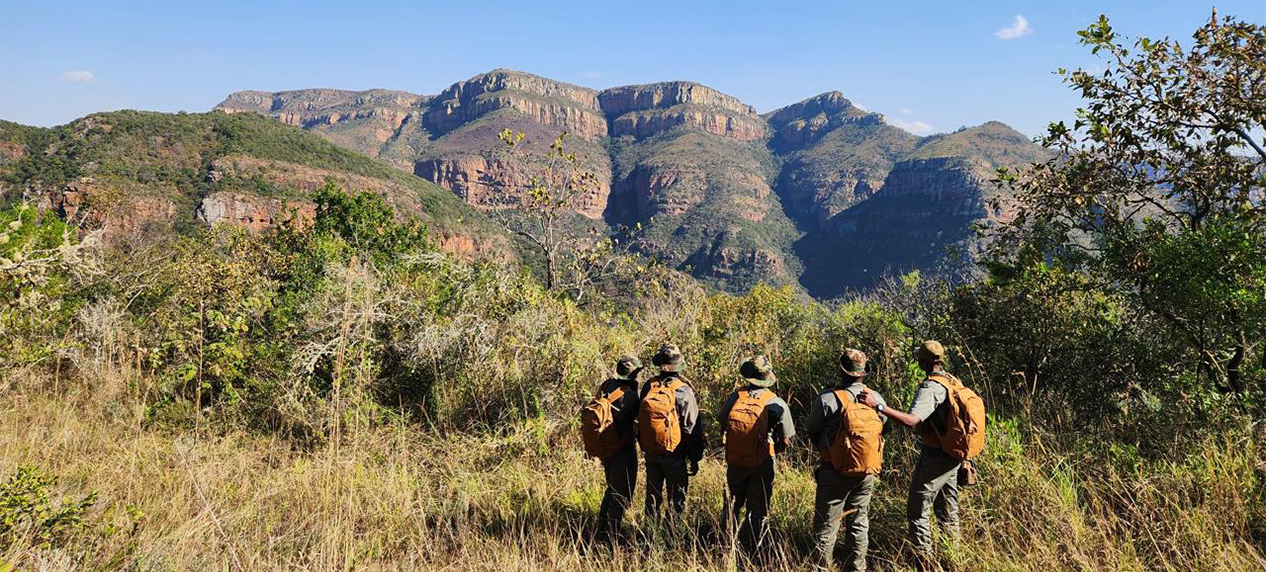
At other times all that is required is visiting an inaccessible site.  An example was the expedition we undertook in early 2025 that led to the discovery of a thriving population of Blyde River Flat Geckos (Afroedura rondavelica) – a species which up until then was only known from two specimens collected in 1991.

Other species are far more cryptic and require a more targeted approach. This was the case with the rediscovery of de Winton’s Golden Mole (Cryptochloris wintoni) which  had been lost for 87 years. In this instance, scent-detection dogs and targeted Environmental DNA (eDNA) sampling led to the rediscovery of this cryptic, secretive species.

eDNA sampling is a technique whereby environmental samples (usually soil or water samples) are collected and genetically analysed to infer what species are present in an area through sequencing the DNA fragments that all lifeforms shed as they navigate their environment.  Using DNA sequences from closely related species, our eDNA specialist, Dr Samantha Theron, was able to generate genetic primers that would specifically amplify golden mole DNA, a step  which ultimately led to the rediscovery of this species.

During the project to rediscover the De Winton’s Golden Mole, soil samples were collected from the moles’ underground foraging tunnels. The eDNA   extracted from these samples enabled genetic verification of the species, helping the surveillance team to determine where to focus their search. Our scent detection dog, Jessie, who had been trained specifically to sniff out golden moles, assisted the team in locating these tunnels. We eventually trapped  a live mole to obtain a genetic sample for species verification.

Environmental DNA sampling has been gaining traction globally as a biodiversity surveillance and monitoring approach, and has also been used to find other lost species across the globe. Surveys in the Atlantic Coastal Forest and Cerrado grasslands used eDNA to confirm the presence of the Bocaina Giant Frog, Megaelosia bocainensis, which had not been seen in decades.  Researchers have applied eDNA surveys around Lake Tota in Columbia to search for the elusive Fat Catfish that had been lost since 1957.  In Wales, eDNA was used to screen waterways for the Yellow Sally Stonefly (Isogenus nubecula), which was assumed locally extinct across major Welsh river systems for many years.


Although eDNA is revolutionising conservation science in many ways, it is not without limitations. One of the challenges of eDNA-based surveys is the availability of reference DNA barcode sequences in online repositories, as species identification depends on these. This may pose a particular challenge in the search for lost species, many of which may not have any reference DNA sequences available at all. However, in these cases it is always possible to determine the origin of the eDNA down to a certain taxonomic level, such as family or genus, which may provide sufficient insight when surveying large areas and using eDNA to determine where to focus more targeted surveys.

eDNA is one of many innovative approaches used to search for elusive species, and when combined with approaches, such as camera trapping, drones, acoustic surveillance or scent-detection, doors that had been shut for decades can be opened to the rediscover species.

So what does the future hold?

There is no shortage of lost species to search for, with Re:wild listing more than 4,300 ‘lost species’ across 200 countries.

The EWT, through our Biodiversity Surveys or Bioblitz Program and other targeted initiatives, will continue to search for lost and new species throughout southern and East Africa, gathering valuable data on the distribution and taxonomy of other species in the process.

These data will help inform conservation initiatives and guide the application of resources, alongside our continuous engagement with  relevant governments and stakeholders to ensure targeted and timely conservation of (re)discovered species, while simultaneously trying to prevent additional species from being entered onto the ‘Lost species’ list.
Uncovering Hidden Biodiversity in Northern Malawi

Uncovering Hidden Biodiversity in Northern Malawi

Uncovering Hidden Biodiversity in Northern Malawi

By Dr Samantha Theron, EWT conservation researcher


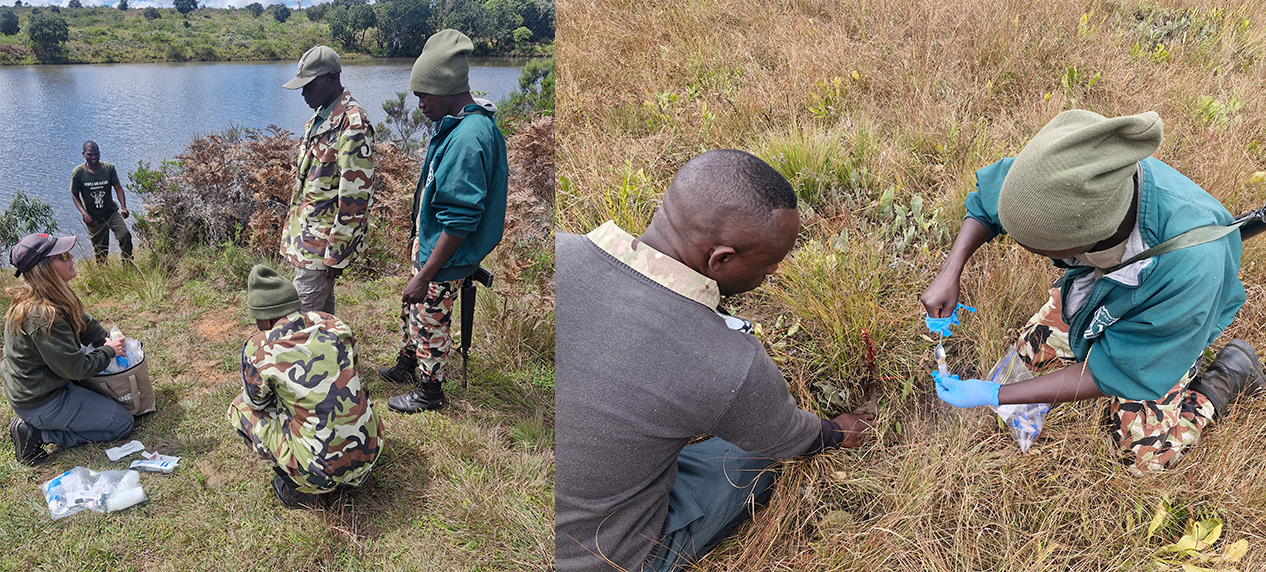
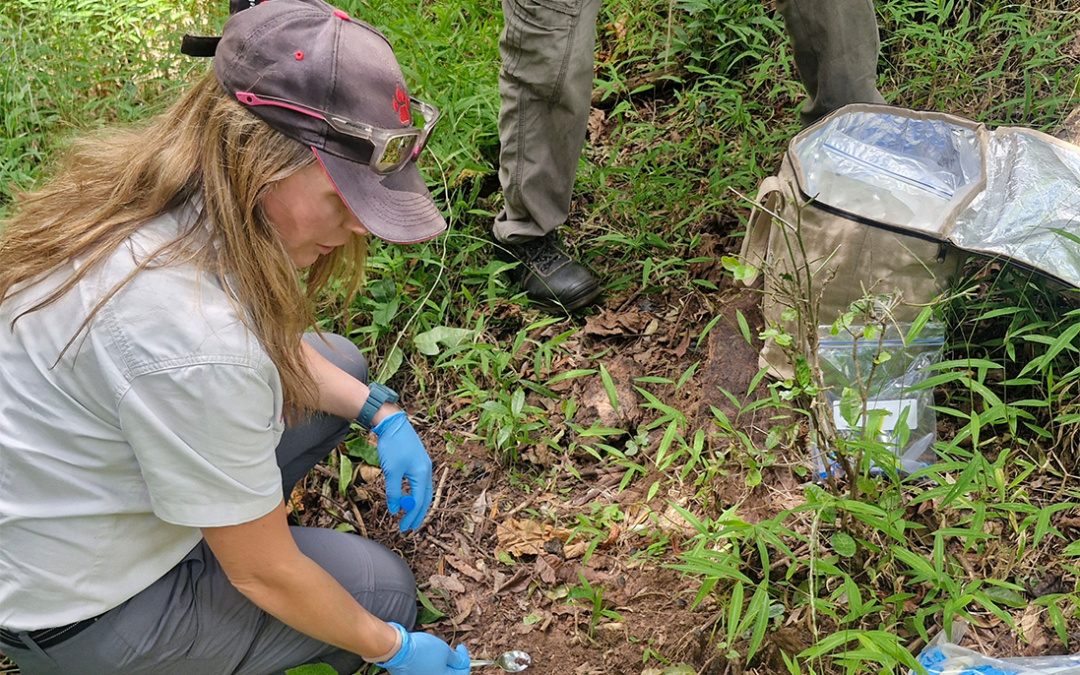
Field team conducting eDNA biodiversity surveys in Malawi's Nyika National Park wetlands and rivers.

Deep in the heart of Africa, situated between two major faults of the African Rift Valley – Lake Malawi and the Luangwa Valley – lies the Nyika Plateau.  This is the largest montane complex in south-central Africa.

The plateau, along with its surrounding escarpments and hills, comprises the 3,134 km² Nyika National Park (NNP), a  protected area that is not only a sanctuary for diverse fauna and flora, but which also plays a vital role in safeguarding some of the most significant water catchment areas in northern Malawi. The name “Nyika,” means “where the water comes from,” and reflects its importance as one of Malawi’ s key water catchment areas.

Several rivers, including the North Rumphi, Chilinda, Runyina, and North Rukuru, originate on the Nyika Plateau and ultimately flow into Lake Malawi. To the southwest lies the 986 km² Vwaza Marsh Wildlife Reserve. Water from the Hewe River, which originates in Nyika National Park, creates a marsh in the northern part of the reserve. Together with Nyika National Park in Zambia, these protected areas form part of the Malawi-Zambia Transfrontier Conservation Area.

Since a 20-year co-management agreement was signed between Malawi’ s Ministry of Tourism and Peace Parks Foundation in 2023, efforts have focused on managing Nyika and Vwaza as a connected landscape. Understanding the biodiversity within these areas is an important part of effective conservation planning. It is in this context that the Endangered Wildlife Trust (EWT) was recently approached to conduct an environmental DNA (eDNA)-based vertebrate biodiversity assessment of Nyika.

Environmental DNA (eDNA) sampling in Nyika National Park, Malawi, to uncover hidden vertebrate biodiversity.

Finding traces of wildlife through eDNA

Environmental DNA (eDNA) is genetic material that animals leave behind in their surroundings. This includes skin cells, hair, faeces and other biological material.  By analysing environment samples from, for instance, water, soil and sediment, scientists are able to determine which species are present.

However, eDNA also has limitations. Species identification depends heavily on genetic reference databases such as GenBank and BOLD, and many species from remote and under-sampled regions are not yet represented in these databases. As a result, some DNA sequences can only be identified to a broader group, such as a genus or family.

This is particularly important in regions where cryptic species may occur. Animals that appear identical may be genetically different, meaning conventional surveys can underestimate biodiversity.

From the plateau to the laboratory

The Nyika assessment involved 10 sampling sites selected to represent ecologically important habitats and key points within the park’ s water systems. Fieldwork began with training Nyika staff and rangers in water and soil sampling techniques.

At Lake Kaulime, participants learned how to collect water samples. Soil sampling was subsequently demonstrated in forest patches, where the rangers contributed their own knowledge of animal activity and visible trails to help identify suitable sampling locations.

The trained field team then collected samples from a range of environments, including wetlands, forests, waterfalls and river systems. Some of these locations required challenging hikes through dense vegetation and steep terrain.

The samples have subsequently been transported to the EWT laboratory in Stellenbosch. Here, we will isolate DNA, amplify genetic barcodes, sequence the DNA and compare the barcode sequences with existing reference databases to identify the species represented in the samples.

A baseline for future conservation

The project is intended to provide an initial baseline of vertebrate biodiversity in Nyika while testing the usefulness of eDNA as a biodiversity monitoring tool in the landscape.

The results could identify species that are difficult to detect through conventional surveys and highlight areas or taxonomic groups requiring further investigation. They may also reveal previously unrecognised genetic diversity and potentially point to species that are unknown to the park, or even to science.

Importantly, this first survey is not expected to provide a complete inventory of Nyika’ s biodiversity. Seasonal changes in animal activity can influence which species are detected, meaning repeated sampling across different habitats and times of year will be necessary to build a more comprehensive picture.

There is also an urgent need to expand genetic reference databases for species occurring in the region. As new reference barcodes are generated, the accuracy and value of this and future eDNA surveys will increase.

Environmental DNA is no longer a new scientific technique, it is gaining traction globally as an important tool for monitoring biodiversity. For Nyika, it may prove to be highly valuable in establishing the information needed to understand, monitor and ultimately protect one of Malawi’ s most important interconnected landscapes, its wildlife, its forests and, ultimately, the valuable water sources that give Nyika its name.

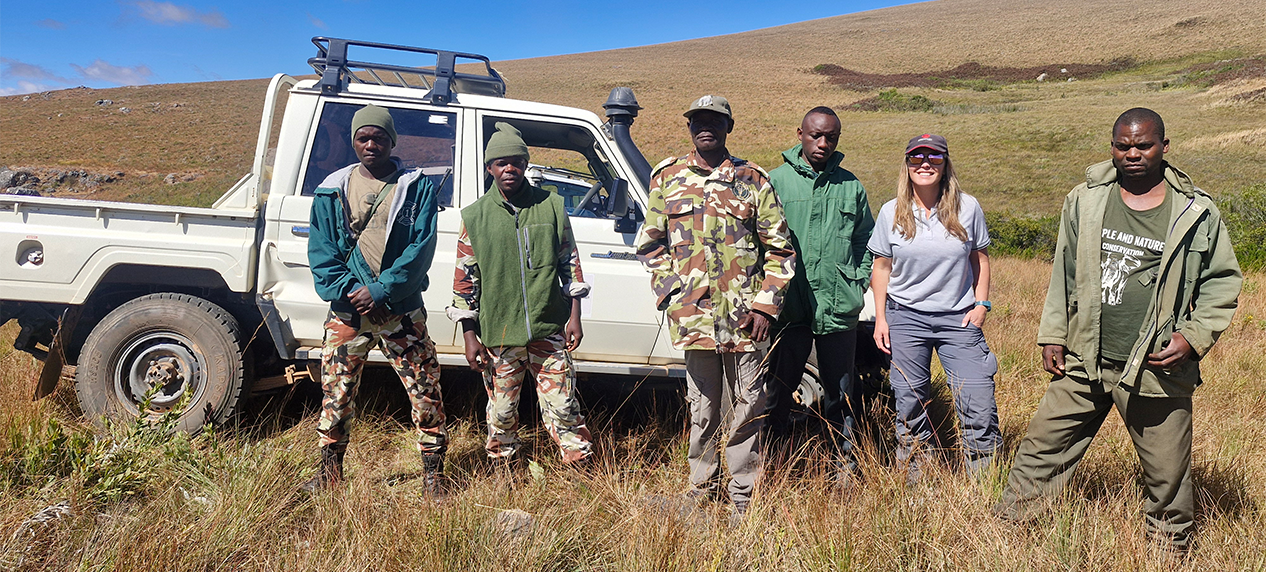
EWT researchers collecting water samples for eDNA biodiversity monitoring on the Nyika Plateau.

** This project is undertaken in collaboration with Peace Parks Foundation (PPF) and funded by the Deutsche Postcode Lotterie (DPL) (German Postcode Lottery).

EWT Drylands Conservation team participates in 2024 Fynbos Forum

EWT Drylands Conservation team participates in 2024 Fynbos Forum


EWT Drylands Conservation team participates in 2024 Fynbos Forum

By Dr Samantha Mynhardt and Insauf De Vries

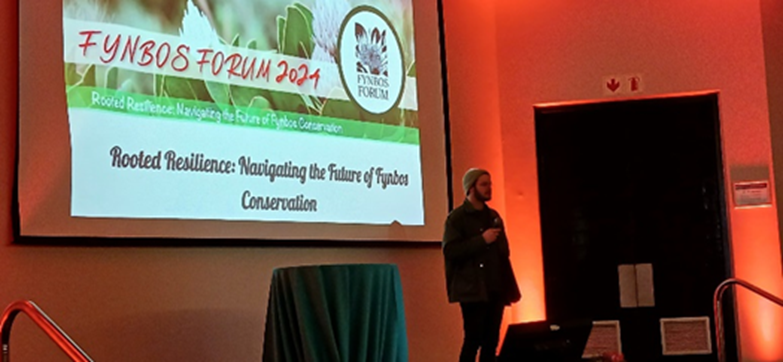
Renier Basson speaking about insects and fynbos conservation

Members of the EWT’ s Drylands Conservation Programme (DCP) participated in this year’ s Fynbos Forum in Stellenbosch earlier this month, sharing information about efforts to conserve golden moles and insects, and the partnership with communities to promote tourism in areas rich with Fynbos.

The forum, first held in 2020, is an affiliation of natural scientists, researchers, planners, managers, landowners and stakeholders that meet annually to discuss the collaborative production of knowledge that underpins regional conservation efforts in the Fynbos biome in South Africa. As a transdisciplinary regional learning network, the forum supports discussions on management issues and research results, and formulates priorities for future research and conservation management actions required to ensure the conservation and sustainability of Fynbos ecosystems.

Notable keynote speakers included Dr. Jasper Slingsby from the University of Cape Town, who spoke about BioSCape – The Biodiversity Survey of the Cape, and Rupert Barnard and Michelle de Bruyn from non-profit, Wild Restoration. They spoke about the collaborative action network for invasive clearing groups in the Greater Cape Floristic Region and the power of partnerships in conservation.

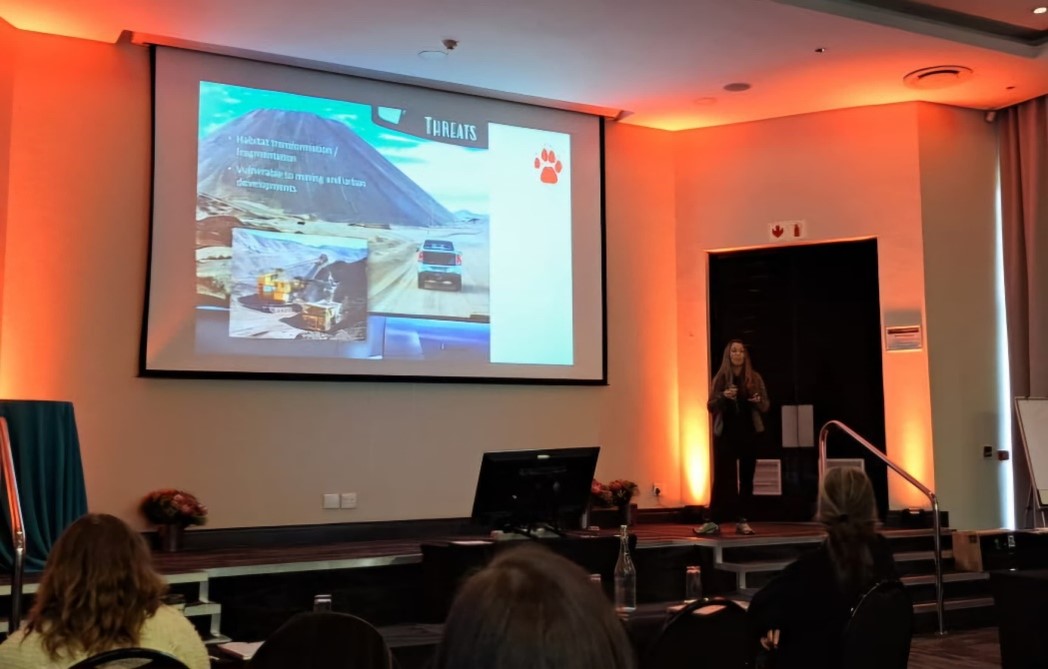
From the EWT’ s DCP team, Dr Samantha Mynhardt presented a talk on golden moles entitled “Conserving the Golden Moles of the South African West Coast”. Golden moles are subterranean mammals that are endemic to sub-Saharan Africa, many with restricted ranges due to poor dispersal ability. These moles are highly vulnerable to population fragmentation and isolation and continue to face ongoing threats, such as habitat transformation, mining, and agriculture. Of the 21 species, ten are listed as either Critically Endangered, Endangered or Vulnerable on the IUCN Red List. A total of 6 occur in the Drylands of South Africa, some of which overlap with the Fynbos biome. Dr Mynhardt spoke about how the EWT has been working towards the conservation of the De Winton’ s- (Cryptochloris wintoni) and Van Zyl’ s- (Cryptochloris zyli) Golden Moles, by developing methods to track them down in the wild, better understand their distribution, and protect their habitat. Including how, after trialing various detection methods such as thermal imaging drones, scent detection dogs and environmental DNA (eDNA), we were able to rediscover the De Winton’ s golden mole in 2023 – a species that had been lost to science for over 80 years. We are using eDNA to map golden mole species distributions; an approach that has the potential to revolutionise the field of conservation science.

Alrie van Wyk presenting about the Papkuilsfontein initiatives

Dr Samantha Mynhardt speaks about the conservation of golden moles on South Africa’ s West Coast

Team member Renier Basson presented a talk on the endemic and Endangered insects of the Fynbos highlighting unique species that are adapted to the Fynbos biome, and species that are of conservation concern. The aim of his talk was to inform the audience about the elusive biology of endemic insects , the ecological role they play, their threat status, and why they are threatened. There are approximately 9,000 Fynbos species and roughly 70% of those are endemic. Discussing threatened taxonomic groups such as Restio Grasshoppers (Betiscoides spp.), butterflies in the genera Chrysoritis, Thestor, Orachrysops and Trida, and Cape Stag Beetles (Colophon spp.), he mentioned that the biology of many of these threatened groups remain unknown, which makes decision-making in terms of conservation very challenging.

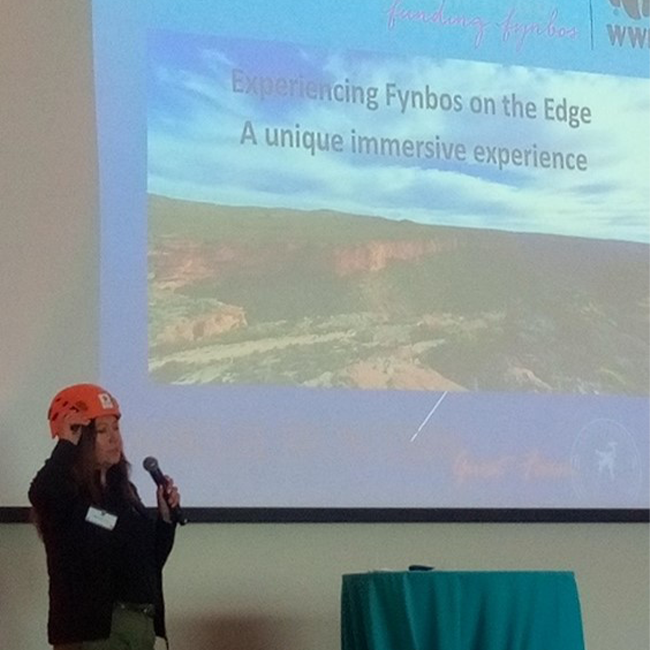
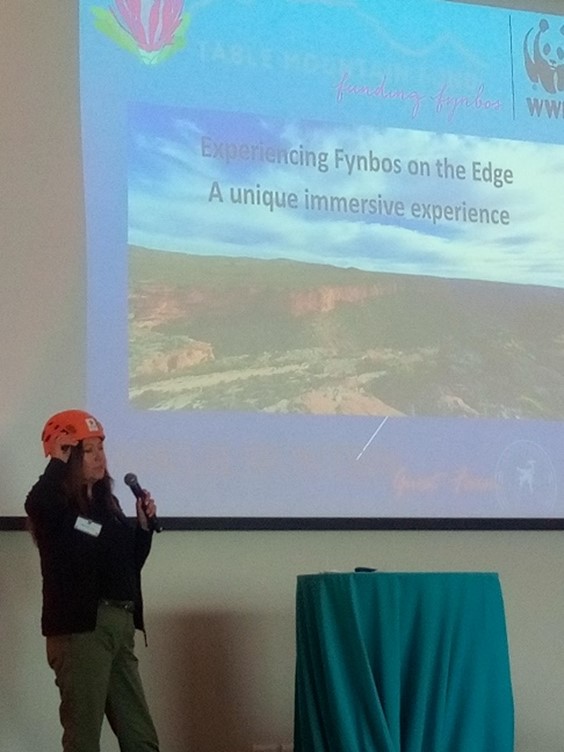
Alrie van Wyk, one of the DCP stewardship landowners, spoke about the EWT’ s Via Ferrata initiative at Papkuilsfontein Guest Farm in a talk entitled “Experiencing Fynbos on the Edge”. The Via Ferrata roughly translates to iron trail – in reference to an iron cable installed along the cliffs of the Oorlogskloof Gorge at the farm. Situated on the Bokkeveld Plateau, near Nieuwoudtville, the farm contains unique Fynbos and Succulent biomes, which are both biodiversity hotspots, as well as the Nama Karoo Biome. The convergence of the various biomes results in exceptionally high biodiversity. Nieuwoudtville is known as the bulb capital of the world and is thus a popular tourist destination during the flower season. But, this season is short and, in some years, less financially beneficial due to poor flower displays. To make tourism an inclusive and sustainable future economic contributor in support of sustainable land management, partners are working together to reimagine this approach. As such the EWT-DCP team introduced the van Wyks to adventure tourism as a means to provide a much-needed opportunity to develop a sustainable income stream based on an immersive and uniquely tailored experience. This includes a Via Ferrata – a safe, guided rock-climbing experience within the Papkuilsfontein protected environment that showcases the unique Fynbos biodiversity found on the edges of the Oorlogskloof Gorge. Alrie’ s presentation highlighted how this project became a pathway to community upliftment, contributed to resilience of the landscape, and allowed for financial returns to flow back into the conservation of the biodiversity on the farm. Her talk won the prize for the Best Presentation. We are extremely proud of her!

Overall, the Fynbos Forum presented a great opportunity for our team to connect with one another, and to network with the broader Western Cape conservation community. We walked away with renewed enthusiasm to contribute to future research and conservation management actions required to ensure the conservation and sustainability of Fynbos ecosystems.

The EWT projects and attendance of the event were made possible by Table Mountain Fund and Mohamed bin Zayed Species Conservation Fund.


Hidden in the golden sands of time

Hidden in the golden sands of time

HIDDEN IN THE GOLDEN SANDS OF TIME

Golden Moles Part One


Cobus Theron, Dr Samantha Mynhardt, JP Le Roux, Esther Matthew, and Esther’ s detection dog, Jessie, set out to find the Critically Endangered De Winton’ s Golden Mole, a species that hasn’ t been seen for more than 80 years. The team planned to use environmental DNA (eDNA) to identify these mysterious moles. eDNA refers to trace amounts of DNA that organisms ‘shed’ or leave behind in their environment in the form of skin cells, hair, blood, or scat. No, this isn’ t an episode of CSI, but it’ s much more exciting

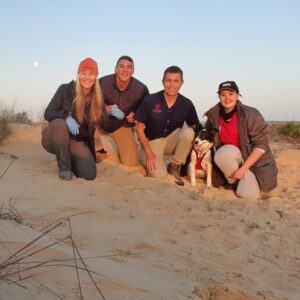
The expedition time (left to right)

Dr Samantha Mynhardt, JP Le Roux, Cobus Theron, Jessie the Border Collie, and Esther Matthew. Photo credit: Nicky SounessTheir starting point was the site where the golden moles were last seen over eight decades ago – the dunes of Port Nolloth. JP Le Roux is a master scout, proficient at finding sites showing recent golden mole activity where the team could collect soil samples – hopefully containing eDNA from their target species. Another tool up our sleeve is  Jessie, the Border Collie, a scent detection dog trained to detect and track various species, including the notoriously difficult to find Riverine Rabbit. She is now training to differentiate between different golden moles species, and when Jessie picks up the scent of a specific golden mole, she alerts her handler. The golden mole active at the expedition site in Port Nolloth was not one Jessie had smelled before – a promising and exciting indication.

Foraging signs from a golden mole (left) and Grant’s Golden Mole (right), a species Jessie has been trained to detect

Traditionally, eDNA is applied to aquatic environments, and working with terrestrial eDNA is a novel and challenging technique, but Samantha has successfully adapted it to soil samples. Upon her return from Port Nolloth, she extracted and analysed the eDNA through a specialised process. Preliminary results confirm that the activity seen at sample sites was that of a Cryptochloris species, either De Winton’ s or its close relation, the Endangered Van Zyl’ s Golden Mole. Either one is an extraordinary find, and we eagerly await more detailed results.

Finding De Winton’ s Golden Mole would be a beacon of hope for conservationists – indicating that hidden wonders still wait to be discovered. Locating the areas inhabited by threatened species enables us to better protect them against the threats that endanger our wildlife, sometimes causing species to go extinct. The team will continue their research on the West Coast, hoping to find more locations inhabited by golden moles and increase community awareness and engagement around the species through social media campaigns, videos, and posters illustrating identifying features of different golden mole species.

We encourage people to report sightings of these fascinating creatures so that we can prioritise our conservation efforts, one of which is to formally secure sites containing priority golden mole habitat through biodiversity stewardship. Stay tuned to learn more!

The expedition was sponsored by Re: Wild, and the second phase of the project is supported by  IUCN Save Our Species and co-funded by the European Union

LATEST STORIES