INSPIRING YOUNG SCIENTISTS – THE EWT CONSERVATION SCIENCE UNIT IN ACTION
Dr Lizanne Roxburgh, Senior Scientist, Conservation Science Unit
lizanner@ewt.org.za
Young South Africans are the conservation champions of tomorrow. They will become the next generation of soldiers and explorers in the frontlines, fighting to conserve our biodiversity and promoting a more sustainable tomorrow. Critical to effective conservation practice is robust science, and ensuring that the scientific methods we use in all of our projects are rigorous and defendable, is the role of the EWT’ s Conservation Science Unit. In celebration of Youth Day, and to provide inspiration to other aspiring conservation scientists, we would like to showcase the young scientists in our unit, and the exciting career paths they have ahead of them. However, we recognise that our team of hard-working young scientists were privileged to attend universities and had opportunities to enjoy South Africa’ s wildlife and natural environments while growing up, which are opportunities that are not yet given to all South African youth.
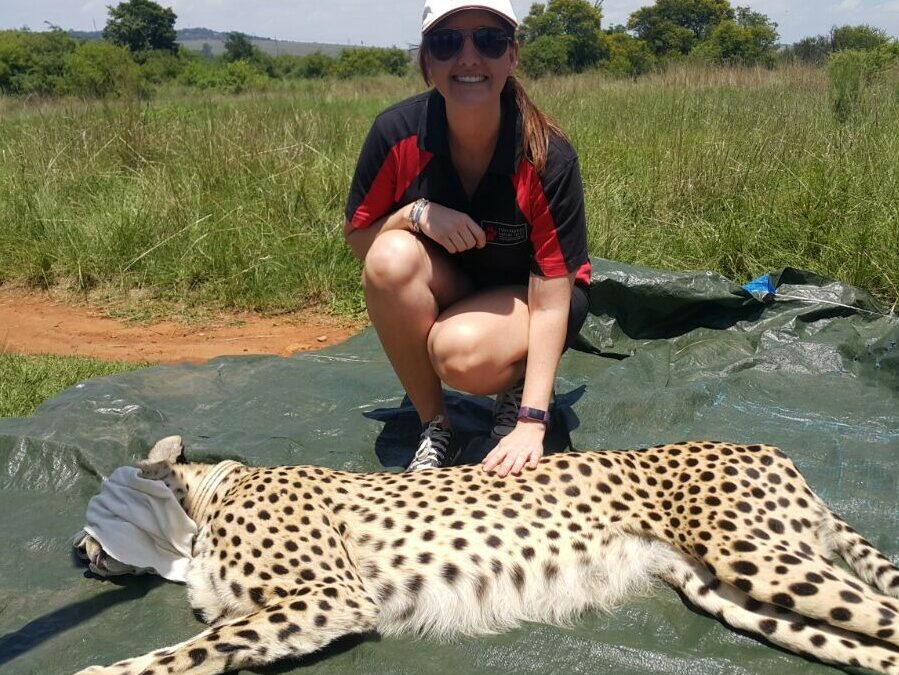
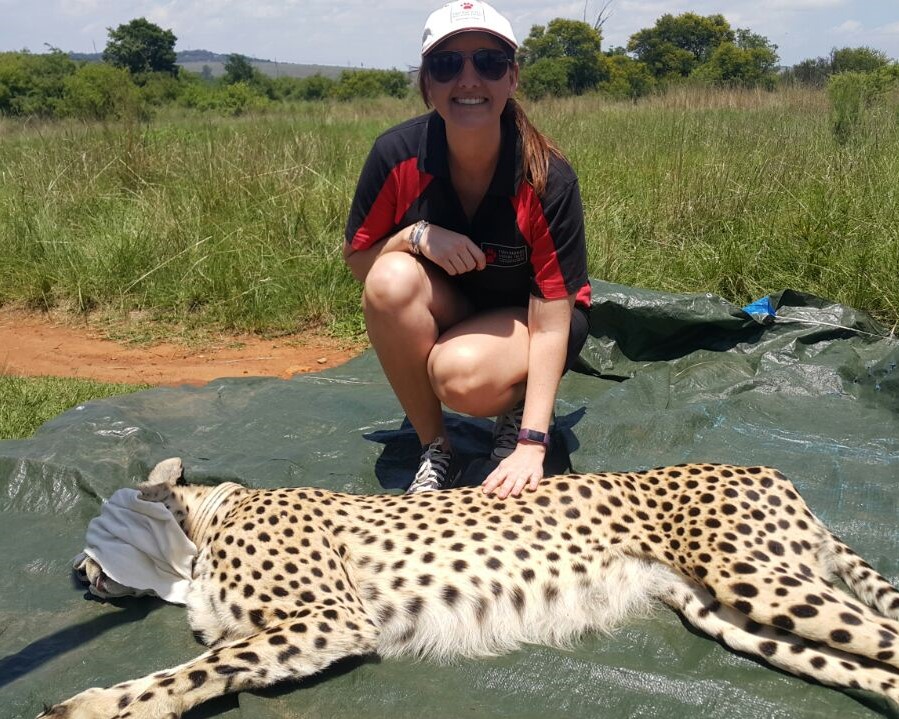
Claire Relton – Conservation Science Officer
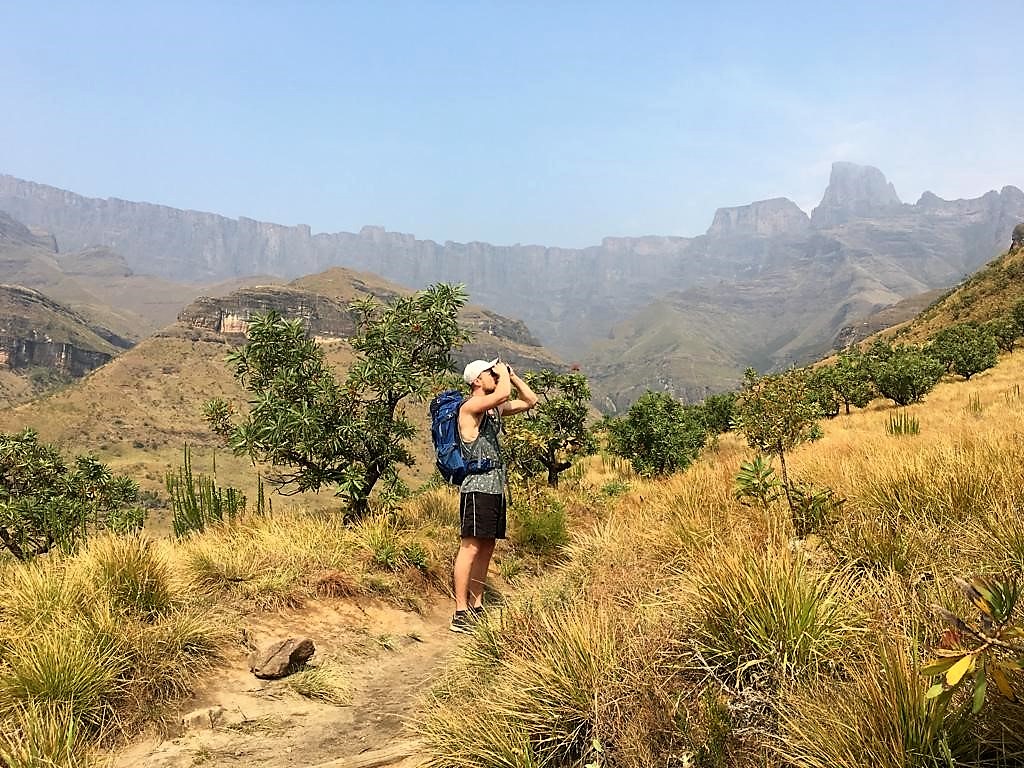
My journey to conservation began at a young age, inspired by cross-country family road trips to South Africa’ s diverse and spectacular protected areas. A passion and wonder for the natural world were instilled in me during Drakensberg hikes beneath Cathedral Peak, and hippo-watching through small red plastic binoculars with my feet dangling off the edge of a wooden bird hide. During a family camping trip, I remember sleeping with my head outside of the little triangular tent, just to hear the captivating sounds of the night more clearly. After waking up with my eye swollen shut, looking as if I had crept straight out of a horror movie, I only wondered with fascination, which crawling creature had bitten me in the night. My graduate and postgraduate education in biology and environmental science took me to the Universities of Cape Town, Pretoria, and Wits. I began working for the EWT as a nervous, yet enthusiastic volunteer, and now, as a conservation scientist, I aim to assist teams to develop, monitor, and implement impactful and effective conservation projects. Although I committed to hard work and dedication throughout my education and career in the conservation field, I also deeply understand that much of my story is one of privilege, access, and opportunity. If we hope to combat the enormous and increasing threats to biodiversity that the conservation community faces in this country, it is critical that all young South Africans are provided with the opportunity to access, appreciate, and understand South Africa’ s splendour of wildlife and natural spaces.
Dominic Henry – Ecological Modelling Specialist
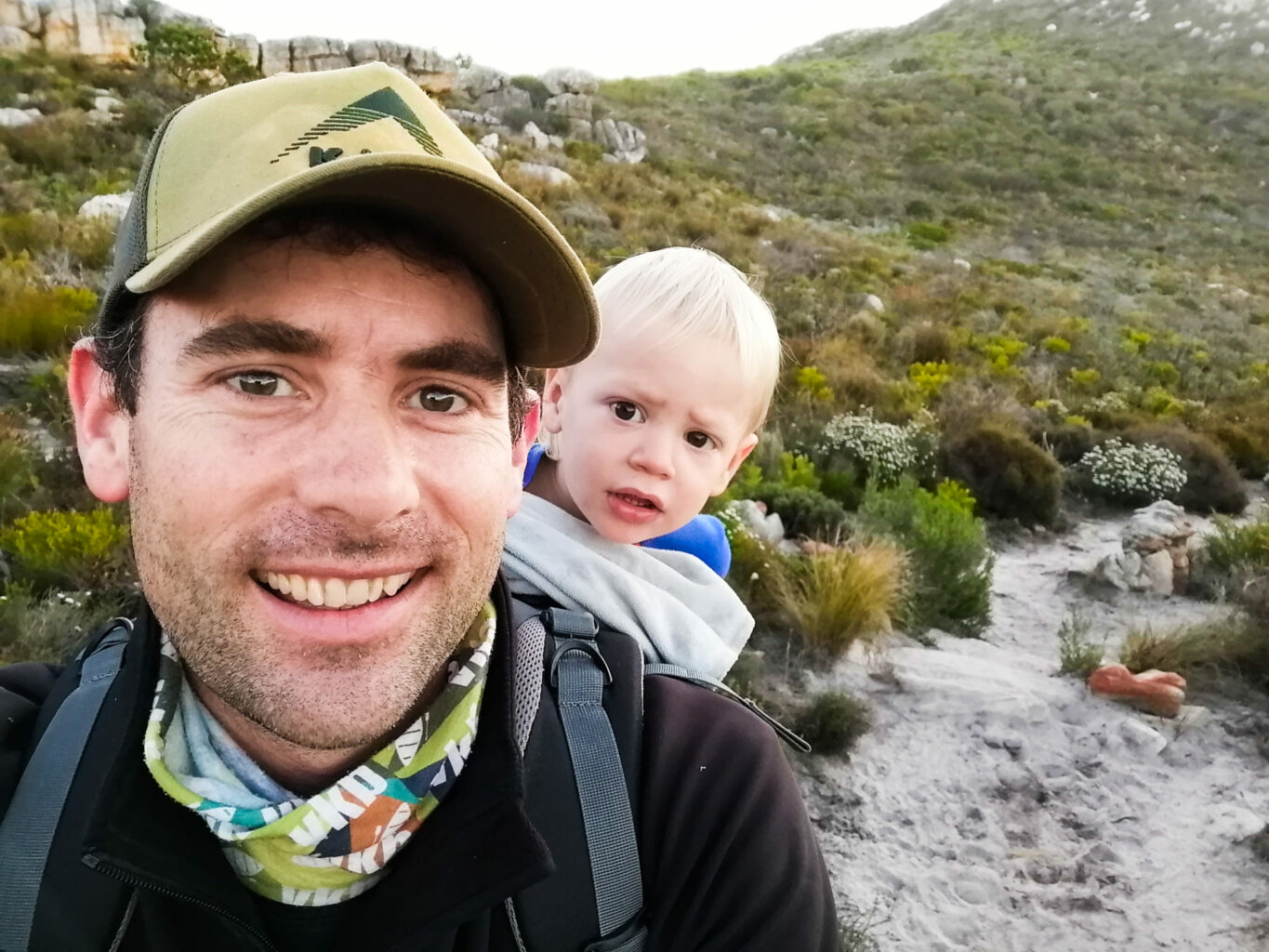
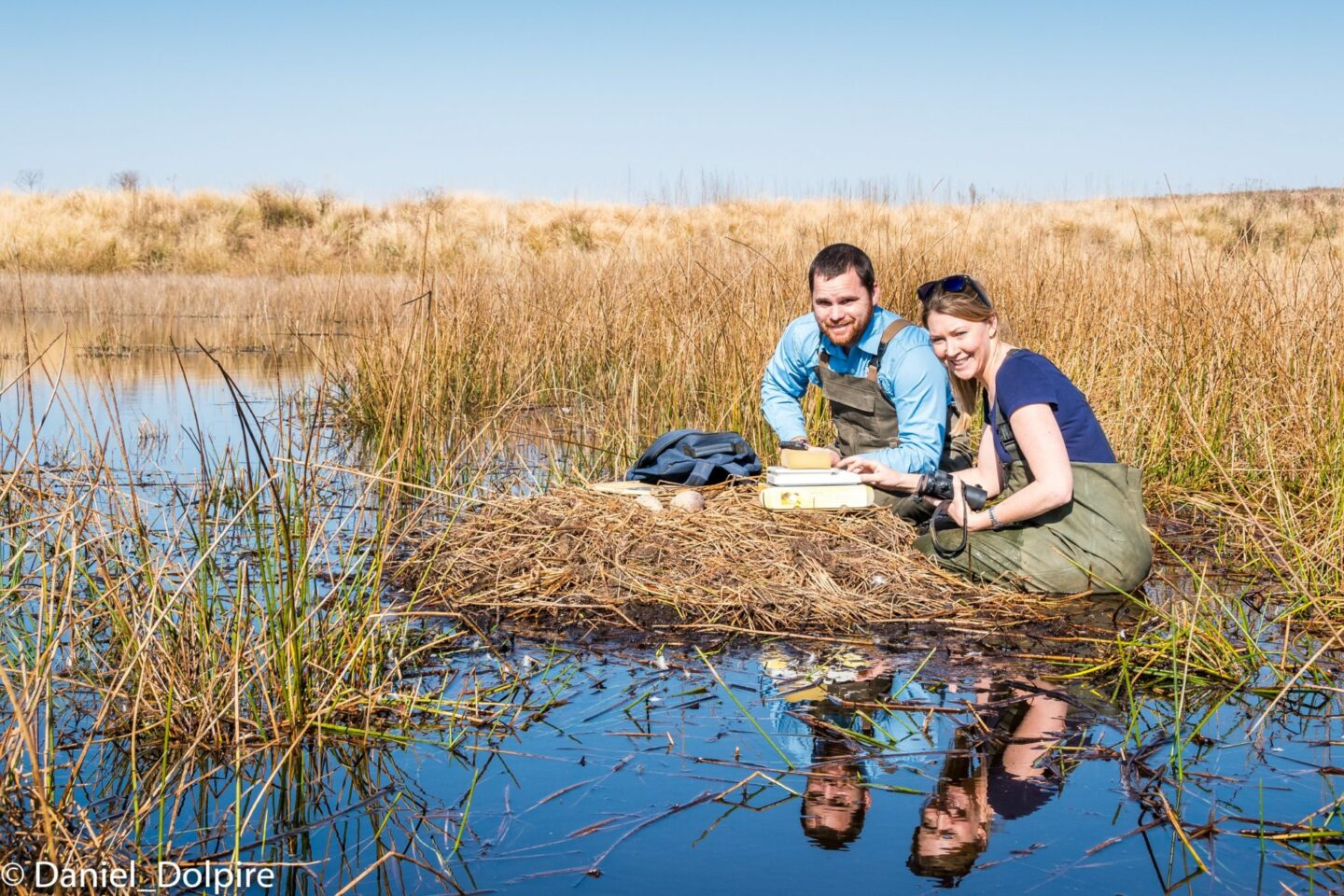
In a misguided attempt to pursue a respectable career in the financial sector, I started a Business Science degree at the University of Cape Town (UCT) in 2003. After a year and half of learning about rands and cents, following this trajectory no longer made sense (to me at least). I thought about places and times in my life where I found joy and contentment, and quickly realised that growing up on a farm had primed me for being happiest outdoors. I met with a prominent entomologist and Science Faculty student advisor who encouraged me to immediately move faculties and start a degree in Ecology. Little did I know that this meeting would lead me towards a fascinating and fulfilling career as an ecologist. During my studies, I developed a strong passion for birds and birding, and after my Honours degree, I took a year off to work as a field guide in a game reserve. I was lured back to the UCT by an offer to start a Master’ s degree (which I later upgraded to a PhD) working on the movement ecology of southern African waterbirds, conducting fieldwork at 60 sites within the protected areas of Zululand). As an avid birder, this was an opportunity I couldn’ t pass up. I developed an affinity for working with large datasets that led me to take a deep dive into learning quantitative ecology techniques. I then took up a postdoctoral fellowship at the Centre for Statistics in Ecology, Environment and Conservation (SEEC), in which I used statistical models to quantify patterns of species richness of birds, reptiles, mammals, scorpions, butterflies, grasshoppers, and plants in a part of the Karoo that is threatened by shale-gas exploration. This gave me a deep appreciation for biodiversity in very sensitive ecosystems. After 13 years at UCT I decided to leave academia and take up a position at the EWT as an Ecological Modelling Specialist. While I am still involved in research, my primary work now involves developing models that quantify the distribution of threatened species of reptiles, amphibians, mammals, and butterflies. These models are used to inform land-use decision making and aid responsible infrastructure development. I derive a deep sense of satisfaction knowing that I can use the skills I have learned during my scientific training to address real world conservation issues.
Samantha Nicholson – Lion Database Coordinator
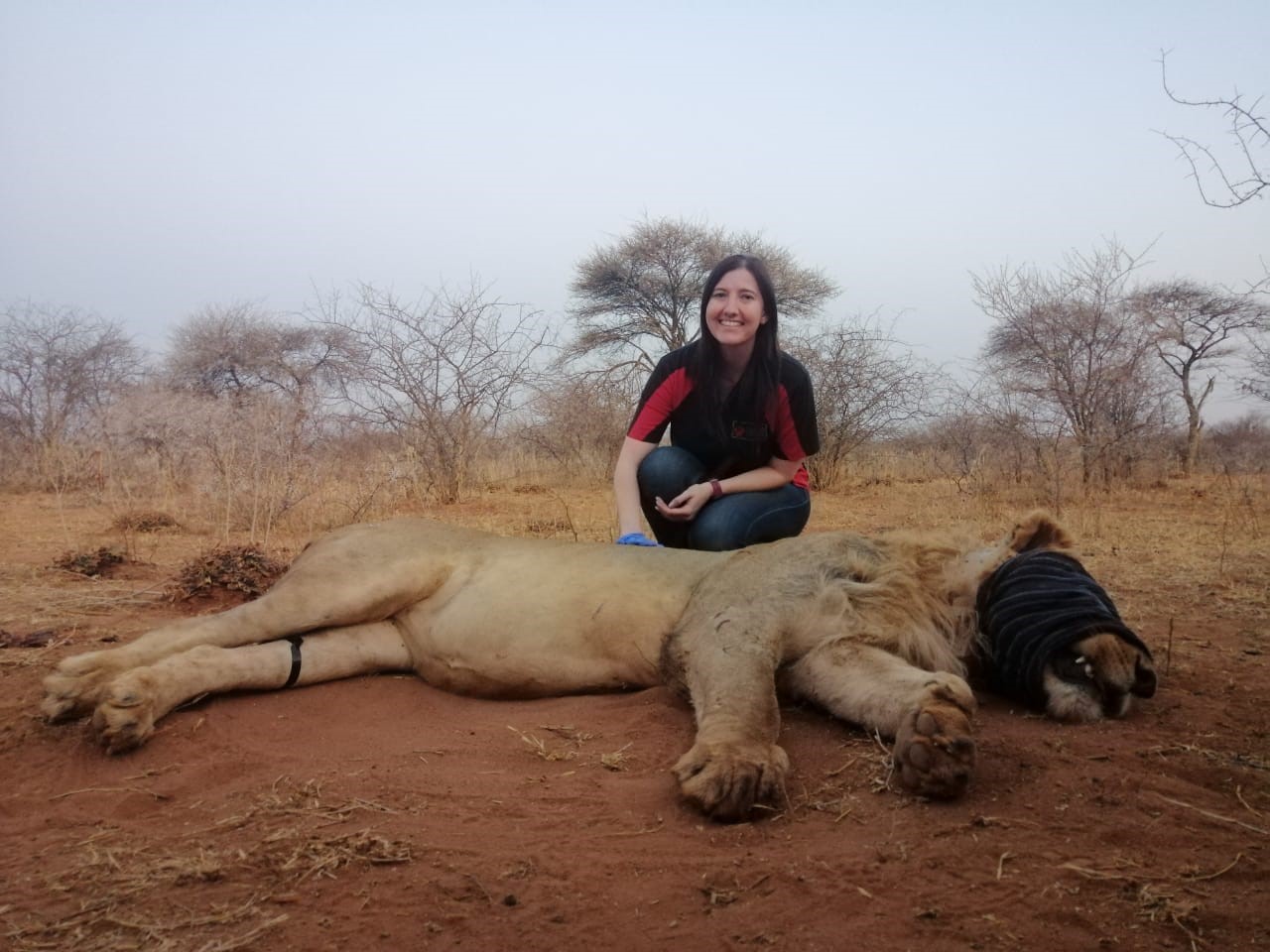
Ever since I can remember I knew I wanted to work with wild animals. For most of my primary school days I dreamt of becoming a game ranger and spending every day in the bush and being with wildlife. I then started to learn about how many species were threatened with extinction and I knew I wanted to do something to help conserve them, specifically large carnivores. In high school I came across the term ‘Zoologist’ and thought “well ok, that’ s what I will be”, and off to university I went. In 2014 I graduated with my Master of Science degree with distinction in Zoology. I then began working at the Endangered Wildlife Trust as a Conservation Science Intern, and in 2018 I was appointed as the project coordinator for the global African Lion Database (ALD) initiative. This unique project aims to develop a platform to consolidate lion population and distribution data from across the African continent. This will allow us to better understand the distribution, conservation status, and population trends of this iconic African cat. I consider myself incredibly lucky to be able to have a career that contributes to species conservation.
Oliver Cowan – Conservation Science Officer
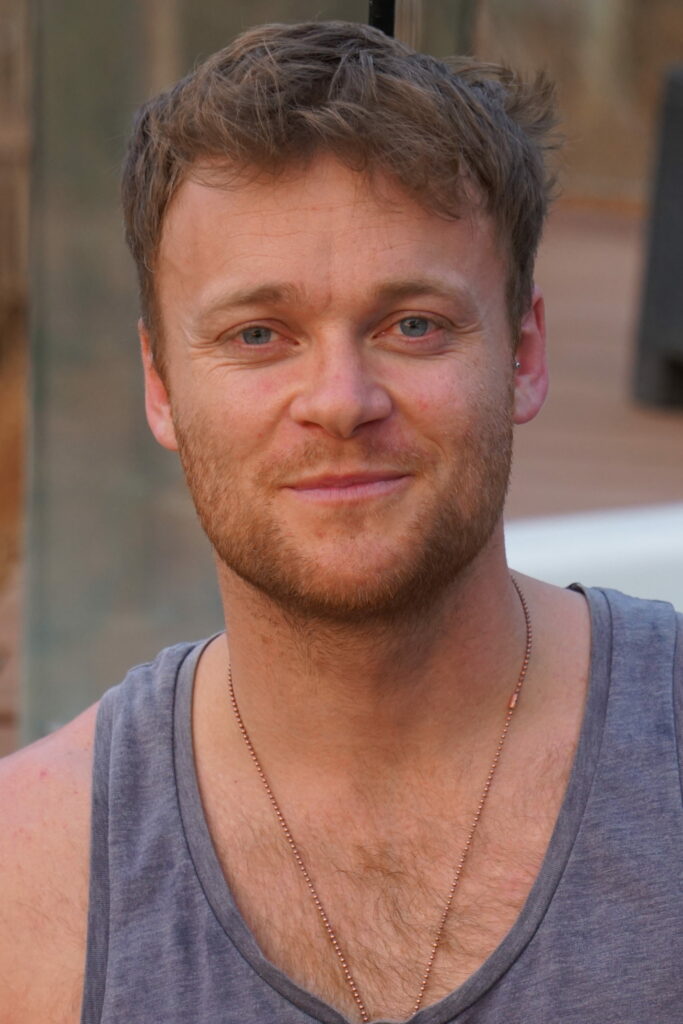
I have always been fascinated by how things work and why things are the way that they are. As a child I would want to know, for example, why flowers were different shapes and sizes. I was drawn to science as a way of understanding nature better. As my scientific curiosity increased through adolescence, so too did my comprehension that not only could science help me understand the world, but it could also be used to help correct the damage we humans have inflicted on the environment. This led me to the decision to study ecology and environmental science after I finished school. I have never regretted this decision and, after a long adventure in academia, I was fortunate to be offered a job with EWT’ s Conservation Science Unit upon completing my PhD. Currently, I am working on a nation-wide project to increase the protection of species and habitats of conservation concern. I feel so fortunate to be able to combine the skills I learned in my academic career with my lifelong passion for nature, to assist in applied conservation practices that protect and safeguard our wondrous biodiversity.
Tamsyn Galloway – Conservation Science Intern

If ever given the choice of holiday destination, it always has and always will be the African bush. There is nothing better for me than spending time in nature – watching, listening, and learning from the great teacher herself, Mother Nature. Therefore, when considering career options, I felt I had to work with wildlife, and science was an obvious choice. However, having an innately logical mind and a knack for Geographical Information Systems (GIS), I looked for a niche where wildlife conservation and GIS could meet. At the Endangered Wildlife Trust, I have been able to do just that, creating maps that show species distributions and their habitats. I also assist in the writing of research papers that aim to identify and test the effectiveness of potential mitigation measures to address the threats that power lines present to our iconic African bird species. I am eager to see where this career path takes me and look forward to growing into the role of a true wildlife conservationist of Africa. For more information about the CSU, please contact us here.
PROACTIVE CONSERVATION IN AN ERA OF DAMAGE CONTROL
Dr Ian Little, EWT Senior Manager: Habitats
ianl@ewt.org.za
We are certainly living in unusual and unprecedented times. People all over the world are rethinking their lives, their routines, and their values as a result of the current global COVID-19 pandemic. This is no different for conservationists, but it is not limited to the impacts of COVID-19. Even without the devastating impacts of this pandemic, the Earth is going through a dramatic and unprecedented crisis. Competition for resources to support the increasing human population in the concurrent fourth industrial revolution, and the unpredictable impacts of climate change make this a critical time for the conservation of threatened species, threatened ecosystems, and the resources which are the foundation for our very existence.
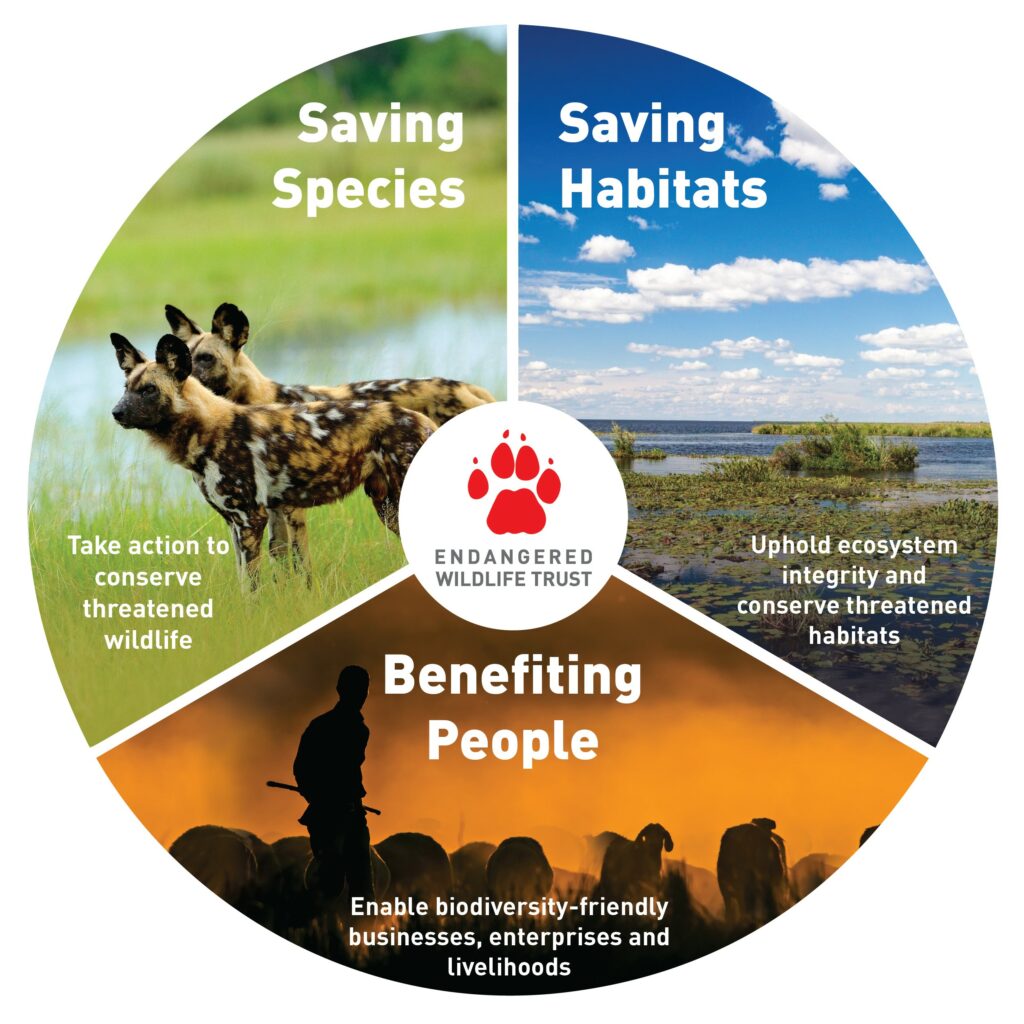
Many conservationists, young and old, have reached a point of questioning their roles, and potentially even “shifting from prevention to damage control”. While this is a sobering and frightening concept, it is real and we need to all realise that our natural heritage and for us Africans, our natural identity, is at serious risk. A large proportion of our conservation work today is focused on damage control and we are doing this on an absolute shoestring. The only thing limiting the amount of work and impact that we could have is the resources to do it, there is no lack of dedication, passion, or commitment. The financial resources afforded to the conservation sector allow us to barely scratch the surface of the conservation challenges we face. At the EWT we use what resources we have to tackle three key strategic imperatives: saving species, saving habitats, and benefiting people. In most instances, we achieve the third imperative through the targeted protection of the natural resources most needed by people. We are working hard to proactively secure large parts of Africa’ s intact and threatened habitats for the benefit of the species and the people that they support. In many instances, these are priority catchment areas, critical for the protection of freshwater, without which people will suffer tremendously. Recent droughts provide a stark reminder of how important protecting our natural water factories is, but typically humans tend to forget this as soon the climate cycle reverts back to a wet period. If the transformation and degradation of our water catchments continues unabated, and climate change increases the intensity of droughts and floods, we will be in serious trouble when future drought cycles hit us.
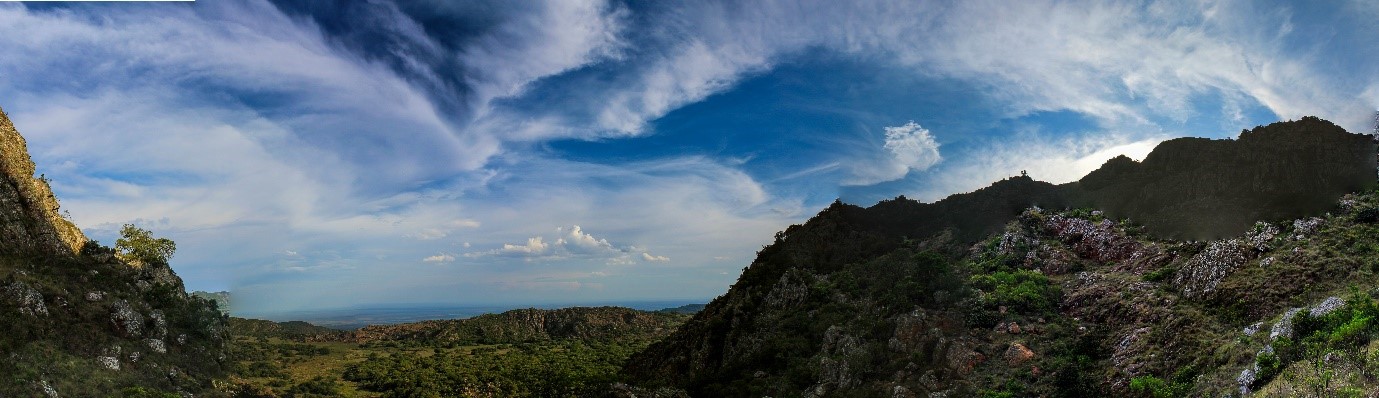
The EWT feels strongly that protecting remaining intact wilderness areas, as well as strategic agricultural areas, is a critical and urgent objective at this stage in the Earth’ s battle to maintain a balance of life. To ensure that we reduce these impacts, the EWT, , has managed to formally secure more than 5,100 hectares of Nature Reserves and over 100,000 hectares of Protected Environments in priority areas over the last five years. These strategically selected protected areas secure threatened habitats, threatened species and critical ecosystem services. They fall within the nationally identified Strategic Water and Groundwater Source Areas and contribute to the National Protected Area Expansion Strategy. We are also in the process of securing a further 45,000 hectares of Nature Reserve and 96,000 hectares of Protected Environment, in a number of new potential sites that we are exploring. As it stands, we are looking at potentially securing at least 250,000 hectares of intact natural habitat over the next five years through formal agreements. All of this is enabled by our loyal and forward-thinking donors.
Linked to this, it is imperative that development is implemented in a responsible and sustainable manner. Developers often submit development applications in highly sensitive areas, which would have lasting and usually permanent impacts on wildlife and the ecosystem services that support local people and downstream urban centres. The Environmental Impact Assessment (EIA) process is intended to assess and guide these developments in order to avoid, reduce, rehabilitate and/or offset these impacts according the mitigation hierarchy. The EWT is driving a project to improve the EIA process and associated legislation. Under this project, supported by Rand Merchant Bank, we are developing species distribution models for all of South Africa’ s threatened and endemic wildlife to feed into the scoping phase of EIAs and ultimately avoid any sensitive species being overlooked. We are also developing a number of key guidelines to inform the process and decision making.
In conclusion, the dedicated staff at the EWT would like to thank all our donors for their ongoing support. We would like to encourage our people to be aware of and participate in the protection and appreciation of our natural assets. We live in a beautiful country with iconic wildlife and amazing landscapes. People from all over the world travel vast distances to visit what we have to offer, and this not only defines us but also underpins our economy. After weeks of being forced to stay at home, we hope that the South African people will emerge from the lockdown with a heightened appreciation for our vast and beautiful wilderness areas. We urge you to go and enjoy our landscapes and amazing wildlife. Whilst international travel is going to take a while to recover, it provides an opportunity for us to enjoy what we have. Data from other countries has proven that domestic travel is more resilient to shocks like economic collapse, terrorism and pandemics, and domestic travel in China, the USA and many European countries is already showing a resurgence from local tourists. We expect the same here. So, plan to get out there, go and rejuvenate your spirit, support our struggling tourism sector, and most of all appreciate what it is that makes South Africa so unique and incredibly beautiful.
CONSERVATION NGOS BRING IMMENSE VALUE TO SOCIETY, ECONOMY AND THE ENVIRONMENT
Dr Andrew Taylor, Senior Trade Officer, EWT Wildlife in Trade Programme
AndrewT@ewt.org.za
What value does the conservation NGO sector really bring to our country? Even under normal circumstances, these are fair questions for donors wanting to know how their money contributes to the greater good.
In a lockdown, COVID-19 impacted world, where financial resources are becoming increasingly scarce, the desire for maximum impact of donor funding has become more important than ever. This does not only apply to the biodiversity conservation sector, but also to social welfare and humanitarian causes, where all NGOs should demonstrate the benefits they bring to society.
While most bona fide organisations provide a way to assess their impact through their annual reports, this does not allow for a consolidated assessment across all players within a sector and does not also facilitate a cumulative assessment of different organisations’ impact due to the nature of reports using different methodologies.
However, a recent report funded by the Hans Hoheisen Charitable Trust (managed by Nedbank Private Wealth) assessed the contributions of 13 prominent conservation NGOs (see text box for full list), which has now made this possible. African Conservation Trust, Conservation South Africa, Delta Environmental Centre, Endangered Wildlife Trust, Institute of Natural Resources, Leadership for Conservation in Africa, National Association of Conservancies of South Africa, Peace Parks Foundation, South African Association for Marine Biological Research, Southern African Wildlife College, Wilderness Foundation, Wildlife ACT, and WILDTRUST Although the primary role of the biodiversity NGO sector is to conserve indigenous species and their habitats, the report demonstrates that in the process of doing this, NGOs substantially support the economy through job creation, skills development, public education, and facilitation of small business development. In addition to this, NGOs act as watchdogs for environmentally damaging practices, support the development and enforcement of effective policy and regulations, undertake critical research, develop knowledge and data for improved decision-making, and encourage responsible consumption and business practices. And all this from a small subset of South African biodiversity organisations.
During the 2017/2018 financial year, the 13 participating NGOs, which are of varying size, spent approximately R500 million in South Africa. Of this, more than 79% was spent on direct programme costs (i.e. project expenses) and a considerable portion of all funding was spent on employing people, supporting 962 permanent jobs and 1,650 short-term contract positions. Many of the short-term jobs were created through habitat restoration type work that has direct benefits to the environment and which were supported by government through Public Works programmes.
NGOs also make big contributions to the development of an equitable and suitably skilled workforce to improve conservation and management of biodiversity through training. Between the participating NGOs, more than 3,000 people were trained in one year through SAQA accredited courses and approximately 5,200 through non-SAQA accredited courses, at different levels and in many different fields including conservation farming, rangeland restoration, community development, nature conservation, and game ranging.
Regarding expenditure on different types of conservation work, 35% went towards species conservation, 34% towards habitat conservation, and 31% towards people and conservation.
A key strategy in the conservation, management, and sustainable use of South Africa’ s biodiversity is to set aside space for nature to exist under conditions with limited human influence. In addition to protecting wild plant and animal species, which can bring direct economic benefits through tourism, such actions also safeguard ecological infrastructure, which maintains ecosystems services. The latter provide substantial indirect economic benefits through the ‘free’ provision of resources critical to human needs such as clean water and food. If these processes are ignored now, there will be significant economic consequences in the future for the country.
While the expansion and maintenance of natural areas has traditionally been the responsibility of the government, it is increasingly being done by collaborations between state implementing agencies, the private sector and third parties, including NGOs. Biodiversity stewardship is one such mechanism for provincial conservation authorities to secure land of high biodiversity value through voluntary agreements with private, communal, or municipal landowners, and NGOs often make critical contributions to this process. Over the last decade, five of the 13 NGOs assisted in the declaration of 385,600 ha across South Africa, while a further 642,000 ha are under negotiation. It is important to note that this only includes the work of the 13 participating NGOs, and there are many others that have played important roles in the biodiversity stewardship process.
Preserving ecosystem services can also be achieved by investing in ecological infrastructure outside protected areas through maintaining agricultural land that is already in good condition and by restoring degraded land. Eight NGOs invested resources into the improvement of naturally functioning ecosystems and rehabilitated an overall area of approximately 12,000 ha in one year by clearing invasive alien plants, rehabilitating wetlands, and improving rangeland management practices.
Habitat protection is also not confined to terrestrial environments, and participating NGOs played pivotal roles in assisting the government declare 20 inshore Marine Protected Areas (MPAs) in 2019, which increased the area under conservation in South Africa’ s Exclusive Economic Zone by 4.5 million ha. These MPAs will contribute substantially towards the county’ s economy through tourism, improved fisheries stocks and job creation.
The impact of participating NGOs on people and livelihoods was also found to be wide ranging and significant. In terms of the biodiversity economy, the work of the 13 NGOs has, amongst other things, and over the course of one year, supported 13 SMMEs and 15 cooperative businesses in ecotourism or associated services (such as gardens feeding into ecotourism lodges), been responsible for the development of 130 homestead and school gardens, supported seven farmers’ organisations and 600 farmers using sustainable livestock production, provided financial and operational support for the establishment of community game reserves, and has led research that contributes towards the oceans economy by providing critical data on sustainability of fisheries stocks. These outcomes have supported or created incomes and improved food security.
NGOs also engage widely with the public to raise awareness and understanding around environmental issues and to promote conservation friendly lifestyles. Hundreds of schools and well over 100,000 children were engaged through art projects, recycling projects, and general environmental education, while traditional authorities have also been supported through processes promoting conservation on community land, benefit sharing and the green economy.
Foundational knowledge acquisition on species ecology along with population monitoring was conducted on multiple threatened species that are important not only for maintaining functional ecosystems, but also for supporting tourism. Species included African Elephants, rhinos, Wild Dogs, Leopards, Cheetahs, Lions and Humpback Whales.
This assessment provides donors and the public with a simple and accessible way to recognise the contribution made by NGOs. It provides insights into the progress made by civil society towards protecting South Africa’ s national heritage, the contributions made towards socio-economic development and the critical role that funders play in conserving wildlife and the environment in South Africa today. Now, more than ever, in this rapidly-changing and uncertain world, humanity will depend even more on these critical services
These organisations represent a subset of NGOs in South Africa working to conserve biodiversity. We hope to repeat this process using a refined format and wider diversity of local NGOs.
