Help protect Africa's 

Timing is everything – how cheetahs outsmart the seasons

Timing is everything – how cheetahs outsmart the seasons

Science Snippet:

Timing is everything – how cheetahs outsmart the seasons

By Erin Adams and Lizanne Roxburgh – Conservation Planning and Science Unit, Endangered Wildlife Trust (EWT)
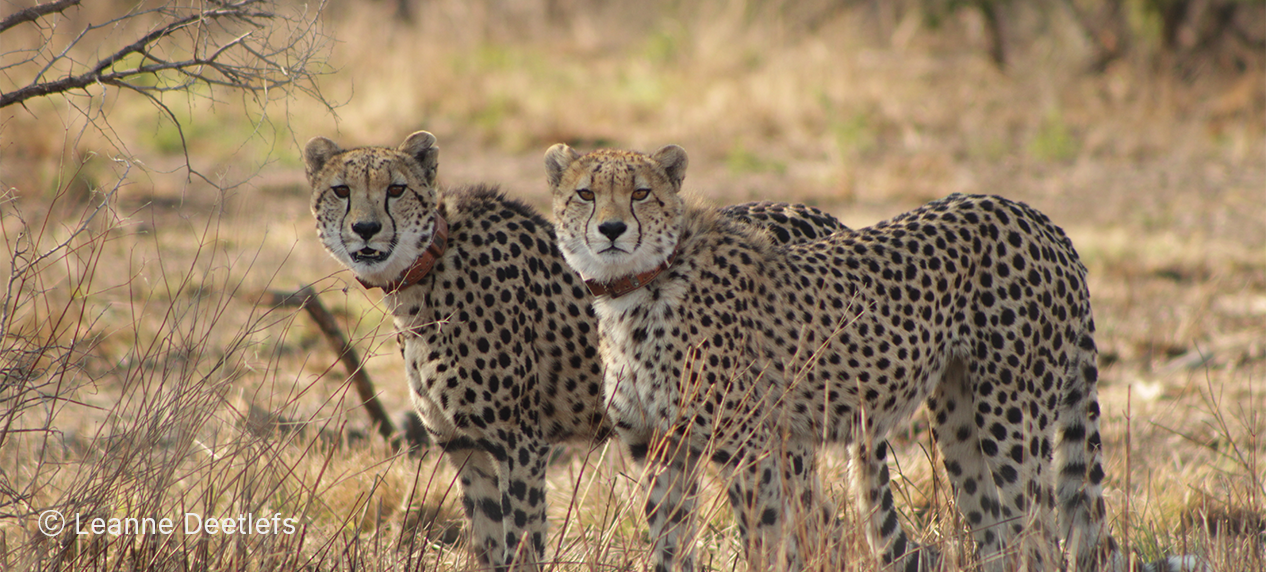
 

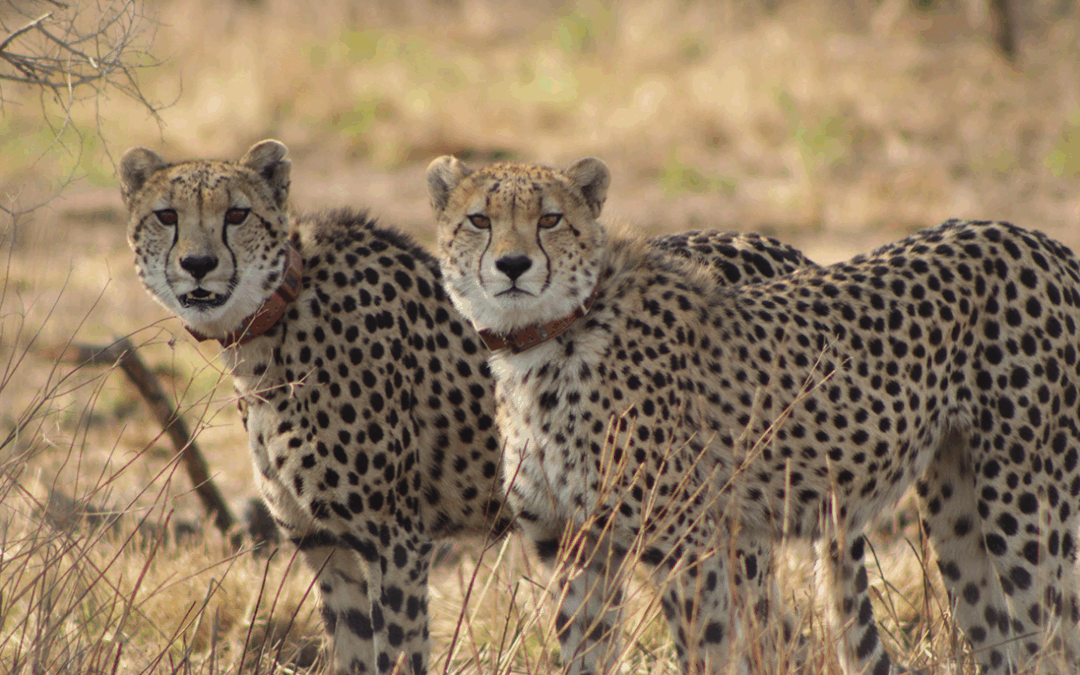
Cheetah mother with cubs on open grassland


For female mammals, the breeding season is the most energetically demanding time of the year. Each phase of reproduction (namely conception, gestation, lactation, and weaning), carries its own metabolic cost. To meet these demands, females must optimise their foraging and hunting strategies to align with the availability of accessible prey, which fluctuates throughout the year.

Outside the breeding season, cheetahs typically hunt adult prey during the dry season and switch to juveniles, which are easier to catch, during the wet season. Cheetahs inhabit a wide range of environments: some with distinct wet and dry seasons (seasonal), and others with rainfall throughout the year (aseasonal). The timing of rainfall strongly influences when different prey types become available. Since both breeding and hunting are energetically costly, synchronising these activities with prey availability is crucial.

In a recent study co-authored by scientists from the Endangered Wildlife Trust (EWT)*, researchers explored the question: when should “clever” cheetahs breed? The team analysed breeding patterns in cheetah populations across South Africa, Malawi, Tanzania, and Namibia. In total, they examined 142 litters from 21 seasonal environments and 106 litters from 19 aseasonal environments. Rainfall data was sourced from WorldClim (a global climate database) while prey breeding data was drawn from existing literature.

Their findings revealed that in regions with seasonal rainfall, over half (58.5%) of conceptions and gestations occurred during the wet season. This timing coincides with an abundance of juvenile prey, which are easier to catch. This is especially important when female cheetahs are heavier, and gestation demands on energy are high. Cubs born during this period enter the lactation phase in the dry season, when cheetah mothers can target larger prey. This is critical, as lactation is the most energetically expensive phase of reproduction, requiring females to consume at least 1.5 kg of meat daily to sustain themselves and their cubs. Targeting adult prey during this time offers a high return on energy investment.

The cubs are then weaned during the following wet season, when juvenile prey is again plentiful. For cheetahs, the timing of weaning appears to be the most influential factor in determining when to breed. It makes evolutionary sense as young cheetahs becoming independent during a period of abundant, easy-to-catch prey, which increases their chances of survival.

Interestingly, in aseasonal environments, where rainfall and prey availability are more consistent throughout the year, no distinct breeding pattern was observed.

This study offers fascinating insights into cheetah behaviour: cheetahs are remarkably adaptable in aligning their breeding cycles with prey availability. This suggests that cheetahs should be able to adjust their breeding if climate change causes prey species to shift the times at which they breed.
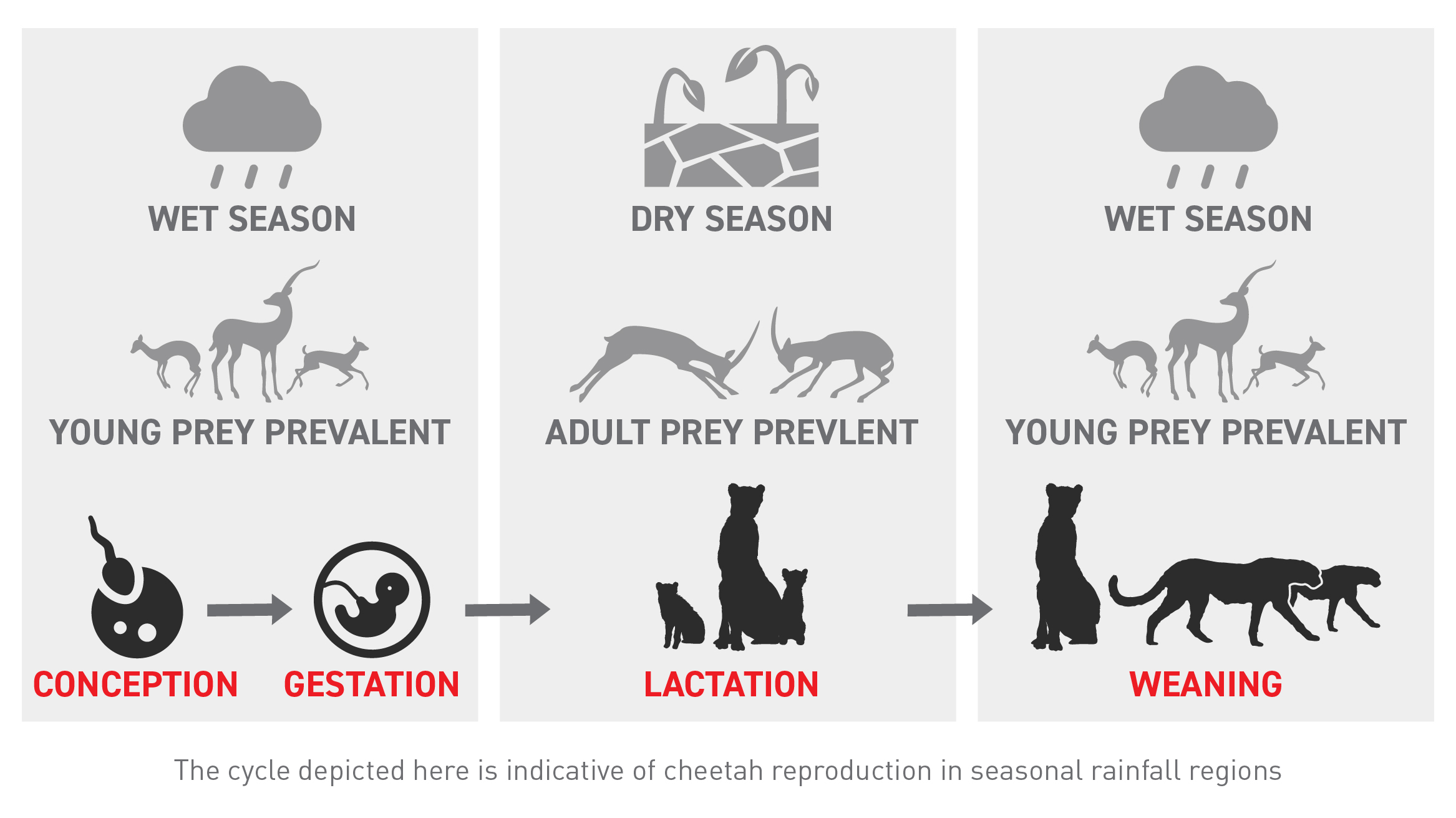
Infographic depicting cheetah reproduction in seasonal rainfall regions

*Annear, E., Minnie, L., van der Merwe, V., & Kerley, G. I. (2025). When Should ‘Clever’ Cheetah Breed? Seasonal Variability in Prey Availability and Its Effect on Cheetah Reproductive Patterns. Ecology and Evolution, 15(6), e71655.
Hooded Vulture Conservation in Benin: New Study on Local Perceptions

Hooded Vulture Conservation in Benin: New Study on Local Perceptions

Hooded Vulture Conservation in Benin: New Study on Local Perceptions

By Dr Lindy Thompson, Birds of Prey Unit


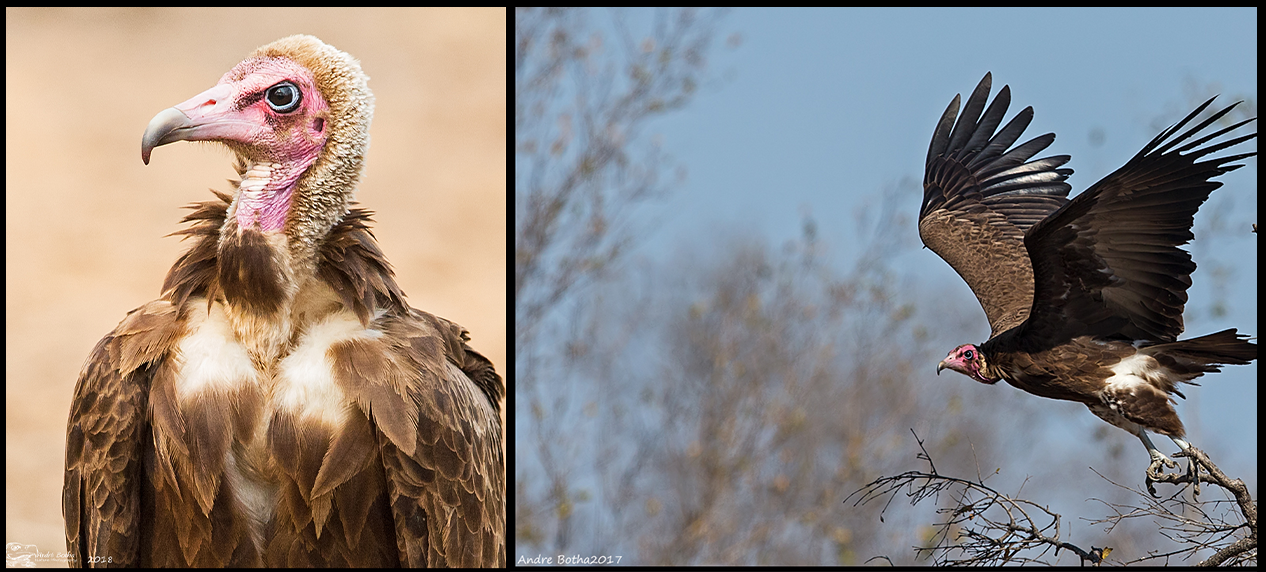
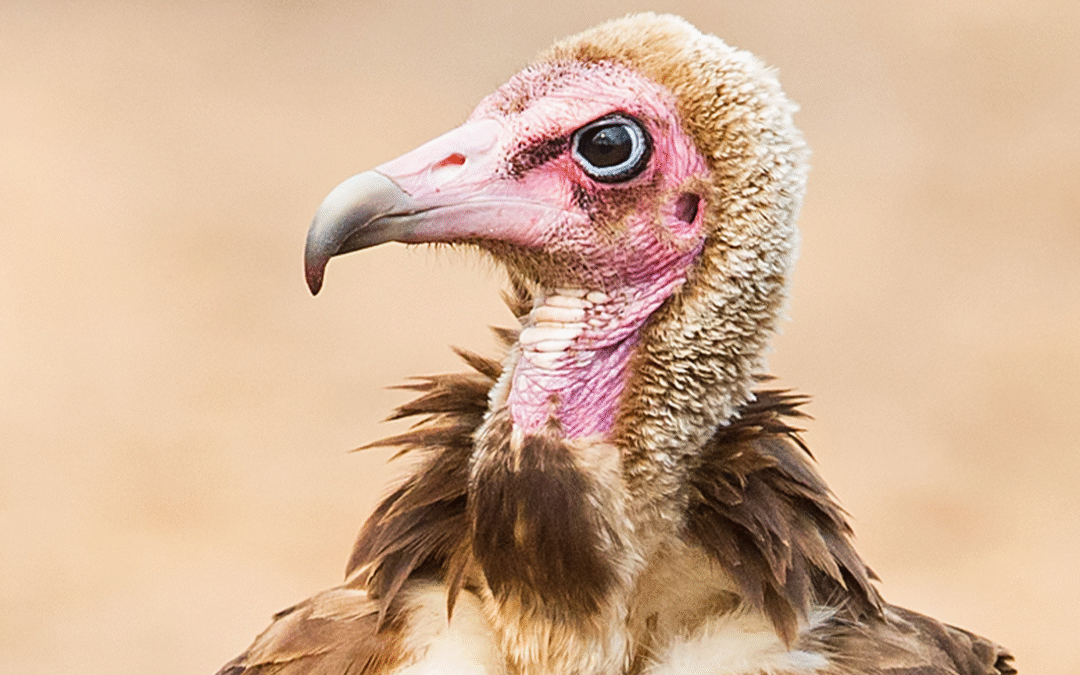
Hooded Vulture perched on a branch in Benin, West Africa


All across Africa, vulture populations are struggling because of various threats caused by people. One of Africa’ s most widely distributed vulture species is the Hooded Vulture. This species is found in many countries in South, East and West Africa, although its stronghold is in West Africa.

Sadly, numbers of these birds are declining, mainly because of habitat loss, and because people poison them to get body parts for use in African traditional medicine. We wanted to better understand people’ s cultural values and practices relating to Hooded Vultures, and we chose to do this in Benin, a small country in West Africa, where not much is known about people’ s attitudes towards Hooded Vultures.

We were especially interested in people living in areas surrounding national parks, where they would presumably have more frequent interactions with vultures, and easier access to the birds. Our hope was that by learning about people’ s perceptions, we can better understand their behaviour, which in turn can help to inform conservation policies.

Fidèle Ezechiel Hounnouvi interviewed 450 people living near three protected areas in Benin. He asked them questions about whether they get any benefits from having vultures around, and what are their beliefs about vultures. He also asked questions about why vulture body parts are used, and what might be causing the drop in numbers of vultures.

Fidèle worked with a translator, so the interviews could be done in the local language (Bariba). His results showed that most people (80%) had seen vultures recently, and the most commonly seen vulture species was the Hooded Vultures (with 48% of all vulture sightings), although people also saw White-backed, Lappet-faced and Ruppell’ s Vultures. There was a big difference in how men and women viewed vultures; men were more aware of vultures, and more positive about vultures’ roles in carcass disposal and locating missing livestock. Most people (60%) associated vultures with superstition and witchcraft, and 70% had used vulture body parts for medicinal and spiritual purposes. Intentional poisoning was reported as the main cause of vulture population declines. Most people said vultures were valuable, because they remove carcasses from the environment, and they assist farmers with finding lost livestock.

When Fidèle asked people in Benin about conservation measures, they suggested various ways of protecting Hooded Vultures. These included protecting and restoring nesting habitat, raising awareness about threats to vultures, having ‘eco-guards’ to safeguard vulture nests, captive-breeding vultures, and enforcing strict penalties on people who poison them. Younger adults (aged 18–30) were much more supportive of conservation efforts than older adults (over 30), and this gives us hope for the future.

This study was funded by a Rufford Foundation Small Grant, and it was published in the Journal of Ethnobiology and Ethnomedicine. If you would like to read the full article, you can access it here.


** Fidèle Ezechiel Hounnouvi (Naben NGO naben.org), Stanislas Mahussi Gandaho and Jémima Lydie Obandza-Ayessa also contributed to this article.