Help protect Africa's 

The Environment’s Hide and Seek Champions

The Environment’s Hide and Seek Champions

The Environment’s Hide and Seek Champions

Finding what was once lost – Why does it matter?

By Dr Darren Pietersen, project Manager,  and Dr Samantha Theron,  conservation researcher


Blyde River Flat Geckos

Left: Blyde River Flat Geckos (Afroedura rondavelica)

In a world that is increasingly, and sometimes irreparably, being impacted by human development, it is inevitable that we will lose species forever through extinction. But,  luckily, some species are lost for other reasons and can, in a manner of speaking, be ‘brought back from the dead’. These are termed ‘Lost species’.

What are ‘Lost species’?

Re:wild and the International Union for the Conservation of Nature Species Survival Commission (IUCN SSC) designate a species as being lost for a number of reasons.   These are:

  • if it has not been scientifically documented in at least 10 years – there have been no formal reports of this species in at least a decade ),
  • it is not formally listed as Extinct on the IUCN Red List of Threatened SpeciesTM (the global barometer of how life on Earth is faring, and which guides conservation efforts), and
  • there is no captive population being held in any zoological garden or similar ex-situ

Lost species often share characteristics such as being secretive. occurring at low densities and being found in areas that are difficult to access. Additionally, these species are difficult to detect, or are only known from a type specimen or a handful of specimens.  The type specimen is the specimen that the species’ name is attached to, and which is often the first specimen that was collected of that species.  or a handful of specimens.

Why do we look for lost species?

For one, the quest to rediscover a lost species often takes the searchers into areas that few other scientists have visited, This  sometimes leads to additional discoveries of species that are new to science.

These species also sometimes inhabit areas of such high biodiversity and endemism that these areas warrant formal recognition and protection, and the ancillary species diversity and distribution data that are gathered during the search for a lost species helps support this decision-making process. But, more importantly, finding lost species sheds light on the conservation status of these species,  allowing us to assign them to the most appropriate threat category on the IUCN Red List. This in turn guides what conservation measures are required to protect the species, and what resources, if any,  should be dedicated to these species’ conservation.

Under the Kunming-Montreal Global Biodiversity Framework (KMGBF), signatories are required to halt the loss of biodiversity by 2030, and rediscovering ‘Lost’ species directly supports this ambitious goal. Sometimes a species is considered lost simply because it occurs in an inaccessible area where the population is actually thriving and not in need of immediate conservation attention. In such cases, limited conservation resources can rather be diverted to another species that is in greater need of immediate protection.

In other instances, lost species have are deemed absent as a result of  changes in land use or other anthropogenic activities. In these instances, the species are often in urgent need of targeted conservation action, sometimes to the extreme where a captive population needs to be established to conserve the species until suitable habitat is either secured or restored, and the animals or plants can be returned to the wild.

How does one go about finding a ‘Lost’ species?

Re:wild hosts a list of currently recognised lost species on their website. Therefore, rediscovering thse species involves first identifying which one you are setting out to find. This is followed by extensive research, learning all there is to know about your species of interest, as well as any closely related species. It provides the necessary background information on where and when the best time would be to search for the species, and the best survey techniques to employ to maximise your chances of finding your quarry. Sometimes the best approach to rediscover a lost species is good old-fashioned leg-work – spending hours, days or even weeks,  scouring suitable habitat in search of  a particular species.

Sometimes you are rewarded, as was the case of the Blue-tailed Sandveld Lizard (Nucras caesicaudata) where we documented not one, but three records of this highly elusive species in the past year – with the only other record since this species’ formal description in 1972 being a site record in 2002.

Blue-tailed Sandveld Lizard

Left: the Blue-tailed Sandveld Lizard (Nucras caesicaudata)

At other times all that is required is visiting an inaccessible site.  An example was the expedition we undertook in early 2025 that led to the discovery of a thriving population of Blyde River Flat Geckos (Afroedura rondavelica) – a species which up until then was only known from two specimens collected in 1991.

Other species are far more cryptic and require a more targeted approach. This was the case with the rediscovery of de Winton’s Golden Mole (Cryptochloris wintoni) which  had been lost for 87 years. In this instance, scent-detection dogs and targeted Environmental DNA (eDNA) sampling led to the rediscovery of this cryptic, secretive species.

eDNA sampling is a technique whereby environmental samples (usually soil or water samples) are collected and genetically analysed to infer what species are present in an area through sequencing the DNA fragments that all lifeforms shed as they navigate their environment.  Using DNA sequences from closely related species, our eDNA specialist, Dr Samantha Theron, was able to generate genetic primers that would specifically amplify golden mole DNA, a step  which ultimately led to the rediscovery of this species.

During the project to rediscover the De Winton’s Golden Mole, soil samples were collected from the moles’ underground foraging tunnels. The eDNA   extracted from these samples enabled genetic verification of the species, helping the surveillance team to determine where to focus their search. Our scent detection dog, Jessie, who had been trained specifically to sniff out golden moles, assisted the team in locating these tunnels. We eventually trapped  a live mole to obtain a genetic sample for species verification.

Environmental DNA sampling has been gaining traction globally as a biodiversity surveillance and monitoring approach, and has also been used to find other lost species across the globe. Surveys in the Atlantic Coastal Forest and Cerrado grasslands used eDNA to confirm the presence of the Bocaina Giant Frog, Megaelosia bocainensis, which had not been seen in decades.  Researchers have applied eDNA surveys around Lake Tota in Columbia to search for the elusive Fat Catfish that had been lost since 1957.  In Wales, eDNA was used to screen waterways for the Yellow Sally Stonefly (Isogenus nubecula), which was assumed locally extinct across major Welsh river systems for many years.


Although eDNA is revolutionising conservation science in many ways, it is not without limitations. One of the challenges of eDNA-based surveys is the availability of reference DNA barcode sequences in online repositories, as species identification depends on these. This may pose a particular challenge in the search for lost species, many of which may not have any reference DNA sequences available at all. However, in these cases it is always possible to determine the origin of the eDNA down to a certain taxonomic level, such as family or genus, which may provide sufficient insight when surveying large areas and using eDNA to determine where to focus more targeted surveys.

eDNA is one of many innovative approaches used to search for elusive species, and when combined with approaches, such as camera trapping, drones, acoustic surveillance or scent-detection, doors that had been shut for decades can be opened to the rediscover species.

So what does the future hold?

There is no shortage of lost species to search for, with Re:wild listing more than 4,300 ‘lost species’ across 200 countries.

The EWT, through our Biodiversity Surveys or Bioblitz Program and other targeted initiatives, will continue to search for lost and new species throughout southern and East Africa, gathering valuable data on the distribution and taxonomy of other species in the process.

These data will help inform conservation initiatives and guide the application of resources, alongside our continuous engagement with  relevant governments and stakeholders to ensure targeted and timely conservation of (re)discovered species, while simultaneously trying to prevent additional species from being entered onto the ‘Lost species’ list.
Join the Pack. Protect What Matters.

Join the Pack. Protect What Matters.

Join the Pack. Protect What Matters.

At the Endangered Wildlife Trust, we know that conservation is a long-term commitment. Protecting endangered species, conserving habitats, and benefiting people doesn’t happen overnight. It takes dedication, perseverance, and the support of people who believe that nature is worth fighting for.

That is why we are excited to introduce The EWT Pack.

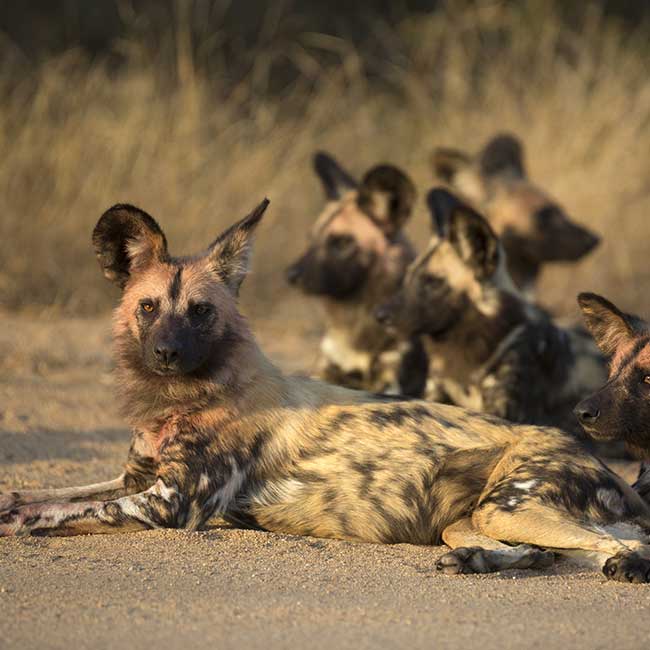
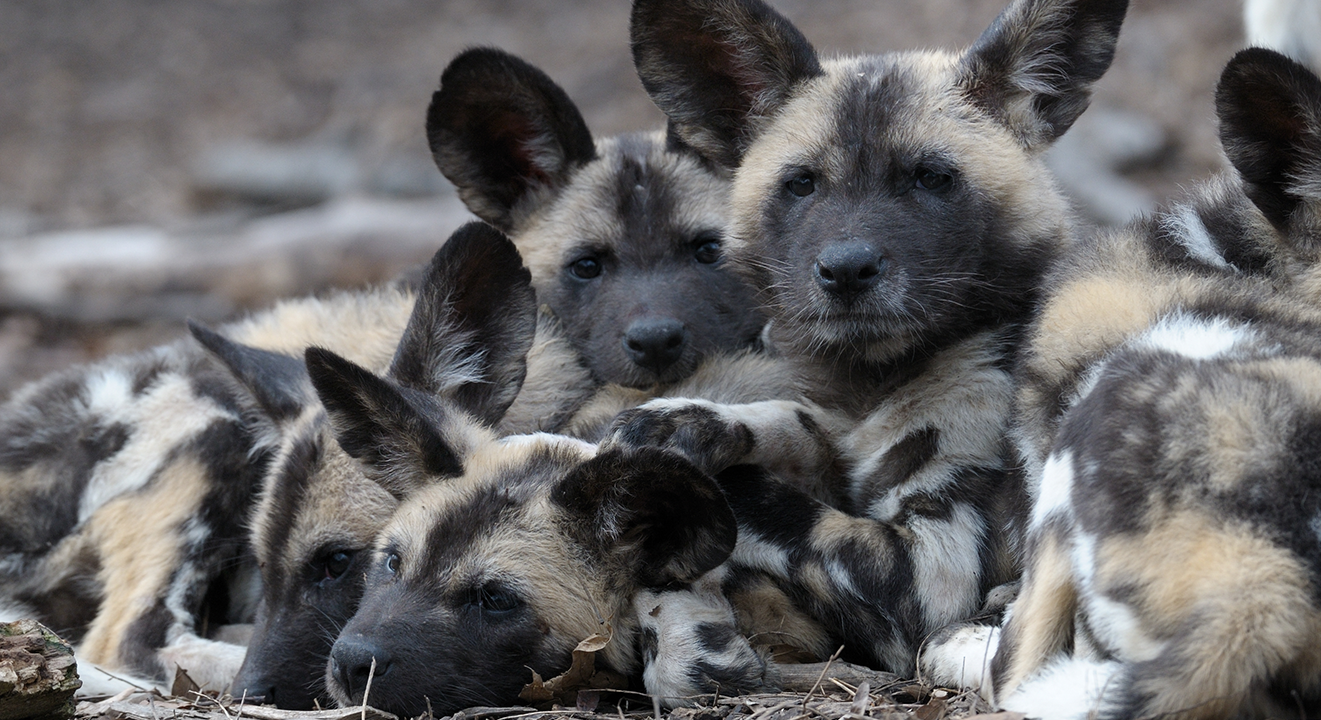
The EWT Pack is our community of monthly donors who have chosen to stand with us every step of the way. Like a wild dog pack working together to survive and thrive, our Pack members play an essential role in helping us protect South Africa’s wildlife and natural heritage. The African Wild Dog is one of Africa’s most endangered carnivores, making it a fitting symbol for a group united by strength, commitment, and teamwork.

By becoming a Pack member, your contribution is automatically made every month, providing EWT with reliable, predictable funding that helps us plan ahead, respond to conservation challenges quickly, and sustain critical projects throughout the year.

While once-off gifts are always appreciated, recurring donations provide something equally valuable: stability.

Monthly giving allows us to:

  • Plan conservation interventions with confidence.
  • Support long-term species recovery programmes.
  • Respond rapidly to wildlife emergencies.
  • Invest in communities living alongside wildlife.
  • Ensure that vital conservation work continues, even during uncertain times.

Most importantly, it means that every month, you are making a difference.

No matter the size of your contribution, when combined with the generosity of fellow Pack members, your impact grows. Together, we become a powerful force for conservation.

By joining The EWT Pack, you are not just donating. You are becoming part of a passionate community of wildlife champions who believe that future generations deserve to inherit a world where wildlife still roams free and ecosystems continue to thrive.

Join The EWT Pack today and help create a safer future for South Africa’s wildlife, one month at a time.

Become a Pack Member: https://www.backabuddy.co.za/campaign/the-ewt-pack

Together, we are stronger. Together, we are The EWT Pack. 🐾

Suggested call-out box for the newsletter:

Why Monthly Giving Matters

  • Provides reliable support throughout the year
  • Helps EWT plan and budget effectively
  • Sustains long-term conservation projects
  • Allows rapid response to conservation emergencies
  • Creates lasting impact for wildlife and people

Become a Pack Member today and help keep conservation moving forward every single month.

An African Wild Dog rescue mission that ignited Wild Dog Conservation in Namibia.

An African Wild Dog rescue mission that ignited Wild Dog Conservation in Namibia.

An African Wild Dog rescue mission that ignited Wild Dog Conservation in Namibia.

By Cole du Plessis, Project Manager: Carnivore Range Expansion Project
 

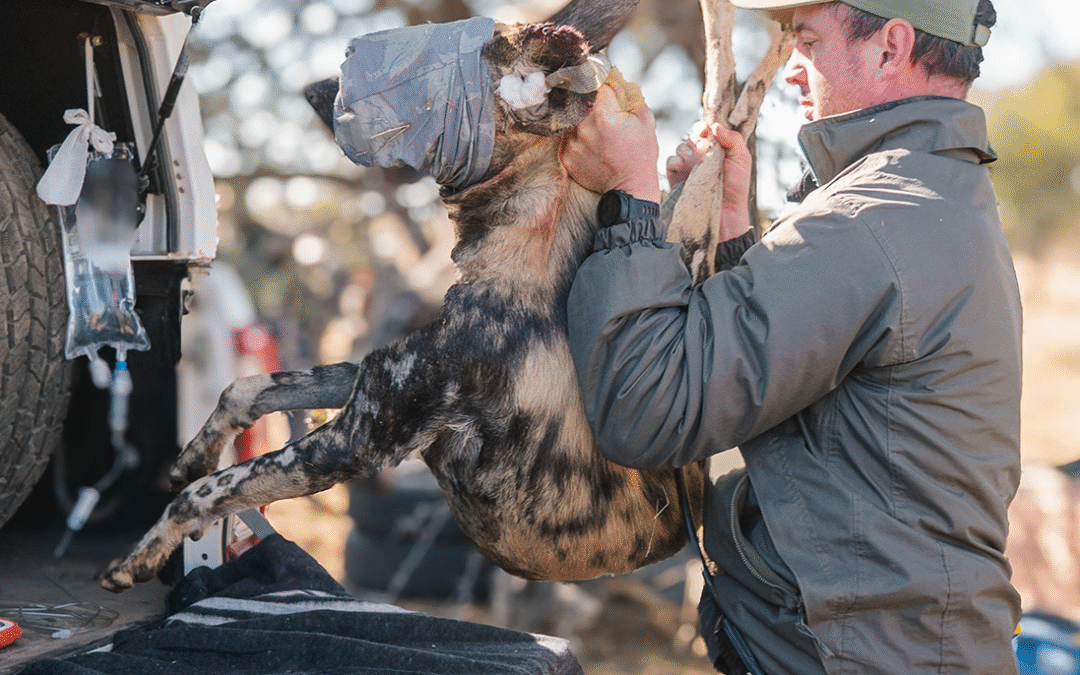
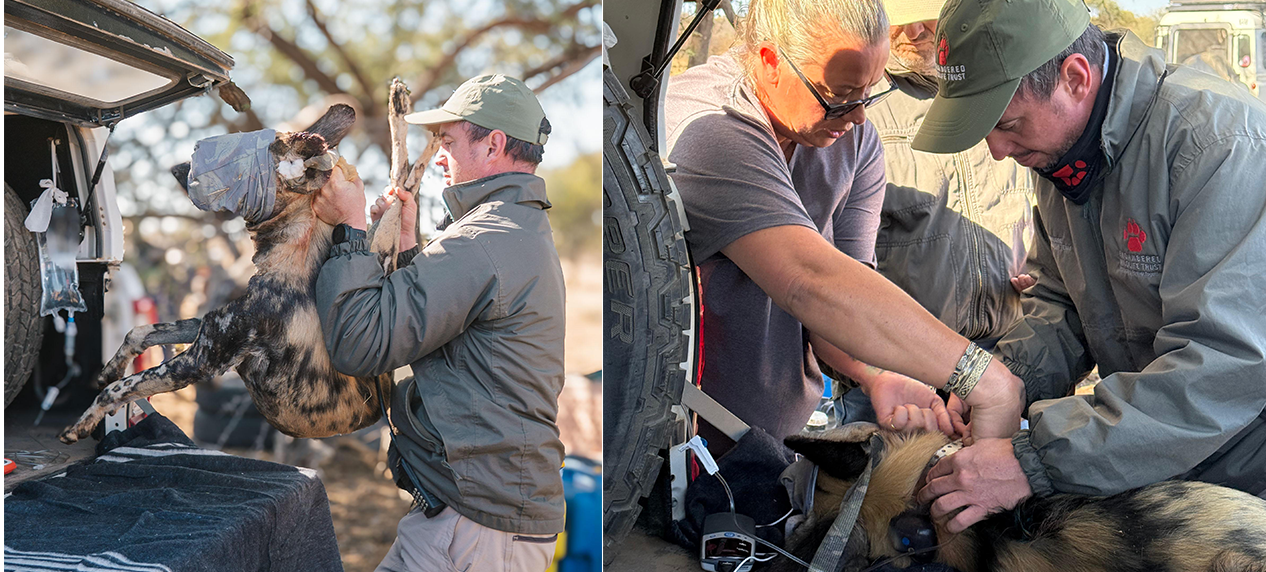
Wild Dog conservation mission in Namibia with veterinarians and volunteers

Relocating (left) and Collaring (right)


Working in the world of conservation is not easy.  Almost on a daily basis, we deal with animal welfare, multiple stakeholders, wide-ranging philosophies (and sometimes egos), legal requirements, decision-making processes, and the continuous urgency to fundraise in order to achieve high-impact results. The admin and emails slot in between these demands.

When we were travelling back from Botswana following a 24-hour African Wild Dog capture and relocation, we passed through the Martin’ s Drift border post.  It had been an intensive stint that involved hours of driving. We were relieved to be back in South Africa and looking forward to some time to rest and recover, but the world of Wild Dog conservation had other plans.

In the weeks leading up to the Botswana mission, I had been in touch with the Kalahari Wild Dog Project—a new and emerging organisation working in Namibia.  They had informed me of a Wild Dog that had been captured in a gin trap    set out by a farmer. Having been alerted to the situation, the team had immediately travelled to the farm where this Wild Dog had been captured, fully expecting to have to euthanise it on arrival. But it wasn’ t that simple.

Upon investigation, the team learned that the Wild Dog had, for three days, been contained in a cage outside a workshop area where there was a continuous flow of trucks and people. For a wild animal, this is nothing short of agonising.

To end the suffering, the veterinarian quickly immobilised the Wild Dog. A closer inspection revealed that the captured animal was a female—and she was lactating! This drastically changed the whole scenario, requiring not only the immediate treatment and relocation of the female to a clinic a few hours away, but also finding her pups.

Nadja le Roux, the founder of the Kalahari Wild Dog Project, phoned me and provided me with an update. In my time working with Wild Dogs, I have experienced some horrific physical injuries. However, my findings have shown that it is often emotional stress that takes the greatest toll on a Wild Dog. Physically, they are tough, but separate the individual from its pack, and it becomes weak.

This socially complex species suffers from ‘broken heart syndrome’ . All our conservation efforts in dealing with Wild Dogs factor in this crucial detail. This is the reason that their emotional sensitivity has been incorporated into our Standard Operating Procedures, and the findings have been documented.

The gin trap had gripped the Wild Dog on her back leg. Her cold foot and zero sensitivity between the pads indicated that she had lost the use of her leg, and infection was already setting in. The leg needed to be amputated. She also had a cracked rib.

When Nadja called me for advice, I was less concerned about the physical injuries than the dehydration and stress she was suffering. Every effort and available physical aid would be required to save this Wild Dog—fluids, antibiotics, anti-inflammatories, and warmth. It was touch-and-go, and if she did survive, the next steps would be complex. At this point, this female needed her pack to survive as much as they needed her to ensure their own survival.

Tracking and releasing African Wild Dog pack in Namibia sanctuary

Image credit: Be Wild

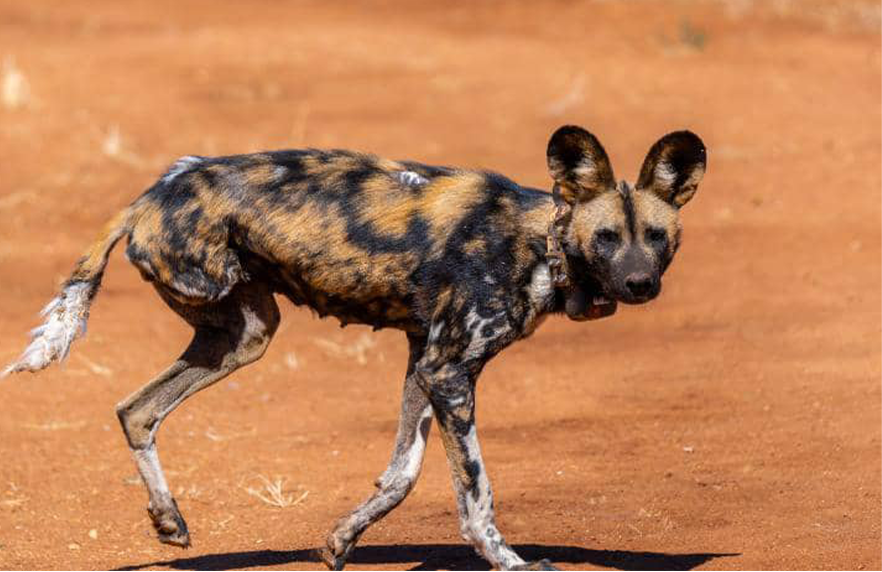
Though it had by then been four days without Mom, there was a chance that the pups were still alive. Returning her to where she had been captured was also not considered wise. It was then decided that the only way forward was to release her with a tracking collar and convince the farmer that this would provide us enough intelligence so the whole pack could be captured and removed to the safety of a suitable habitat. This would be done on condition that the farmer would remove his gin traps and potential poison. He obliged and agreed to allow the Wild Dogs the freedom to roam, but only for a short period.

Following surgery, the Wild Dog was released running around two kilometres before settling down.  Everyone waited in anticipation, wondering whether she was going to die or whether she had been reunited with her pack.

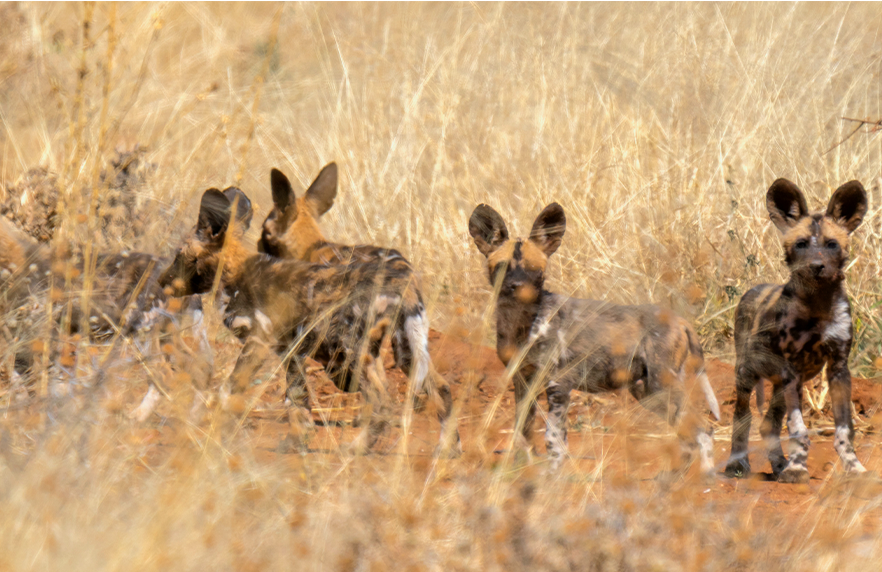
When Nadja returned to the area a few days later to survey the area using a drone, she found the female alive, with two other adults and what appeared at the time to be six pups.  It was a miracle.

After two weeks, the farmer was losing patience and one of the adult Wild Dogs had disappeared.  This raised concerns that the female would have to leave her pups to go hunting with the pack.  This was when Nadja called me for assistance.

Less than 24 hours later, I was on a flight to Windhoek.  A three-hour drive later, Nadja introduced me to the team comprising Namibian Government Officials, members of the Kalahari Wild Dog Project and the Cheetah Conservation Fund, veterinarians, a wildlife helicopter pilot and several volunteers.  After a briefing, we prepared to capture and move the adults and retrieve the pups the next day.

The aim was to move this pack to safety, away from threats such as gin traps, poisoning and snaring in a cattle farming area where conflict with people was inevitable.

This particular pack had had very little exposure to humans, and their den site was inaccessible. Because of their fear of vehicles, we opted to build a hide near the den and attempt to lure them in with ‘hoo’ calls and a carcass. But, this didn’ t work.  So, we decided to dart them from a helicopter.  Within an hour, the Alpha male and female had been darted and secured, loaded into crates, and taken to the selected sanctuary. We then needed to focus on the pups, which appeared to be between six and eight weeks old.

Locating the pups proved to be a challenge.  After hours of excavating at the site where we had spotted the Alpha pair the night before, we realised that the pack may have moved during the night to a spot where we had earlier darted the Alpha female.

That was when we stumbled upon several pups lying outside their new den. Frightened by our presence, they disappeared into a nearby hole. Careful excavation was  once again underway. It was a slow, tiring and gruelling task which became ever more difficult and dangerous as the tunnels deepened, and darkness fell. But by 11 pm, we had retrieved all the pups, eight in total, and had immediately taken them to the boma four hours away.

When we arrived at the sanctuary, we found that the two adults were doing well.  But, given how cold it was, it was decided that the pups’ crate needed to be taken to my room until sunrise.  At daybreak, we loaded the pups and the adults and took them to the boma, where the pups were placed into an artificial den (with sand from their old den and grass from their crates) before releasing the adults.  The two adults and all the pups survived the mission. A live camera at the den has confirmed that the adults are feeding and bringing food back to the pups.

A hearty development during the rescue has been the change in the farmer’ s outlook about Wild Dog after he voluntarily came to help the team locate and capture the pups.

Thank you to the wonderful Kalahari Wild Dog Project team, who never gave up on that little pack. Just this one critical experience has given rise to multiple major wins for conservation.  These include:

  • The survival of a heroic female Wild Dog and the rescue of her pack, which were saved from certain death.
  • This was the first capture of its kind in Namibia. The operational team, initially quite sceptical of whether the capture would work, were left feeling very excited, and we all learned and gained from this shared experience.
  • This was a collaborative operation with multiple Namibian partners eager to learn and contribute.
  • The Namibian government has indicated that it wants to do more for Wild Dog conservation and has promised representation at the Wild Dog Advisory Group.

A workshop is being held with numerous stakeholders to discuss the conservation and management of Namibia’ s Wild Dogs, with some exciting initiatives on the table.

The team sent the farmer photos of the release, and he has asked for the final video so that he can showcase it to his farming community. This is possibly the biggest win of all, as knowledge and understanding of our wildlife and the critical role that they play in our world is essential to their survival through the generations.

African Wild Dog rescue Namibia female and pups

**  Thank You to the Painted Wolf Foundation for your support


Counting Lions: EWT Surveys Decline in Kruger’ s Northern Pride

Counting Lions: EWT Surveys Decline in Kruger’ s Northern Pride


Counting Lions: EWT Surveys Decline in Kruger’ s Northern Pride

By Marnus Roodbol

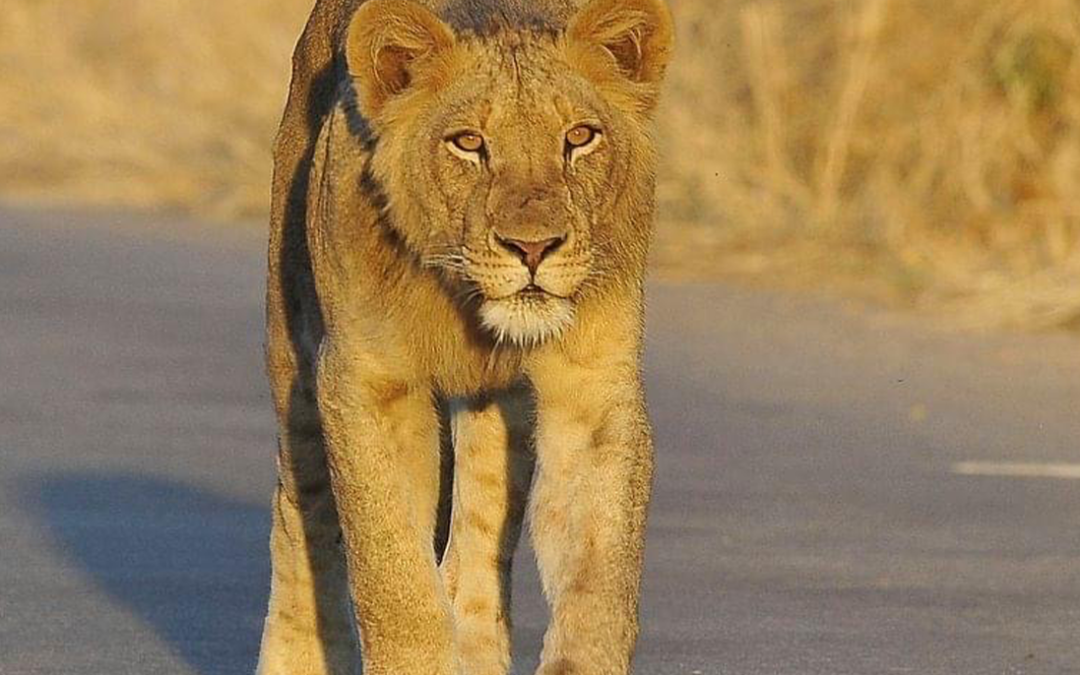
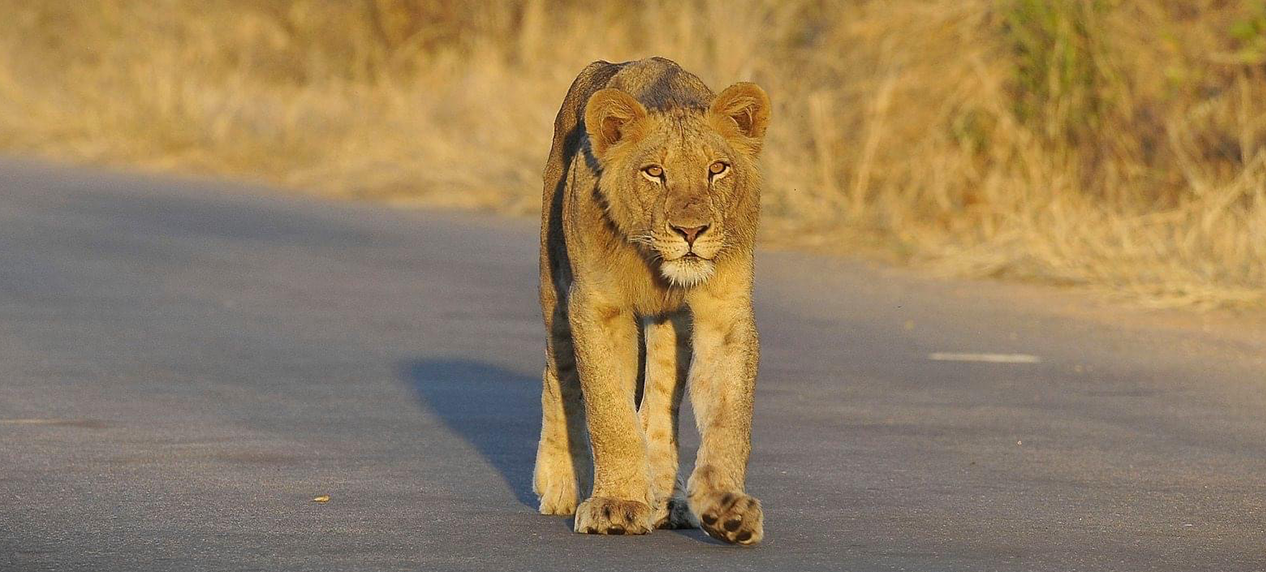
Juvenile Lion – KNP. Image by M Roodbol


The Great Limpopo Transfrontier Conservation Area (GLTFCA), which includes Kruger National Park, in South Africa, and Limpopo National Park, in Mozambique, is one of the last ten Lion strongholds in Africa. While these strongholds occur in formally protected areas and contain a stable or increasing population, indications are that the lion population in the northern reaches of the Kruger National Park are declining because of targeted poisonings and poaching.

In partnership with SANParks and the Lion Recovery Fund, the Endangered Wildlife Trust (EWT) has been monitoring lions across the landscape to understand their movements, habitat use and what measures are needed to alleviate threats to the iconic species.

From 17 September to 1 December 2023, a team from the EWT conducted a lion population survey in the Nxanatseni north region of the Kruger National Park. Spanning 5162 square kilometres, the area spanned the Pafuri, Vlakteplaas, Punda Maria, Shangoni, Woodlands and Shingwedzi sections of the Park.

Two field protocols – search encounter and camera traps – were used to collect data. These were designed to obtain high quality photographs that the team could zoom into and be able to individually identify lions through their unique whisker spots. All photographs taken of lions were inspected to try and identify individuals roaming the area.

Because it is not feasible to find every lion in the landscape, methods were used enabling the team to estimate the number of lions based on a sample of that population. To do this, advanced spatial capture-recapture models that are widely used for large carnivores globally were used. Due to the fact that lions less than one year old tend to suffer high mortality, they were excluded from the analysis.

Results

The EWT team drove 10,006 km and deployed camera traps for 2,684 trap nights over the survey period. Using the combined dataset, it was estimated that there were 105 lions in Nxanatseni North.

Our survey represents the fifth estimate of lions in the Nxanatseni North region of Kruger: In 2005, a call-up survey estimated 283 lions; a 2008 call-up survey with reduced sampling estimated 75 lions; the 2005 survey was replicated in 2015 and estimated a population of 119 lions and in 2023, the estimate was 122 lions. The EWT’ s estimate of 105 lions is similar to the latter two surveys.

All were conducted in the same region and are estimates of lions over the age of one year. This represents a possible 63% decline over the 18 years separating the surveys. The precise reasons for this have not been investigated, but anecdotal evidence suggests that there has been an increase in targeted poaching of lions, coupled with increased levels of general bushmeat poaching.

Our results show that lion density is lowest in the Pafuri and Punda Maria sections, areas that are thought to suffer from relatively high levels of snaring, poisoning, and general poaching.

The results also provide a clear signal that distance to water is an important factor explaining the variation in lion density across the landscape. Lion density was highest close to water. In recent times, artificial waterholes have been switched off in Kruger National Park, and this will likely have had an impact on lion numbers in the Nxanatseni North region, which has a semi-arid climate. Worth noting is that while lions are not dependent on water, their primary prey species typically are.

Conservation approaches typically encompass a range of approaches aimed at safeguarding their habitats, mitigating human-lion conflicts, combating poaching and illicit wildlife trade, and fostering harmonious coexistence between lions and local communities.

Identifying trends in lion numbers and demographics remains crucial for their conservation, as is investigating the factors that drive those trends.

We recommend that future conservation efforts are coupled with regular population monitoring in this region to inform conservation actions and assess their effectiveness, taking an adaptive management approach.


** The EWT would like to thank SA National Parks for permission of carry out the survey, AHA Hotels and Lodges for their logistical support and the Lion Recovery Fund for their generous support.

EWT Drylands Conservation team participates in 2024 Fynbos Forum

EWT Drylands Conservation team participates in 2024 Fynbos Forum


EWT Drylands Conservation team participates in 2024 Fynbos Forum

By Dr Samantha Mynhardt and Insauf De Vries

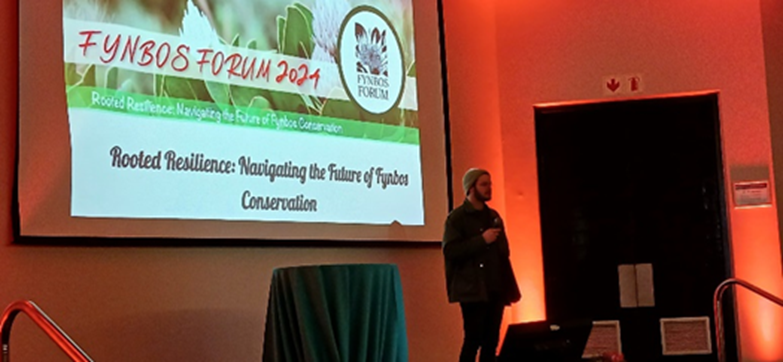
Renier Basson speaking about insects and fynbos conservation

Members of the EWT’ s Drylands Conservation Programme (DCP) participated in this year’ s Fynbos Forum in Stellenbosch earlier this month, sharing information about efforts to conserve golden moles and insects, and the partnership with communities to promote tourism in areas rich with Fynbos.

The forum, first held in 2020, is an affiliation of natural scientists, researchers, planners, managers, landowners and stakeholders that meet annually to discuss the collaborative production of knowledge that underpins regional conservation efforts in the Fynbos biome in South Africa. As a transdisciplinary regional learning network, the forum supports discussions on management issues and research results, and formulates priorities for future research and conservation management actions required to ensure the conservation and sustainability of Fynbos ecosystems.

Notable keynote speakers included Dr. Jasper Slingsby from the University of Cape Town, who spoke about BioSCape – The Biodiversity Survey of the Cape, and Rupert Barnard and Michelle de Bruyn from non-profit, Wild Restoration. They spoke about the collaborative action network for invasive clearing groups in the Greater Cape Floristic Region and the power of partnerships in conservation.

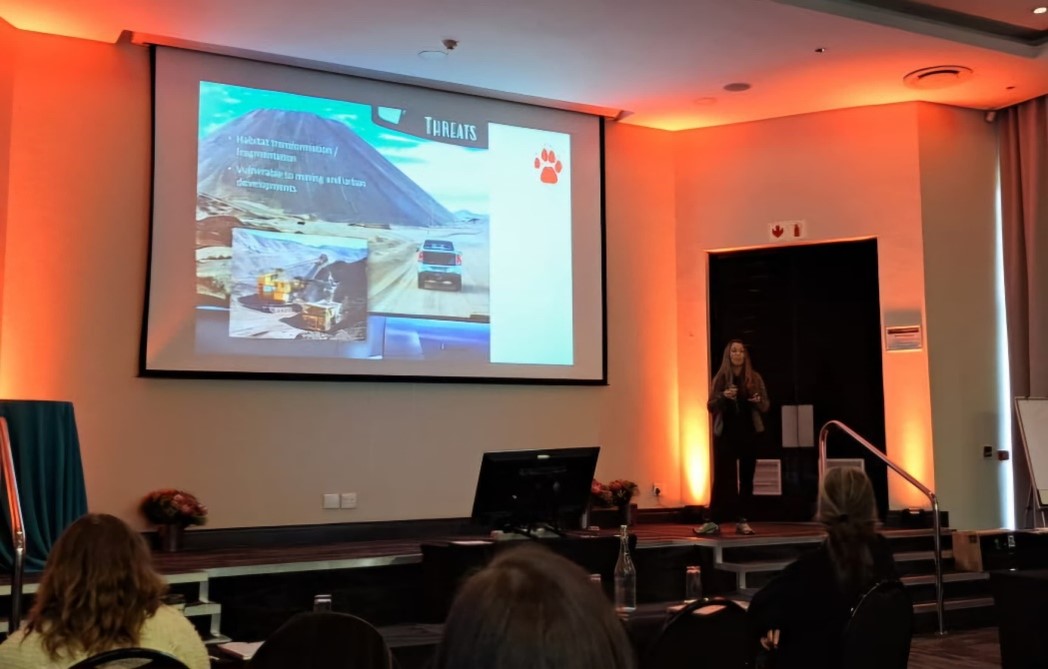
From the EWT’ s DCP team, Dr Samantha Mynhardt presented a talk on golden moles entitled “Conserving the Golden Moles of the South African West Coast”. Golden moles are subterranean mammals that are endemic to sub-Saharan Africa, many with restricted ranges due to poor dispersal ability. These moles are highly vulnerable to population fragmentation and isolation and continue to face ongoing threats, such as habitat transformation, mining, and agriculture. Of the 21 species, ten are listed as either Critically Endangered, Endangered or Vulnerable on the IUCN Red List. A total of 6 occur in the Drylands of South Africa, some of which overlap with the Fynbos biome. Dr Mynhardt spoke about how the EWT has been working towards the conservation of the De Winton’ s- (Cryptochloris wintoni) and Van Zyl’ s- (Cryptochloris zyli) Golden Moles, by developing methods to track them down in the wild, better understand their distribution, and protect their habitat. Including how, after trialing various detection methods such as thermal imaging drones, scent detection dogs and environmental DNA (eDNA), we were able to rediscover the De Winton’ s golden mole in 2023 – a species that had been lost to science for over 80 years. We are using eDNA to map golden mole species distributions; an approach that has the potential to revolutionise the field of conservation science.

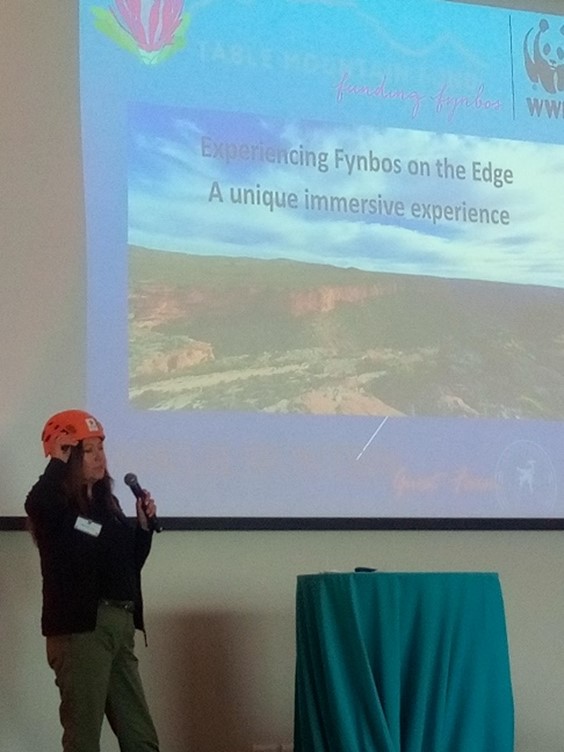
Alrie van Wyk presenting about the Papkuilsfontein initiatives

Dr Samantha Mynhardt speaks about the conservation of golden moles on South Africa’ s West Coast

Team member Renier Basson presented a talk on the endemic and Endangered insects of the Fynbos highlighting unique species that are adapted to the Fynbos biome, and species that are of conservation concern. The aim of his talk was to inform the audience about the elusive biology of endemic insects , the ecological role they play, their threat status, and why they are threatened. There are approximately 9,000 Fynbos species and roughly 70% of those are endemic. Discussing threatened taxonomic groups such as Restio Grasshoppers (Betiscoides spp.), butterflies in the genera Chrysoritis, Thestor, Orachrysops and Trida, and Cape Stag Beetles (Colophon spp.), he mentioned that the biology of many of these threatened groups remain unknown, which makes decision-making in terms of conservation very challenging.

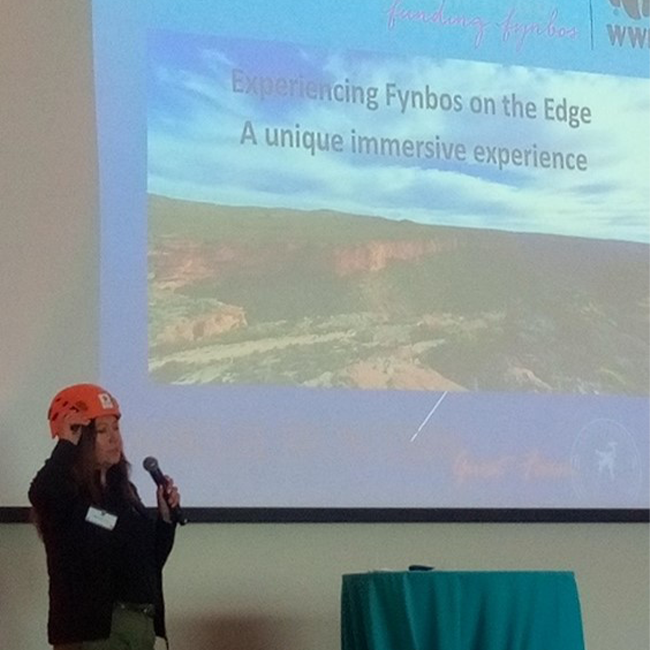
Alrie van Wyk, one of the DCP stewardship landowners, spoke about the EWT’ s Via Ferrata initiative at Papkuilsfontein Guest Farm in a talk entitled “Experiencing Fynbos on the Edge”. The Via Ferrata roughly translates to iron trail – in reference to an iron cable installed along the cliffs of the Oorlogskloof Gorge at the farm. Situated on the Bokkeveld Plateau, near Nieuwoudtville, the farm contains unique Fynbos and Succulent biomes, which are both biodiversity hotspots, as well as the Nama Karoo Biome. The convergence of the various biomes results in exceptionally high biodiversity. Nieuwoudtville is known as the bulb capital of the world and is thus a popular tourist destination during the flower season. But, this season is short and, in some years, less financially beneficial due to poor flower displays. To make tourism an inclusive and sustainable future economic contributor in support of sustainable land management, partners are working together to reimagine this approach. As such the EWT-DCP team introduced the van Wyks to adventure tourism as a means to provide a much-needed opportunity to develop a sustainable income stream based on an immersive and uniquely tailored experience. This includes a Via Ferrata – a safe, guided rock-climbing experience within the Papkuilsfontein protected environment that showcases the unique Fynbos biodiversity found on the edges of the Oorlogskloof Gorge. Alrie’ s presentation highlighted how this project became a pathway to community upliftment, contributed to resilience of the landscape, and allowed for financial returns to flow back into the conservation of the biodiversity on the farm. Her talk won the prize for the Best Presentation. We are extremely proud of her!

Overall, the Fynbos Forum presented a great opportunity for our team to connect with one another, and to network with the broader Western Cape conservation community. We walked away with renewed enthusiasm to contribute to future research and conservation management actions required to ensure the conservation and sustainability of Fynbos ecosystems.

The EWT projects and attendance of the event were made possible by Table Mountain Fund and Mohamed bin Zayed Species Conservation Fund.