Help protect Africa's 

Impending El Nino: Implications similar for Conservation, Agriculture and Water Security in South Africa

Impending El Nino: Implications similar for Conservation, Agriculture and Water Security in South Africa

Impending El Niño: Implications similar for Conservation, Agriculture and Water Security in South Africa

By Dr Ian Little, head of Conservation
 

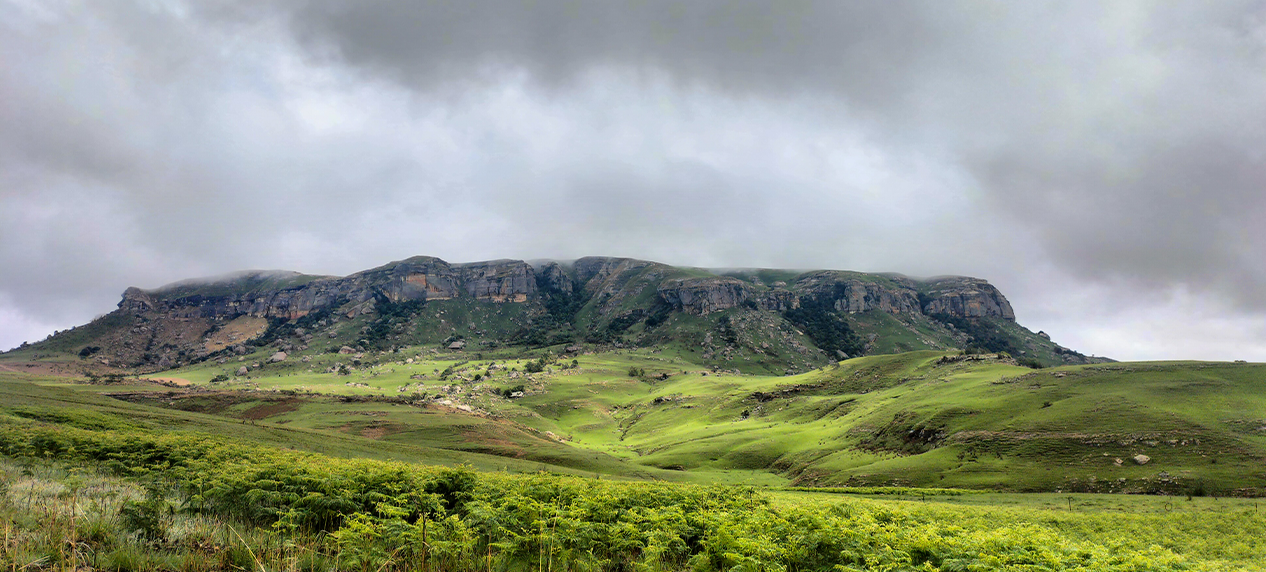
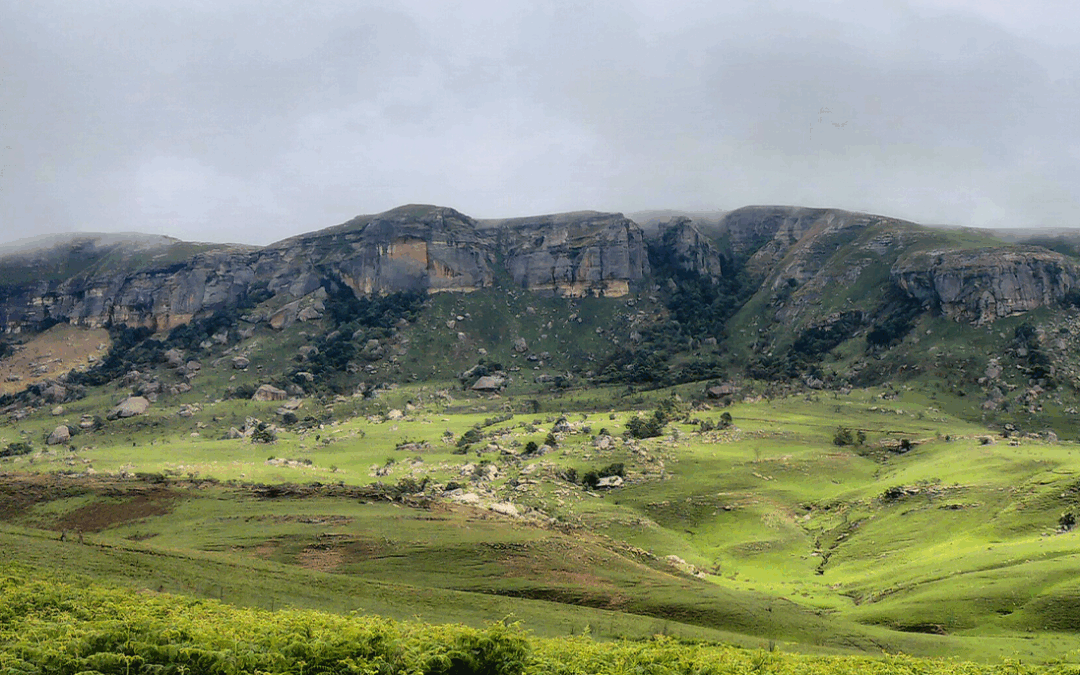
Drought-stressed South African landscape illustrating the conservation impacts of El Niño.

The onset of a very strong El Niño event during the second half of 2026 is expected to hold similar consequences for conservation, agriculture and water security in South Africa.

Climate models are increasingly showing that the conditions arising from El Niño are likely to peak between October and December this year, and persist into early 2027.

The most recent international forecasts indicating one of the highest probabilities yet observed for a strong-to-very-strong El Niño, raise concerns for southern Africa, where El Niño has historically been associated with below-average summer rainfall, elevated temperatures and widespread drought.  Although every El Niño differs, the anticipated event warrants immediate planning by farmers, conservation practitioners, water managers and urban residents.

Historically, El Niño years have produced delayed onset of summer rainfall, reduced rainfall across the summer rainfall region, higher daytime temperatures, increased frequency and duration of heatwaves, lower streamflows, lower dam inflows and greater wildfire danger during late winter and spring.   The strongest impacts are generally experienced across Limpopo, North West, Free State, Mpumalanga, Gauteng and much of the Eastern Cape interior. The Western Cape, which receives predominantly winter rainfall, is usually less directly affected, although high temperatures and increased evaporation may still place pressure on water resources.

Implications for Agriculture

Agriculture is among the sectors most vulnerable to El Niño. Reduced rainfall during planting seasons can substantially decrease maize, sunflower and soybean production, amongst others. Heat stress during flowering and grain filling further reduces yields while increasing irrigation demand.

Livestock farming faces equally significant risks. Many of these important livestock production areas fall within the grassland biome where the Endangered Wildlife Trust (EWT) works extensively to improve habitat management, declare protected areas and restore transformed ecosystems for the protection of threatened species. Poor rainfall results in reduced grass production, declining veld condition and lower carrying capacity. Water points dry earlier, increasing pressure on remaining resources and accelerating land degradation through overgrazing. Livestock experience reduced fertility, lower weight gain, increased disease susceptibility and greater mortality where supplementary feeding is inadequate. Mitigating these impacts should centre on pro-actively reducing stocking rates to increase resilience in line with reduced carrying capacity of the hydrologically stressed system.

Other key proactive actions could include building fodder reserves while feed remains relatively affordable, repairing water infrastructure and improve storage capacity, rotating grazing to protect veld condition, developing contingency drought budgets and marketing plans and working closely with veterinarians to minimise disease risks associated with nutritional stress.

Conservation implications

The conservation sector faces many of the same challenges as agriculture. Protected areas may experience declining water availability, reduced grazing and browsing availability, increased wildlife concentrations around remaining water sources and heightened competition between herbivores. Smaller wetlands may dry completely, affecting amphibians, waterbirds and aquatic biodiversity. Vegetation under drought stress becomes increasingly susceptible to insect outbreaks, invasive species and wildfire.

However, well-managed protected areas often demonstrate greater ecological resilience because intact ecosystems retain soil moisture more effectively, support groundwater recharge and maintain healthier ecological processes than degraded landscapes. The EWT has secured over 200,000 hectares of newly declared protected areas with improved habitat management and is working on a further >250,000 hectares of priority area declarations for the protection of key threatened species habitats and climate resilience.

Grassland catchments: South Africa’s natural water infrastructure

Perhaps the most important long-term climate adaptation strategy is protecting South Africa’s strategic water source areas, particularly the high-altitude grassland catchments that supply much of the country’s surface water. These catchment areas also support a disproportionately high number of South Africa’ s threatened and endemic species, making their long-term preservation critical from a conservation perspective. This is a core focal biome for the EWT with key areas in the Amathole Mountains, near Hogsback in the Eastern Cape, the KZN midlands, the escarpment and plateau of the Northern Drakensberg in the eastern Free State and the Steenkampsberg plateau around the town of Dullstroom in Mpumalanga. Although these catchments occupy a relatively small proportion of South Africa’s land area, they generate a disproportionately large share of river flow supplying major urban centres, industries and agricultural regions.

Healthy grasslands perform several critical ecosystem services, including but not limited to increasing rainfall infiltration, recharging groundwater, reducing soil erosion, moderating flood peaks, sustaining dry-season river flows, improving water quality and increasing resilience during drought. Conversely, degraded grasslands lose their sponge-like capacity to absorb rainfall. Water runs rapidly off compacted soils, causing erosion during storms while leaving rivers with reduced baseflows during dry periods.

Restoration through improved grazing management, erosion control, alien plant clearing, ecologically responsible fire management and wetland protection therefore represents one of the most cost-effective climate adaptation investments available to South Africa.

Healthy catchments function as natural infrastructure, complementing built dams and reservoirs while reducing treatment costs and increasing water security.

Preparing urban South Africa

Urban residents are often insulated from seasonal climate variability until water restrictions become necessary. Nevertheless, prolonged drought can rapidly reduce reservoir storage and increase pressure on municipal water supplies.

Households can improve resilience by:

  • Reducing unnecessary water consumption.
  • Repairing leaking taps and toilets.
  • Installing low-flow fittings.
  • Harvesting rainwater where feasible.
  • Reusing greywater for gardens.
  • Planting indigenous drought-tolerant vegetation.
  • Maintaining emergency household water storage.
  • Supporting municipal efforts to reduce non-revenue water losses.

Municipalities should simultaneously accelerate leak detection, infrastructure maintenance, groundwater development where appropriate and public awareness campaigns before severe shortages emerge.

Through the implementation of nature-based solutions, ecosystem restoration, and supporting communities in implementing resilience initiatives, the Restoring South Africa’ s Landscapes for Climate (ReLISA) Project is targeting the restoration of 100,000 of vital biomes in areas such as the Northern Drakensberg and by 2030 to enhance water and climate security.  Climate and Carbon Financing initiatives see the EWT partnering with private landowners and rural communities to create viable carbon projects that financially reward sustainable land stewardship and carbon capture, and the Drakensberg Crane Habitat Carbon Project has already seen the successful registration of a 90,000-hectare carbon offsetting project that rewards landowners for sustainable grassland and wetland management, reducing emissions while protecting vulnerable bird species.

Agriculture, biodiversity conservation and water security are closely interconnected, and actions taken during the months preceding drought often determine its ultimate impacts.

Protecting strategic grassland catchments offers perhaps the greatest long-term investment in national climate resilience, especially those catchments that supply our large urban centres Healthy ecosystems support reliable water supplies, sustain biodiversity and buffer communities against increasingly variable climatic conditions. Combined with improved agricultural planning, responsible water use and adaptive management, these natural systems will become increasingly important as climate change amplifies the frequency and severity of extreme weather events.

Rather than responding only after drought develops, South Africa has an opportunity to strengthen resilience before the anticipated impacts of the 2026–2027 El Niño unfold.
Tuks Students reuse invasive alien species

Tuks Students reuse invasive alien species

In the Field:

Tuks Students reuse invasive alien species


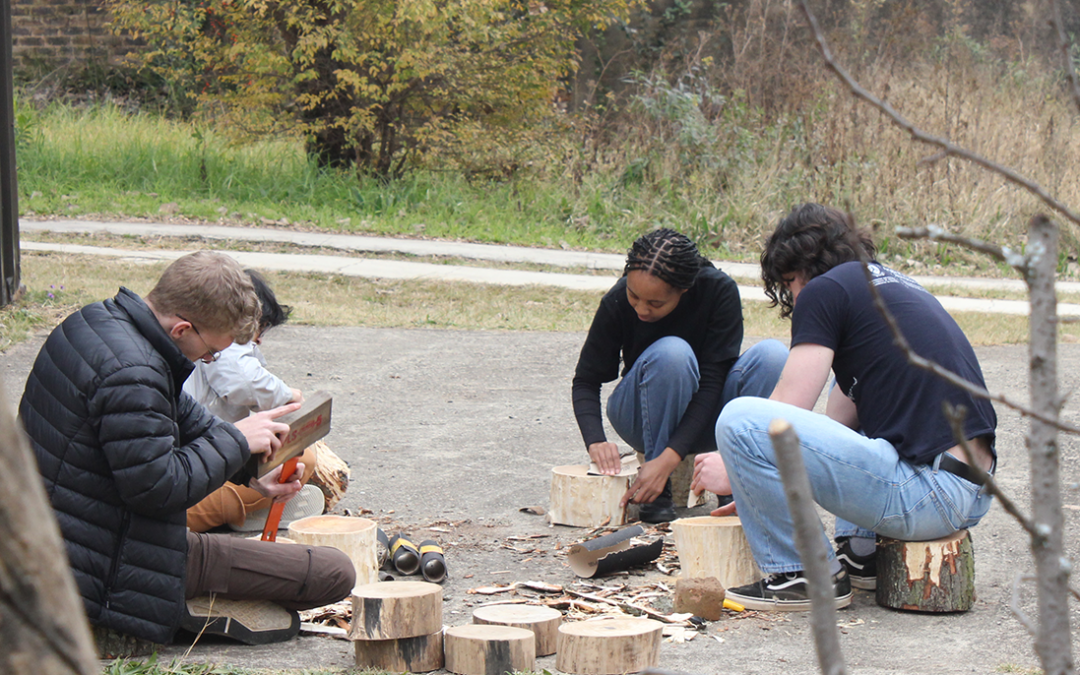
University of Pretoria students preparing invasive alien tree wood for a sensory garden.

A group of four University of Pretoria students recently visited the EWT’ s Conservation Campus in Midrand to collect and process pieces of wood from invasive alien species that had been removed during rehabilitation of the natural environment on the property.  The students – Declan McCullough, Sienna Govind, Palesa Mokoena and Lèhan de Villiers, cleaned pieces of tree of their remaining bark.  These pieces of wood are to be used to create steps to the sensory garden at the University’ s Mamelodi Campus in Pretoria. This garden was opened in 2023 and includes features, surfaces, objects and plants to stimulate the senses through touch, scent, taste, hearing and sight.  The aim of these gardens is improve the health, mood and cognition of visitors.

ReLISA: Restoring South Africa’ s Landscapes for Climate, Biodiversity and People

ReLISA: Restoring South Africa’ s Landscapes for Climate, Biodiversity and People

ReLISA: Restoring South Africa’ s Landscapes for Climate, Biodiversity and People

By Christopher Hooten – Project Manager, Endangered Wildlife Trust 

Restored savanna landscape supporting biodiversity and livelihoods

South Africa stands at a critical crossroads. Decades of unsustainable land use, combined with intensifying climate pressures, have pushed some of the country’ s most important ecosystems to the brink.

Grasslands that supply the majority of the nation’ s water, savannas that support iconic wildlife and rural livelihoods, and thicket systems unique to the Eastern Cape now show the accumulated scars of overgrazing, mining, invasive alien plant encroachment, drought and fire.

But, alongside this sobering reality lies a growing movement—one that is evolving from scattered localised rehabilitation efforts to coordinated, large-scale action capable of transforming entire landscapes. At the centre of this shift is ReLISA: Restoring Landscapes in South Africa, a five-year, €15-million initiative funded by the German Federal Ministry for the Environment (BMUV) through the International Climate Initiative (IKI).

ReLISA brings together an exceptional consortium—United Nations Environment Programme (UNEP), the Endangered Wildlife Trust (EWT), the United Nations Development Programme (UNDP), the United Nations Educational, Scientific and Cultural Organisation (UNESCO), Council for Scientific and Industrial Research (CSIR), C4 EcoSolutions and Unique Landuse—with the aim to develop large-scale restoration initiatives, expand protected areas and drive social inclusivity.

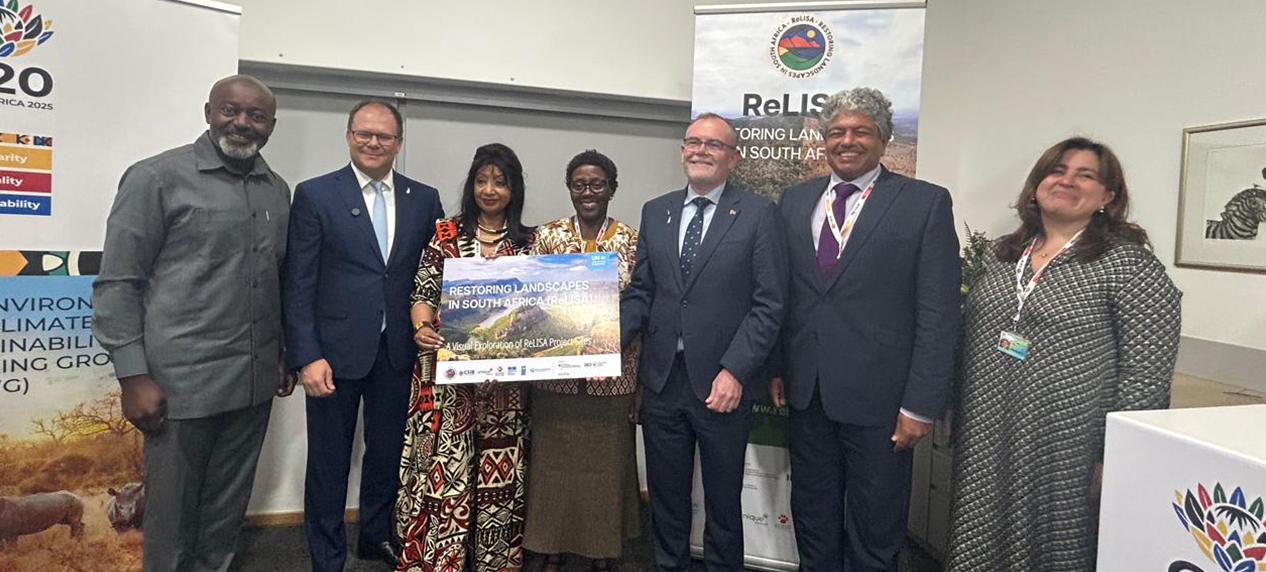
On 16 October, on the sidelines of the G20 Environment and Climate Sustainability Working Group (ECSWG) Ministerial Meeting in Cape Town, the ReLISA project was jointly officiated by Dion George, South Africa’ s Minister of Forestry, Fisheries and the Environment (DFFE); Carsten Schneider, German Federal Minister for the Environment, Climate Action, Nature Conservation and Nuclear Safety (BMUKN); Elizabeth Maruma Mrema, Deputy Executive Director of the United Nations Environment Programme (UNEP); and Nelson Muffuh, Resident Coordinator of the United Nations in South Africa.

ReLISA project launch with government and international partners

ReLISA is not just another conservation project. It is a strategic intervention designed to unlock private and public investment, drive protected area expansion and place nature-based solutions at the heart of national development priorities. It marks a new generation of restoration programming—one that pairs ecological restoration with economic valuation, financial innovation, and strong community partnerships.

At the heart of the initiative lies a simple but powerful premise: restoration is not only good for nature—it is good for people, economies, and long-term climate stability.


Healing Biomes That Sustain a Nation

South Africa’ s landscapes are globally celebrated for their richness and diversity. Yet three biomes, in particular, stand out for their ecological and economic importance. ReLISA’ s core areas of focus are the Grassland, Savanna and Thicket Biomes. These landscapes have absorbed the impacts of generations of intensive use. Today, they face additional threats from climate change—prolonged droughts, record-breaking temperatures, wildfires and shifting rainfall patterns. Meanwhile, invasive alien plants continue to spread at unprecedented rates, outcompeting indigenous vegetation and consuming critical water supplies.

Decades of land degradation, notably within Strategic Water Source Areas (SWSAs), have undermined biodiversity, strained water security, and eroded the natural assets that rural communities depend on. As climate change intensifies, the impacts of droughts, extreme weather, and land degradation are becoming more severe, especially for vulnerable households and farmers. This project emphasises the importance of SWSAs in South Africa, which are critical for maintaining water supply whilst supporting agriculture, communities, and wildlife. By focusing restoration work within, and protecting, SWSAs, water retention in the landscape can be enhanced, erosion reduced and the resilience of ecosystems in the face of climate change improved.

At the same time, governments and land users have consistently faced a barrier common to restoration efforts worldwide: how to finance restoration at scale. The project aims to bridge this gap by combining biophysical science with economic valuation and investor-ready project design, building a compelling economic case for restoration in South Africa in order to attract private investment and blended finance opportunities.

ReLISA recognises that restoring these biomes is no longer optional; it is essential. Not only for safeguarding biodiversity, but for national water security, economic resilience, climate adaptation and the well-being of communities who depend directly on the land.

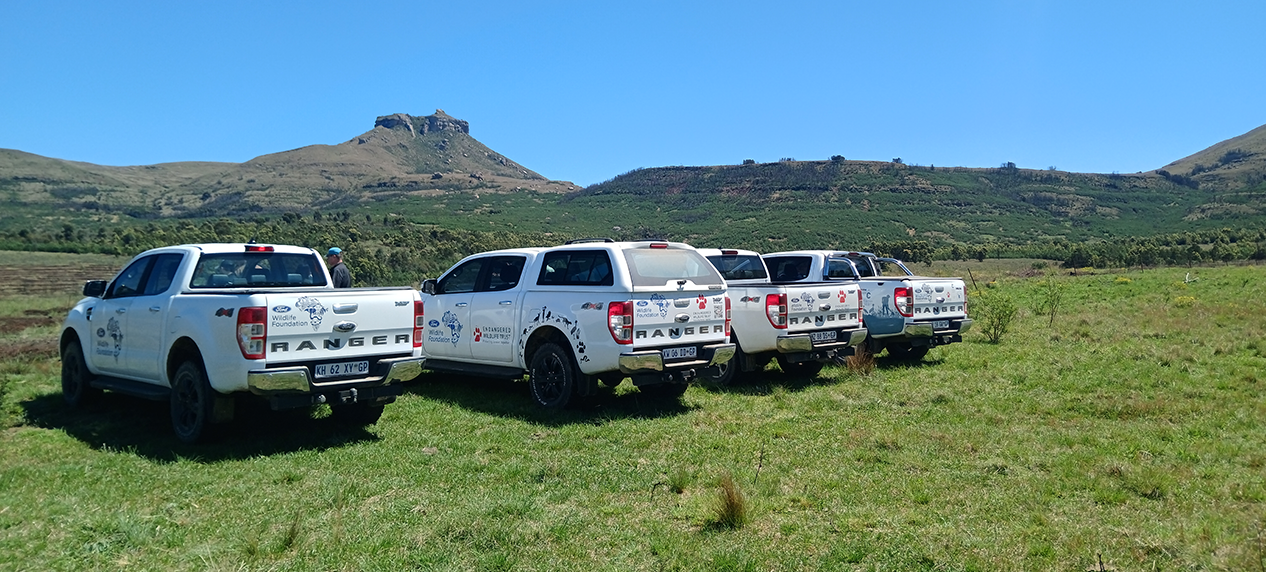
The main target landscapes for the EWT within ReLISA are the Northern Drakensberg, Soutpansberg and the Amatholes. Within these, the EWT strives to further expand the existing protected area network through biodiversity stewardship mechanisms, whilst addressing land degradation and species conservation. Within each of the landscapes there is a dedicated and committed field officer who actively works alongside land users, building relationships and providing input and assistance with rangeland management, restoration and alien plant clearing. The work undertaken within these landscapes is more than just protected area expansion for the sake of numbers, it focusses on key corridors, areas of intact habitat and properties where there are known threatened species, with the aim to create a larger, connected network of protected areas.


What ReLISA Aims to Achieve

The true innovation of ReLISA is its systems thinking. Instead of treating restoration as isolated interventions, the project views landscapes as interconnected ecological, social and economic systems.

  1. Restoration at Scale

ReLISA aims have 100,000 hectares across key landscapes under restoration by 2030, biomes that are essential for biodiversity, water supply, and climate resilience.

  1. Expansion of Protected Areas and the Northern Drakensberg Biosphere Reserve

In conjunction with the expansion of protected areas, the EWT is in the very early stages of setting up the proposed Northern Drakensberg Biosphere Reserve, targeting the grassland biome and incorporating existing protected networks along the northeastern escarpment between Royal Natal National Park and Memel in the eastern Free State.

  1. Economic and Financial Innovation

ReLISA is developing bankable business models for restoration, creating opportunities for impact investors, agribusiness, and other private sector actors to finance nature-based solutions. Funding models include payments for ecosystem services, carbon-focused finance through carbon credits, and potential water-fund mechanisms.

  1. Strengthened Ecosystem Services

Restoration activities will improve water security, stabilise soils, restore carbon stocks, and enhance biodiversity. These improvements directly support local livelihoods, agriculture, and tourism.

  1. Policy Support and Knowledge Sharing

Through strong collaboration with government partners, ReLISA will support policy development and share insights nationally and internationally, helping shape a long-term, sustainable restoration economy.


Looking Ahead

As climate risks accelerate and water security declines, the cost of inaction grows each year. Yet restoration—when done at scale—offers one of the highest returns on investment of any nature-based solution.

With its official launch complete, ReLISA now moves into full implementation. The coming years will focus on expanding restoration efforts, deepening community partnerships, and demonstrating that nature-based solutions can deliver economic, ecological, and social benefits at scale.

Through strong collaboration, innovative financing, and evidence-based action, the project seeks to become a flagship model for sustainable restoration—not only in South Africa, but globally.

EWT field officer working with landowners on landscape restoration

News from the Field – Translocation Tales: The Carnivore Range Expansion Project

News from the Field – Translocation Tales: The Carnivore Range Expansion Project

News from the Field

Translocation Tales: The Carnivore Range Expansion Project

By Eugene Greyling, Carnivore Conservation Field Officer

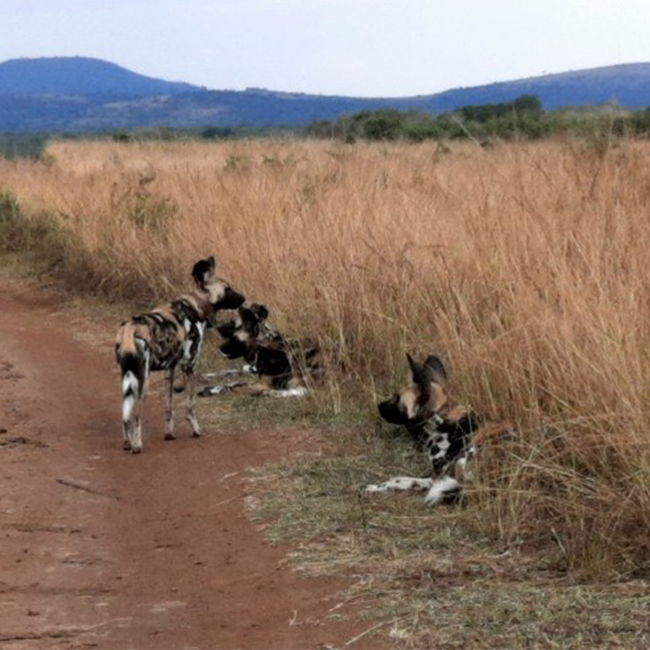
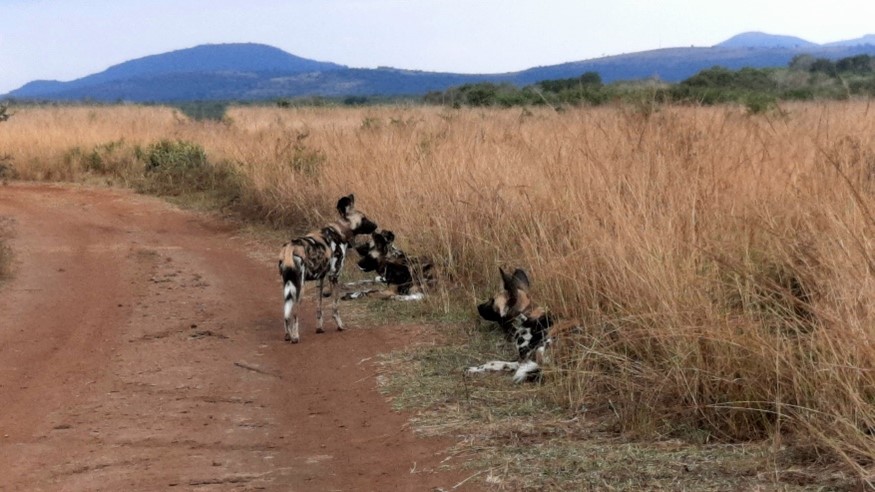
Wild dogs relaxing after being released at Mpilo Game Reserve

The general aim of the Endangered Wildlife Trust’ s Carnivore Range Expansion Project, operating within the Carnivore Conservation Programme, not only includes the conservation of current carnivore populations and the maintenance of genetic integrity in areas where a lack of sufficient ecological connectivity hinders natural dispersal, but also extends to the expansion of geographical range for focal species (with a primary focus on African wild dogs Lycaon pictus and cheetahs Acinonyx jubatus).

Restoring previously extirpated or locally extinct populations, thereby recovering lost range, and securing safe space across the African continent is thus an important priority for us.

“Translocation” refers to the action of purposefully taking an organism from a suitable habitat in one area to a suitable habitat in another area. This is done to encourage threatened species to repopulate in a new area to improve the conservation status of the species and restore the functioning of the ecosystem through population restoration.

Most recently, several translocations have been undertaken by our wild dog range expansion team to reintroduce wild dogs to additional safe spaces in South Africa.

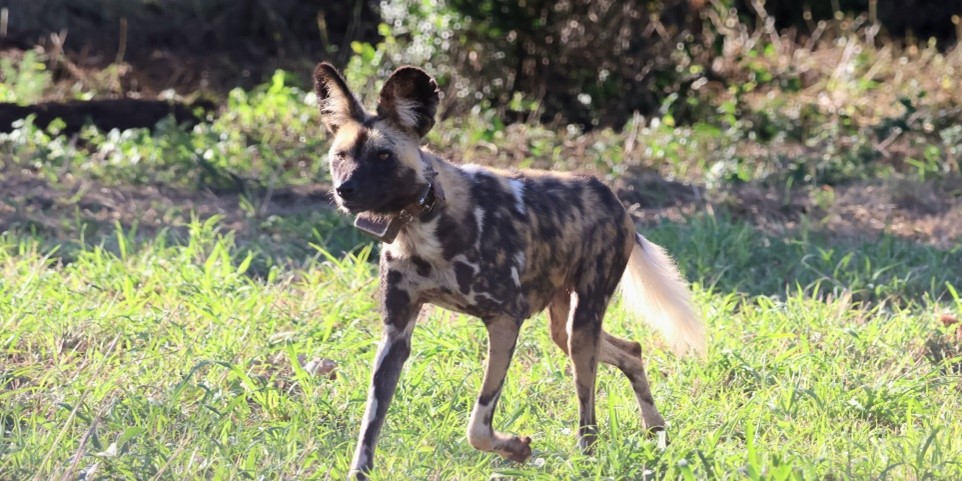
For the first time, founder packs have been introduced into Mpilo Private Game Reserve and Nambiti Private Game Reserve, in collaboration with Ezemvelo KZN Wildlife and Wildlife ACT. All introduced individuals have been fitted with tracking collars to enable daily monitoring of their movements, population and behavioural dynamics, and ecological influences and to help prevent human-wildlife conflict. The information gathered allows for informed decision-making – both at the reserve and the species level.

The pack at Mpilo PGR established well, birthing a litter of pups and curiously exploring their new environment, whilst the pack at Nambiti PGR is still adjusting and acclimatising to their new home in a boma before being released onto the reserve.

With less than 600 wild dogs found in South Africa, of only an estimated 6,600 that remain in the wild globally, every individual counts and we are immensely grateful for the commitment of these reserves to the conservation of the African Wild Dog.

Sometimes, we also need to get creative in the field, as was the case when we executed another successful wild dog translocation to Makalali Private Game Reserve in Limpopo recently.

Due to challenges faced with non-ideal weather conditions as temperatures plummeted to -3°C on the day of relocation, we opted to transport this small pack of four together in a single-compartment lion crate instead of the specially-designed wild dog crates we would generally use. By simulating a den-like environment within the crate, the wild dogs were able to keep each other warm and at rest, minimising stress throughout the journey.

If one thing is certain, it is that no day in the field is quite the same, and by being continuously challenged we continue to explore, innovate, learn, and adapt with every operation.


One of the collared female wild dogs released at Nambiti Game Reserve

Fired up for conservation

Fired up for conservation


News from the field:

Fired up for conservation

By Darren Pietersen, Ecology Manager, Soutpansberg Protected Area

Globally, “wildfires” are seen as terrifying, destructive, unnatural, and something to be stopped at all costs. This sentiment is understandable when the effects of runaway fires are seen – for instance the large-scale fires in Australia, and those in the Northern Cape province in the past few years that resulted in thousands of hectares of grazing being lost, countless livestock burning to death, and infrastructure being lost.

But fire is, in fact, an integral part of the ecosystem. Savannahs and grasslands rely on fire (and herbivory) for their maintenance by preventing bush encroachment, and many plant species, including many fynbos species, rely on fire to germinate their seeds. In his study comparing historical and contemporary photographs of the Soutpansberg, Dr Norbert Hahn established that the Soutpansberg overall has become much denser in the past 150 years, with the loss of most of the Soutpansberg grasslands (and their associated species) through the removal of large grazers and fire from the ecosystem. We cannot reintroduce bulk grazers to the majority of the Soutpansberg (yet), but we can ‘reintroduce’ fire.

The EWT Medike Reserve is in the process of reintroducing fire as a management tool on the Soutpansberg range. Like many properties on the Soutpansberg area, most of Medike Reserve has not burnt in a very long time – in the region of three decades, whereas historically the Soutpansberg would have probably burnt every five to ten years.

This absence of fire has resulted in the build-up of a vast quantity of moribund material such as dead grass and other plant debris, resulting in unnaturally high fuel loads and poor grazing for animals. This build-up of dead plant material can result in intense, difficult to manage wildfires – as we experienced last year when a lightning strike resulted in a fire that burnt for two weeks on farms neighbouring Medike.

In an effort to start restoring natural ecosystem functions, Medike is implementing management burns – purposefully burning a section of veld under appropriate ecological conditions, but also under conditions where the fire can be safely managed. Rangeland burns can legally only be set between September and November in Limpopo province (and only with the necessary permits), whereas all firebreaks need to legally be burnt before the end of June.


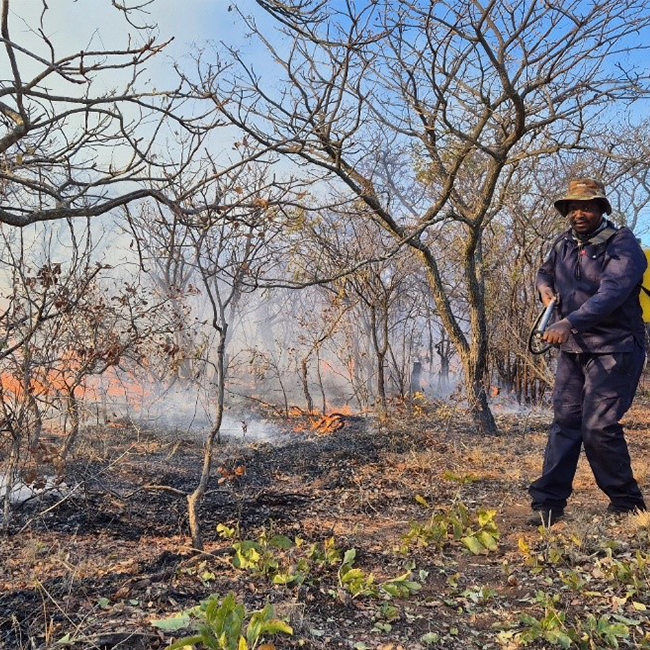
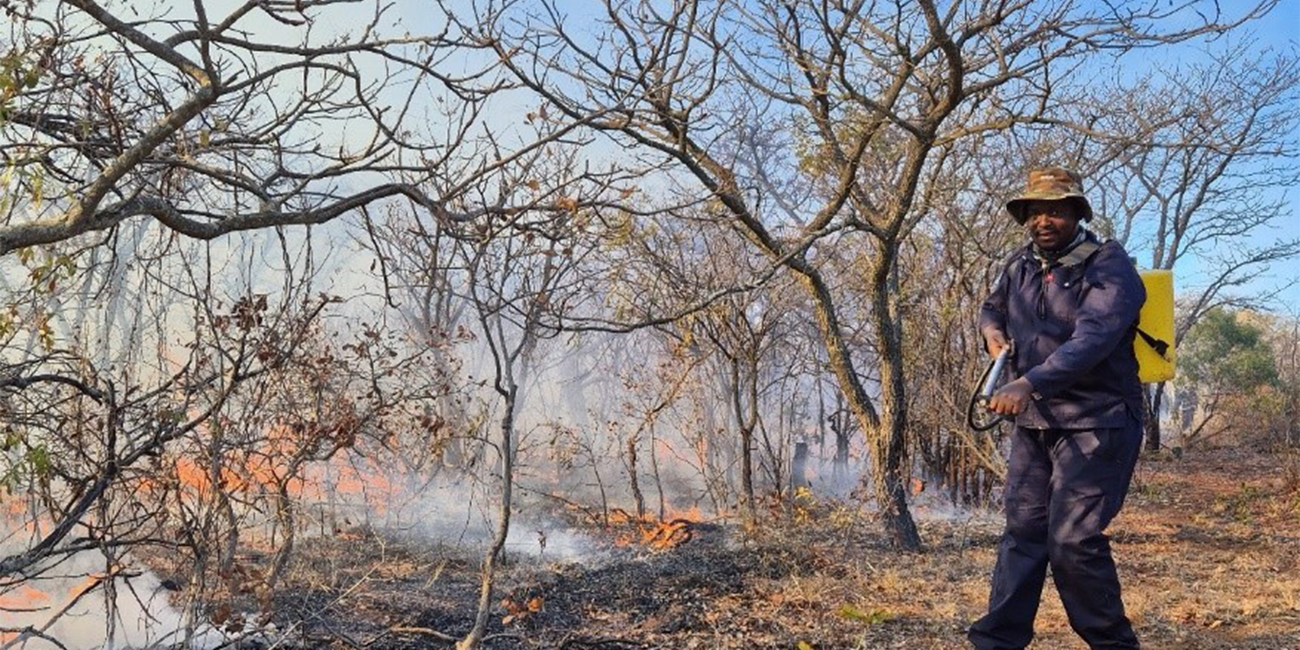
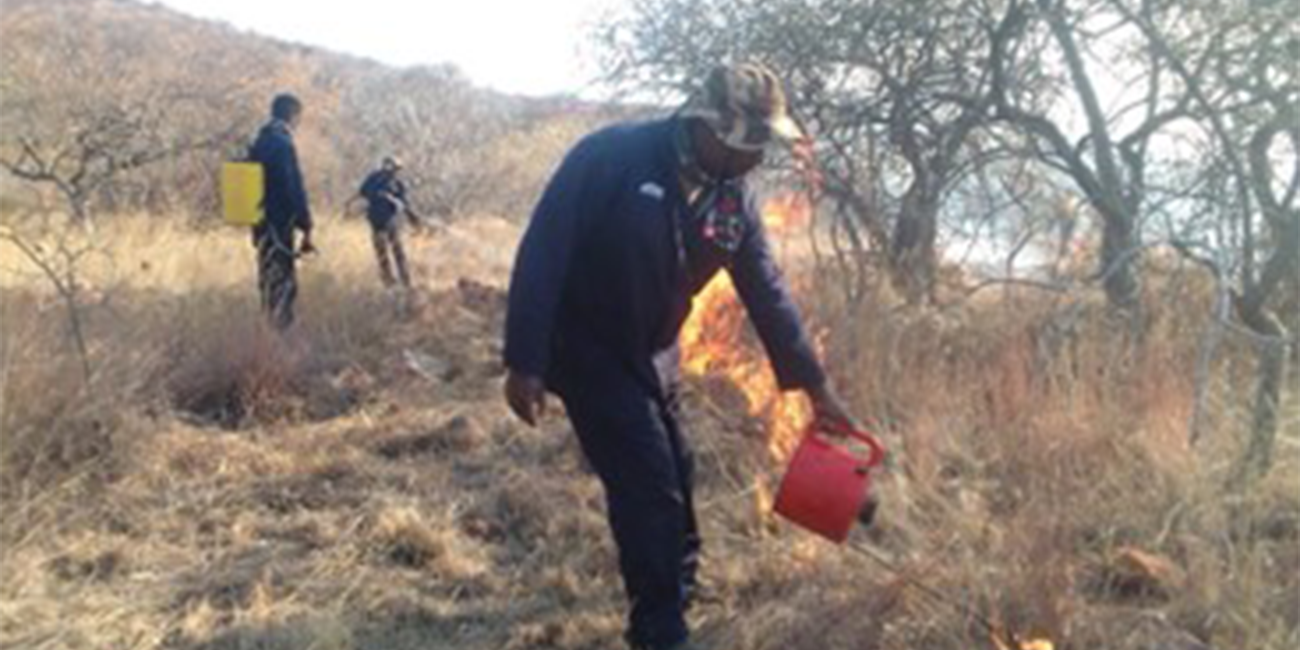
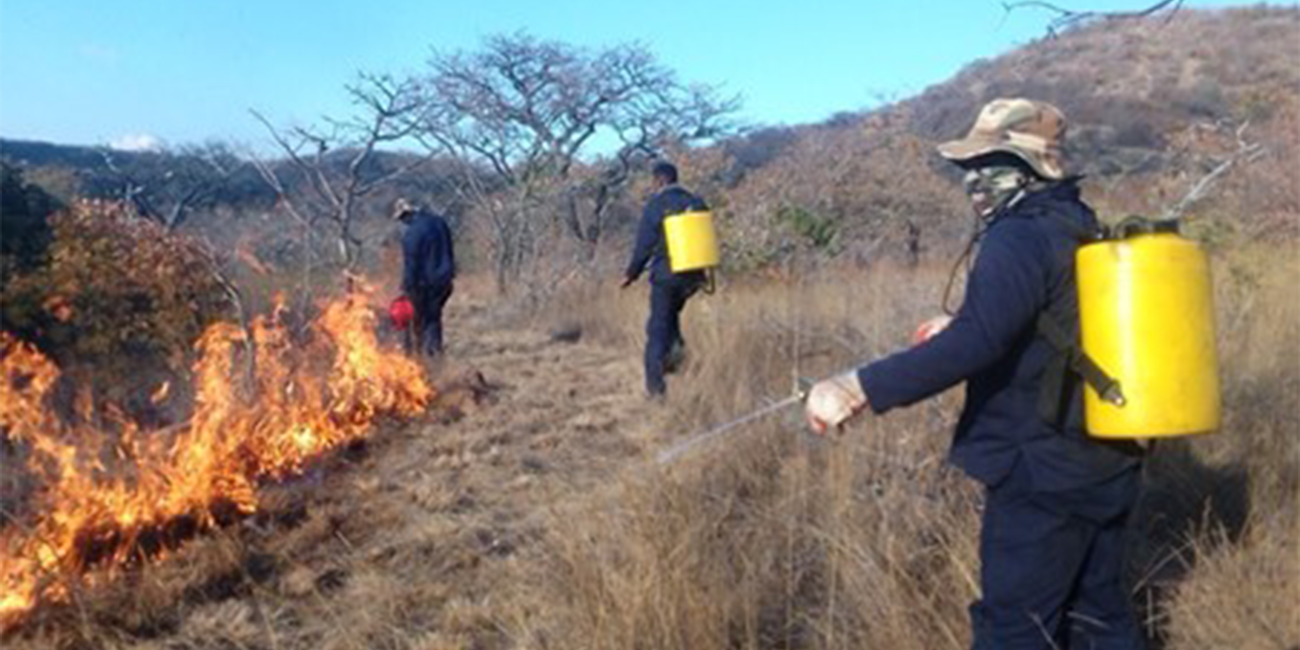
In preparation for a large (~600 ha) management burn planned for September this year, the Medike team burnt a 12 km long firebreak (with an average width of 20 m) around the block earmarked to be burnt. Firebreaks are not only a legal requirement, but will also allow us to burn the main block much more safely, posing a lower risk to the remainder of the reserve and neighbouring properties.

The management burn intends to provide improved grazing, converting the current moribund grass – which is probably about as nutritious as cardboard – into fresh, nutritious grass. In addition, the burn is also intended to open up the vegetation in general, returning its structure to a more natural, more open habitat by the remedying of bush encroachment. This will also provide additional habitat for grazers and a myriad of other species that require more open habitats. The intention is to burn the entire Medike Reserve in sections over the next four to five years, mimicking the natural fire cycle.

The SPA team burning firebreaks on Medike to safeguard vulnerable infrastructure against potential unplanned fires, and to prepare for a large management burn planned for later this year. The team did exceptionally well under often very difficult circumstances, and are now all accomplished firefighters.

  • We are grateful to Jonsson for sponsoring the fire-resistant overalls, which were tested to their max.