Help protect Africa's 

DNA HAS ITS SAY:  COLOPHON BEETLE POPULATIONS MORE WIDESPREAD

DNA HAS ITS SAY: COLOPHON BEETLE POPULATIONS MORE WIDESPREAD

DNA HAS ITS SAY:  COLOPHON BEETLE POPULATIONS MORE WIDESPREAD

By Samantha Theron, Conservation Researcher at the EWT
 

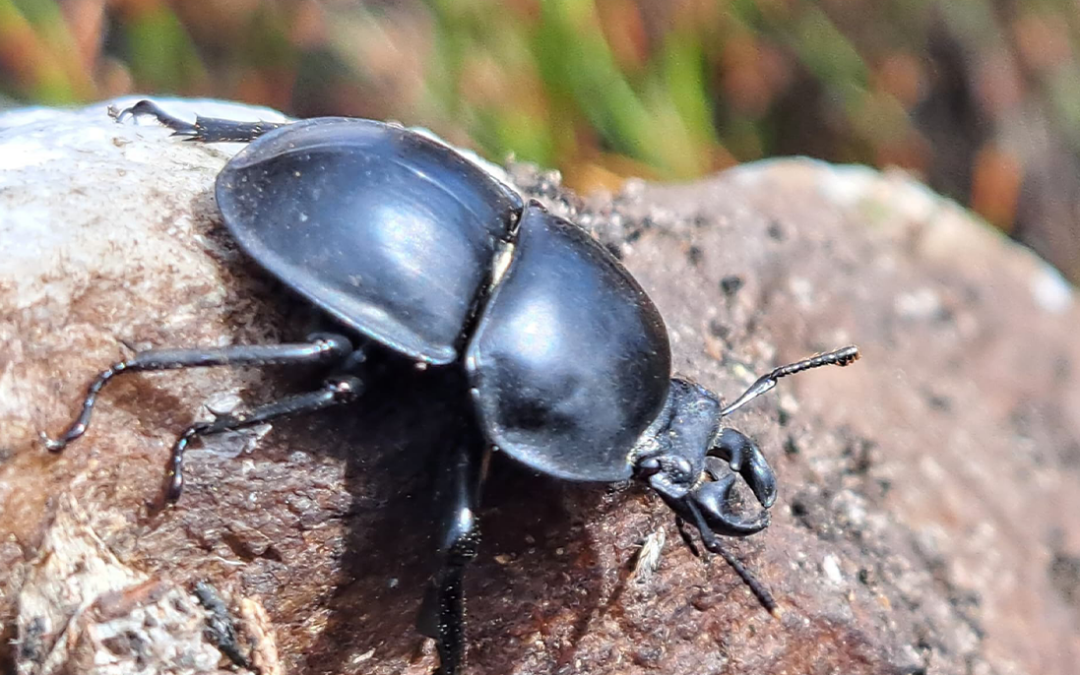
Colophon nagai beetle fragments collected for DNA analysis

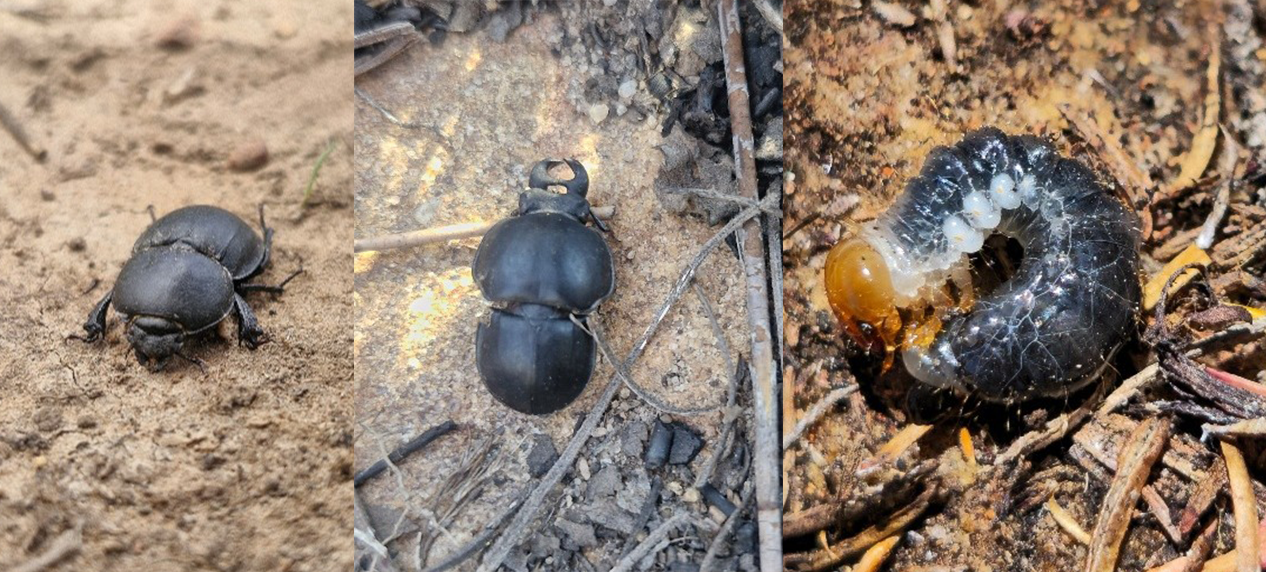
Left: Intact Colophon beetle remains found on the second survey. Center: Colophon fragments found on the third survey. Right: Live Colophon larvae found on the first survey.

Good news for a Critically Endangered Cape Stag Beetle: Recent DNA analyses of specimens from our high-altitude surveys of Cape Stag Beetles reveal that Nagai’ s Cape Stag Beetle (Colophon nagai), is more widespread than we previously thought. This means that the threat of extinction may not be quite as imminent for this species as we had feared.

Over the past two years (2025 and 2026), the EWT’ s Drylands Conservation team has conducted multiple field surveys across several mountain peaks in search of two species of Cape Stag Beetles (Colophon eastmani and C. nagaii) that are threatened by climate change, wildfires, and illegal collection. Cape Stag Beetles are high-altitude specialists and can serve as flagship species for high-altitude ecosystems, highlighting the challenges faced by organisms that have been driven upslope in response to changing environmental conditions. As climate change continues to alter these environments, mountaintop habitats – or “islands in the sky” – may shrink even further, increasing the risk of extinction for these high-altitude specialists. Furthermore, hotter, drier conditions resulting from climate change have resulted in an overall increase in the frequency and intensity of wildfires.

As soil dwellers, Colophon beetles are able, in some instances, to survive devastating fires. But, altered fire regimes, such as climate change- and human-induced changes in the frequency and intensity of fires, may pose significant threats to their existence.  This year, our project aimed to investigate the impact of altered fire regimes on Cape Stag Beetles, while extending our search for Colophon nagai eastwards from the historical site. Ultimately, our aim has been to improve fire management plans and response protocols to protect Colophon habitat by mitigating the threat of human-induced changes in fire regimes.

Our 2025 surveys revealed multiple new sites for Colophon eastmani, and we were able to update the distribution of the species and conduct a threat assessment for the IUCN Red List, listing this species as Endangered. However, for Colophon nagaii we found nothing but a few beetle remains at the historical site, also known as the type locality – the only location from which the species is known. Thus, we feared the species may already be extinct, with one plausible explanation being that a 2017 wildfire may have wiped out this population. We drafted the first IUCN Red List assessment for Colophon nagaii, listing it as Critically Endangered.

Last year, our surveys included two helicopter-assisted survey expeditions, in which Ross Air flew us to various previously unsurveyed and otherwise inaccessible mountain peaks to search for these beetles. We found the use of the helicopter extremely beneficial to the efficiency and feasibility of the surveys.  Thus the reason for ensuring the use of the helicopter again this year.
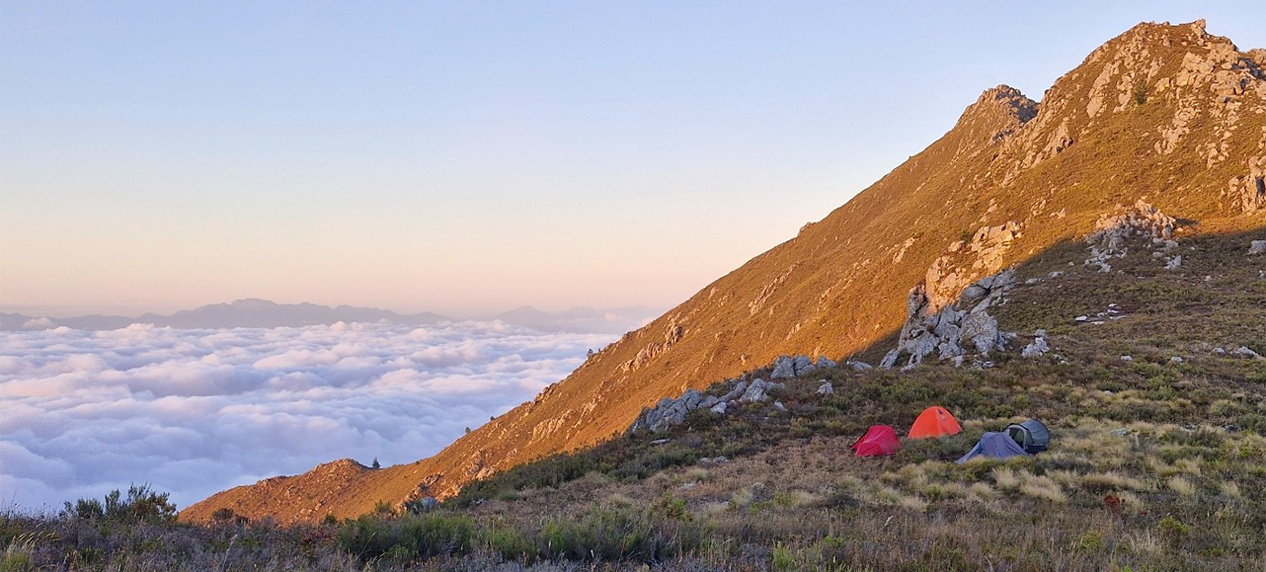
Cape Stag Beetle conservation survey on remote mountain peaks

The expedition team camped at the top of the mountain range.

We conducted three field surveys. The first was a five-day expedition, in which three members of our team went up in a helicopter, along with food and camping gear, and continued on foot to survey five mountain peaks along a 20km stretch of the mountain range throughout the five-day period. These peaks represented five of the eight peaks we had set out to survey this year. The helicopter further assisted with moving us and our camping gear to a new camping spot on the third day, collecting us again on the last day. During this trip, we found evidence of Colophon in the form of beetle remains/fragments at multiple sites, as well as live Colophon larvae at two sites, indicating that the population is still viable.

On the second survey, we visited two peaks, one of which represents the historical C. nagai site. We had aimed to visit this site in the beetle’ s active season (November – March), as our previous survey did not take place during this period, which could explain why we had previously failed to detect recent signs of Colophon at the historical site. This time we found multiple Colophon beetle fragments, at least one of which was still perfectly intact and exposed on the surface of the ground. We suspect that we arrived just at the tail-end of the beetles’ active season, as we did not encounter any live beetles. We also found beetle fragments on the second peak, which is adjacent to the type locality and approximately 2 km further along the mountain range.

A third survey was conducted at the last of the eight peaks we had set out to survey this year. We had initially planned to survey this peak during the first helicopter-assisted survey, but were unable to due to poor weather conditions on the last day. This final survey also revealed evidence of Colophon presence in the form of beetle remains near the peak.

During this survey, we collected beetle fragments from two sites for genetic-based species identification. In addition, Colophon fragments that were collected last year, on a peak that lies roughly midway between the two species’ (C. nagai and C. eastmani) known distributions, and for which the species’ identity was unknown, were also genetically analysed for species identification.

The results revealed that the fragments from both sites to the east of the historical C. nagai site, as well as those from the unknown site to the west (midway between the two species), represent C. nagai. This is an indication that the species is in fact more widespread than we previously thought.

In May this year, we hosted a workshop in Montagu, inviting landowners and representatives of the local Fire Protection Agency to discuss Cape Stag Beetle conservation and stewardship options and assess fire management plans and response protocols.  Looking ahead, we will be distributing new fire management guidelines, specifically focussed on safeguarding key habitats for the species, to all relevant stakeholders. Two of the landowners have indicated their willingness to declare formal protection of Cape Stag Beetles on their properties, and we will be initiating these processes in due course. Protecting these remarkable and elusive insects and the habitats they depend on is essential, not only for their long-term survival, but also for advancing research on the impacts of climate change on species across the Karoo and Fynbos biomes.

The EWT thanks the Mohamed Bin Zayed Species Conservation Fund, Mapula Trust, Ross Air and the landowners for their support in this project.

Going, going… Gone…  EWT working to reverse habitat loss in South Africa’ s drylands

Going, going… Gone… EWT working to reverse habitat loss in South Africa’ s drylands

Going, going… Gone… EWT working to reverse habitat loss in South Africa’ s drylands

By Zanne Brink, Drylands Conservation Programme Manager


“The eye of the beholder” has always been an interesting emotional sense that has dictated a person’ s view or outlook on the Dry Lands of South Africa, and further afield.  Those individuals drawn to vast open spaces with its unique endemic biodiversity and specialist species, versus those individuals who dread the “nothingness”.

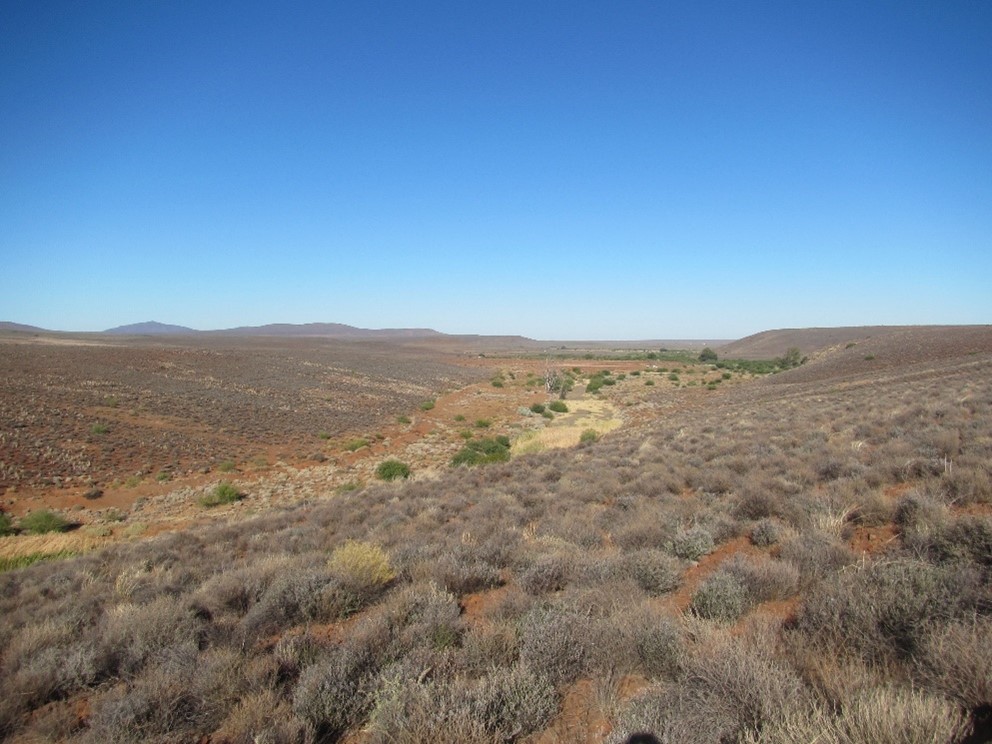
For the most part, “arid”, or “dry” areas are characterised by limited natural water resources and, to the layman, large open areas with plants growing relatively low to the ground, and very little cellphone reception. These arid areas receive on average between 50 to 300 mm of rain per annum, making the arid regions very sensitive to climate variability with big impacts on endemic plants and animals adapted to this environment. Survival is dependant on evading drought or harsh periods through migration or endurance in the form of soil, water and vegetation management.  No matter how you look at it, the arid areas are exposed to extreme weather and climatic occurrences, such as droughts and heatwaves. This results in these landscapes being vulnerable to rapid and devastating environmental change and land degradation.

The vast open landscapes of southern Namibia, the Western and the Northern Cape Provinces of South Africa are home to three significant arid biomes: the Namib Desert, Nama Karoo, and the Succulent Karoo. Despite the harsh conditions experienced in these biomes, it is a fact that not only species, but biodiversity, and dare I say communities living in these biomes, are highly adapted and diverse.

In arid environments, mobility is the most important adaptation to extreme conditions. Animals and people can move from one area to another when plants do not spread fast enough. Increasing temperatures, shifting rainfall patterns, and more frequent extreme weather events are altering ecosystems and placing additional stress on already vulnerable ecosystems and communities. Temperatures in southern Africa are expected to rise at a rate 1.5 to 2 times that of the rest of the world, exacerbating the possibility of biodiversity loss and climate change challenges for communities.  Arid areas are also known as the most sparsely populated areas of South Africa, and in recent years these communities have been shrinking due to socio-economic drivers.

Ongoing research allows us to understand these changes brought on by both short-term droughts and climate-induced shifts. This is very important, as natural and social responses to an ever-increasing changing environment due to increased frequencies in drought occurrences is vital.  South Africa’ s meat and wool ‘breadbasket’ depends on changes implemented at a farm level and through legislation, to include a different style of farming to adapt to less water and increased temperatures over extended periods.

But, it must also be understood that arid regions have a slow response rate, with long-term monitoring over several years needed to understand impacts on fauna, flora, avians and invertebrates.  Even with stringent monitoring, it does not provide answers to feed into the need for livelihood protection for communities and biodiversity.  With growing economic needs, the search for renewable energies have started focussing on areas seen as low productivity areas, and slowly started desertification through development-related damage in a sensitive landscape.


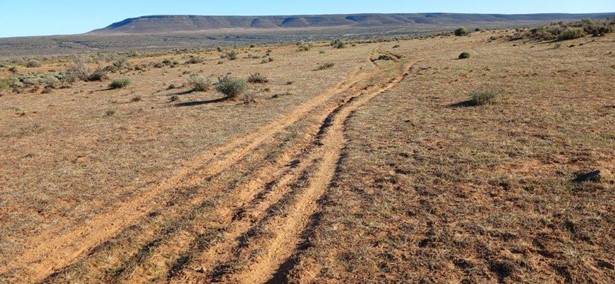
Traditionally, small livestock farming was the most widespread economic opportunity in the arid areas. However, rampant overgrazing in some areas has caused severe land degradation, leading to a compromise in the ecological resilience of the areas. Poor rural communities in these areas have a particularly high dependency on well-functioning ecosystems, and currently, their resilience to climate change impacts is very low. A recent surge in renewable energy production has fuelled development across much of the landscape, which, in most cases, has left a shameful legacy of environmental degradation in the form of vegetation clearing, water abstraction and pollution, soil compaction and road development, all in the name of growth.

There is an urgent need to manage the arid regions of South Africa more effectively, to benefit both the landscape and people living off it. This includes injecting much-needed support for ecologically based adaptation (EbA), sustainable land management (SLM) and climate-smart agricultural practices, while tackling the negative impacts of land degradation.

The EWT Drylands Conservation Programme is working with landowners to champion the conservation of this spectacular landscape. We collaborate with all stakeholders to promote alternative economies and sustainable agriculture over unsustainable developments, such as hydraulic fracturing and uranium mining.  We focus on enhancing habitat protection and improvement, and driving innovative research, to better understand the unique species in the Karoo. This has allowed us to “rediscover” lost species such as De Winton’ s Golden Mole (Cryptochloris wintoni).

Through our work, it allows us to collaborate with the communities within the landscape and to undertake activities that achieve specific conservation goals in each of these. By providing guidance in Sustainable Land Management (SLM), the EWT ensures that communities in landscapes benefit along with the ecosystems and wildlife that share these spaces through the responsible use of the available natural resources.  The Karoo Forever website was developed for the Drylands of South Africa to provide a knowledge-sharing platform with downloadable resources focused on sustainable land management (Welcome to Karoo Forever).

It is not all doom and gloom, but a realistic look at our beloved fragile arid environments is crucial to allow for a united focus on how to balance nature and development.  As financial constraints impede the application and implementation of ecological practices across this arid landscape, industry and conservation along with all communities and stakeholders need to find common ground to benefit man and environment.

The need, and the potential to do things better, must be emphasised.  This can only be done through our own actions and allowing locally led research to show the way to sustainability, allowing nature to benefit, and does not limit people’ s wellbeing.  We, as a community, must make climate change and associated concerns a part of our day to day thinking and planning to build resilience in livelihoods and economies, to reduce our vulnerabilities, and the associated conflict.

Give our arid regions a chance and break the cycle of nature loss. We do have huge potential to enable nature and people to thrive together in a changing climate.