Dinokeng’ s Cheetahs: Part One
Dinokeng’ s Cheetahs: Part One – From Skepticism to Success
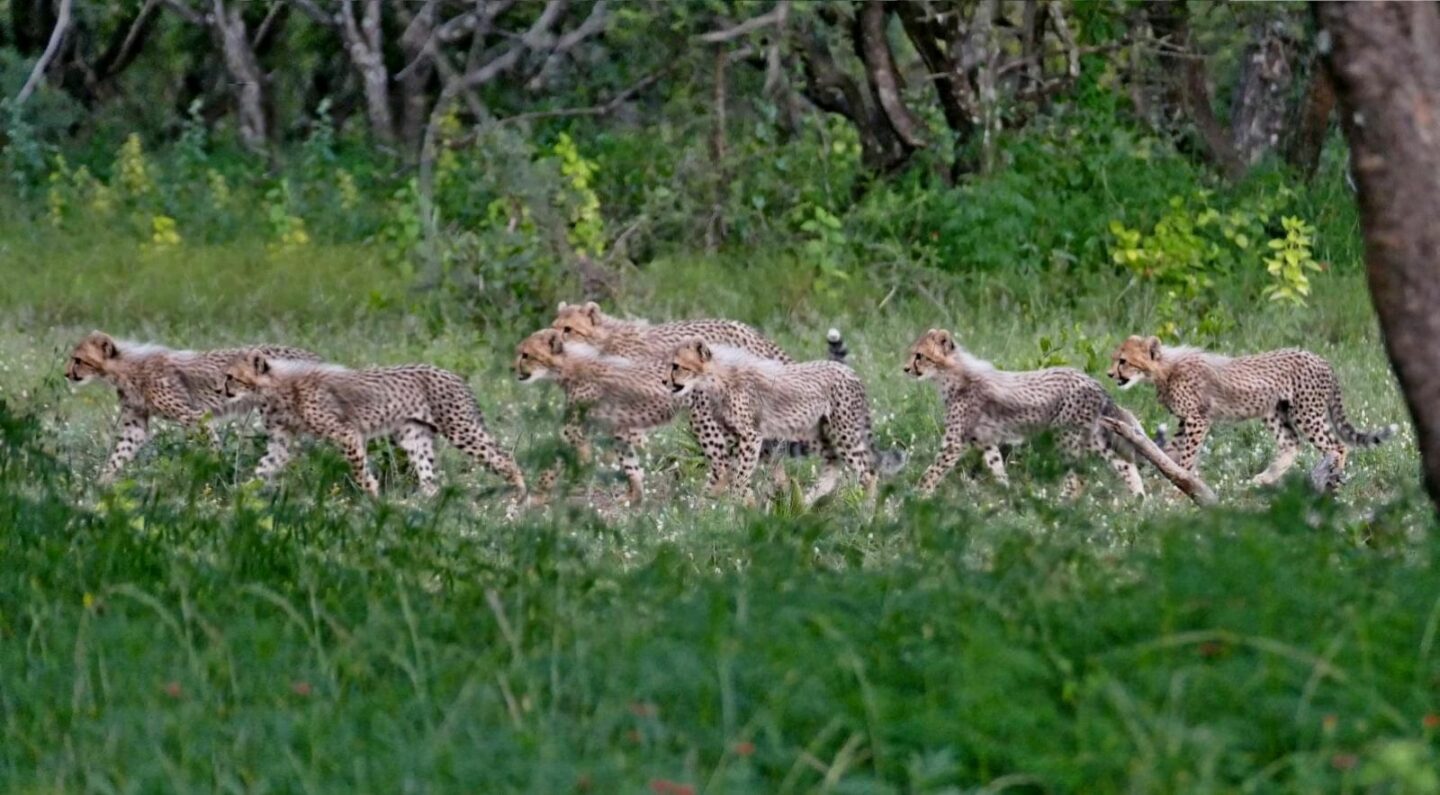
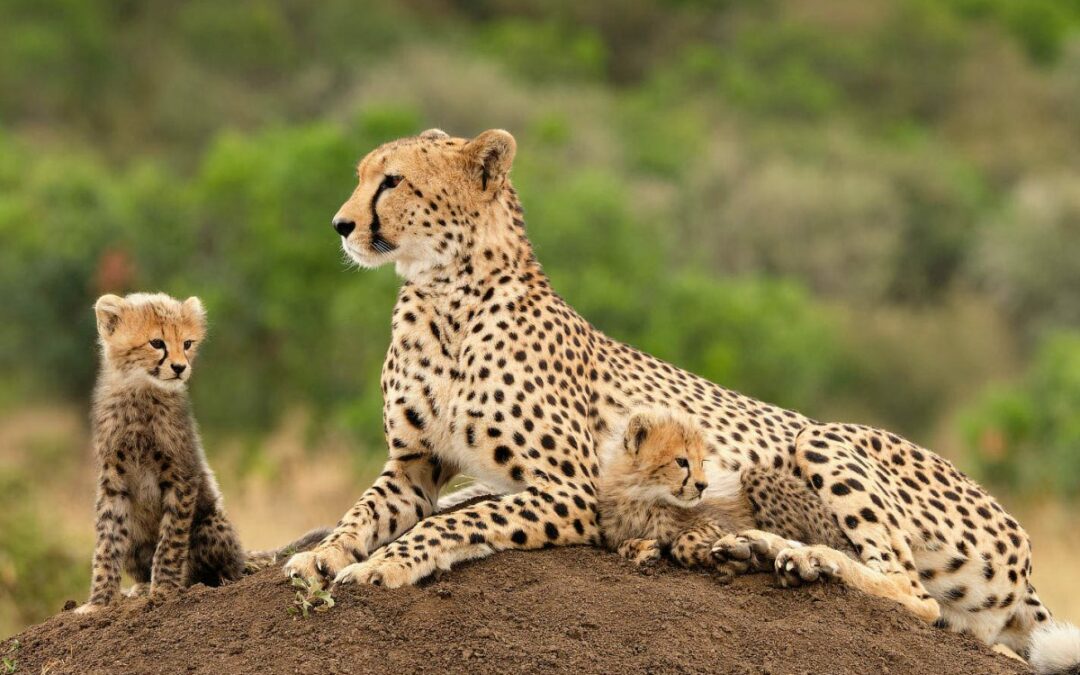
The story of Dinokeng’ s Cheetahs: Part One begins with an improbable vision – reintroducing Africa’s most endangered big cat just 30 minutes from Pretoria. What started as a seemingly unrealistic dream in 2007 has blossomed into one of South Africa’s most remarkable conservation successes, with Dinokeng Game Reserve now supporting 25 wild cheetahs across its 19,000 hectares.
Against All Odds
When Vincent van der Merwe first surveyed the area in 2008, the landscape told a story of agricultural transformation:
- Rusted farm equipment littering the veld
- Endless fence lines fragmenting the land
- Skepticism from conservationists about urban wildlife potential
Yet through unprecedented collaboration between 126 landowners and government, Dinokeng became:
- Gauteng’s first Big Five reserve
- A vital cheetah metapopulation stronghold
- Proof that wildlife and urban areas can coexist
The First Cheetah Pioneers
The initial 2012 reintroduction faced challenges:
- The Darlington Male: A notorious escape artist with a 6-month, 34-goat rampage across the Eastern Cape
- The Karongwe Female: A lion-savvy survivor from the Lowveld
- Early successes (3 cubs born in 2013) followed by heartbreaking losses
Despite setbacks, these pioneers proved Dinokeng’s potential, with their genetics still contributing to metapopulations as far as Malawi today.
A Conservation Laboratory
Dinokeng’s unique urban-edge location has provided invaluable insights:
- How cheetahs adapt to mixed prey densities
- The importance of “soft reserves” like Rietvlei for founder populations
- The resilience of cheetahs in human-modified landscapes
“What seemed impossible fifteen years ago has rewritten the rules of urban-edge conservation,” reflects van der Merwe.
Stay tuned for Part Two, where we reveal how the unlikely Rietvlei female defied expectations and helped establish Dinokeng’s thriving cheetah population.
Contact the EWT Carnivore Conservation Programme: vincentv@ewt.org.za