COFFEE WITH A CONSERVATION CONSCIENCE
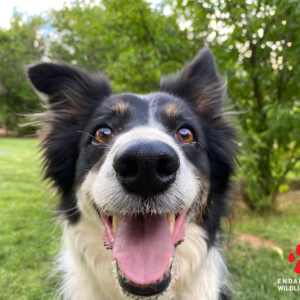
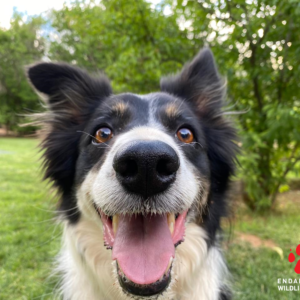
New ENDANGERED Outliers Roasters coffee blend is now available! This blend supports the EWT Drylands Conservation Programme (DCP) team’ s work on the Critically Endangered Riverine Rabbit. For every bag of coffee sold, Outliers Roasters will contribute to the team’ s camera trap research, Jessie the Border collie‘s fieldwork, and other conservation activities related to the species. Outliers also stocks other blends, including the ELUSIVE Pel’ s Fishing Owl and RARE Cheetah blends, which are also in support of the EWT’ s work on these species. The three EWT blends makes a perfect gift for friends and family!
Coffee can be bought on the Outliers online store. The new ENDANGERED blend is also available at Loxton Lekker Restaurant in Loxton and Papkuilsfontein Guest Farm in Nieuwoudtville. Do your part and buy coffee with a conscience!
FINDING FAIRIES WHERE BIOMES COLLIDE
Bonnie Schumann. Senior Field Officer, EWT’ s Drylands Conservation Programme, bonnies@ewt.org.za
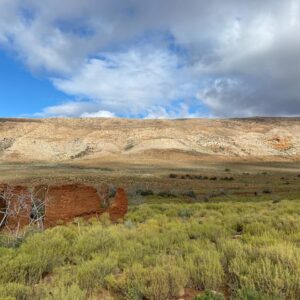
There is a pretty special place in the Klein Karoo where three biomes collide across a landscape of hidden valleys and impossibly rugged slopes. This “collision” of biomes, as renowned botanist Jan Vlok describes it, has resulted in a stunning array of biodiversity, ranging from fairy shrimps in shallow rock pools on remote mountain peaks to several undescribed plant species.
Previously valued purely for its livestock grazing attributes, Lettas Kraal has been quietly resting and recovering under Johan Roodt’ s watchful eye for the last 25 years. Johan oversaw the final departure of the last of the goat and sheep herds that left their harsh mark on this unique and sensitive environment. Johan’ s vision when he purchased Lettas Kraal was to dedicate the property to conserving the natural resources found here. The property is now being declared a Nature Reserve, which will secure Johan’ s conservation vision for the property into perpetuity.
The Klein Karoo, hosting some 3,200 known plant species, is located in the Succulent Karoo, a plant biome recognised as an international biodiversity hotspot with over 6,300 plant species. Add a dash of Fynbos, and a touch of Subtropical Thicket to the Succulent Karoo and the species diversity explodes. This was confirmed by a recent five-day biodiversity survey, coordinated by the Endangered Wildlife Trust (EWT) and CapeNature, and supported by specialists and several volunteers.
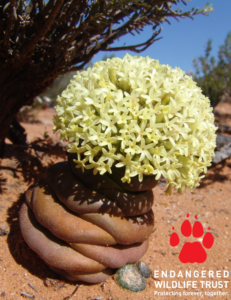
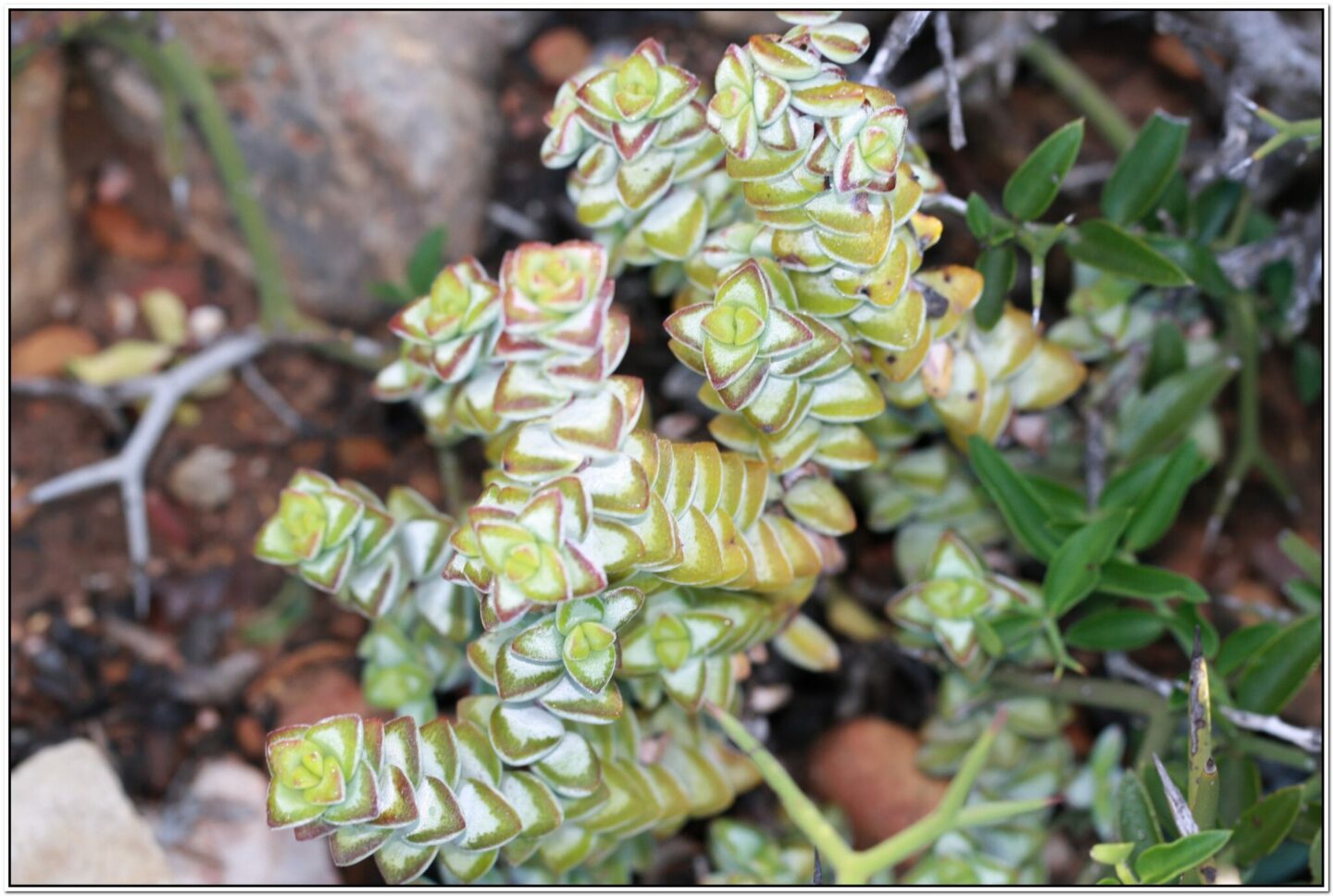
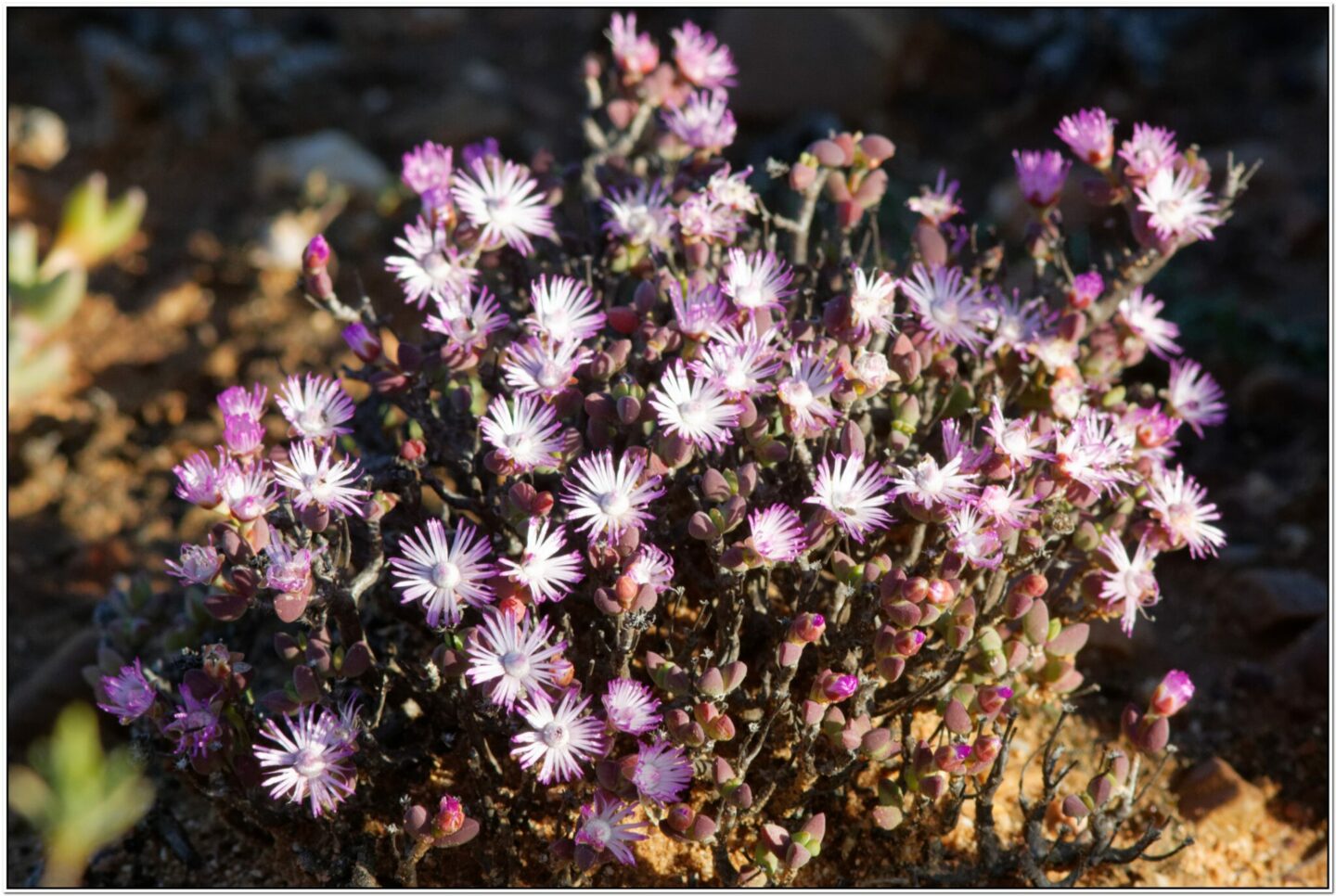
Vlok put in a herculean effort, cataloguing an incredible 814 plant species in just under five days. These species occur in no less than nine vegetation units identified on the property. As expected, the winning family was the daisy family (Asteraceae) at 180 species. The most prominent genus is Crassula with a mindblowing 37 species! Astounding also are the 20 Pelargonium species and 18 Hermannia species. Vlok said afterwards, “No wonder my head was spinning at the end of the week! No ways that I could have hit more than 80% of the species, as I did not even cover 10% of the reserve’ s area. This means that a true total count will be around 975 species. What can I say but ‘gee-whiz’ , I would never have guessed that there would be that many – a total of about 10% of the species in the entire Cape Floristic Region. So who still says that arid areas are boring plant wise?” Besides the known species recorded so far, Vlok was last seen heading for the herbarium and his microscope, to identify several unknown plant treasures found on the property, some of which may turn out to be new species.
In addition to the focussed botanical assessment, specialists from the EWT, CapeNature and a group of volunteers went in search of all things great and small, including small mammals, reptiles, birds, bats, butterflies and moths. While the botanical component put on a spectacular show after the recent rainfall brought welcome relief from the unprecedented drought, surveys reflected that many of the other components still need time to recover. Guy Palmer, retired CapeNature Scientific Manager, Biodiversity (Scientific Services), couldn’ t resist an invitation to participate in small mammal surveys. He and a team of two CapeNature faunal ecologists found very few signs of small mammals, although they did trap and release two common rodent species and one species of sengi (elephant shrew). Palmer says the lack of small mammal activity is indicative of the severity of the protracted drought. In addition to the focussed botanical assessment, specialists from the EWT, CapeNature and a group of volunteers went in search of all things great and small, including small mammals, reptiles, birds, bats, butterflies and moths. While the botanical component put on a spectacular show after the recent rainfall brought welcome relief from the unprecedented drought, surveys reflected that many of the other components still need time to recover. Guy Palmer, retired CapeNature Scientific Manager, Biodiversity (Scientific Services), couldn’ t resist an invitation to participate in small mammal surveys. He and a team of two CapeNature faunal ecologists found very few signs of small mammals, although they did trap and release two common rodent species and one species of sengi (elephant shrew). Palmer says the lack of small mammal activity is indicative of the severity of the protracted drought.
The discovery of a treasure trove of small mammal bones in an old barn owl roost in the God’ s Window cave suggested that small mammals were far more abundant in the past. Going hand in hand with this, and demonstrating the domino effect when food chains are disrupted, few observations of birds of prey were made. However, on a positive note, and reflecting the resilience of dryland species, most of the small mammals that were caught were females, and many of them appeared to be pregnant; a good sign of things to come.
The work didn’ t stop at sunset. Andre Fourie (a volunteer) and Marienne de Villiers (CapeNature) spent many night hours eavesdropping on bat conversations. These little flying mammals use echolocation to navigate, locate prey, and communicate, and most of their calls are at frequencies too high for human ears to detect. However, they can be picked up by an ultrasonic bat recorder, and the sonograms that these machines produce, provide clues to species identities. At least three bat species were detected in this way, but a more in-depth analysis of the data is likely to add to the list. Most of the bat activity was around the Lettaskraal homestead, where there is a permanent water supply and an abundance of bugs attracted to lights. A bonus find was a horseshoe bat in a narrow crevice near the God’ s Window cave.
JP le Roux (EWT), and Martine Jordaan (CapeNature), led the search for all things aquatic, documenting four frog species and aquatic invertebrates. A little bit of water goes a long way in the Karoo, and JP, acting on a rumour of water on Bloutoring, a remote mountain peak, led the strenuous climb up this mountain in search of this “puddle”. The climb was not in vain and resulted in the discovery of fairy shrimps (Class Branchiopoda) in a single shallow rock pool.
The birders were not to be outdone as Renier Balt (volunteer), Dominic Henry, and Ian Little (EWT) vied for top recorder, while Stefan Theron (Dept Agriculture: LandCare, Western Cape) multi-tasked to assess priorities for restoration while making sure he got some birding in. Altogether 97 bird species were recorded on the property over the five days. A further 53 species recorded in the immediate area, including migrating visitors, bring the bird list total to 150 species.
Although it was a bit early in the season, as temperatures were still relatively low, Chair of the Lepidopterist’ s Society of Africa, Andrew Morton, assisted by his son Sasha, managed to record some insect activity as well. It will be particularly interesting to do more extensive surveys of insects and other invertebrates when temperatures are warmer, as the diversity of species may well be correlated to the incredible plant species diversity.
The CapeNature Anysberg Nature Reserve team dubbed the “Klipspringers” for its members’ agility and speed on the steep slopes, provided both (hu)manpower and expertise to the survey effort. Volunteers Renier and Millene Balt, Sven Wesemann, Lara Krassnokutski, and Carina Becker (Manager of the Rooiberg Breede River Conservancy), supported by the Leslie Hill Succulent Karoo Trust from WWF-SA, provided additional logistical support and bucket-loads of enthusiasm during the survey.
The outstanding biodiversity on Lettas Kraal not only reflects the incredible biological wealth of the Klein Karoo as a region but again reiterates just how unique virtually every square kilometre of the entire Succulent Karoo is – no two areas are the same. The Succulent Karoo is threatened by mining activities, overgrazing, and the illegal collection of, and trade in, succulent plants, leaving less than 30% of the hotspot pristine. We must look at ways to conserve as much of this unique biome as possible, given that so much of it has already been transformed and degraded.
Where agriculture is being practised, we must explore ways to implement more sustainable land management that integrates the conservation of the remaining biodiversity with the agricultural priorities. Partnerships between landowners, CapeNature and NGOs such as the EWT, present a win-win solution for effectively conserving the region’ s biodiversity. Together we can ensure a bright future for Lettas Kraal as a hub of biodiversity. Anyone spending time here cannot but help become a champion for the conservation of the Succulent Karoo.
The Endangered Wildlife Trust, Drylands Conservation Programme’ s work is made possible through support and partnerships with landowners. In addition, our broader work in the Drylands landscape forms part of the Global Environment Facility (GEF5) funded Sustainable Land Management Project at the United Nations Development Programme (UNDP), in partnership with the Department of Forestry, Fisheries and the Environment (DFFE). Projects are also supported by Rand Merchant Bank.
For more information contact:
Bonnie Schumann
Endangered Wildlife Trust
Email: bonnies@ewt.org.za
Cell: 072 1224232
Marienne de Villiers
CapeNature
Email: mdevilliers@capenature.co.za
Cell: 082 729 3419
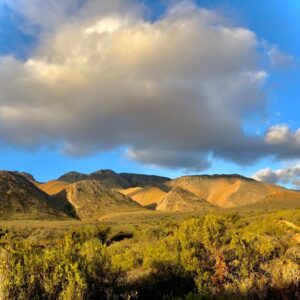
GRIET’ S GHOST AND THE LONG LOST RABBIT: THE LETTAS KRAAL CONSERVATION STORY
Bonnie Schumann, Nama Karoo Coordinator, Drylands Conservation Programme, bonnies@ewt.org.za
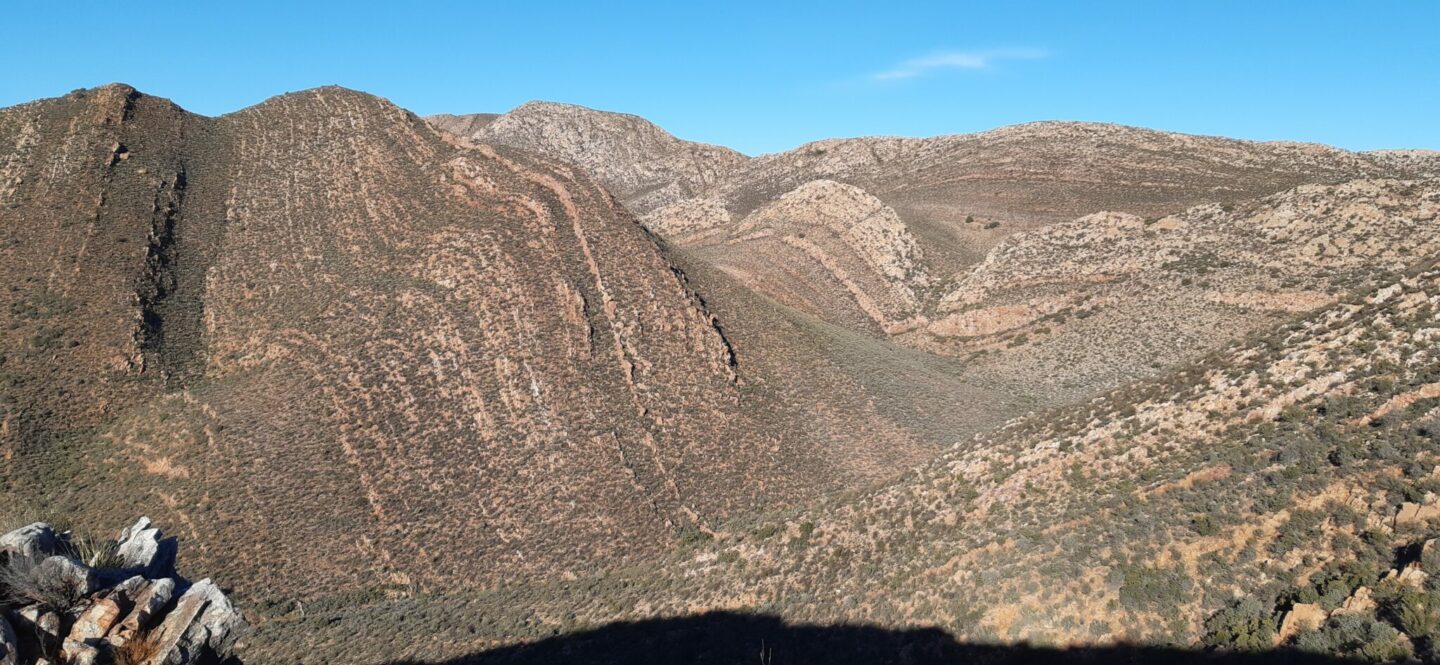
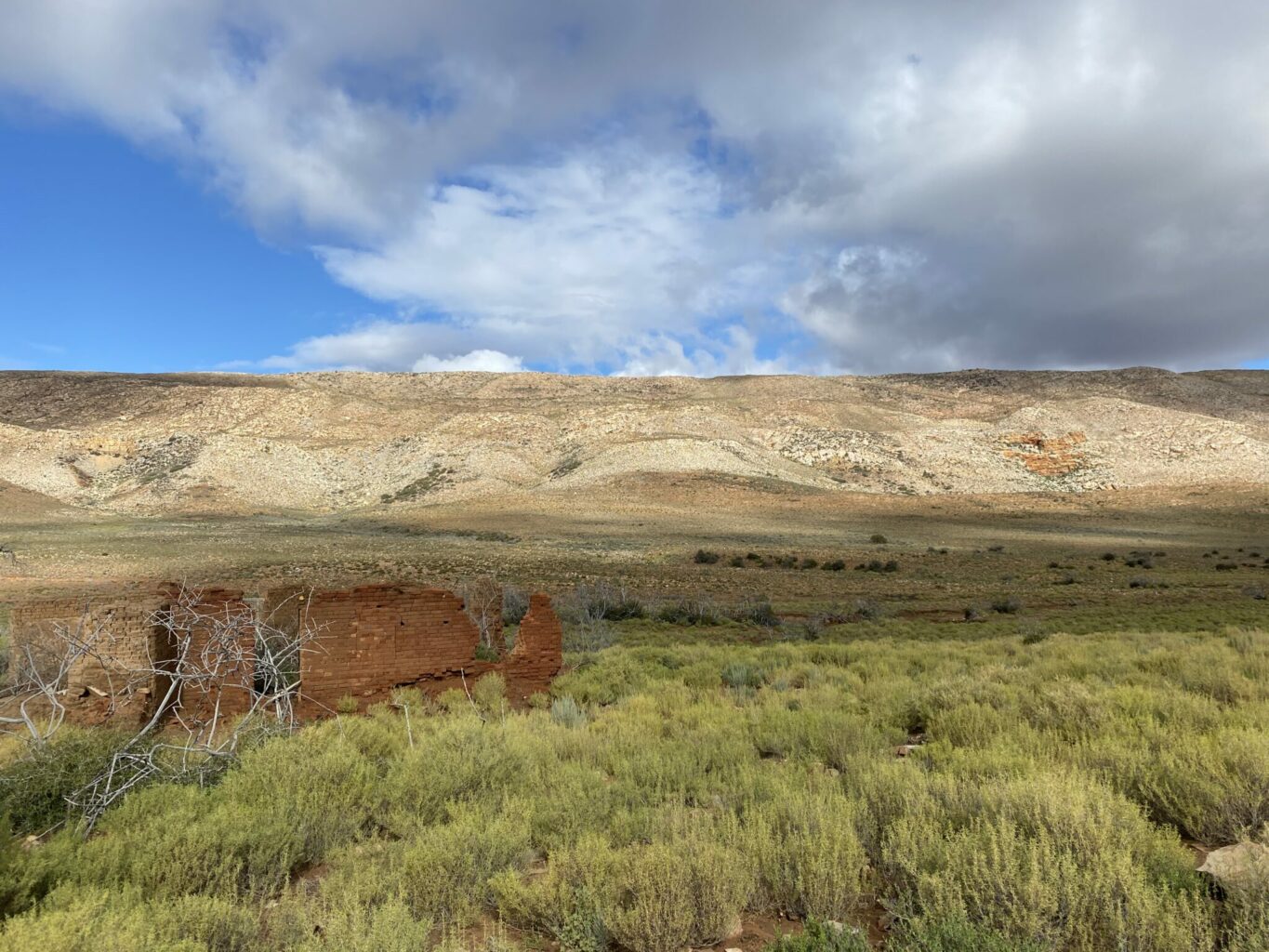
The Lettas Kraal story began a long, long time ago, with the folding of the Cape Fold Mountains that formed the spectacular landscape we see in much of the southern and western Succulent Karoo today. The ancient history of the geology of the region is written in stone, manifesting itself as the diverse, often tortured-looking, rugged topography of the Karoo.
Lettas Kraal, located in the Little Karoo near Touwsriver, has its own story to tell, not all of which has been heard. We don’ t know much about Griet, the Lettas Kraal farm ghost and her little dog, who allegedly walk the road to the ruin of her old cottage regularly. Her chapter may well be lost in time. We do know that long before Griet called Lettas Kraal her home, San hunter-gatherers left their artistic legacy in the form of beautiful paintings in secret places on Lettas Kraal. Alongside the various human footprints left over time, small padded tracks, barely visible, were also being left on Lettas Kraal by one of the rarest and most historically interesting of southern Africa’ s mammals. The hide-and seek-champion of the Karoo, the Critically Endangered Riverine Rabbit, remained undetected on Lettas kraal until its presence was revealed two years ago with the discovery of a Riverine Rabbit roadkill near the Lettas Kraal homestead. This elusive species has been lost and found several times since it was first discovered in the Karoo in 1901, but that’ s a story for another day.
Because of a “love at first sight” encounter more than 20 years ago, this spectacular landscape with its incredible biodiversity, Griet’ s story, and the survival of the Riverine Rabbit on Lettas Kraal, will be protected into perpetuity. Lettas Kraal, which has been carefully conserved and nurtured for over two decades, is at long last in the process of obtaining formal recognition as a Private Nature Reserve. This part of the story started 24 years ago.
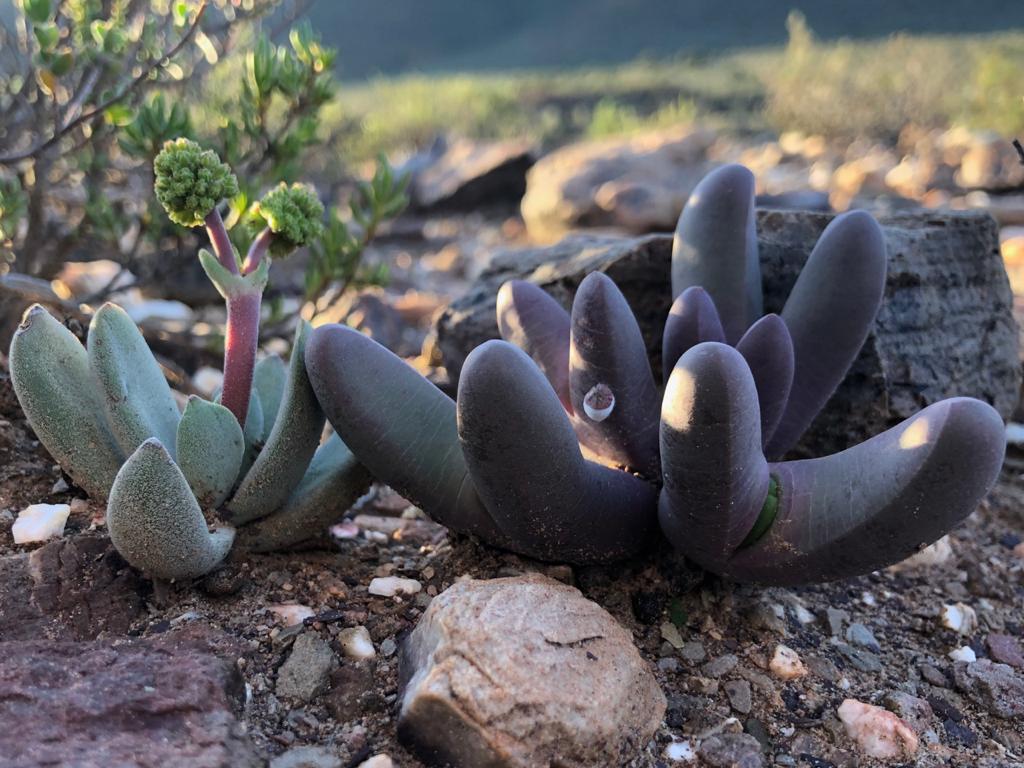
Johan Roodt, owner of Lettas Kraal, visited a neighbouring farm in 1996 and, in his own words, fell in love with the area at first sight. As fate would have it, just two weeks later, Lettas Kraal came up for sale. It was a match made in heaven. The property was heavily utilised as a commercial small stock farm in the past. However, from the start, Johan’ s vision was to dedicate the property to the conservation of this region’ s unique and highly threatened biodiversity. As such the veld has been rested from livestock grazing for the past 24 years. Although game, including eland and gemsbok move freely over the property, which is not game fenced, they occur at a low density. The removal of livestock and the prevailing low game numbers has allowed the vegetation to recover. Very little trampling of the veld is evident, and the healthy living soil crust comprised of tiny plants and lichens and moss is testimony to the recovery that has taken place, despite the severe drought that has plagued the region for several years. Skeletons of Karoo are proof that Lettas Kraal was not spared from the severe drought. However, following good rains this year, seedlings can be seen germinating all over, and life is rapidly returning to the veld.
The topography of the property is diverse, ranging in altitude from about 670 m above sea-level in the valleys to mountain peaks over 1,200 m high. The varied topography yields a wide variety of habitat types, in turn supporting a fascinating range of plant and animal species. The main vegetation types that occur on the property include Matjiesfontein Quartzite Fynbos, Matjiesfontein Shale Renosterveld, and Western Little Karoo. Only a small portion of the farm (less than 50 ha), is used for farming operations, including some irrigated grazing, horse paddocks, and an olive tree orchard. The farm has its own artisanal olive oil press, which produces highly sought-after olive oil for the boutique market under the Lettas Kraal label. Lettas Kraal is also the location of an approved African Horse Sickness Quarantine Station for horses moving into the horse sickness controlled area in the Western Cape, and the horse sickness free area in Cape Town. Johan also stables his dressage competition horses, which compete in the top rankings in South Africa, on Lettas Kraal. The rest of the 7,000 ha property is dedicated to conservation, and Johan approached the Endangered Wildlife Trust (EWT) and CapeNature to formally secure the protection of this unique piece of land.
Lettas Kraal lies within the Succulent Karoo Biome, recognised as a global biodiversity hotspot. In addition to the biodiversity value of the property, Lettas Kraal also borders the spectacular Anysberg Nature Reserve, and when declared, will expand the existing protected area considerably. The EWT carried out a small targeted camera trap survey in 2019 and confirmed the presence of Riverine Rabbits on Lettas Kraal. After consideration, the provincial conservation authority has given the green light to proceed with the declaration. The Endangered Wildlife Trust is partnering with Lettas Kraal to complete the declaration process, and carry out surveys to develop comprehensive species lists for the property.
The first step to developing an inventory of all things great and small on Lettas Kraal took place in July. An intrepid group of very determined conservationists went head-on with a mammoth cold front, racing the weather to place 98 camera traps on Lettas Kraal to survey biodiversity. EWT’ s Bonnie Schumann and Esther Matthew headed the expedition. Johan and his wife Tessa (who also hiked with teams), and good friends Renier Balt and his wife Millene, managed travel logistics on the farm, to ensure teams could access all the camera stations by the fastest routes possible.
Marius Brand and his team from the Anysberg Nature Reserve lent a much appreciated neighbourly hand, helping to carry the heavy stakes for the cameras, and sharing expertise placing cameras in this rugged terrain. Certain camera stations were placed to target leopards, with two cameras being placed opposite one another, to enable individual identification of any leopards photographed. The Cape Leopard Trust’ s Anita Wilkinson and Jeannie Hayward joined the expedition to share their leopard (photo) capturing expertise. Sites needed to be carefully selected to increase the odds of capturing images of these elusive carnivores. Carina Becker, Manager of the Rooiberg Breede River Conservancy (which is supported by the Leslie Hill Succulent Karoo Trust from WWF-SA), also joined the expedition, both gaining and sharing experience in camera placement. Teams hiked up to 14 km a day, through rugged terrain and in freezing temperatures, managing to finish the placements in just two full days, proving the adage that “many hands make light work”.
And so begins a new chapter in the Lettas Kraal story. Partnerships between private individuals, provincial conservation authorities, and NGOs are critical to ensuring that South Africa’ s biodiversity is adequately protected. The Biodiversity Stewardship Programme is the perfect tool to facilitate this vision of extending biodiversity protection outside of the state-owned National Parks and Nature Reserves. Private and communal landowners and users are the custodians of most of our biodiversity, and the biodiversity stewardship mechanism offers the opportunity to formally recognise their valuable role in ensuring ecosystem functionality and critically important biodiversity conservation across landscapes and biomes. The EWT Drylands Conservation Programme’ s work is made possible through the support of, and partnerships with, landowners.
Our broader work in the Drylands landscape forms part of the Global Environment Facility (GEF5) funded Sustainable Land Management Project at the United Nations Development Programme (UNDP), in partnership with the Department of Forestry, Fisheries and the Environment (DFFE). Projects are also supported by Rand Merchant Bank.
FARMING FOR THE FUTURE
Bonnie Schumann, Nama Karoo Coordinator, Drylands Conservation Programme, bonnies@ewt.org.za
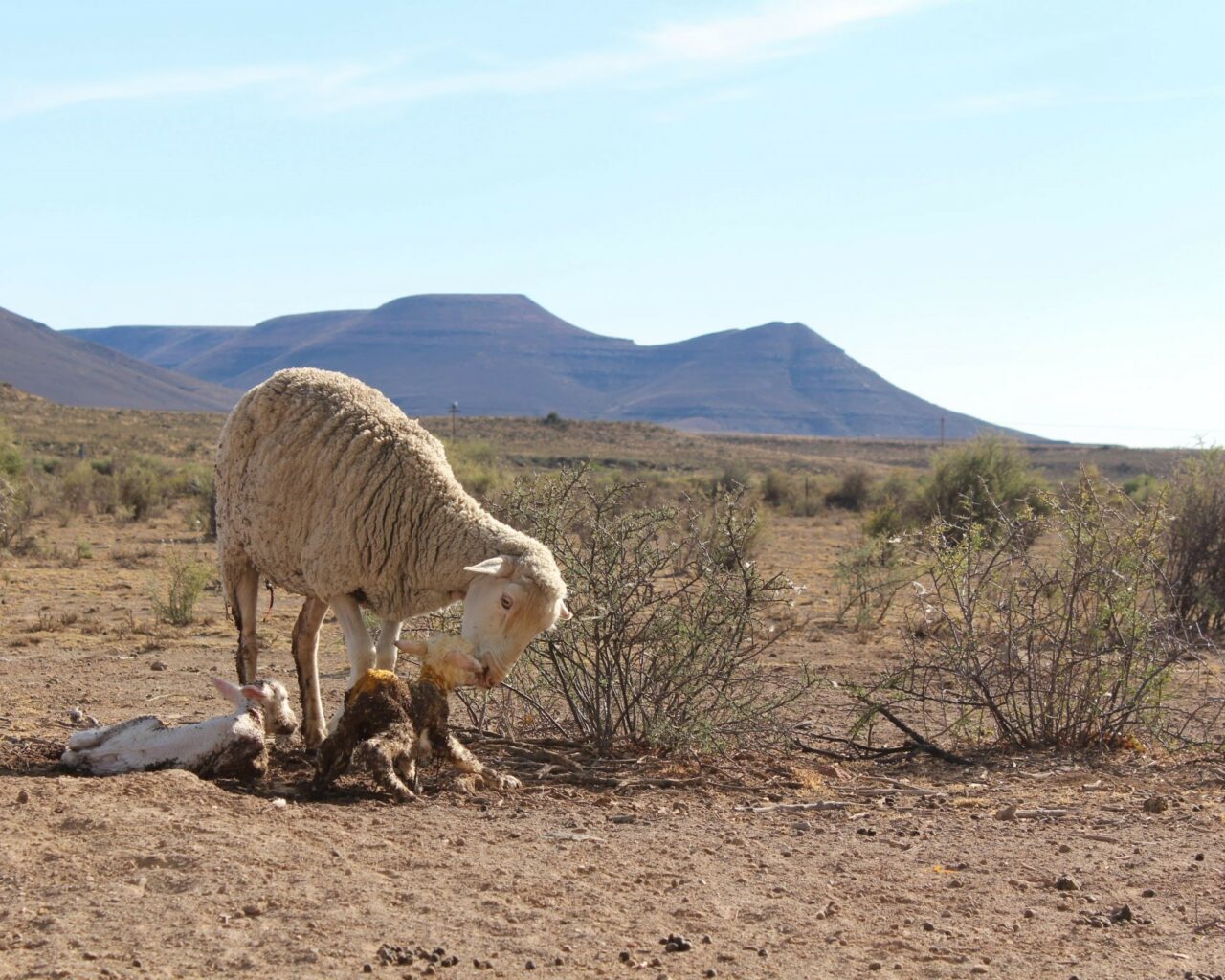
The Karoo is an iconic and timeless landscape that has been farmed for large-scale small stock production for almost 400 years. The question is, will the Karoo be able to support agriculture for the next 400 years, given the extraordinary current economic and environmental conditions? The Karoo landscape is largely intact, with natural rangeland forming the foundation for its world class small stock meat and wool production systems. However, it bears the scars of the learning curve that farmers went through to learn how best to manage this rugged but fragile ecosystem, with a loss of species diversity and soil erosion evident across the landscape.
Hard lessons have been learned. Karoo farmers are some of the most resilient, adaptable and resourceful land users in the world. The Endangered Wildlife Trust’s Drylands Conservation Programme (EWT-DCP) launched the Karoo Forever project two years ago. The project aims to capture lessons learned, spark future farming innovation, and share this knowledge far and wide. This year we launched a project specific website to make this information accessible to the broader farming community.
Both the EWT and the farmers with which we are working, believe that the Karoo can be farmed forever, and that sustainable land management and farming efficiency, including the diversification of income streams, are key to ensuring that this happens. The Karoo has the potential to sustain livelihoods in this arid ecosystem indefinitely; unlike alternative unsustainable land uses such as fracking or uranium mining – which are “flash in the pan” sources of income for a limited few, and which invariably leave devastated landscapes and impoverished communities in their wake.
With this in mind, the EWT-DCP embarked on the Karoo Forever project funded by the Global Environment Facility (GEF), and supported by the United Nations Development Programme (UNDP) and the Department of Forestry, Fisheries, and Environment (DFFE), to promote sustainable land management (SLM) in the Karoo.
The project website has links to sustainable land management resources, which include a number of topic-specific webinars. Manie Grobler, Agricultural Advisor for the Department of Agriculture (Western Cape) and Dr Louis du Pisani (all-round karoo farming expert and consultant) have each conducted a webinar series. Manie has been integrally involved in the project from the outset, helping to design the Integrated Farm Planning and Management (IFP) training course which we conducted twice for emerging farmer groups last year. The course is now also freely available online through the Karoo Forever website. The webinars form the advanced content component for the basic IFP course.
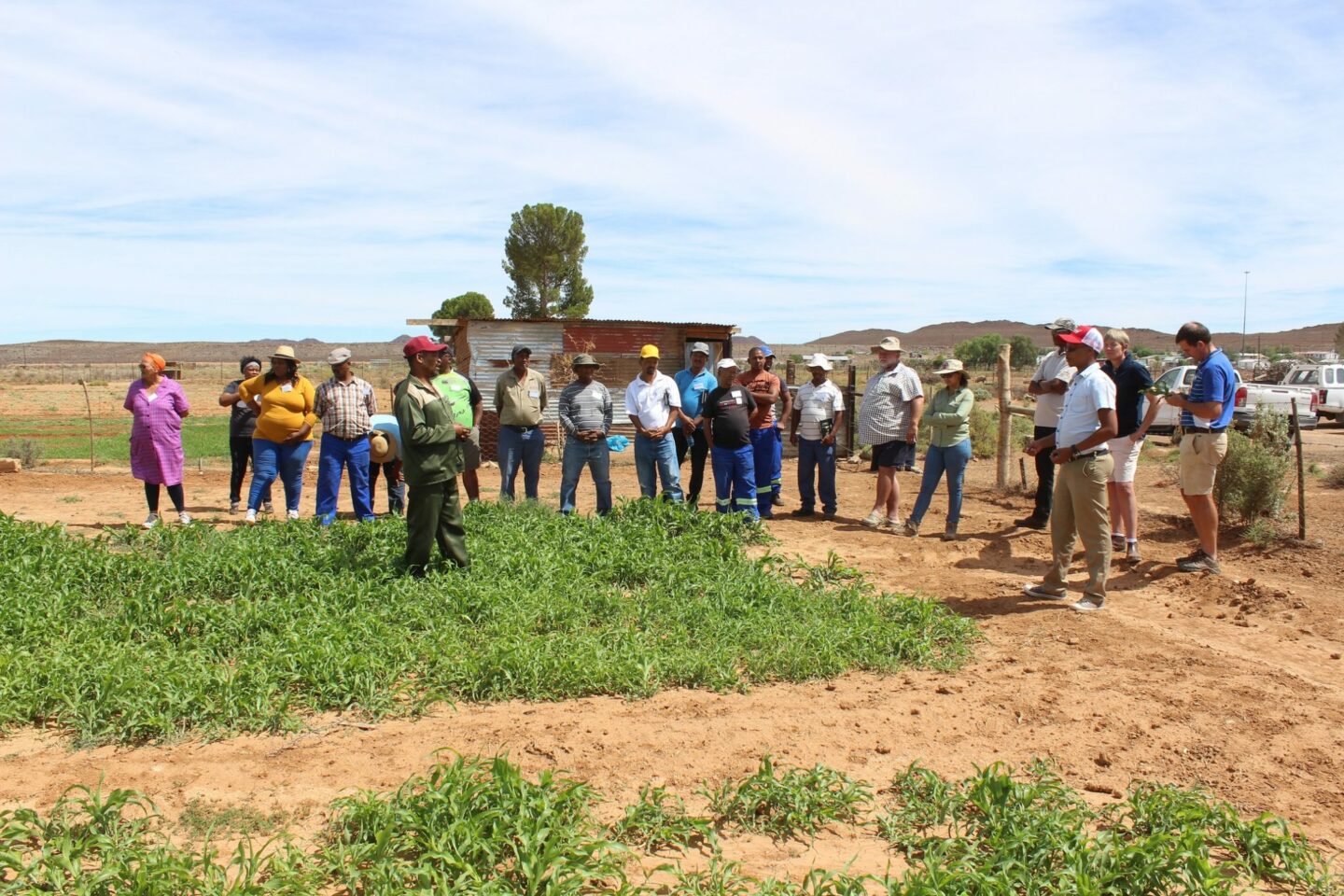
The first webinar series was conducted by Manie and focused on the Intensification of sheep production. Dr Bennie Grobler, veterinarian in Beaufort West, shared his expertise on some of the livestock health aspects as well. Intensification of sheep production has some great ecological spin-offs, in that while livestock are kraaled (periods vary according to the production system), the veld gains valuable extra rest days, and ewes lamb safely under supervision, avoiding predation during this critical period. The second webinar series focused on the Recovery of veld following drought in light of climate change. Dr Louis du Pisani, through the National Wool Growers Association, hosted this webinar series. Louis recently published a book titled Smart Drought Management for Livestock Farmers (available here). This is definitely a must-have resource for every farmer. Both Louis and Manie have a lifetime of valuable knowledge gained in the field. Their passion for all things farming is evident, and both have a great way of communicating this knowledge, which is inspiring as well as educational. Henk Cerfonteyn guided viewers through a very insightful webinar on accessing seasonal weather forecasts for South Africa, as well as understanding and interpreting these forecasts. His presentation also helped viewers obtain a perspective on the current climatic and vegetation conditions. Henk, a risk assessment scientist, worked for the Department of Agriculture (Western Cape) for many years. Although Henk has since retired, he is still sharing his passion for weather with farmers.
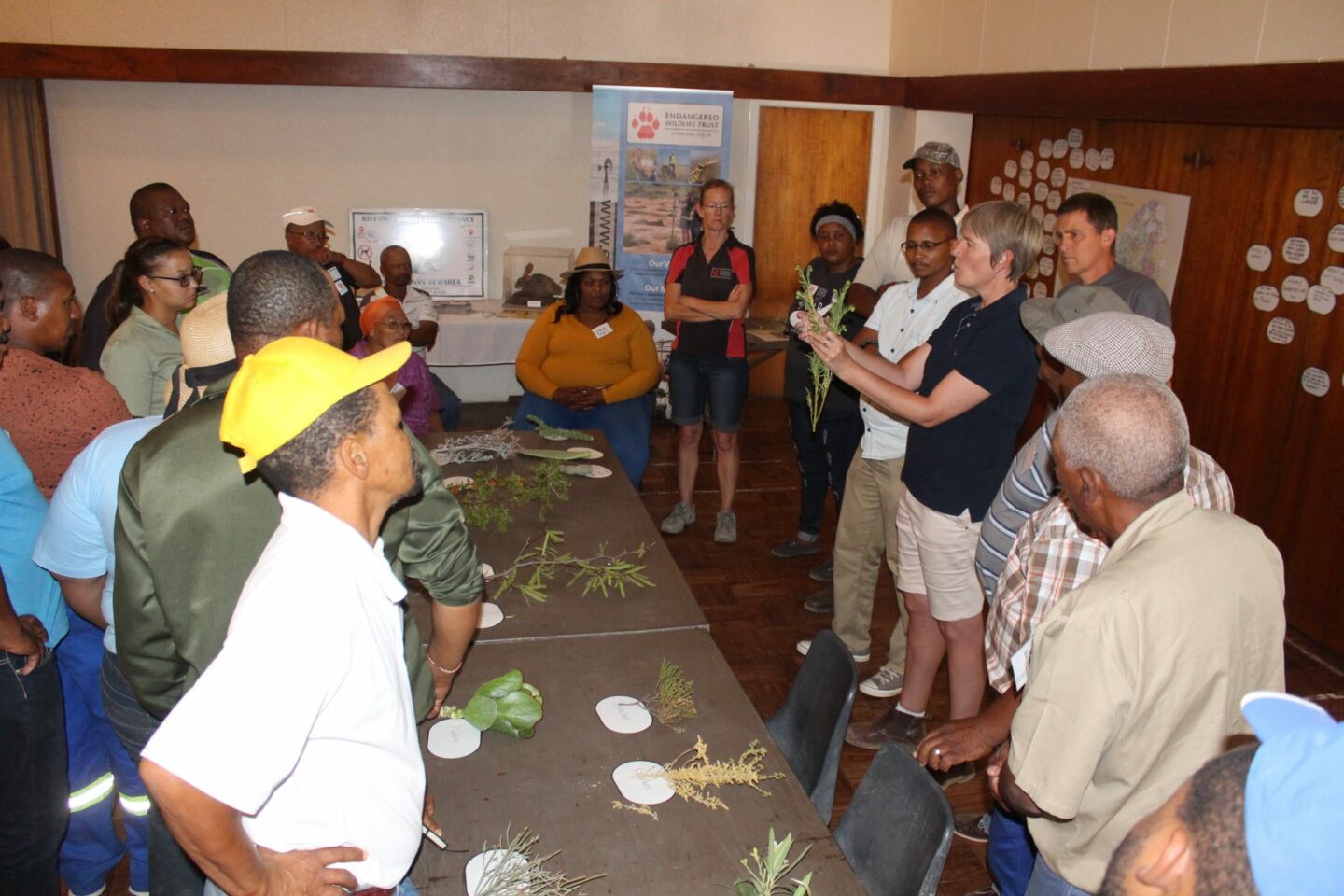
This digital approach to sharing knowledge not only reduces the carbon footprint of travel, but at this critical time in our country, allows participants to stay safe and maintain social distancing, as farmers can join in the discussions from the comfort of their homes. Fortunately, the Drylands Conservation Programme has a strong focus on technology in its approach to conservation, so we were inadvertently ready for the impact of Covid-19, with an already well-developed online platform to reach even the most remote farmers.
Thank you to the Global Environment Facility (GEF), the United Nations Development Programme (UNDP), and the Department of Environment, Forestry, and Fisheries (DFFE) for making this project possible.
Whether you have a passion for the Karoo, conservation, agriculture, or all three, please visit the Karooforever website to learn more about the exciting partnerships and project activities happening now.
A LEGACY OF LAND: PAPKUILSFONTEIN PROTECTED ENVIRONMENT
JP le Roux, Field Officer , Drylands Conservation Programme, jeanpierrel@ewt.org.za
The proposed Papkuilsfontein Protected Environment is situated in the Northern Cape Province of South Africa. The farm forms part of the Global Environment Facility (GEF) 5 Sustainable Land Management (SLM) initiative implemented by the Endangered Wildlife Trust’ s Dryland Conservation Programme and funded by the United Nations Development Programme and Department of Environment, Forestry, & Fisheries.
The GEF 5 project promotes innovative approaches to protecting the vulnerable ecosystems in the dryland areas. Most farms in the drylands rely solely on agricultural income, which makes them particularly vulnerable to adverse climatic conditions, such as the current drought. One of the ways the project assists farmers, is through encouraging diversification of farming activities that are not weather dependent and that can help build economic resilience in the face of negative environmental and economic conditions.
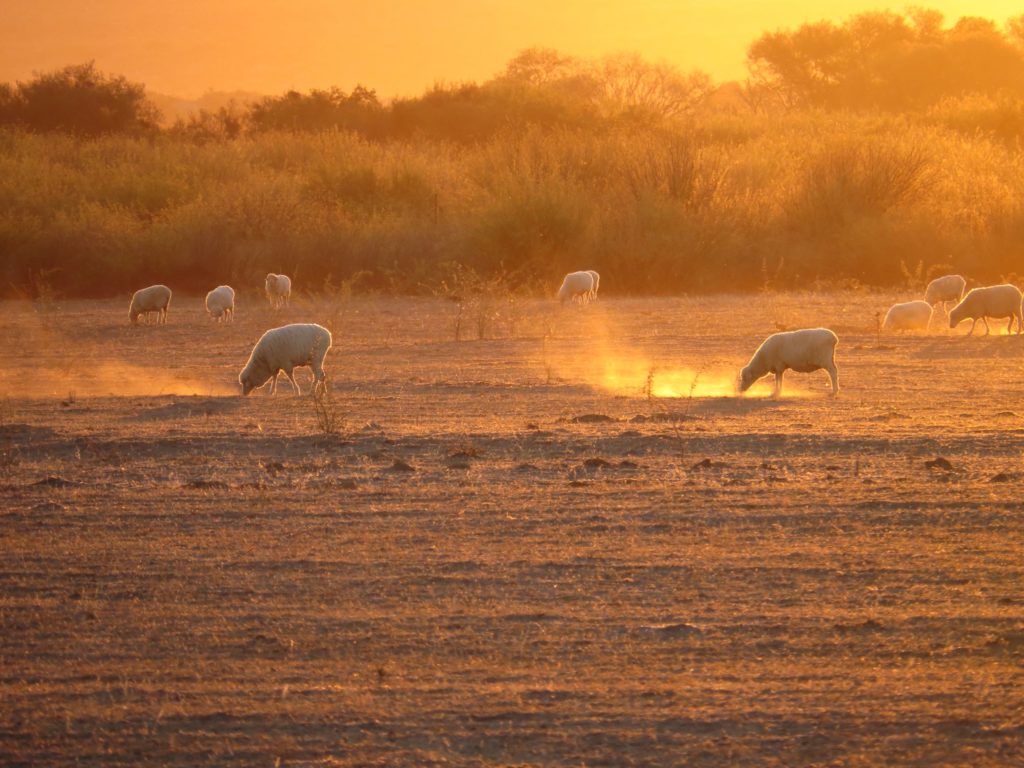
An SLM exchange is used as one of the strategies to implement projects. The latter is an arrangement where the EWT offers assistance to the farmer, in exchange for an SLM commitment. A Small Grant (SG) is made available to fund an SLM project that the farmer wishes to implement. In exchange for this, the farmer must actively contribute to the implementation of the project, usually in the form of materials or labour. In addition, the farmer must also make a land management commitment, normally this will entail the implementation of certain practices, management plans or conservation actions on the property.
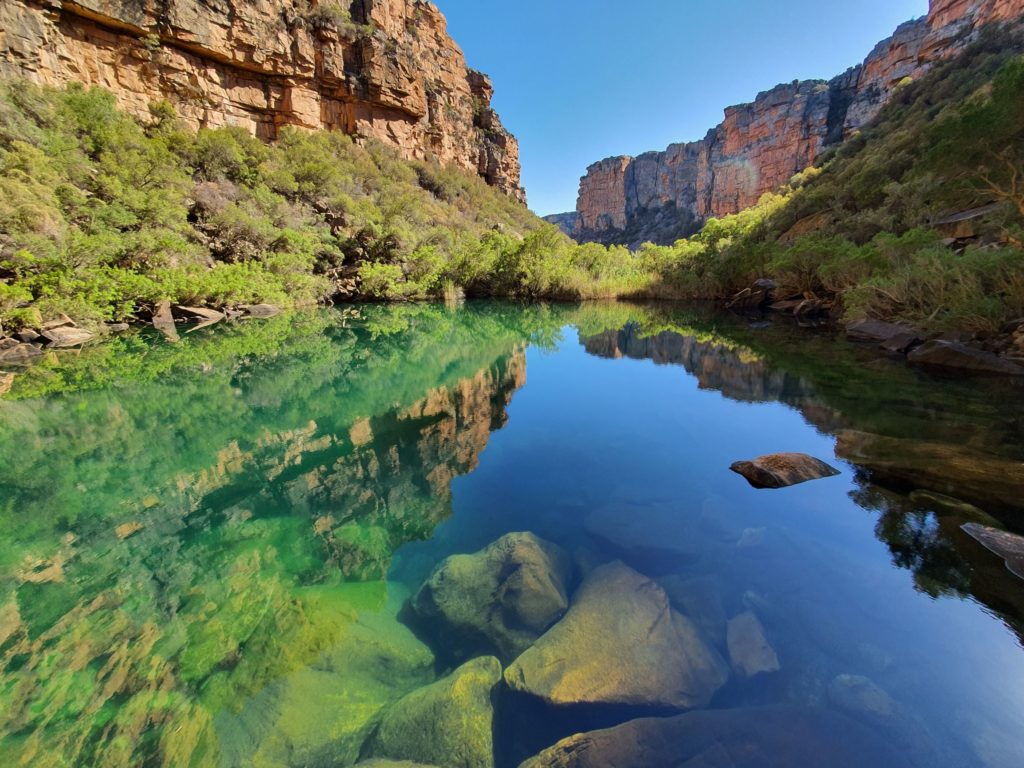
In the case of Papkuilsfontein, the Van Wyk family applied for assistance to develop a network of mountain bike trails on the farm to complement their existing guest farm accommodation. The mountain bike trails will contribute to existing activities and will draw a new tourism segment to the farm. This will bring about more visitors which will translate into economic benefits and jobs. In exchange for this benefit, enabled by the Small Grant, the Van Wyk family has agreed to declare their farm a Protected Environment. The declaration process represents a collaboration between the landowner, the Northern Cape Department of Agriculture, Environmental Affairs, Land Reform and Rural Development’ s Provincial Biodiversity Stewardship Programme, and the Endangered Wildlife Trust.
Papkuilsfontein will serve as a flagship project to demonstrate the effectiveness of diversifying income streams, as well as actively integrating a biodiversity conservation approach in a living working farming landscape. The Van Wyk family has been farming on this farm for more than six generations and this has always been done with the mindset of conserving this biodiversity hotspot.
What makes Papkuilsfontein such an important area to conserve, is that it lies on the Bokkeveld Plateau, which is known as the bulb capital of the world. More than 1350 species of flowering bulbs occur here. In some areas the density of bulbs reaches more than 20,000 plant per square meter, more than anywhere else on earth.
Four main vegetation types can be found on Papkuilsfontein, Bokkeveld Sandstone Fynbos, Nieuwoudtville Shale Renosterveld, Hantam Karoo and a small area of Vanrhynsdorp Shale Renosterveld. Each of these vegetation types contains a myriad unique species. Approximately 3000 species occur on the Bokkeveld plateau, with high levels of species endemism. More than 80 endemic species can be found here, most of the endemics are geophytes, together with a few succulents and shrubs. More than 30% of the endemics are Red Data species threatened with extinction.
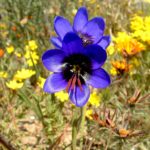
The amazing species richness of the area makes it a high priority to conserve. Looking forward, innovative approaches to protect areas like this will become more important for sustaining farming, tourism and conservation. We are proud to work with conservation champions such as the Van Wyk’ s. The success of the project will encourage other farmers to diversify their activities, reduce their risk and conserve biodiversity on their farms. Watch the video of the project here
For more information visit Papkuilsfontein Website

Biodiversity gems on Papkuilsfontein
Besides the incredible botanical biodiversity, Papkuilsfontein is home to 36 mammal species recorded so far, including leopard, black backed jackal, silver fox, bat eared fox, Smith’ s red rock rabbit, porcupines, duiker, Cape Clawless otter, pole cat, baboon, rock hyrax, klipspringer and kudu.
Bird species are well represented, with Blue Crane, Lesser Kestrel, Ludwig’ s Bustard, Martial Eagle, Black Shoulder Kite, Jackal Buzzard, Cape Pheasant, Namaqua Grouse, Egyptian Goose, Spurwing Goose, Namaqua Pigeon, Rock Pigeon, Bokmakierie, Fiscal Shrike, and Cape Sugarbird all occurring here. Breeding pairs of Vereaux’ s Eagles, Blue Cranes and Black Harriers have been recorded on Papkuilsfontein. The Rameron Pigeon, Cape Flycatcher and Southern Water Shrike may also occur along the riverine vegetation. Oorlogskloof Nature Reserve, which borders Papkuilsfontein, has recorded 152 species of birds, most of these probably occur on Papkuilsfontein as well.
Reptiles recorded on the farm include the Angulate Tortoise, Mountain Tortoise, as well as ten lizard, agama and gecko species. The most common snakes in the area include the Black Spitting Cobra, Boomslang, Cape Cobra, Rhombic Egg Eater, Skaapsteker and Whipsnake. Four frog species are found in the adjacent Oorlogskloof River and may occur in the rivers of Papkuilsfontein.
Invertebrates found on the farm include many species of bees, flies, beetles, moths, and butterflies. Many of these are important pollinators and have unique interactions with specific flowering plants. These insects include long-tongued flies that are the important pollinators of species such as Babiana.