IF YOU LIKE IT, THEN YOU BETTER PUT A RING ON IT
Dr Joseph Mwangi (josephm@ewt.org.za), Christie Craig (christiec@ewt.org.za), and Dr Lara Jordan (laraj@ewt.org.za), EWT’ s African Crane Conservation Programme
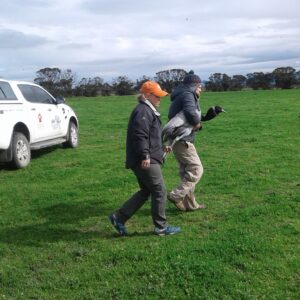
The African Crane Conservation Programme focuses on conservation outcomes that align with scientific information and best practice. We pursue measurable conservation actions, one of which is the ringing of cranes. When ringed cranes are reobserved, we record their GPS point, habitat use, social grouping, and behaviour. This information collated over several years helps us to understand the populations we conserve on a deeper level: how many of the crane survive, how the population changes over time, their seasonal movements, and what the major threats are to populations. These nuggets of knowledge support further conservation action focused on addressing the causes of population declines.
One of the longest standing ringing programs is that of the Wattled Cranes within the Drakensberg. The ringing program started in 1986 and continues today with, on average, ten chicks ringed each year, and approximately 60 nests monitored each season. This involves intense on the ground surveys with efforts boosted by the annual aerial survey conducted by the EWT and the Ezemvelo KwaZulu-Natal Wildlife, the provincial conservation authority. Supportive landowners, farmers, and enthusiasts assist by recording resighting incidents through the Survey 123 phone app, email, or WhatsApp. This kind of community support provides vital information and has enabled us to determine survival rates of Wattled Cranes on the nest after fledging. Over the long-term, this enables us to monitor the movement, habitat, and how the species uses the landscape. This helps us pre-empt risks and assess threats that may affect the population, such as powerline collisions or land-use changes. This information, combined with nine satellite tracking units, has created focal points to target specific conservation action. This is vital to ensure the sustainable range expansion of the species.
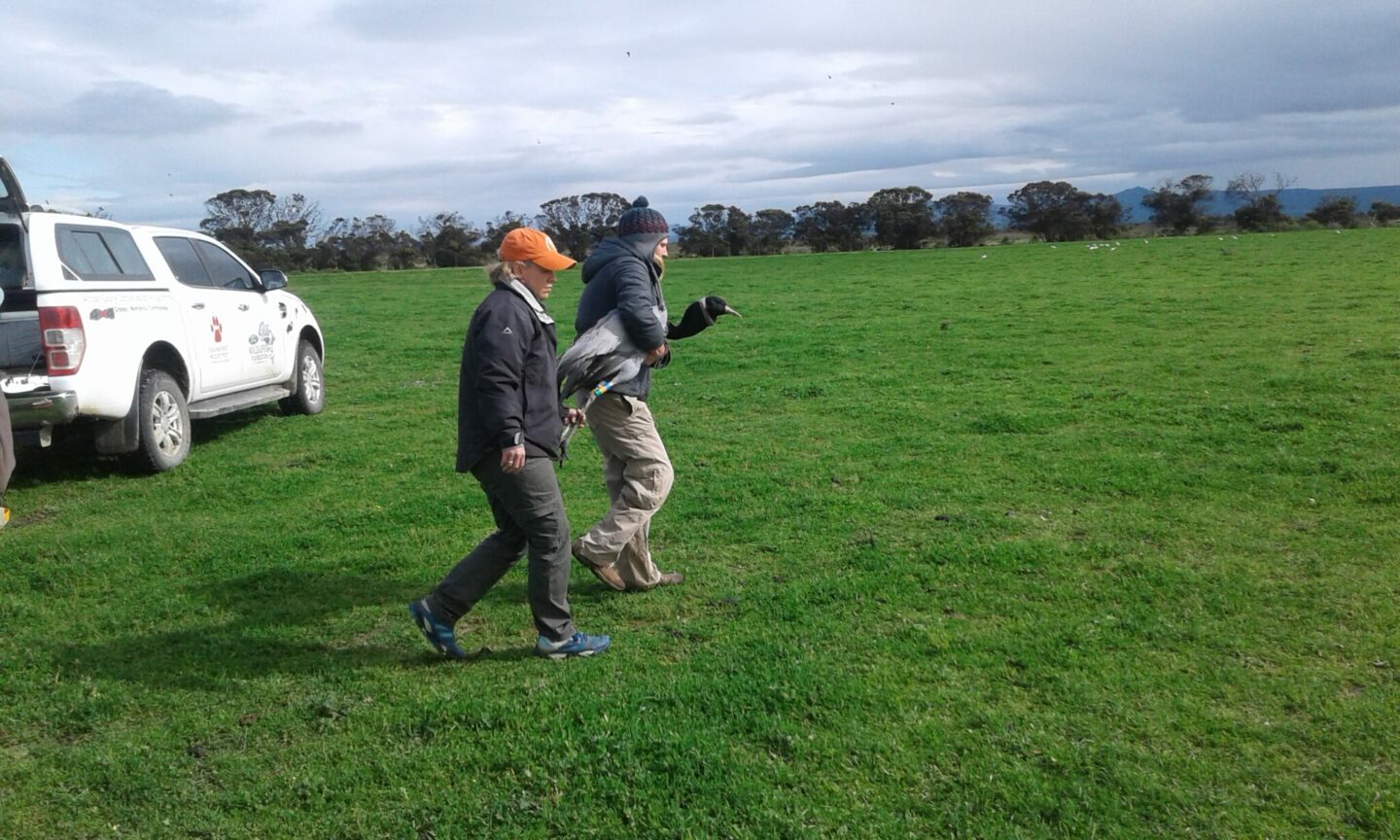
Christie Craig is also studying Blue Cranes in the Western Cape by fitting the birds with rings and satellite trackers. The colour rings on their legs allow us to recognise a crane with a tracker when in the field and record our observations of the specific crane’ s behaviour to understand their movements, e.g. when they are breeding. The satellite trackers give us very detailed movement data to see where and how Blue Cranes are moving, and this data can be used in myriad ways to inform conservation strategy. Our main aim with this data collection is to look at how and when Blue Cranes are flying to better understand how their flight patterns put them at risk of colliding with powerlines. Powerline collisions are one of the main threats to the species, and being able to understand collision risk informs mitigation efforts.
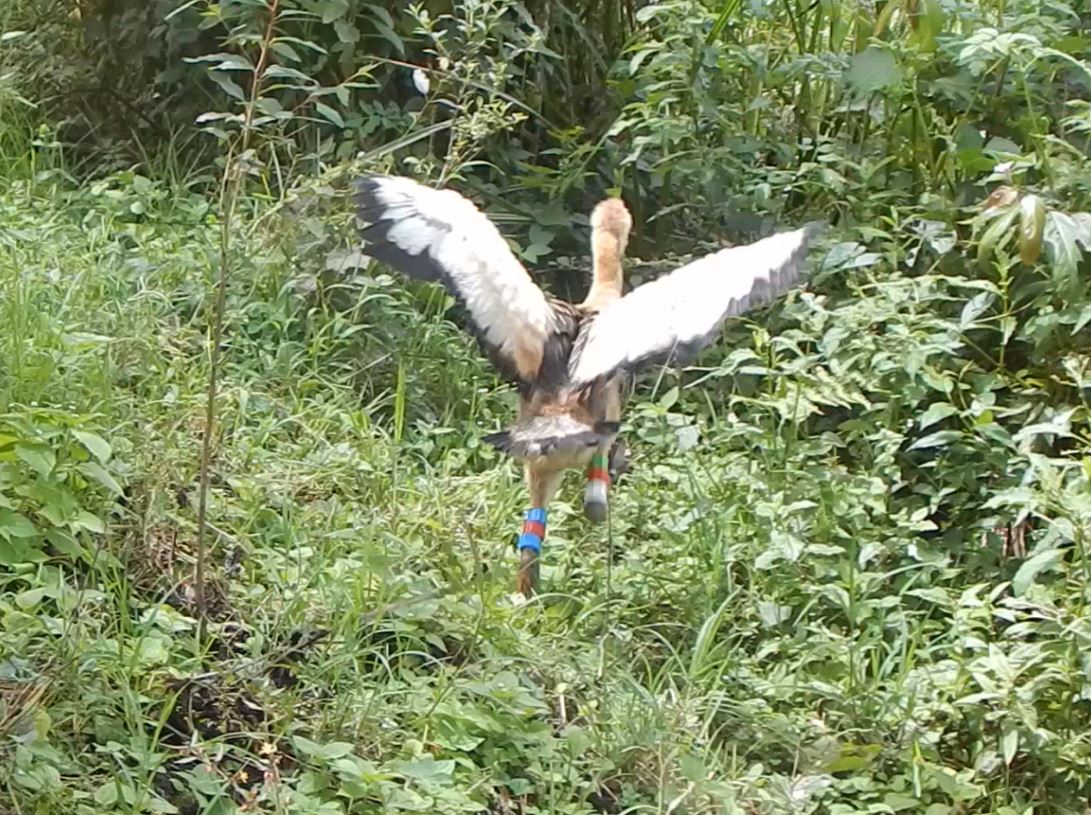
We were therefore excited to launch our Grey Crowned Crane ringing project in Kenya, which came hot on the heels of an agreement on country colour codes for coordinated Grey Crowned Crane ringing with other stakeholders working on cranes in East Africa. For the first time, we will be able to monitor chicks past the fledging stage, something we have not previously managed to do in East Africa. So far, 20 chicks have successfully been rung and fledged for the 2020/2021 breeding season. To supplement our efforts in sighting the ringed cranes, we will train and equip 30 community Crane Custodians who will assist in reporting any sightings of ringed chicks. Through these reports, we hope to better understand cranes’ dispersal from their breeding sites and map out key areas for cranes outside the breeding season.
CONSERVING CRANES AND COMMUNITIES
Dr. Lara Jordan, EWT African Crane Conservation Programme Field Officer, laraj@ewt.org.za
“The wind does not break a tree that bends”.
– Sukuma Proverb
We have all adapted to the new normal of social distancing and wearing face masks. As we all think about the year 2020, it might look like a dark portrait, but the picture is made beautiful by different streaks of bright colours. These bright streaks represent the generous gestures that brought hope to the lives of community members across Uganda, Kenya, and South Africa.
We are all dealing with the collective loss of the world we knew. Grieving the loss of jobs, livelihoods, physical connection with friends, loss of our daily routines etc. This has given people the world over opportunities to show our care for each other, and a little help has indeed gone a long way, not only through humanitarian efforts but also in building trust and hope across communities that we work with.
When COVID-19 struck in Africa, there were speculations that the warm, tropical weather of Africa would shield the developing countries from the virus, but to-date, the cases reported are still rising. Yet even after warnings that the African continent’ s healthcare systems would not be able to bear the weight of the virus, Africa has resisted and continues to weather the storm of the pandemic. This has in no small part been a result of heroes who chose to go out of their way to help where they could.
Many families in East Africa, in the communities with which we engage, live in rural areas, and the work they are able to find is often only on a casual basis and pays enough money to feed their families for the day. When the pandemic struck, most of these families did not have a “work from home” policy, as their livelihoods depended on getting out and hustling to get their daily bread. Today, we choose to celebrate heroes that might be unnoticed but have played important roles in the lives of communities during this pandemic.
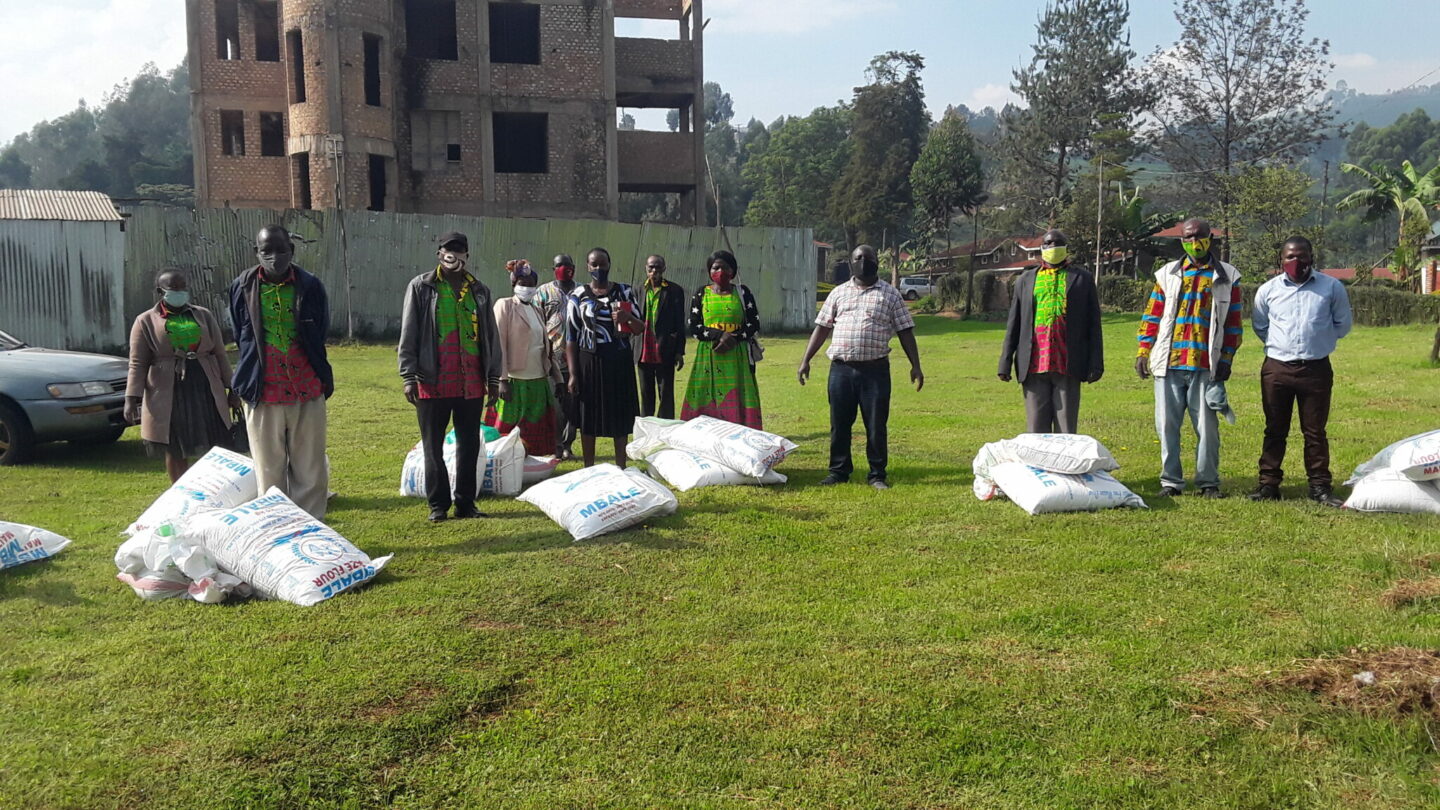
The Leiden Conservation Foundation provided generous support to families across East Africa, and as a result, many were cushioned over this difficult period.
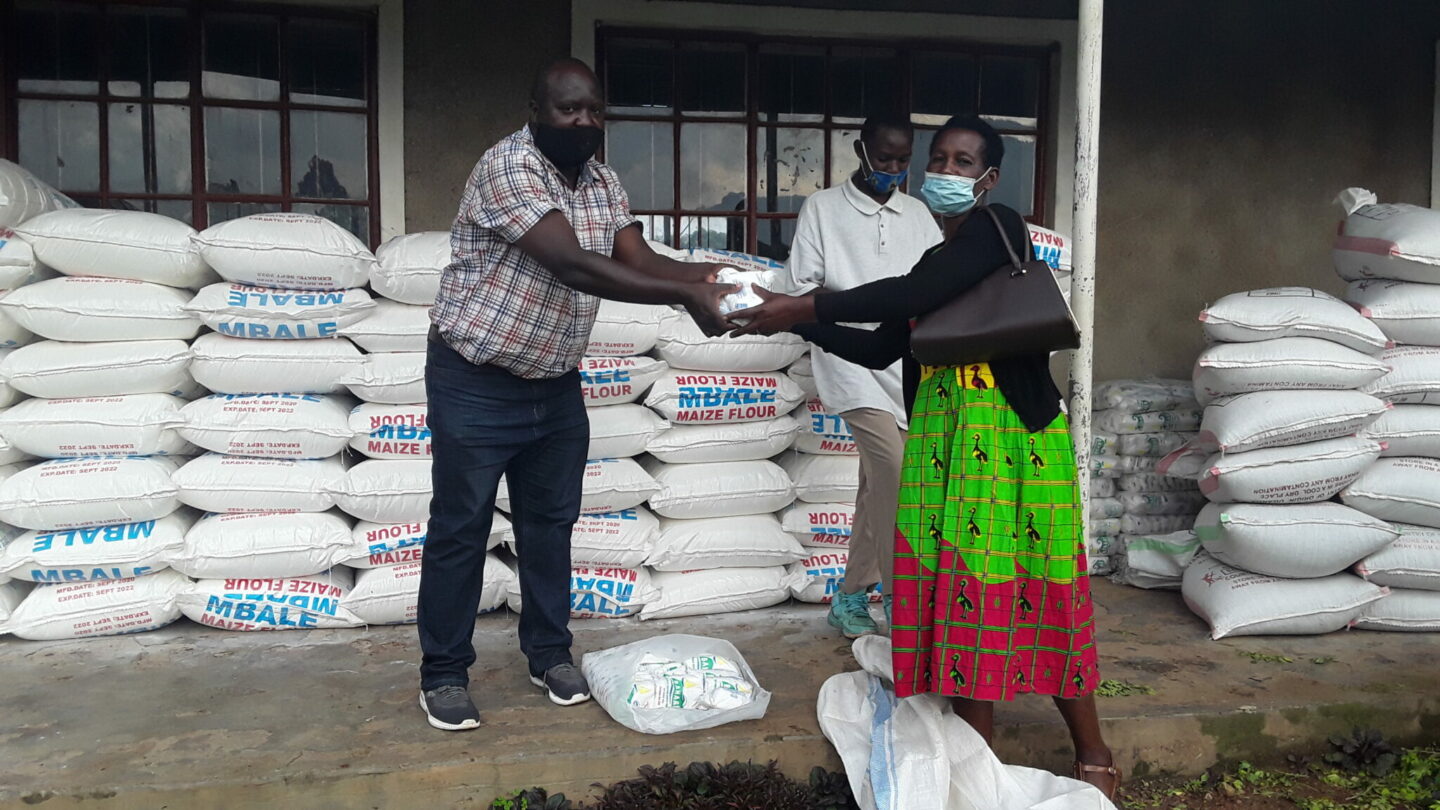
In Kenya, 238 households with an average size of 7 people were beneficiaries of masks, bar soap and handwashes (1,666 individuals). In Uganda, 34 Crane Custodians benefitted from food relief packages, including 100 kg of maize flour, 30 kg of beans, and 10 kg of salt per person. In Rwanda, face masks, soap for handwashing, cooking salt and hoes for cultivating, were distributed to 284 households, 100 fodder farmers, and 184 beekeepers (beneficiaries of conservation agreements).
In South Africa, HCI Foundation and The Lewis Foundation enabled the delivery of food parcel across four rural communities of the Eastern Escarpment, this generous donation helped beat hunger for the marginalised in the communities. An additional 299 food parcels were delivered across three communities that were so rural that it took four days to deliver the parcels, and more recently, a further 73 food parcels, weighing over 40 kg, were delivered to two rural communities. The average household size within the communities was six members, adding up to a total of 1,398 individuals that received food.

Supporting communities in this way has been vital during this period, not only for the benefits to communities but also the benefits to wildlife. Community engagement and reporting has increased during this period, despite the difficulties of lockdown, and through this support, it has become apparent that communities have embraced crane conservation, which we hope will help to steadily increase crane numbers within these vital areas. And that is how we change the world – “One random act of kindness at a time” (Nelson Mandela)
FOR PEAT’ S SAKE – FINDING FODDER IN RWANDA’ S RUGEZI MARSH
Lara Jordan, Drakensberg Coordinator, EWT’ s African Crane Conservation Programme ACCP, laraj@ewt.org.za; Adalbert Aine-omucunguzi, East African Regional Manager, EWT’ s (ACCP), AdalbertA@savingcranes.org; Daniel Munana, Rwanda Field Coordinator. danielm@savingcranes.org
One of the most densely settled countries in Africa is also home to some of the most impoverished communities, in which subsistence farming is how much of the human population survives. The Rwandan landscape is made of steep volcanic slopes, and where there once were forests, the slopes are now blanketed with terraced agricultural plots. The nutrient-rich soils that once fed the forest have become eroded, and the agricultural productivity for the families surviving on the denuded slopes is in decline. Rwanda is home to over 100 Endangered Grey Crowned Cranes, a species that has suffered a population decline of 80% across Africa in the last 40 years. Within these steep embankments is the 6,735-hectare Rugezi Marsh, which is the headwater to the White Nile, and this acidic peatland is one of the most important Grey Crowned Crane sites.
Rugezi Marsh is the source of the hydroelectric scheme into Lake Burera and supplies a third of the country’ s electricity. The government of Rwanda, concerned about the increased usage of the irreplaceable peat landscape, declared the wetland Rwanda’ s first Site of International Importance under the Ramsar convention. The Rwanda Environment Management Agency (REMA) removed all the inhabitants of the marsh and planted a 20 m buffer zone of trees extending around the wetland. Within this boundary, no agricultural activity is allowed. Rwanda has a zero-grazing policy around Rugezi Marsh, and yet almost every community household has a cow that needs fodder. This need impels community members to enter the marsh illegally to harvest fodder, resulting in the overharvesting of vegetation from the marsh and the disturbance of breeding Grey Crowned Cranes, thereby reducing nest survival. Erosion on the slopes also impacts negatively on the marsh and the catchment and reduces the ecosystems’ functioning and life-giving water supply.
In response to these problems, the ICF/EWT/Kitabi College partnership, in collaboration with the Burera District Authorities in 2018 started a project introducing Napier Grass as a means to support the feeding of the communities’ cattle and protect the steep agricultural slopes to reduce erosion. The authorities provided two areas as nurseries for the project, where the grass was grown to feed livestock. Napier grass was chosen because of its fast maturity rate, hence an ability to meet community fodder requirements in a short time. The Burera district’ s department of Agronomy has worked closely with us over the last 18 months and bought into our strategy and vision once we had presented the communities with their new fodder. This month, we were invited to a celebration where the local Rwandan authorities thanked the International Crane Foundation/Endangered Wildlife Partnership, Daniel Munana, and our partners Richard Nasasisa at Integrated Polytechnic Regional College, Kitabi College; and Dr Olivier Nsengimana and his Rwanda Wildlife Conservation Association for the dedicated effort to conserve the Rugezi Marsh Rwanda. The authorities acknowledged us as a great and dedicated partner who has made an incredible impact in the area by supporting 2,489 households to plant Napier Grass on their private land to feed their livestock, instead of harvesting vegetation from Rugezi Marsh. These households have also protected hillslopes from erosion hence conserving soil and water. There was also an improvement in their cattle’ s milk production, leading to increased household income. It is now compulsory for every community farm to have Napier Grass planted on the terrace lines to provide livelihoods, fodder, and improve soil and water conservation. Because the authorities are enforcing it through key deliverables in their Key Performance Areas, we expect long-term sustainable benefits for the whole ecosystem and its crane and human inhabitants. In return for the Napier Grass provided to them, community groups committed to patrol Rugezi Marsh and report any illegal activities, including crane capture, to the government authorities. This commitment, coupled with patrols carried out by our partner, Rwanda Wildlife Conservation Association, crane capture cases have reduced to zero, and Grey Crowned Crane numbers are on the rise. In the first year of monitoring, there was zero breeding success due to the illegal trade of the birds. This year, we have seen many pairs fledge chicks, demonstrating the importance of the outcomes of this project, particularly our successful collaboration with the communities. We want to thank our funders who have made it all possible: MacArthur Foundation for the earlier years, and more recently the CEPF and the Stiftung Feuchtgebiete (German Foundation for Wetlands).
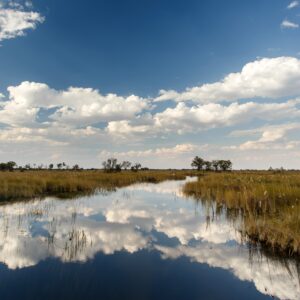
FLOODING ENHANCES THE VULNERABILITY OF WETLAND-DEPENDENT COMMUNITIES IN SOUTH WESTERN UGANDA
Phionah Orishaba, Project Assistant, Nature Uganda (NU), Endangered Wildlife Trust (EWT), and International Crane Foundation Partnership (ICF), PhionaO@ewt.org.za
In the 1950s, as a result of the growing population and resultant increased demand for food, communities in the Kabale region of south western Uganda began draining intact wetlands for agriculture. With their rich, fertile soils, wetlands, riverbanks, and lakeshores were considered prime areas for crop production. Natural wetland resources are also harvested for food, building materials, and craft construction. Intact, functioning wetlands provide critical ecosystem services, such as water absorption and storage, which reduce flooding in the rainy season. Wetlands also release stored water during the onset of the dry season, thereby delaying water shortages during times of drought. However, extensive wetland encroachment and degradation has impacted the ecological functioning of wetlands, including the regulation of flooding.
Prolonged rainfall events from March to May of this year, resulted in excessive flooding and landslides throughout most wetland areas in south western Uganda. Floodwaters carry substrates such as soil, stones and small boulders which endanger wildlife and degrade natural ecosystems. Resultantly, the floods impacted the survival and breeding success of local Grey Crowned Cranes, as they occurred during the peak of the crane breeding season.
The floods caused other forms of devastation, including the loss of crops and animals, and the destruction of buildings and roads. Maziba Primary School in Maziba Sub-County and Kakoma Church of Uganda in Katuna Town Council are among the buildings that were destroyed during the ordeal. Roads in Rubaya Sub-County were also ravaged. According to the District Natural Resources Officer of Kabale, Mr Rogers Akatwijuka, the floods resulted from increased rainfall, coupled with wetland encroachment and poor farming practices in the upslope regions. Mr Akatwijuka recommended that wetland restoration, and soil and water conservation initiatives be implemented to minimise the impact of future flooding events.
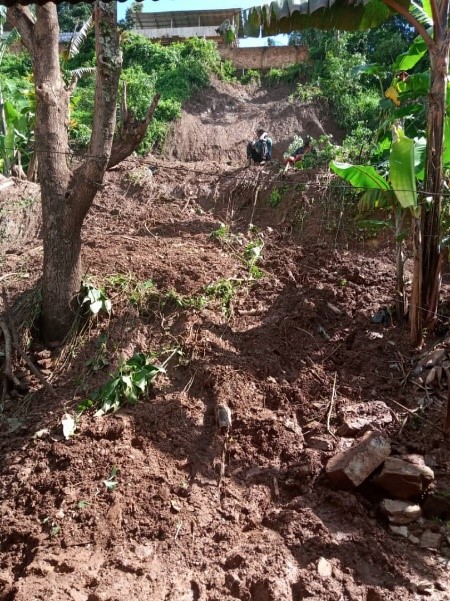
Ms Evas Asiimwe, the District Environment Officer of Kabale, said that economic activities such as agriculture, sand mining, brick making, industrialisation, infrastructure development, and wetland encroachment were the main drivers of habitat degradation. She continued, “Currently the region is facing weather-related challenges because most of the natural vegetation resources have been depleted, leaving the soils bare”. Ms Asiimwe emphasised that there is an urgent need to restore degraded habitats, guided by the national environmental policies and guidelines.
Mr John Zinkubire, the chairperson of the Kibuga Abarihamwe Community Group, and Crane Custodian Mr David Musinga reported that their crops were washed away by the floods and they are expecting that their community will face increased food insecurity and poverty. Amid the devastation, they did happily report that the six pairs of cranes, usually seen foraging in the wetland and cattle farms near their homes, survived the floods, and have been seen with juveniles. Similarly, Mr Francis Mwebesa, a community member of Mayengo Ward, Katuna Town Council, said the flooding this year was particularly extreme. The two families of cranes in the nearby wetlands are reported to have narrowly survived the floods. He witnessed the chicks floating on the water surface and navigating their way to safety.
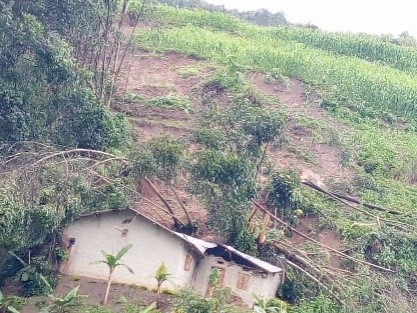
Unfortunately, not all crane families would have been so lucky. In an attempt to locate the two families of cranes in the wetland near Hakiheiga Trading Centre, Crane Custodians, Annet Tusiime and Jeniffer Tumuhimbise reported that, although the adult cranes were seen feeding near the flooded wetlands, none of their chicks were observed. They were unable to investigate further due to excessive flooding in the area. Mr Kamuzinzi Edward, a Crane Custodian from Kahungye Sub-County, reported that landslides had devasted his crops, and soil from the upland slopes had been washed into the wetlands. He feared that any eggs that had not yet hatched would have been unlikely to survive.
Lt Col Robert Nahamya of the Uganda Peoples Defence Forces and his army provided a helping hand to the families in Kaharo, whose homes had been affected by the flood. The Kabale LCV Chairperson, Mr Patrick Besigye Keihwa, extended comforting words to households whose properties were destroyed, promising to inform the office of the Prime Minister and the Ministry of Risks and Disaster Management, who would be able to provide additional relief services. Milton Kwesiga, the Executive Director of Africa Disaster Reduction Research and Emergency Missions, said that according to the constitution of Uganda, wetlands are protected areas. He continued that any agricultural activity in wetlands, except for recommended sustainable livelihoods, like apiary and harvesting of local materials for handicrafts, is illegal and should be punishable. He noted that wetlands provide essential ecological services, including water filtration, hydrological cycling, and flood control.
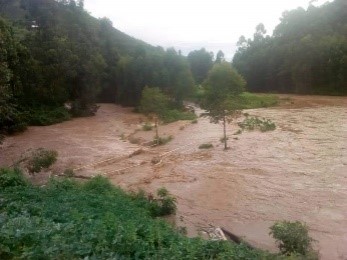
All Ugandans are called upon to curb wetland degradation by becoming conservation ambassadors and taking action to restore and conserve wetlands and reduce risks associated with climate change. There is an urgent need to implement environmental protection interventions, such as tree planting along wetland buffer zones, and soil and water conservation initiatives using bamboo and elephant grass. Most people in the Kigezi region depend on wetlands for survival and economic security. Thus, a collaborative approach between communities, government, and NGOs is essential to conserve wetland habitats for the benefit of both people and biodiversity.
A FRIEND INDEED
Vivian Nekesa, Western Kenya Field Officer, viviann@ewt.org.za
“It always seems impossible until it’ s done.”
Nelson Mandela
“How do we change the world? One random act of kindness at a time.”
Morgan Freeman
Like a devastating bushfire, the COVID-19 pandemic has spread with alarming speed, unleashing both an economic and health crisis, unlike any experienced in the last century. In March this year, Kenya reported its first case of Covid-19. The pandemic is much more than a health crisis as it is affecting the socio-economic life of every individual and country. The number of reported infections in Kenya is still rising, attributed to, among others, poverty, poor access to essential services such as clean water and sanitation, and poor hygiene practices. Measures put forward by the government to curb the spread of the virus have focused on ensuring basic hygiene and social distancing, requiring every individual to wash hands frequently, sanitise, and wear masks in public places. As currently being observed, disruptions caused by COVID 19 interventions are creating a significant reduction in household revenues to an already vulnerable society living under the poverty line. More than 80% of the community members we work with rely on subsistence farming and live from hand to mouth, barely earning enough to feed their families each day. Talking to the community members, most argue that hunger may kill them before coronavirus does. For these communities that we work with, access to soaps and masks is necessary for them, but not a priority as their availability is limited and they would rather focus on finding money to buy food, as the pandemic has interfered in the demand-supply chain and the prices of food commodities have gone up.
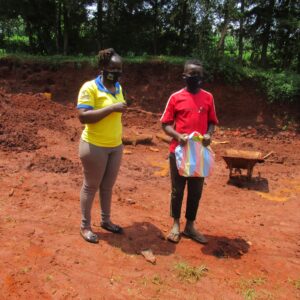
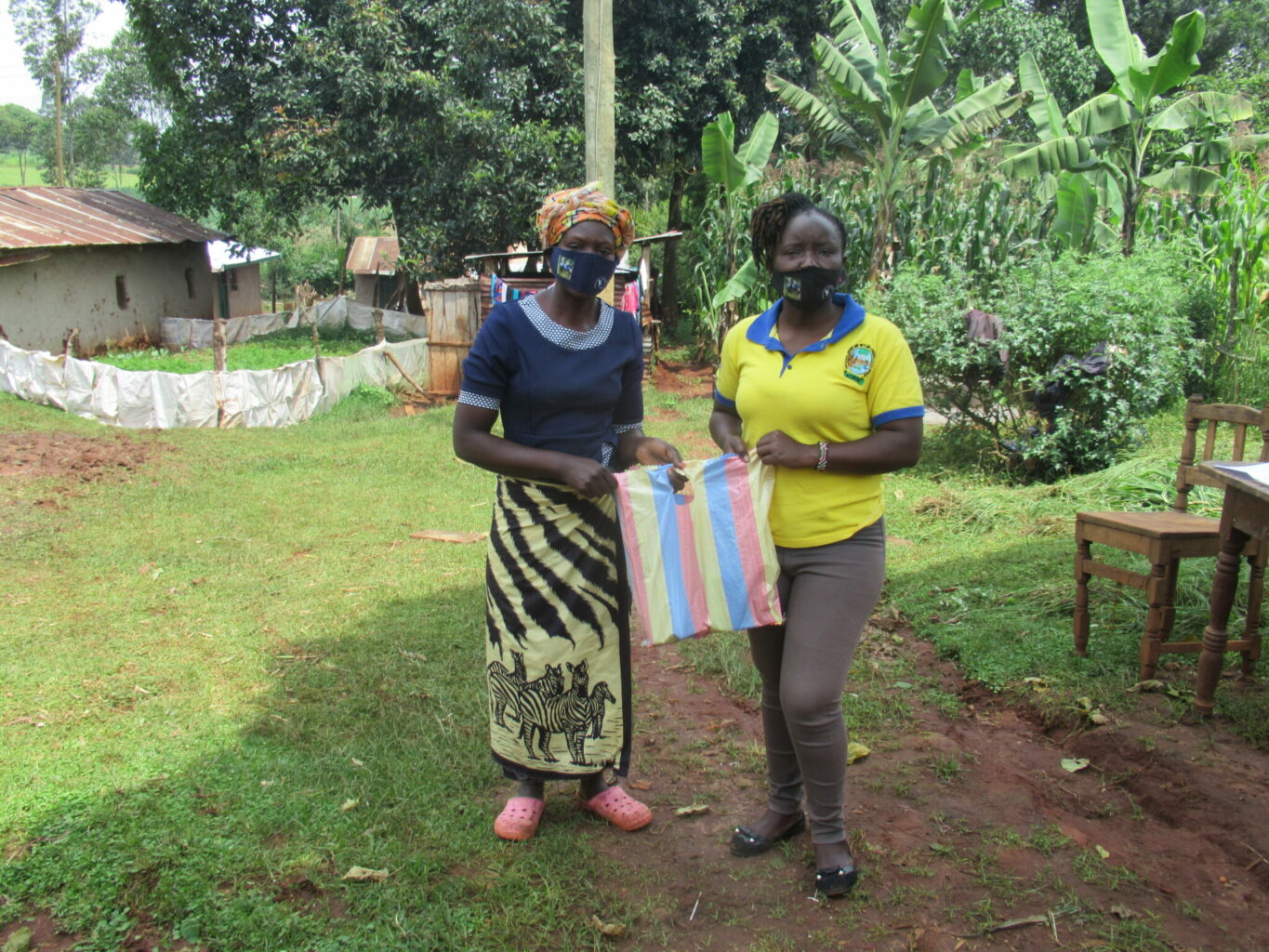
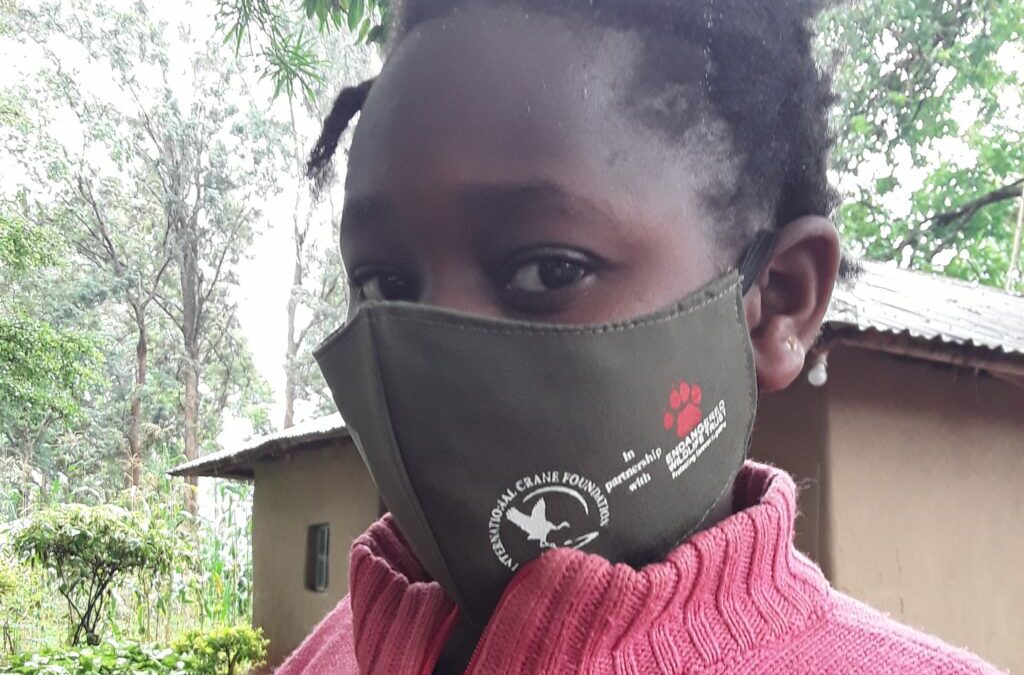
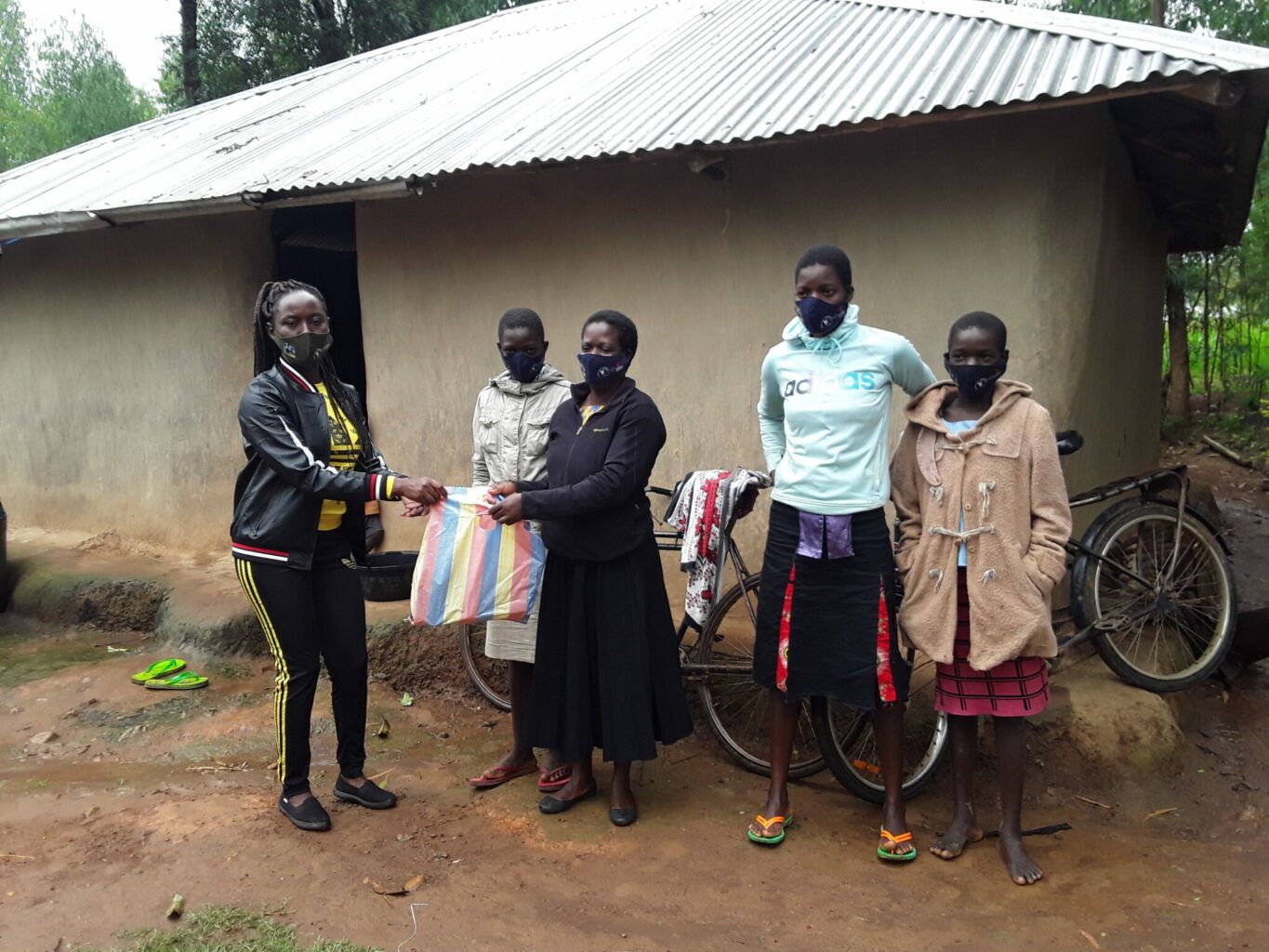
We chose to work with these groups because cranes flock, nest, roost, and breed on their farms. Therefore, we needed to do something for these communities that live in rural areas and have unstable incomes. Through the generous support of the Leiden Conservation Foundation, the Kenyan team was able to procure face masks, handwash and soap bars that were distributed to the households of the individuals we signed the Conservation Agreement with, and custodians outside the Conservation Agreement process. Each household received two bars of soap, two handwashes, and seven masks. With the help of the group leaders, we were able to coordinate the exercise and reach the community in their homes (house to house distribution), as there is a restriction on gatherings. Below is a summary of the total number of items distributed.
The Grey Crowned Crane is listed as Endangered in the IUCN Red List of Endangered species. The species’ population is estimated to have declined from over 100,000 individuals in 1985 to between 17,700 and 23,000 by 2016 (Birdlife International 2016; Morrison, 2015). The population of the species in Kenya stands at 7,776 (Wamiti et al., 2020). The Africa Crane Conservation Programme works under the International Crane Foundation and Endangered Wildlife Trust Partnership to conserve the Grey Crowned Crane species in Kenya. The Grey Crowned Crane faces several threats, the main one being habitat loss, which is fuelled by population pressure.
