Help protect Africa's 

Hybrid Wattled X Blue crane fledges

Hybrid Wattled X Blue crane fledges

Hybrid Wattled X Blue crane fledges

By Jacquie van der Westhuizen, senior EWT field officer
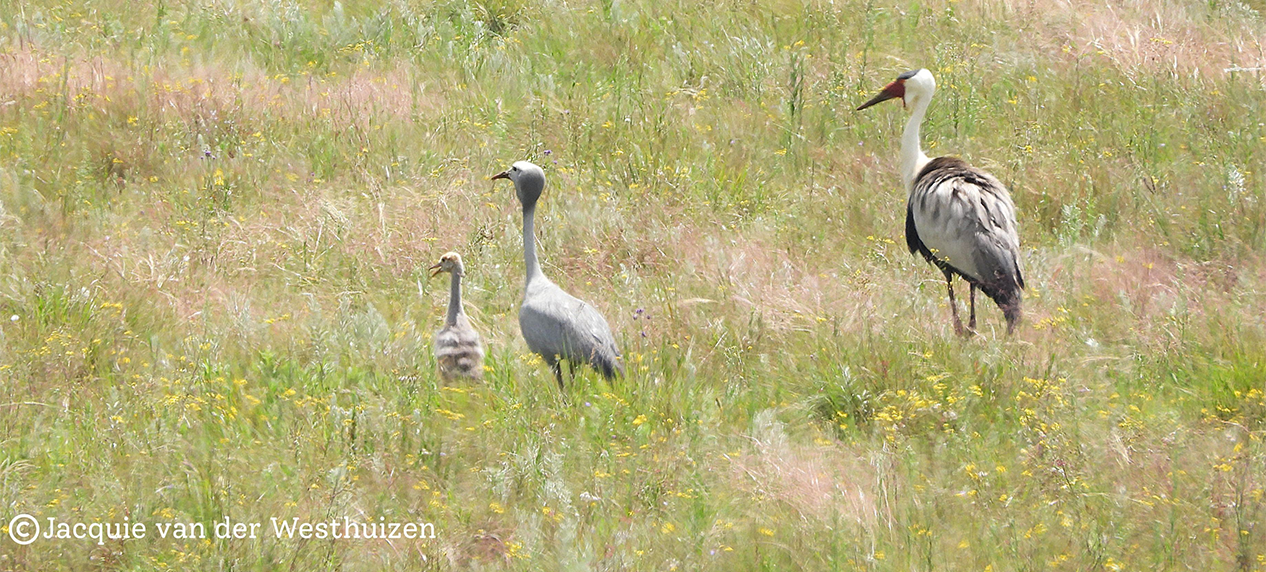
 

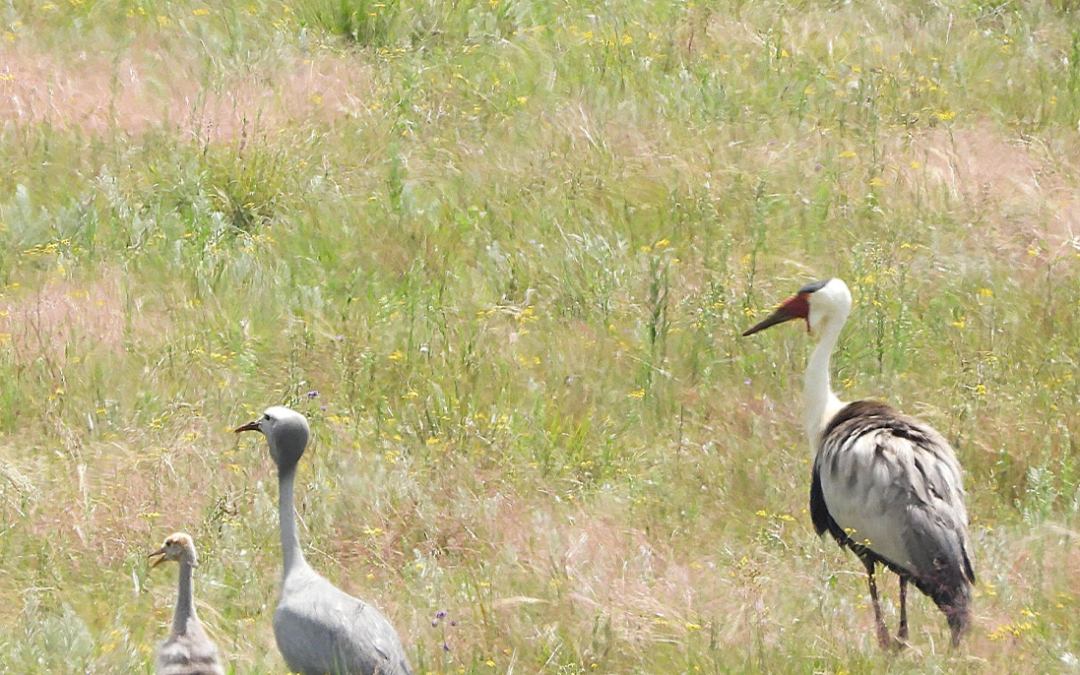
Wattled Blue Crane hybrid chick Mpumalanga grassland

For the last couple of years, we have been getting reports of a lone Wattled Crane hanging around with some Blue Cranes in Mpumalanga.  Never in our wildest dreams did we think that a Wattled crane would pair up with one of the Blue Cranes, but the inevitable happened.

In early February I got a report from the farmer, accompanied by photo evidence, of the pair walking with, yes, a Chick!

There are not many known cases of hybridisation such as this and even less of it being documented, so I went up to Mpumalanga to see for myself.  I spent a few days monitoring, photographing and documenting the interaction between the adult Wattled and Blue crane and their chick, and their general behaviour.  At that point I guessed the chick was approximately 5-6 weeks old resembling a Wattled crane chick in looks and size.

In the normal life cycle of a Wattled crane, chicks fledge at approximately five months and, at approximately 10 months of age the parents take them to a floater flock – a group of cranes that are not yet of breeding age or have yet to pair up – and leave them there to grow up, find a mate and begin a whole new circle of life. 

During our monitoring we decided that in the event that this hybrid chick survived to adulthood and joined a floater flock, we needed to ring it so we would be able to identify him amongst a dance (flock) of cranes.  The purpose of this would be to see if it eventually paired up with another crane and bred.  We also took genetic samples as this would give us a better idea of the genetic makeup of the hybrid crane and the sex of the bird. This was done when the chick was approximately 13 – 14 weeks old, and looking more like a Blue Crane with a smaller bill and head and Blue Crane colouring.  

It has since fledged. This has meant less sightings and more difficult monitoring as the chick and his parents move around. He was last seen a few days ago (in May 2026) and, interestingly, now looks more like a Wattled Crane – lighter neck colouring, grey back and is almost as big as the Wattled crane. But, he is as fast as a Blue Crane when he runs!

In the animal kingdom, hybridised species are generally infertile, but it has been confirmed by none other than the International Crane Foundation’ s (ICF) founder, George Archibald, that hybrisation between Brolga and Sarus Cranes in Australia not only occurs, but results in fertile chicks, and is actually more common than one realises.  These majestic birds are now known as Sarolga.   We have no evidence to prove this in Wattled / Blue crane hybrids as very little has ever been documented.

One of the reasons these types of hybridisations happen could be as a result of habitat loss, which in turn results in the decline of cranes in certain areas.  When crane numbers drop – in this case Wattled Crane numbers declined dramatically – the remaining few cranes start mingling with other crane species and eventually pair up.

We have seen a huge decline in the number of Wattled Cranes in Mpumalanga in the past 20 years.  This province was once home to the second largest population outside of KwaZulu-Natal.  This has resulted in the EWT / ICF partnership implementing a research project in the province to investigate the causes of the decline and how we can improve key crane habitats in the province to bring back this beautiful and iconic species.

Here’ s a challenge for you, our readers:  What should we call our South African hybrid Wattled / Blue Crane?  A Watblue or a Bluewat?   Your suggestions are welcome and can be mailed to emomberg@ewt.org or jacquiev@ewt.org

Breeding of Blue Cranes lower in intensive agricultural landscapes

Breeding of Blue Cranes lower in intensive agricultural landscapes

Breeding of Blue Cranes lower in intensive agricultural landscapes

By Eleanor Momberg


Blue Crane breeding Western Cape wheatlands habitat

Blue Cranes breed less successfully in the Western Cape Wheatlands than in their traditional range, highlighting a potential ecological trap for South Africa’ s national bird.

This is concerning for this stronghold of the Blue Crane (Grus paradisea) population, and might explain why numbers have been declining for the last decade,  a paper entitled Reduced Blue Crane Grus paradisea breeding productivity in intensive agricultural landscapes, states.

The research, published in the Journal of African Ornithology, Ostrich, compared the breeding of Blue Cranes in the Western Cape wheatlands in the Overberg and Swartland, Karoo and eastern grasslands of South Africa.  It found that the birds bred more frequently in the grasslands and the Karoo than in the Overberg or Swartland.

The Swartland pairs were found to fledge chicks half as often as Overberg, grasslands and Karoo pairs indicating that low breeding productivity and recruitment could explain the declining Blue Crane population in the Western Cape wheatlands and that the region has become “an ecological trap for the species”.

By engaging with landowners to reduce nest disturbances, promoting chick-safe water troughs to prevent drownings and reducing fence entanglements by improving fence designs could result in more efficient and successful breeding, the report states.

The findings, the report states, highlight the challenges and complexities with conserving the remaining biodiversity in transformed or novel landscapes where species, such as the Blue Crane, require sustained and intensive management to maintain their population.

In 2025, the Blue Crane was uplisted from Near Threatened to Vulnerable in the Red Data Book of Birds reflecting growing concern about the future of the species, and underscoring the critical role of the Overberg region in renewed efforts to protect the birds.

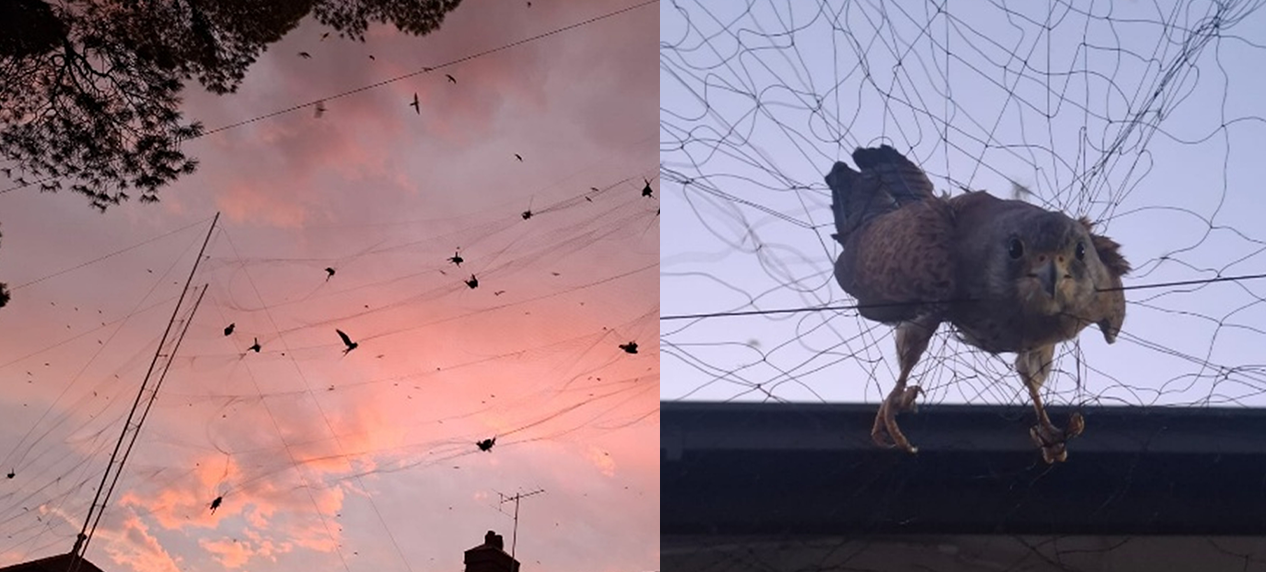
The uplisting states that the reasons behind the dramatic decline in the Overberg over the past 14 years included disturbance during the breeding season, collisions with power lines, entanglement in farm fencing and baling twine and poisoning – often from substances intended for other species. In addition, shifts in agricultural practices over the past decade, including minimum till and increased canola production, altered the landscape, reducing the availability of suitable feeding and breeding areas for cranes.

As a result of the uplisting, the Endangered Wildlife Trust (EWT), through its partnership with the International Crane Foundation (ICF), has increased its efforts to conserve the Blue Crane, with a strong focus on the Western Cape and Karoo.

Decades of successful conservation interventions yielded positive results in KwaZulu-Natal and the Northern Cape, thus the shift in attention to populations in the Western Cape.

Blue Cranes are endemic to South Africa, with a small population found in Namibia, making these the world’ s most range-restricted crane. There are less than 30,000 of these birds left in the world.

Efforts to safeguard the Blue Crane in the Western Cape include intensifying work with communities and farmers to restore habitats, and addressing threats posed by energy infrastructure.

This research in the Western Cape was made possible by support from Leiden Conservation Foundation & Hall Johnson Fellowship


Link to article: https://doi.org/10.2989/00306525.2025.2604223

** Christie A Craig, , Bradley K Gibbons, Tanya Smith, Glenn I Ramke and Peter G Ryan

Fifth National Crane Festival

Fifth National Crane Festival

News From the Field

International Crane Foundation joins Ugandan Government to celebrate Fifth National Crane Festival 

By Barbara Hamoonga (Communications and Marketing Specialist, Africa Programs – ICF and EWT partnership)


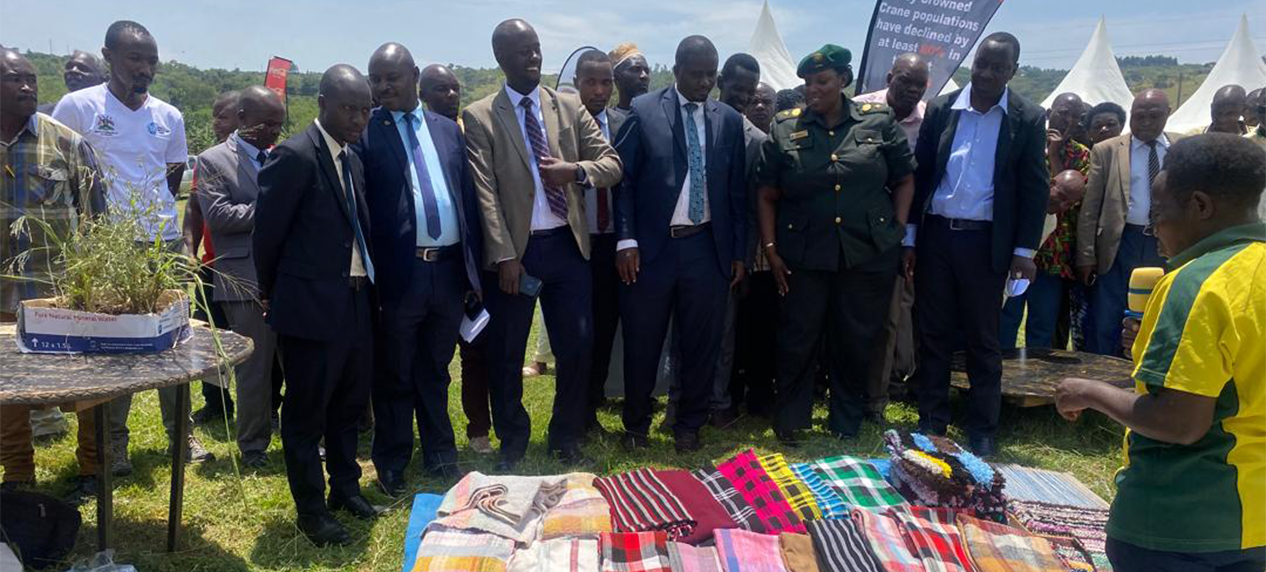
The critical importance of wetlands and sustainable development are among the messages conveyed to community members, conservationists and policymakers at the annual Crane Festival in Uganda at the end of February.  

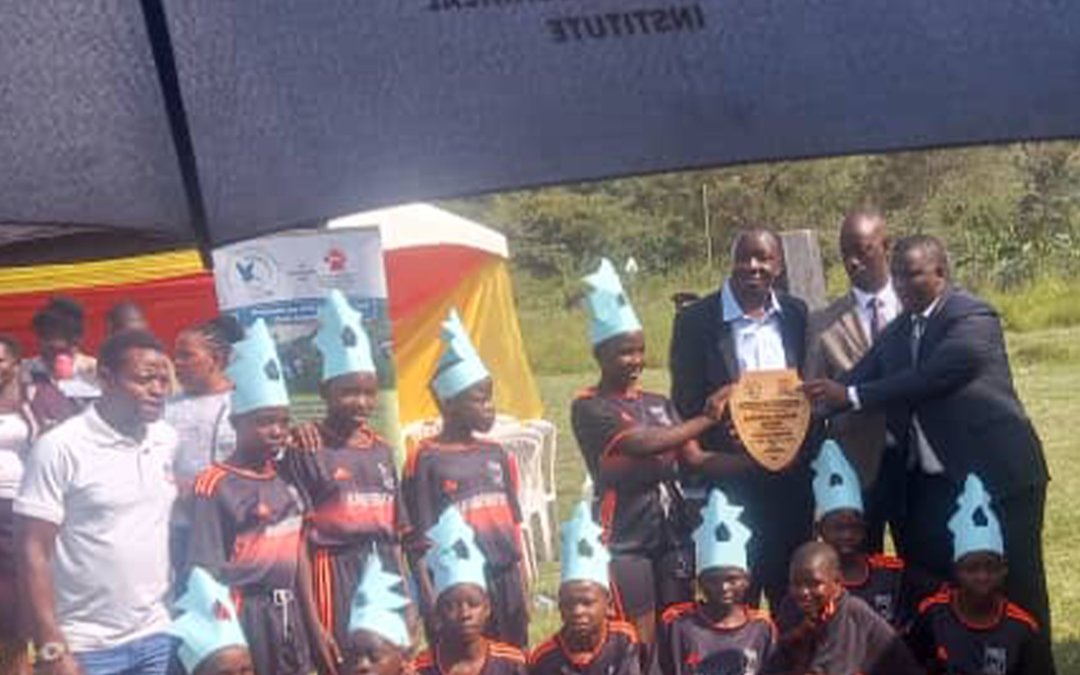
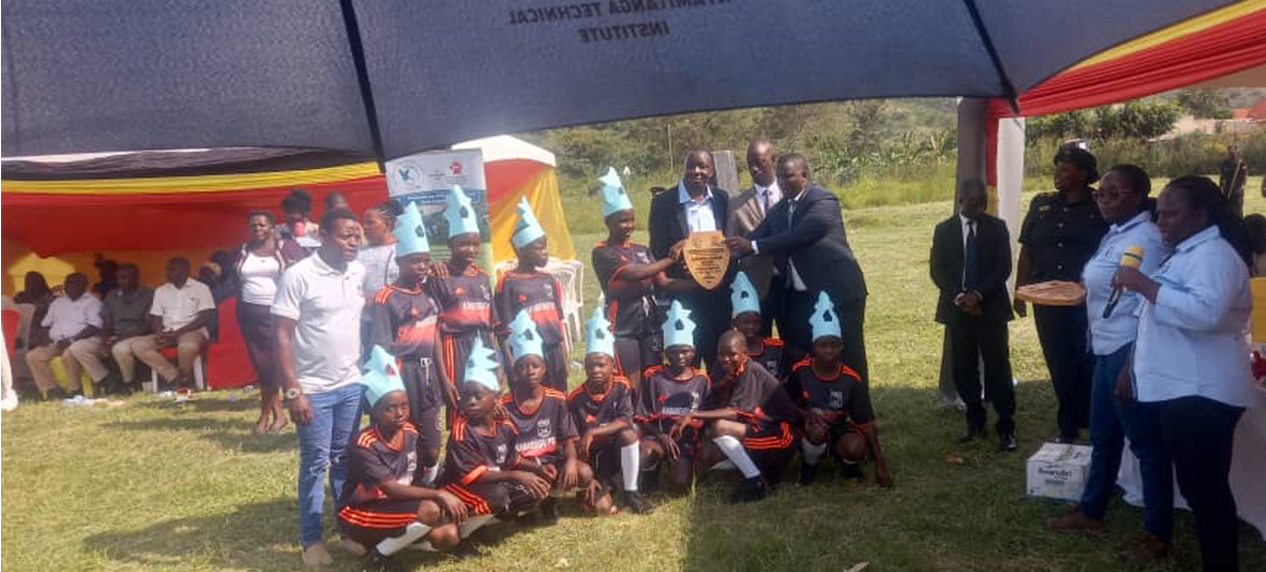
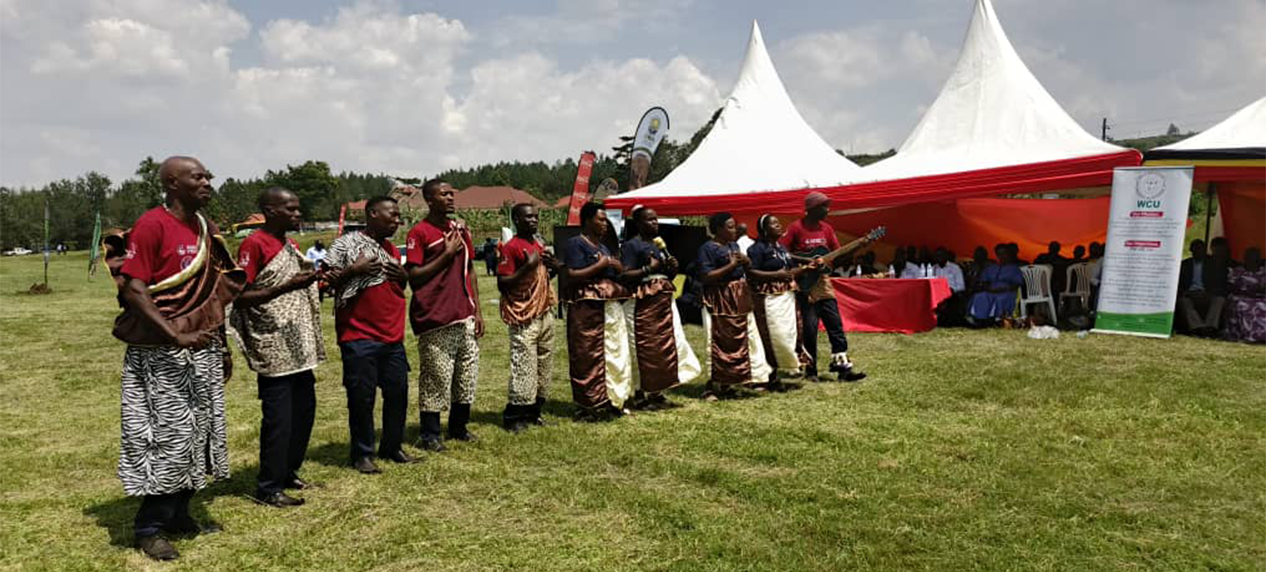
On 28 February, the International Crane Foundation joined the Ministry of Tourism and Wildlife and Antiquities and Isingiro District Local Government, to celebrate the Fifth National Crane Festival under the theme “Investing in wetland conservation for the benefit of people, cranes and other biodiversity.”  

The Endangered Wildlife Trust partners with the International Crane Foundation to conserve cranes across Africa, most notably the Grey Crowned, Blue, Wattled and Black Crowned cranes.   

This year’ s festival was held at Isingiro District Local Government Headquarters, Isozi cell in Rwekubo Ward where the critical importance of wetland conservation was highlighted alongside promoting sustainable development initiatives. 

The event served as a platform for raising awareness about crane and wetland conservation while celebrating successful community-based conservation initiatives. The festival featured practical demonstrations of sustainable wetland management practices and created networking opportunities for conservation financing. 

“I am pleased to announce that the Government is working on strengthening policy frameworks to enhance protection of critical wetland habitats, support community-based conservation initiatives, integrate conservation priorities into district development plans and strengthen enforcement of environmental regulations,” revealed the Isingiro District Chairman, Mr. Alone Turahi (LCV) on behalf of the Chief Guest, Hon. Lt. Col (Rtd) Dr. Rwamirama Bright, the Minister of Animal Industry and Fisheries,  as he officiated the event.  “These commitments reflect our understanding that investing in nature is investing in our people and our future.”  

“The Fifth National Crane Festival represents more than just a celebration – it’s a testament to Uganda’s commitment to conservation and sustainable development. As we witness the alarming 80% decline in Grey Crowned Crane populations over the past 25 years, this festival serves as a crucial platform for uniting communities, policymakers, and conservation partners in protecting these magnificent birds and their wetland habitats.  

“Together, we can ensure that future generations will continue to witness the dance of the cranes across Uganda’s landscapes,” stated the ICF’ s Uganda Country Manager, Patrick Engoru. 

Since establishing its presence in Uganda in January 2020, the ICF/EWT partnership has engaged extensively with local communities about sustainable conservation practices, developed partnerships with government institutions, including the Ministry of Tourism, Wildlife and Antiquities, and implemented community-based conservation programs that balance wildlife preservation with human prosperity.  Part of awareness raising included the annual Crane Festival as a flagship event for conservation awareness and community engagement.