
Help protect Africa's 

Verra VCU Issuance, Agricultural Resilience and Landscape Conservation

Verra VCU Issuance, Agricultural Resilience and Landscape Conservation
Verra VCU Issuance, Agricultural Resilience and Landscape Conservation


Drakensberg grasslands under sustainable grazing management

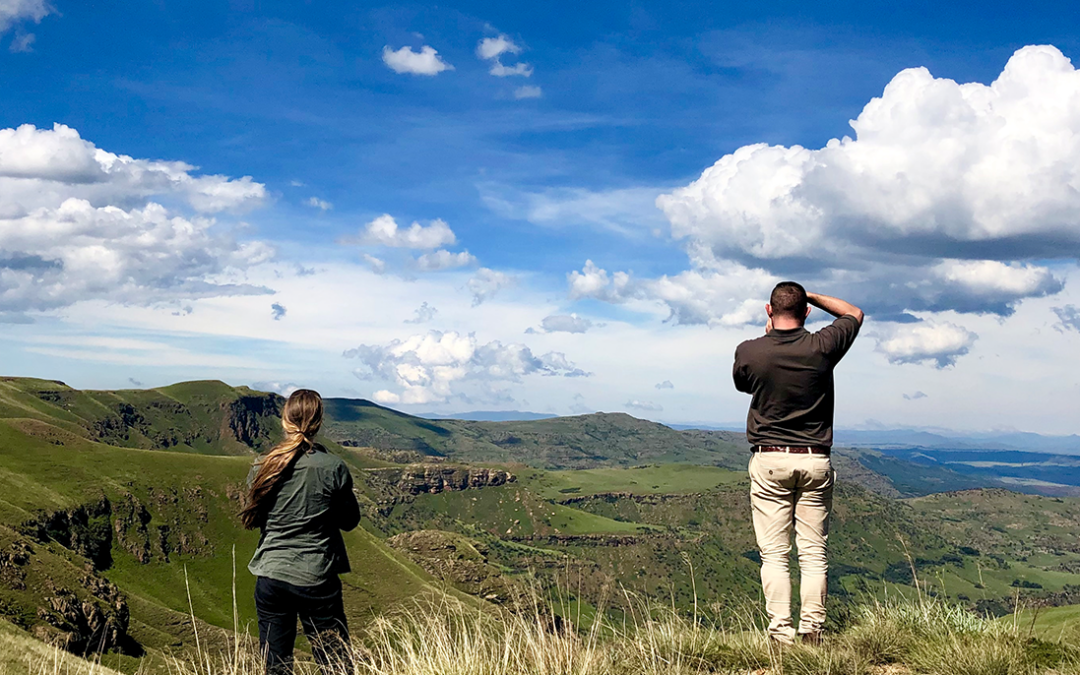
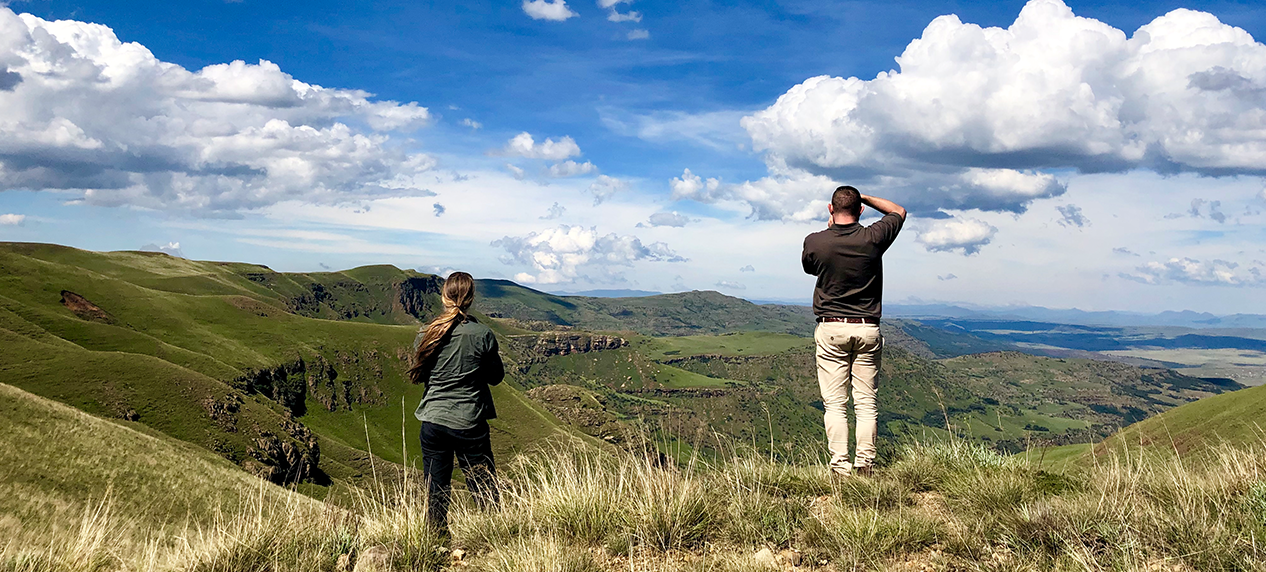
More than 90,000 hectares of irreplaceable Grasslands will now be conserved as part of South Africa’s first large-scale, verified soil carbon project. It is one of the world’s first projects applying Verra’s VM0026 Sustainable Grassland Management methodology at this scale.

This important milestone for long-term, sustainable grasslands conservation, is the product of work undertaken by the International Crane Foundation (ICF), in partnership with the Endangered Wildlife Trust (EWT), and is underpinned by a joint commitment to saving crane habitat in the Drakensberg region of South Africa.

The project has received 805,971 Verified Carbon Units (VCUs) from Verra, the world’s leading authority for carbon credit certification.

These VCUs are independently audited and confirmed climate benefits, demonstrating exceptional scientific integrity and accuracy in project design, modelling and implementation.

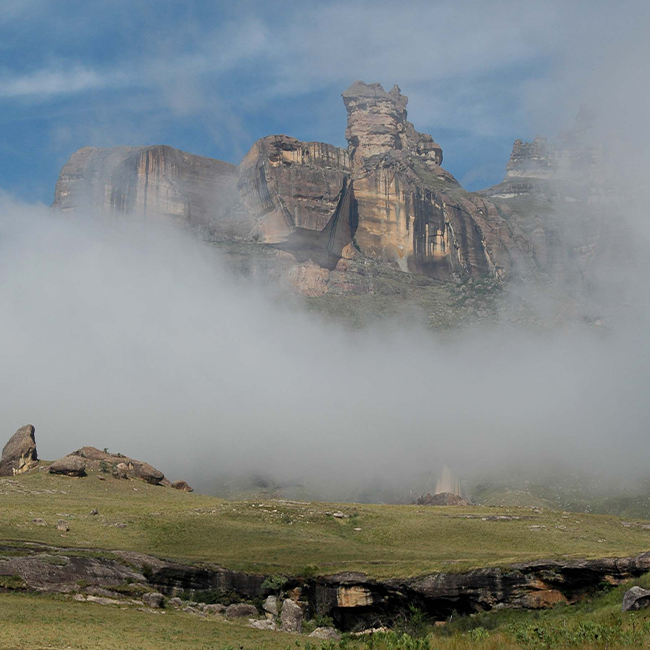
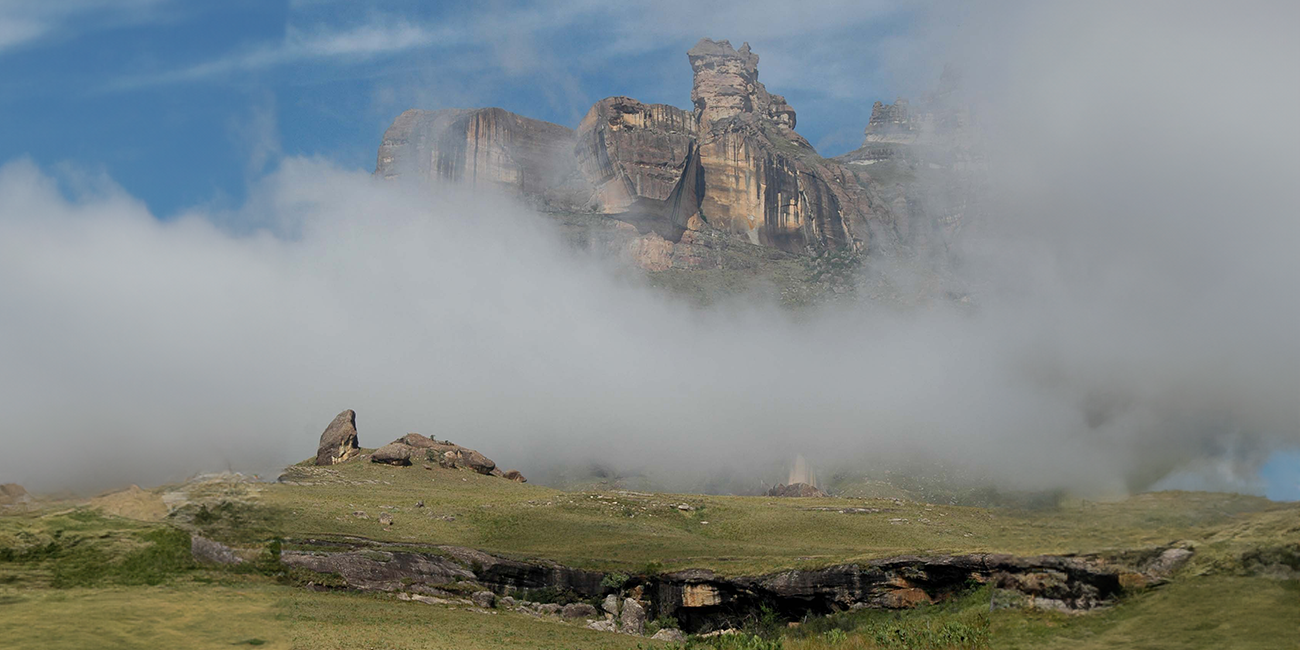
The project, which started in July 2018, covers land in the Drakensberg range, from Mpumalanga in the north to the Eastern Cape in the south. Most of the land is managed through long-term biodiversity stewardship agreements with private landowners The properties were selected for their ecological importance for Wattled, Blue and Grey Crowned Cranes, their potential for soil carbon sequestration and their landowner’s demonstrated commitment to sustainable grazing and fire management.
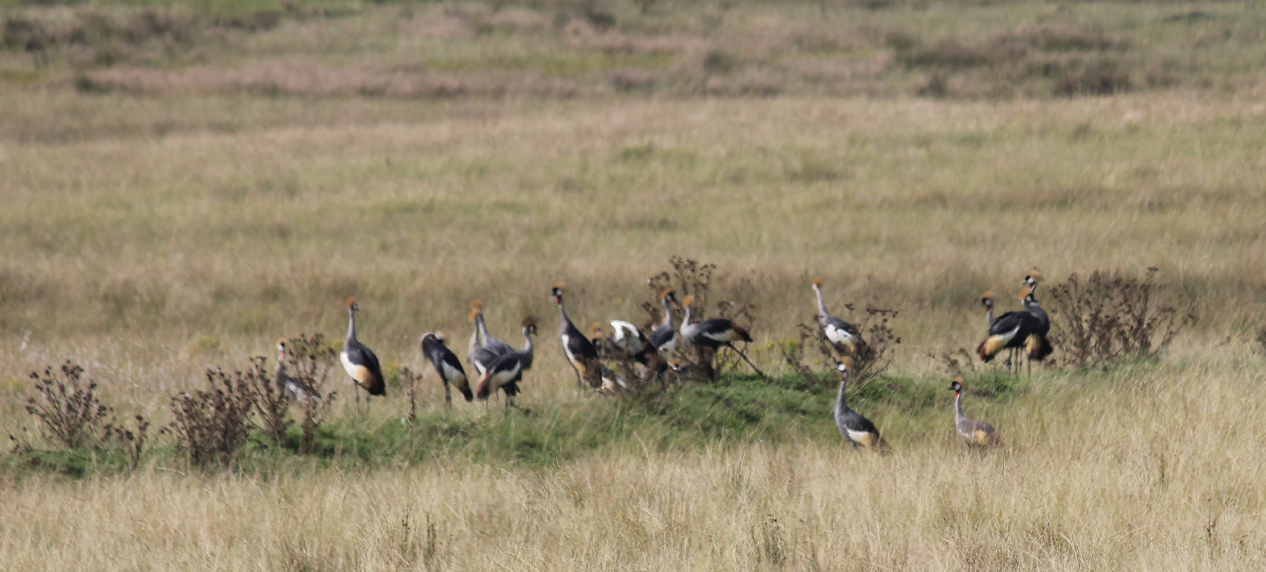
crane species in restored highland grassland habitat

Using Verra’s VM0026 Sustainable Grassland Management methodology, the project delivers benefits for climate and biodiversity, significantly enhances agricultural resilience by improving soil health, water infiltration, and forage productivity. These are critical factors for long-term farming stability in a region increasingly affected by drought and climate variability. Restoring grassland back to health helps commodity producers maintain a viable operation while enabling better functioning biodiversity, benefitting pollinators, raptors, cranes and numerous grassland-dependent species.

Carbon projects like this do not replace the need to reduce emissions or efforts to secure a pathway to net zero, but rather complement them. Nature-based (NBS) climate solutions are an essential part of rebuilding the ecosystem and creating resilience in the landscape. Financial support, in the form of ongoing payments to farmers for these carbon credits, which in turn support ongoing sustainable land management, enables farmers to engage in landuse activities that retain and capture, as a key strategy to support adaptation and resilience in the face of a changing climate.

The International Crane Foundation and the Endangered Wildlife Trust, in partnership with WeAct, have already started the second monitoring period, which will run to December 31, 2027. This next phase of creates an opportunity for like-minded conservation-oriented landowners to join the project as partners and expand the conservation footprint by 54,000 ha (130,000 acres), as well as strengthen ecological and agricultural outcomes across the region.

All participants have committed to a minimum of a 40-year contract horison. This commitment provides a sustainable financing mechanism to reinvest carbon revenue into conservation, creating real long-term agricultural resilience and rural livelihood improvement. The EWT, ICF, and WeAct remain committed to supporting participating landowners and enhancing future monitoring, expansion, and verification efforts.
First Carbon Offsetting Project for 90,000 Hectares Registered

First Carbon Offsetting Project for 90,000 Hectares Registered

First Carbon Offsetting Project for 90,000 Hectares Registered

By Jodi Legge and Eleanor Momberg

The Endangered Wildlife Trust and the International Crane Foundation have registered carbon offsetting project in the Drakensberg – one of only six registered carbon offsetting projects in the world using Voluntary Carbon Market Methodology and covering the widest geographical footprint in a country.

This is part of the EWT/ICF partnership’s long-term commitment to protect threatened crane habitat in the Drakensberg region. The project extends 90,000 ha, of which 88,500 ha is managed by the EWT/ICF partnership as the Carbon Management Entity with the developer, WeAct, from Australia. Further expansion is planned during the second half of 2024 and will be known as the second instance.

“Landowners are interested in joining at least another 45,000 ha for the second instance,” said Pieter Botha, ICF project manager.

Botha added that the partnership covered several critical areas under biodiversity stewardship agreements with crucial landowners. Information opportunities were created to discuss the project, objectives, and outcomes with our partner landowners.

The primary purpose of carbon trading is to channel finances towards a sustainable transition in limiting greenhouse gas (GHG) emissions and GHG sequestration. The cost associated with the removal of GHG needs to be recovered because the removal cost is potentially much lower than the cost of dealing with the consequences of global warming. Through the voluntary carbon market initiatives linked to the free-market principle are allowed as these achieve an incentive by pursuing the initiatives set out in the Paris Agreement reached at the UN Framework Convention on Climate Change’s talks in 2015.

Carbon offsetting is considered a sustainable financing option by providing investments that reduce or remove emissions, improve livelihoods and protect the environment. Carbon credits are sold on the market with revenue returned to landowners. Landowners are rewarded financially as they implement sustainable and improved land management practices that contribute to a healthier ecosystem, are friendly to cranes, and promote greater biodiversity.

The Drakensberg region is home to three species of threatened cranes – the Wattled, Blue and Grey-Crowned Cranes. It is a region that has been at risk from mining, infrastructure development, invasive species, uncontrolled fire and agricultural expansion. These factors have reduced habitat for cranes and other species, and pose significant challenges to landowners, threatening the livelihoods of thousands of people who live and work in this region.

“We know these are complex problems,” said Botha adding these required innovative solutions. “Exploration of the carbon trading market has been one of our key strategies to reduce greenhouse gas emissions through carbon sequestration, to improve the state of these fragile habitats.”

Botha said the cost associated with the removal of greenhouse gas emissions to improve the soil needs to be recovered as landowners cannot do it on their own. Removing CO2 from the atmosphere is a cheaper alternative than dealing with the consequences of global warming.

“Carbon trading is not frequently discussed among farmers as it is not part of their daily production cycle on the farm.,” said Botha. “For many landowners, this was a foreign idea, and careful negotiation and education is required to explain the complexities of the project. It takes a long time to engage with landowners, explain the benefits of participating in the project, and getting them to commit to an agreement.”

Farmers are custodians of large tracts of land, which is also home to many diverse species. The Foundation understands that farming has many challenges and no state assistance or subsidies are available in South Africa. This project aims to assist farmers by offsetting costs that come with conservation, creating an enabling environment for proactive conservation.

The project implemented a four-year cycle of carbon credit verification and issuance, with a goal to ensure a 30-year commitment to the project. Anticipated revenue is substantive.

“We believe this approach will mitigate the effects of global warming while creating resilient habitats for our crane population,” said Botha. “This pioneering approach will result in increased carbon in the soil, while providing relief to our resilient farmers to protect their livelihoods and create conservationists at the same time.”