A WORD FROM THE CEO
Yolan Friedmann, EWT CEO
yolanf@ewt.org.za As I write this, our country has moved to lockdown level one and hopefully, with that, a return to some kind of normal life for millions of South Africans as they struggle to rebuild their lives and businesses from the wreckage of the past 12 months and mourn the loss of what can never be recovered or rebuilt. What the ‘new normal’ will be is anyone’ s guess, and no-one seems to want to predict life beyond the next 30 days anymore. What 12 months have done to change our world and ourselves! A year ago, human beings around the world were anxiously debating the possibility of the “Wuhan virus” ever reaching our various shores or alternatively, were bracing for millions of deaths along the lines of the Spanish Flu, whilst just as many were pretending that life would never change so why worry?
But life DID change; let’ s recount just some of the ways: In just 12 months, humans the world over have witnessed complete and total economic shutdown; buried family members and friends; lost businesses and jobs, created new ones online; seen corporate giants like MSC Cruises and Victoria Secret crash whilst Zoom shares skyrocketed; learned a new language that included words like “pivot”, “unmute” and “lockdown”; we all learned to wear earphones and masks, some more stylishly than others. And some of us not, just as a political statement. COVID turned us into pandemic denialists, anti/pro-vaxers, statisticians, fake news mongers, PPE tenderpreneuers, homeschoolers, beggars, thieves, heroes, medical experts, ginger horticulturalists, cultural bigots, and social connectors, all online, of course. Essential permits were issued, and homebrew recipes were exchanged. We lambasted rules that made no sense whilst we fed an insatiable black market that grew on the side. Beachgoers became criminals, and the skies became quiet with the absence of air traffic. Our conversations transformed in 12 months from blaming China to blaming Bill Gates. We admired Sweden, and we all know more about herd immunity than our GP does. It’ s a crazy world for sure, and I cannot imagine anymore what the next 12 months will bring.
But here’ s the thing: all of this has only affected the human species and the crazy, artificial world that we have built for ourselves, under the guise of development and civilisation. For all the madness in our world, Mother Nature continued to pass the passage of time with very little interruption or disorder. Lions continued to hunt their prey, Southern Right Wales went south to Antarctica, and tadpoles grew from eggs into frogs, all in the perfect order of things. Rain fell on the savannahs and prairies and night stars shone (more brightly perhaps) as they have for millennia. Humans believe that our world is tough and robust and built to last, whilst in fact, the more we construct a civilisation that is removed from nature, the more vulnerable we become. We rely on governments to give us food grants and supply us with water, to remove our effluent and educate our children. We rely on businesses to feed our families, and we need strangers who may not even exist to tell us the ‘truth’ . We value paper with presidents’ heads printed on it above compassion and equality, and we demean those who tell us otherwise. And all the while, we believe we have dominion over the Earth and must control everything that lives on it – whether they need us or not. It is a strange world, isn’ t it, and we are a very strange species.
I hope that some people have at least learned some important things this past year. It may not be the politicians or big business, and it probably won’ t even be those we most trust to lead us in times just like these. It will probably be those we write off as weird or different, or perhaps even a vegan or two. But maybe some people took note of how much better and safer and healthier our lives would be, and how more predictable our future could be if we took a few steps backwards and were a little less ‘civilised’ and a little more ‘back to nature’ . I, for one, hope that the next 12 months take us back a little if it means creating a healthy planet and an equitable world that values and sustains the diversity of all life. And, as this is the Vison of the Endangered Wildlife Trust, we believe that this is the only future that we should be working towards in the 12 months to come. Either way, we will be with you on this journey as we learn from nature the most important survival lessons we will ever need.
Here’ s to the 2021 ride.
Yolan Friedmann
CEO
CONSERVING CRANES AND COMMUNITIES
Dr. Lara Jordan, EWT African Crane Conservation Programme Field Officer, laraj@ewt.org.za
“The wind does not break a tree that bends”.
– Sukuma Proverb
We have all adapted to the new normal of social distancing and wearing face masks. As we all think about the year 2020, it might look like a dark portrait, but the picture is made beautiful by different streaks of bright colours. These bright streaks represent the generous gestures that brought hope to the lives of community members across Uganda, Kenya, and South Africa.
We are all dealing with the collective loss of the world we knew. Grieving the loss of jobs, livelihoods, physical connection with friends, loss of our daily routines etc. This has given people the world over opportunities to show our care for each other, and a little help has indeed gone a long way, not only through humanitarian efforts but also in building trust and hope across communities that we work with.
When COVID-19 struck in Africa, there were speculations that the warm, tropical weather of Africa would shield the developing countries from the virus, but to-date, the cases reported are still rising. Yet even after warnings that the African continent’ s healthcare systems would not be able to bear the weight of the virus, Africa has resisted and continues to weather the storm of the pandemic. This has in no small part been a result of heroes who chose to go out of their way to help where they could.
Many families in East Africa, in the communities with which we engage, live in rural areas, and the work they are able to find is often only on a casual basis and pays enough money to feed their families for the day. When the pandemic struck, most of these families did not have a “work from home” policy, as their livelihoods depended on getting out and hustling to get their daily bread. Today, we choose to celebrate heroes that might be unnoticed but have played important roles in the lives of communities during this pandemic.
The Leiden Conservation Foundation provided generous support to families across East Africa, and as a result, many were cushioned over this difficult period.
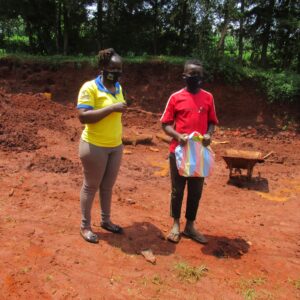
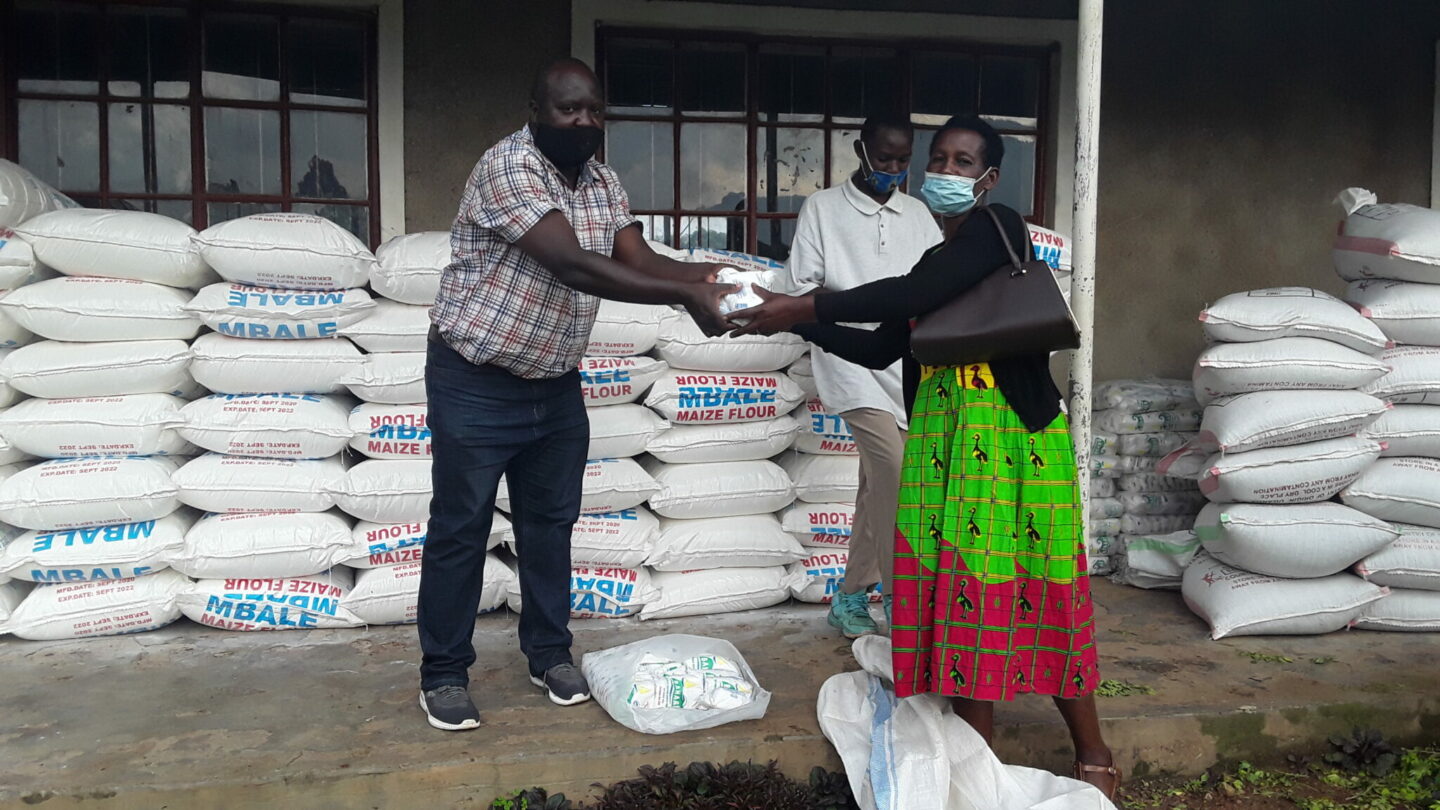
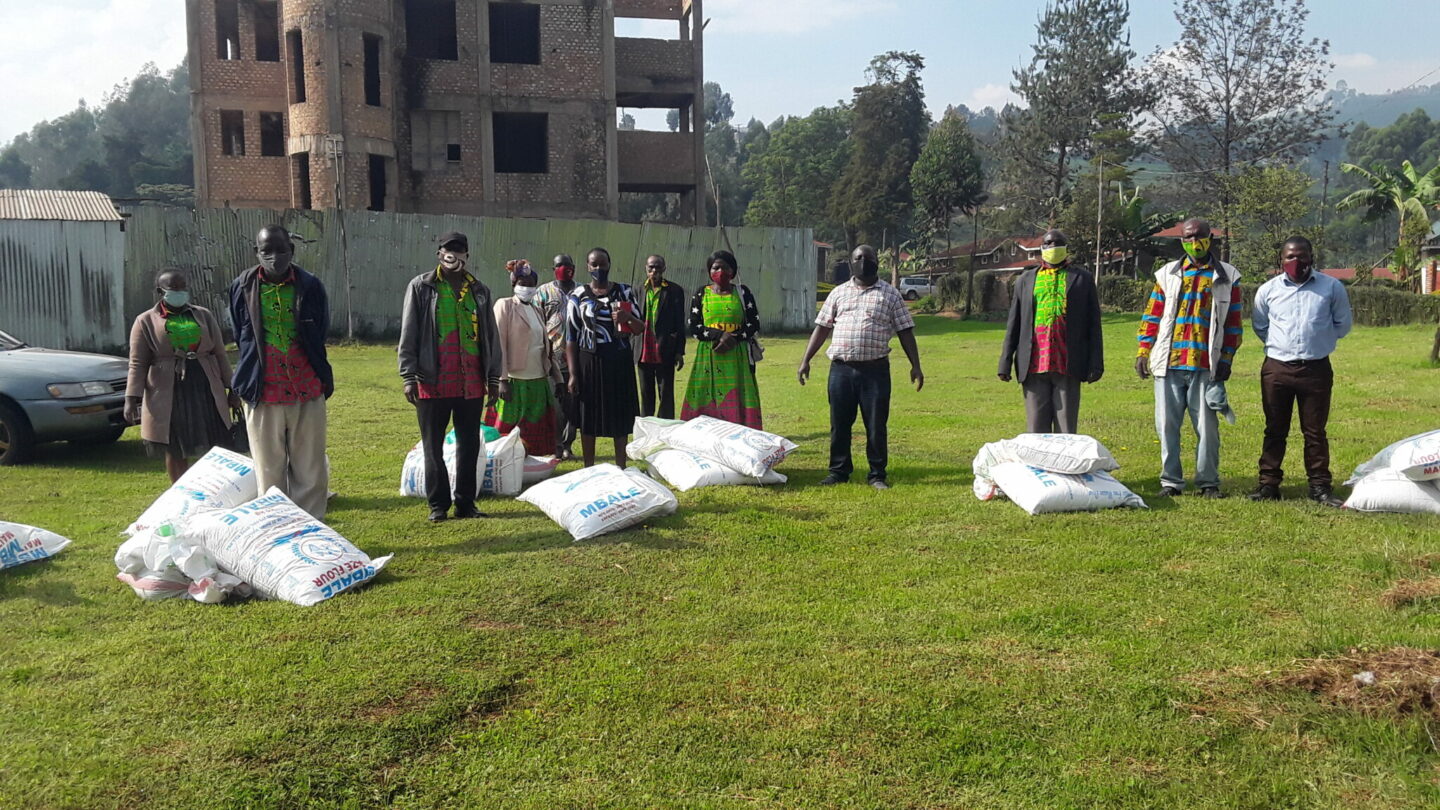
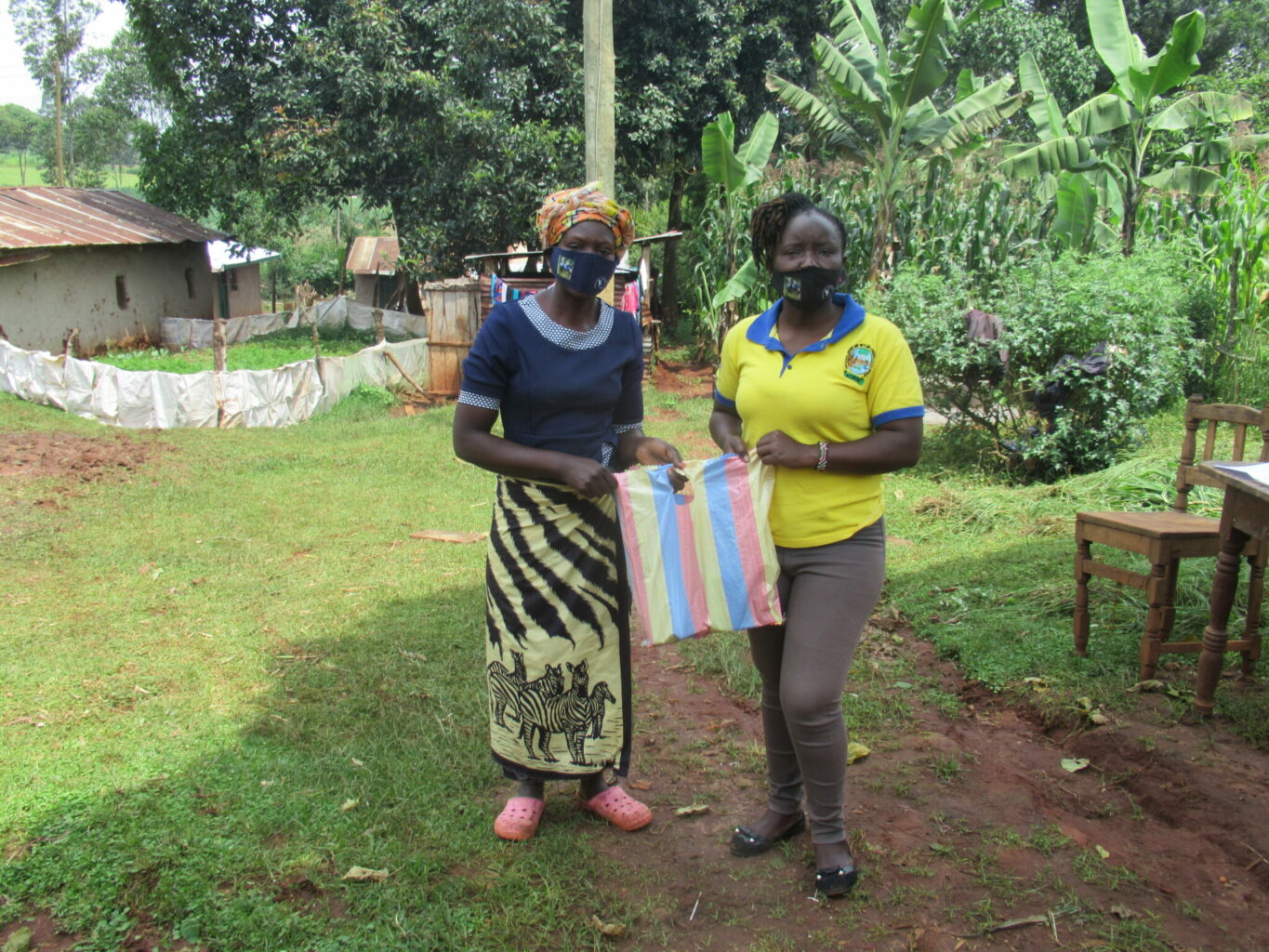
In Kenya, 238 households with an average size of 7 people were beneficiaries of masks, bar soap and handwashes (1,666 individuals). In Uganda, 34 Crane Custodians benefitted from food relief packages, including 100 kg of maize flour, 30 kg of beans, and 10 kg of salt per person. In Rwanda, face masks, soap for handwashing, cooking salt and hoes for cultivating, were distributed to 284 households, 100 fodder farmers, and 184 beekeepers (beneficiaries of conservation agreements).
In South Africa, HCI Foundation and The Lewis Foundation enabled the delivery of food parcel across four rural communities of the Eastern Escarpment, this generous donation helped beat hunger for the marginalised in the communities. An additional 299 food parcels were delivered across three communities that were so rural that it took four days to deliver the parcels, and more recently, a further 73 food parcels, weighing over 40 kg, were delivered to two rural communities. The average household size within the communities was six members, adding up to a total of 1,398 individuals that received food.

Supporting communities in this way has been vital during this period, not only for the benefits to communities but also the benefits to wildlife. Community engagement and reporting has increased during this period, despite the difficulties of lockdown, and through this support, it has become apparent that communities have embraced crane conservation, which we hope will help to steadily increase crane numbers within these vital areas. And that is how we change the world – “One random act of kindness at a time” (Nelson Mandela)
A FRIEND INDEED
Vivian Nekesa, Western Kenya Field Officer, viviann@ewt.org.za
“It always seems impossible until it’ s done.”
Nelson Mandela
“How do we change the world? One random act of kindness at a time.”
Morgan Freeman
Like a devastating bushfire, the COVID-19 pandemic has spread with alarming speed, unleashing both an economic and health crisis, unlike any experienced in the last century. In March this year, Kenya reported its first case of Covid-19. The pandemic is much more than a health crisis as it is affecting the socio-economic life of every individual and country. The number of reported infections in Kenya is still rising, attributed to, among others, poverty, poor access to essential services such as clean water and sanitation, and poor hygiene practices. Measures put forward by the government to curb the spread of the virus have focused on ensuring basic hygiene and social distancing, requiring every individual to wash hands frequently, sanitise, and wear masks in public places. As currently being observed, disruptions caused by COVID 19 interventions are creating a significant reduction in household revenues to an already vulnerable society living under the poverty line. More than 80% of the community members we work with rely on subsistence farming and live from hand to mouth, barely earning enough to feed their families each day. Talking to the community members, most argue that hunger may kill them before coronavirus does. For these communities that we work with, access to soaps and masks is necessary for them, but not a priority as their availability is limited and they would rather focus on finding money to buy food, as the pandemic has interfered in the demand-supply chain and the prices of food commodities have gone up.
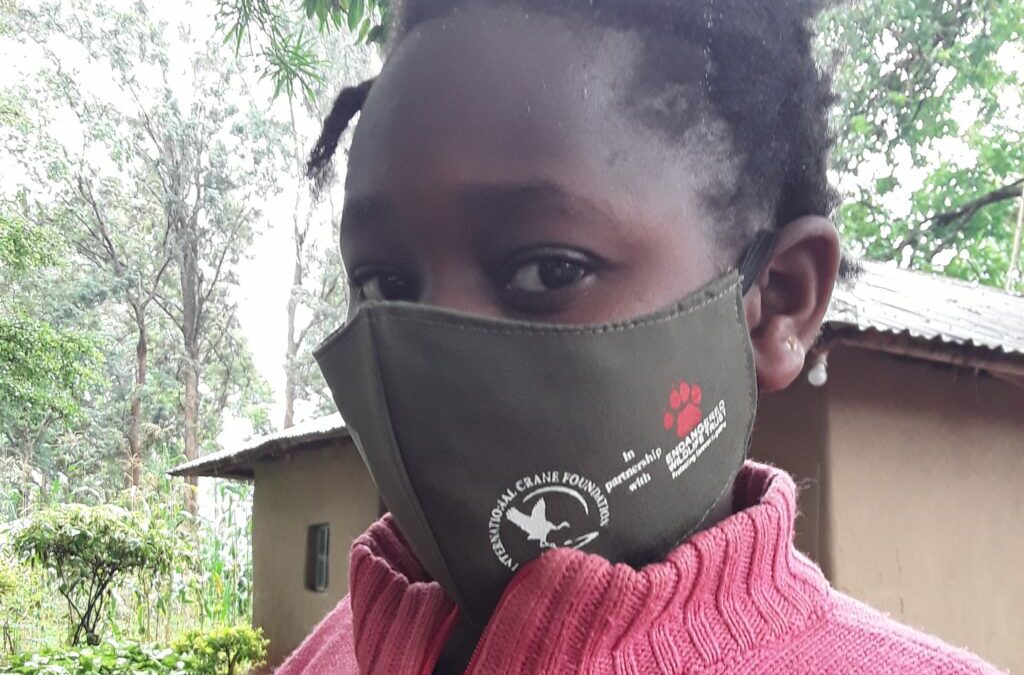
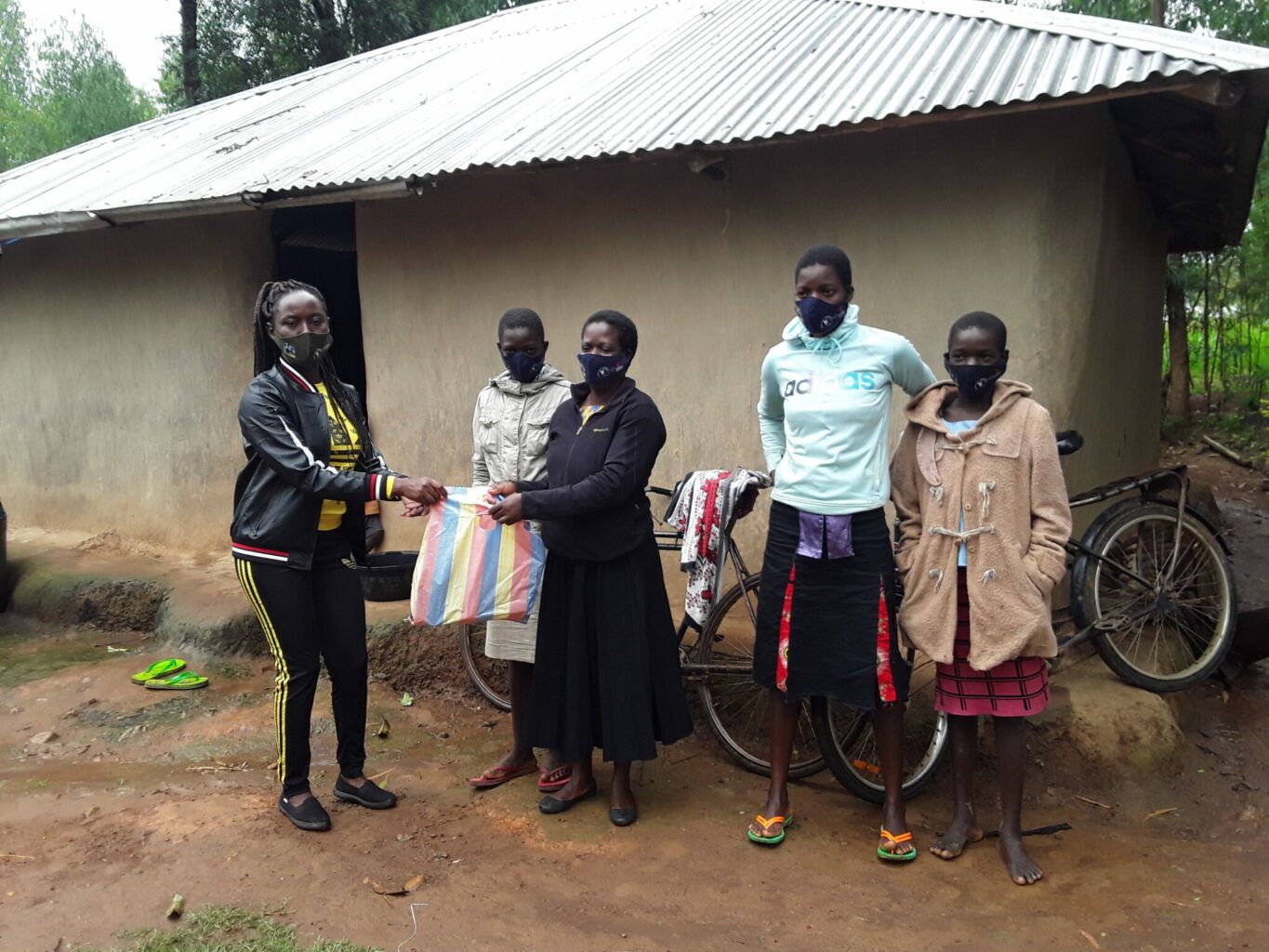
We chose to work with these groups because cranes flock, nest, roost, and breed on their farms. Therefore, we needed to do something for these communities that live in rural areas and have unstable incomes. Through the generous support of the Leiden Conservation Foundation, the Kenyan team was able to procure face masks, handwash and soap bars that were distributed to the households of the individuals we signed the Conservation Agreement with, and custodians outside the Conservation Agreement process. Each household received two bars of soap, two handwashes, and seven masks. With the help of the group leaders, we were able to coordinate the exercise and reach the community in their homes (house to house distribution), as there is a restriction on gatherings. Below is a summary of the total number of items distributed.
The Grey Crowned Crane is listed as Endangered in the IUCN Red List of Endangered species. The species’ population is estimated to have declined from over 100,000 individuals in 1985 to between 17,700 and 23,000 by 2016 (Birdlife International 2016; Morrison, 2015). The population of the species in Kenya stands at 7,776 (Wamiti et al., 2020). The Africa Crane Conservation Programme works under the International Crane Foundation and Endangered Wildlife Trust Partnership to conserve the Grey Crowned Crane species in Kenya. The Grey Crowned Crane faces several threats, the main one being habitat loss, which is fuelled by population pressure.
A WORD FROM THE CEO: THE EWT CALLS FOR THE URGENT REOPENING OF NATURE-BASED TOURISM IN THE NO-TOUCH ECONOMY
Yolan Friedmann, EWT CEO
yolanf@ewt.org.za
The coronavirus or COVID-19 global pandemic has affected every aspect of life as we know it. There is speculation about whether the world will return to ‘normal’ or if society will ever be the same again. However, we do know that the COVID-19 virus will not merely disappear and until a vaccine becomes available, or until human beings have developed a minimum immunity response rate, the world will not return to normal, if ever.
Despite job losses in major South African industries in recent years, the tourism sector has shown resilience. In 2017 the industry created 31,752 net new jobs, which was the most number of net new jobs generated by tourism within a year in at least the previous eight years.
“Africa’s unique diversity of wildlife and habitat has the potential to radically transform the continent’s economy” (UNEP, 2019).
There were 705,871 persons (or 4,5% of total employment) directly engaged in producing goods and services purchased by visitors in 2016, 681,619 persons (or 4,2% of total employment) in 2017, and 739,657 (or 4,5% of total employment) in 2018. (Tourism Satellite Account for South Africa, final 2016 and provisional 2017 and 2018/ Statistics South Africa). Over 60% of employed people in the sector are women (mostly in the areas of catering and accommodation) with a younger mean average age than all other sectors. Furthermore, Stats SA published data in 2018 show that one in every 22 working South Africans, and more than 2,892,303 people, are employed in the tourism sector.
The tourism industry in South Africa is heavily reliant on nature-based tourism, which is one of the main attractions for travellers in South Africa, as it is for 80% of foreign tourists (Saayman, 2017).
Nature-based tourism refers to all forms of tourism, where relatively undisturbed natural environments form the primary attraction or setting. The wildlife and nature-based sector specifically, supports a vast number of associated industries and sectors such as the conservation sector through generating income for park management, wildlife protection, anti-poaching, and to some degree border control through the management of human movement in transfrontier parks. For years, national and provincial conservation agencies have been generating significant revenue through nature-based tourism that contributes substantially to conservation management. The sector generates 40% more full-time employment than agriculture and provides greater opportunities for women than other sectors. (UNEP, 2019).
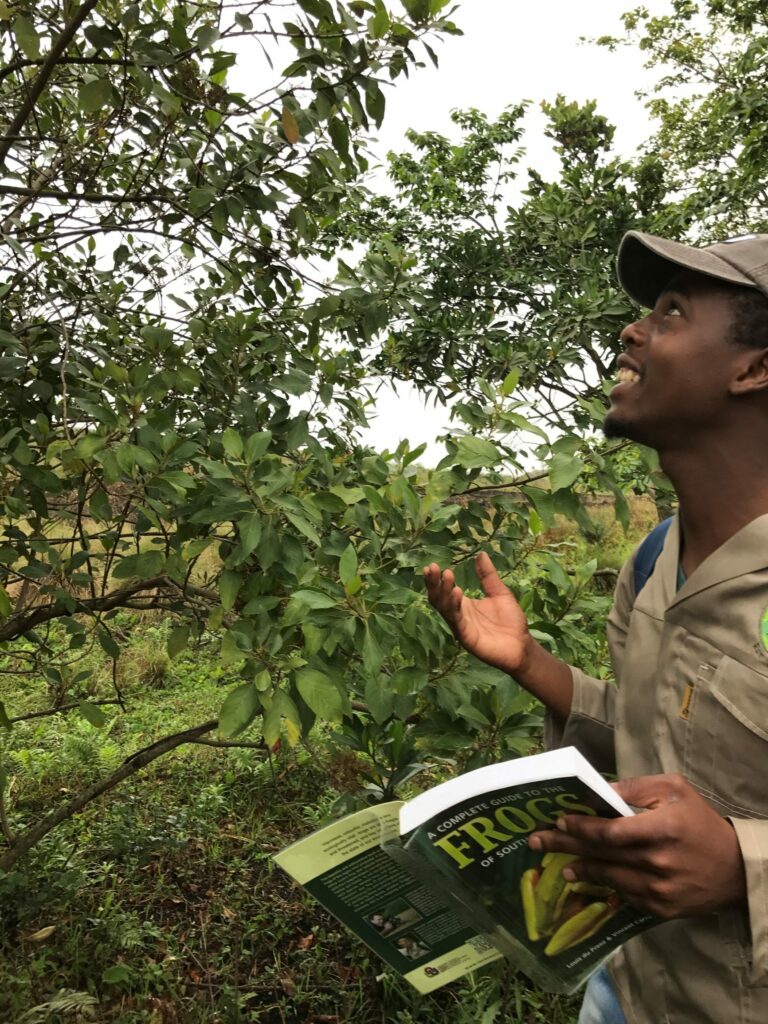
Game reserves in South Africa also generate significant benefits to the surrounding communities who contribute to goods and services consumed by visitors. In the absence of economic activity in these parks, there is an increased risk of poaching, illegal resource extraction and park invasion. It has taken years of stakeholder engagement and hard work for communities to have equitable access to benefits arising from conservation and nature-based tourism, and this will be for nothing if our protected areas lose their economic value to the communities who depend on them. To survive, these communities may resort to illegal resource use. It must be noted that many people employed in the nature-based tourism sector are unskilled/semi-skilled and are usually breadwinners in their families. Reopening local tourism ASAP will contribute to securing their employment and to safeguarding livelihoods in the most vulnerable households.
SANParks, as the custodian of approximately 70% of South Africa’s state-owned protected area network, derives 80% of its income from nature-based tourism activities. A significant component of this revenue funds park management, anti-poaching, management of marine protected areas, ranger patrol, and protection services, including the aircraft and associated rhino security technologies, as well as management of wildlife. Many community-owned reserves generate income for clinics, schools, community recreation facilities and contribute many jobs linked to goods and services associated with these reserves, including catering and accommodation. A number of these community-owned reserves are related to national and provincial parks and benefit from visitors to parks, or their own concessionaire managed lodges.
“To preserve their wildlife and wild places, governments should look at protected areas not only as environmental assets but economic ones as well, with the continent’s 8,400 protected areas producing US$48 billion in revenue.” (UNEP, 2019).
Tourism, and in particular wildlife and nature-based tourism, should, therefore, be prioritised in the measures to ease the economic impact of COVID-19. Nature-based tourism is also a major outlet for people who have been confined in urban areas. Many studies have shown a close link between human wellbeing and nature-based tourism. Approximately 70% of visitors to our national parks are local tourists, and the tourism sector can continue to support thousands of livelihoods, even before our borders reopen.
Other consumptive forms of nature-based tourism such as hunting for biltong and game meat also have a local market and might contribute to food security.
The consequences of any extended lockdown for the wildlife and nature-based tourism sector, and by extension to the entire tourism industry, will be dire and potentially devastating as a result of:
- significant job losses (in particular for those with a low skill base and less likelihood of finding alternative employment);
- revenue losses for the parks’ agencies, communities, NGOs, conservation authorities, and government (through taxes);
- eroded protection of South Africa’s biodiversity and protected areas;
- eroded infrastructure (fences, road networks, camp maintenance etc.);
- an increase in poaching, wildlife crime, and illicit wildlife trade;
- reduced benefits to communities whose land has been returned to them in the land restitution process;
- over-reliance on the unsustainable use of natural resources by rural communities;
- potential negative sentiment towards the protected area network should communities lose all the benefits derived from them; and
- reduced income for conservation NGOs who play a significant role in biodiversity conservation and community conservation in South Africa, and are major employers in the sector.
Most of our parks and game reserves are in areas that have lower infection rates and where economic activity could open faster than in metros. It is possible to introduce nature-based tourism into the economic recovery now, through a phased approach that sees this form of tourism being allowed to begin operating, under stable conditions and Standard Operating Procedures. This is based on the fact that:
- guests can participate in almost all nature-based tourism activities in semi-isolation and applying physical distancing principles. People could only visit the parks and reserves within their own provinces and limited numbers can be accommodated at any given time;
- wildlife and nature-based tourism offers guests the chance to self-drive, or go on game drives in open-air vehicles with reduced numbers of guests or family members only; providing a more exclusive and interactive experience;
- adventure tourism offers guests the opportunity to undertake outdoor activities such as hiking, trail running, mountain biking, canoeing/paddling, bird guiding and more, in semi-isolation states and with expert guides, thus reducing social interactions and in low numbers.
- Standard Operating Procedures have been developed for game reserves and parks, specifying acceptable sizes of groups for different activities, and enforcing strict protocol in restaurants and reception areas
The EWT believes that nature-based tourism not only offers guests the opportunities to have enjoyable, safe, and healthy vacation opportunities but is one of the few sectors that stands to revitalise our economy and bring much-needed income back into South African households in the short term.
Allowing a limited but early phased reopening of this sector offers the opportunity to increase the economic, mental and physical wellbeing of millions of people, and sustain the conservation of South Africa’s natural resources for future generations.
KEEPING US CONNECTED DURING COVID-19
Bonnie Schuman, Nama Karoo Coordinator, and Esther Matthew, Specialist Conservation Officer, EWT Drylands Conservation Programme
Bonnies@ewt.org.za and Estherm@ewt.org.za
The EWT’ s Drylands Conservation Programme (DCP) was thrilled to receive funding from the Lewis Foundation to support communities and individuals significantly impacted by the COVID-19 lockdown in the Karoo. There were ten recipients from Loxton, and three from Nieuwoudtville, who each received a router and a data package to support their studies and community work for one year, particularly when they needed to operate from home during the lockdown.
Fredeline Frieslaar, a qualified Edu Care teacher, was the first in Loxton to receive her router. Fredeline has made a significant positive impact in Loxton over the last two years, working as a teaching assistant for the EWT-Rand Merchant Bank Clever Rabbit learning support project. She is also Loxton’ s adult reading facilitator and is currently tutoring four adults who are learning to read and write. Fredeline wants to study second year foundation phase education at NWU (long distance learning) and needs internet access to complete short courses online in preparation. Fredeline and two other women in the Loxton community have also been working tirelessly to provide food to community members in need, as the soup kitchen in Loxton was closed during the lockdown.
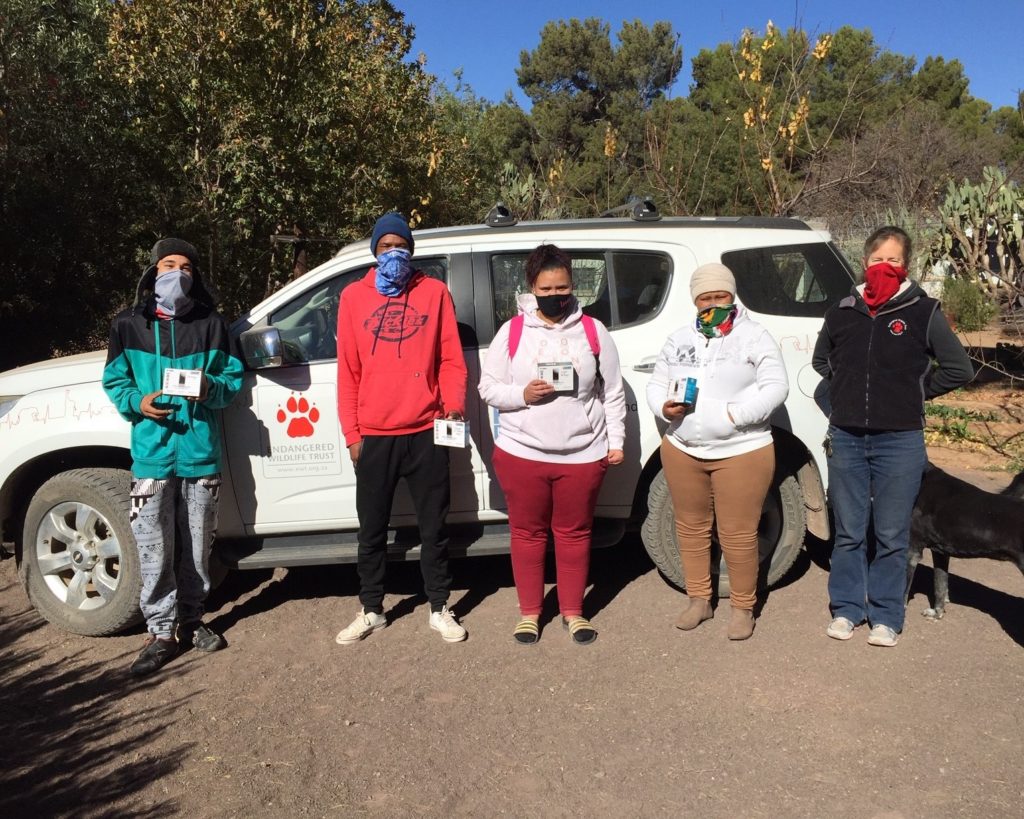
Seven young adults completing their diplomas in animal production through the DCP’ s e-learning centre in Loxton also each received a router, so that they can complete their studies online. This made it possible for them to complete their assignments while the centre was closed during lockdown, and while EWT staff implemented the necessary health and safety measures before reopening the e-learning centre. The remaining router was allocated to a group of matric learners (Grade 12) to continue their education while schools were closed. Thank you to the Lewis Foundation for supporting our youth, so that they are better able to support others.