Help protect Africa's 

Taking Flight over the Karoo Vulture Safe Zone: 5 years later

Taking Flight over the Karoo Vulture Safe Zone: 5 years later


Taking Flight over the Karoo Vulture Safe Zone: 5 years later

By Danielle du Toit, field officer Birds of Prey, Endangered Wildlife Trust.
Returning Cape Vultures (Gyps coprotheres) to their historic breeding and roosting sites has been a dream of Karoo farmers for many years.

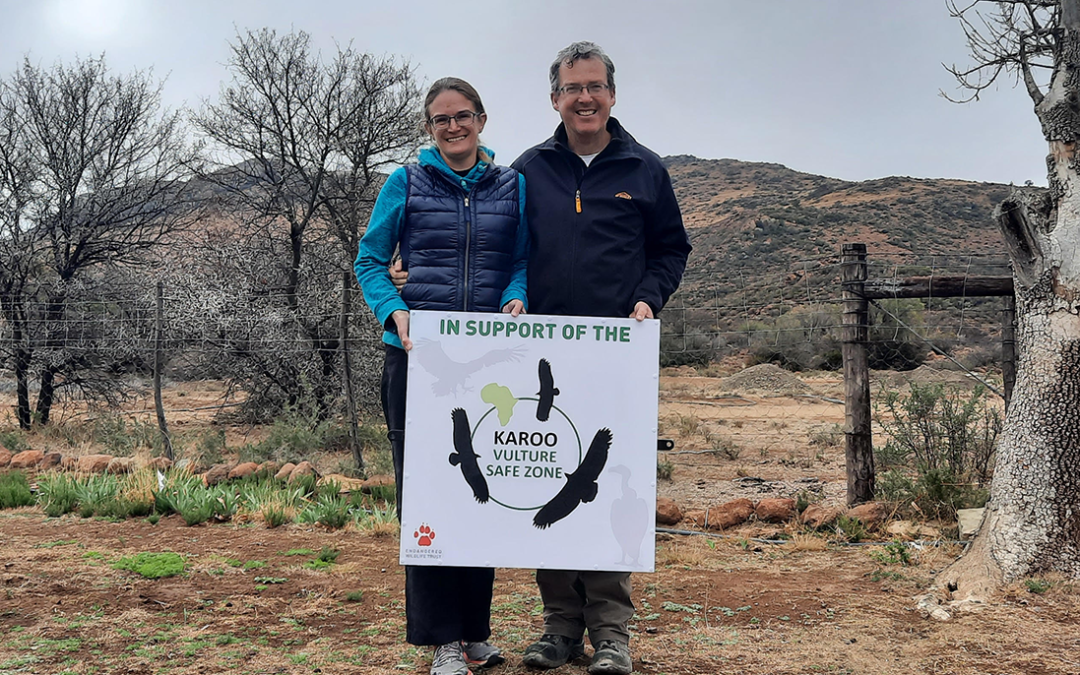
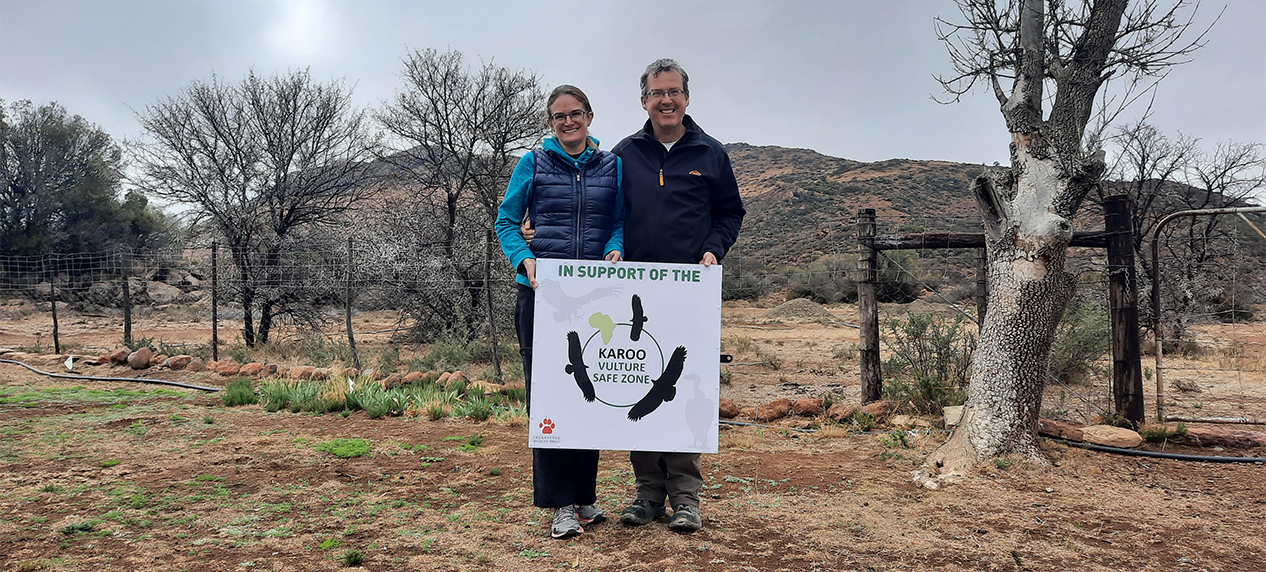
It was through interaction with the Endangered Wildlife Trust that the Karoo Vulture Safe Zone came into being in 2019. The project, which is a practical example of landscape conservation of a species, aims to cover 23,000 square kilometers. It includes three national parks and the largest protected environment in South Africa, the Mountain Zebra Camdeboo Protected Environment. It was implemented in partnership with SANParks, the Mountain Zebra Camdeboo Protected Environment and SANParks Honorary Rangers, and has received seed funding from the Rupert Nature Foundation and further funding from Cennergi and the Charl van der Merwe Trust.

To date, 95 farmers have dedicated their properties to becoming Vulture Safe Zones, creating an area of more than 700,000 ha for vulture conservation. Dedicating or signing up one’s property for a Vulture Safe Zone means that they are committed to reducing, as far as possible, threats to vultures within the confines of land under their ownership.

In creating the Vulture Safe Zone, two options were considered—reintroducing Cape Vultures to the Karoo or creating an area that is safe for the raptors. Unfortunately, reintroduction was not an option at the time due to the exceedingly high cost of physically bringing in the birds and habituating them, without any assurance that they would stay. More importantly, however, was the need to ensure safe breeding, roosting and foraging ranges for them outside of protected areas.

Vultures are referred to as nature’ s ‘clean-up crew’ , and because of the importance of their role in the ecosystem and the benefit to human health, they are often used as a flagship or umbrella species through which we can conserve biodiversity. By implementing conservation interventions to support the survival of vultures across large areas, we can benefit all species. This includes other birds, mammals, reptiles, amphibians, invertebrates and even plants.

The need for large areas to be conserved and mitigated of threats as far as possible is integral to the conservation of Cape Vultures due to their characteristically wide-ranging behaviour. Studies and GPS tracking data of fledglings have shown an average maximum distance travelled per day to be well over 250km from their nests. This age group is most likely to fall victim to threats as they are not yet experienced fliers and must compete with adults for food and roosting spaces. This is why having large safe spaces, even if it is a conglomerate of private properties, communal land and protected areas, is so important to the survival of the species.
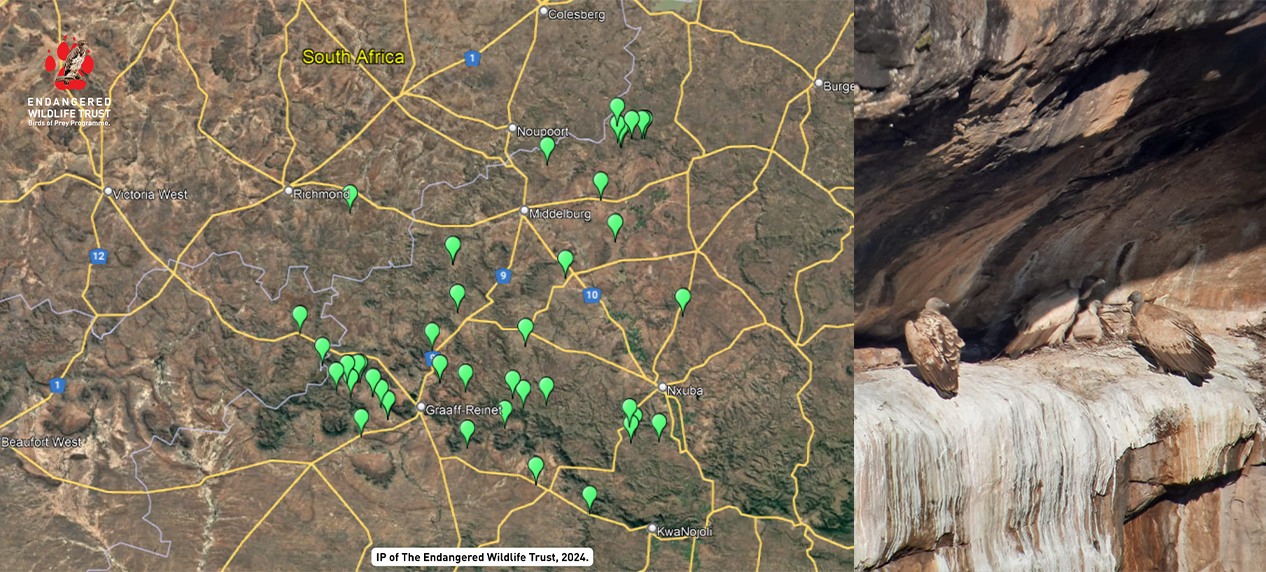
 

Left: Cape Vulture Sightings. Right: Cape Vultures on nest.

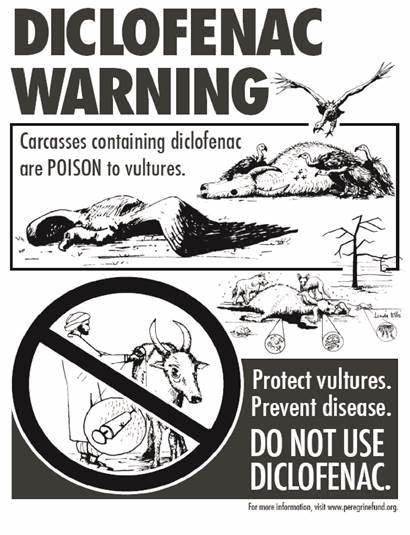
The project focuses on “working with people, mitigating threats, saving vultures”. This can only be achieved through community engagement, landowner buy-in and active mitigation of threats. These initiatives include covering or safe-proofing reservoirs to prevent drowning; changing to less ecologically harmful ways of predator control; removing dangerous chemicals from the property; and reporting wildlife injuries or mortalities caused by electrical infrastructure so that they can be mitigated. Some landowners have moved away from using lead ammunition as the fragments in the entrails or carcasses of animals shot with lead bullets can be harmful to scavenging species. Others have changed the active ingredient in their non-steroidal anti-inflammatory veterinary drugs (NSAIDs) to ensure that carcasses of animals that have been treated prior to their death are not contaminated with drugs that can harm scavenging bird species, like these vultures.

Besides the ecological importance of the Cape Vulture, this area also holds a special place for farmers and residents in the heart of the Karoo. Historically, Cape Vultures roamed the Karoo in large numbers. Many farmers have childhood stories focused solely on them. Whether it be how they would seek out their nests on horseback, climbing up the mountains that hugged the borders of their properties, or how they would simply looked up into the sky in search of a rain cloud and instead found these magnificent birds littering the air in the hundreds, stories are littered with memories of vultures.

The Karoo covers around 400,000 square kilometers of brittle ecosystems. It is an area known for its rich biodiversity with large varieties of plants, birds, insects and mammals that occur naturally on private and public land.

Through the Vulture Safe Zone relationships created between the EWT, private landowners and national parks, the project has been able to bridge the gap between agriculture, tourism and conservation. This promotes a sustainable business model for all sectors and decreases the potential of human-wildlife conflict through targeted conservation measures and holistic approaches.

The project is still in its infancy, but has already seen successes including an increase in sightings, repopulation of historic summer roosts and the willingness and eagerness of people to take part in this project in whichever way they can. The hope remains that through landscape- and farm-level threat mitigation, collaboration with all stakeholders and role players, and a multi-pronged approach driven by robust science and understanding of the species, region and people, the Cape Vultures will once again call the Karoo home.

For more information, please contact the Karoo Vulture Safe Zone Field Officer: Danielle du Toit, email: danielled@ewt.org or Gareth Tate, Birds of Prey Manager at garetht@ewt.org
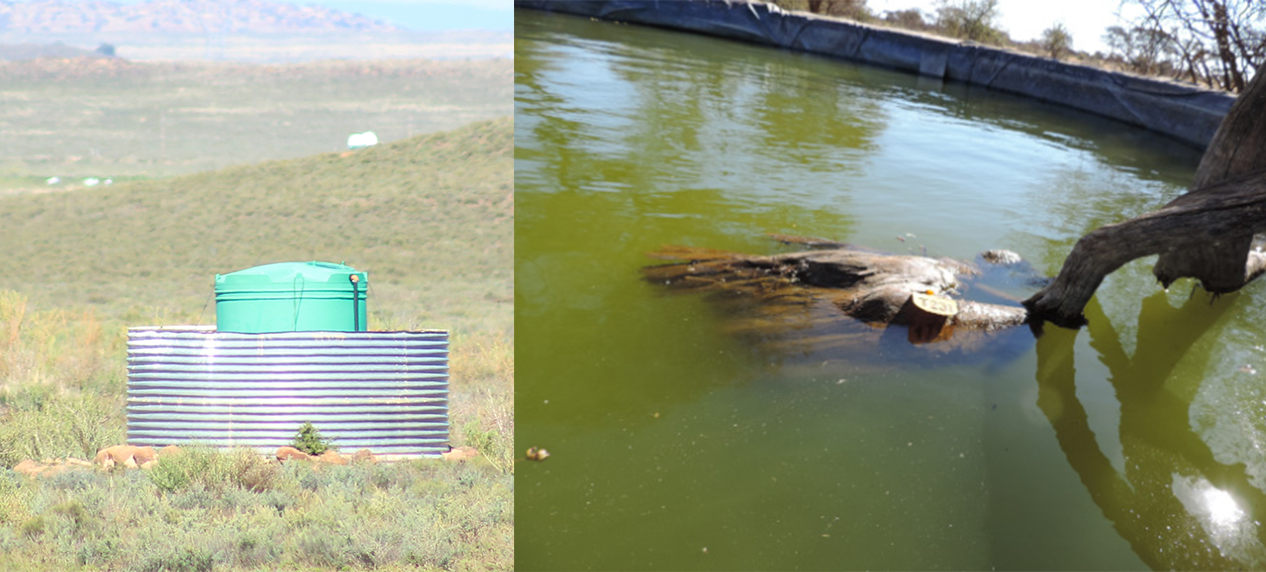
 

Left: reservoir mitigation – tanks in dams. Right: drowned vulture in Namibia
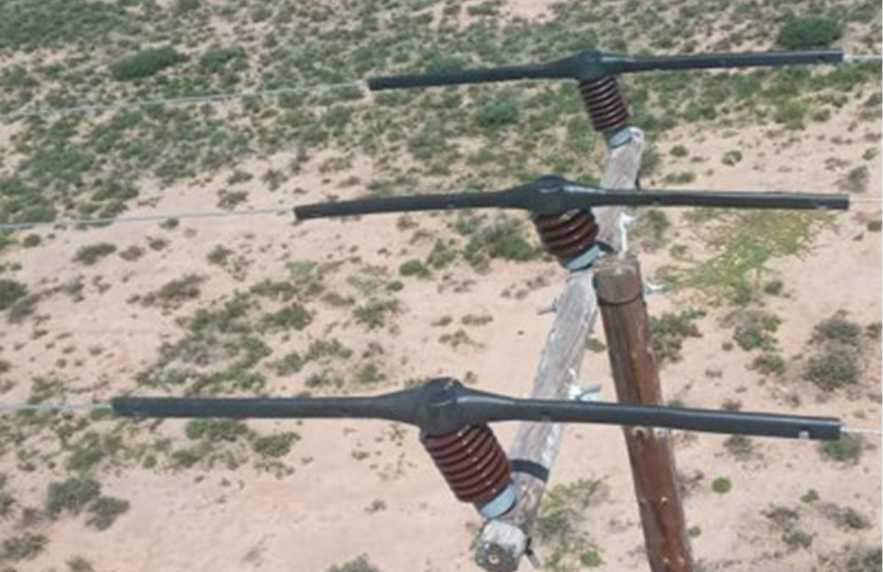
Raptor protector on powerline
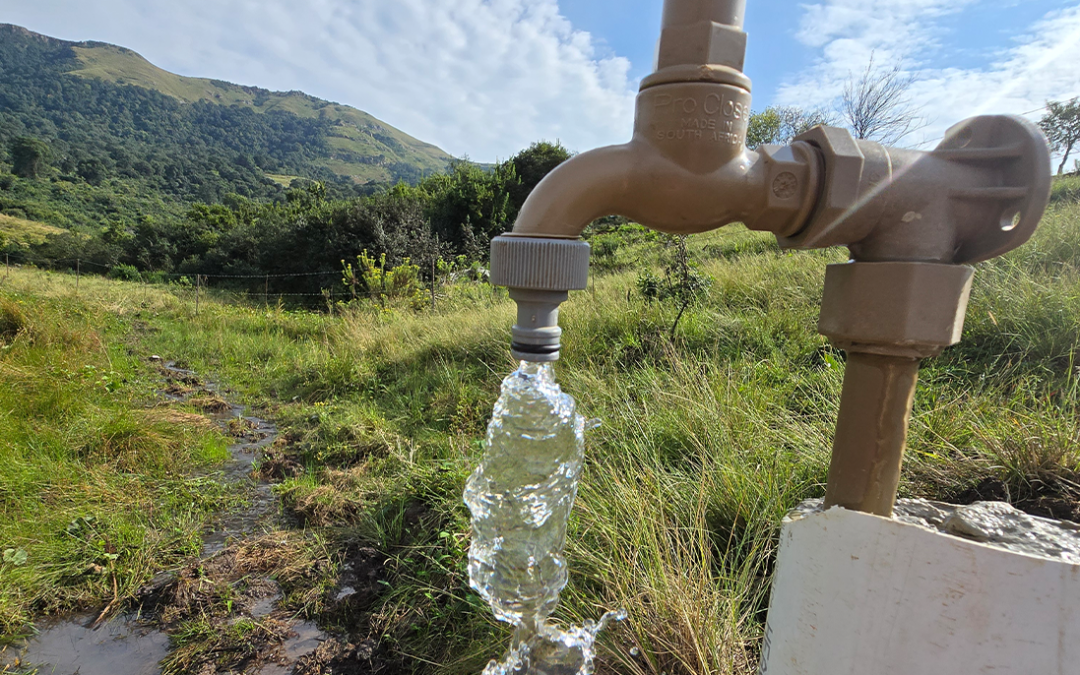
Communities and Cranes benefit from Spring Protection project in the KwaZulu-Natal Midlands

Communities and Cranes benefit from Spring Protection project in the KwaZulu-Natal Midlands


Communities and Cranes benefit from Spring Protection project in the KwaZulu-Natal Midlands

By Eleanor Momberg (Communications manager, EWT)  and Samson Phakathi (Snr Community Project Officer, Drakensberg, SA, EWT)

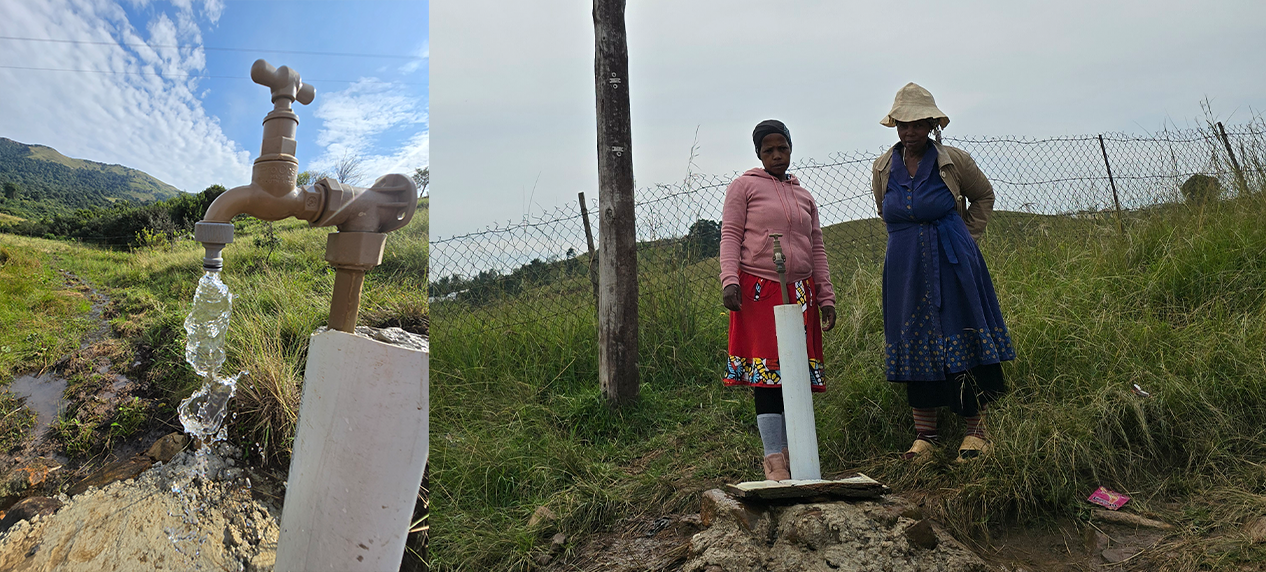
Left: Clean, high pressure water coming from a newly installed tap providing access to spring water otherwise accessed in a dense forest up the mountain. Right: Two women inspecting a second tap installed within the community.


Supplying water to the community of KwaMkhize in the KwaZulu-Natal Midlands not only benefits the people living in this mountainous area but also ensures that Crane species living in an adjacent wetland are protected.

KwaMkhize lies in the shadows of the Drakensberg mountains with Giants Castle looming large in the distance. It is an area of rolling hills and lush veld. It is also an area of extreme poverty, and an area which is difficult to access, given the state of access routes, which have been under construction for some time. The extreme rainfall in recent months has also not helped. But, that rain has fed the many springs in this area ensuring a continuous supply of water to the newly-installed water points in the village by the Endangered Wildlife Trust/International Crane Foundation Partnership(EWT/ICF), and filling the nearby rivers and streams that nourish the wetland home to the Grey Crowned, recently downlisted Wattled and Blue Cranes.

This catchment is home to an estimated 25% of South Africa’ s Wattled Cranes and is a critical breeding ground for two of the three crane species – Wattled and Grey Crowned Cranes. But, Cranes are not the only reason the EWT/ICF Partnership is working in this area, also considered one of South Africa’ s water factories—a source of water to cities like Johannesburg and eThekwini.
Samson Phakathi, senior community field officer for the EWT/ICF African Crane Conservation Programme, holds much praise for the KwaMkhize community, which has not only taken ownership of its water supply issues, but has, as a collective, worked with the EWT/ICF Partnership since 2016 to address numerous issues of concern. Of late, that has expanded to land use management, which includes planning to remove alien and invasive species such as the Natalie Bramble especially around rehabilitated springs and rangelands used for grazing of cattle, as well as the pollution of rivers and streams, the installation of pit latrines close to springs, and ensuring new housing developments don’ t encroach on grazing lands.

Besides working as a collective to ensure all residents have access to clean potable water, the community is set to workshop a landuse plan for the area so that human development does not affect their primary activity—livestock farming.

Many rural areas receive limited access to governmentally supplied services due to the distance the communities are to main roads. Springs are, therefore, vital in these communities. Interacting with communities to better support natural resource management helps protect the landscapes in which cranes in South Africa live, primarily wetlands, grasslands and farming landscapes. Through our Springs project, the EWT/ICF Partnership has protected seven springs across two communities in the Drakensberg, KwaMkhize and Mqatsheni.

Overall, the implementation of the seven spring protection projects has served 2,445 individuals across 292 households, two schools and a clinic that services 150 people a day 365 days a year; therefore, a total of 54,750 individuals benefit from potable water at the clinic.

The key benefits of spring protection include clean potable free water, easy access, enabling children to spend more time in school, improved health of the community, especially the children and a secure water source. Furthermore, the protection prevents cattle from getting stuck in mud and either succumbing or becoming ill from polluted water.

The primary uses of springs were for potable water, cooking, cleaning and washing. However, some households use spring water for watering vegetable gardens and traditional medicines.

All the residents of KwaMkhize rely on springs as a primary source of water. Getting up the mountains to reach the water sources created an opportunity for the EWT/ICF Partnership to bring water to the community through the installation of pipes and taps in key sections of the expansive village.

Because KwaMkhize is a water factory area, it is important that the catchments are protected so that enough water of good quality can be captured to supply the cities, said Phakathi. “We thus need a constant supply of water, and this increases the importance of the area.”

One spring supplies water to hundreds of households. In the past, residents, particularly women and children, trudged to the water sources several times a day to collect water.


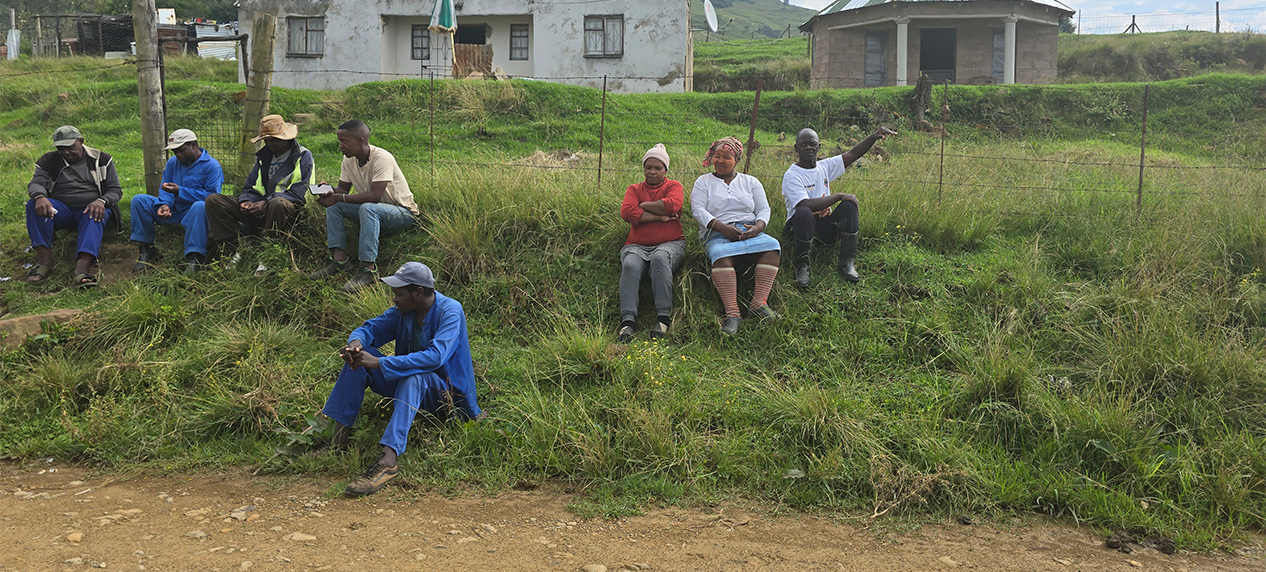
Community members discuss the benefits of the newly installed taps and how these have greatly impacted their lives and those of their families.


“In the past we had to wait two hours for a bucket to fill and then we had to wait because the water was polluted because livestock also drank at source, so we had to wait for pollutants to settle before could use the water,” said 20-year-old Nosipho shortly after she and her sisters had collected buckets of water from a nearby tap. “The water quality we have now is the greatest benefit.”

“This has made our lives much easier,” said an elderly woman as she inspected the recently installed tap.

Close to another spring is a spring silt box, which catches sediment before storing water for community use. This is maintained once every three years to ensure the water being supplied is not dirty.

The pipes from the spring, said Phakathi, are installed in such a way that they do not interrupt the flow of water to streams feeding the wetland. The aim is not to destroy or harm the environment while improving the lives of the community.

“This project has been an eye-opener to learn how a project of this nature has impacted people positively,” said Phakathi.

An important aspect of the EWT/ICF Partnership’ s work has been to focus on encouraging the community to take the lead so that once the organisation withdraws from the area, the community is able to live sustainably and be self-reliant, critically important aspects in a rural area such as this.

“The communities are actually participating quite fully from the leadership to the people on the ground,” added Phakathi.

Projects such as this are extremely important, he said, especially since water is a human right but also forms part of one of the Sustainable Development Goals. A project of this nature not only addresses access to water, but also encourages people to sit down and discuss issues of concern and formulate measures, and draw on local capacity to solve problems through participation.
He believes this project is a step in the right direction when it comes to saving Cranes, as the EWT/ICF Partnership has not imposed its will on the people, but rather allowed the community to take the lead while the team advises on how best to manage the area and interact with their immediate environment.

“We are not here to impose on the community, but to work with them,” he said. “As much as we are a conservation organisation, when we approach communities, we don’ t look at that as something that we should be pushing, but we look at the challenges that they are facing in order to address their challenges while addressing environmental issues at the same time.”

At a meeting with local indunas, access to water was highlighted as a key issue for KwaMkhize. But, the indunas pointed out, this project has brought with it a number of benefits, especially easier access to clean water. Waterborne diseases, they believe, may be a thing of the past if all community members could eventually have access to spring-fed water points.

The hope was also that the EWT/ICF Partnership could have the ability to mobilise more resources so that the entire community could be accommodated in the long term.

“A project of this nature can do a lot to improve the lives of people, and we are very thankful for a project like this,” said one local induna.

The EWT/ICF Partnership would like to extend a huge debt of gratitude to the Paul King Foundation and the HCI Foundation for providing funding for this important piece of work.

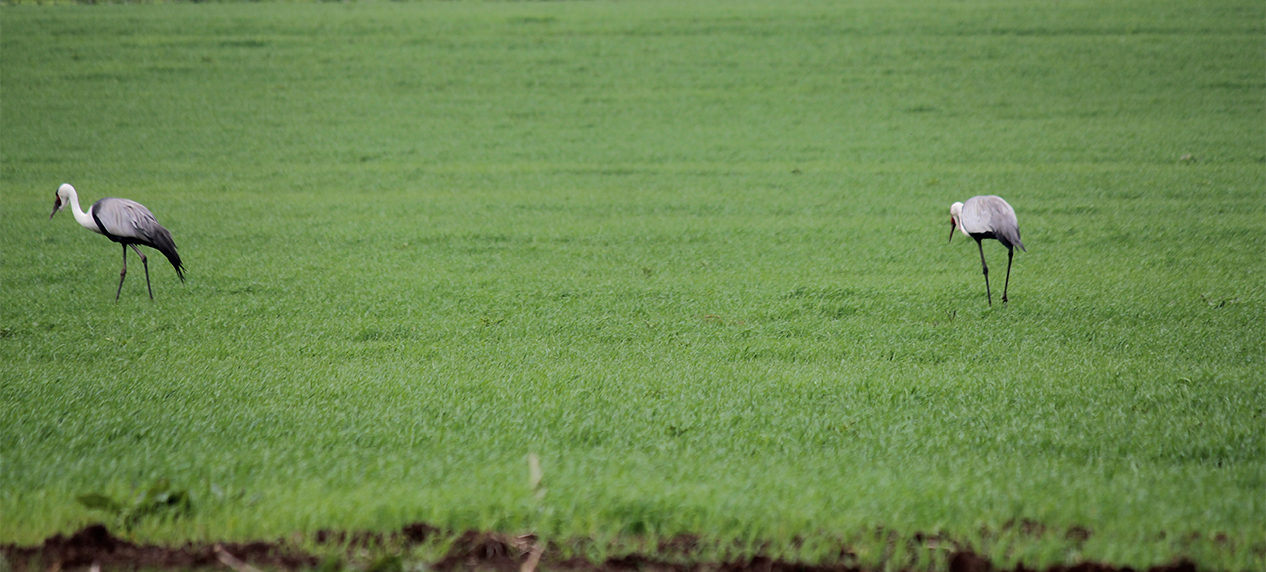
A breeding pair of Wattled Cranes just outside of KwaMkhize. 100 out of the 400 Wattled Cranes that take up residence in South Africa can be found around the KwaMkhize community.


Read more about how we are working to save cranes, conserve their vital habitats, and benefit the people living with them 

Western Soutpansberg Nature Reserve

Western Soutpansberg Nature Reserve

Western Soutpansberg Nature Reserve: A New Chapter for Conservation

By Catherine Vise – SOUTPANSBERG PROTECTED AREA PROGRAMME Manager, eNDangered wildlife trust

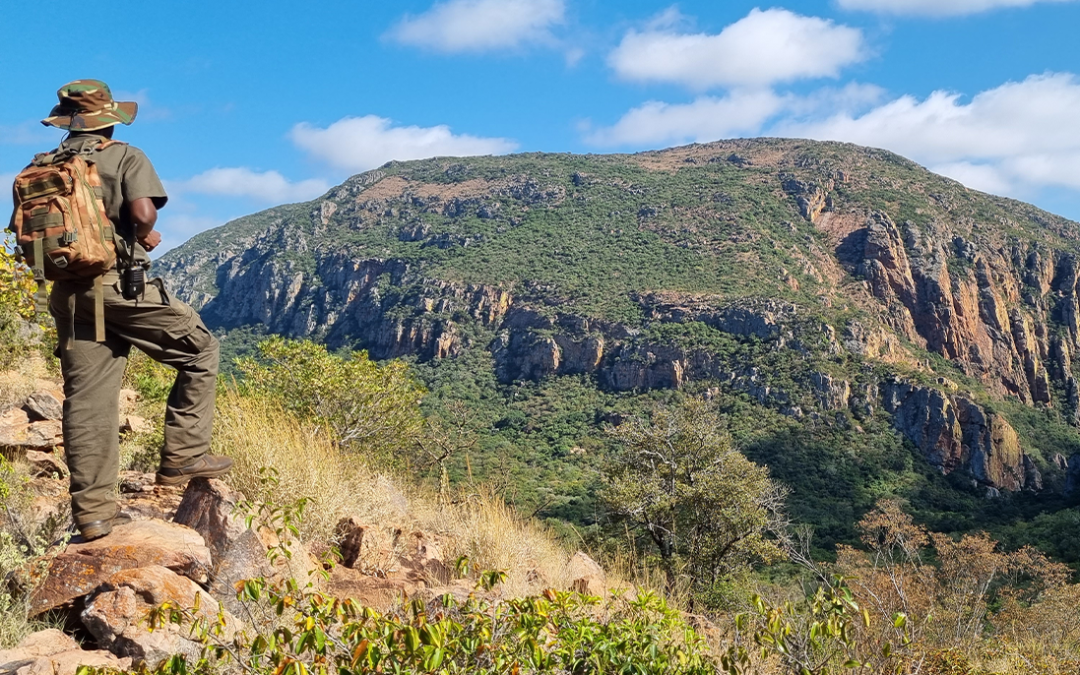
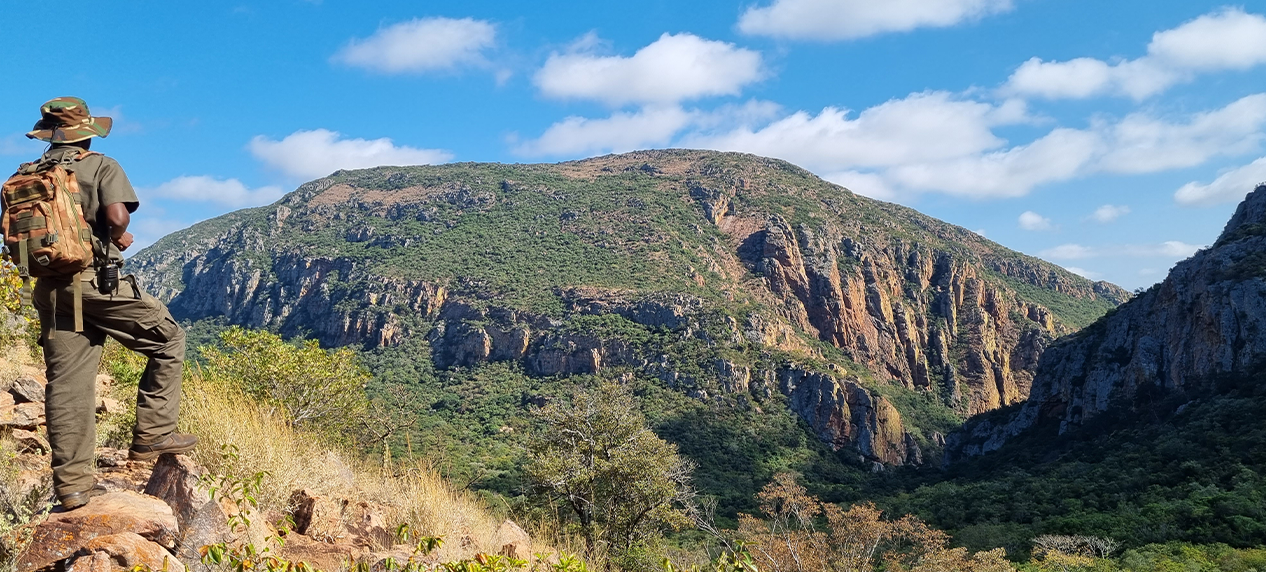
The recent declaration of South Africa’ s newest Nature Reserve, the Western Soutpansberg Nature Reserve (WSNR), in Limpopo province marks a milestone for the conservation of threatened and endemic species and contributes to South Africa’ s international commitment to grow its conservation estate. 

Western Soutpansberg Nature Reserve


Seven years in the making, the WSNR was finally declared in January 2025, including eight landowners, 14 properties of 11  607 hectares in extent. The Soutpansberg boasts the highest plant diversity at the family level in South Africa. Because of its high plant diversity and endemism, coupled with the fact that it hosts at least 16 endemic reptile species and its high variety of other species, such as spiders and butterflies, the conservation of this area is among the most significant conservation steps in recent years.  

This brand-new reserve encompasses a Centre of Endemism, a recognised Key Biodiversity Area, a Strategic Groundwater Source Area, and an expansive Critical Biodiversity Area in the Limpopo Conservation Plan. 

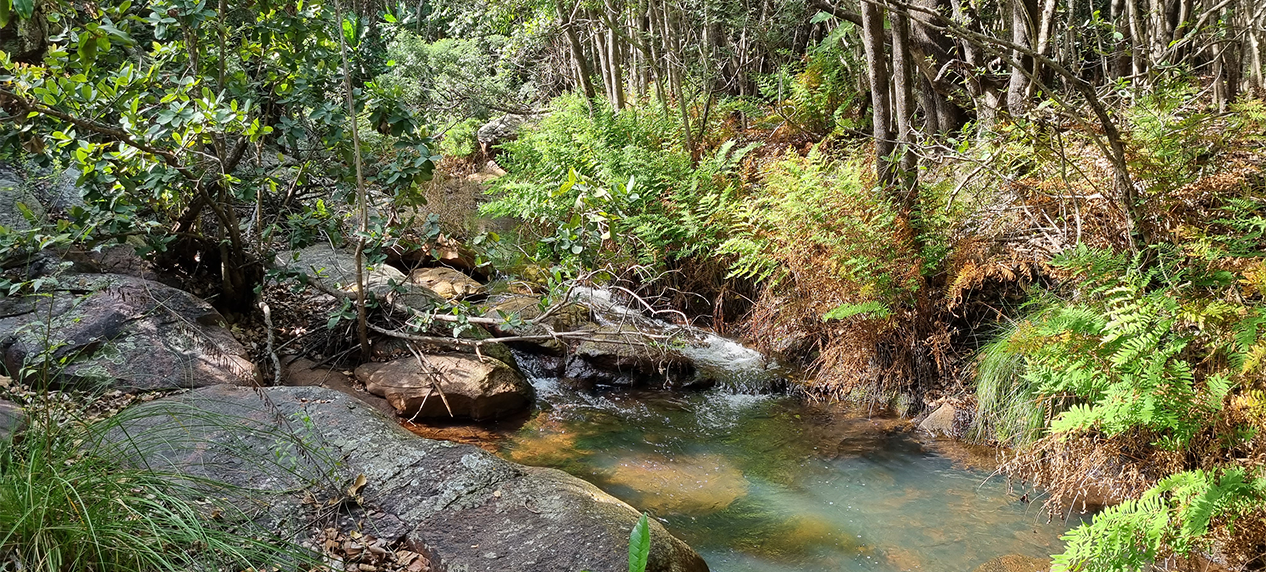
The Soutpansberg Mountains are home to an impressive 593 tree species, five different biomes (wetland, forest, savanna, grassland, thicket) and even have fynbos elements. They also house multiple sacred sites, rock art and other archaeological sites, and are important for cultural heritage, with many communities celebrating their vibrant traditions in the region to this day.   

Also known as the forgotten mountain, the Soutpansberg contains numerous microclimates, ranging from tropical in the east to semi-arid in the northwest, contributing extensively to its varied and unique biodiversity. But it is an area that faces numerous threats ranging from agriculture and urbanisation to other threats such as unsustainable harvesting of species, snaring, poaching and the lack of fire management on the western end of the mountain.    

Amid these challenges, several landowners started working on their own initiative to develop a nature reserve. In 2018, the EWT came on board by purchasing the Medike Reserve with the aim of creating a larger conservation area, and becoming the driver of a project that would ultimately result in the declaration of the Western Soutpansberg Nature Reserve. In partnership with the Limpopo Department of Economic Development, Environment and Tourism (LEDET), Ndlovu de Villiers Attorneys, Conservation Outcomes and ZZ2, the EWT published an Intent to Declare a Nature Reserve in the National Gazette in December 2021. 

The declaration of the Western Soutpansberg Nature Reserve in Limpopo in January contributes towards South Africa’ s commitment to the Convention on Biological Diversity’ s initiative to have 30% of land and 30% of ocean conserved by 2030.  


Management 

The Western Soutpansberg Nature Reserve Association (WSNRA) is the reserve’ s management authority. It is a voluntary association for landowners committed to managing their properties as a nature reserve, as part of a collective. Each landowner is a member of the WSNRA and manages their property/ies within the approved WSNR Framework Management Plan, with activities including the management of invasive alien plants, local community engagement projects, environmental education and women’ s health workshops in local villages. The EWT and WSNRA are undertaking initiatives that include combating bush encroachment, fire management, invasive species management and the development of eco-tourism initiatives, including the Old Salt Trail, which offers hiking enthusiasts one of the best ways to explore the newly declared nature reserve, and showcases why the Soutpansberg is so special. 

The EWT’ s alien invasive species removal project has created 20 job opportunities for members of the local community over the years, who have also been trained in health and safety skills and chainsaw operation. Rangers, who have also been trained as field guides, assist with snare removals, anti-poaching patrols and maintenance at the Medike reserve, while hospitality staff and general workers are employed on other properties. As the nature reserve becomes more popular, more  employment opportunities will be created.

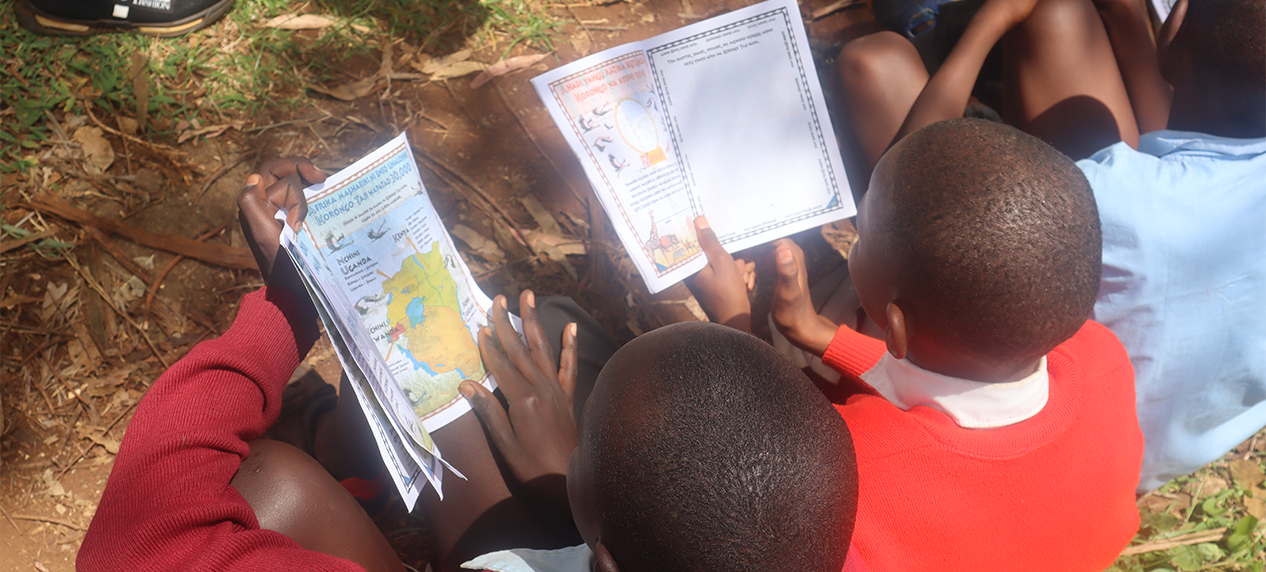
In working with local communities, the EWT is assisting with the conservation education of young people at primary school level, developing learning materials for schools, and is working with local farmers on agricultural projects that are sustainable and environmentally friendly.  Landowners have also become involved in the Sport for Nature initiative in the area, providing equipment where needed.   

Through the nature reserve, the aim is to uplift and involve the community as much as possible, to support the conservation and management of the protected area with inclusion of everybody. This project is just as important for local communities as it is for conservation.  


The future 

Work is underway in collaboration with LEDET to expand the reserve by 20,000 ha this year, as part of the EWT’ s aim to create a protected area in the Soutpansberg Mountains of 50,000 ha by 2030.  

The Western Soutpansberg Nature Reserve fits into a critical corridor that links the Soutpansberg Mountains to the Mapungubwe National Park and the Kruger National Park. This corridor connects high biodiversity areas that, through a declared corridor, can maintain the rich and endemic biodiversity integrity of the region. This longer-term vision fits in with the SANParks Vision 2040 for the Vhembe and Limpopo Valley landscape, creating a lot of room for this area to become a Biodiversity Economy node in South Africa.  


Western Soutpansberg Nature Reserve


** This work would not be possible without the dedication and commitment of the landowners involved, our project partners Conservation Outcomes, ZZ2 and Ndlovu de Villiers Attorneys, our stewardship partners at LEDET, and the generous support of our donors: the Rainforest Trust, the Roberts Family, The Coca-Cola Foundation’ s Replenish Africa Initiative, Fondation Franklinia, Douglas Wilson, the Baker Family, F E van Pletzen/L Steynberg Trust and Taronga Zoo.


Turning Traps into Hope: Poacher’ s Snares Repurposed for Conservation

Turning Traps into Hope: Poacher’ s Snares Repurposed for Conservation


Turning Traps into Hope: Poacher’ s Snares Repurposed for Conservation

By John Davies


Across much of Africa, snaring of wildlife is on the rise, driven by a combination of poverty, bushmeat demand, and organized wildlife crime. With economic hardships pushing more people toward illegal hunting for sustenance or profit, snares have become the weapon of choice—they are cheap, easy to set, and devastatingly effective. However, they do not discriminate, often trapping unintended species, including elephants, lions, and wild dogs. Many animals suffer prolonged, agonising deaths, while those that survive can be left with severe injuries that compromise their ability to hunt or evade predators.

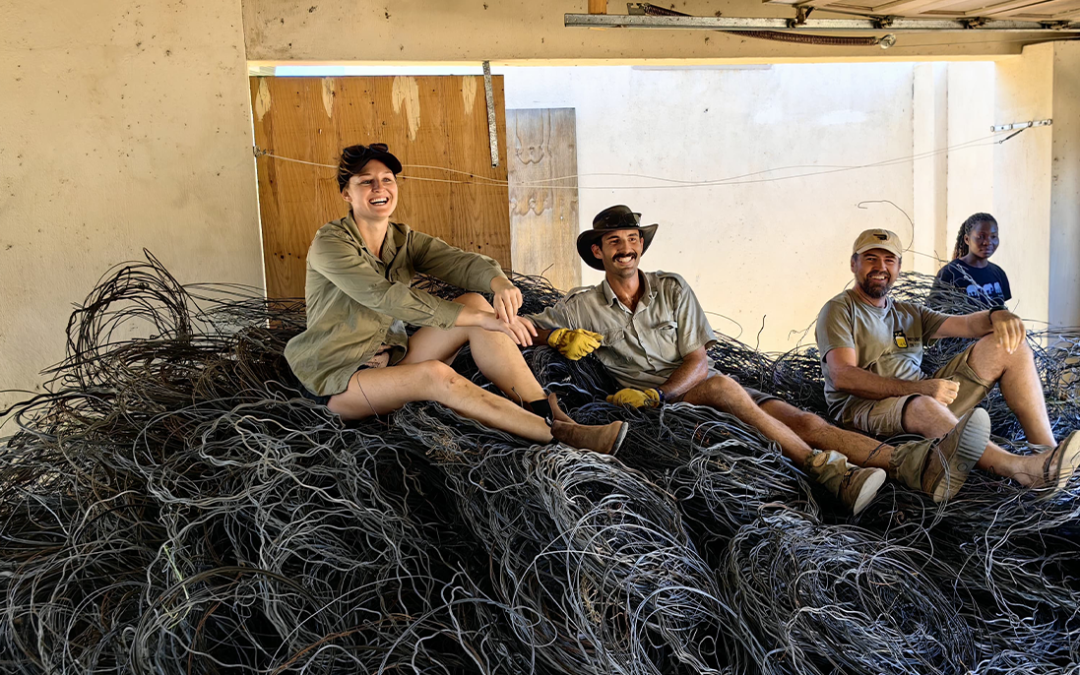
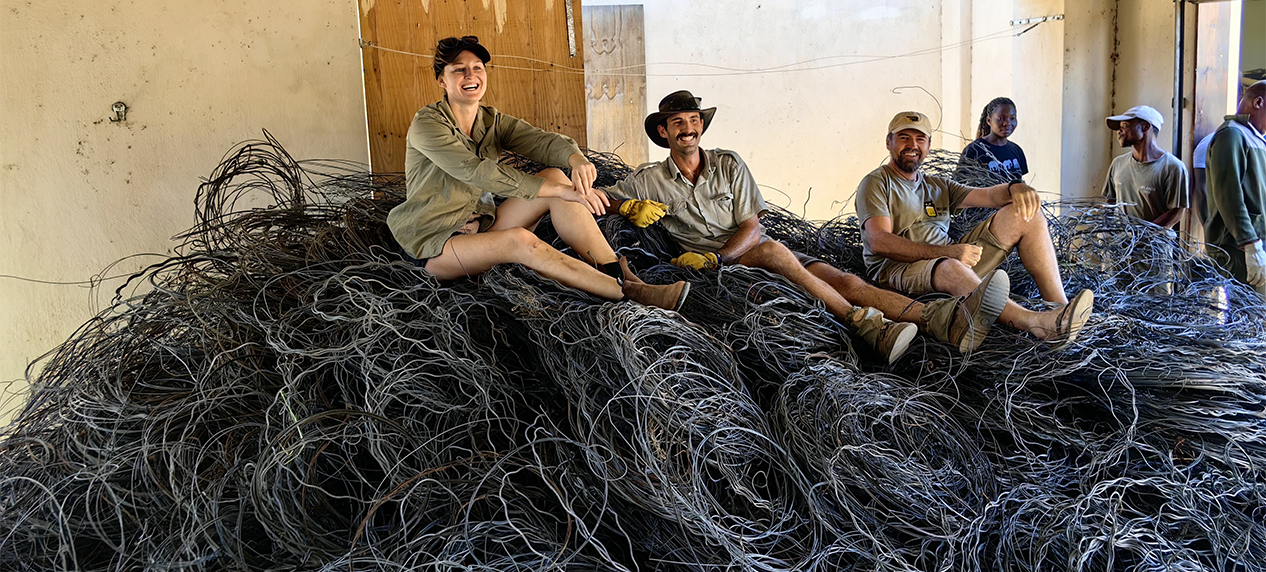
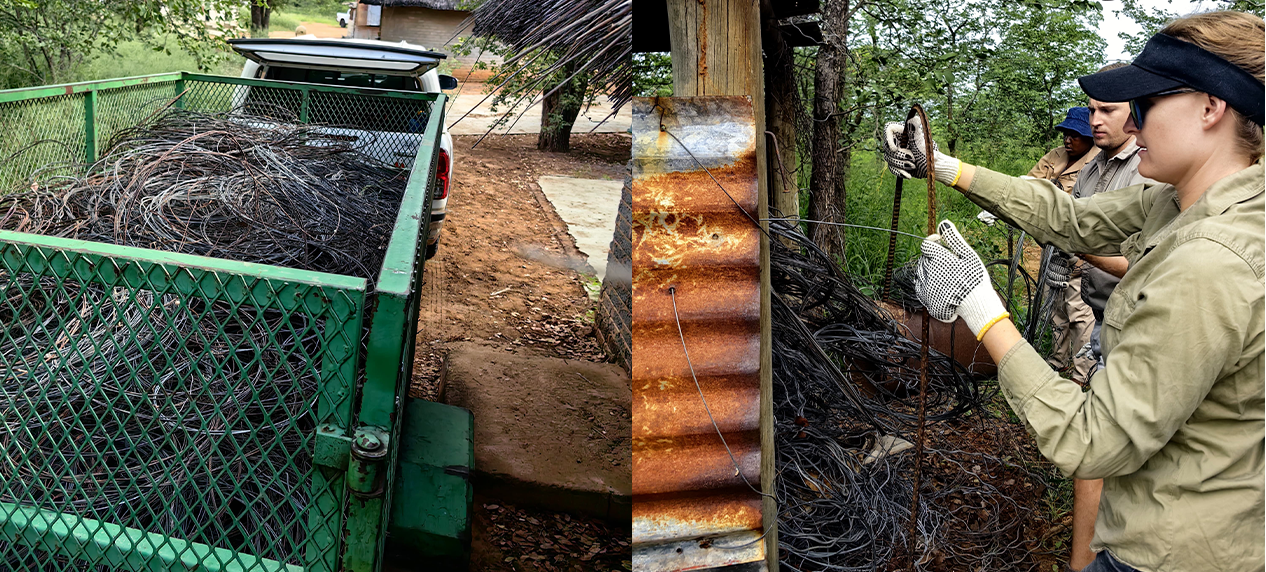
In a significant step toward protecting South Africa’ s wildlife, the Endangered Wildlife Trust (EWT) recently removed 3.5 tons of wire snares from a protected area in the Lowveld region of South Africa, forming a critical buffer zone along Kruger National Park’ s western boundary. These snares had been stockpiled over the last five years and had been removed during routine patrols by reserve anti-poaching teams.

Instead of being discarded, the snares have been given a second life through a partnership with Down2theWire, a local initiative that transforms confiscated poaching materials into handcrafted jewellery. This innovative project not only raises awareness about the devastating effects of snaring, but also provides funding for conservation efforts generated through the sale of jewellery and other products made from snares. Profits from the jewellery sales will be reinvested into anti-poaching initiatives, supporting rangers, education programs, and community-driven conservation efforts.

This initiative underscores the importance of sustainable solutions in wildlife conservation, proving that even the most destructive tools can be reshaped into symbols of resilience and protection.

As wildlife crime continues to challenge conservationists, creative collaborations like this offer a beacon of hope. Consumers can now play a direct role in the fight against poaching—one bracelet at a time.


From Climate Risks to Community Resilience: EWT’s Impactful Action

From Climate Risks to Community Resilience: EWT’s Impactful Action


From Climate Risks to Community Resilience: EWT’s Impactful Action

By Jenny Botha and Eleanor Momberg

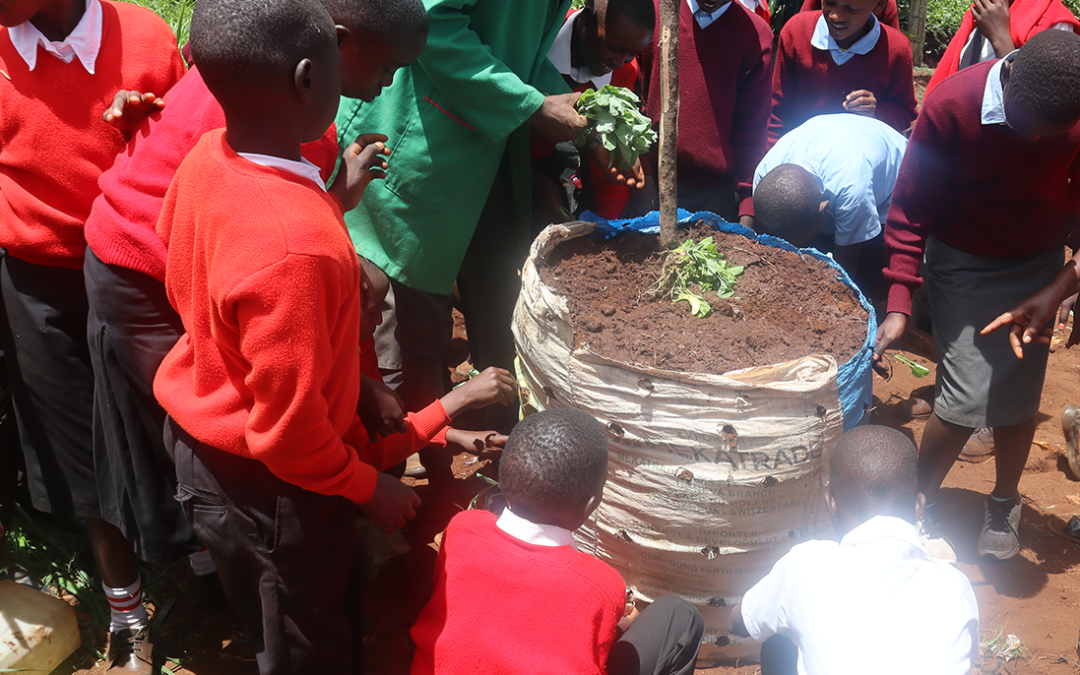
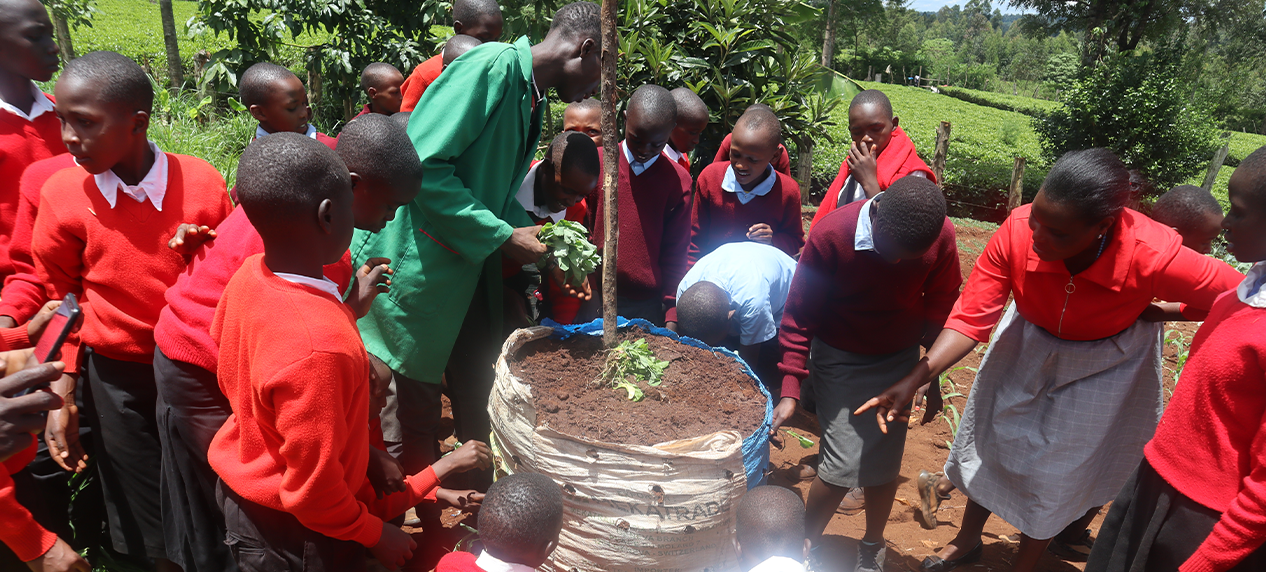
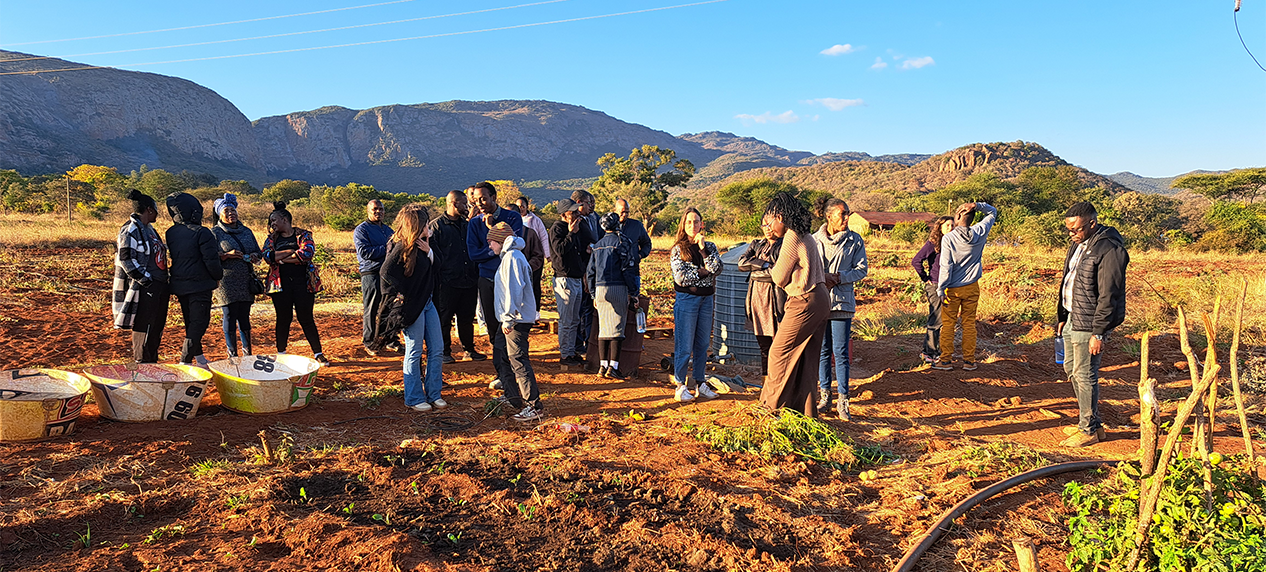
Climate smart agriculture training in schools


The Endangered Wildlife Trust (EWT) implements a range of initiatives that contribute to mitigating and reducing the impacts of climate change through our programmes across southern and East Africa. Among these are projects to address the impact of climate change on the health of communities.

Human health is inextricably linked to biodiversity and environmental health, with the World Health Organisation (WHO) confirming in a report published in October 2024 that climate change presents a fundamental threat to human health.

Climate change not only affects the physical environment and functioning of vital ecosystems that buffer us from extreme weather events and directly contribute to human health, but its effects on social and economic conditions are increasingly undermining human health and well-being. The WHO report states that climate change is a threat multiplier that is reducing and potentially reversing decades of health progress.

Humanitarian emergencies such as drought, heatwaves, wildfires, floods, tropical storms, and hurricanes are increasing in scale, frequency, and intensity. These weather and climate hazards affect health both directly and indirectly, increasing the risk of deaths, non-communicable diseases, the emergence and spread of infectious diseases, and other health emergencies.

In the past decade, extreme weather events have impacted approximately 1.6 billion people and cost the global economy over USD 2 trillion, according to a recent report released by the International Chamber of Commerce. The WHO reports an average of 489,000 heat-related deaths each year between 2000—2019, with these types of deaths having risen by 70% in people over 65 in two decades. The WHO conservatively projects 250,000 additional yearly deaths by the 2030’s due to climate change impacts, including increases in diseases like malaria.

Climate change is also exacerbating water insecurity globally, particularly as increasing populations and high demand are already stretching water allocations in most countries. Similarly, climate change heightens food insecurity, particularly in areas where people depend on dryland agriculture. In 2020, 98 million more people experienced food insecurity compared to the 1981–2010 average, with 770 million facing hunger, predominantly in Africa and Asia, undermining previous progress in addressing this challenge.

The Intergovernmental Panel on Climate Change’s (IPCC) Sixth Assessment Report (AR6) reveals that 3.6 billion people already live in areas highly susceptible to climate change. Despite contributing minimally to global emissions, low-income countries and small island developing states endure the harshest health and livelihood impacts. In vulnerable regions, the death rate from extreme weather events in the last decade was 15 times higher than in less vulnerable ones.

WHO data further indicates that 2 billion people lack safe drinking water and 600 million suffer from foodborne illnesses annually, with children under 5 bearing 30% of foodborne fatalities. Climate stressors heighten waterborne and foodborne disease risks. Temperature and precipitation changes enhance the spread of vector-borne diseases. Without preventive actions, deaths from such diseases, currently over 700,000 annually, may rise.

Climate change also adds to immediate mental health issues such as anxiety, as well as post-traumatic stress and long-term disorders, and compounds social instability, polarisation, and conflict, particularly in cases of human displacement.

Although no-one is safe from these risks, the people whose health is being harmed first and worst by the climate crisis are those who contribute least to its causes, and who are least able to protect themselves and their families against it: people in low-income communities and vulnerable countries and communities. Capturing risks like drought and migration pressures into climate modelling remains challenging, but there is little doubt that urgent, meaningful action is required at national and international level, focusing on the most vulnerable societies while also addressing the root causes of human-induced climate change.

Addressing climate change’s health burden underscores the equity imperative: those most responsible for emissions should bear the highest mitigation and adaptation costs, emphasising health equity and the priorisation of the vulnerable sectors of society.


What are we doing?

The EWT contributes to addressing climate change through multiple integrated strategies starting with the protection of critical landscapes and ecosystems that, in addition to providing habitats for diverse plant and animal species, also act as carbon sinks and contribute to water, air quality, pollination services, and other vital services that we depend on.

Across our programmes in southern and East Africa, we work with landowners and communities to improve the protection and management of their land, water, and other natural resources. These initiatives include expanding formal protection of areas of high conservation value; clearing of alien and bush encroaching plants; improved rangeland management; rehabilitation of degraded ecosystems; and supporting sustainable land use activities. In 2023-24, we supported landowners and communities to secure formal protection of an additional 180,282 hectares of land of strategic conservation importance across diverse landscapes. In many cases, this enables landowners to access carbon and other sustainable financing markets.

The EWT also contributes extensively to policy, planning, and development, including the energy sector, and implements numerous initiatives to strengthen climate resilience and adaptation. This includes partnering with communities to improve human health and resilience to climate change.

In the Western Soutpansberg, Limpopo Province, we collaborate with landowners, communities, and partners to implement diverse projects to strengthen food security and resilience to climate change, improve water management, and reduce the risk of water-borne diseases and contamination of soil and water.

Water, Hygiene and Sanitation (WASH)

The Soutpansberg mountains are highly biodiverse and play an important role in water security in the region. Less than 2% of the mountains were previously formally protected, leading to the EWT establishing the Medike Reserve in the Western Soutpansberg in 2017, and working extensively with landowners to secure protection and improve the integrity of the natural habitats through the removal of alien plants and other measures. To date, the EWT’ s remarkable team of rangers has removed 70 hectares of alien and other encroaching plants from the mountains which, together with ongoing maintenance by the landowners, has led to the improved flow of streams and the restoration of a wetland in the area.

We work with primary and secondary schools to improve sanitation and hygiene through the development of interactive lessons and teaching aids on germ transmission and hand washing. As was instilled in all of us during the Covid-19 pandemic, regular washing with soap prevents diarrhea and the transmission of other diseases. To date, we have reached over 700 learners, but ongoing messaging is vital.

We work with secondary schools to reduce health risks and waste arising through the disposal of one-use sanitary pads. Through our Women’ s Health project, we have provided over 800 girls and women from three schools with kits consisting of reusable sanitary pads and cleaning materials that will last them 3—5 years. Apart from the substantial reduction of these products into the environment, the project contributes to women’ s dignity and helps reduce the costs of basic necessities for girls in communities where unemployment levels are high. Discussions and presentations on menstruation support the girls to gain access to accurate information and open up conversations with their teachers.

In the words of one of the girls who participated in an anonymous, voluntary evaluation of the project,

“They teach that when we going to monthly period, we shall not cry, and is helpful to us, because they teach us about our body and help us to get pads”.


Climate smart agriculture training in schools


Climate resilient agriculture

In 2023, the EWT held a five-day climate-resilient agricultural training course attended by 23 farmers from Kutama in the Western Soutpansberg. After the training course, 14 participants established the Ndouvhada Organic Farming Cooperative, and are now producing vegetables on the CPA’ s land. Through this project, the Cooperative received irrigation material and other equipment as well as seeds and other inputs. The Cooperative has also been able to source funding for funding through a state grant facilitated by the Limpopo Department of Agriculture and Rural Development (LEDET).

We are also supporting a second project started by a group of young agriculture graduates in Kutama to provide Agri-Set accredited training to other community members to enable them to cultivate vegetables and improve animal husbandry. The number of participants has far exceeded our expectations, with 100—150 people regularly attending training every weekday morning over the last seven months. The EWT is supporting the group with equipment and seed packs, repair of water tanks, and other inputs, and we are exploring opportunities to strengthen this initiative in the future.

We are also supporting farmers in Buysdorp to improve the sustainability of their agricultural activities. In June 2024, we collaborated with the University of Johannesburg to hold a workshop to assess the extent of existing farming activities in the area and community members’ visions and future plans. Water security and management emerged as a key theme throughout the workshop, together with the need for training to enable farmers and other community members to reduce harmful agricultural impacts through pesticides and fertilisers, and to develop strategies to reduce loss of crops and livestock through human-wildlife conflict. We are now participating in a follow-up project with the University of Johannesburg and other partners to assess and provide recommendations to improve the sustainability and quality of groundwater in Buysdorp, particularly in light of additional demand to meet increasing urbanisation, agriculture, mining, and other human development needs throughout the region.

Working in partnership with organisations and service providers is vital to the success of all our initiatives. In addition to universities and other Not-for-Profit organisations, we collaborate with the Limpopo department of economic development, environment and tourism (LEDET) to enable us synergise resources and strengthen benefits and support to community partners over time. Building climate resilience is a long-term process and it is important to ensure that small-holder farmers are not left behind.