Help protect Africa's 

Cheetah range expanded into new Mpumalanga reserve

Cheetah range expanded into new Mpumalanga reserve

Cheetah range expanded into new Mpumalanga reserve

By Olivia Sievert – Coordinator of the Cheetah Range Expansion Project, Endangered Wildlife Trust
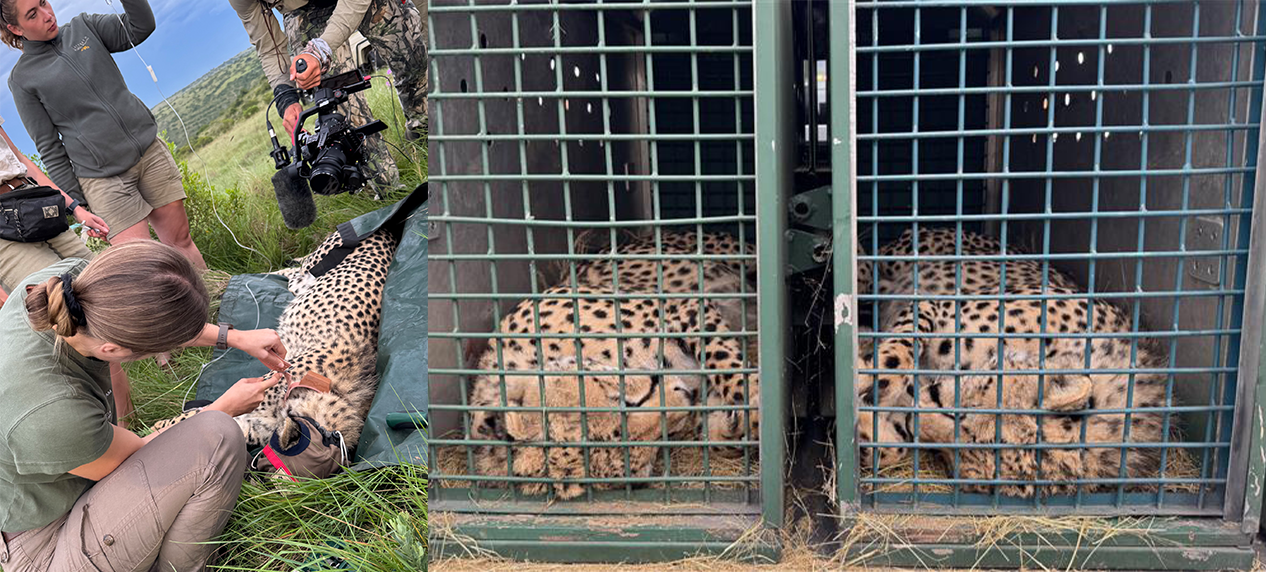
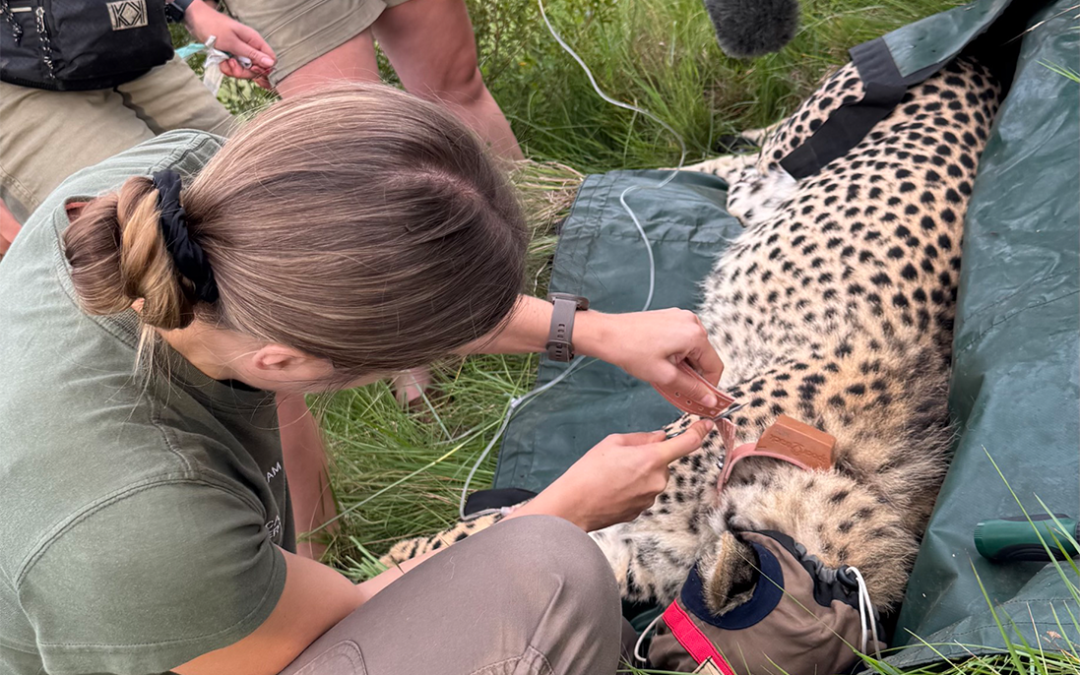
Left: Collaring. Right: Cheetah during transport


In March, members of the Carnivore Conservation team’s Cheetah Range Expansion Project embarked on a significant cheetah relocation from the Eastern Cape to Mpumalanga—but that’s just part of the story.

In collaboration with the Mpumalanga Tourism and Parks Agency (MTPA), we’ve been working for some time to expand the cheetah range across the province through the reintroduction of the species into suitable areas.

In 2023, the Ukuzwana reserve in Mpumalanga was identified as a key restoration site for this project—the first of many steps in this larger initiative.

Ukuzwana Witbad Foundation is a newly established initiative with conservation at its core. Its mission is to protect and preserve the entire ecosystem—from trees and insects to fish, antelope, and carnivores.

After over a year of tireless efforts by all involved, particularly the MTPA scientists and the Ukuzwana team, in December 2024, we were finally ready to select suitable cheetahs for reintroduction.

Around this time, Lalibela Game Reserve in the Eastern Cape had two male Cheetahs disperse. Born and raised in Lalibela, they were accustomed to open plains and had grown up hunting blesbok. However, they also posed a high risk of inbreeding, making it crucial for us to find them a new home and assist in their dispersal from their natal reserve via translocation. Ukuzwana, with its expansive grasslands and a population of over 1,500 blesbok, was clearly the perfect place for them.

When the time was right, I began the long journey to Lalibela to capture and relocate these males to Ukuzwana.

Fifteen hours, a few brief stops, and a couple of wrong turns later, the cheetahs arrived safely in Mpumalanga and were offloaded at their new home.
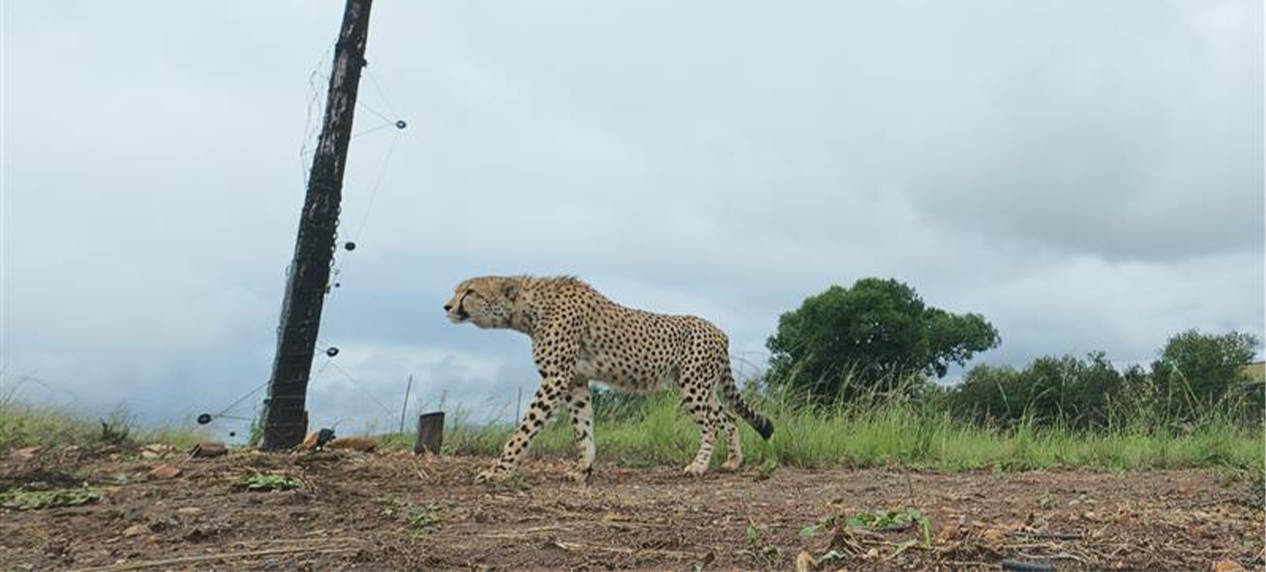
 

Cheetah leaving the boma


As with most translocations, they were first released into a boma. This allowed them to settle into their new surroundings, getting used to the sights and smells of their new home after the long journey.

But soon their restlessness set in—they were already attempting to hunt any bird that ventured into the boma. It was clear that the time for release had come! Four weeks after their arrival in Ukuzwana, the boma gates were opened, and within 30 minutes, the brothers eagerly set off to explore their new territory.

Since then, we’ve been keeping a close eye on them and are thrilled to report that both cheetahs have settled in wonderfully, successfully hunting within their first 12 hours of release!

Ukuzwana is now the second reserve in Mpumalanga, outside of the Greater Kruger area, to offer a safe haven for wild Cheetahs. This marks a significant milestone in the species’ restoration within the province.

“As a young organisation, we are honoured to be partnering with the Endangered Wildlife Trust through the Cheetah Range Expansion Project. Becoming only the second reserve in Mpumalanga to host cheetahs is a proud moment for us, and one that marks the beginning of our journey in supporting this critical conservation effort. We’re excited to walk this path together and contribute to a future where wildlife thrives,” the owners said shortly after the arrival of the cheetah.

The EWT are excited to continue its collaboration with MTPA and Ukuzwana on cheetah conservation and look forward to introducing a female soon to establish a breeding population. Together, we’re making crucial strides to ensure the Cheetah’s future in Mpumalanga and beyond.
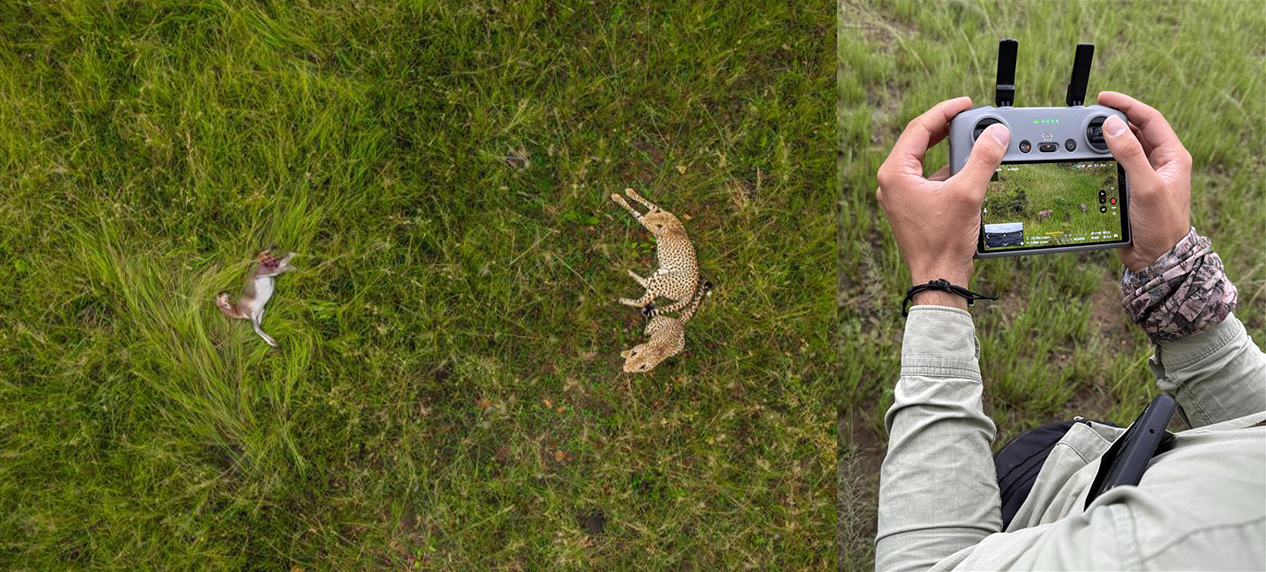
 

Drone monitoring
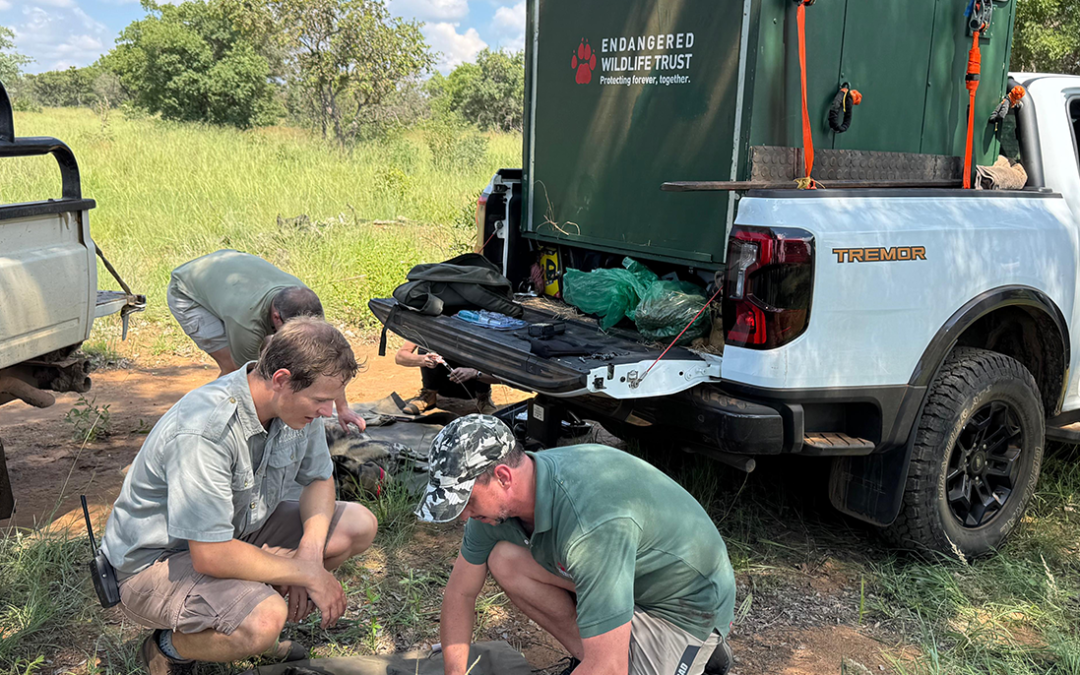
A Wild Dog Valentine Story 

A Wild Dog Valentine Story 


A Wild Dog Valentine Story 

By Cole du Plessis


The International Union for Conservation of Nature (IUCN) defines ‘relocation’ as the deliberate movement of organisms from one place to another for conservation purposes. This is also known as a conservation translocation.

In the space of Wild Dog management, a conservation purpose can include several different activities: a reintroduction, a genetic swap or a population supplementation. In the case of the managed metapopulation tool that we’ve implemented to grow range distribution for Wild Dogs in South Africa (the EWTs Wild Dog Range Expansion Project), we sometimes do relocations where we move Wild Dogs to temporary holding to bond new packs or bring them to safety if they have been exposed to human-animal conflict.

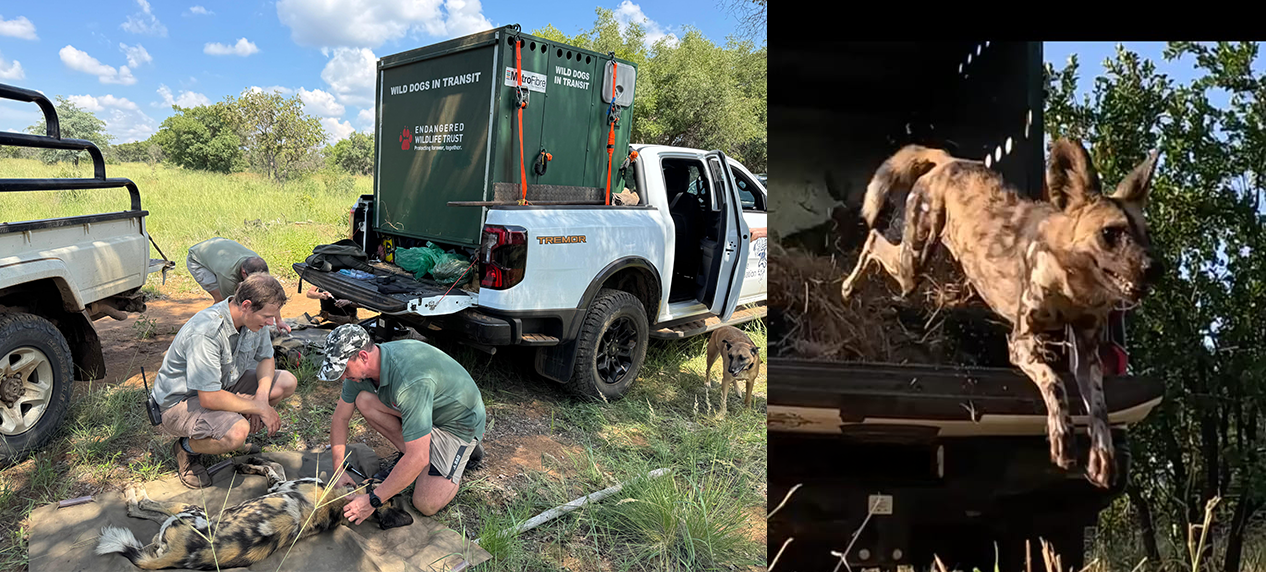
In February, the EWTs Carnivore Conservation Programme relocated two male Wild Dogs from Lapalala Wilderness Reserve to Rietspruit Game Reserve. The two males were two-years old and had left their natal pack to go in search of unrelated females, with the hope of forming a new pack of their own. They were fondly nicknamed ‘Starsky and Hutch’. When Wild Dogs enter this phase of dispersal, they can cover several hundred kilometres in only a week. This often results in them leaving protected areas and encountering danger. This was the case of the Lapalala males, and with use of the GPS collars, the Lapalala management team managed to track them, capture them and bring them to safety.

The next challenge we faced was to find a suitable home for these two males. While human-induced threats such as snaring, poisoning, disease and roadkill do pose a major threat to Wild Dogs, diminishing safe space is their primary threat. So, a rehoming exercise included finding eligible females that were in a similar phase of their life.

Following a search of several months, we found a small pack of females at Rietspruit Game Reserve that had lost their only male to a Lion ambush towards the end of last year. Only two female Wild Dogs remained and had stayed in the general area for some time. We felt that this could be an opportunity to not only rehome the males, but reestablish a viable pack by introducing males to the two females.

All conservation partners were onboard, and the planning was underway. We would relocate the two male Wild Dogs to Rietspruit Game Reserve and place them in the predator boma. With some luck, the females would find the males, and the bonding would commence through the fence. Wild Dogs have an incredible, and somewhat unknown, ability to pick up the scent of other Wild Dogs from many kilometres away.


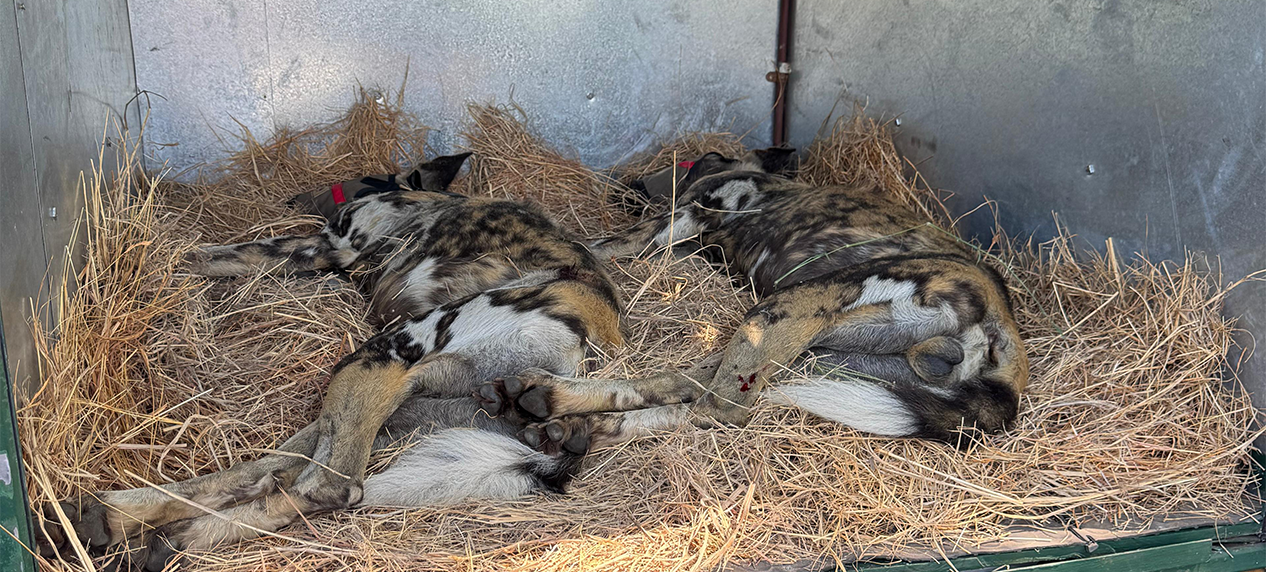
So, on 3 February, we immobilised Starsky and Hutch, fitted a new collar on them and drew some genetic samples. We then placed them in our new state-of-the-art ‘Wild Dog Box’ that had been custom made to fit into our Ford Rangers. Six hours later, we safely offloaded the Wild Dogs in the Rietspruit predator boma.

The two female Wild Dogs also had tracking collars, but they hadn’t registered for several days in the lead up to the relocation and we weren’t 100% sure where they were – a classic curveball! Our fear was that they might have suddenly bomb shelled, which would have greatly compromised this mission. Fortunately, the monitoring team picked them up the day after the relocation, about six kilometres from where the two males were. We opted to give the females time to find the males – hoping that they would approve and keep interested enough to stay and bond with the males at the boma.

We waited for 24 hours, but the link hadn’t been made just yet. So, two days after the relocation, we decided to improvise. We took grass out of the Wild Dog Box, rolled it into a ball and used a lot of string to hold it in place. We then went out and found the females, deployed our grass ball off the back of the vehicle and started driving towards the boma. This grass ball immediately caught their interest and the plan was working…and we figured if we could even get them halfway there with some ‘hoo’ calls in-between, then maybe they would do the rest themselves. But the plan was working better than anticipated! In fact, we couldn’t drive fast enough. These females were desperately following the scent – clocking 50km/h. We ticked off the first kilometre, then another, and then another. The only thing that was giving way was our grass ball. By kilometre number five, it was no bigger than bowling ball, but it was enough to pull the females the final distance.

The link had been made. The two groups had met at the fence and the interactions were underway. A lot of flirting, scent marking and high-pitched murmurs – maybe it was love at first sight. The females have stayed at the boma since. Before the end of February, and after the males have had a little more time to acclimatise, the gates will be opened and the new pack will have the chance to bond – and they might just be in time for the Wild Dogs denning season which usually commences this time of year.
Some Wild Dog pups in 2025 will be the cherry on the top!

We would like to thank our partners, the Rietspruit Game Reserve, Painted Dog Tv., Lapalala Game Reserve, LEDET.


Saving Vultures from poisoning and other threats

Saving Vultures from poisoning and other threats

Saving Vultures from poisoning and other threats

By John Davies, Project Coordinator: Raptor Conservation & Research

International Vulture Awareness Day is marked annually in September to raise awareness about a species that is often maligned despite their vital contribution to maintaining the health of ecosystems.

Known as nature’s cleanup crew or garbage collectors, vultures play a crucial role preserve the balance of our environment by disposing of carcasses and likely preventing the spread of disease. The benefits they provide go even further.

Vulture populations have plummeted across their range in recent years, with some species now listed as Critically Endangered. To ensure the future survival of this key species, a Multi-species Action Plan to Conserve African-Eurasian Vultures (Vulture MsAP) was released under the Convention on the Conservation of Migratory Species of Wild Animals (CMS) in 2017. Its main aims are to identify and implement key conservation actions designed to reverse recent population trends and restore the conservation status of each species to a favourable level and to provide conservation management guidelines applicable to all Range States within the plan’s scope. This includes South Africa.

The Endangered Wildlife Trust plays an important role within South Africa, and Africa, to protect vultures for their most common threat – poisoning.

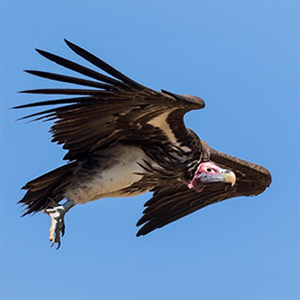
Through our work, we not only monitor and track all vulture species within the southern African region, but also implement a number of applied interventions to conserve the Old World Vulture Species found in South Africa. Of the 11 Old World Vultures found in Africa, seven are on the verge of extinction. These include the breeding resident White-backed Vulture, Hooded Vulture, White-headed Vulture, Cape Vulture, Lapet-faced and the vagrant, less common Egyptian Vulture, as well as the Rüppell’s Vulture.

Besides addressing the increasing threat of wildlife poisoning, our work keeps in mind the situation that arose in India in the 1990’s when the local vulture population plummeted by 95% after vultures fed on livestock carcasses that contained and anti-inflammatory drug used to treat pain and inflammation in animals and people. All vultures died soon after feeding on the tainted carcasses and local scientists attributed their deaths to kidney failure caused by the effects of the drug diclofenac.

The near extinction of vultures in this region led to the death of nearly half a million people in subsequent years, because without these natural scavengers, carcasses pile up, and diseases including rabies spread more prolifically.

In South Africa, wildlife poisoning has become an increasingly prevalent and destructive threat over the last decade. Although this has for a long time been an under-studied and poorly-known concern, more recently, the severity of this has become more topical, particularly with the impacts on large carnivore populations being more notable. With a shift to more targeted poisonings that have a higher impact on these the charismatic species, the conservation focus has shifted to a point where the need to respond and deal with these incidents is finally getting more attention.

A sad outcome of much of this is that many species of avian scavengers, such as vultures, Tawny Eagle and Bateleur, have become the innocent bystanders caught in the crossfire. For most of these species, wildlife poisoning has become the most significant threat to their long-term survival. Unlike many other forms of poaching, just a handful of large events may be enough to cause a sever reduction in the population, particularly if no interventions are put in place.

The EWT’s Birds of Prey and Vultures for Africa Programmes focusses much of their work on developing key interventions that assist in reducing the severity of these losses. Although these by no means represent an exhaustive approach to solving the issue, there is little doubt that each of these instances provides another tool to work towards the long-term protection of avian scavengers from poisoning.


Eye in The sky

One of the most crucial aspects is the early detection of poisoning events, something that historically has posed a significant challenge in most conservation areas. We developed a pioneering rapid poisoning detection system called Eye in the Sky that harnesses vultures’ natural sentinel and foraging behaviour and pairs it with novel GPS tracking technology. This system closely monitors the behavioural signatures in GPS-tracked vultures to remotely detect the presence of poison sources and feeding events associated with potentially poisoned-laced carcasses. This system was built to enhance law enforcement and response team capacity and efficiency, while reducing the impact of wildlife poisoning in southern Africa.

With our partners, including the North Carolina Zoological Society and Contemplate Wild, we are also developing monitoring and technology solutions to make our alert system practical on the frontline. The system has been programmed to send notifications and near real-time information to monitoring software platforms (e.g. EarthRanger, SMART Conservation) used by those on the ground. In concert with this, we have set up an ever-growing network of GPS-tracked vultures across poisoning hotspots in southern and East Africa, actively surveying extensive wilderness areas that would otherwise be impossible to monitor.


Rapid Response and Treatment

With this early detection, comes the need to have skilled individuals to assist in the treatment of any live animals that may be found at these sites. As such, we have embarked on developing several approaches to make this a much more effective and efficient intervention.

First and foremost has been the training of over 2000 individuals across Africa in wildlife poisoning response and the inclusion of wildlife veterinarians that are able to assist when needed with the treatment of live patients. A vast number of veterinarians have little to no real-world experience working with birds of prey, especially Vultures, and as such, their involvement with these situations has been limited previously. The EWT has embarked on a process of upskilling key veterinarians working in key focal areas to become another layer of support when needed. Many large poisoning events are spread out over a large geographic area and having several individuals able to treat live patients, greatly improves the outcome for patients, particularly considering the time constraints associated with this.

Perhaps one of the most significant limitations to this work has been the effective transport and housing of patients. That is why the EWT developed the first transport and treatment solution for these specific events, which we call our Vulture Ambulance, launched in 2023. This has been developed from the ground up to be a complete solution to teams working in the field, to not only house patients that have been found, but also additional equipment that may be needed in the field during assisting with these events.

By creating a single solution that is permanently kept ready to go, takes a large amount of the preparation and planning away from the responders. To date, this novel solution has been used to assist in excess of 30 vultures and has improved the survival of live patients found at poisoning sites to 98% over the last year. This is a significant improvement from previously, where some animals may have succumbed due to the ineffective housing and transport to a rehabilitation facility.

As a newer addition to this, we have developed emergency treatment kits that are specifically designed to have all needed items for the in-field treatment of birds at poisoning events. These kits contain all the materials necessary to effective respond to emergencies, including headlamps, backup batteries and radios. These are all items that we have found through field experience to be necessary for an effective and efficient response. We’re currently working towards expanding this equipment to more areas, adding yet another dimension to assisting people who respond to these events.

By understanding the process and having teams that understand how to work effectively, as well as having all the required equipment needed on site, we know that we can give vultures and other avian scavengers have a fighting chance. The only way to achieve this is through large-scale collaborations, and we look forward to developing these even further in future.


EWT Drylands Conservation team participates in 2024 Fynbos Forum

EWT Drylands Conservation team participates in 2024 Fynbos Forum


EWT Drylands Conservation team participates in 2024 Fynbos Forum

By Dr Samantha Mynhardt and Insauf De Vries

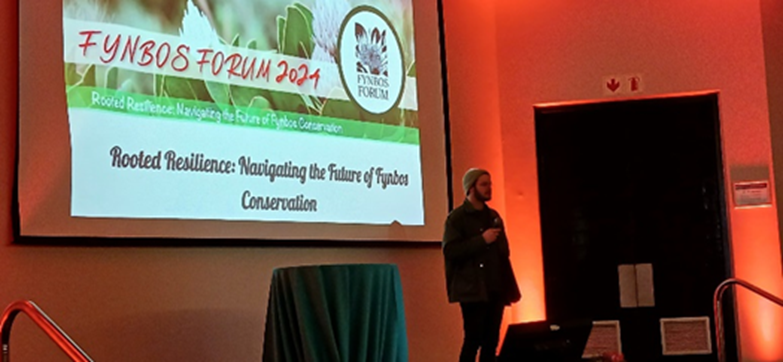
Renier Basson speaking about insects and fynbos conservation

Members of the EWT’s Drylands Conservation Programme (DCP) participated in this year’s Fynbos Forum in Stellenbosch earlier this month, sharing information about efforts to conserve golden moles and insects, and the partnership with communities to promote tourism in areas rich with Fynbos.

The forum, first held in 2020, is an affiliation of natural scientists, researchers, planners, managers, landowners and stakeholders that meet annually to discuss the collaborative production of knowledge that underpins regional conservation efforts in the Fynbos biome in South Africa. As a transdisciplinary regional learning network, the forum supports discussions on management issues and research results, and formulates priorities for future research and conservation management actions required to ensure the conservation and sustainability of Fynbos ecosystems.

Notable keynote speakers included Dr. Jasper Slingsby from the University of Cape Town, who spoke about BioSCape – The Biodiversity Survey of the Cape, and Rupert Barnard and Michelle de Bruyn from non-profit, Wild Restoration. They spoke about the collaborative action network for invasive clearing groups in the Greater Cape Floristic Region and the power of partnerships in conservation.

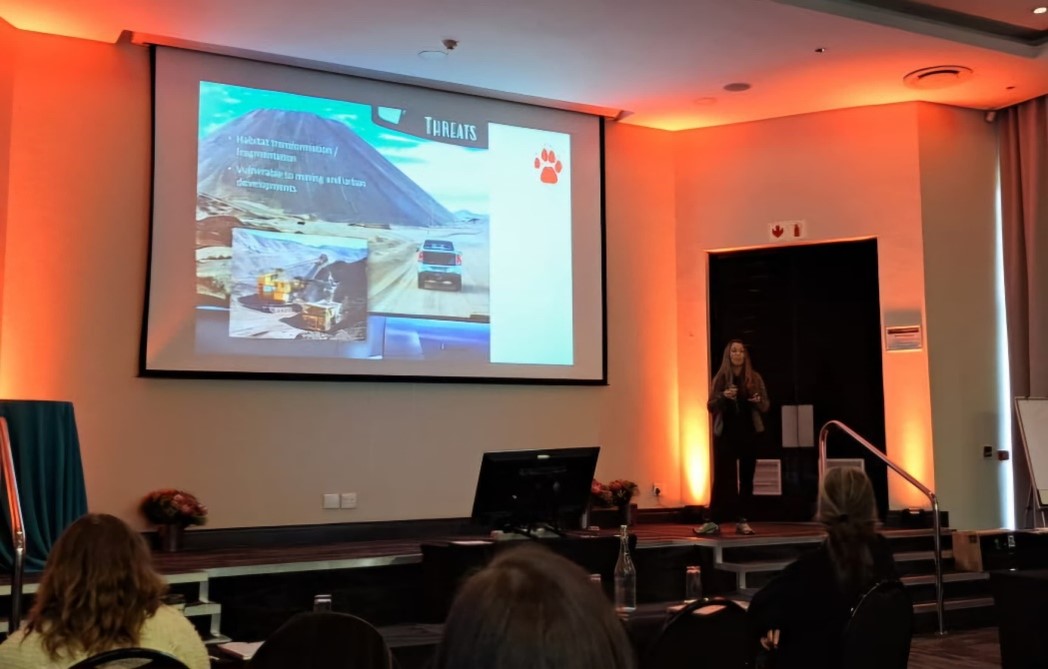
From the EWT’s DCP team, Dr Samantha Mynhardt presented a talk on golden moles entitled “Conserving the Golden Moles of the South African West Coast”. Golden moles are subterranean mammals that are endemic to sub-Saharan Africa, many with restricted ranges due to poor dispersal ability. These moles are highly vulnerable to population fragmentation and isolation and continue to face ongoing threats, such as habitat transformation, mining, and agriculture. Of the 21 species, ten are listed as either Critically Endangered, Endangered or Vulnerable on the IUCN Red List. A total of 6 occur in the Drylands of South Africa, some of which overlap with the Fynbos biome. Dr Mynhardt spoke about how the EWT has been working towards the conservation of the De Winton’s- (Cryptochloris wintoni) and Van Zyl’s- (Cryptochloris zyli) Golden Moles, by developing methods to track them down in the wild, better understand their distribution, and protect their habitat. Including how, after trialing various detection methods such as thermal imaging drones, scent detection dogs and environmental DNA (eDNA), we were able to rediscover the De Winton’s golden mole in 2023 – a species that had been lost to science for over 80 years. We are using eDNA to map golden mole species distributions; an approach that has the potential to revolutionise the field of conservation science.

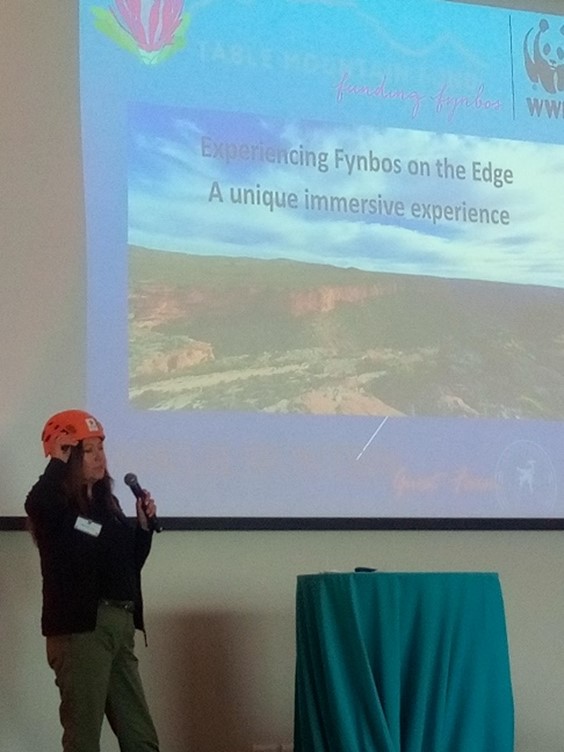
Alrie van Wyk presenting about the Papkuilsfontein initiatives

Dr Samantha Mynhardt speaks about the conservation of golden moles on South Africa’s West Coast

Team member Renier Basson presented a talk on the endemic and Endangered insects of the Fynbos highlighting unique species that are adapted to the Fynbos biome, and species that are of conservation concern. The aim of his talk was to inform the audience about the elusive biology of endemic insects , the ecological role they play, their threat status, and why they are threatened. There are approximately 9,000 Fynbos species and roughly 70% of those are endemic. Discussing threatened taxonomic groups such as Restio Grasshoppers (Betiscoides spp.), butterflies in the genera Chrysoritis, Thestor, Orachrysops and Trida, and Cape Stag Beetles (Colophon spp.), he mentioned that the biology of many of these threatened groups remain unknown, which makes decision-making in terms of conservation very challenging.

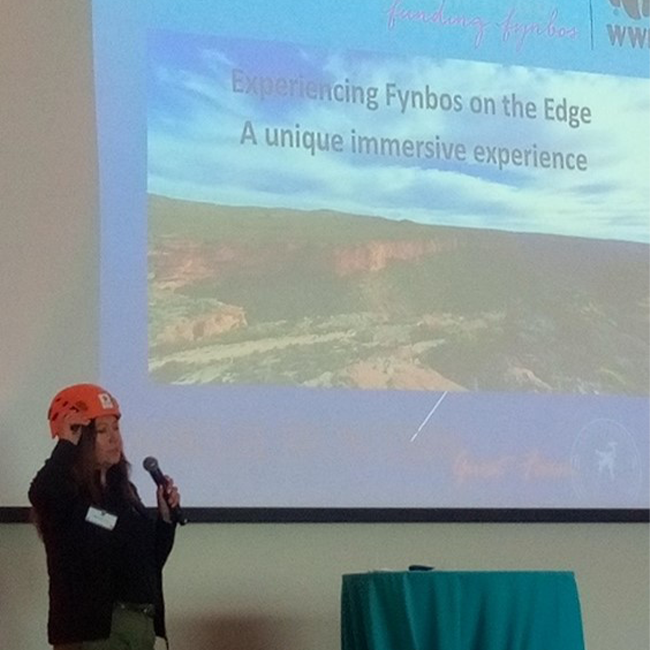
Alrie van Wyk, one of the DCP stewardship landowners, spoke about the EWT’s Via Ferrata initiative at Papkuilsfontein Guest Farm in a talk entitled “Experiencing Fynbos on the Edge”. The Via Ferrata roughly translates to iron trail – in reference to an iron cable installed along the cliffs of the Oorlogskloof Gorge at the farm. Situated on the Bokkeveld Plateau, near Nieuwoudtville, the farm contains unique Fynbos and Succulent biomes, which are both biodiversity hotspots, as well as the Nama Karoo Biome. The convergence of the various biomes results in exceptionally high biodiversity. Nieuwoudtville is known as the bulb capital of the world and is thus a popular tourist destination during the flower season. But, this season is short and, in some years, less financially beneficial due to poor flower displays. To make tourism an inclusive and sustainable future economic contributor in support of sustainable land management, partners are working together to reimagine this approach. As such the EWT-DCP team introduced the van Wyks to adventure tourism as a means to provide a much-needed opportunity to develop a sustainable income stream based on an immersive and uniquely tailored experience. This includes a Via Ferrata – a safe, guided rock-climbing experience within the Papkuilsfontein protected environment that showcases the unique Fynbos biodiversity found on the edges of the Oorlogskloof Gorge. Alrie’s presentation highlighted how this project became a pathway to community upliftment, contributed to resilience of the landscape, and allowed for financial returns to flow back into the conservation of the biodiversity on the farm. Her talk won the prize for the Best Presentation. We are extremely proud of her!

Overall, the Fynbos Forum presented a great opportunity for our team to connect with one another, and to network with the broader Western Cape conservation community. We walked away with renewed enthusiasm to contribute to future research and conservation management actions required to ensure the conservation and sustainability of Fynbos ecosystems.

The EWT projects and attendance of the event were made possible by Table Mountain Fund and Mohamed bin Zayed Species Conservation Fund.