
Help protect Africa's 

A Roaring Success: Fourth Annual Copperleaf Golf Day Raises R350,000 for Conservation

A Roaring Success: Fourth Annual Copperleaf Golf Day Raises R350,000 for Conservation

Tales from the field:

A Roaring Success: Fourth Annual Copperleaf Golf Day Raises R380,000 for Conservation
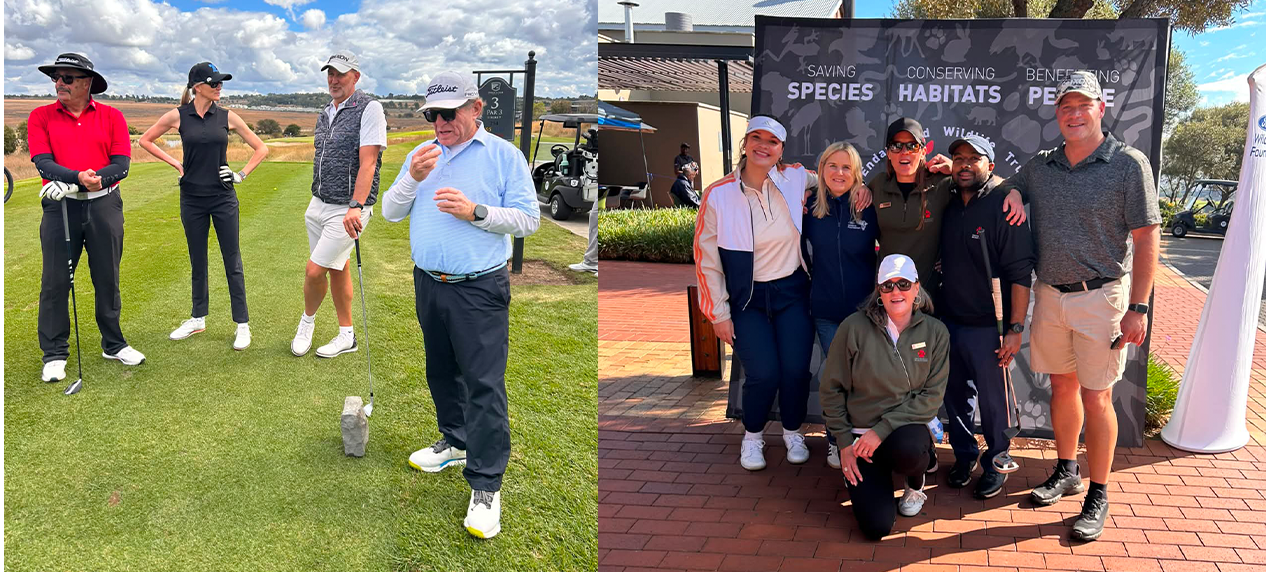
 

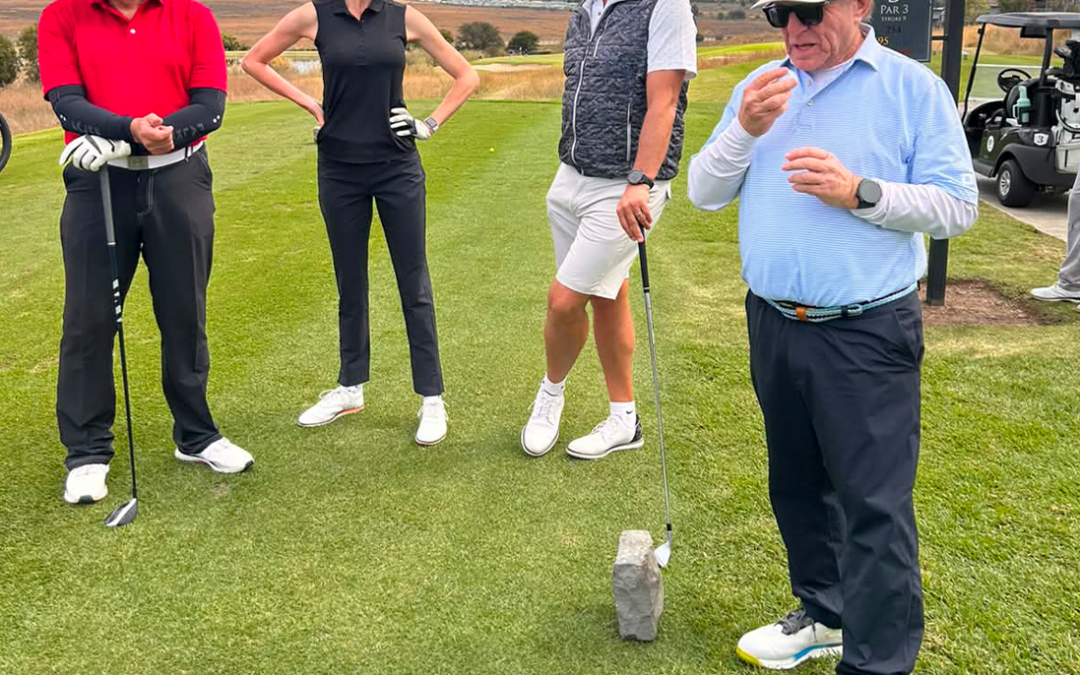
Copperleaf Golf Day conservation fundraiser golfers on course

Our 4th Annual Copperleaf Golf Day, proudly sponsored by the Ford Wildlife Foundation and supported by the Hatfield Motor Group, was nothing short of a roaring success.

On a crisp Highveld morning in May, 120 enthusiastic golfers gathered, ready to register, connect, and support conservation while enjoying a game we all love. Events like these remind us of the phenomenal power of golf, a sport that brings people together across all skill levels, fostering camaraderie without judgement, while encouraging movement and time spent in the beauty of the outdoors.

Copperleaf, an immaculate Ernie Els-designed course, provided the perfect backdrop for the day. With sweeping views of the Magaliesberg mountain range, striking aloe gardens, wide-open fairways, and pristine greens, it was a truly memorable setting. Ford vehicles, proudly displayed throughout the course, added to the sense of occasion, creating a spectacular experience for both players and sponsors.

The day culminated in a lively prize-giving ceremony, celebrating both competition and generosity. Thanks to the incredible support of our sponsors and players, we raised over R380,000.00 for vital conservation efforts.

None of this would be possible without our sponsors, and we encourage everyone to support these champions of conservation. A special thank you goes to Marataba, Madikwe Hills, aha hotels and lodges (Pilansberg), Mongena Private Game Reserve and Ritsako (Dinokeng Game Reserve)  who generously donated prizes with a combined value of R200,000.00. Beyond their contributions to the day, these partners play an integral role in conservation initiatives we are proud to be involved in. The EWT Carnivore Conservation Unit helps these properties with the management of the cheetah populations on Marataba, Dinokeng Game Reserve and Pilansberg, as well as both wild dog and cheetah metapopulations on Madikwe Private Game Reserve.

The Hatfield Motor Group once again went above and beyond – hosting fourballs, sponsoring five holes, and donating countless prizes. We are also grateful to Rhino Sandton, who contributed generously, including a R10,000.00 hole-in-one prize. While no one claimed it on the day, Rhino Sandton donated the prize value to conservation – a gesture that truly embodies the spirit of the event.

We were delighted to have golf influencer Alex Beazley join us on the course, adding to the energy and excitement of the day. A special highlight was the generous contribution from Akker van der Merwe of the Bulls, who donated a signed rugby jersey and tickets to the quarter-final — much to the delight of attendees.

The excitement of the day was enhanced by the ongoing interviews, commentary and legendary music provided by Rogues on Radio. This was generously sponsored by Ford Fourways. Rogues on Radio joined our prize giving adding some vibey tunes.

We would also like to extend our sincere appreciation to all our sponsors: Ford Wildlife Foundation | Hatfield Motor Group | Go2Africa |CMH Ford Gezina | Marataba | Madikwe Hills | aha | Mongena | Ritsako | Millstream | Mabula | Indaba Hotel | Rhino Sandton | Dream Resorts and Hotels | Go Vacation and Sense of Africa | Tourvest | Equate Advisory Group

A heartfelt thank you goes to our loyal supporters who continue to stand by us year after year:
Anchor Enginuity, RSAdvisors, Sere-med, Indwe Risk Services, N3TC, Levego, 342 Logistics, Equate Group, Intocast. Your ongoing commitment makes these events possible.

The success of this year’ s golf day is a powerful reminder of what can be achieved when people come together with a shared purpose. We are deeply grateful for the support shown and look forward to continuing this momentum as we work to protect and conserve our wildlife for generations to come.
Wattled Crane downlisted regionally

Wattled Crane downlisted regionally


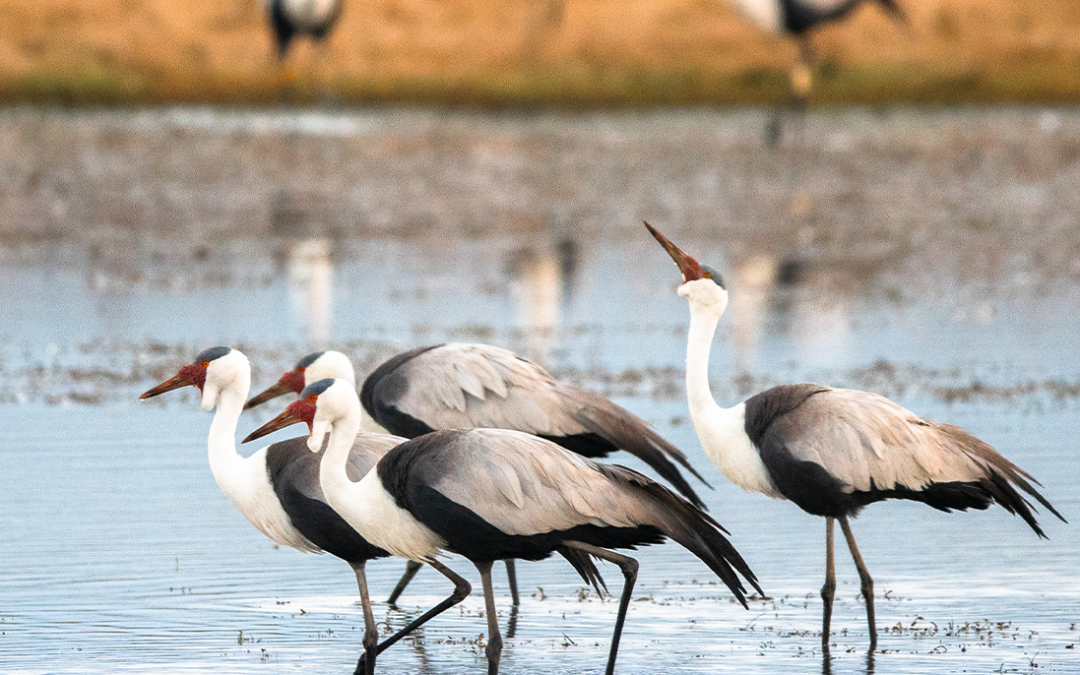
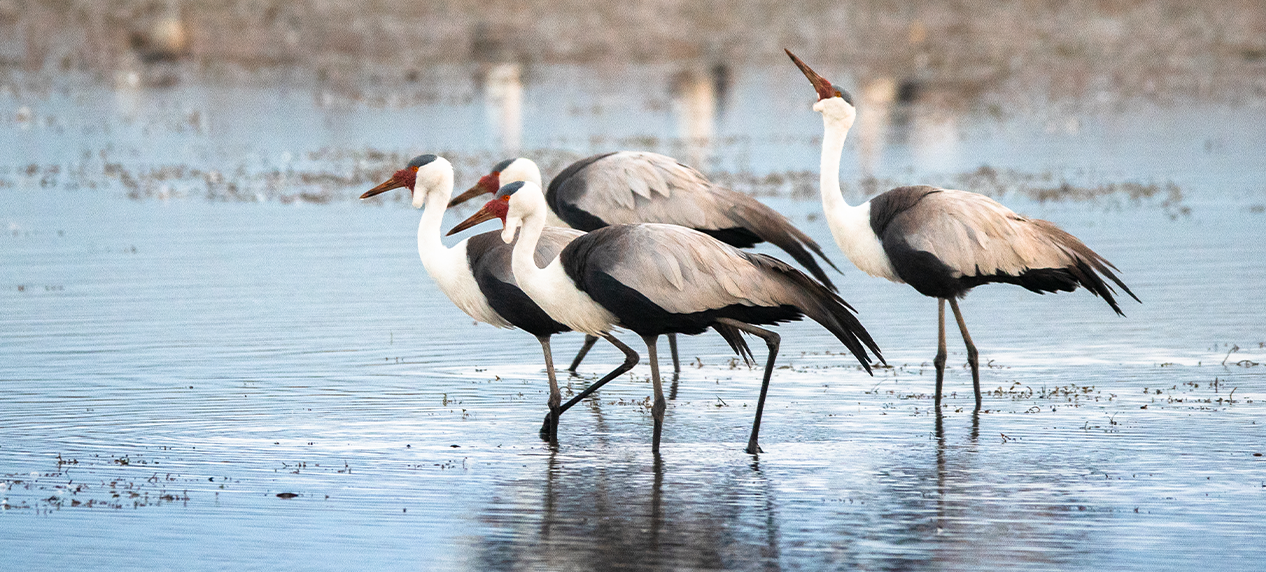
Wattled Crane downlisted regionally from Critically Endangered to Endangered

Wattled Crane downlisted regionally


Concerted and targeted conservation efforts by the Endangered Wildlife Trust/International Crane Foundation partnership, Ezemvelo KwaZulu-Natal Wildlife (EKZNW), other NGOs and farmers and landowners across the Drakensberg, have delivered another success—the downlisting of the Wattled Crane from Critically Endangered to Endangered.  

 The regional downlisting is a remarkable conservation success and will be published in the latest edition of the IUCN Red List of Threatened Species at the end of May 2025.  Wattled Cranes (Bugeranus carunculatus) were listed as regionally Critically Endangered in 2015 with only 267 individuals recorded in the KwaZulu-Natal aerial survey of that year. This aerial survey has been conducted for 32  years in partnership with Eskom and EKZNW as  KwaZulu-Natal is the stronghold for the species in South Africa.  

 A regional downlisting means that in South Africa, the Wattled Crane is no longer declining, but the population remains small and vulnerable to threats with an estimate population of only 304 being counted in 2024. Despite this positive trend in KwaZulu-Natal, the global population (including, but not limited to South Africa) remains on the decline and urgent conservation attention is required to safeguard populations outside of KwaZulu-Natal.  

 The latest downlisting follows the reclassification of Cape Vulture from Endangered to Vulnerable in 2021, also due to the success of targeted conservation efforts by a large number of organisations, including the Endangered Wildlife Trust and partners. 

 The EWT began research and conservation action to Africa’ s crane species in 1994. Efforts to-date have included monitoring, research to better understand their movement and ecological needs, power line investigations and mitigation in partnership with Eskom, supporting farmers and landowners to protect their breeding sites,  conservation of key areas through the promotion of sustainable management practices, extensive education with landowners and rural communities, as well as understanding the crane trade and inclusion of key crane areas into the Biodiversity Stewardship Programme.  

 More recently, with improved technologies such as transmitters that can be placed on the Wattled Cranes, we are deepening our understanding of the nonbreeding species that do not hold territories, to understand their movement patterns and how they use the landscape differently to breeding birds. In addition, we are using drone mapping to enhancing our grasp of the hydrogeomorphology characterisations of wetlands used by Wattled Cranes. This information will be vital to the rehabilitation of wetlands to expand the habitat utilised by these unique birds, which will enable the species to expand outside its current range.  

 Our work in Mpumalanga will also reveal critical information on the potential connectivity between populations in the different provinces.  Work will continue with farmers to maintain the conservation of the species in its core range and thus protect the landscape through Biodiversity Stewardship Schemes.  This will be supported by long-term funding through carbon trading in the grasslands where they live. 

 The EWT would like to thank its funders and donors, especially the Dohmen Family Fund, Rand Merchant Bank and Eskom that have been significant contributors over the last 30 years.  

  “The downlisting reflects the effort that has been placed on the species over the last 30 years, and highlights the importance of collaborating when protecting a species, and their grasslands and wetlands habitats that we all depend on, said Dr Damian Walters, the South African Regional Manager for the African Crane Conservation Programme.