Help protect Africa's 

Local Hiking Club Opens Pathways for Ecotourism at Medike Nature Reserve

Local Hiking Club Opens Pathways for Ecotourism at Medike Nature Reserve

Local Hiking Club Opens Pathways for Ecotourism at Medike Nature Reserve

By Joseph Razwinani, Medike Nature Reserve


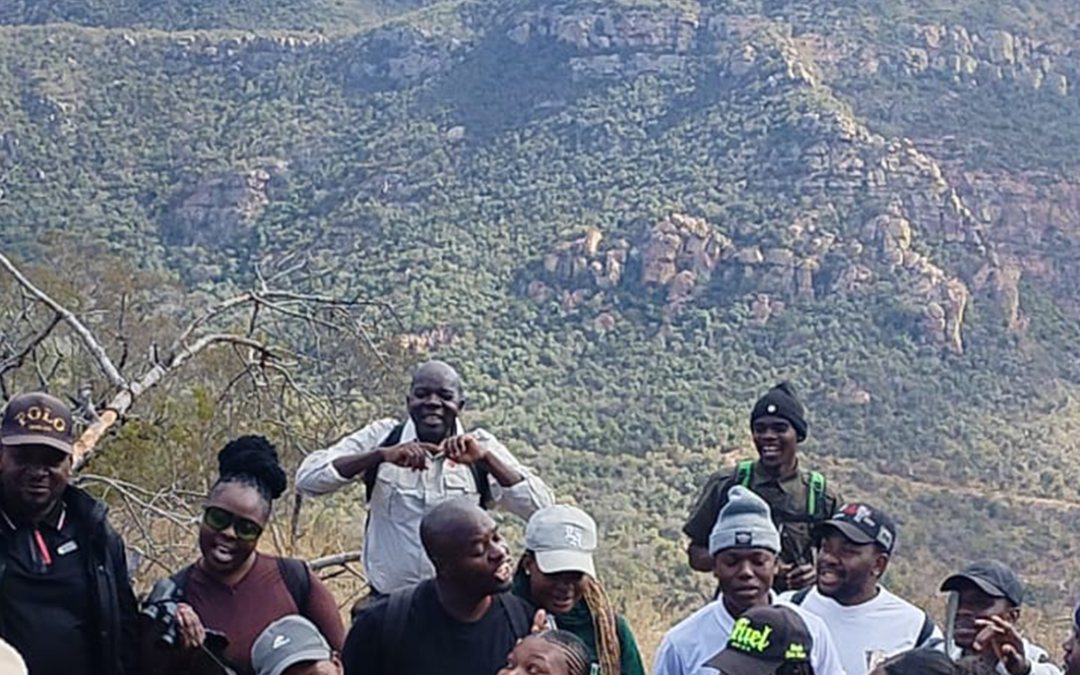
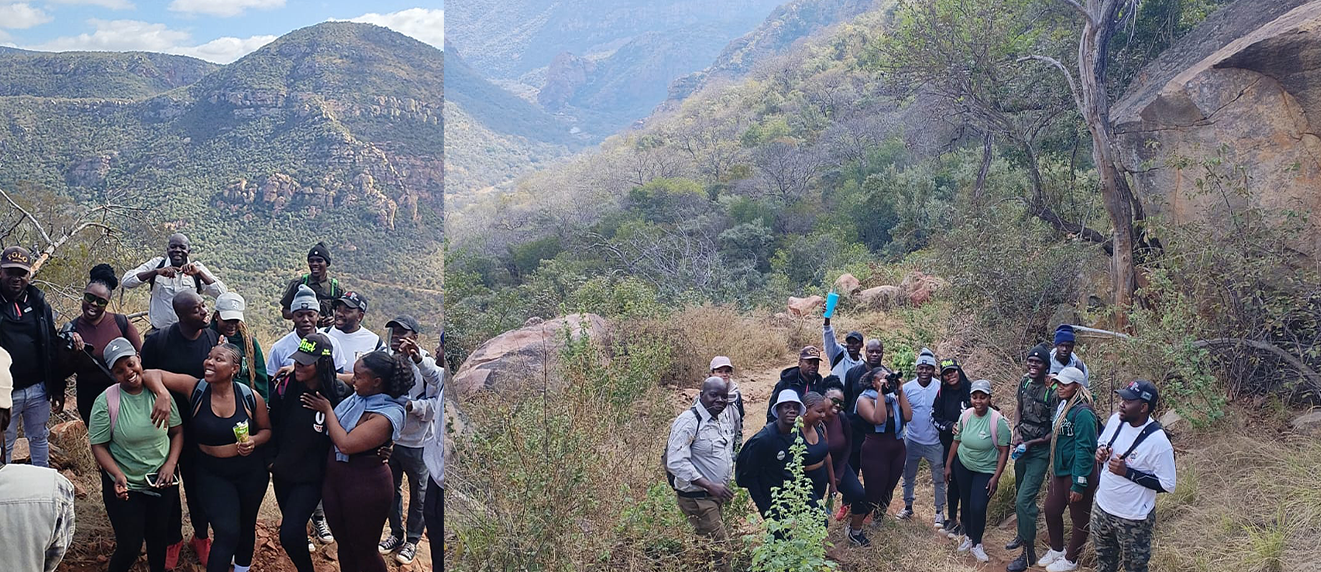
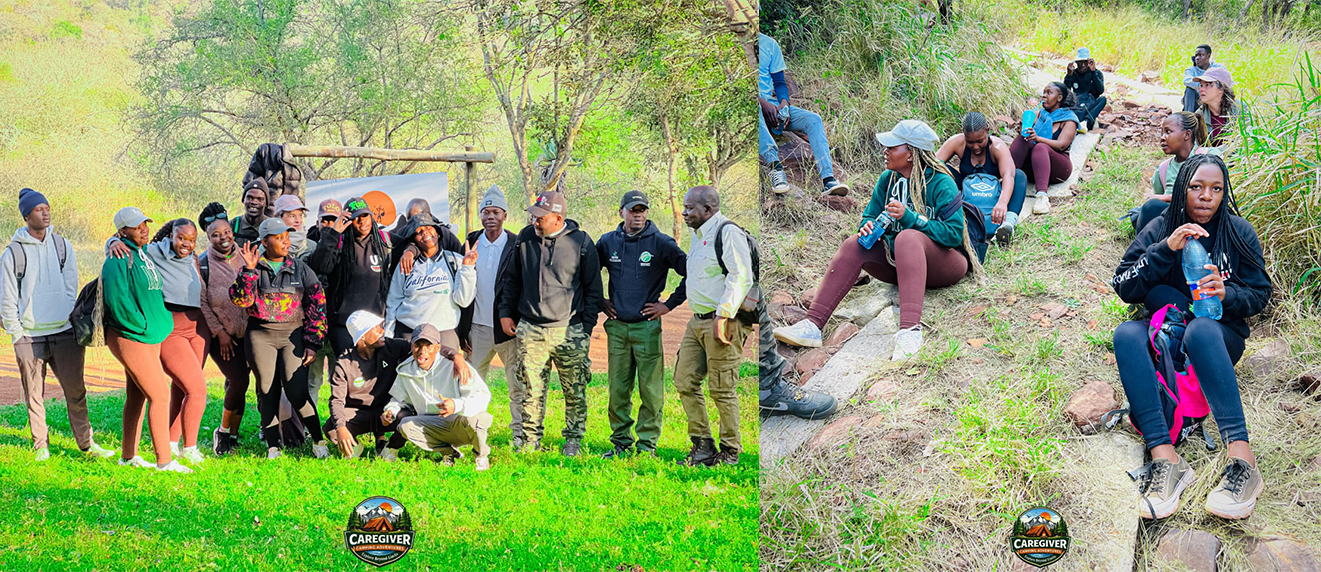
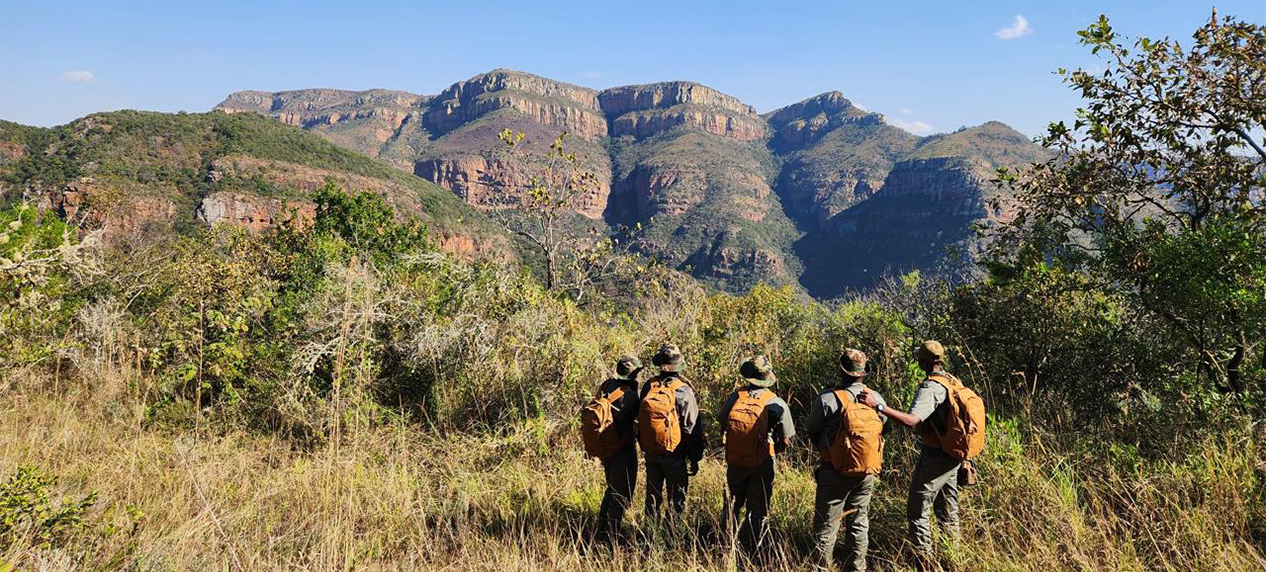
Caregiver Hiking Club exploring trails at Medike Nature Reserve in the Soutpansberg

A newly-formed adventure hiking club, Caregiver Hiking Club, is giving young people from communities around the EWT’s Medike Nature Reserve a reason to see the Soutpansberg mountain differently – not as a boundary, but as an opportunity.

The hiking club was formed after a group of local Cricket South Africa beneficiaries visited Medike for an environmental capacity building programme earlier this year.

Twenty-three young people gathered at Medike for a guided hike to the waterfall and the reserve’s ancient San rock paintings, followed by a picnic lunch at Marula Camp.

Interpretive guides, together with four novice local guides, lead two groups of young people on the hiking trails sharing the area’s cultural heritage and perspectives on conservation, with the aim of inspiring visitors about the importance of the Soutpansberg’s catchment area, not only to the mountain, but to every household downstream that depends on its water.

For many, it was their first visit to a nature reserve of any kind, and it showed. What they experienced on the mountain stayed with them.

One guided hike was never going to be the end of the story. Within weeks of the adventure hiking club’s first outing at Medike, members had formed their own WhatsApp group, and the pace of what followed has surprised even us. The group did not wait for the EWT to organise the next trip. Members began sharing routes, photos, and stories about their own adventures, and using the group to advertise upcoming hikes to friends and neighbours who had not yet come along. That peer-to-peer momentum has done more to grow interest in a few weeks than a formal marketing campaign.

The next step is more ambitious. We are working with the club toward developing a multi-day trail experience, where hikers will carry their own pack for up to three days as they move deeper into the mountain before reaching the next rest point. The club has already purchased three tents for camping during the three-day backpacking hike at Medike nature reserve. Our ambition reaches well beyond the trail itself. Rather than treating tourism as something only the EWT can run, we want local eco-tourism entrepreneurs to grow across the whole value chain – from tour operators and cultural tours to craft shops, local adventure guides and other heritage-based small businesses.

This initiative helps to alleviate poverty and reduce human-wildlife conflict. Together, this partnership strengthens conservation, creates employment, and ensures that future generations will value and protect their natural and cultural heritage.

What began as a single hike has become a repeatable, bookable, income generating experience. Guided walking is becoming something closer to a movement; one where young people from the surrounding villages see themselves not as visitors to the Soutpansberg, but as its owners and custodians.

Local guides leading an ecotourism hiking experience in the Soutpansberg mountains

Lioness Leadership Camp: Finding Strength in Nature and in Ourselves

Lioness Leadership Camp: Finding Strength in Nature and in Ourselves

Lioness Leadership Camp: Finding Strength in Nature and in Ourselves

Lesego Mthethwa, field officer in the Carnivore Conservation Unit


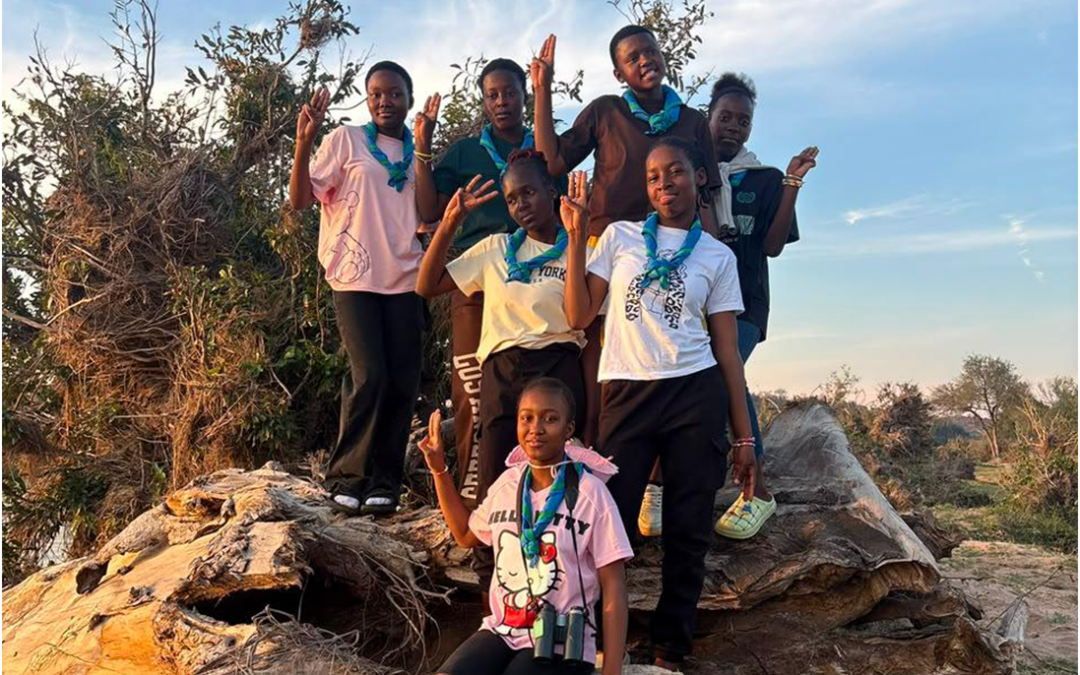
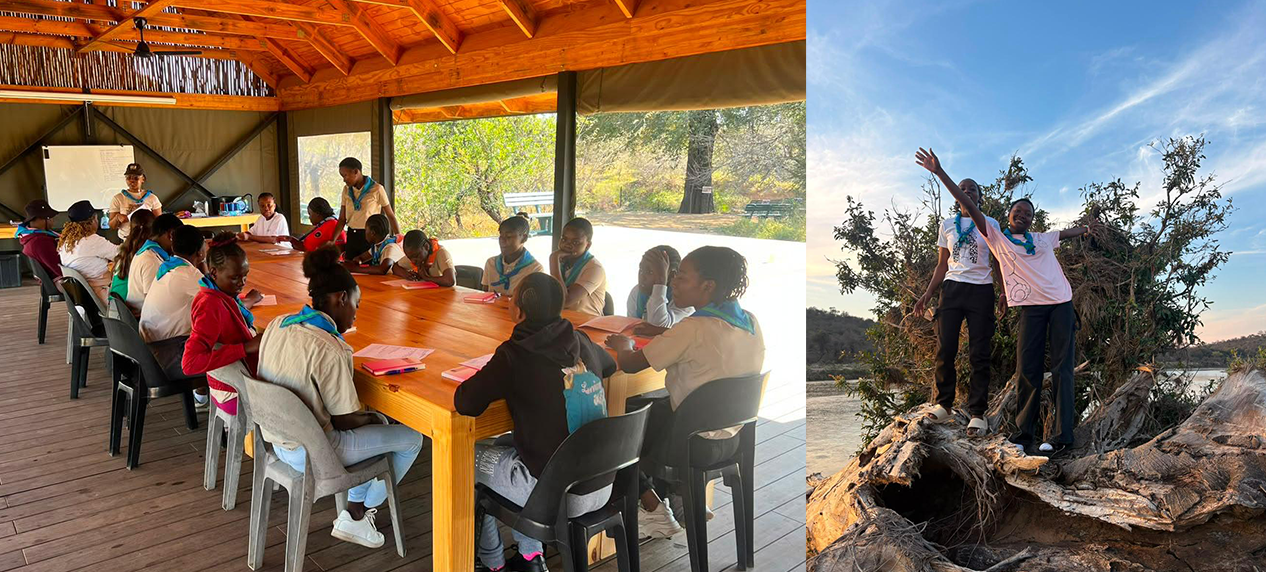
Young women participating in the Lioness Leadership Camp near Kruger National Park

In August, a month in which we celebrate women in South Africa and mark World Lion Day,  I had the privilege of hosting the first-ever Lioness Leadership Camp for girls living in communities along the western boundary of the Kruger National Park.

These girls empowerment camps are part of the Carnivore Culture programme – a collaboration between the Endangered Wildlife Trust (EWT), Conservation South Africa (CSA) and Scouts South Africa.  The aim is to empower young women living in communities neighbouring protected areas so they can become changemakers within their communities.

All participants in the camps hosted during August haled from the communities of Utah, Dixie, Thorndale, Seville “B” and Hluvukani which border the Manyeleti Game Reserve, Sabi Sands Nature Reserve and the Kruger National Park, all which fall within the Greater Limpopo Transfrontier Conservation Area. These communities are incredibly close to some of Africa’s most important wildlife areas, yet proximity to conservation does not always mean proximity to opportunity.

Many young people, particularly girls, have limited access to leadership development, mentorship, career exposure and personal growth opportunities. Social and economic barriers can also affect their confidence, aspirations and ability to see themselves in spaces such as conservation.

The Lioness Leadership Camp was created to help change that. Developed in partnership with Conservation South Africa and Koru Camp, the camps aimed to empower young women through leadership development, mentorship, personal growth and conservation awareness — while creating a safe space where they could learn, express themselves, build confidence and begin imagining the women they want to become.

But for me, this camp was also deeply personal. It was a full circle moment.

A Full-Circle Moment

My mom is from Acornhoek, and I spent much of my childhood at my grandmother’s house in the area. Some of my earliest memories are connected to this community and to the natural world around it. I always imagined that one day I would be able to give back to the same community that played such an important role in shaping my love for nature and conservation. I just never thought it would happen so soon. At 25, standing in front of young girls from a community that was part of own childhood, and having the opportunity to create a space where they could learn, dream and grow, felt extremely special. In many ways, I was looking at younger versions of myself.

Starting With a Dream

The camp began with a simple question:

What is your dream for this camp?

Each girl introduced herself, shared her deepest fear and told us what she hoped to take away from the experience. It was the beginning of watching a group of girls who arrived as strangers slowly become a community.

On the first afternoon, we headed out on our first game drive before gathering at a viewpoint for our opening ceremony. The girls received journals, chose their own power animals and created a camp flag. It was a small but meaningful beginning. Each girl had the opportunity to identify something that represented her own strength while also becoming part of a team.

In the evening, we gathered around the campfire for the Carnivore Charades Game – a  fun way of introducing the girls to carnivores and later, our journalling and gratitude circle moved the conversation from wildlife to something much closer to home: being able to speak honestly about their lives, listen to one another and realise that they were not alone in the challenges they faced.

Learning From Nature

The second day started before sunrise. We began with yoga and morning affirmations before heading out on a game drive and taking part in a nature sit spot, encouraging the girls to slow down and simply observe the world around them.

For me, this captured something important about conservation. Our work is often about monitoring, data, research and protecting species, but our connection to nature starts with something much simpler: being present enough to notice it.

We explored carnivore conservation through an interactive session and a carnivore relay race. The girls learned about the carnivores that share these landscapes and the fascinating behaviours that make each species unique.

We then created strength bracelets, with each girl choosing qualities she felt she needed to follow her dreams. These included confidence, courage, resilience and focus. The bracelets are small reminders that the qualities needed to achieve our dreams are often qualities we already carry within ourselves.

Learning About Ourselves

The camp was intentionally about more than conservation. It was also a space for conversations around menstruation, reproductive health, contraception and relationships; conversations that young women deserve to have in safe, supportive environments.

Through interactive activities, demonstrations and a pregnancy and sex myth-busting game, the girls were encouraged to ask questions and learn more about their bodies and well-being. Empowerment is not simply telling young women to “be strong”. It is giving them knowledge, creating safe spaces for them to ask questions and helping them develop the confidence to make informed decisions about their own lives.

Lessons From the Lioness

Throughout the camp, I kept coming back to the lessons we can learn from female carnivores. The lioness became the heart of the camp. Lionesses are courageous, protective and deeply connected to their pride. They care for one another and play an essential role in the survival of their families and communities.

The Cheetah reminds us of independence, speed and focus. The leopard teaches us resilience, adaptability and the ability to navigate challenging environments, and the hyaena challenges many of the assumptions we have about leadership. In hyaena societies, females hold significant social power and occupy important leadership roles. Nature constantly reminds us that strength and leadership do not have one particular shape.

As a young Black woman working in a traditionally male-dominated industry, I know that finding your place and believing in yourself can be difficult. I was fortunate to grow up with a mother who supported me despite the negative things people sometimes said about my ambitions. That support made a difference in my life, and it is the kind of support I believe we should be giving one another.

I believe that like lionesses, we should protect each other, love each other and take care of each other.

This mantra felt particularly important during Women’s Month and within the broader context of gender-based violence affecting women and girls in South Africa. Creating spaces where young women can recognise their value, understand their boundaries and support one another is incredibly important.

A Promise to Their Future Selves

On the final morning, the girls were asked to write a letter to their future selves.

The question was simple:  Where would you like to be in 10 years?

After three days of conversations, wildlife encounters, laughter, learning and moments of vulnerability, they had the opportunity to imagine the women they wanted to become. During the pledge and departure ceremony, each girl made a promise to herself, and that, for me, was the heart of the entire experience. The girls arrived with fears, dreams and questions. They left having spent three days discovering that they are capable of more than they may have realised.

Lioness Leadership Camp empowering girls through conservation, mentorship and leadership development

Creating Space for the Next Generation

The Lioness Leadership Camp reminded me that conservation is about so much more than protecting wildlife, it is also about people and the communities who live alongside these landscapes. If we want young people to see conservation as something they can be part of, we have to create opportunities for them to experience it, understand it and see themselves within it, but the camp was never about telling these girls that they all have to become conservationists. It was about showing them that they have choices, conservation needs scientists, field officers and ecologists, but it also needs educators, lawyers, accountants, communicators, marketers, photographers, entrepreneurs and community leaders. Sometimes all a young person needs is someone to tell them: “There is a place for you here.”

I hope the Lioness Leadership Camp gave these girls that feeling.

I am incredibly grateful to Koru Camp for their support, and belief, in this project.

To return to a community that shaped my childhood and give back through something I love so deeply is a privilege I will never take for granted, and perhaps the greatest lesson of all is that sometimes, when we create space for young girls to dream, we don’t just empower the next generation of women. We help them realise that they were powerful all along.

From Participation to Ownership: KwaMkhize Community Leads the Way in community conservation

From Participation to Ownership: KwaMkhize Community Leads the Way in community conservation

From Participation to Ownership: KwaMkhize Community Leads the Way in community conservation

Samson Phakhati, senior field officer in the African Crane Conservation Programme


KwaMkhize community leading conservation efforts to protect water sources and crane habitat

The last week of August marked a significant milestone for the KwaMkhize community and the partnership between the Endangered Wildlife Trust (EWT) and the International Crane Foundation (ICF) with the launch of the KwaMkhize community’s second community-led spring project.

For seven years, this partnership has focused on strengthening community resilience and self-reliance through an ecosystem goods and services approach. Together with community members, the organisations have explored priorities ranging from rangeland management and land-use planning to spring protection, financial literacy and food security.

The work is taking place in an area of exceptional importance for cranes. KwaMkhize is a recognised crane hotspot where flocks of more than 100 Wattled Cranes can be seen, alongside Grey and Blue Cranes. In such a landscape, the relationship between healthy ecosystems, sustainable land use and resilient communities is especially important.

Yet achieving meaningful conservation outcomes requires more than identifying areas of ecological importance. It requires an approach that recognises the knowledge, priorities and aspirations of the people who live on and care for the land. Building through facilitation, not prescription

Land-use discussions can be particularly sensitive in areas governed by traditional leadership. Recognising this, the EWT/ICF partnership deliberately adopted an approach centred on facilitation rather than prescription.

Rather than arriving with predetermined solutions, the partnership supported the community in identifying its own priorities and exploring practical ways to address them. Spring protection emerged as an important catalyst.

What began as a focus on protecting vital water sources created opportunities for broader conversations about land-use planning, stewardship, natural-resource management and the community’s long-term priorities.

This approach has helped create space for community members to take an increasingly active role in shaping conservation and development decisions.

Today, the results of this long-term engagement are becoming increasingly visible. The KwaMkhize community has set aside more than 1,000 hectares of natural grassland for ivestock grazing and conservation—an important step towards protecting valuable habitat while supporting sustainable livelihoods.

But perhaps an even more powerful demonstration of progress came pm 23 August with the launch of the community’s second community-led spring protection project.

This time, the community did not simply participate in a project initiated by external partners. It independently mobilised and raised R50,000 towards materials, preparatory work and labour. That achievement represents much more than a financial contribution. It demonstrates growing confidence, collective action and ownership. It shows that the community is increasingly able to identify its own needs, mobilise its own resources and draw on its own knowledge and capacity to turn priorities into action.

A model for self-reliance

The spring protection project is therefore about far more than protecting a source of water. It represents what can happen when communities are supported to lead rather than simply participate. It demonstrates that conservation can become a vehicle for strengthening citizenship, resilience and self-reliance when communities are given the space and support to determine their own priorities. For the EWT and ICF, the journey with KwaMkhize reinforces an important lesson: lasting conservation outcomes are strongest when they are rooted in local ownership.

The goal is not simply to deliver projects in communities. It is to build the relationships, knowledge and confidence that enable communities to lead their own conservation journeys long after an individual project has ended. KwaMkhize is showing what that transition can look like—from participation to ownership, from external support to local mobilisation, and from consultation to collective action.

Community-led spring protection supporting water security and conservation in KwaMkhize

Crafting their own destiny

The progress made over the past seven years is a powerful reminder that resilience cannot simply be delivered from the outside. It is built through relationships, shared knowledge, practical action and the confidence to take ownership of the decisions that shape a community’s future. The KwaMkhize community is increasingly demonstrating that capacity. As the community continues to protect its natural resources, manage its land and invest its own resources in local priorities, it is helping to build a future in which conservation and community wellbeing reinforce one another.

This is what community-led conservation can achieve: not communities participating in someone else’s vision, but communities crafting their own destiny. The EWT and ICF are immensely encouraged by this journey and proud to walk alongside the KwaMkhize community as it continues to lead the way.

** The EWT would like to thank the N3TC and Paul King Foundation for their support.

The EWT Embraces Mandela Day 2026

The EWT Embraces Mandela Day 2026

In the Field:

The EWT Embraces Mandela Day 2026


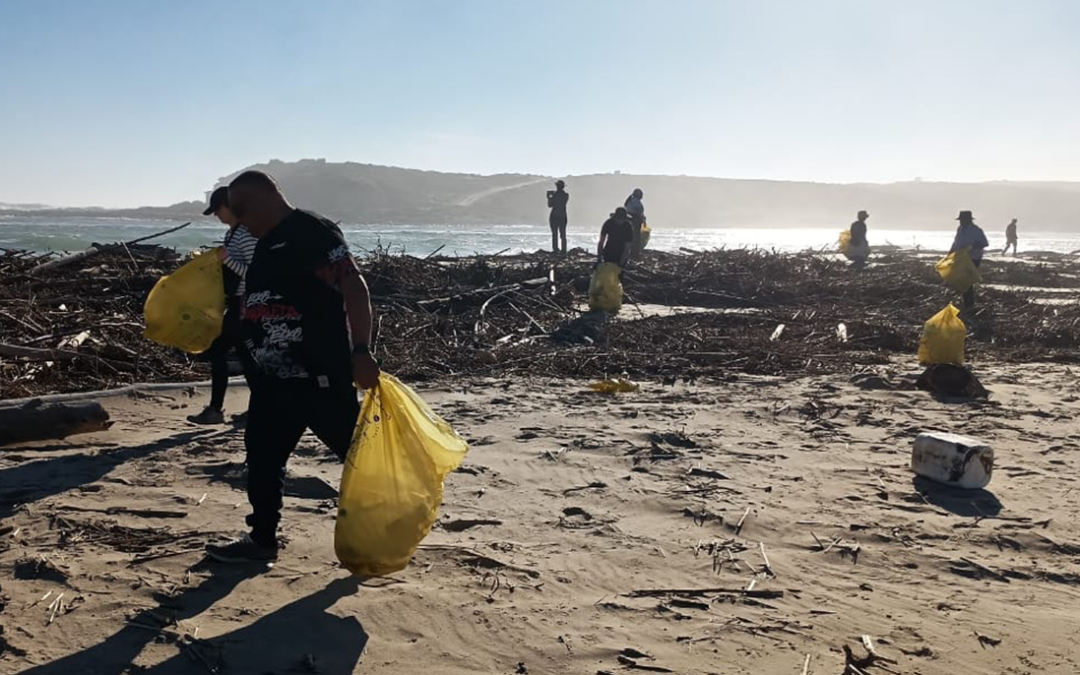
Volunteers collecting rubbish along the Olifants River estuary in Papendorp.

To honour the memory of Nelson Mandela, members of the Endangered Wildlife Trust pack across South Africa took part in local events, joining hands with stakeholders and communities to make a positive impact on the lives of others.

Mandela Day is a call to action for all to reflect on Mandela’ s values and principles, and to take meaningful steps to make a positive impact in their own communities.  It is a day in which all are called to dedicate 67 minutes of service to their communities.  

In the Western Cape, members of the Drylands Strategic Conservation Landscape team joined NGO’ s and partners to collect rubbish that had washed down the Olifants River, into the estuary and river mouth in the community of Papendorp (Western Cape). During the recent floods, the estuary received tons of rubbish which the community is slowly trying to remove. This activity marked the end of a 2-day forum aimed at all partners and initiatives operational in the Arid Landscape to promote better understanding of work done and ensuring long-term collaboration in the space. A total of 15 Partners participated in the Forum, and allowed some welcome field time!

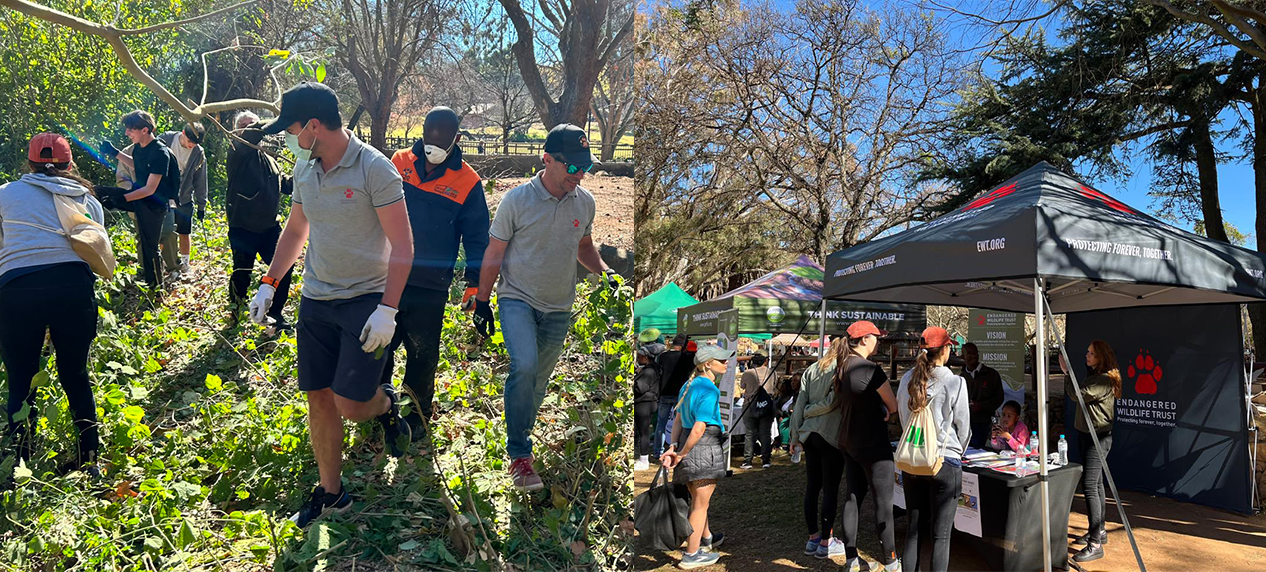
Mandela Day volunteers restoring habitat at Johannesburg Zoo.

In Johannesburg, a team from the EWT’ s Conservation Campus in Midrand joined Johannesburg City Parks and Zoo to roll up their sleeves to remove variety of invasive alien species at the Zoo. Oscar Mohale, the head of the EWT’ s Wildlife and Infrastructure Unit, provided those present with information about invasive alien species in South Africa and how these can, and should, be removed. The EWT team joined students from the Sefako Makgatho University and the Vaal University of Technology, as well as children from a number of schools in Gauteng.  The presence of the youth added to the energy of a 67-minute initiative to work together to protect biodiversity and create a healthy habitat for the animals and indigenous plants at the Zoo.   Among the alien species removed we Bugweed, Lantana, Woolly nightshade. Alianthus altissima (tree-of-heaven), Araujia sericifera (cruel vines), and Cat’ s Claw.

Securing the Future of Medicinal Plants Through Community Action

Securing the Future of Medicinal Plants Through Community Action

Securing the Future of Medicinal Plants Through Community Action

By Jenny Botha, Phomelelo Malatji, and Lufuno Konanani


For millions of South Africans, traditional medicine is not an alternative form of healthcare — it is a trusted source of healing and wellness, and is often practiced alongside conventional medicine. Nearly 60% of South Africa’ s population depend on traditional healing practices, many of which depend on medicinal plants that have been used for generations.

Historically, these plants were harvested within systems of customary law that protected both the species and the knowledge associated with them. Seasonal restrictions, spiritual protocols, and community oversight helped ensure that harvesting remained sustainable. Trees such as the Baobab, Marula, and Leadwood, were regarded as sacred and could only be cut after permission was granted and cultural rituals performed. In many areas, sacred groves were protected so strictly that only designated spiritual leaders could enter them.

Today, medicinal plants face unprecedented pressure due to high demand, limited access to land and natural resources, the loss of natural vegetation, and constrained enforcement capacity. Many traditional harvesting areas have effectively become open-access sites, increasing the risk of overharvesting and resource depletion. At the same time, areas that support wild medicinal plant populations continue to be transformed by urban expansion, agriculture, mining, and other development activities. These challenges are compounded by historical socio-political and economic inequalities that led to loss of access to land and natural resources, placing growing pressure on the remaining wild medicinal plant resources and the communities that depend on them.

The consequences are becoming increasingly apparent. Approximately 178 South African medicinal plant species are listed on the IUCN Red List of Threatened species. The potential loss of these species not only threatens biodiversity; it also undermines a vital health care system, livelihoods, and our biocultural heritage. Conservationists increasingly recognise that medicinal plant conservation cannot succeed through law enforcement alone. Traditional Health Practitioners (THPs), traders, harvesters, local leaders, and communities are essential partners in safeguarding these species.

Lasting impact also requires coordinated action that protects wild plant populations while sustaining access to these healthcare resources. Since the late 1980s, various conservation organisations have implemented cultivation initiatives to support THPs access sustainable sources of medicinal plants, in certain instances with the support of private sector partners.

To contribute to these efforts, the Endangered Wildlife Trust (EWT) is collaborating with the South African Biodiversity Institute (SANBI) and the University of Venda as well as THPs, communities, and other stakeholders to develop practical, long-term solutions that support both sustainable use and the conservation of medicinal plants.

Our approach incorporates four main pillars:

  • Creating reliable, legal sources of medicinal plants through the scaling of cultivation and other culturally appropriate measures
  • Monitoring and improving the management of wild plant populations
  • Supporting local leaders and communities to strengthen harvesting controls and governance
  • Facilitating the sharing of knowledge of biodiversity and wildlife legislation
 
Scaling cultivation 

Following extensive engagement with THPs and other stakeholders, the EWT co-developed a medicinal plant cultivation training course with horticulturalists from SANBI. Since its launch, we have co-hosted seven workshops in Gauteng, Limpopo, and KwaZulu-Natal, often in partnership with regional conservation officials.

Participants learn site preparation, propagation techniques, soil and water management, and the basics of wildlife legislation. Each receives a starter pack containing tools and seedlings, followed by ongoing mentorship through field visits and social media support groups. Additional seedlings are provided in follow up visits. Our goal is to provide each participant with a diverse selection of species to enable them to start cultivating as many of the plants they need as possible.

Feedback has been extremely positive, with THPs and other community members sharing photos and feedback of their plants’ growth through social media, as well as any challenges that they might be experiencing.

In the words of a Gauteng participant,

“Siyafunda ukutshala ukuze izingane zethu zingasahlali zithatha yonke into ehlathini”

(“We are learning to cultivate so that our children will no longer need to take everything from the forest.”)
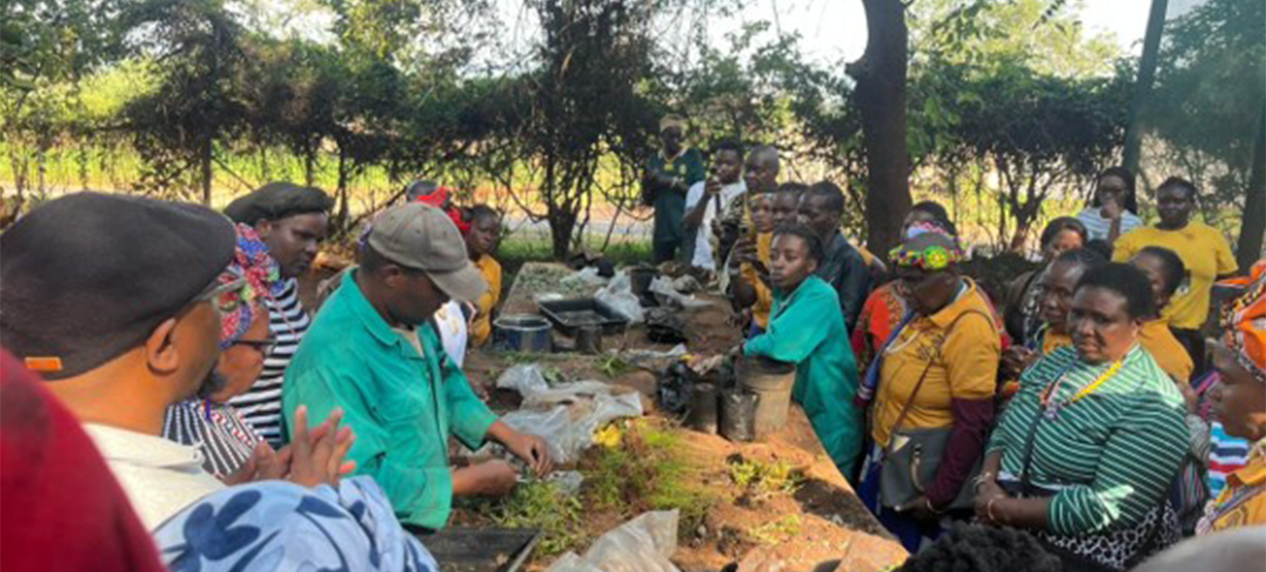
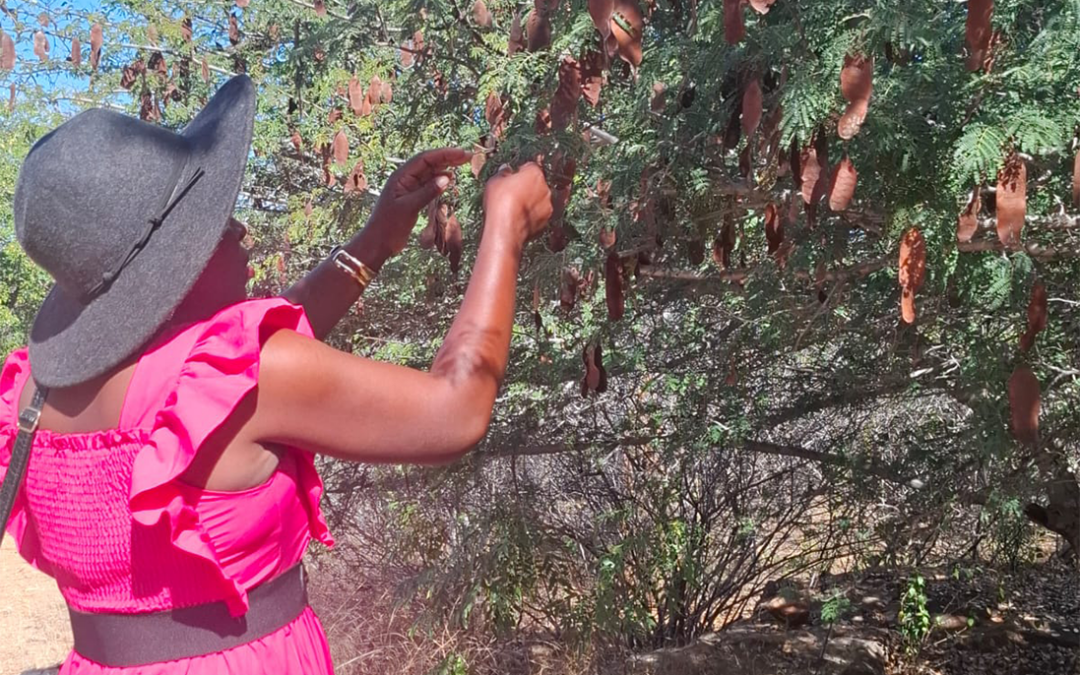
Traditional Health Practitioners learning to cultivate indigenous medicinal plants during an EWT and SANBI training workshop.

Rhofiwa Netshituni and Rhofiwa Radzilani from SANBI provide participants with guidance during a practical session in a three-day medicinal plant cultivation training course
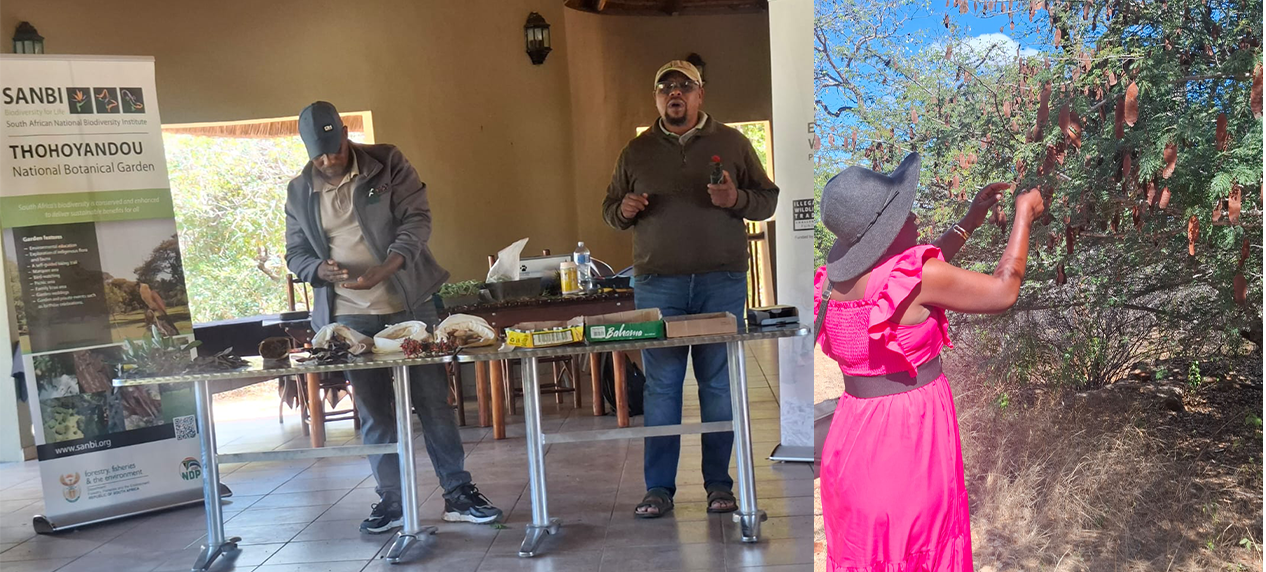
Left: Lufuno Konanani from the EWT providing theoretical training to a group in Limpopo. Right: Collecting seed during a cultivation training course.

Since many consumers rely on traditional medicine as an affordable and accessible healthcare option, cultivation efforts must not lead to major price increases. This can be challenging as conventional cultivation costs can be high. To avoid this, we encourage growers to plant through low cost, organic agroforestry approaches at their homesteads wherever possible, rather than establishing expensive nursery-based production systems. This reduces cultivation costs, aligns with cultural practices, and promotes natural integrated pest management and other approaches that reduce the need for synthetic pesticides or inorganic fertilisers.

A THP from KwaZulu-Natal summed up the approach:

“Uma sikwazi ukuzikhulisela lezi zitshalo emakhaya ethu, siyakwazi ukuvikela imvelo futhi sisize imindeni yethu ngesikhathi esifanayo.”

(“If we can grow these plants at our homes, we can protect the environment while supporting our families at the same time.”)

While cultivation contributes to the protection of species an ongoing access to plants, it will take time to grow sufficient volumes of the wide range of species that are used in traditional medicine. This means that plants will continue to be harvested in areas that they occur naturally. If species at risk are to survive into the future, we need to reduce the impacts of harvesting on natural populations and, in many areas, improve the management of their habitats.


Improving the management of naturally occurring medicinal plants

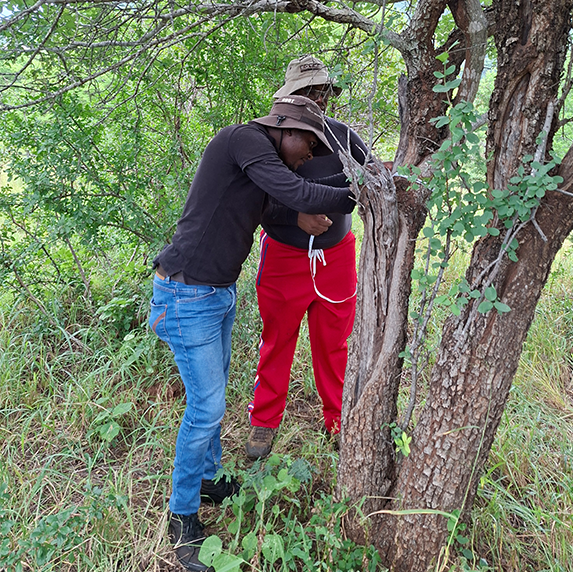
In Limpopo, the EWT is working with harvesters, two students and their supervisors from the University of Venda to assess the impacts of harvesting on medicinal plant populations growing near a village on a major transport route. The area is vulnerable to regional and cross-border trade, making this an important conservation priority.
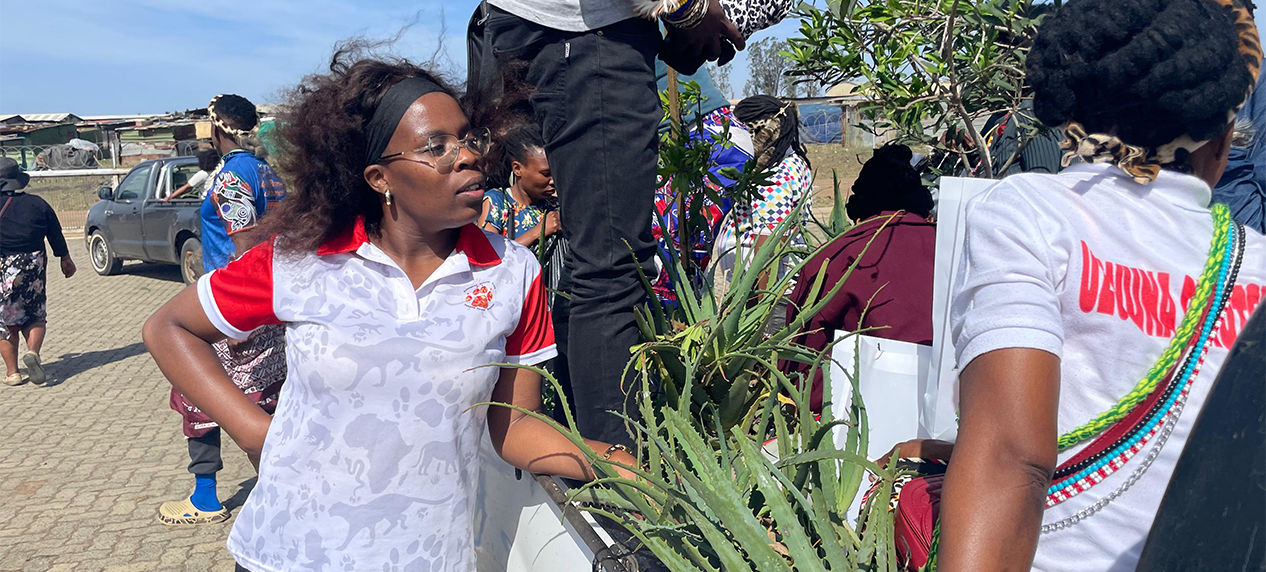
Traditional medicine and biodiversity conservation brought together through medicinal plant cultivation initiatives.

Assessing the impact of harvesting on medicinal plants growing in Limpopo


Preliminary findings offer cause for both concern and opportunity. On some sites, clear efforts have been made to harvest responsibly by cutting limited amounts of bark or root from individual trees. On a neighbouring site, however, trees have been heavily harvested leading to several mortalities.

So far, twelve medicinal plant species have been assessed, four of which are legally protected.  These are Mountain aloe, Bushveld saffron, Tamboti and Transvaal red milkwood. The Bush Saffron is listed as Near Threatened on South Africa’ s Red Data List.

Over the next two months, we will expand our assessments to harvested sites on two reserves, including a community-owned reserve in Limpopo, where local leaders have requested support in managing unsustainable harvesting occurring on their land.


Rebuilding local stewardship

Legal harvesting requires permission from the landowner and, where protected species are involved, the appropriate permits. Permit requirements may apply to the collection of plants, plant material, seeds, and other propagation material, and certain activities may be regulated to ensure sustainable use and conservation.

Although harvesters still often seek permission from local leaders before accessing natural resources, this does not always occur. Many community leaders face considerable challenges in managing harvesting pressures, not only for medicinal plants but also for fuelwood, building materials, and other natural resources. In the past, conservation and forestry officials played a more active role in supporting sustainable resource use through regular patrols, monitoring, and compliance measures. Today, state agencies are severely under-resourced, short staffed, and responsible for extensive geographic areas, reducing their capacity for support. At the same time, many THPs and other community members are simply unaware that certain species are protected or that particular harvesting practices may be unlawful.

To help bridge this gap, the EWT is facilitating discussions with local leaders, THPs, communities, police officials, and conservation authorities in several highly biodiverse areas. In March 2026, a workshop aiming to explore the impact of wildlife offences and raise awareness of legislation in Limpopo brought together community members and law enforcement officials to identify practical ways of improving compliance without eroding livelihoods.

The active involvement of local leaders and communities is essential to the success of this approach. Equally important is building a shared understanding of the threats facing medicinal plants and other natural resources, while raising awareness of relevant legislation and the broader social and environmental impacts of wildlife offences. Achieving lasting change requires a creative and collaborative approach that strengthens stewardship and resource management, supports effective local controls, and promotes fair and accountable systems of governance.


A shared responsibility

Conserving medicinal plants is about more than preventing the decline of species. It is about rebuilding and safeguarding the connections between people, culture, health, and the natural world, and ensuring that these relationships continue to benefit future generations.
Addressing the threats facing medicinal plants requires a multi-faceted approach, grounded in an understanding of the sociocultural and market dynamics that influence their use and trade, and a commitment to balancing conservation with the needs of the people who depend on these resources. This longstanding, complex conservation challenge cannot be addressed by a single organisation acting alone. Lasting success depends on collaboration, shared stewardship, and a commitment to ensuring that medicinal plants remain available to support health, livelihoods, cultural practices, and biodiversity for future generations.

“Medicinal plants connect biodiversity to daily life in a very direct way.

When a species disappears, we lose more than a plant.

We lose knowledge, livelihoods, and part of our cultural heritage”

– Lungisani Zondi, SANBI