Help protect Africa's 

Communities and indigenous knowledge key to Wetland conservation

Communities and indigenous knowledge key to Wetland conservation
Communities and indigenous knowledge key to Wetland conservation


Community members restoring wetland habitat in South Africa

Wetlands not only sustain biodiversity, but also provide critical resources for surrounding communities.  These include grazing for livestock, a source of building materials, the use of plants for medicinal purposes and cultural uses.

Alongside communal livelihood-related benefits is the importance of wetlands in the conservation of biodiversity, not only the water resource, but also the unique plants and animals that live in these important, environments.

This year the EWT marked World Wetlands Day, which linked wetlands to traditional knowledge by celebrating cultural heritage, by recognising the important role played by communities in the conservation and protection of wetlands.

These water resources are not only part of South Africa’ s natural heritage, but are also part of the country’ s cultural heritage.   A key example is the iSimangaliso Wetland Park in KwaZulu-Natal, also known as the place of miracle and wonder.   This Ramsar Site (wetland of international importance) is not only an area of biodiversity and archaeological significance; it is important to local Zulu communities who have held a deep connection with both the land and sea. The park also serves as a living landscape where local, traditional, and indigenous practices have been incorporated into modern conservation management practices.

Our project at Adam’ s Mission in eThekwini is a prime example of the success of working with local communities to ensure the health of a natural habitat that underpins the life of both species and communities.

Since the inception of our monitoring programmes for selected, critical wetland habitats to support the Endangered Pickersgill’ s Reed Frog (Hyperolius pickersgilli),  we have initiated rehabilitation and monitoring at the Widenham Wetland Protected Environment and the Adams Mission wetland—both home to the Endangered frog species and Critically Endangered vegetation types, including the coastal grasslands, Indian Ocean Coastal Belt Wetlands and Swamp forest wetlands.

Through our Threatened Endemic Species Unit, previously known as the Threatened Amphibian Programme, our team has also focused on alien species clearing to and waste management to improve ecosystem health and associated ecosystem services. This has contributed to growing socio-ecological resilience for both the rich biodiversity and strong communities.  It also benefits communities living adjacent to the wetlands through job creation and keeping the environment clean. Fourteen people have been employed as waste collectors and Invasive Alien controllers over a12-month period ending in June 2025.

The success of our education and awareness drive at Adam’ s Mission has resulted in a decline in residential development in the buffer zones, agricultural practices and invasive alien plants, as well as a reduction in waste dumping within the wetland zone.

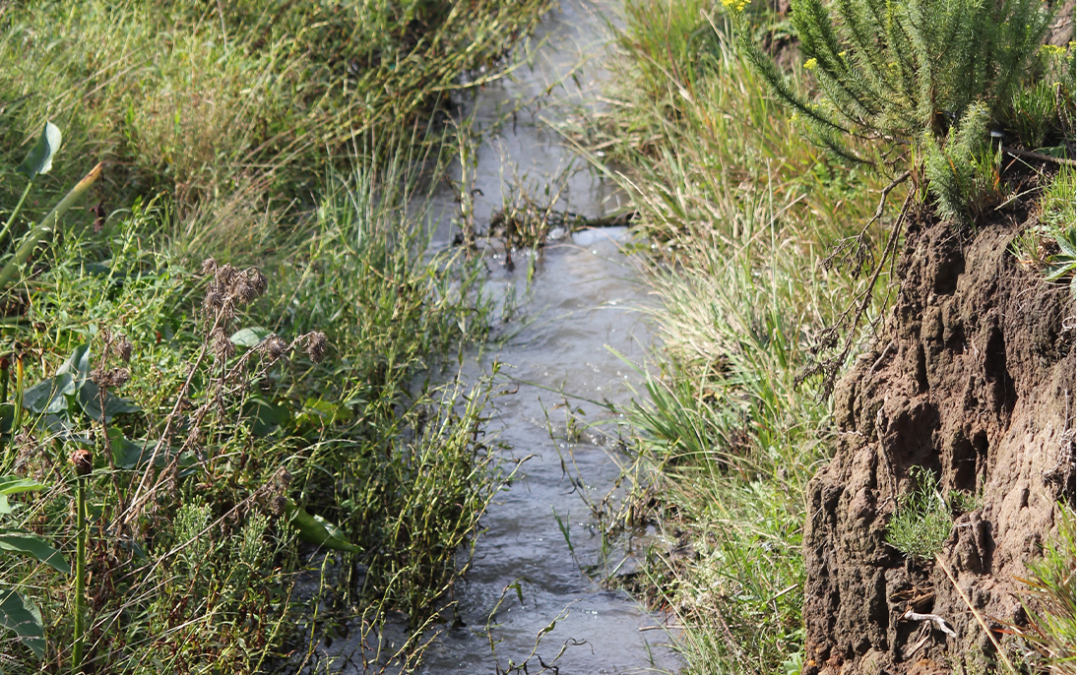
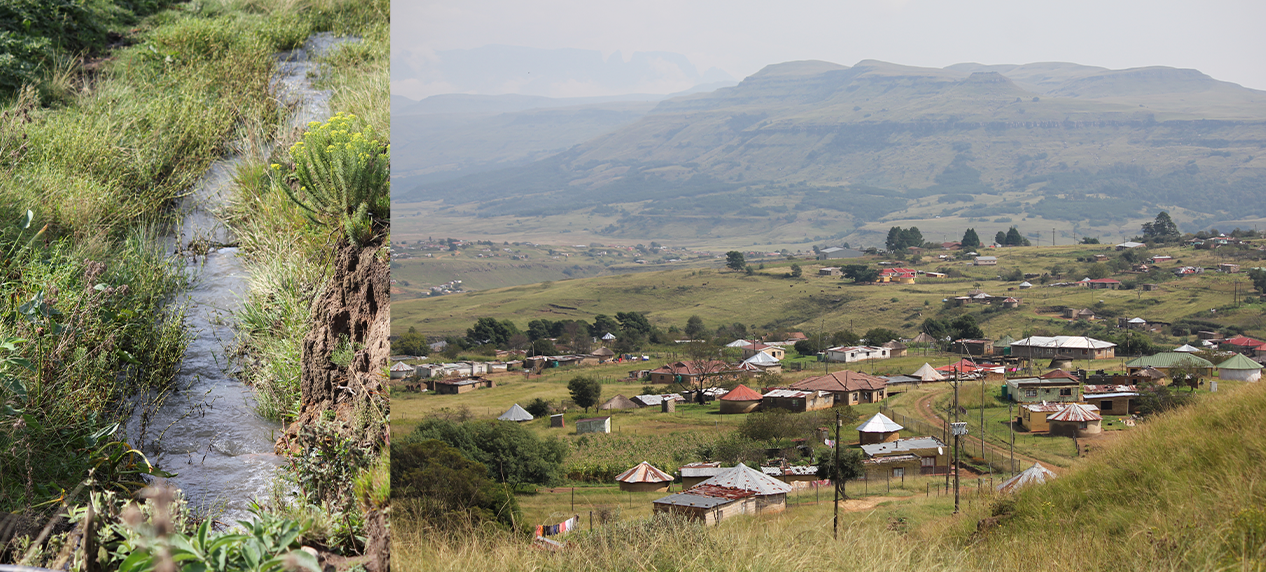
At KwaMkhize in the Drakensberg, the provision of spring water to the community through the EWT/ICF partnership benefits the people the area, ensuring that critical Crane species living in an adjacent wetland are protected.

By helping communities to better support natural resource management helps protect the landscapes in which cranes in South Africa live, primarily wetlands, grasslands and farming landscapes.

Overall, the implementation of the seven spring protection projects has serviced 2 445 individuals across 292 households, two schools and a clinic that services 150 people a day 365 days a year, therefore a total of 54,750 individuals that benefit from potable water at the clinic.  This means the community no longer must rely on the rivers and streams flowing into the wetland for household water, or to water their gardens.

In the catchment of Vaal River near Harrismith in the Free State, we are implementing a restoration project to clear invasive alien plants and restore water to the environment for the benefit of people, wetlands and rivers. The project employed 24 previously unemployed people. Thus far 286 hectares of densely invaded wetland and grassland have been cleared releasing 929 megaliters of water back into the environment.

South Africa boasts 30 Ramsar Sites totalling 574 000 ha.  Many are valued for their cultural heritage and traditional practices, which are incorporated into wetland conservation through initiatives undertaken by the EWT.

We collaborate with the International Crane Foundation through the African Crane Conservation Programme to conservation wetlands for species such as the Endangered Wattled Crane and Grey Crowned Crane, which are among the species that rely of wetlands as breeding sites.   We also work to protect the Critically Endangered Amatola Toad, which is dependent on high altitude wetlands and adjacent moist grasslands.

Habitat transformation and climate change are among the greatest threats to wetlands, elevating the risk of water pollution or eutrophication caused by effluent discharges. In addition, overgrazing or incorrect fire management practices can result in the transformation of wetland ecosystems.  This includes the presence of alien invasive species which reduce water availability and cause wetlands to become drier than anticipated. In some areas, wetlands are perceived as wastelands, resulting in their ecological importance being undervalued.

We recognise the importance of working with communities living within wetland catchments, or near to nature’ s water purifiers, to safeguard these critical habitats.  We will continue to support conservation efforts that will ensure our wetlands are healthy and able to withstand the risks posed by unchecked development and climate change.
Sowing Seeds of Hope – the Endangered Wildlife Trust’ s Medicinal Plant Initiative

Sowing Seeds of Hope – the Endangered Wildlife Trust’ s Medicinal Plant Initiative

Sowing Seeds of Hope – the Endangered Wildlife Trust’ s Medicinal Plant Initiative

By Dr Jenny Botha and Phomelelo Malatji, EWT People in Conservation
 

Working with traditional healers, distributing seedlings for their own cultivation

Deep within Africa’ s rich and diverse landscapes, the ancient practice of harvesting medicinal plants has long sustained traditional medicine and other cultural practices, as well as livelihoods.

Historically, cultural rituals, protocols, and practices have protected plants from over-harvesting, but, as human populations have grown and rural populations migrated to urban areas, demand has increasingly outpaced available sources of many plant species. This, together with an erosion of harvesting controls and extensive transformation habitats through other human activities, has placed considerable pressure on numerous species.

In South Africa, approximately 2,062 plant species are used for traditional medicines, with about 770 species having been recorded in markets across the country. At present, 182 species are listed on the country’ s IUCN Red List of Threatened Species, and 82 are believed to be at risk of extinction in the wild.

In 2019, the Endangered Wildlife Trust (EWT) launched an integrated conservation project in Limpopo to contribute to national efforts to conserve one of our most iconic medicinal plant species, the Pepper-bark Tree (Warburgia salutaris). Since then, we have expanded the scope of the project to include additional species and geographic locations in Mpumalanga, KwaZulu-Natal, and Gauteng.


Reducing threats to wild Pepper-bark tree populations in Limpopo

The Pepper-bark tree occurs in montane forests, thickets, and woodlands in the KwaZulu-Natal, Mpumalanga, and Limpopo Provinces of South Africa. It is also found in Mozambique and eSwatini. The tree is believed to be extinct in the wild in Zimbabwe.

The bark, roots, and rootbark of the tree have long been in high demand for traditional medicine across southern Africa. More recently, many of its therapeutic properties have  been corroborated scientifically. Importantly, from a conservation perspective, its leaves were found to contain the same phytochemicals as the other plant parts that were traditionally used for medicine. The substitution of leaves for bark, roots, or rootbark significantly reduces harvesting impact.

Over the past three decades, conservationists from national and regional conservation agencies have partnered with traditional healers and the private sector to reduce harvesting pressures through cultivation. Over this period, over 80,000 seedlings have been distributed to traditional healers and community members.

The EWT’ s Pepper-bark tree project incorporates collaboration with traditional healers, traders, and harvesters to increase the diversity of species that are being cultivated in many areas. In addition, we are implementing strategies alongside private and communal landowners to protect and restore habitats. A seed viability assessment has also been conducted as the species germination rates in some populations are low.


Habitat protection and restoration

To secure habitat for the Pepper-bark Tree and other species, the EWT has collaborated with the Limpopo Department of Development and Tourism (LEDET) and private landowners to secure formal protection of land through South Africa’ s Biodiversity Stewardship Programme. The EWT’ s team of rangers has also cleared over 70 ha of invasive alien and encroaching vegetation in Pepper-bark tree habitats, which has led to what is believed to be re-emergence of Pepper-bark tree seedlings in areas where they had not previously been seen.

We are also engaging with several communities in areas where Pepper-bark trees and other medicinal species are being intensively harvested to explore opportunities to support them to improve harvesting controls and remind people of the importance of their biocultural heritage. Harvesters frequently come from outside the area and, where possible, we invite them to join this national effort to improve the sustainability of medicinal plants for now and for future generations.

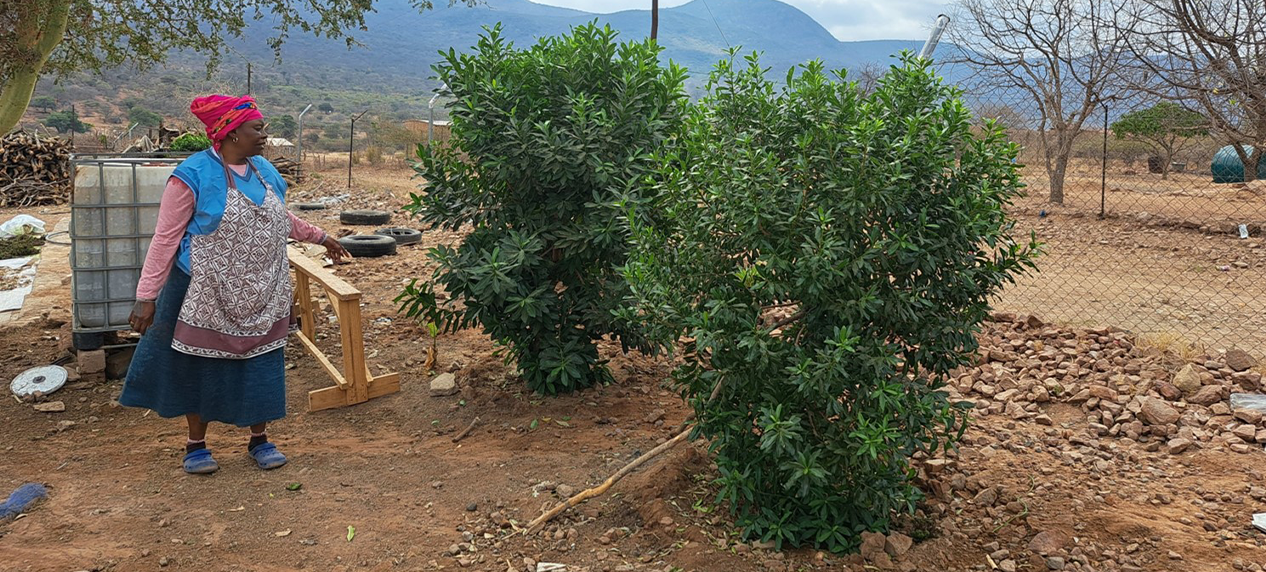
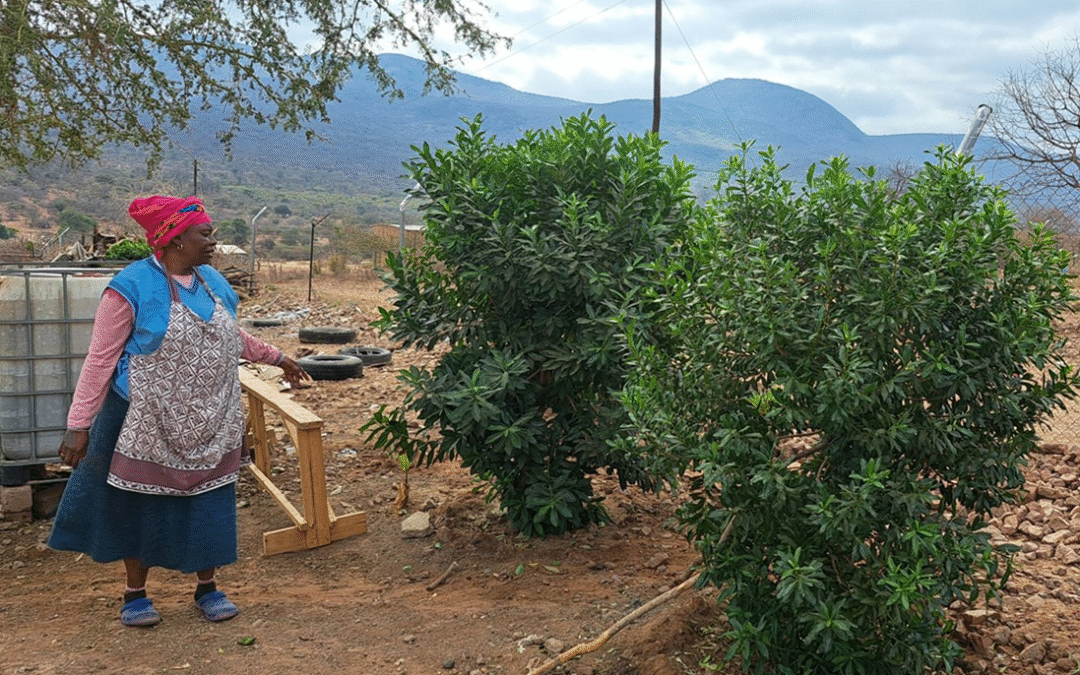
Traditional healer with Pepper-bark trees in home garden

Collaboration with traditional healers, traders, and communities to cultivate and protect wild Pepper-bark trees.

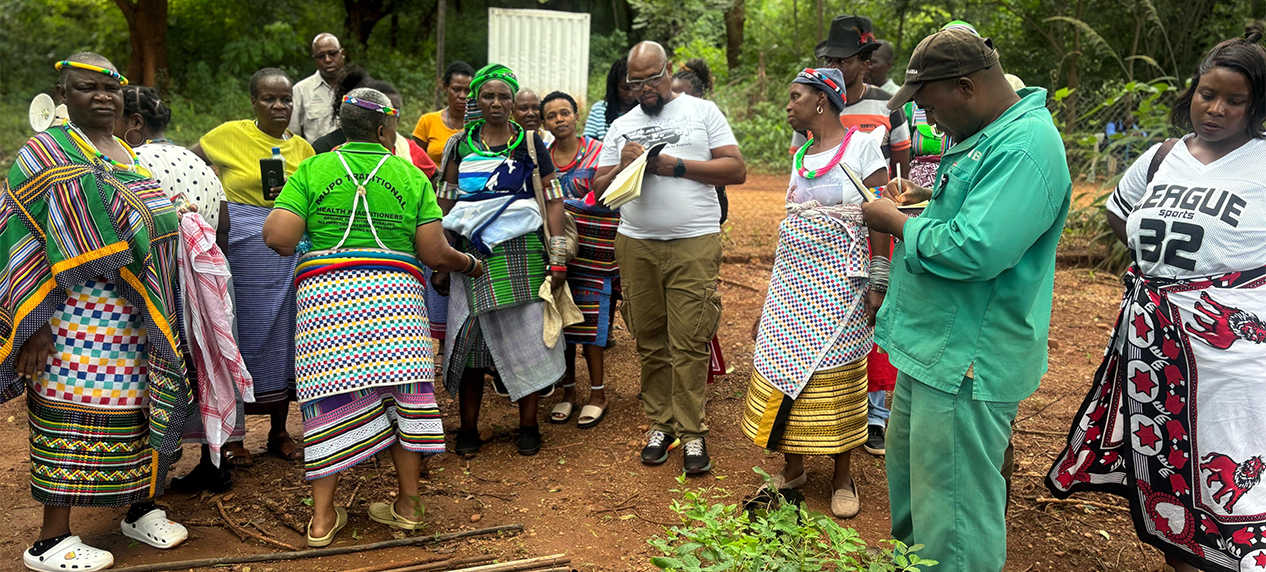
The EWT has engaged with approximately 300 traditional healers from over 20 communities in Limpopo to identify strategies to reduce threats to wild medicinal plant populations. In February and March 2025, we collaborated with the South African National Biodiversity Stewardship Institute (SANBI) to develop and implement training on the cultivation of medicinal plants. This training will gradually be implemented across all our project areas to support cultivation and lay the foundation for scaling up these production efforts over time.

Following visits to SANBI’ s Thohoyandou Botanic Gardens, 205 traditional healers and harvesters attended four three-day training courses in Vhembe. The training incorporated demonstrations of various cultivation and propagation techniques, discussions on legislation and the permitting system, and engagement on challenges people are facing in accessing medicinal plants.

Each participant received a starter pack and seedlings to enable them to start cultivating immediately. Our team follows up with the groups regularly to monitor the survival of plants and any challenges that they may be experiencing. We are also in the process of sourcing additional species for them to start growing.


Planting seeds of hope

Plants have been valued for their curative powers for millennia, not only as traditional medicines, but also in conventional medicine. Achieving our goals to reduce threats to species of conservation concern at scale will clearly take time and collaborative efforts across partner organisations and sectors to enable us to synergise our resources and share the knowledge, understanding, and collective effort that is required to avert extinctions.

Critically, we need to consider the needs of the poorest consumers who depend on these plants for their health care. Many simply cannot afford more expensive alternatives and it is vital that we co-develop strategies to cultivate plants that are both affordable and aligned to the cultural protocols associated with the use of these medicines so that their therapeutic values are retained or even, in some instances, restored.


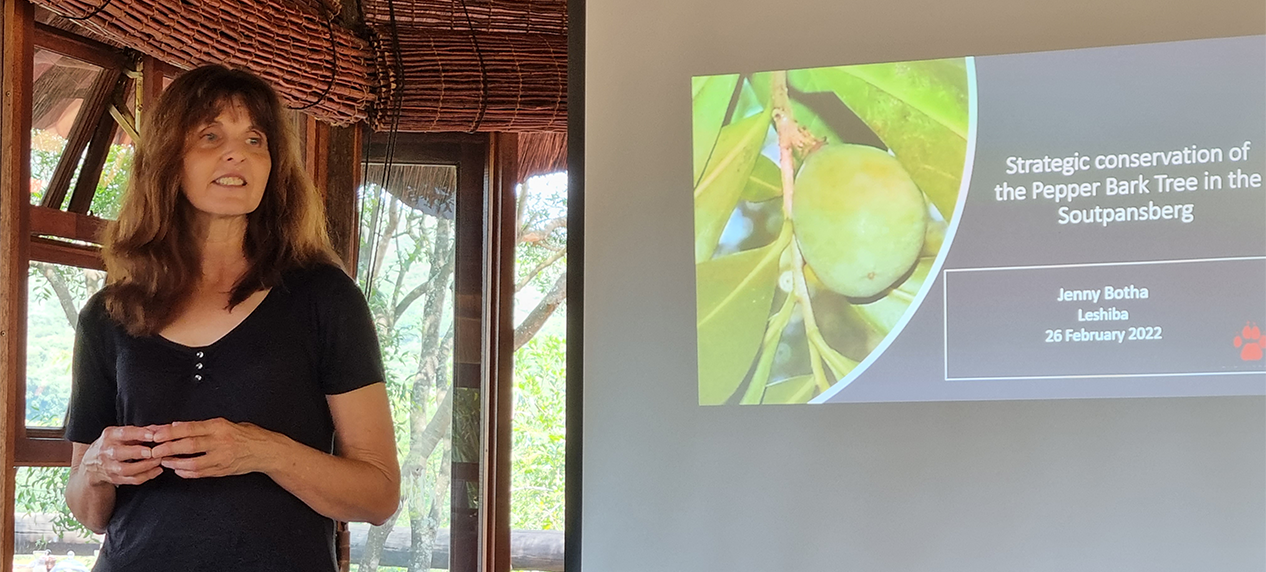
Dr Jenny Botha presenting to landowners on Pepper-bark tree conservation

Fondation Franklinia has supported the Endangered Wildlife Trust’ s Pepperbark tree project over the last six years and allowed our team to implement focused conservation action to safeguard this threatened species for years to come. Through this work, we have been able to secure safe space for multiple threatened and endemic species by declaring and now expanding the Western Soutpansberg Nature Reserve. Our rangers have also recovered habitats through clearing 70 hectares of exotic Eucalyptus trees from riverine and wetland mountain areas, including restoring habitat for Pepperbark trees where we are seeing natural recruitment of the species taking place.

In addition, the support of Fondation Franklinia has allowed our team to expand on critical work with traditional healers and traders, by assisting them to cultivate their own trees and distributing seedlings in three different provinces in South Africa.

We would like to thank Fondation Franklinia again for the critical support they have provided our project over this time, and congratulations on celebrating 20 years in conservation!


**  The EWT would like to thank the Fondation Franklinia for its support of this project, and for extending support to enable us to implement the second phase.  The project is also funded by the UK Government through the Illegal Wildlife Trade Challenge Fund. In addition, SANParks, through the Kruger National Park Pepper-bark Conservation Programme, which has received support from SAPPI, ARC, SANBI, SAEON and the SANParks honorary rangers, has donated Pepper-bark trees.  The Ford Wildlife Foundation has also played a key role in the success of this and other People in Conservation projects through the provision of a Ford Ranger to the EWT’ s People in Conservation Unit.

Fifth National Crane Festival

Fifth National Crane Festival

News From the Field

International Crane Foundation joins Ugandan Government to celebrate Fifth National Crane Festival 

By Barbara Hamoonga (Communications and Marketing Specialist, Africa Programs – ICF and EWT partnership)


The critical importance of wetlands and sustainable development are among the messages conveyed to community members, conservationists and policymakers at the annual Crane Festival in Uganda at the end of February.  

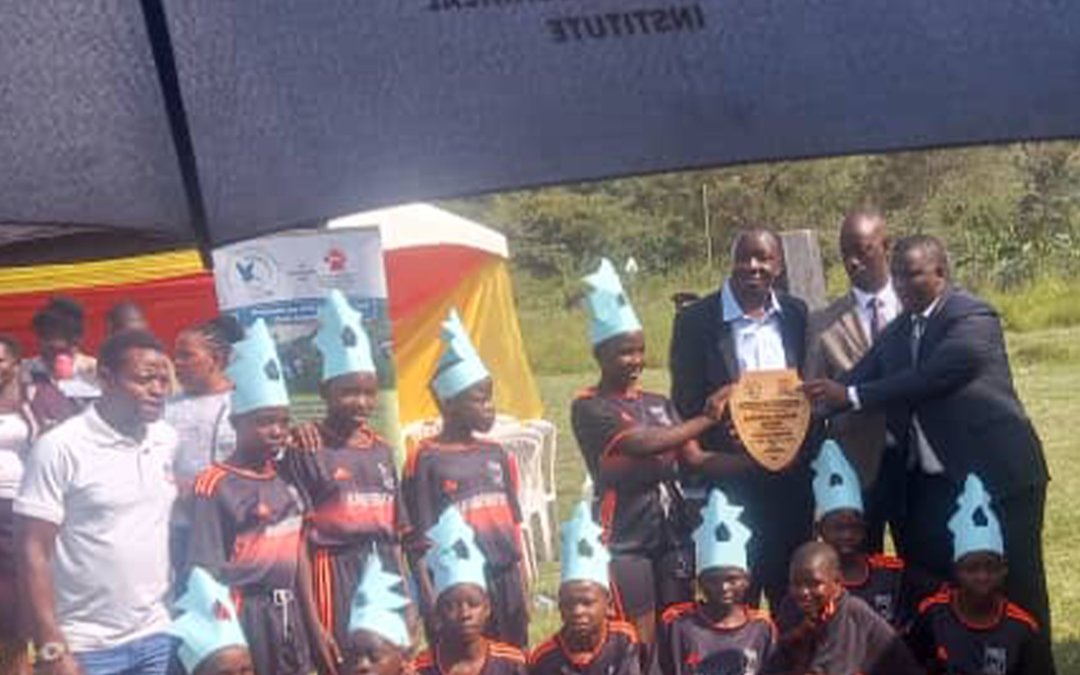
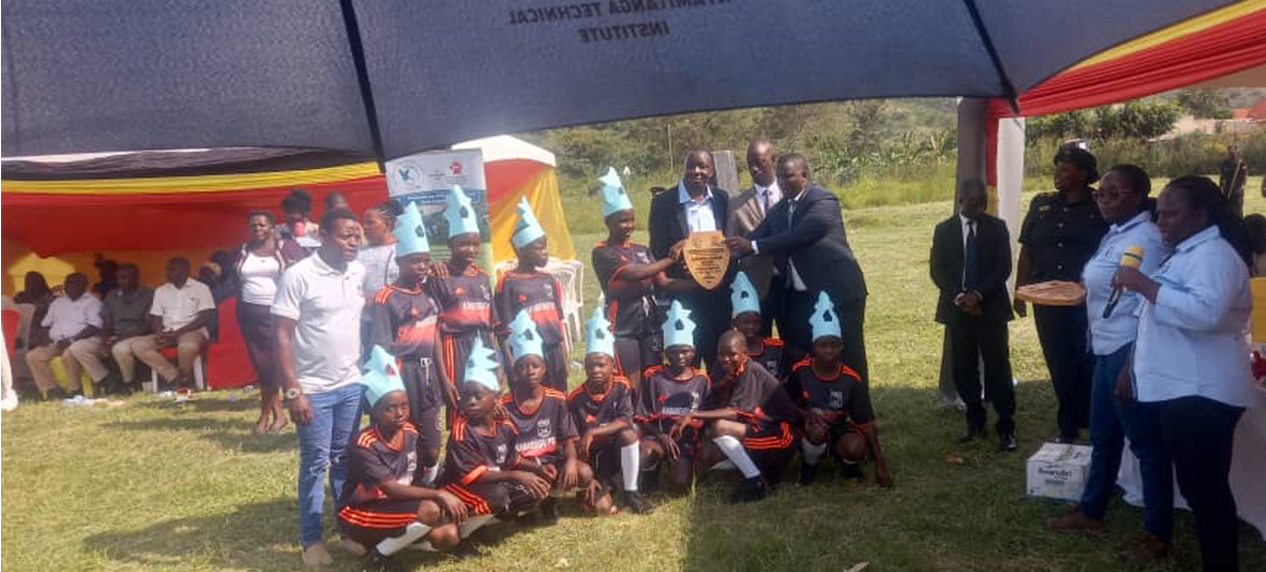
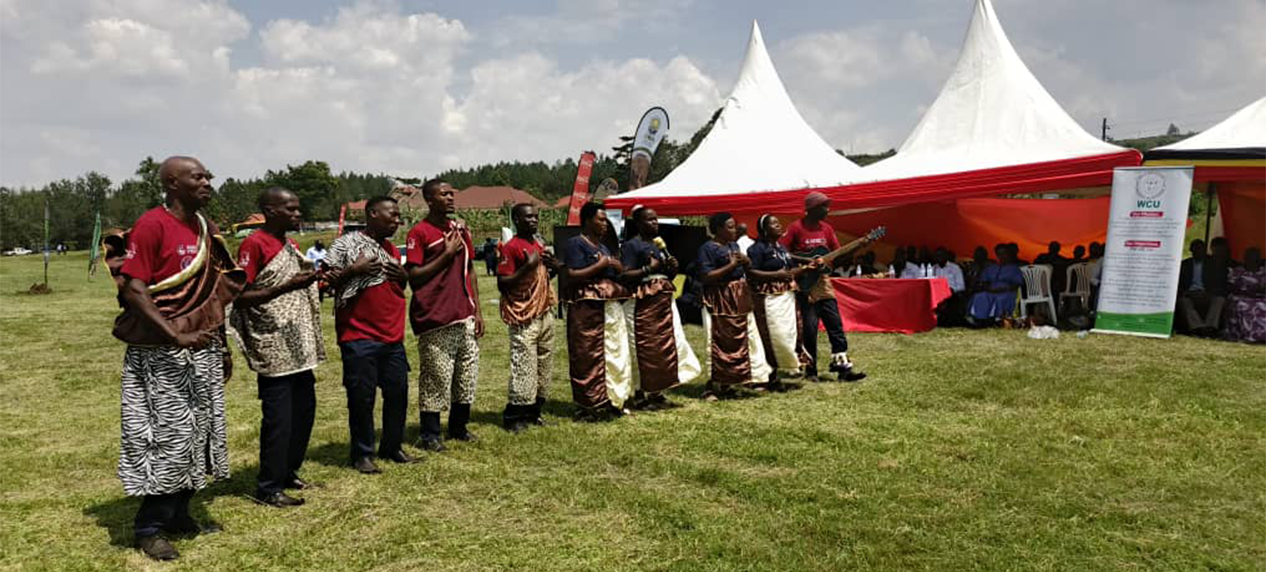
On 28 February, the International Crane Foundation joined the Ministry of Tourism and Wildlife and Antiquities and Isingiro District Local Government, to celebrate the Fifth National Crane Festival under the theme “Investing in wetland conservation for the benefit of people, cranes and other biodiversity.”  

The Endangered Wildlife Trust partners with the International Crane Foundation to conserve cranes across Africa, most notably the Grey Crowned, Blue, Wattled and Black Crowned cranes.   

This year’ s festival was held at Isingiro District Local Government Headquarters, Isozi cell in Rwekubo Ward where the critical importance of wetland conservation was highlighted alongside promoting sustainable development initiatives. 

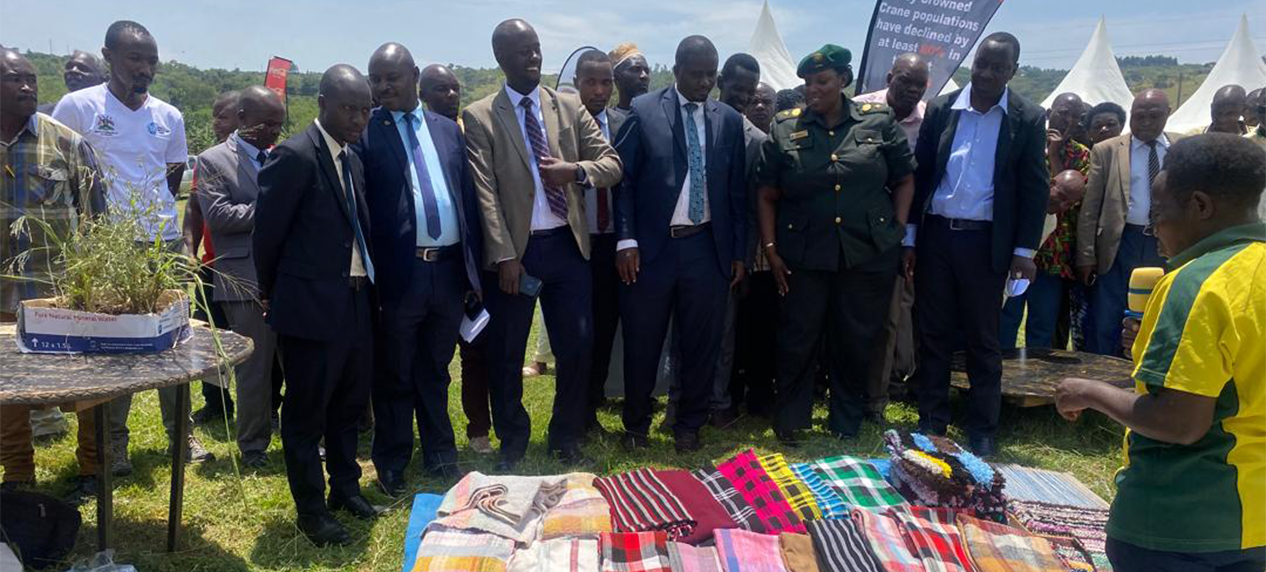
The event served as a platform for raising awareness about crane and wetland conservation while celebrating successful community-based conservation initiatives. The festival featured practical demonstrations of sustainable wetland management practices and created networking opportunities for conservation financing. 

“I am pleased to announce that the Government is working on strengthening policy frameworks to enhance protection of critical wetland habitats, support community-based conservation initiatives, integrate conservation priorities into district development plans and strengthen enforcement of environmental regulations,” revealed the Isingiro District Chairman, Mr. Alone Turahi (LCV) on behalf of the Chief Guest, Hon. Lt. Col (Rtd) Dr. Rwamirama Bright, the Minister of Animal Industry and Fisheries,  as he officiated the event.  “These commitments reflect our understanding that investing in nature is investing in our people and our future.”  

“The Fifth National Crane Festival represents more than just a celebration – it’s a testament to Uganda’s commitment to conservation and sustainable development. As we witness the alarming 80% decline in Grey Crowned Crane populations over the past 25 years, this festival serves as a crucial platform for uniting communities, policymakers, and conservation partners in protecting these magnificent birds and their wetland habitats.  

“Together, we can ensure that future generations will continue to witness the dance of the cranes across Uganda’s landscapes,” stated the ICF’ s Uganda Country Manager, Patrick Engoru. 

Since establishing its presence in Uganda in January 2020, the ICF/EWT partnership has engaged extensively with local communities about sustainable conservation practices, developed partnerships with government institutions, including the Ministry of Tourism, Wildlife and Antiquities, and implemented community-based conservation programs that balance wildlife preservation with human prosperity.  Part of awareness raising included the annual Crane Festival as a flagship event for conservation awareness and community engagement.


Collaborative Action to Address South Africa’ s Snaring Crisis

Collaborative Action to Address South Africa’ s Snaring Crisis


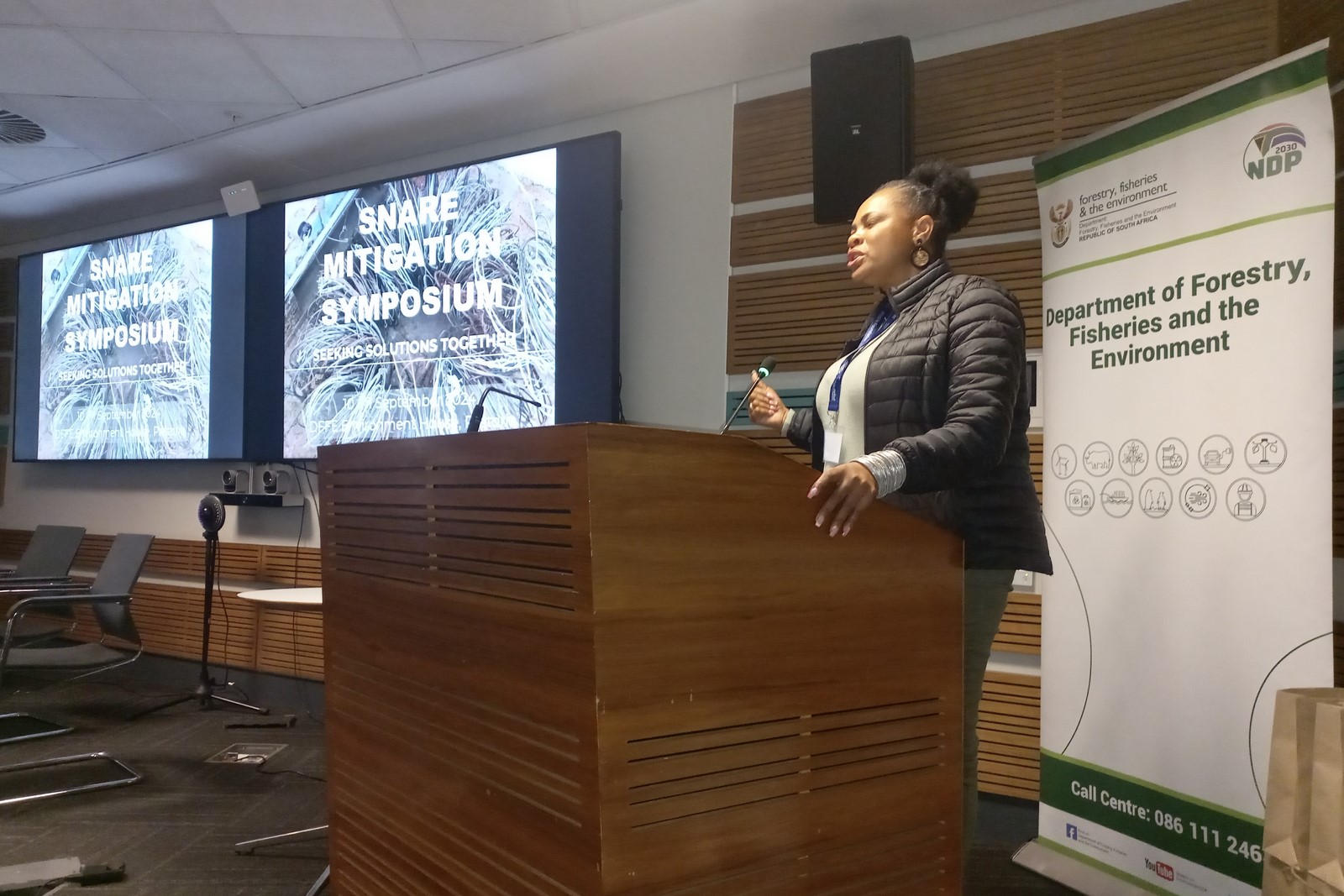
The EWT pledges less talk and more action to address South Africa’ s snaring crisis at the inaugural Snare Mitigation Symposium

140 delegates attended the inaugural Snare Mitigation Symposium

Twenty-two speakers presented at the Snare Mitigtation Symposium

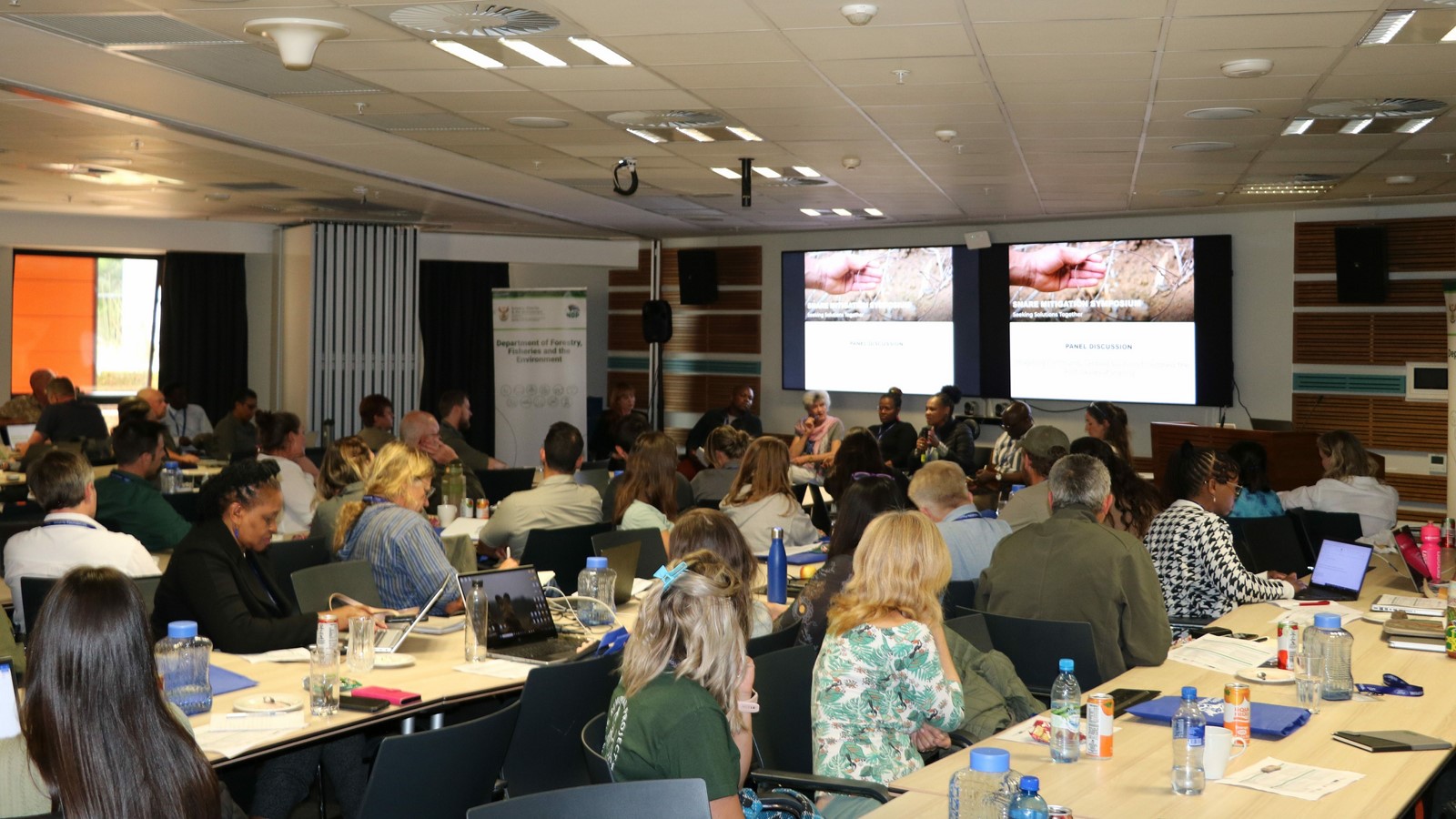
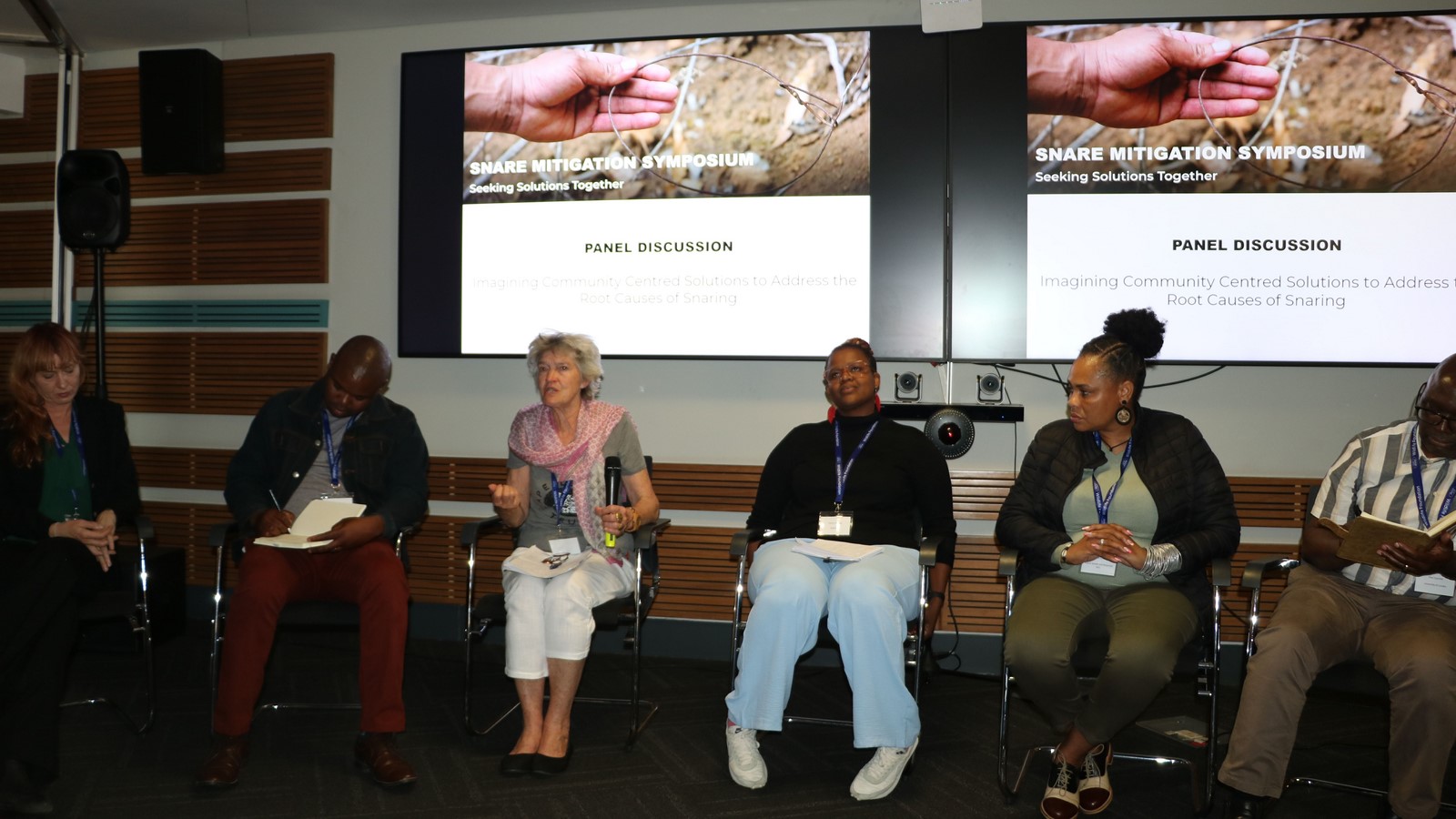
One of the Snare Mitigation Symposium panel discussions

WARNING: SENSITIVE IMAGES BELOW


The importance of less talk and more action to address the snaring crisis in South Africa is key to the conservation of all species.

This, and the need for greater collaboration and partnerships to address the negative impacts from the illegal snaring of wildlife, were among the outcomes of the inaugural two-day national Snare Mitigation Symposium in Pretoria.

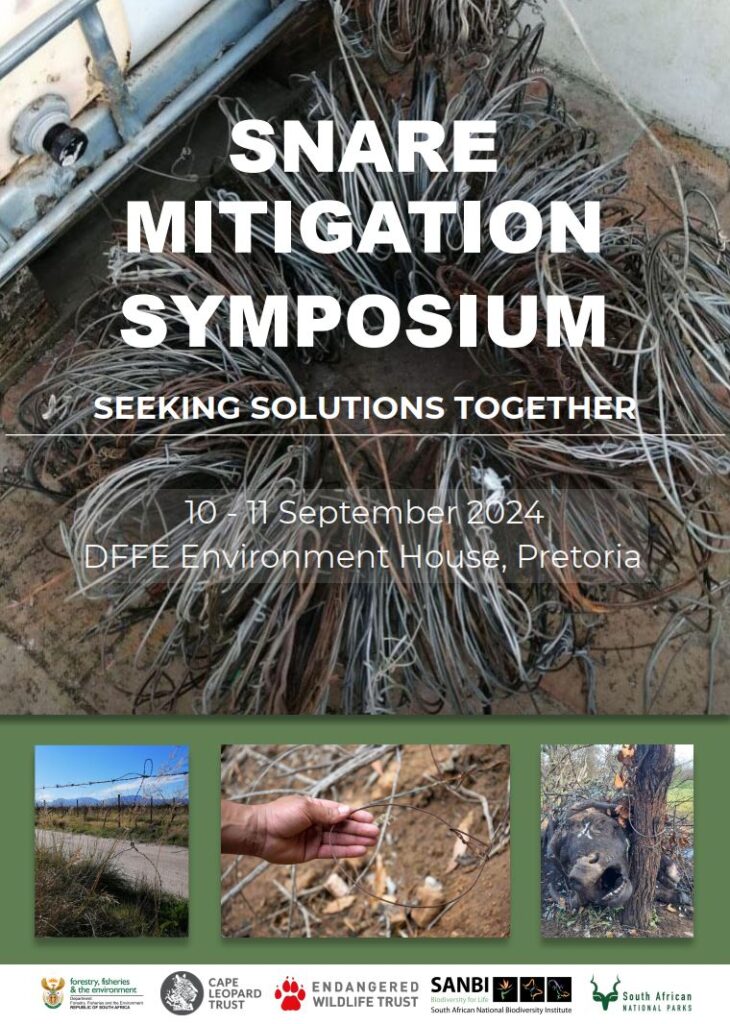
The meeting of 140 delegates delved into the impacts, drivers and solutions to this increasing threat to wildlife and the economy. Co-led by the Department of Forestry, Fisheries and the Environment (DFFE), the Cape Leopard Trust (CLT), the Endangered Wildlife Trust (EWT), the South African National Biodiversity Institute (SANBI) and South African National Parks (SANParks), the inaugural Snare Mitigation Symposium was held at Environment House on 10 and 11 September 2024.

It brought together leading experts in wildlife crime, government officials and representatives of numerous stakeholders across the sector to examine the multifaceted aspects of the snaring crisis. The purpose was to understand existing and potential new complexities, and to share experiences and knowledge to reduce the problem both inside and outside conservation areas, in order to identify and co-create workable solutions for the benefit of people and the environment.

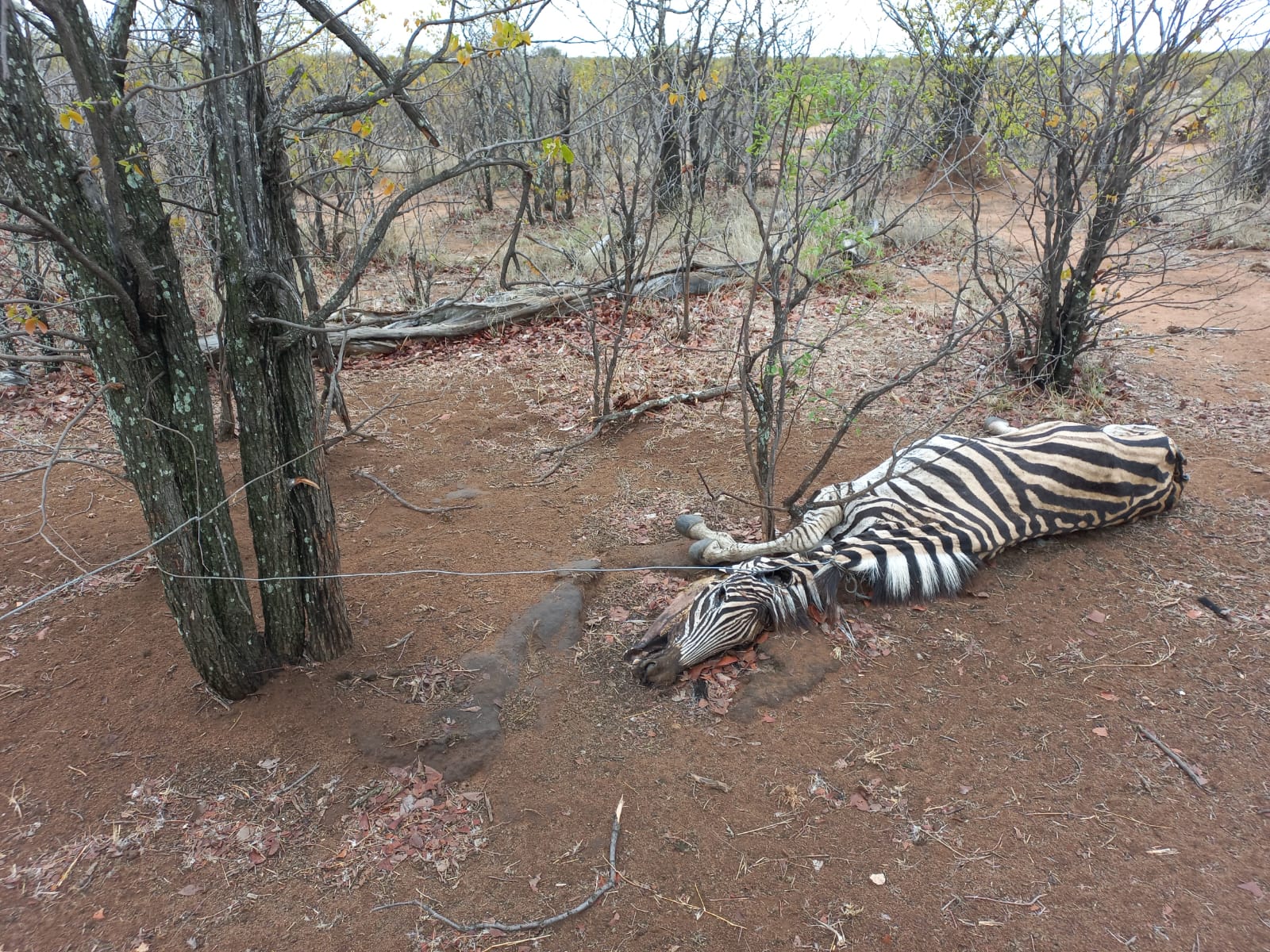
Snaring is motivated by complex socio-economic and cultural drivers and the symposium explored snaring from a myriad of angles and viewpoints. Information gained highlighted that animals are snared largely for personal or commercial use and is occurring at unsustainable rates across all provinces and in diverse landscapes. Sadly, many species including leopard, lion, hyena and other predators are killed as by-catch in snares originally set for bushmeat.

A key insight from the symposium is that we need more community interaction amongst stakeholders towards achieving positive outcomes for this threat to wildlife. Communities living with wildlife, and those linked to snaring, need to form an integral of the solutions being proposed, and to be undertaken, to address snaring.

No solution will be credible without the involvement of the relevant community voices in co-development of solutions. Solutions need to be diverse, purposely inclusive and tailored to, and by, the people living in the affected areas. Technological advances were showcased to improve snare detection and data collection.

Among the legal solutions highlighted by Ashleigh Dore, the EWT’ s Wildlife and Law Project Manager, the need for legal reform to ensure laws applicable to snaring are the same across the country. Ashleigh also introduced a restorative justice approach to respond to snaring. Restorative justice is a holistic, inclusive and problem solving approach to justice that involves all parties involved in or impacted by the crime to (1) identify and respond to harm from the crime and (2) prevent reoffence.

Senior Conservation Manager Lourens Leeuwner, during his presentation on the threats of snaring countrywide, highlighted the results of the EWT’ s recent project and proof of concept to determine whether anti-poaching dogs could be used for snare detection. The Canine Conservation Unit had spent several days testing techniques to detect snares in a farming and conservation area in Limpopo. Using two EWT anti-poaching canines, Ruger and Kisha, the team set snares in the veld before sending out rangers to find the items. While rangers only found some of the snares placed for the test, the canines had, in all cases, successfully tracked the scent of the person who had planted the snares and other items, finding most of the snares. As further proof that this technique works, the dogs were taken on a routine patrol of a farm that has problems with poachers using snares to catch wildlife. During this patrol, Ruger discovered a snare that had been planted by a real-life poacher. While there is a lot more work that needs to be done, this is proof that the concept works – an extra tool in the arsenal to combat poaching.


Among the key decisions adopted as outcomes included further research on the drivers and alternative livelihood solutions, more cohesive legislation to address snaring and other wildlife crimes, more centralised reporting and monitoring to ascertain the extent of the problem, and creating a greater understanding of the impact of snaring not only on biodiversity, but also on the economy and well-being of communities.

At a workshop following the event, the host organisations strategised next steps related to key themes and action points identified during the symposium that will include a wide range of stakeholders. Looking to the future, greater teamwork and communication between State, private sector and civil society will be cultivated to find sustainable long-term solutions for both people and wildlife.


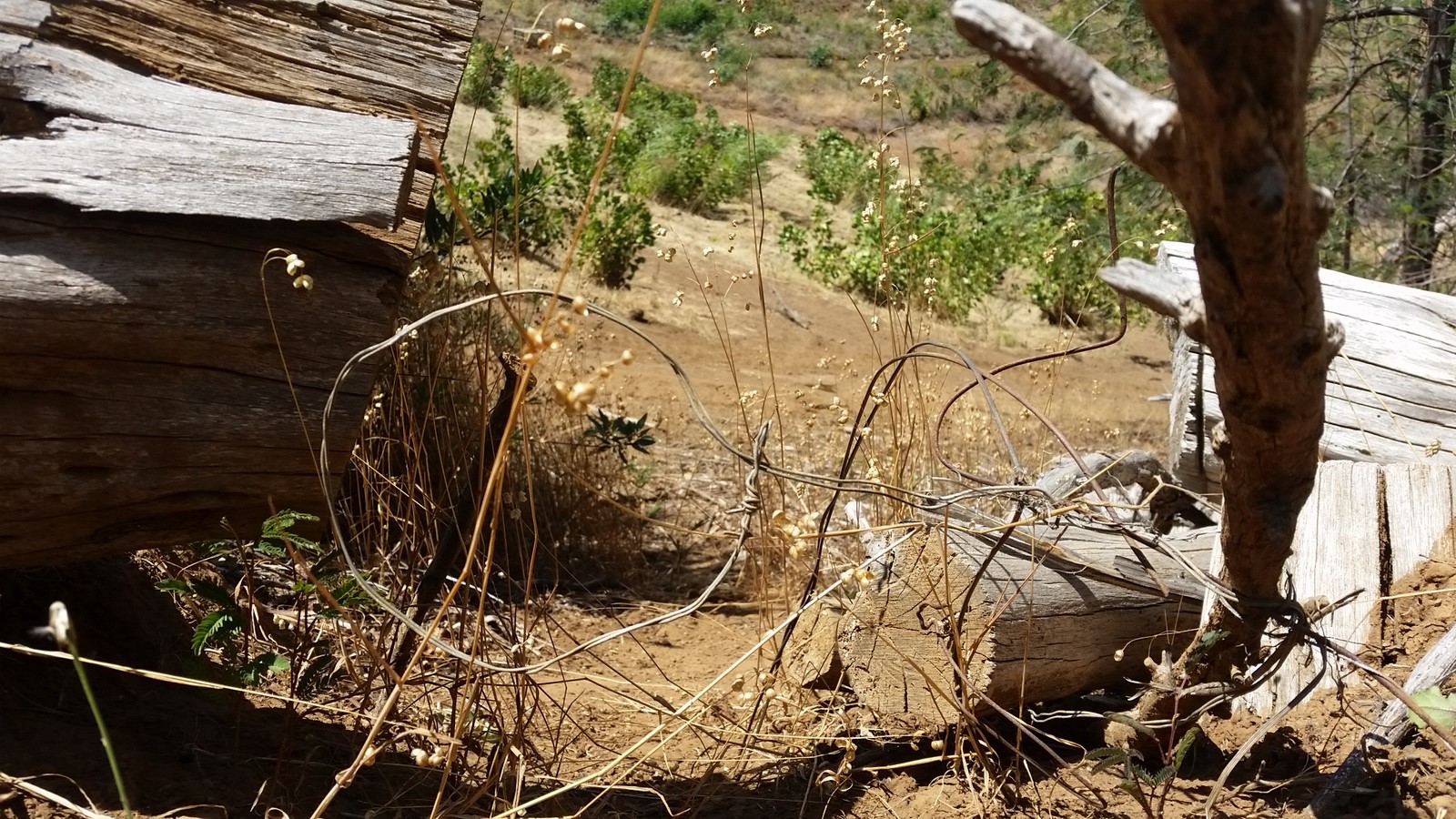
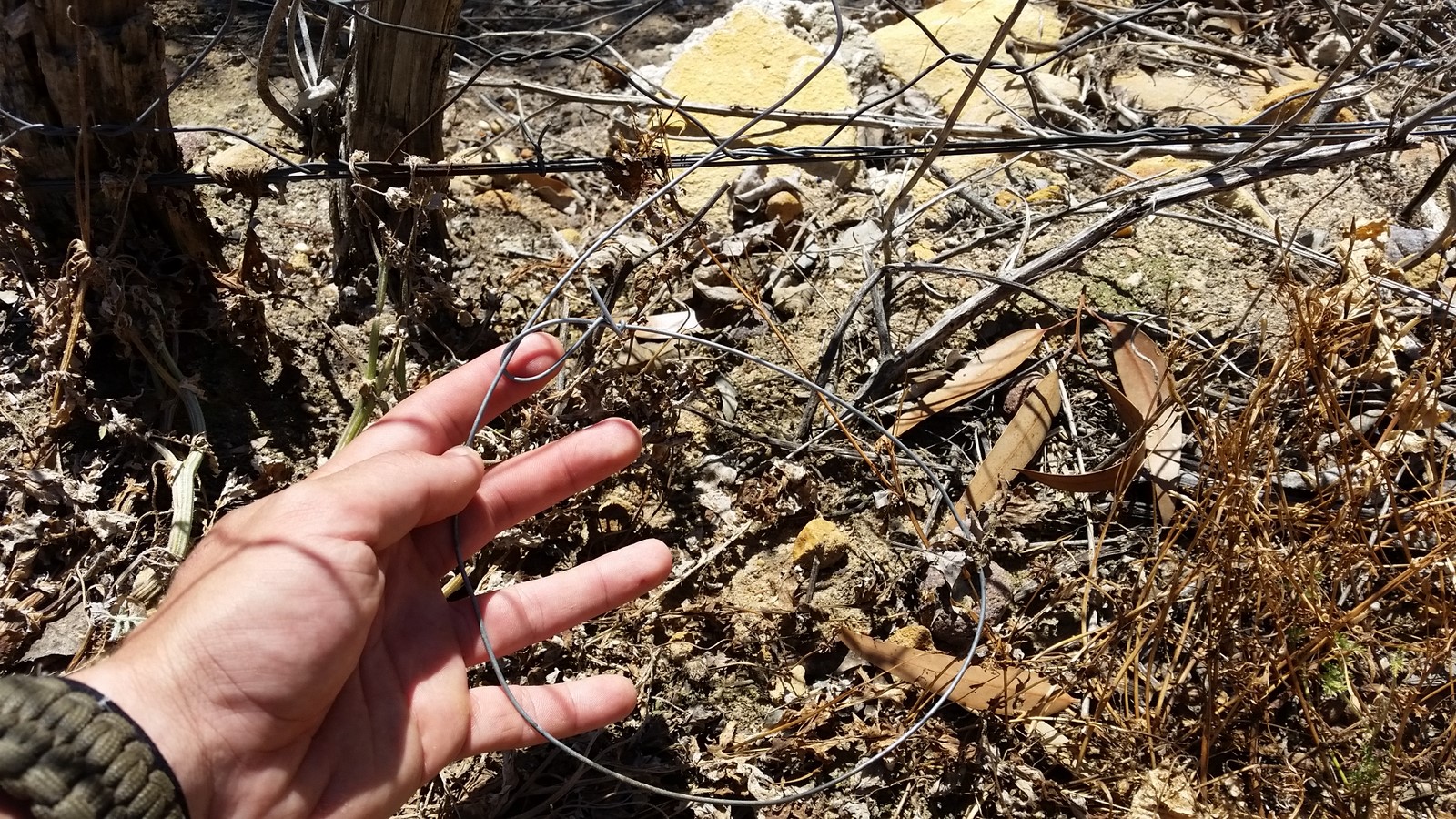
A wire snare set to catch animals by the neck. ©Cape Leopard Trust

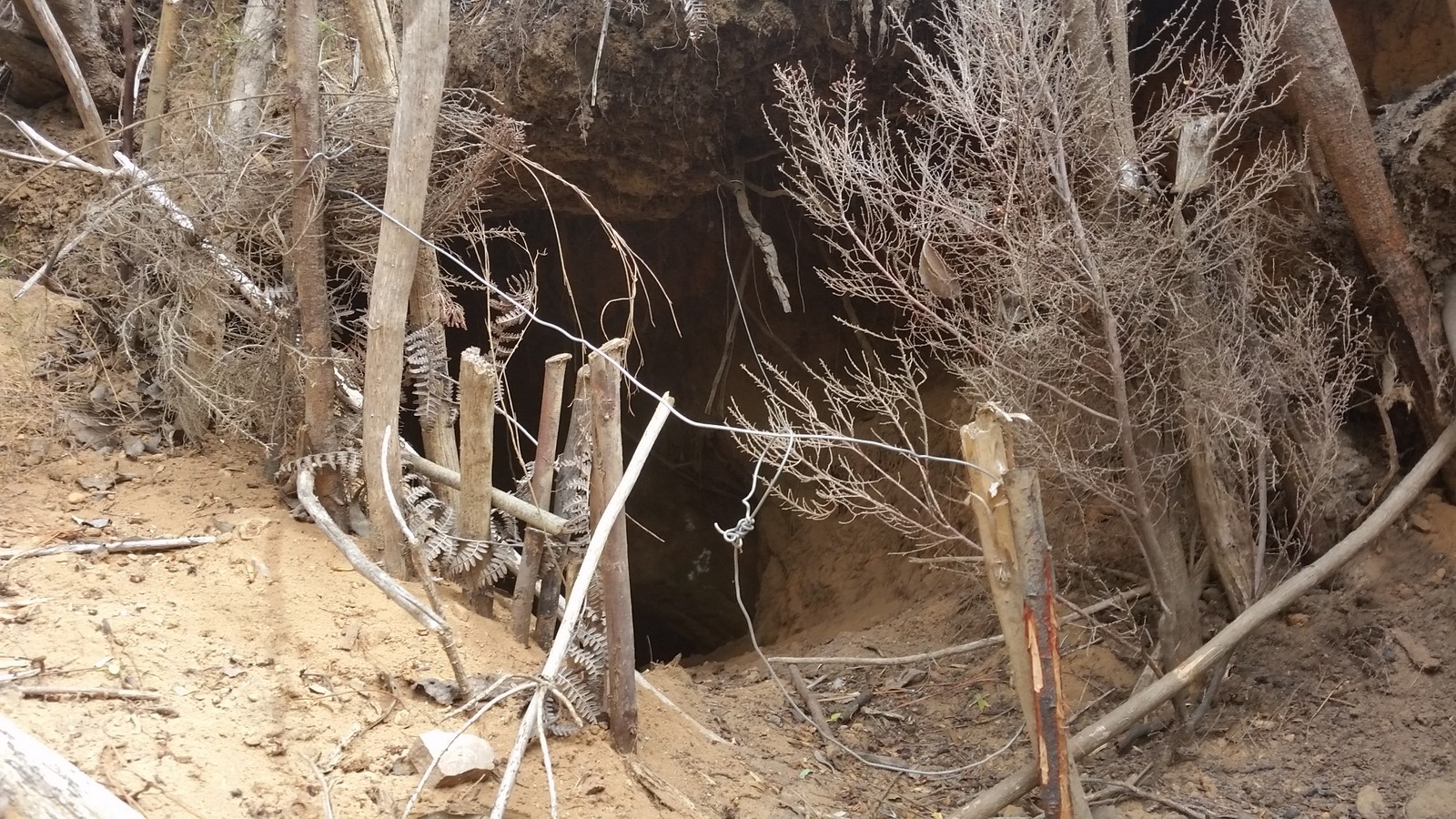
A snare setup in front of an animal burrow. ©Cape Leopard Trust

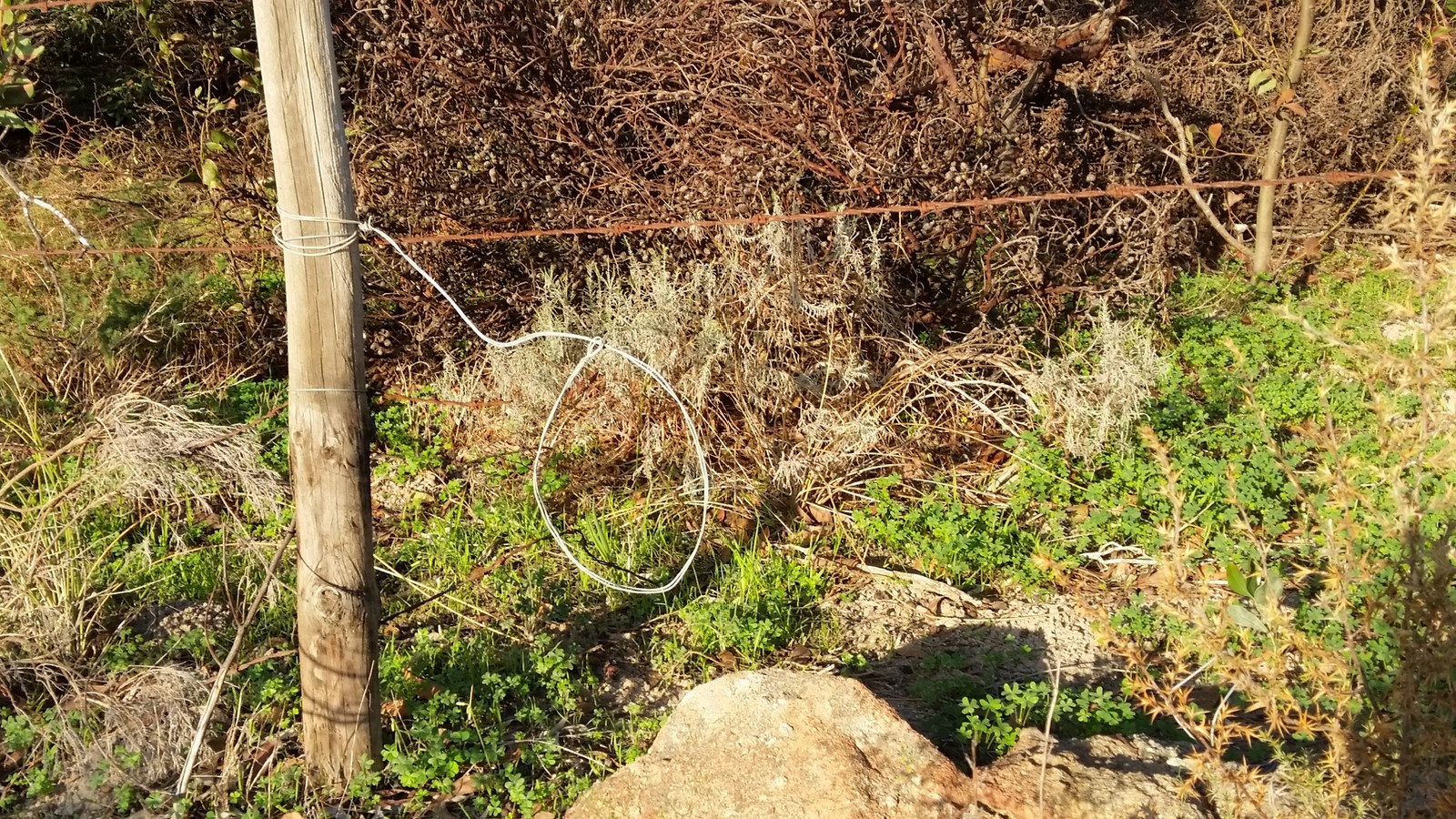
A wire snare along a fence line where many animals move. ©Cape Leopard Trust

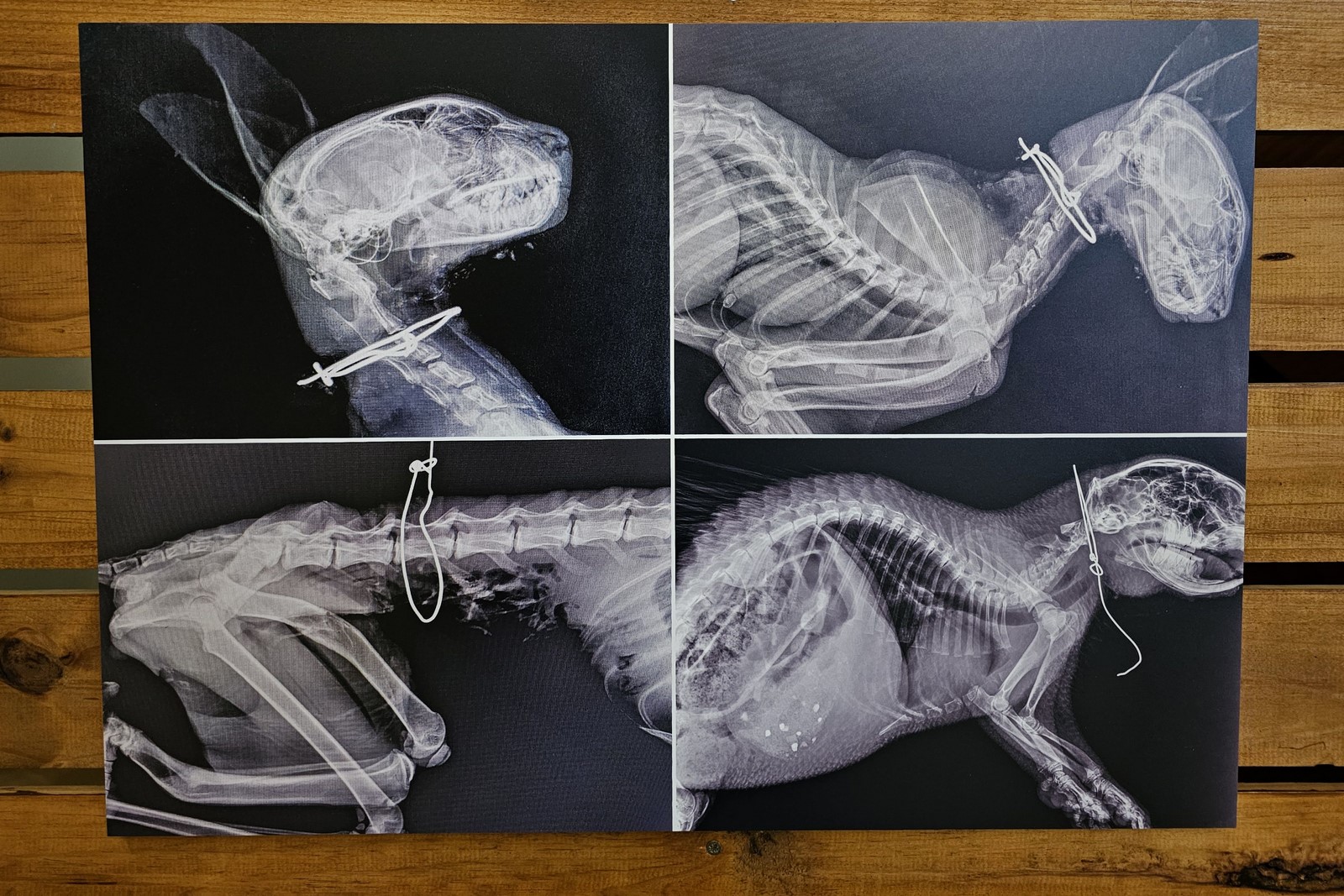
X-ray photos of a caracal and porcupine killed by snares. ©COGH SPCA

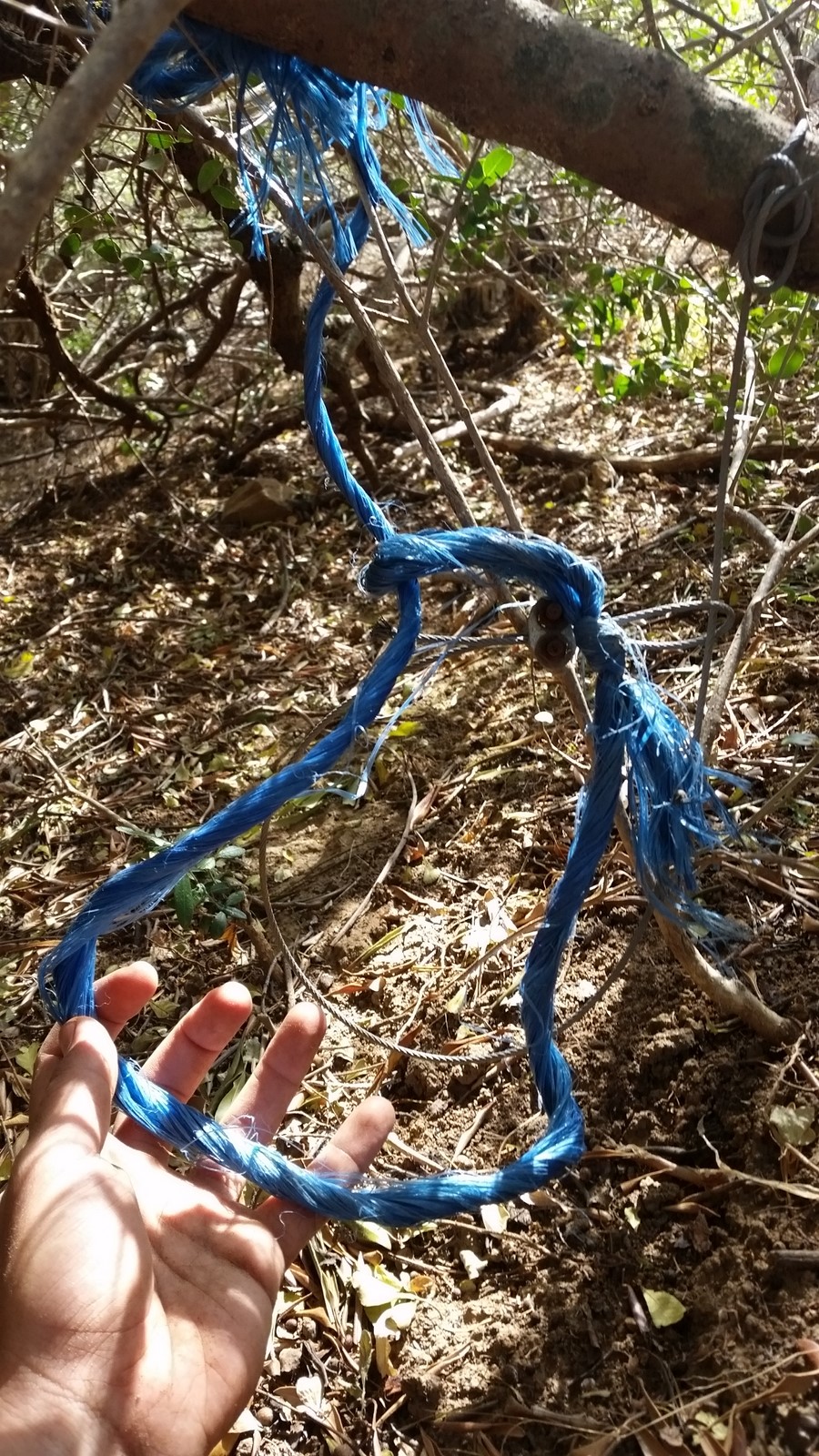
Most snares are made from wire but rope and cable are also used. ©Cape Leopard Trust

An example of a wire snare. ©Cape Leopard Trust

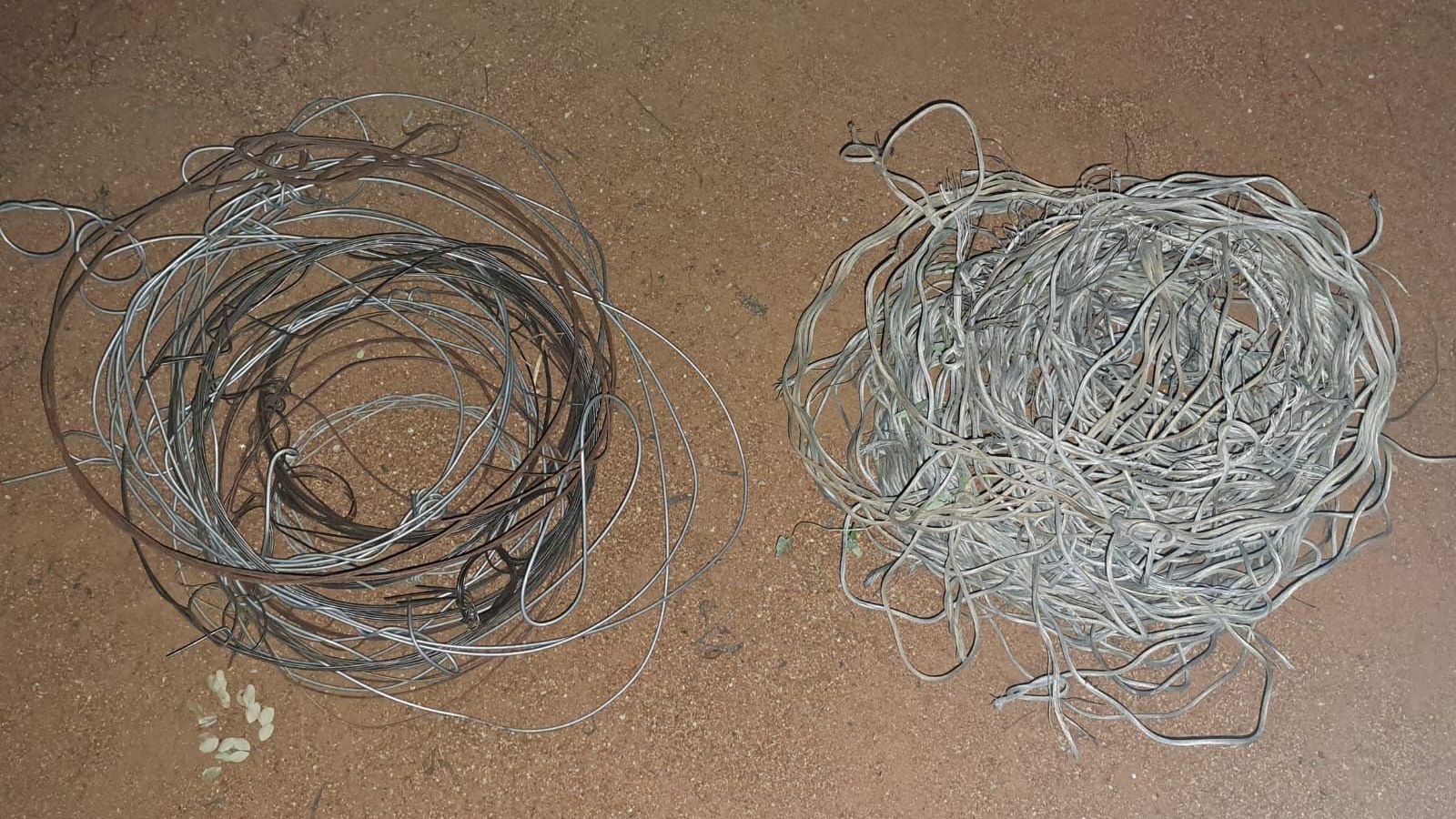
Collected snare material ©Endangered Wildlife Trust

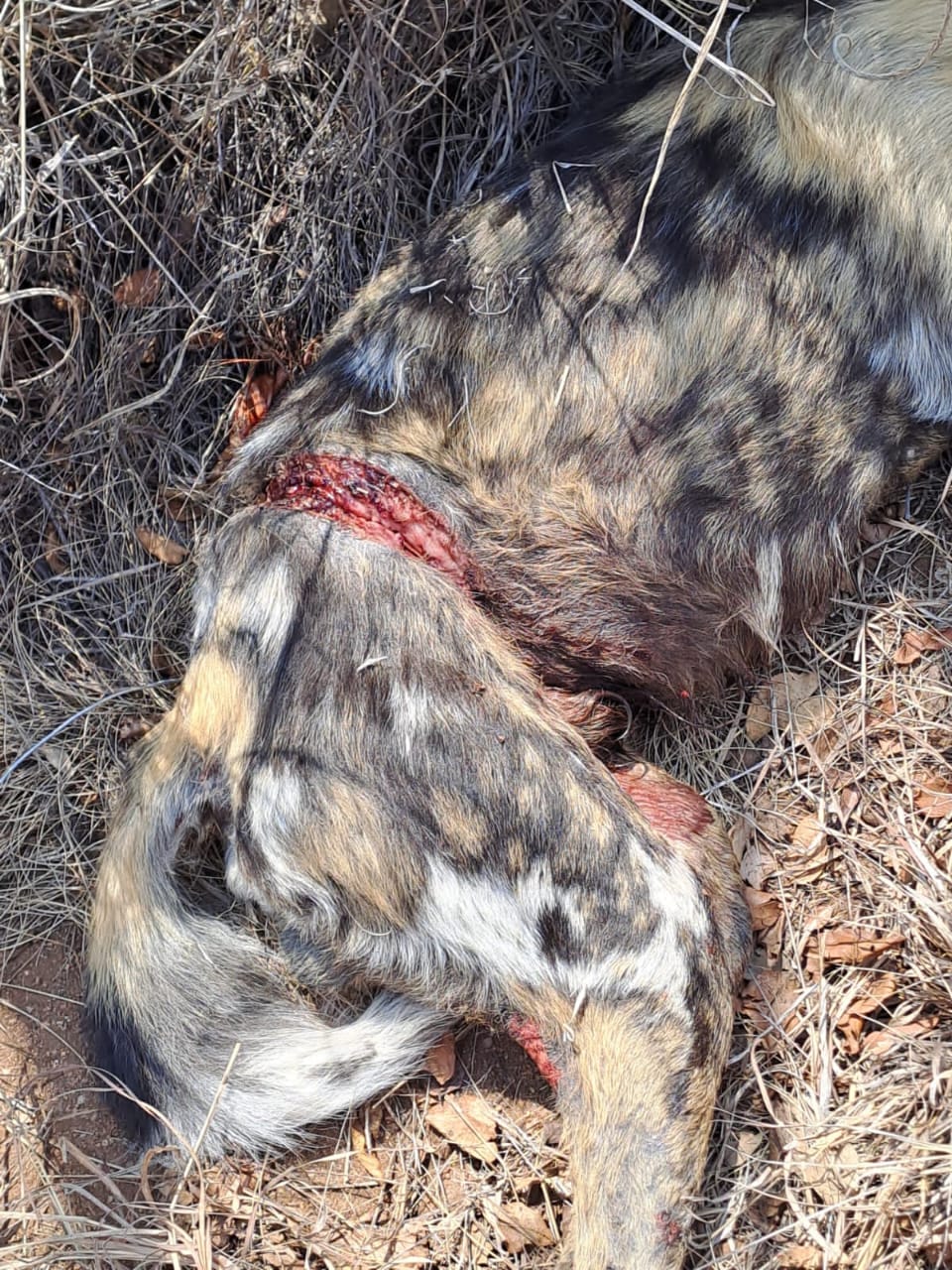
African wild dog found dead in snare ©Endangered Wildlife Trust

Spotted hyena found dead in snare ©Endangered Wildlife Trust

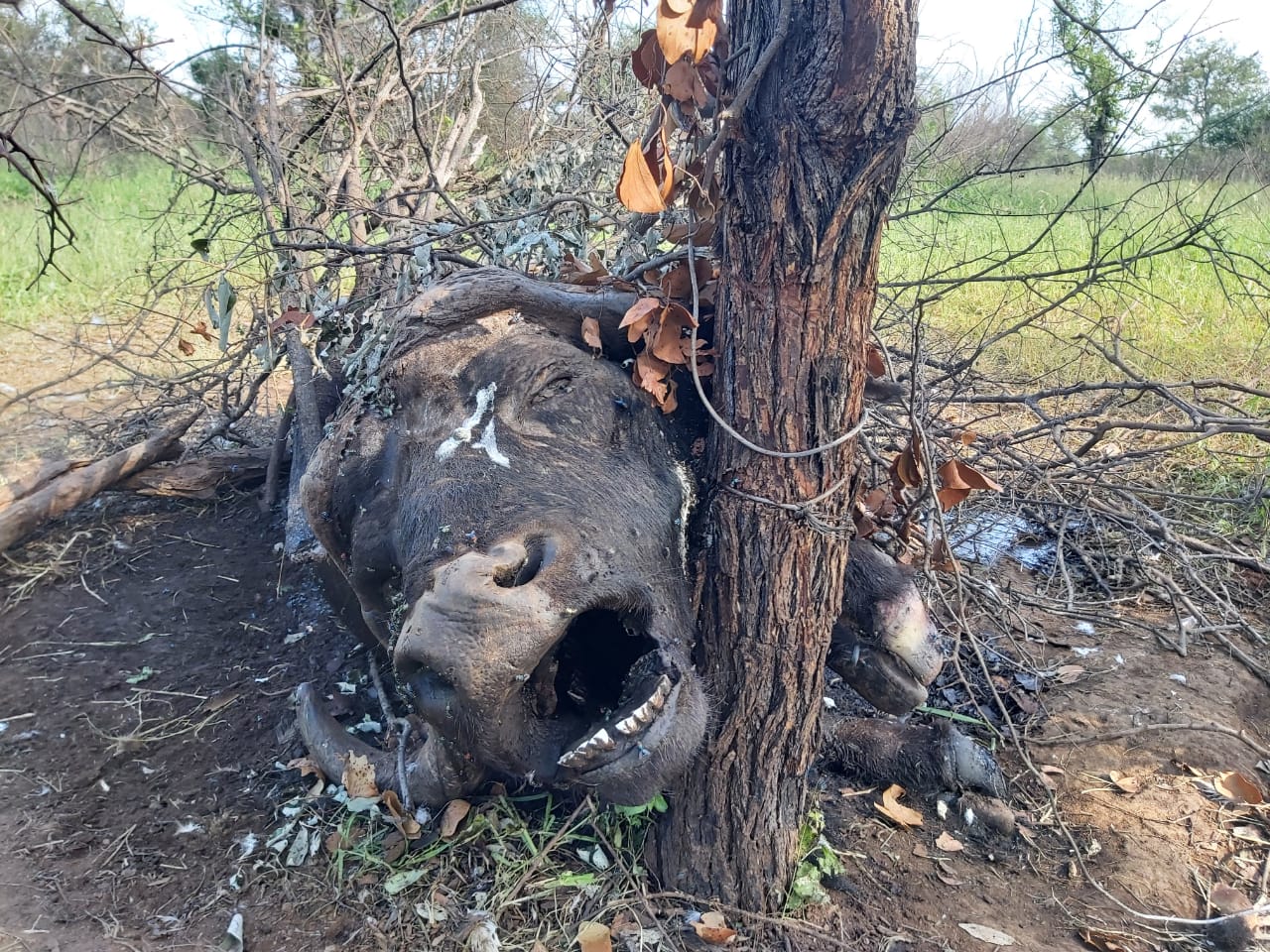
Buffalo found dead in snare ©Endangered Wildlife Trust