Help protect Africa's 

Cheetah range expanded into new Mpumalanga reserve

Cheetah range expanded into new Mpumalanga reserve

Cheetah range expanded into new Mpumalanga reserve

By Olivia Sievert – Coordinator of the Cheetah Range Expansion Project, Endangered Wildlife Trust
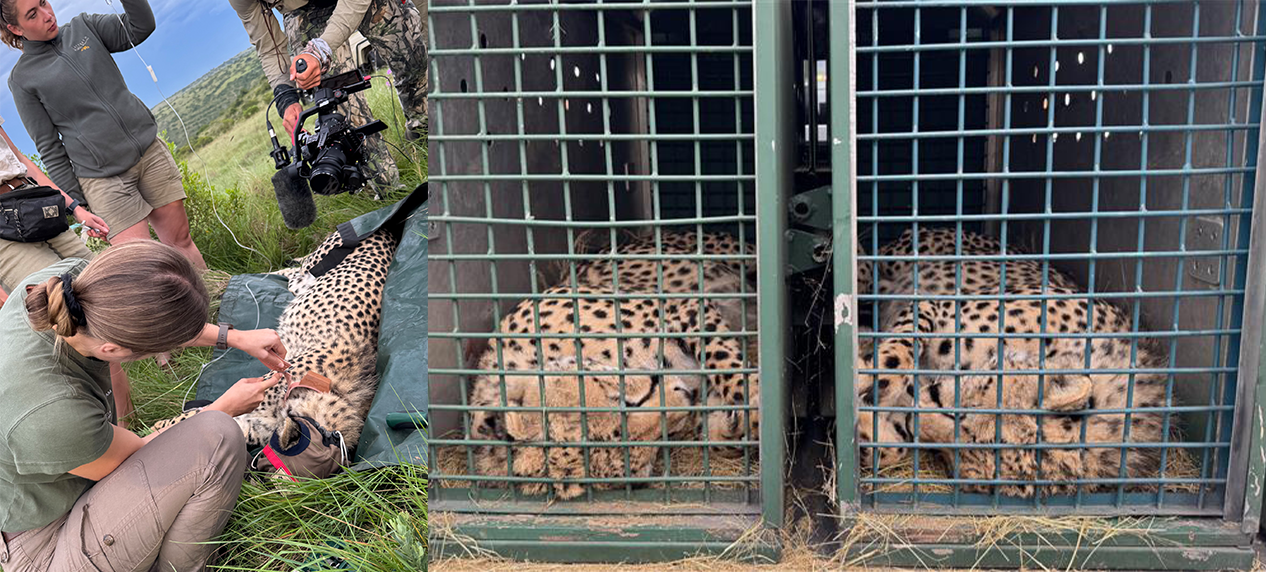
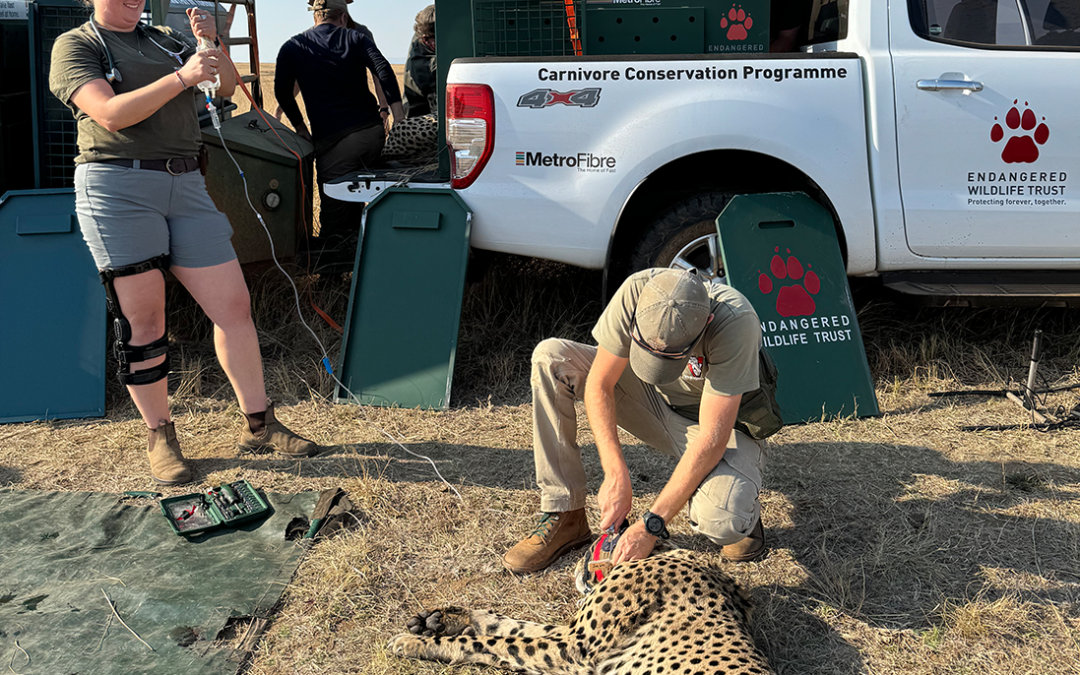
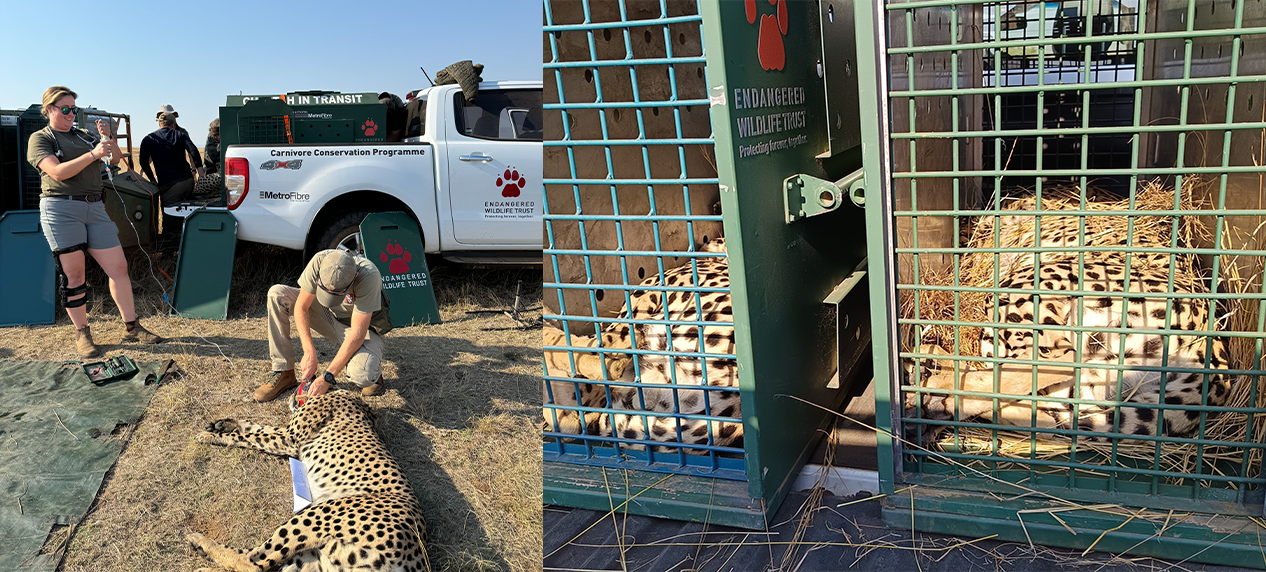
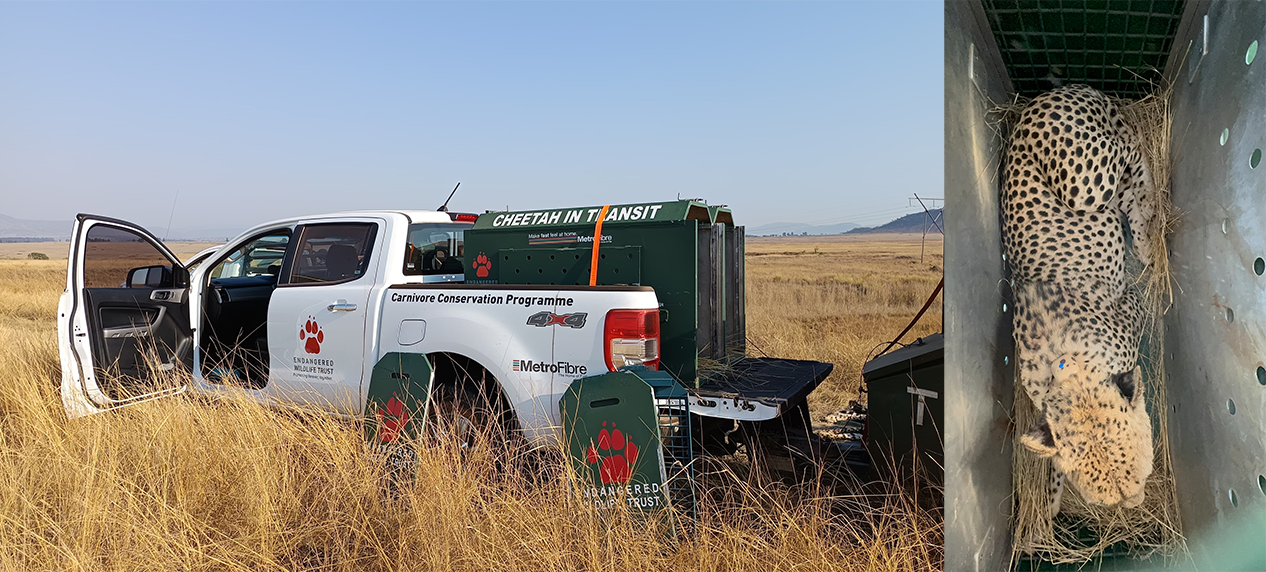
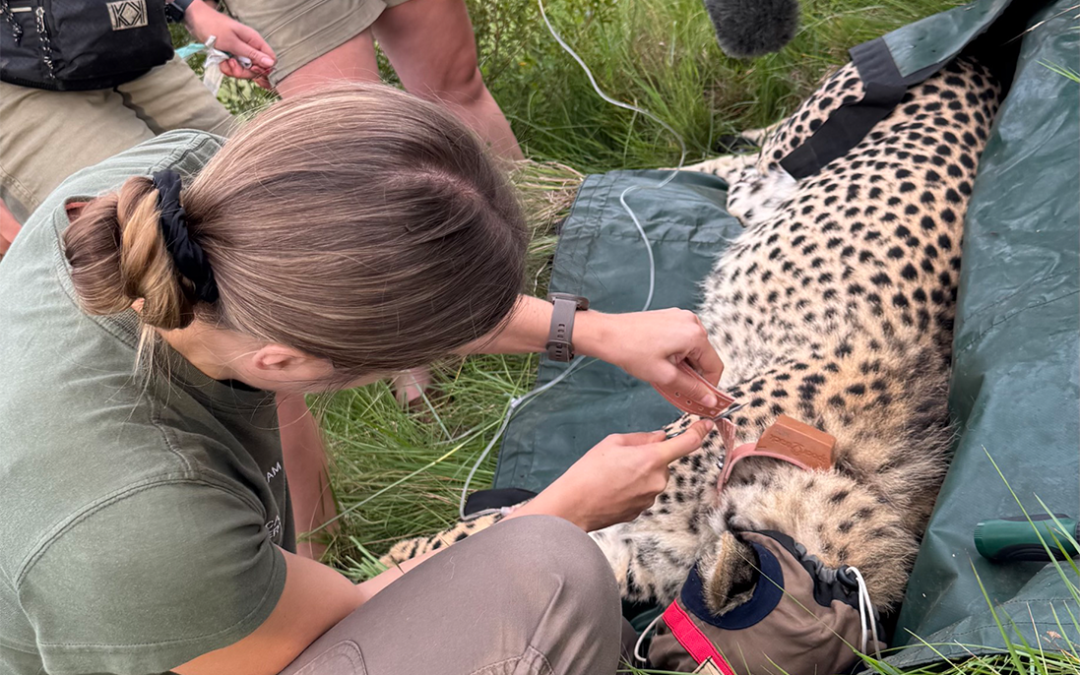
Left: Collaring. Right: Cheetah during transport


In March, members of the Carnivore Conservation team’ s Cheetah Range Expansion Project embarked on a significant cheetah relocation from the Eastern Cape to Mpumalanga—but that’ s just part of the story.

In collaboration with the Mpumalanga Tourism and Parks Agency (MTPA), we’ ve been working for some time to expand the cheetah range across the province through the reintroduction of the species into suitable areas.

In 2023, the Ukuzwana reserve in Mpumalanga was identified as a key restoration site for this project—the first of many steps in this larger initiative.

Ukuzwana Witbad Foundation is a newly established initiative with conservation at its core. Its mission is to protect and preserve the entire ecosystem—from trees and insects to fish, antelope, and carnivores.

After over a year of tireless efforts by all involved, particularly the MTPA scientists and the Ukuzwana team, in December 2024, we were finally ready to select suitable cheetahs for reintroduction.

Around this time, Lalibela Game Reserve in the Eastern Cape had two male Cheetahs disperse. Born and raised in Lalibela, they were accustomed to open plains and had grown up hunting blesbok. However, they also posed a high risk of inbreeding, making it crucial for us to find them a new home and assist in their dispersal from their natal reserve via translocation. Ukuzwana, with its expansive grasslands and a population of over 1,500 blesbok, was clearly the perfect place for them.

When the time was right, I began the long journey to Lalibela to capture and relocate these males to Ukuzwana.

Fifteen hours, a few brief stops, and a couple of wrong turns later, the cheetahs arrived safely in Mpumalanga and were offloaded at their new home.
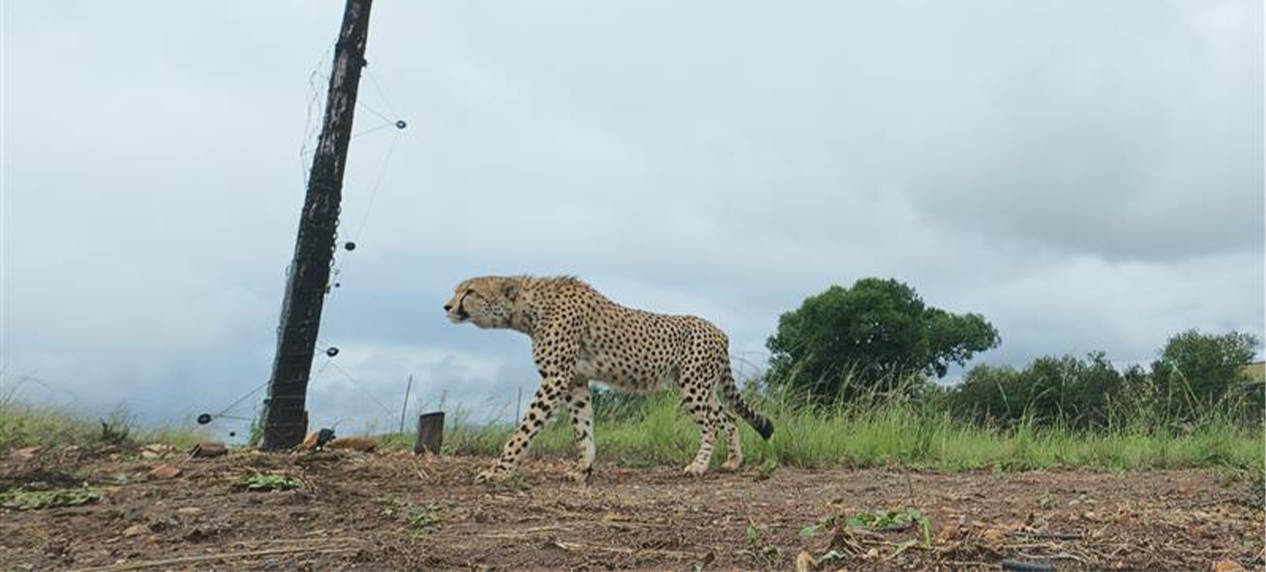
 

Cheetah leaving the boma


As with most translocations, they were first released into a boma. This allowed them to settle into their new surroundings, getting used to the sights and smells of their new home after the long journey.

But soon their restlessness set in—they were already attempting to hunt any bird that ventured into the boma. It was clear that the time for release had come! Four weeks after their arrival in Ukuzwana, the boma gates were opened, and within 30 minutes, the brothers eagerly set off to explore their new territory.

Since then, we’ ve been keeping a close eye on them and are thrilled to report that both cheetahs have settled in wonderfully, successfully hunting within their first 12 hours of release!

Ukuzwana is now the second reserve in Mpumalanga, outside of the Greater Kruger area, to offer a safe haven for wild Cheetahs. This marks a significant milestone in the species’ restoration within the province.

“As a young organisation, we are honoured to be partnering with the Endangered Wildlife Trust through the Cheetah Range Expansion Project. Becoming only the second reserve in Mpumalanga to host cheetahs is a proud moment for us, and one that marks the beginning of our journey in supporting this critical conservation effort. We’ re excited to walk this path together and contribute to a future where wildlife thrives,” the owners said shortly after the arrival of the cheetah.

The EWT are excited to continue its collaboration with MTPA and Ukuzwana on cheetah conservation and look forward to introducing a female soon to establish a breeding population. Together, we’ re making crucial strides to ensure the Cheetah’s future in Mpumalanga and beyond.
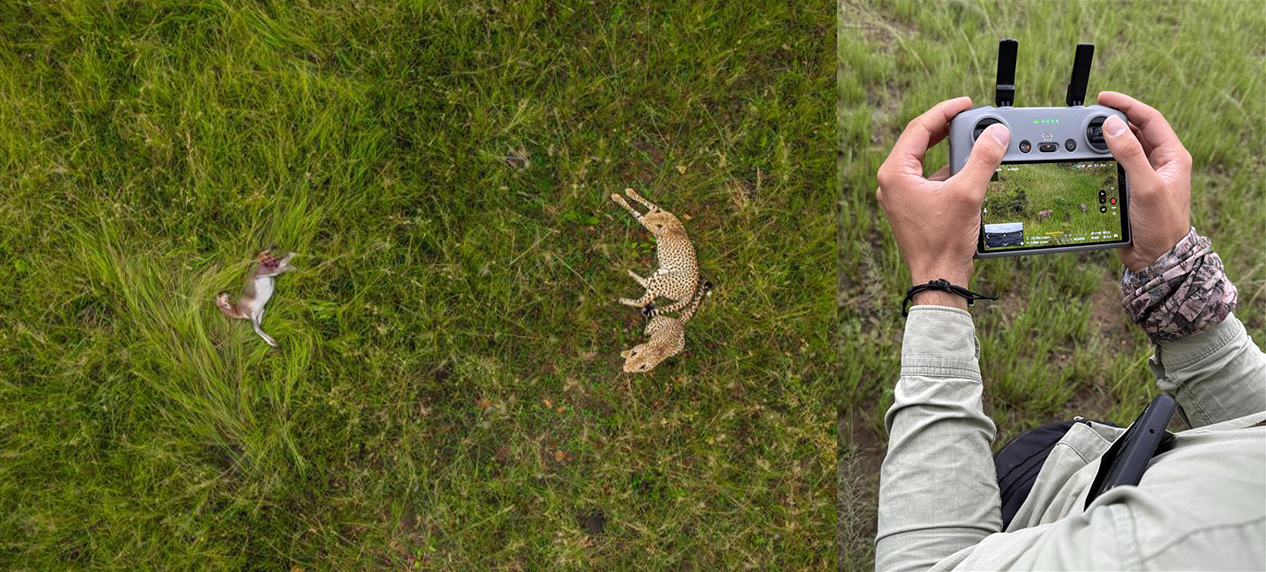
 

Drone monitoring
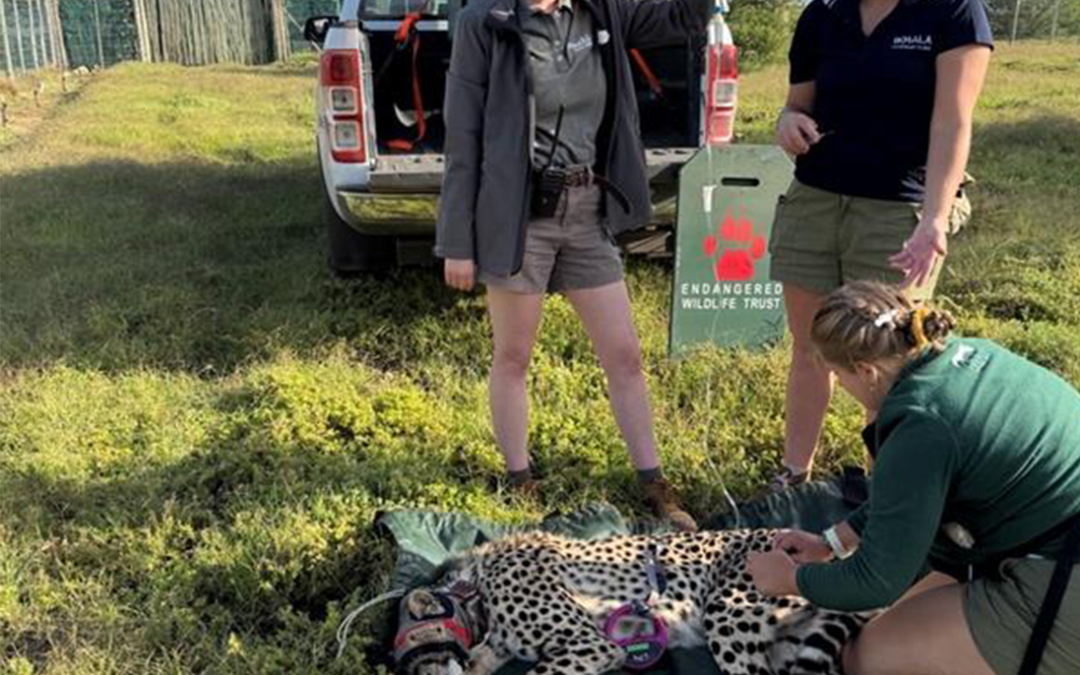
2024 closed with the longest and shortest cheetah relocations of the year

2024 closed with the longest and shortest cheetah relocations of the year


2024 closed with the longest and shortest cheetah relocations of the year

By Olivia Sievert


The Endangered Wildlife Trust’ s Cheetah Range Expansion Project closed out 2024 with three relocations of four cheetahs as part of our ongoing efforts to manage the southern Africa Cheetah Metapopulation. And, they were the shortest and longest relocations of the year!

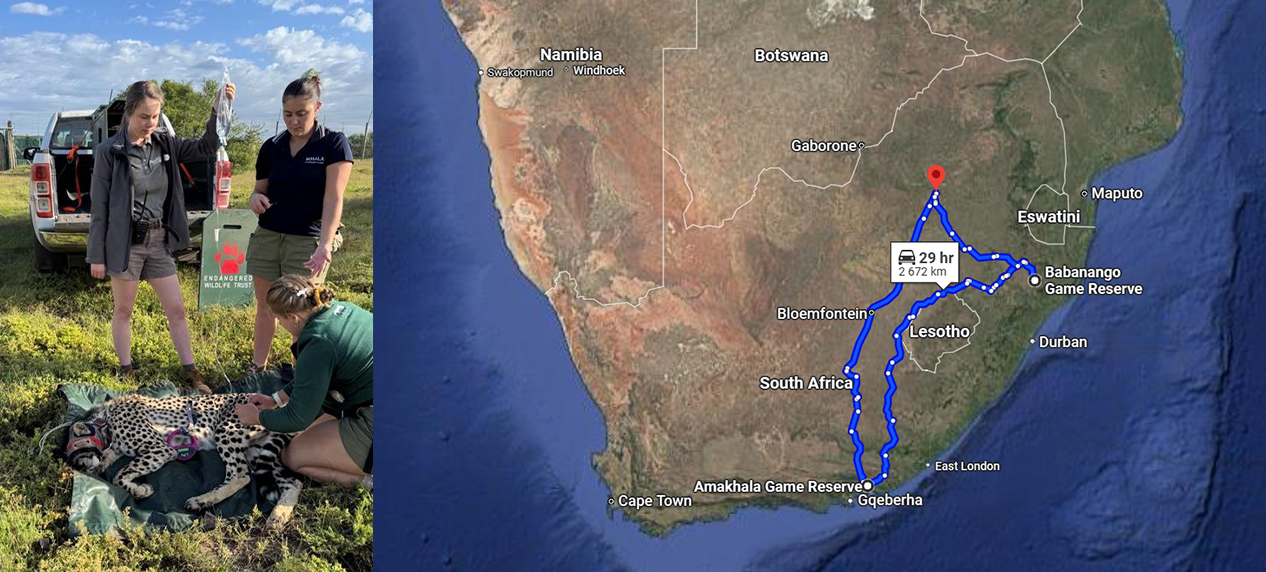
While most of our relocations are within regional or provincial clusters, long-distance moves are occasionally necessary to maintain genetic integrity or promote healthy population demographics. This was the case with our recent relocation of a female cheetah from Amakhala Game Reserve in the Eastern Cape to Babanango Game Reserve in KwaZulu-Natal. This incredible journey covered over 1,140 km, approximately 14 hours of travel for the Cheetah. To ensure the success of this relocation, I covered a roundtrip distance of 2,672 km taking me across six provinces over just three days!

After spending a month acclimatising in the boma, this female cheetah was released into the wider reserve just after the festive season and, we are happy to report that she is doing well.

Babanango Game Reserve, a 20,000 ha landscape undergoing a significant rewilding effort as part of a community agreement conservation project, has made tremendous strides in recent years. Following the reintroduction of two male and two female cheetahs in 2021-2022, the reserve is eager to continue growing its cheetah population and positively contribute to the conservation of species. The addition of this female will strengthen the population, which welcomed five cubs towards the end of the year.

However, to finish off the year we also undertook our shortest relocations. These two “cluster-based” relocations were less than 100 km of travel each. This highlights the importance of our work, enabling dispersal between protected areas that are otherwise isolated from each other, surrounded by a sea of anthropogenically altered landscapes. The two relocations in question took place from Manyoni Game Reserve, one of our long-standing partners in Cheetah conservation.

In recent years, Manyoni’s Cheetah population has flourished, with approximately 11 breeding adults currently thriving on the reserve. But, this success brings with it numerous challenges, including managing genetic diversity, ensuring sufficient prey availability, and preventing sub-adult dispersal beyond the reserve boundaries. To address these challenges in 2024, we worked closely with Manyoni’s Management Team and Wildlife ACT, who assist with monitoring the Cheetah on the reserve, to identify suitable individuals for removal. As such, three dispersing sub-adults were identified as having a high risk of inbreeding and were earmarked for removal.

Searching for new homes for Cheetahs is one of the hardest parts of the relocation process. It involves finding a reserve that ideally has similar habitats, predator dynamics, and unrelated Cheetahs to promote genetic diversity. Fortunately, Manyoni’s cheetahs carry unique genetics, offering an opportunity to strengthen KwaZulu-Natal’s cheetah population.

Partnering with Ezemvelo KZN Wildlife and Wildlife ACT, two ideal reserves were identified to receive these animals: Mkuze Valley Wilderness and Hluhluwe-iMfolozi Park.


Amakhala to Babanango


Mkuze Valley Wilderness

As part of our ongoing efforts to revitalise non-breeding Cheetah populations within South Africa’s Cheetah Metapopulation, we have been collaborating with Mkuze Valley Wilderness on an exciting restoration project. This 14,000 ha reserve comprises two protected areas: Mkuze Falls Game Reserve, which initially reintroduced Cheetahs in 1998, but has seen almost no breeding success in 25 years, and Ven Africa, a former cattle farm now transformed into a pristine Cheetah habitat through an ambitious rewilding project.

When we began the Cheetah restoration work with Mkuze Valley Wilderness in early 2024, only one male Cheetah roamed the reserve. Since then, we’ ve introduced a second male, who has adapted remarkably well, and at the end of the year we were able to introduce one of the three Cheetahs that was earmarked for translocation from Manyoni Game Reserve – a two-year-old female now named Naledi. As with the vast majority of Cheetah translocations Naledi was temporarily held in a boma to allow her to acclimatise to her new surrounding and cut her homing instinct to Manyoni. Over the festive season she was released into the reserve and is doing extremely well in her new home – hunting primarily duiker and young wildebeest!


Hluhluwe-iMfolozi Park (HiP)

As one of the largest reserves within South Africa’s Cheetah Metapopulation, this 96,000 ha protected area also hosts one of the Metapopulation’ s largest population of Cheetah– roughly 20 breeding adults.

As part of the overall species management in the park the Cheetah are closely monitored to understand the dominant genetic lineages allowing us to adaptively manage the population by relocating individuals at high risk of inbreeding off the property or choosing to bring in new genetics strategically. At present the vast majority of males on the property are singletons. As such, it was decided that the best course of action for the population was to introduce a strong coalition of new genetic lineage to the reserve to ensure more genetically unique breeding opportunities.

We were delighted to finally make this happen at the end of the year when we introduced two of the three Cheetah from Manyoni – a coalition of brothers that are completely unrelated to any Cheetah in the HiP. The males have since been released into the larger reserve and are doing very well.

This relocation highlights the power of collaboration in conservation. The effort brought together Manyoni Game Reserve, EWT, Wildlife ACT, and Ezemvelo KZN Wildlife, ensuring every decision was backed by the best available data.

We extend our heartfelt gratitude to Manyoni Game Reserve for the donation of these Cheetah through the EWT’ s Cheetah Range Expansion Project and to all our partners for their roles in planning, capturing, and relocating these Cheetahs. Together, we are securing a brighter future for southern Africa’ s Cheetah populations.


** The EWT would like to thank Metrofibre and Ford Wildlife Foundation for making this work possible by funding our Cheetah Range Expansion Project.


Welgevonden Facility Expands for Cheetah Success

Welgevonden Facility Expands for Cheetah Success


Welgevonden Facility Expands for Cheetah Success


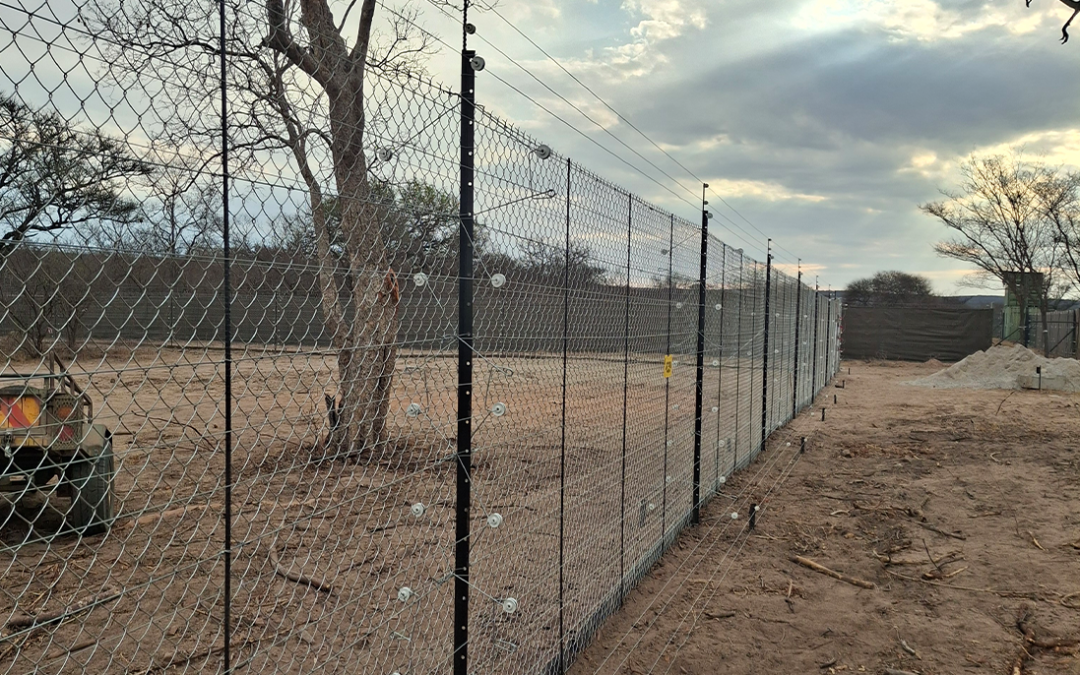
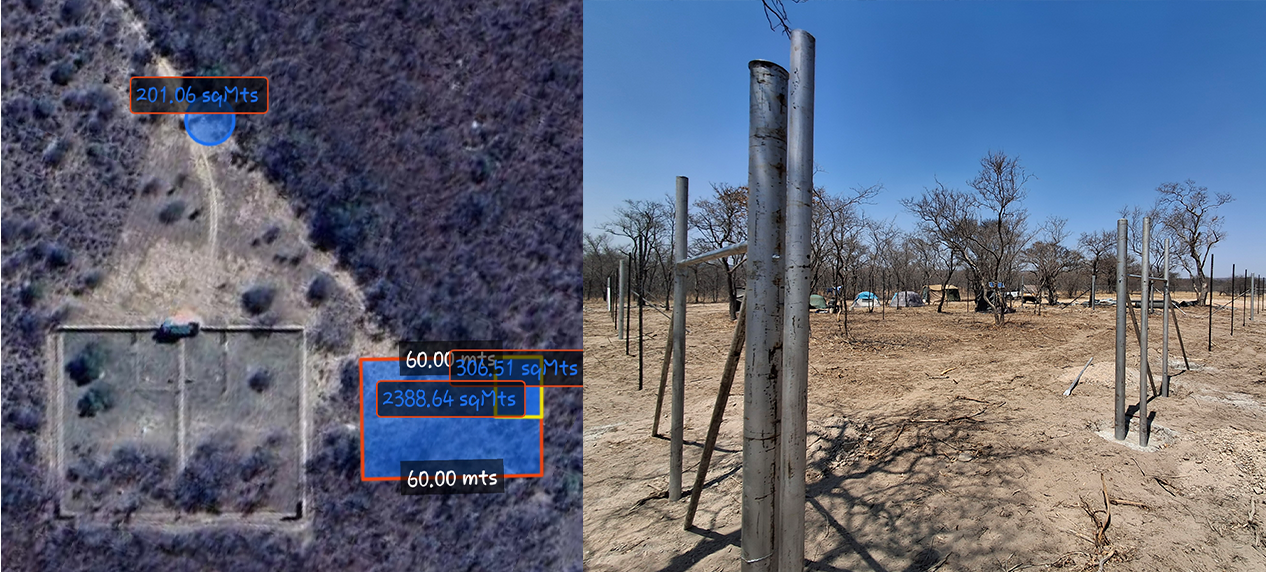
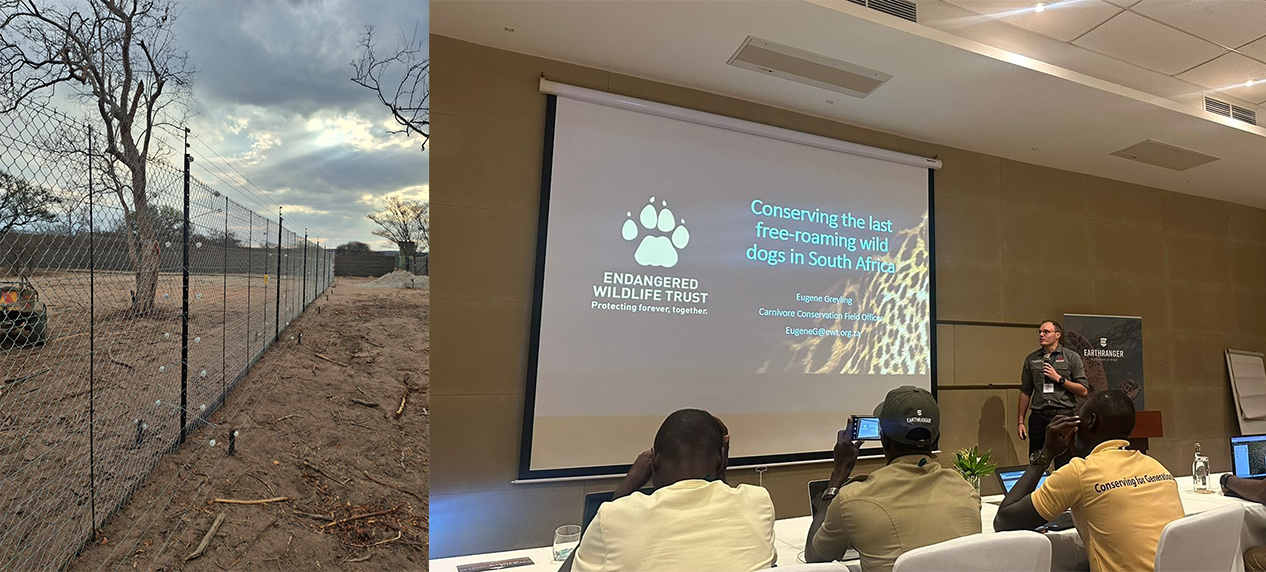
In 2021 the Carnivore Range Expansion Project in partnership with Welgevonden Game Reserve developed a state-of-the-art Wild Dog holding facility. This facility has since been the temporary home for 40 Wild Dogs during relocations within southern Africa. It has also facilitated the international export of 22 Wild Dogs and the international import of 12, thus enabling the reestablishment of the species to five protected areas. Based on this success we’ve been kindly granted funds from Paul L King to expand this facility to create an additional holding camp – this one more specifically geared towards cheetahs.

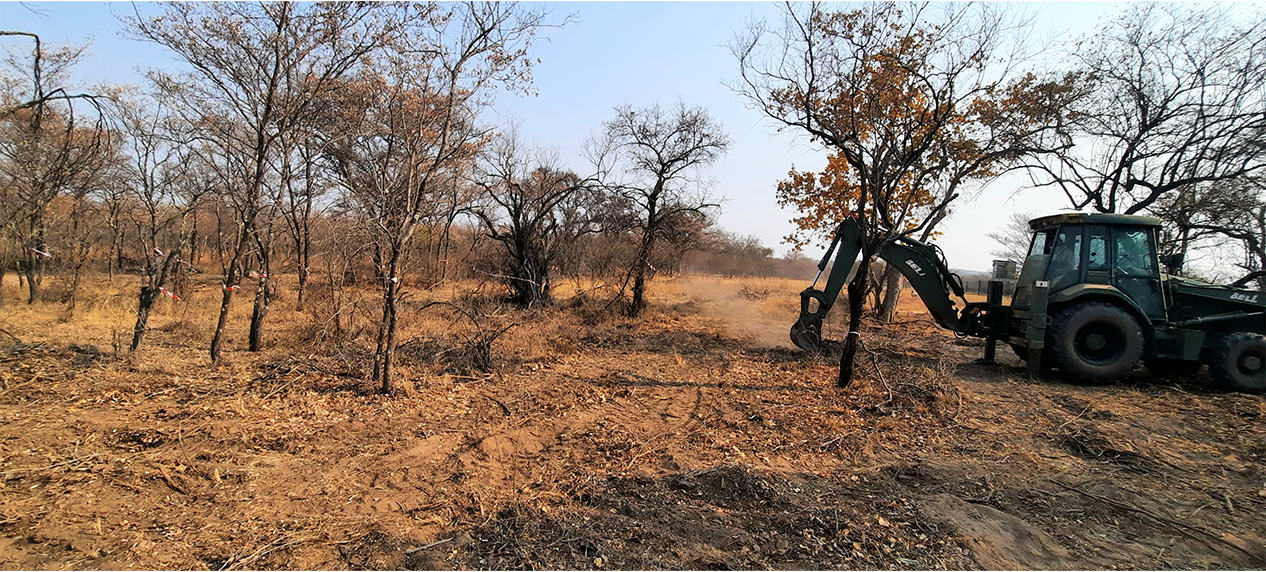
Field Officer, Eugene Greyling, worked meticulously in recent months managing the building team onsite to ensure that the facility met the highest possible standard. While the holding process is an integral part of both Cheetah and Wild Dog relocations, we strive to ensure that we can provide the best possible care and reduce stress as much as possible for each animal. The recently-completed Cheetah holding facility will do just that.

Cheetah repopulation initiative in the Greater Makalali Nature Reserve

Cheetah repopulation initiative in the Greater Makalali Nature Reserve


Cheetah repopulation initiative in the Greater Makalali Nature Reserve

By: Mark Bishop – publisher and editor of Kruger2Canyon News

In a significant conservation effort, the Endangered Wildlife Trust (EWT), a leading conservation NGO with over 50 years of experience in southern Africa, in collaboration with the Greater Makalali Nature Reserve (GMNR), is spearheading a project aimed at revitalising the cheetah population in the GMNR. This initiative is part of the broader Carnivore Range Expansion Project, which focuses on species conservation across South Africa and neighbouring countries.


The EWT’ s Cheetah Range Expansion Project Coordinator and Coordinator of Cheetah Advisory Group, Olivia Sievert says the success of the EWT’ s work involves collaboration with various reserves—both private and governmental—throughout South Africa. These partnerships extend to Mozambique, Zambia, and Malawi.

“Cheetahs are facing a multitude of threats, including habitat loss, conflict with humans, and competition with other predators,” said Olivia. “Relocation efforts are crucial to maintaining genetic diversity and ensuring the species’ viability.”

Discussions began with the Makalali team two years ago, following a dramatic decline in the local cheetah population due to an overabundance of lions in the area, which had led to significant predation on cheetahs and a population crash around 2018.

A project like this one, involves carefully selected cheetahs being relocated to reserves where they can thrive and contribute to genetic diversity. There is an immense amount of ecological, habitat, predator and animal population data considered for any cheetah relocation – it’ s not a matter of ‘we don’ t have them, let’ s put them in’ .

As of 2023, with only two cheetahs remaining on the reserve, a new plan had to be developed. Antony Collett, the Warden of GMNR was already in discussion with EWT concerning relocation of cheetah onto the reserve. With only two resident individuals there was little chance that the population would bounce back. GMNR took the decision, in consultation with EWT, to initiate a program to bolster the dwindling cheetah numbers by relocating individuals from larger reserves that had experience with lion interactions.

Four cheetah – a female, her two sub-adult daughters and a male – were identified and successfully relocated from Tswalu Nature Reserve to GMNR. While the male cub tragically fell victim to a leopard, the remaining females have adapted well to their new environment and are now ready to be sired.

To strengthen the population, a coalition of four male cheetahs, led by Stompie (so called because of his short tail), was identified and moved from Inkomazi Game Reserve near Barberton, and recently released onto the GMNR. Stompie joined the coalition of three males – he is unrelated, and formerly a lone male – and they have all been together for the lasty five months. The relocation process involved a meticulous planning and execution phase, with the cheetahs being carefully transported and acclimated to their new surroundings. The hope is that the coalition will successfully integrate into the GMNR ecosystem and contribute to the growth of the cheetah population.

“We are committed to protecting the endangered species that call our reserve home,” stated Antony. “The introduction of these cheetahs is a strategic step towards restoring the balance of the ecosystem and ensuring the long-term sustainability of our wildlife.”

Cheetah cubs typically stay with their mothers for 13 to 16 months, forming strong sibling bonds until they are ready to establish their own territories. This relocation strategy ensures that the males remain a cohesive unit, promoting social stability and survival in their new home.


Collett emphasises the responsibility of reserves as custodians of endangered species, highlighting the need for sustainable land management practices. He noted that in the past the lion population was higher in the GMNR, but that between 22 – 25 lion is considered as the ultimate goal and as a sustainable lion population for the reserve. This change, part of a collaborative effort with the Lion Management Forum, also aims to maintain and contribute to ecological balance and enhance the reserve’s biodiversity.

In addition to managing lion populations, GMNR is implementing a five-year burning protocol and bush clearance program to create more suitable habitats for cheetahs and other plains animals. The long-term vision is to maintain a healthy, sustainable population of big cats, but also to ensure the survival of the cheetahs by opening up more areas, thereby creating more favourable cheetah micro-habitats.

GMNR is presently home to five females (one of which is currently in a large ‘lion-free’ zone’ and which has just given birth to cubs) and the newly introduced coalition of males to add to the one currently on the reserve, which is the father of the newly born cubs. The hope is that the introduced coalition of cheetahs will successfully breed and contribute to broader conservation efforts by helping repopulate other reserves. This marks an ambitious first step toward establishing a self-sustaining cheetah population on the Makalali.

The relocation process involves a short acclimatisation period in a boma, allowing the cheetahs to adapt to their new surroundings before full release. The EWT’s approach ensures that the cheetahs are well-equipped to thrive in their new home.

As the reserve continues to expand – soon to add 6 000 hectares (30 000 hectares in total) including two river systems – the potential for multiple cheetah coalitions becomes increasingly viable. The reserve aims to create a self-regulating population, a rarity in conservation efforts.

Collett is adamant that “as a nature reserve, we need to be protective of the land and the animals in the area.” He emphasised the importance of sustainable wildlife management and habitat preservation in supporting the cheetah population.

The successful introduction of these cheetah will be measured in several phases: their ability to adapt post-release, establish comfortable territories, breed with the existing females, and ultimately, ensure the survival of their cubs. Achieving these milestones would not only signify a triumph for the EWT and the GMNR, but also mark a pivotal moment in the conservation of this iconic species in South Africa.

“We are committed to protecting South Africa’s endangered species and ensuring their long-term survival,” said Olivia Sievert. “The cheetah relocation project is a significant step towards that goal.”


From Kalahari to Malawi: Cheetahs Thrive in New Home

From Kalahari to Malawi: Cheetahs Thrive in New Home


From Kalahari to Malawi: Cheetahs Thrive in New Home

Both females relocated to Liwonde National Park (Malawi) in December are doing exceptionally well. After a brief adjustment period in the boma, they were released into the reserve on December 28th, 2023, at the height of the rainy season.

The rainy season in Liwonde can pose challenges for cheetahs, as large areas of the park occasionally flood, and the game is widespread. However, this appears to have also limited their post-release movements, meaning they had less area to explore and, as a result, settled quickly. We are pleased to report that both females have been thriving since their release. This is especially encouraging for the female who was born and raised in the Kalahari and unfamiliar with this environment – this just shows the adaptability of these remarkable animals!

One of the females exhibited denning behaviour a few months after her release. While we typically encourage den checks to enhance our monitoring and understanding of the population and breeding success, the Liwonde cheetah population has shown successful denning in good habitats over the years. As a result, we recommend minimising disturbances and instead suggest monitors check on this female from a distance using telemetry. Female cheetahs generally den for 50 to 54 days, after which they begin moving with their cubs, often caching them while hunting. By conducting daily monitoring, we can track whether the female remains at the den site, indicating that denning is still ongoing.

Regrettably, the female left the den after approximately 40 days and did not return, suggesting that her denning was unsuccessful. The exact cause of the cubs’ death remains unknown, as is often the case. However, we have recently observed denning behaviour again, and monitors have reported that the female is also showing signs of nursing! While we will watch closely to see if this litter survives the denning period, both females are first-time mothers, which often results in the loss of first litters or lower overall cub survival rates. Nevertheless, the relocation of these females has been a massive success so far, and we look forward to following their progress as they continue to explore this new environment!

We once again thank Manyoni Private Game Reserve and Tswalu Kalahari Reserve for donating these females to this important conservation project. We also thank our partners African Parks for creating a safe haven for this threatened species, and the Lilongwe Wildlife Trust for their diligent monitoring efforts, along with The Bateleurs and Mercy Air Africa for assisting us in transporting these cheetahs to Malawi!

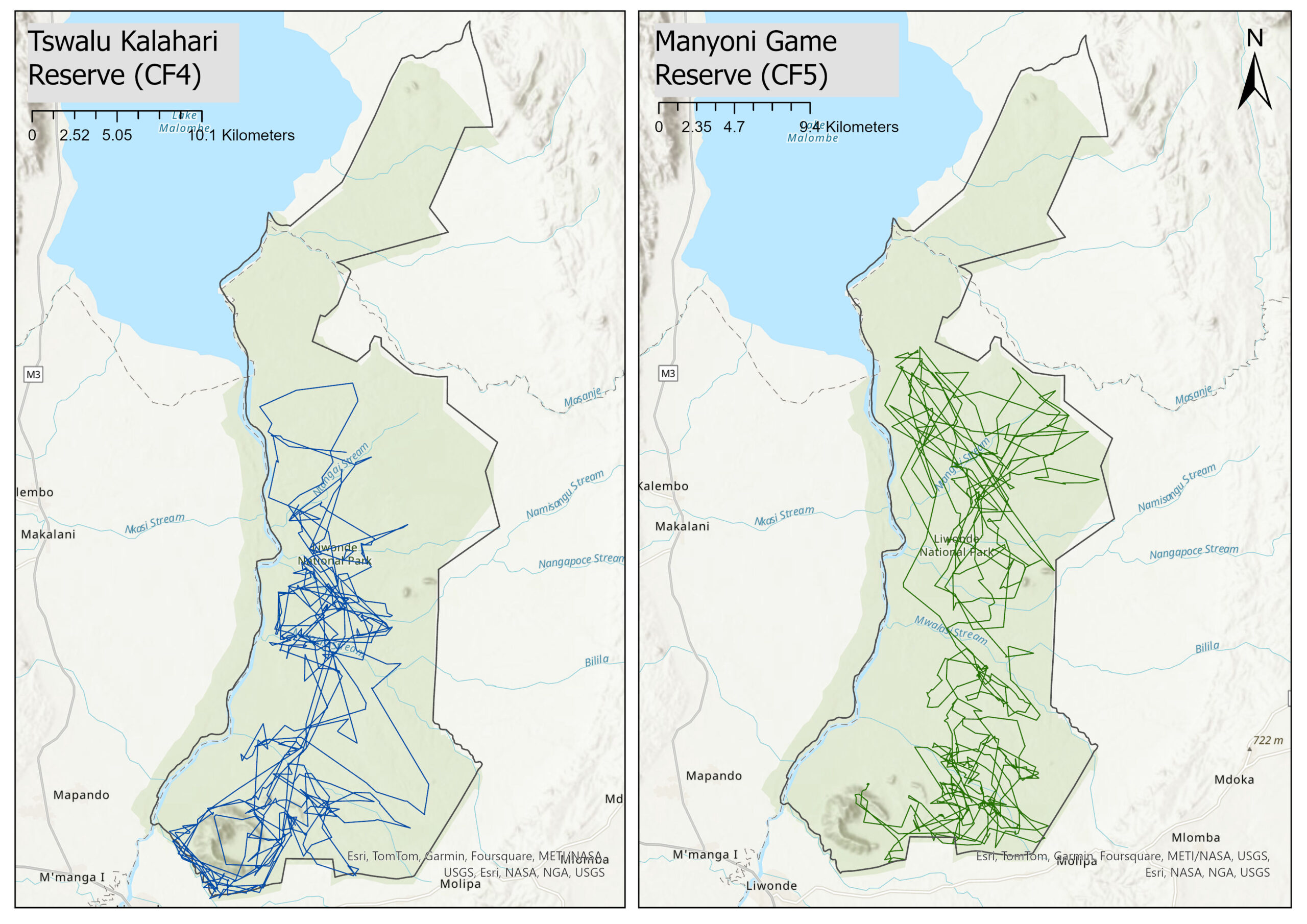
Maps showing the movements of both cheetahs (from Tswalu Kalahari Reserve and Manyoni Game Reserve) after their release into Liwonde National Park. Both females have exhibited extensive exploration behaviour, which is to be expected. Hopefully, this will help them find suitable denning areas going forward.


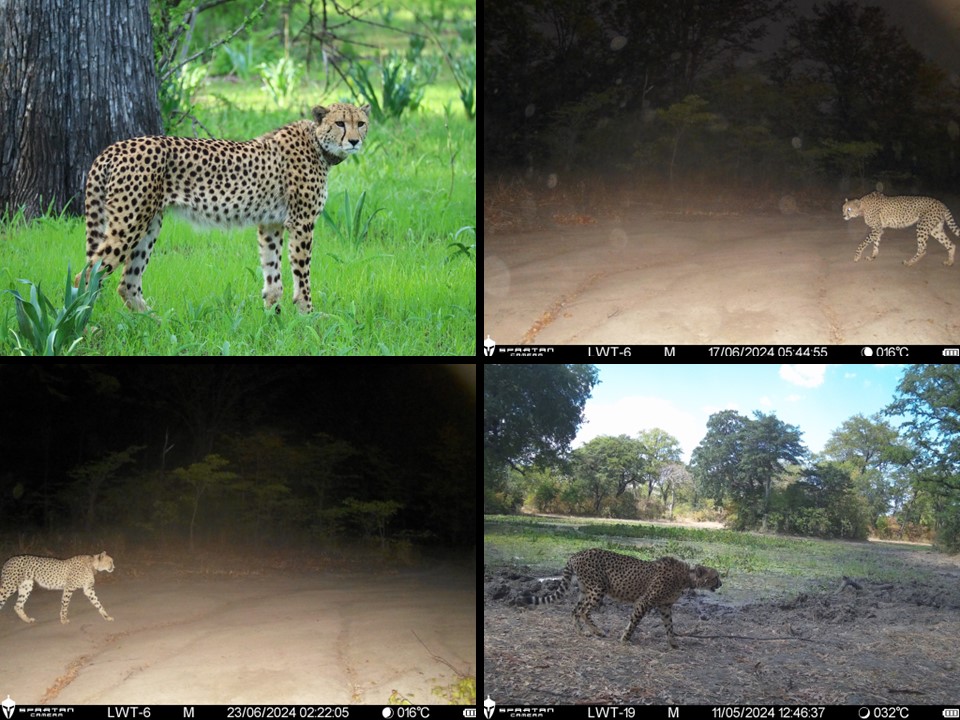
Images of the two females released into Liwonde National Park in December 2023. Due to the limited road network in Liwonde National Park, the vast majority of sightings of these females have been through camera traps placed by Lilongwe Wildlife Trust monitors. However, this can be a fantastic way to remotely monitor their body condition. Thank you to Lilongwe Wildlife Trust for providing us these images!


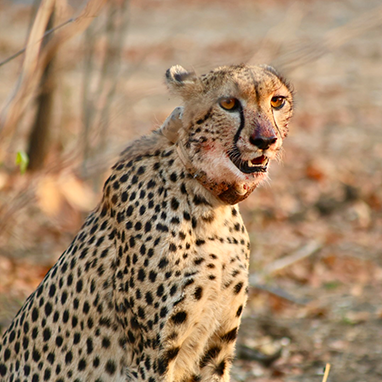
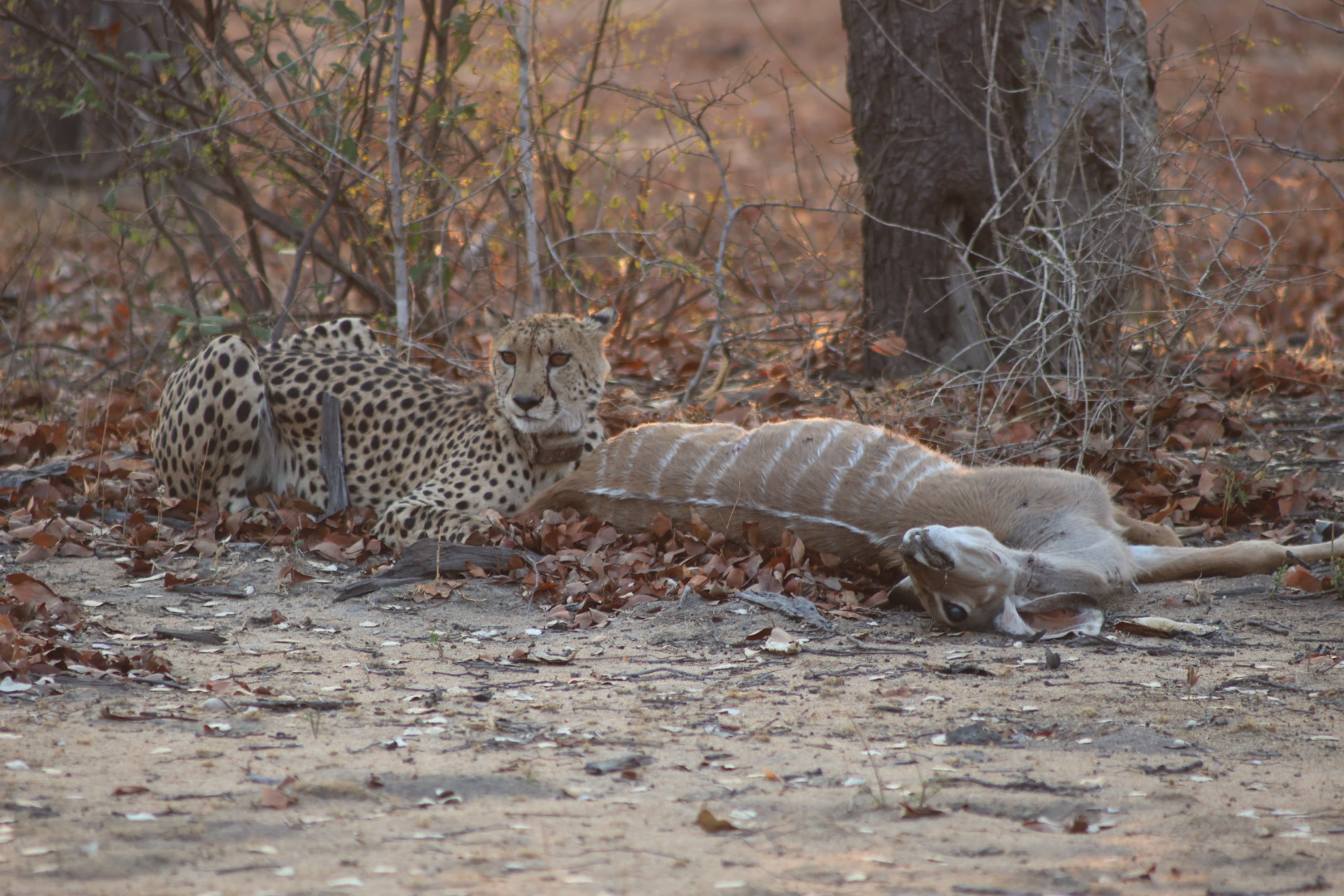
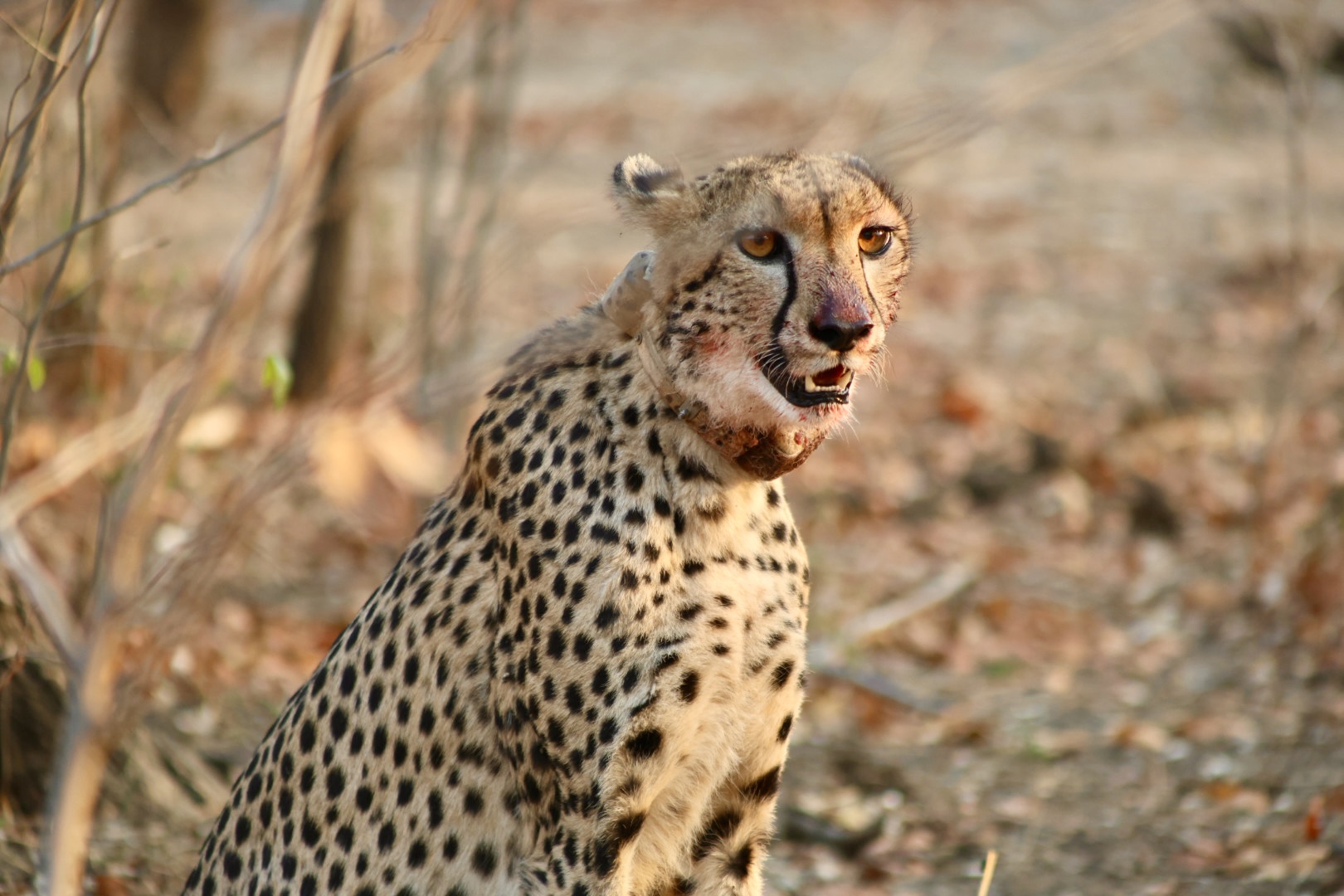
The female from Tswalu Kalahari Reserve after successfully killing of a young kudu. This female has adapted amazingly well, especially considering she was born and raised in the Kalahari. This just shows how adaptable these animals can be! (photo credit: Tilly Sant’Ana)


The female from Manyoni Private Game Reserve after tucking into a meal of a male impala (photo credit: Tilly Sant’Ana)