Help protect Africa's 

EWT Conservation Canines show their worth during police operations

EWT Conservation Canines show their worth during police operations

EWT Conservation Canines show their worth during police operations

By Eleanor Momberg
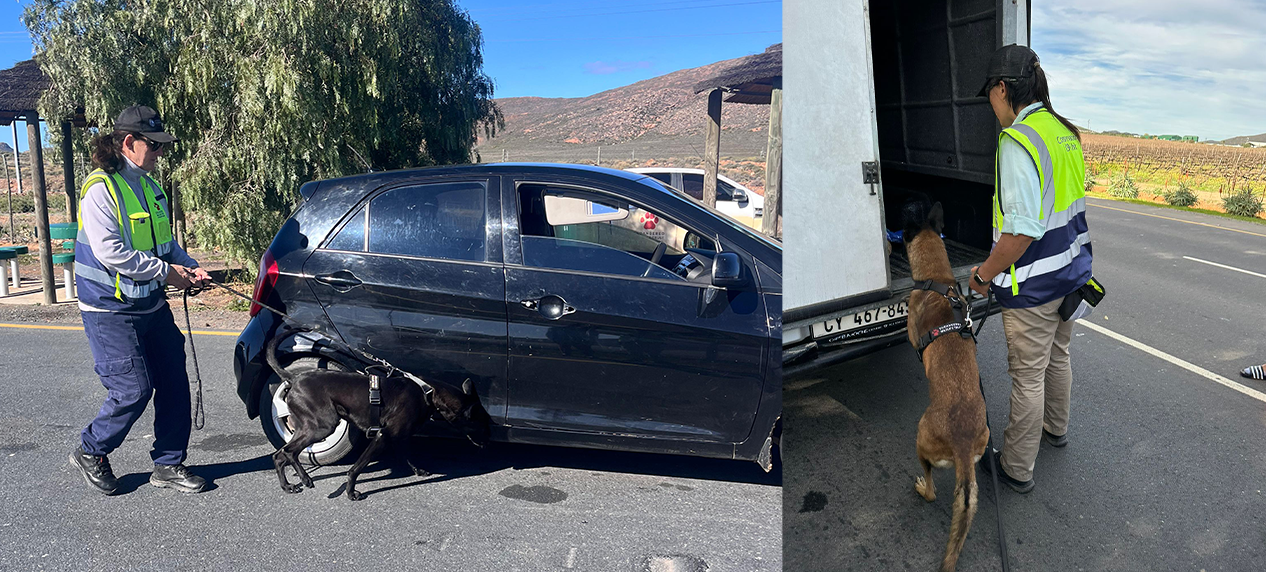
 

K9 unit dogs supporting police operations in Western Cape

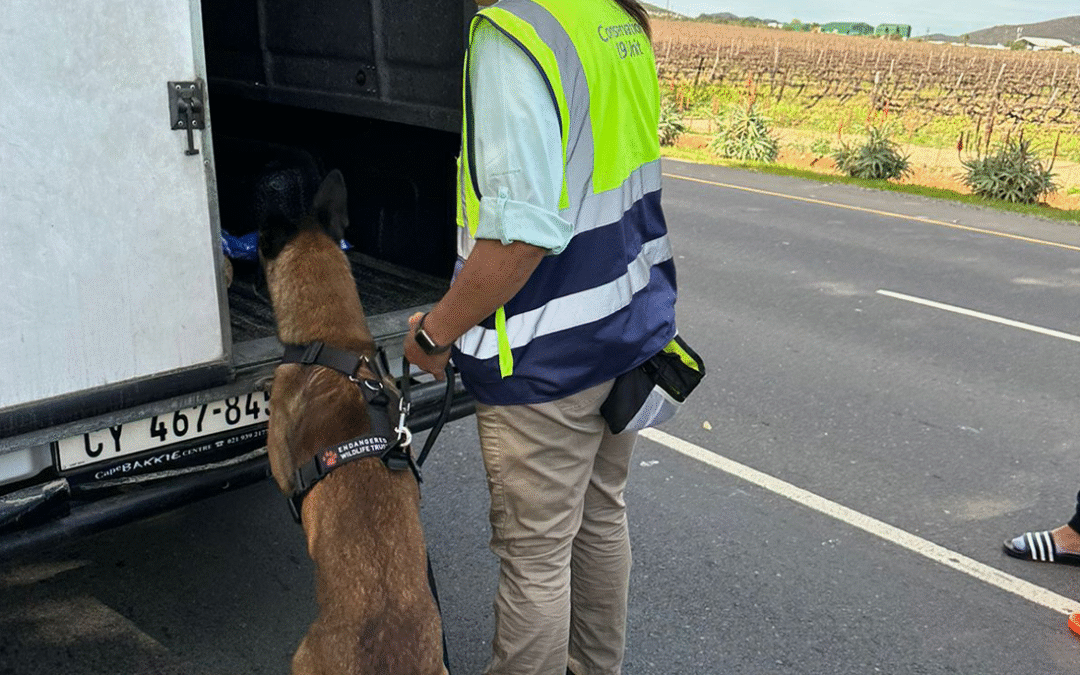
Reaper and Shadi (left) and Mufasa and Cat (right) searching vehicles at Roadblocks


The Endangered Wildlife Trust’ s Canine Conservation Unit recently showed their worth during a joint security operation in the Western and Northern Cape to address the illegal plant trade.

Between 24 June and 12 July, EWT dog handlers Shadi Henrico, Cliantha (known as Cat) Kay and Esther Mathew, accompanied by five working dogs—Ike, Reaper, Kisha, Mufasa and Delta—supported the SA Police Service, the Border Management Agency, provincial environmental departments and Green Scorpions in operations.

This involved travelling more than 7,000 kms in travel over the three-week period, during which they provided support at two vehicle checkpoints, five roadblocks and six vehicle patrols, searching more than 150 vehicles in areas such as Ashton, Touwsrivier, Kamieskroom and Garies.   During these roadblocks, they detected licensed firearms being transported by their owners, and a number of other plant species being transported across the provinces. They also search eight Courier Guy parcel depots and kiosks in Worcester, Swellendam, Robertson, Vredendal and Springbok.

The importance of efforts by the police, the Green Scorpions and provincial conservation bodies, supported by the EWT, cannot be overemphasised at a time when succulent and bulb plant poaching is on the increase in the Northern and Western Cape.   Saving succulent species from extinction is becoming more difficult, especially since many of the Conophytum species are hard to grow.

Information published by Traffic, the wildlife trade monitoring organisation, indicates that more than one million succulents have been illegally harvested in South Africa since 2019.  This represents “650 different species”  which have been seized by authorities.

The Succulent Karoo, spanning the Western, Eastern and Northern Cape, is the most diverse succulent hotspot in the world, and it is under significant threat from escalating poaching of endemic succulent plants that are prized by collectors in Asia and Europe.  It is home to more than 6,000 succulent species, of which around 40% are endemic.

These plants are small and inconspicuous and can be easily hidden in parcels and transported by road and air. Poachers are known to rely on existing postal networks, including private courier companies, to move poached plants across the country to ports of exit.

The EWT presently has five dogs trained and able to detect four of the 10 succulent plant species. But, they are able to indicate the presence of other Conophytum species targeted by poachers.

Plant poaching is often associated with other types of crime, including stock theft.  By remaining flexible and responsive, we were able to assist the SAPS with a variety of operations throughout the region, acting on the intel they received. Logistically, this meant a lot of packing up and settling dogs into new environments, something which our handlers did very well.

It must be mentioned that not all activity was linked to finding criminals.  During the first week in the Western Cape, the K9s received additional and refresher training to keep their noses primed for the detection of plant and animal species that are being illegally traded.

Besides a demonstration of their skills to detect tortoises and conophytums in McGregor,  Ike, Kisha, Mufasa, Reaper, and Delta refreshed their scent detection of conophytums, the succulent species most illegally traded in South Africa at present, during training at the Worcester Botanical Gardens.  The following day, the canines visited Exotic Animal World in the Western Cape to receive training on live Armadillo Girdled Lizards.  This was the first time Mufasa’ s detection skills on a live Armadillo Girdled Lizard were tested, impressing Cliantha, his handler.

At the Namaqua National Park, Shadi, with Reaper and Ike, and Cat, with Mufasa and Kisha, assisted at roadblocks along routes regularly used by plant and reptile poachers, and supported in vehicle searches inside the Park.

The EWT K9 Unit will continue working our dogs on the most relevant illegally harvested plant species to support the authorities in the best way possible. We aim to reduce poaching activities through the interception of illegally harvested plants, thereby disrupting the supply chain, assisting law enforcement agencies in their duties and ultimately bringing criminals to justice.
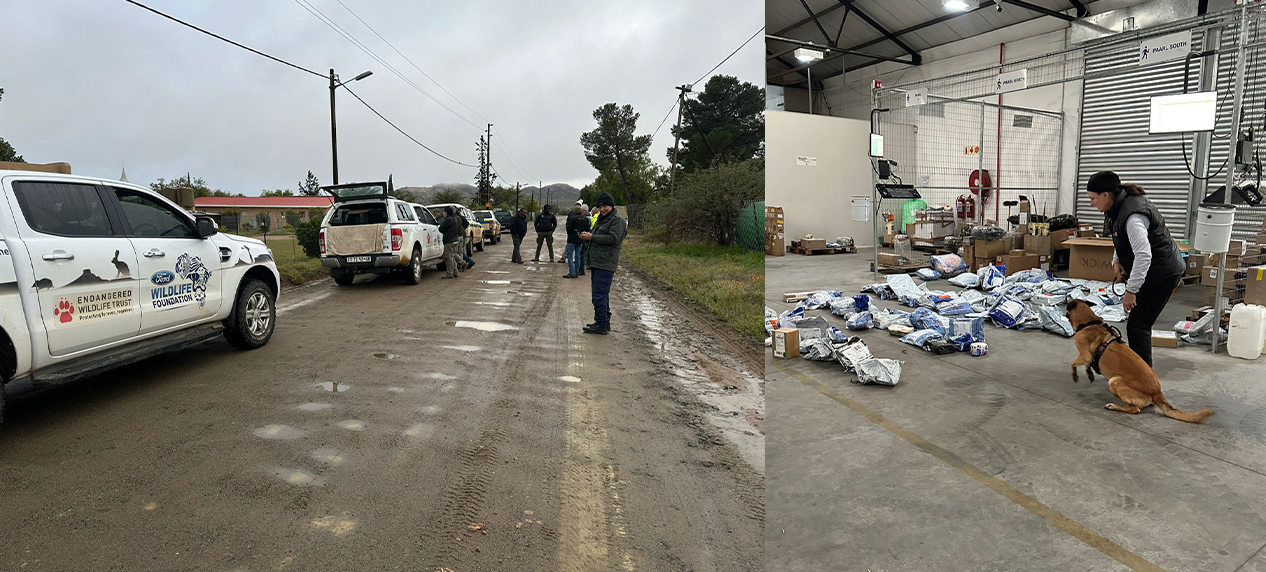
 

EWT Canine Conservation Unit assisting law enforcement in South Africa

Right: Kisha doing parcel searches


The EWT’ s Canine Conservation Unit (CCU) is a special project established to support the conservation efforts of the EWT through scent detection and tracking dog services. The unit is also available as a service provider to our conservation partners, private landowners and other stakeholders, where dogs can perform a variety of priority conservation-focused tasks. This is further supported by the EWT through handler training and certification. There are two types of work done by the EWT’ s K9 unit. Anti-poaching dogs are trained to track people, locate snares, find arms and ammunition, and help with the detection of evidence at crime scenes. Our detection dogs are capable of detecting various plant and animal samples, and thus have a wide range of possible conservation benefits and applications.  In addition to working to detect the illegal export of particularly wildlife products at O R Tambo International Airport (ORTIA), we are continuously exploring new roles for our conservation canines to ensure that the EWT remains recognised as an industry leader in the field of working dogs.
Welgevonden Facility Expands for Cheetah Success

Welgevonden Facility Expands for Cheetah Success


Welgevonden Facility Expands for Cheetah Success


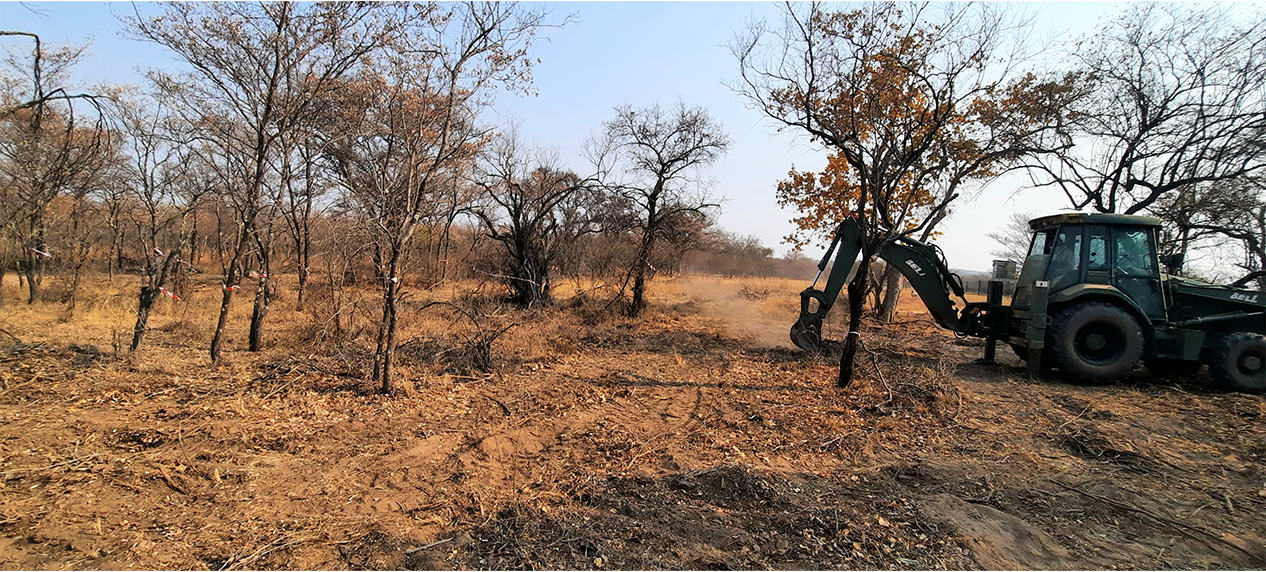
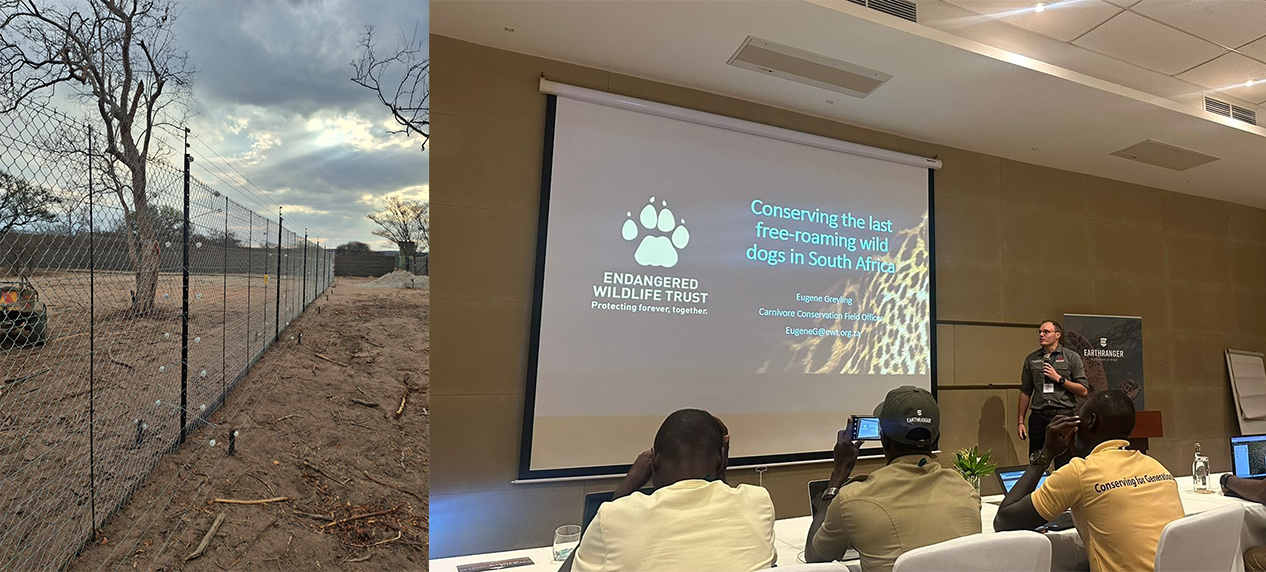
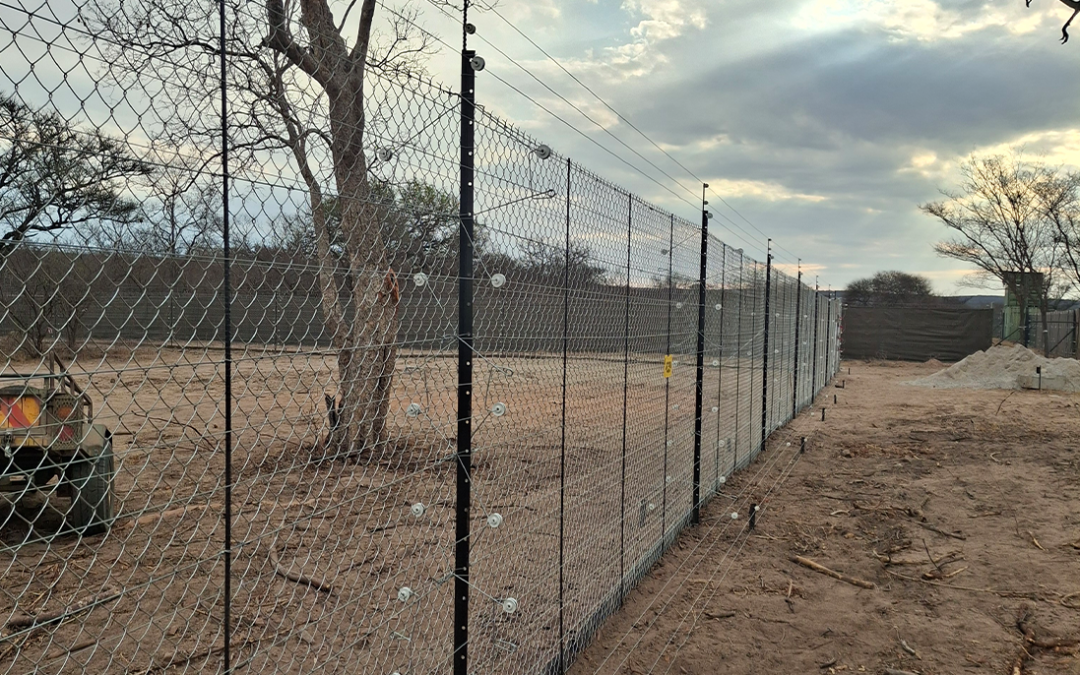
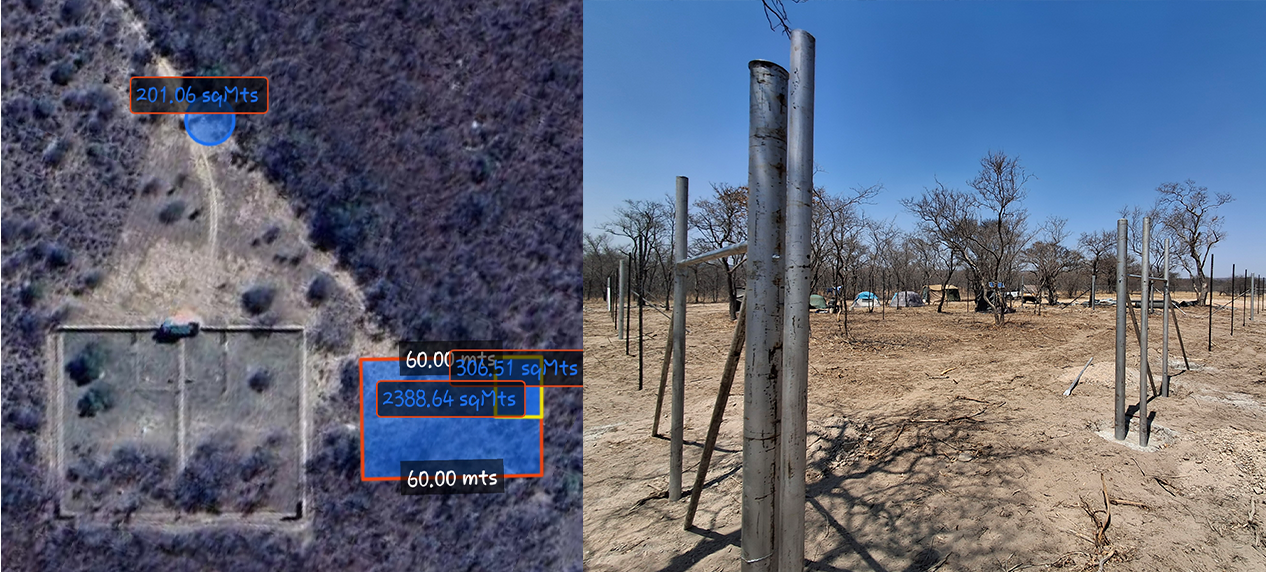
In 2021 the Carnivore Range Expansion Project in partnership with Welgevonden Game Reserve developed a state-of-the-art Wild Dog holding facility. This facility has since been the temporary home for 40 Wild Dogs during relocations within southern Africa. It has also facilitated the international export of 22 Wild Dogs and the international import of 12, thus enabling the reestablishment of the species to five protected areas. Based on this success we’ve been kindly granted funds from Paul L King to expand this facility to create an additional holding camp – this one more specifically geared towards cheetahs.

Field Officer, Eugene Greyling, worked meticulously in recent months managing the building team onsite to ensure that the facility met the highest possible standard. While the holding process is an integral part of both Cheetah and Wild Dog relocations, we strive to ensure that we can provide the best possible care and reduce stress as much as possible for each animal. The recently-completed Cheetah holding facility will do just that.

Cheetah repopulation initiative in the Greater Makalali Nature Reserve

Cheetah repopulation initiative in the Greater Makalali Nature Reserve


Cheetah repopulation initiative in the Greater Makalali Nature Reserve

By: Mark Bishop – publisher and editor of Kruger2Canyon News

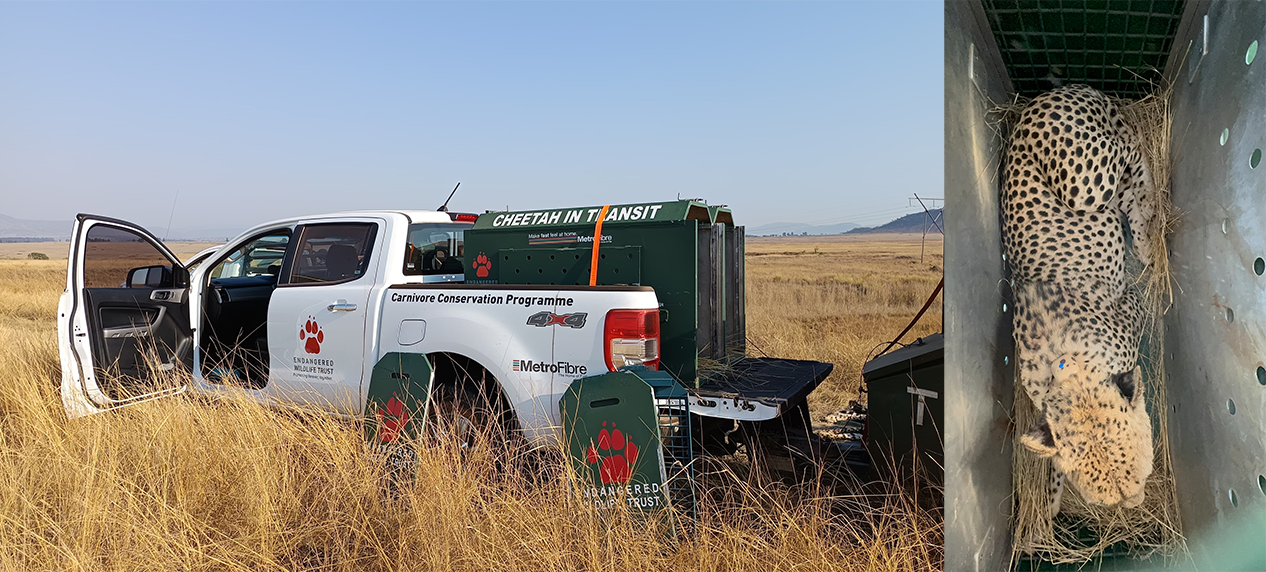
In a significant conservation effort, the Endangered Wildlife Trust (EWT), a leading conservation NGO with over 50 years of experience in southern Africa, in collaboration with the Greater Makalali Nature Reserve (GMNR), is spearheading a project aimed at revitalising the cheetah population in the GMNR. This initiative is part of the broader Carnivore Range Expansion Project, which focuses on species conservation across South Africa and neighbouring countries.


The EWT’ s Cheetah Range Expansion Project Coordinator and Coordinator of Cheetah Advisory Group, Olivia Sievert says the success of the EWT’ s work involves collaboration with various reserves—both private and governmental—throughout South Africa. These partnerships extend to Mozambique, Zambia, and Malawi.

“Cheetahs are facing a multitude of threats, including habitat loss, conflict with humans, and competition with other predators,” said Olivia. “Relocation efforts are crucial to maintaining genetic diversity and ensuring the species’ viability.”

Discussions began with the Makalali team two years ago, following a dramatic decline in the local cheetah population due to an overabundance of lions in the area, which had led to significant predation on cheetahs and a population crash around 2018.

A project like this one, involves carefully selected cheetahs being relocated to reserves where they can thrive and contribute to genetic diversity. There is an immense amount of ecological, habitat, predator and animal population data considered for any cheetah relocation – it’ s not a matter of ‘we don’ t have them, let’ s put them in’ .

As of 2023, with only two cheetahs remaining on the reserve, a new plan had to be developed. Antony Collett, the Warden of GMNR was already in discussion with EWT concerning relocation of cheetah onto the reserve. With only two resident individuals there was little chance that the population would bounce back. GMNR took the decision, in consultation with EWT, to initiate a program to bolster the dwindling cheetah numbers by relocating individuals from larger reserves that had experience with lion interactions.

Four cheetah – a female, her two sub-adult daughters and a male – were identified and successfully relocated from Tswalu Nature Reserve to GMNR. While the male cub tragically fell victim to a leopard, the remaining females have adapted well to their new environment and are now ready to be sired.

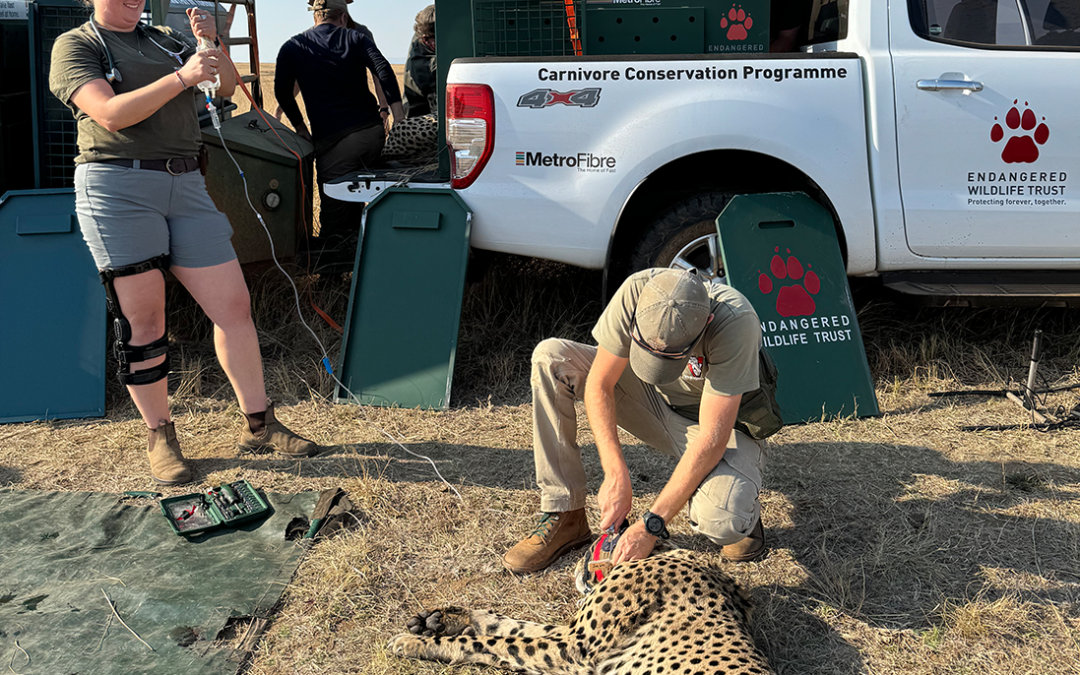
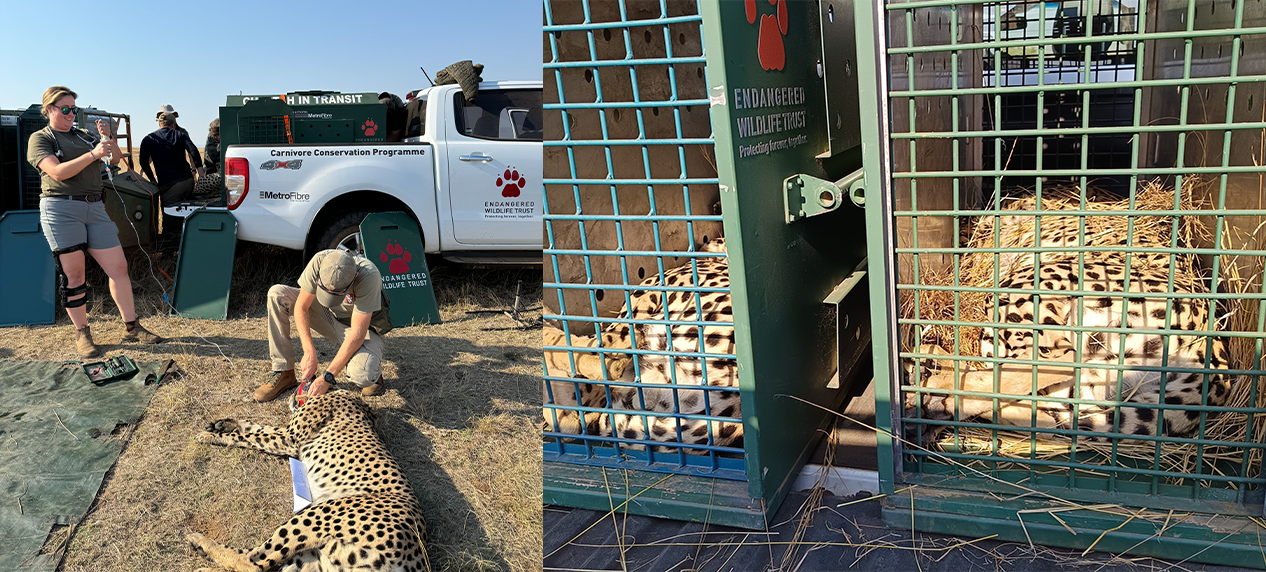
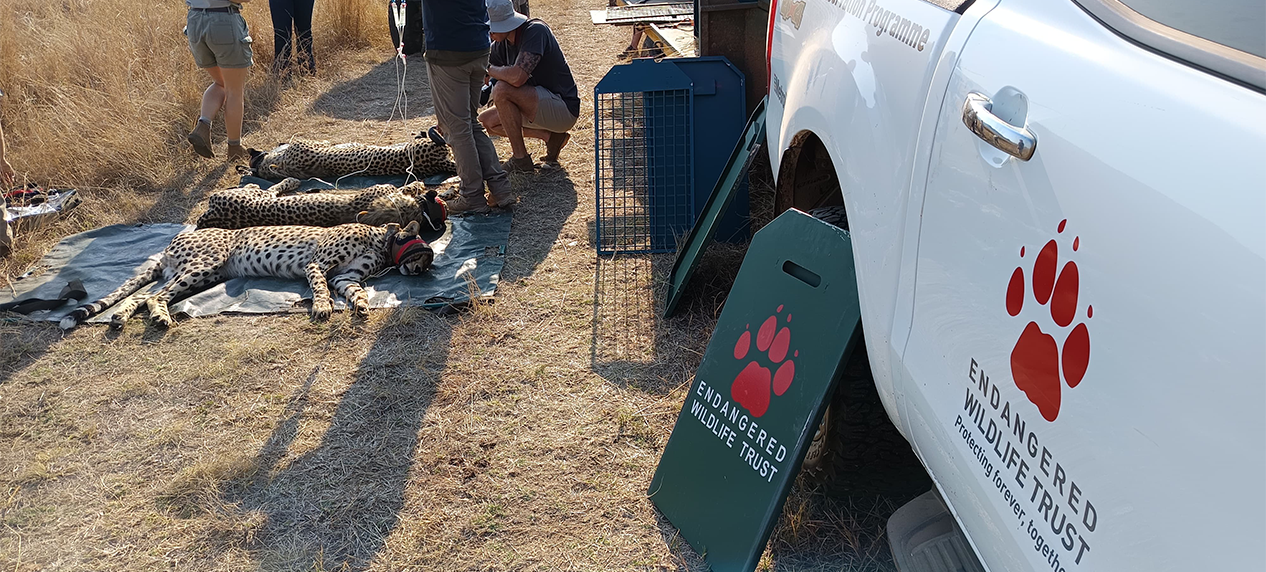
To strengthen the population, a coalition of four male cheetahs, led by Stompie (so called because of his short tail), was identified and moved from Inkomazi Game Reserve near Barberton, and recently released onto the GMNR. Stompie joined the coalition of three males – he is unrelated, and formerly a lone male – and they have all been together for the lasty five months. The relocation process involved a meticulous planning and execution phase, with the cheetahs being carefully transported and acclimated to their new surroundings. The hope is that the coalition will successfully integrate into the GMNR ecosystem and contribute to the growth of the cheetah population.

“We are committed to protecting the endangered species that call our reserve home,” stated Antony. “The introduction of these cheetahs is a strategic step towards restoring the balance of the ecosystem and ensuring the long-term sustainability of our wildlife.”

Cheetah cubs typically stay with their mothers for 13 to 16 months, forming strong sibling bonds until they are ready to establish their own territories. This relocation strategy ensures that the males remain a cohesive unit, promoting social stability and survival in their new home.


Collett emphasises the responsibility of reserves as custodians of endangered species, highlighting the need for sustainable land management practices. He noted that in the past the lion population was higher in the GMNR, but that between 22 – 25 lion is considered as the ultimate goal and as a sustainable lion population for the reserve. This change, part of a collaborative effort with the Lion Management Forum, also aims to maintain and contribute to ecological balance and enhance the reserve’s biodiversity.

In addition to managing lion populations, GMNR is implementing a five-year burning protocol and bush clearance program to create more suitable habitats for cheetahs and other plains animals. The long-term vision is to maintain a healthy, sustainable population of big cats, but also to ensure the survival of the cheetahs by opening up more areas, thereby creating more favourable cheetah micro-habitats.

GMNR is presently home to five females (one of which is currently in a large ‘lion-free’ zone’ and which has just given birth to cubs) and the newly introduced coalition of males to add to the one currently on the reserve, which is the father of the newly born cubs. The hope is that the introduced coalition of cheetahs will successfully breed and contribute to broader conservation efforts by helping repopulate other reserves. This marks an ambitious first step toward establishing a self-sustaining cheetah population on the Makalali.

The relocation process involves a short acclimatisation period in a boma, allowing the cheetahs to adapt to their new surroundings before full release. The EWT’s approach ensures that the cheetahs are well-equipped to thrive in their new home.

As the reserve continues to expand – soon to add 6 000 hectares (30 000 hectares in total) including two river systems – the potential for multiple cheetah coalitions becomes increasingly viable. The reserve aims to create a self-regulating population, a rarity in conservation efforts.

Collett is adamant that “as a nature reserve, we need to be protective of the land and the animals in the area.” He emphasised the importance of sustainable wildlife management and habitat preservation in supporting the cheetah population.

The successful introduction of these cheetah will be measured in several phases: their ability to adapt post-release, establish comfortable territories, breed with the existing females, and ultimately, ensure the survival of their cubs. Achieving these milestones would not only signify a triumph for the EWT and the GMNR, but also mark a pivotal moment in the conservation of this iconic species in South Africa.

“We are committed to protecting South Africa’s endangered species and ensuring their long-term survival,” said Olivia Sievert. “The cheetah relocation project is a significant step towards that goal.”


News from the Field – Translocation Tales: The Carnivore Range Expansion Project

News from the Field – Translocation Tales: The Carnivore Range Expansion Project

News from the Field

Translocation Tales: The Carnivore Range Expansion Project

By Eugene Greyling, Carnivore Conservation Field Officer

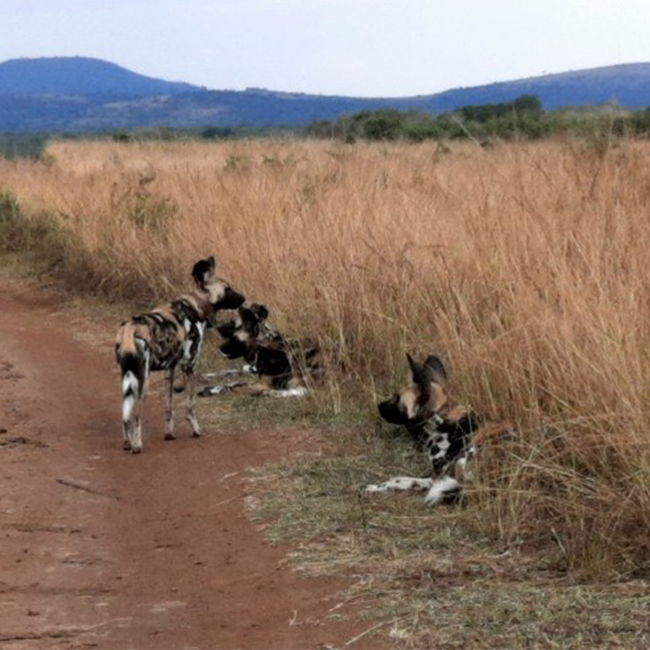
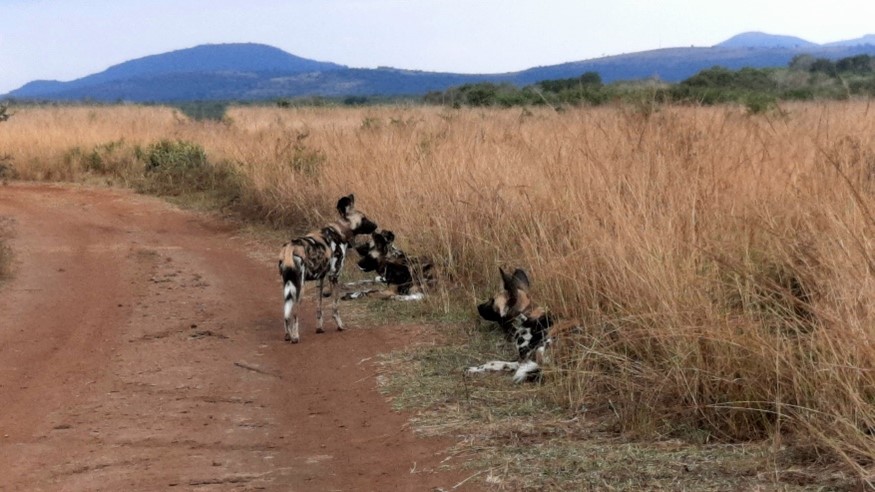
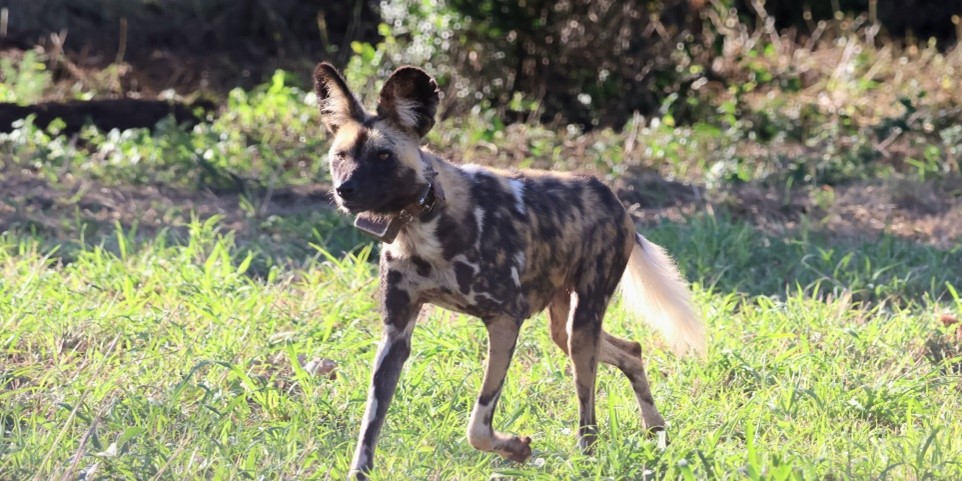
Wild dogs relaxing after being released at Mpilo Game Reserve

The general aim of the Endangered Wildlife Trust’ s Carnivore Range Expansion Project, operating within the Carnivore Conservation Programme, not only includes the conservation of current carnivore populations and the maintenance of genetic integrity in areas where a lack of sufficient ecological connectivity hinders natural dispersal, but also extends to the expansion of geographical range for focal species (with a primary focus on African wild dogs Lycaon pictus and cheetahs Acinonyx jubatus).

Restoring previously extirpated or locally extinct populations, thereby recovering lost range, and securing safe space across the African continent is thus an important priority for us.

“Translocation” refers to the action of purposefully taking an organism from a suitable habitat in one area to a suitable habitat in another area. This is done to encourage threatened species to repopulate in a new area to improve the conservation status of the species and restore the functioning of the ecosystem through population restoration.

Most recently, several translocations have been undertaken by our wild dog range expansion team to reintroduce wild dogs to additional safe spaces in South Africa.

For the first time, founder packs have been introduced into Mpilo Private Game Reserve and Nambiti Private Game Reserve, in collaboration with Ezemvelo KZN Wildlife and Wildlife ACT. All introduced individuals have been fitted with tracking collars to enable daily monitoring of their movements, population and behavioural dynamics, and ecological influences and to help prevent human-wildlife conflict. The information gathered allows for informed decision-making – both at the reserve and the species level.

The pack at Mpilo PGR established well, birthing a litter of pups and curiously exploring their new environment, whilst the pack at Nambiti PGR is still adjusting and acclimatising to their new home in a boma before being released onto the reserve.

With less than 600 wild dogs found in South Africa, of only an estimated 6,600 that remain in the wild globally, every individual counts and we are immensely grateful for the commitment of these reserves to the conservation of the African Wild Dog.

Sometimes, we also need to get creative in the field, as was the case when we executed another successful wild dog translocation to Makalali Private Game Reserve in Limpopo recently.

Due to challenges faced with non-ideal weather conditions as temperatures plummeted to -3°C on the day of relocation, we opted to transport this small pack of four together in a single-compartment lion crate instead of the specially-designed wild dog crates we would generally use. By simulating a den-like environment within the crate, the wild dogs were able to keep each other warm and at rest, minimising stress throughout the journey.

If one thing is certain, it is that no day in the field is quite the same, and by being continuously challenged we continue to explore, innovate, learn, and adapt with every operation.


One of the collared female wild dogs released at Nambiti Game Reserve